




In This Article
- Stablecoins Staking: Summary
- What is Stablecoin Staking?
- How Does Stablecoin Staking Work?
- How to Choose The Right Stablecoin for Staking?
- How to Stake Stablecoins - Step-by-Step Guide
- Benefits and Risks of Staking Stablecoins
- Stablecoin Staking vs. SUI Staking: A Comparative Analysis
- How to Unstake Stablecoins: A Detailed Guide
- Conclusion: Is Stablecoin Staking Worth It?
Stablecoins’ popularity has recently grown, mainly because they are pegged to fiat currencies and considered safer alternatives to other volatile cryptocurrencies. Therefore, many people opt for stablecoin staking, drawn by benefits such as enhanced safety, greater accessibility, and more consistent returns.
More and more platforms provide staking services for stablecoins, and we’ll offer you reviews of the best ones. However, it’s important to consider each platform’s key features and pros and cons before making a decision.
Key Takeaways
- With stablecoin staking, users delegate their stablecoins to platforms or crypto exchanges to earn rewards. The amount earned depends on the platform’s terms and conditions.
- These platforms use the staked coins for various purposes, including arbitrage transactions, lending, or participation in DeFi protocols.
- The best platforms for staking stablecoins include ByBit, CoolWallet, Binance, OKX, and NEXO, with ByBit offering the highest APR.
- Top strategies for maximizing rewards include picking the right stablecoin, choosing reputable platforms while diversifying across several, staying informed about market conditions, and compounding and reinvesting rewards.
- Common mistakes include not picking the right stablecoin, paying excessive platform fees, not understanding the requirements, and not staying updated on changes.
Stablecoins Staking: Summary
After reading this article, you will learn how stablecoin staking works and how to pick the best one. You will discover the best places to stake your stablecoins, their annual percentage rates (APRs), and available staking durations.
In addition, our step-by-step staking and unstaking guides will help you confidently navigate the process. You will also learn about common mistakes, best practices, and effective strategies to optimize your stablecoin staking experience.
What is Stablecoin Staking?
Stablecoin staking is a process where users deposit their stablecoins on platforms or crypto exchanges to earn passive income through interest or rewards. It is different from traditional staking. For a detailed explanation, refer to our USDT or USDC staking guide.
Instead of locking native tokens of Proof-of-Stake (PoS) networks, users provide their stablecoins to crypto staking platforms or exchanges. This does contribute to network security or consensus.
Platforms use deposited stablecoins in various yield-generating activities, such as lending to borrowers via margin trading or loans and providing liquidity in decentralized exchanges.
In return, users earn a percentage reward that may vary based on the chosen platform’s conditions; the percentage is known as APR. The variation depends on the platform’s terms, the stablecoin, and current market conditions.
How Does Stablecoin Staking Work?
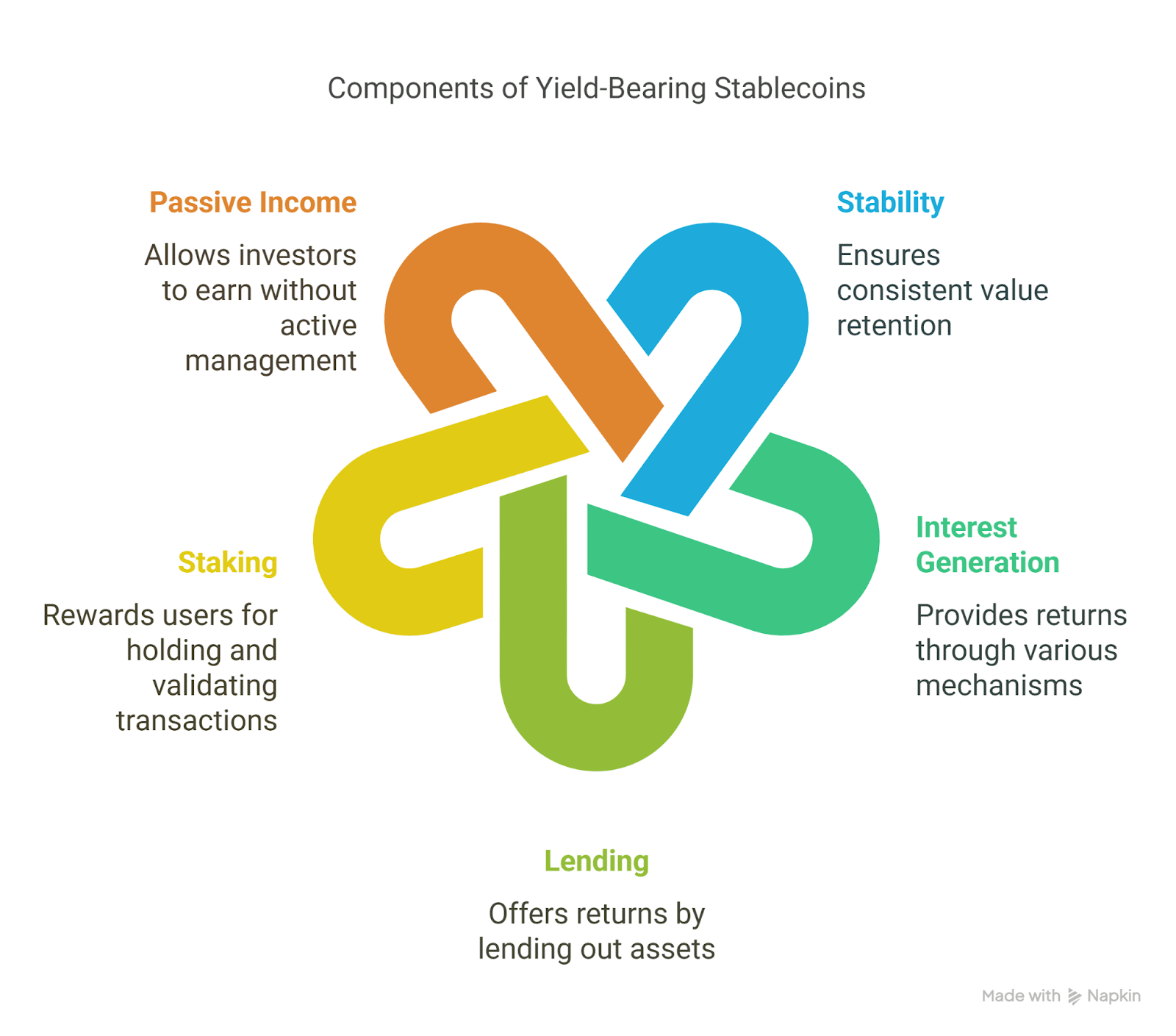
Staking stablecoin usually involves depositing stablecoins into either a centralized exchange (CEX) or a decentralized platform, providing liquidity to the platform, and earning interest, similar to yield farming. These platforms are then used for different operations, including lending, liquidity pools, and participation in DeFi protocols. The received rewards are usually in the form of more stablecoins.
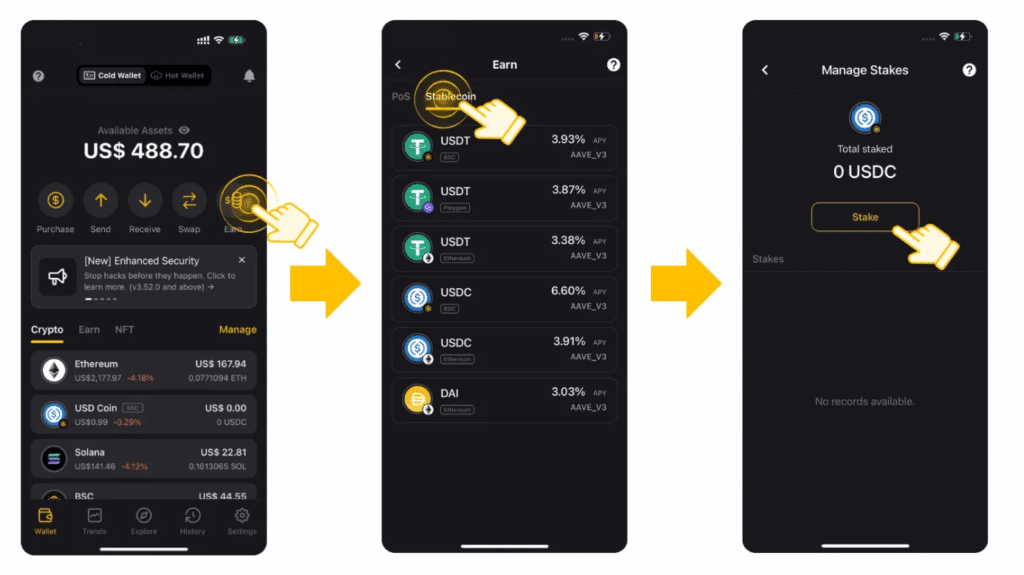
This has multiple benefits, as it lets you earn passive income and helps support the DeFi space. Since stablecoins maintain a steady value, staking them is a safer alternative to more volatile cryptocurrencies.
How to Choose The Right Stablecoin for Staking?
When considering different stablecoins for staking, like USDT, USDC, and DAI, it’s important to know their key differences. USDT and USDC are pegged to the U.S. dollar, but different organizations issue them and have different use cases.
Tether, or USDT, is one of the oldest and most commonly used stablecoins, pegged 1:1 with the U.S. dollar. It offers high liquidity and is accepted by many platforms, which is advantageous for users who value accessibility and broad adoption. On the downside, USDT has been under scrutiny regarding its perceived lack of transparency regarding its reserves.
USDC is another stablecoin that is tethered to USD. When looking for a reliable stablecoin to stake, USDC staking is a good option. It is heavily focused on regulatory compliance and transparency, suitable for those prioritizing trustworthiness and security.
DAI is a decentralized stablecoin, a smart contract system on the Ethereum blockchain that governs it. DAI is pegged to the U.S. dollar and backed by other cryptocurrencies. This makes it an attractive choice for investors interested in the potential for innovation and decentralized finance.
Best Platforms to Stake Stablecoins
For people who ask where to stake Stablecoins, this section provides several platforms that offer staking services for USDT, USDC, and DAI. Read about each platform and consider its key features, pros, and cons.
Best Wallet – Overall Best Platform For Staking Stablecoins
Stablecoin staking with Best Wallet allows you to earn passive rewards on assets like USDT and USDC without exposing your funds to risky third-party custodians. Instead of sending coins to an exchange, you connect to staking pools directly from the app. Because the wallet is self-custodial, you hold the private keys, meaning your stablecoins remain in your control at all times.
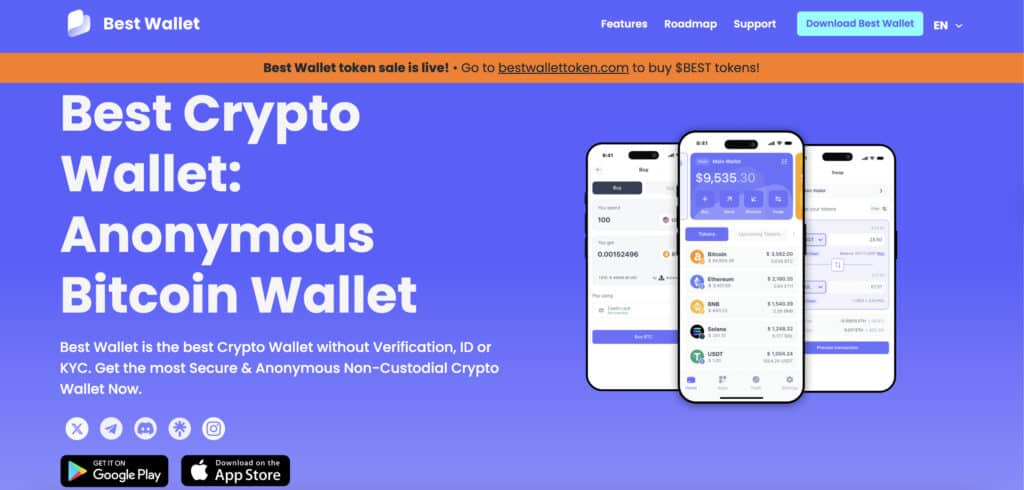
The built-in staking aggregator scans across multiple blockchains and providers to display the most competitive APYs in real time. You can compare yields, choose the pool that best matches your goals, and start earning within minutes without leaving the wallet interface.
While Best Wallet is a non-custodial wallet that supports staking many crypto assets, staking the native $BEST token can unlock higher APY rates on stablecoin pools and other supported networks.
Best Wallet Key Features
- Stake leading stablecoins like USDC, USDT, and DAI directly inside the wallet
- Aggregates staking pools from multiple blockchains for the best available APYs
- Self-custodial setup, as your private keys and funds stay on your device
- Built-in DEX aggregator for quick and competitive stablecoin swaps
- No KYC process required, and start staking instantly
- Mobile-first design with early support for crypto presales.
Best Wallet Pros & Cons
Pros
-
Keep full control over your stablecoins while staking
-
View and compare APYs across multiple blockchains in real time
-
Swap and stake stablecoins without leaving the app
-
No identity verification delays
Cons
-
Mobile-only platform with no desktop interface yet
With its combination of self-custody, APY aggregation, and fast onboarding, Best Wallet is one of the most user-friendly ways to earn steady returns on Stablecoins. Whether you’re looking for a safe place to grow idle USDT or diversify yield sources, it delivers the control and convenience serious DeFi users need. Also, refer to our Best Wallet review for more details.
Stablecoin Staking Is Just The Beginning
Best Wallet’s staking aggregator lets you earn yield on stablecoins like USDT and USDC while fully controlling your private keys. With perks like boosted APYs for buying the $BEST token, it’s more than just a place to hodl your crypto. But stablecoins aren’t the only assets worth staking. Check out our handpicked list of the Best Crypto Staking Coins to discover other projects offering competitive rewards, robust ecosystems, and governance benefits that you can support on Best Wallet.
CoinDepo – Best for High Fixed Stablecoin Interest Rates
CoinDepo offers fixed interest rates on USDT, USDC, and DAI through centralized compound-interest accounts. Although this is technically a crypto interest service rather than on-chain staking, it provides a brilliant way for stablecoin holders to earn passive returns without managing wallets, smart contracts, or liquidity pools themselves.
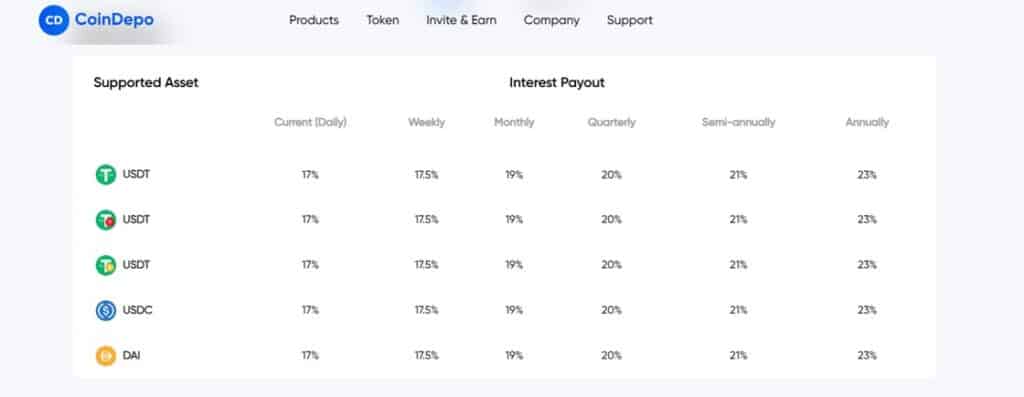
Stablecoin rates range from 17.5% APR on weekly accounts to 23% APR when funds are committed for one year – monthly accounts pay 19%, while quarterly terms offer 20%. Rates are fixed for the selected account term, so users know how much interest they will earn rather than relying on a variable DeFi yield. There are more than 100,000 users, and the Q1 2026 audit reported an average rate of return per user of 15.8%.
Interest can be automatically reinvested into the account balance, allowing returns to compound without manual action. CoinDepo deploys deposited assets through over-collateralized lending, liquidity provision, and other credit strategies. It is a custodial platform, so users must transfer their stablecoins to CoinDepo rather than retain control of their private keys.
CoinDepo Key Features
- Supports stablecoin interest accounts for USDT, USDC, and DAI.
- Fixed stablecoin rates range from 17.5% APR for weekly terms to 23% APR for annual accounts.
- Monthly and quarterly accounts offer fixed APRs of 19% and 20%, respectively.
- Interest can be automatically reinvested to compound the account balance.
- Uses Fireblocks MPC technology to secure assets held on the platform.
- No deposit or crypto withdrawal fees, although applicable blockchain network costs may still apply.
- KYC verification is required before users can access interest products.
CoinDepo Pros & Cons
Pros
-
Fixed stablecoin APRs of up to 23%
-
Weekly, monthly, quarterly, and annual account terms
-
Automatic compounding is available
-
No deposit or crypto withdrawal fees
-
Institutional custody infrastructure provided through Fireblocks
Cons
-
Users must transfer custody of their stablecoins to CoinDepo
-
The highest rates require longer account terms
-
KYC verification is required
-
No dedicated mobile app is currently available
Binance – Popular Stablecoin Staking Crypto Exchange
Users can stake stablecoins using the Binance Earn feature, which offers different staking durations. Binance offers one flexible and two fixed staking options for USDT. For flexible staking, rewards come with an APR of 1.8%, while fixed staking, which requires users to lock their tokens for 21 or 30 days, offers a 1.8% or 4.78% APR, respectively.
Staking USDC provides a flexible option offering an APR of 5.33% and a fixed one with 10.77% APR, requiring you to lock your tokens for 30 days. Users can stake DAI with one flexible or two fixed options. The flexible option provides a 2.79% APY. As for the fixed options, they require users to lock their tokens for 15 or 30 days and earn rewards with an APR of 2.5% or 3.5%, respectively. As we can see, the flexible option for USDC staking offers the highest APR for staking stablecoins on this platform.
Meanwhile, see our dedicated Binance review and Binance staking review to get more familiar with the platform.
Binance Key Features
- Binance offers one flexible and two fixed staking options for USDT. For the flexible USDT staking, rewards come with an APR of 1.8%, while the fixed staking, which requires users to lock their tokens for 21 or 30 days, offers a 1.8% or 4.78% APR, respectively.
- Staking USDC provides a flexible option offering an APR of 10.77% and a fixed one with 5.33% to 10.77% APR, requiring you to lock your tokens for 30 days.
- Users can stake DAI by choosing one flexible and two fixed options. While the flexible option provides a 2.79% APY, the fixed options require users to lock their tokens for 15 or 30 days and earn rewards with an APR of 2.5% or 3.5%, respectively.
Binance Pros & Cons
Pros
-
A reliable and well-established crypto-staking platform
-
There are many staking options to choose from
-
APYs up to 10.77%
Cons
-
Only relatively short lock-up periods are available
-
Investors looking for higher rewards might not find it desirable.
OKX – Top Stablecoin Staking Site For Beginners
As mentioned in our OKX Review, this platform is among the top five crypto exchanges by trading volume globally. Its On-chain Earn feature allows users to stake some of the most commonly used stablecoins, such as USDT, USDC, and DAI, with flexible staking options. Staking USDT on OKX provides an APR between 2.25% and 3.36%.
Staking USDC offers rewards with an APR of 3.72%-4.66%, while users who stake DAI on OKX can earn rewards of 3.02%-5.49%. Considering this, users interested in stablecoin staking should keep in mind that staking DAI on OKX offers the highest rewards.
OKX Key Features
- This platform is among the top five crypto exchanges by trading volume globally.
- There’s only a flexible option for staking stablecoins.
Staking USDT on OKX provides an APR between 2.25% and 3.36%. - Staking USDC offers rewards with an APR of 3.72%–4.66%.
- Users who stake DAI on OKX can earn rewards of 3.02%–5.49%.
OKX Pros & Cons
Pros
-
Among the top five crypto exchanges by trading volume globally
-
APRs up to 5.49%
-
Funds are available at all times
Cons
-
No lock-up period for higher rewards
-
No lock-up option also means lower staking rewards
ByBit – Top-Rated Stablecoin Staking Site For Crypto Users
With ByBit, users can stake some of the best staking coins on the market, including stablecoins like USDC, DAI, and USDT. Users can stake DAI with a flexible option, which provides a 4.44% to 8.44% APR. ByBit offers three possibilities for staking USDC: a flexible one with a 6.09% APR and two locked options. The first requires users to lock their tokens for 10 days and earn 12%, while the other has a lock-up period of 180 days and an APR of 2.88%.
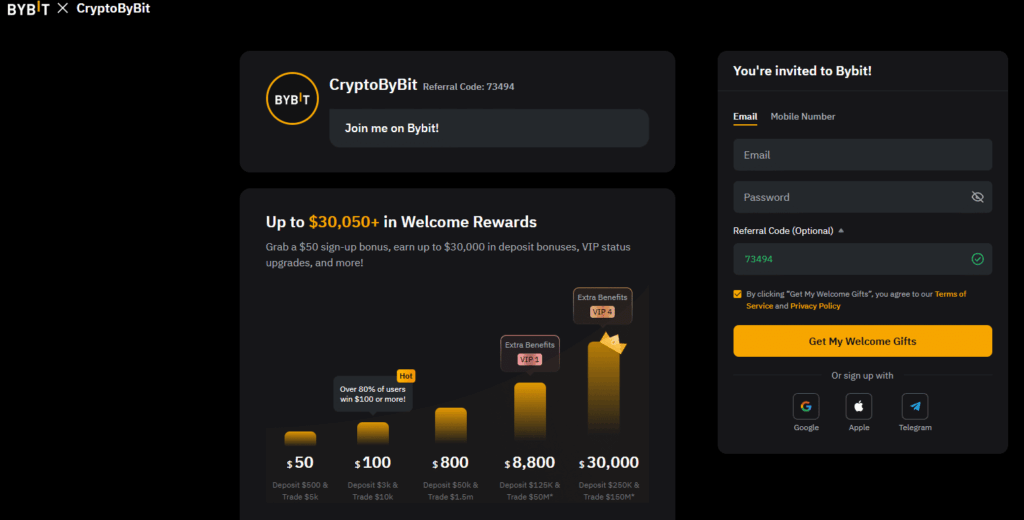
Users can choose between four staking options to stake USDT on ByBit. The flexible option provides an APR of 11.06% but allows users to access their tokens anytime. In contrast, the fixed options require users to lock their tokens for 3, 7, or 180 days and earn APRs of 555% (a special offer for new users), 15%, and 3.15%, respectively. The highest APR for staking stablecoins on ByBit is offered with the 3-day fixed USDT staking option. Take a look at our ByBit review for more info.
ByBit Key Features
- Users can stake DAI with a flexible option, which provides an 8.44% APR.
- ByBit offers three possibilities for staking USDC: a flexible one with a 6.09% APR and two locked options.
- The first one requires users to lock their USDC for 10 days and earn 12%, while the other has a lock-up period of 180 days and an APR of 2.88%.
- Users can choose between four staking options to stake USDT on ByBit.
- The flexible option provides an APR of 11.06%, while the fixed options require users to lock their tokens for 3, 7, or 180 days and earn APRs of 555%, 15%, and 3.15%, respectively.
ByBit Pros & Cons
Pros
-
An impressive APR of up to 555%
-
There are numerous staking options to choose from
-
Automatic distribution of rewards
Cons
-
The highest 555% APR is only available for new users
-
3-day fixed option for staking USDT is only available for new users
NEXO – Popular App To Stake Stablecoin
Stablecoin staking is also available on NEXO, but only with flexible options. Users can stake USDC and earn up to 12% rewards. To break that down, the reward rate is 10%, but if users enable ‘Earn in Nexo,’ they receive a 2% bonus interest, with all interest paid out in NEXO Tokens.

They can also stake USDT on this platform, with reward rates of up to 13% (11% standard interest + the 2% Earn in Nexo bonus). Staking DAI is also available, with reward rates up to 12% (10% standard interest + the 2% if they enable the Earn in Nexo feature). Given this, the option that offers the highest interest is USDT. See our NEXO Review for more details.
NEXO Key Features
- Users can stake stablecoins on Nexo and earn an additional 2% interest if they activate the ‘Earn in Nexo’ feature.
- There are only flexible options for staking stablecoins on this platform.
- With the ‘Earn in Nexo’ feature, users can stake USDC with a flexible option and earn up to 12% rewards.
- USDT staking offers reward rates of up to 13%, considering the ‘Earn in Nexo’ feature.
- Staking DAI provides up to 12% reward rates, considering the ‘Earn in Nexo’ feature.
NEXO Pros & Cons
Pros
-
Reward rates of up to 13%
-
Accessibility of funds at all times
-
An additional 2% interest with the ‘Earn in Nexo’ feature
Cons
-
No lock-up period for higher rewards
CoolWallet – Stablecoin Staking Site to Earn Compounded Passive Income
Users can stake stablecoins on CoolWallet and earn compounded passive income safely. The platform supports multiple stablecoins across different chains: BSC, Ethereum, and Polygon.
USDT can be staked on Ethereum, Polygon, and BSC and offers rewards with an APY of 3.71%. Those who want to stake DAI should know that CoolWallet enables staking on Ethereum with an APY of 2.99%. As for USDC, it can be staked on Ethereum and BSC, and users can earn rewards with a 2.8% APY. As we can see, staking USDC provides the highest APY. Why don’t you visit our CoolWallet S Review before proceeding?
CoolWallet Key Features
- Users can stake stablecoins on CoolWallet and earn compounded passive income safely.
- The platform supports multiple stablecoins across different chains: BSC, Ethereum, and Polygon.
- USDT can be staked on Ethereum, Polygon, and BSC and offers rewards with an APY of 3.71%.
- Those who want to stake DAI should know that CoolWallet enables staking on Ethereum with an APY of 2.99%.
- USDC can be staked on Ethereum and BSC, and users can earn rewards with a 2.8% APY.
CoolWallet Pros and Cons
Pros
-
Staking across BSC, Ethereum, and Polygon
-
Earning compounded passive income safely
-
APYs up to 3.71%
Cons
-
It is not clear whether staking options are flexible or fixed
How to Stake Stablecoins – Step-by-Step Guide
Here’s the step-by-step guide to staking Stablecoin in 2026
-
Download and Install Best Wallet app
Get the app from the official Best Wallet website or your device’s app store.
-
Create or Import Your Wallet
Set up a new wallet or import an existing one with your recovery phrase. Since Best Wallet is non-custodial, your keys never leave your device.
-
Secure Your Wallet
Enable PIN, biometric login, and 2FA for maximum protection.
-
Fund with Stablecoins
Transfer stablecoins like USDT or USDC from an exchange or another wallet into Best Wallet. You can also use the built-in fiat onramp to buy them directly, with no KYC for smaller limits.
-
Access the Staking Dashboard
Tap the Staking section in the app to see all supported tokens and protocols. Best Wallet’s staking aggregator will show live APYs from different platforms so you can choose the best yield.
-
Select a Stablecoin Staking Pool
Choose the stablecoin you want to stake, then review the pool’s yield, lock-up terms, and validator/security information.
-
Stake Your Stablecoins
Enter the amount you want to stake and confirm the transaction in-app. Everything happens directly on-chain, so there’s no middleman risk.
-
Track Your Rewards
Monitor your stablecoin earnings in real time via the staking dashboard. If you’re also staking $BEST tokens, you’ll benefit from boosted APYs and other ecosystem perks.
How Much Can You Earn by Staking Stablecoins?
Calculating potential earnings means understanding the APR. This represents the annual interest rate you earn, which can vary depending on demand and supply in the DeFi lending market. Many staking providers and platforms are transparent about their stablecoin staking rates, showing the potential returns on your staked assets.
An advantage here is the compound growth when your earnings are automatically added to your staked amount. This indicates that your interest will begin earning interest, resulting in potentially higher returns over time. Still, remember that the APR can fluctuate, so your earnings may vary.
Considering the best stablecoin staking platforms and their APRs, the special offer for new users for staking USDT on ByBit offers the highest 555% APR. Given that this is a special offer, let’s also mention that ByBit provides the second-highest APR for staking USDT, which requires users to lock their tokens for seven days and earn an APR of 15%.
Use these strategies to maximize your rewards:Tips and Strategies for Maximizing Stablecoin Staking Rewards
Mistakes to Avoid When Staking Stablecoins
There are mistakes stakers usually make when staking stablecoins. We have listed a few so that you can recognize and avoid them:
Best Practices to Stake Stablecoins
When staking a stablecoin, make sure you do it wisely:
Benefits and Risks of Staking Stablecoins
Staking stablecoins provides more predictable and consistent returns and many other advantages. Let’s learn more.
Benefits
- Stable returns: As stablecoins are pegged to fiat currencies, they are considered safer alternatives to other volatile cryptocurrencies.
- Passive income: When staking stablecoins, users lend them to some platforms and gain rewards in return without actively managing their assets.
- Accessibility: Staking stablecoins requires no special knowledge or expensive hardware, meaning users can start staking them easily.
- Low entry point: Most staking platforms and providers don’t require a high minimum staking amount for stablecoins, which appeals to new investors.
Risks
- Smart contract vulnerabilities: This could potentially result in fund loss. That’s why it’s important to use reputable platforms with a history of security audits.
- Potential for interruptions in DeFi platform services: These platforms depend on blockchain technology, which can face network congestion or technical issues.
Stablecoin Staking vs. SUI Staking: A Comparative Analysis
Stablecoins and SUI are similar in some aspects but differ in others regarding their staking process. If we look at the consensus mechanisms used, stablecoins don’t have their own mechanism but rely on the blockchain they operate on, whereas SUI uses a DPoS consensus mechanism.
The minimum staking requirement for both of them depends on the provider; they both offer flexible and fixed staking options, and their rewards are distributed depending on the amount, duration, and platform. In terms of reward rates, stablecoin staking offers a higher APY than SUI staking.
| Feature | Stablecoin Staking | SUI Staking |
| Consensus Mechanism | No own consensus mechanism but relies on the blockchain it operates on | Delegated-Proof-of-Stake (DPoS) |
| Minimum Stake | Depends on the provider | Depends on the provider (Binance: 0.01 SUI, KuCoin 1 SUI) |
| Duration | Flexible and fixed options | Flexible and fixed options |
| Reward Distribution | Depends on staking duration, amount, and platform | Depends on staking duration, amount, and delegation choice |
| APY | 1.8%–555% | 0.21%–5.30% |
How to Unstake Stablecoins: A Detailed Guide
Let’s use Best Wallet’s step-by-step process for unstaking stablecoins:
-
Open the Best Wallet
Open the Best Wallet app on iOS or Android, or connect to the Best Wallet staking portal via desktop. -
Go to Staking
Go to the Staking section to view your active $BEST positions. -
Select Position
Select the staking position you want to unstake. -
Unstake
Tap or click Unstake, then enter the amount or choose Max to release all staked tokens. -
Confirm Transaction
Confirm the transaction in your wallet (mobile app, browser extension, or hardware wallet). -
Claim Rewards
Once the claim feature is live, collect your staking rewards. -
Rewards Distribution
Rewards are distributed at a fixed rate of 101.21 $BEST per Ethereum block over 3 years.
There have been many recent trends for stablecoin staking that indicate future growth. For instance, the British government has been stepping up efforts to regulate stablecoins and redefine rules around staking.
Moreover, more and more staking platforms and providers have been enabling stablecoin staking for blockchain interoperability. The most recent major development of this sort is Bitget Wallet’s integration with Aave for cross-chain staking of stablecoins.
Conclusion: Is Stablecoin Staking Worth It?
With stablecoin staking, you provide your stablecoins to platforms or crypto exchanges. In return for delegating stablecoins, you earn a percentage reward that may vary based on the chosen platform’s conditions.
When choosing a platform that offers these services, remember that the top ones include Best Wallet, ByBit, CoolWallet, Binance, OKX, and NEXO, with Best Wallet offering the best APR. Yet, you should also keep in mind the mistakes most commonly made so that you can avoid them and the best practices of staking stablecoins to ensure you stake wisely.
Many recent trends regarding stablecoin staking, such as the British government trying to regulate stablecoins or the increasing number of platforms that include staking services for stablecoins, indicate a promising future. As stablecoin staking keeps evolving, stay informed about regulations, platform options, and best practices to maximize your returns in 2026.
DISCOVER:
- Crypto Exchange Promos & Discounts
- Crypto Wallet Promos & Discounts
- Helium Staking: How to Stake HNT
- Tezos Staking Guide: Where to Stake XTZ in 2026
- Axie Infinity Staking: How to Stake AXS in 2026
- AAVE Staking: Benefits, Risks & Tips for 2026
FAQs
Can you stake stablecoins?


Yes. But stablecoin staking is different from traditional staking since, instead of locking native tokens of PoS networks, users provide their stablecoins to platforms or exchanges for DeFi activities.
What are the stablecoin’s staking rates?
They differ based on the staking platform. Currently, they range between 1.7% and 555%.
What is the highest stablecoin staking reward?
ByBit offers the highest APR of 555% for staking USDT.
References
- USDC Staking – The Complete Guide. Ledn, www.ledn.io/post/usdc-staking.
- Cong, William, Ye Li, and Neng Wang. Staking, Token Pricing, and Crypto Carry. Kenan Institute of Private Enterprise, University of North Carolina, 2022. https://kenaninstitute.unc.edu/rethinc/wp-content/uploads/2022/03/Cong-Staking-and-Crypto-Carry.pdf
- Mazieres, David. “The Stellar Consensus Protocol: A Federated Model for Internet-level Consensus.” Association for Computing Machinery (ACM), https://dl.acm.org/doi/10.1145/3211933.3211953
- USDC. Circle, www.usdc.com/.

Why you can trust 99Bitcoins
Established in 2013, 99Bitcoin’s team members have been crypto experts since Bitcoin’s Early days.
Weekly Research
100k+Monthly readers
Expert contributors
2000+Crypto Projects Reviewed