







In This Article
Most crypto enthusiasts are initially drawn to trading and investing by the price volatility of digital assets – which is ultimately what enables them to generate huge profits. To most users, stablecoins are relatively boring, and generally seen as a foundational layer that allows market participants to compare the value of cryptocurrencies to fiat currencies like the U.S. dollar. Traditional stablecoins are focused on price stability, and there’s very little fun to be had watching a price chart that’s mostly just a flat line.
In 2026, yield-bearing stablecoins still make up just 4.5% of the overall stablecoin market, which is dominated by traditional options like USDT (market cap: ) and USDC ( ). However, yield-bearing stablecoins are slowly gaining ground as major financial institutions start to embrace decentralized finance (DeFi), and integrate Web3 technologies into their own legacy business models. In this article, we’ll explore the constantly evolving world of yield-bearing stablecoins, and find out why they’re on the rise.
Key Takeaways on Yield-Bearing Stablecoins
- Yield-bearing stablecoins aim to maintain price stability against a pegged fiat currency (such as the U.S. dollar), while also generating yield (returns or interest) for holders. This can make them an attractive source of long-term passive income.
- Yield-bearing stablecoins are part of a still-emerging niche within the larger stablecoin sector, making in-depth research essential.
- Examples of yield-bearing stablecoins include aUSDC and aUSDT (both created by Aave), sDAI, and stUSDT.
- Yield generation techniques can vary from project to project, but normally involve allocating underlying reserves to DeFi lending protocols, crypto staking services, and real-world assets (RWAs) like U.S. Treasury bills.
- Available yield rates can vary significantly depending on the product and wider market conditions, but often range between 3-5% or more.
- Benefits include passive income generation, high APY (annual percentage yield) rates, and automated processes that do not require manual investor activity.
- Risks associated with yield-bearing stablecoins include potential smart contract vulnerabilities, depegging risks, and regulatory changes.
- Yield-bearing stablecoins make up almost 5% of the total stablecoin market, but this market share is expected to increase over the coming years.
Yield-Bearing Stablecoins, Explained
Every crypto trader and investor will be familiar with traditional stablecoins (such as USDT and USDC), which form the basis of the vast majority of dollar-denominated trading pairs on crypto exchanges around the world. This is because the U.S. dollar is the global reserve currency, and traditional stablecoins are designed to be “pegged” to the value of a specific fiat currency (in this case the dollar).
In simple terms, pegging means that the stablecoin in question needs to be equal in value to the fiat currency it represents – and this is normally achieved by backing a stablecoin with 1:1 fiat currency reserves, cash equivalents (such as U.S. Treasury bills), and sometimes other highly liquid assets.
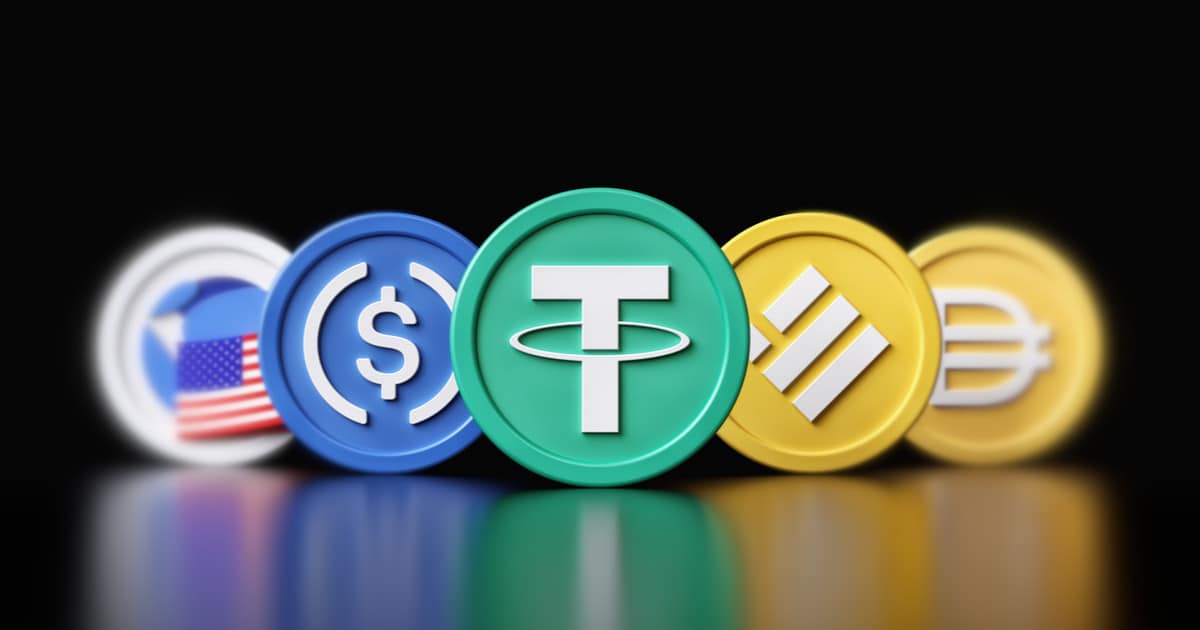
Traditional stablecoins can also represent non-dollar fiat currencies (such as the euro or GBP), and some projects use alternative stability-maintaining techniques like cryptocurrency reserves, commodity reserves, and advanced algorithms to maintain their pegged valuations.
Yield-bearing stablecoins aim to maintain price stability in the same way as their traditional equivalents – but they also provide holders with a means of generating yield (returns or interest), rather than simply holding an asset that sits in a crypto wallet and waits to be transferred or spent. They achieve this by integrating themselves into DeFi lending services, staking protocols, and hybrid approaches that combine multiple yield sources from across the traditional finance and Web3 industries.
For holders, this means the difference between holding a crypto asset that does little more than provide a stable and liquid cash equivalent, and putting sidelined funds to work as a passive income source.
How Do Yield-Bearing Stablecoins Work?
In simple terms, yield-bearing stablecoins provide their holders with passive income via interest and returns based on the size of their holdings. This yield is typically generated by allocating the coin’s fiat reserves and/or collateral (which are normally only used to facilitate price stability) to yield generation strategies, such as crypto asset lending and staking – and sometimes investments in traditional yield-generating assets like U.S. Treasuries.
Holders normally see this yield accumulate through increased wallet balances (in a similar manner to bank accounts accruing interest). Yield distribution is handled on-chain through smart contracts, enabling greater transparency, efficiency, and trustlessness throughout the process. Some yield-bearing stablecoins offer annual yield rates of up to 3% or even 5% (subject to market conditions), making them competitive alternatives to traditional money market funds.

Yield-Bearing vs. Traditional Stablecoins
Traditional stablecoins fill a crucial role in the crypto market by providing a way for traders and investors to accurately determine and track the value of cryptocurrencies relative to fiat currencies like the U.S. dollar, euro, and GBP. They’re designed to maintain a stable value over time, are typically received in exchange for bank deposits on crypto exchanges, and can be used in digital payments via blockchain networks. Tether (USDT, the world’s largest stablecoin by market capitalization) was first created in 2014, and rapidly established itself as a foundational layer for the Web3 industry.
Yield-bearing stablecoins build on the vision and innovation of traditional stablecoin projects by introducing a range of ways to generate yield from stablecoin holdings. Yields are transparently, efficiently, and fairly distributed via smart contracts – so receivers can track the on-chain process and see where their passive income has come from. As we’ll see later, yield-bearing stablecoins do introduce additional risk due to their more complex nature – but they currently make up almost 5% of the total stablecoin market, and that figure looks set to grow over the coming years.

Types of Yield-Bearing Stablecoins
Yield-bearing stablecoins can be categorized based on the yield-generating mechanisms they employ, which usually draw on services and assets across the Web3 and TradFi sectors.
Lending-Backed Models
These stablecoins work by lending their underlying assets (fiat currency reserves, crypto assets, etc.) via DeFi protocols, effectively turning them into yield-bearing products. In some cases, assets are deposited into liquidity pools known as “lending pools,” where multiple holders combine their assets to begin earning yield from borrowers in an optimally efficient way. Lending and borrowing assets is an increasingly common form of yield generation within the crypto ecosystem, and is facilitated by DeFi projects like Aave and Compound.
Staking-Backed Models
Crypto staking is a hugely popular way of generating passive income through token holdings – but historically, it’s been reserved for users who invest in highly volatile projects like Ethereum (ETH), Cardano (ADA), and Solana (SOL). Staking also tends to be a complicated process, and may even involve minimum investment requirements before staking rewards can be generated. Some yield-bearing stablecoins stake their underlying assets in DeFi staking protocols, so that stablecoin holders can indirectly acquire income generated through crypto staking in a simple way, with no extra effort required.
Hybrid Approaches
The total value of yields generated through specific strategies can vary widely depending on market conditions – but diversified hybrid approaches can potentially be more consistent. These strategies can draw not only from DeFi lending and on-chain staking, but also from investments in traditional yield-generating real-world assets (RWAs) like U.S. Treasury bills. Before investing in yield-generating stablecoins, it’s important to do some deep research and make sure you understand the sources and approaches being used to generate your passive income.

Benefits of Yield-Bearing Stablecoins
As noted above, yield-bearing stablecoins can employ multiple yield generation techniques in order to provide their holders with meaningful returns. In some cases, DeFi and staking protocols can be used to provide a maximally transparent income source, while other projects may use a mix of Web3 technologies and traditional financial assets. However, yield-bearing stablecoins tend to share some core benefits that make them attractive to retail investors and major financial institutions alike – and we’ll look at some of these below.
Passive Income
As yield-bearing stablecoin holders get to earn returns automatically, with no need for active participation in the yield-generation process, those returns can be considered a form of passive income. Yields can vary widely across different products and projects – but annual rates of 3-5% are common, and may be exceeded in some cases.
Although passive yield generation is certainly convenient, especially for everyday crypto users who prefer to keep things simple, it’s still important to make sure you understand how your yields are being generated. You’ll also need to check your local tax laws to find out whether or not you need to pay tax on your yields, as they’re normally considered to be a form of income.
Capital Efficiency
Keeping capital locked in stablecoins creates a potentially huge opportunity cost, depending on where you store those tokens. Some crypto savings accounts provide modest interest rates – but you may be required to keep your coins locked away for a specific period of time in order to generate returns at the advertised rate.
Yield-bearing stablecoins, on the other hand, generate yield automatically – which improves capital efficiency as you continuously receive passive income over time. The innovative nature of yield-bearing stablecoins has made them highly competitive within the stablecoin market, and they may even be more appealing than TradFi products to some investors.
Stability With Growth
As well as generating yield, yield-bearing stablecoins still need to maintain price stability – just like traditional stablecoins. This means they have to maintain a stable peg against a specific fiat currency (normally the U.S. dollar), minimize their own price volatility, and use compounding strategies so your stablecoin yield can grow at the same time. This can be a difficult balancing act, but yield-bearing stablecoins are specifically designed to achieve it using smart contracts and advanced yield-generation models.
Integration With DeFi
While traditional stablecoins focus on reliable reserves that consistently maintain a stable value, yield-bearing stablecoins allocate their reserves to a mix of DeFi strategies and traditional options such as real-world assets (RWAs). Integrating with DeFi is especially beneficial to investors, as DeFi services are normally optimized to maximize yield while providing transparency throughout the generation process.
The DeFi space is also known for its innovative approach to resource management, and has birthed creative yield generation techniques like yield farming, crypto lending and borrowing via liquidity pools, and token staking services.

Risks of Yield-Bearing Stablecoins
While traditional financial assets are normally regulated in a way that protects investors from loss, and may enable complete reimbursement of lost funds, blockchain-based technologies and services do not provide the same protection. If you accidentally send funds to the wrong address, transfer tokens to a scammer’s wallet, or connect your own wallet to a malicious smart contract like a wallet drainer, you can permanently lose your coins and have no way to get them back. This is due to the immutable nature of blockchains themselves, as on-chain transactions normally cannot be reversed or amended – a setup that creates clear risks for users.
Smart Contract Risk
As yield-bearing stablecoins rely on smart contracts to facilitate automated yield generation, any vulnerabilities in the underlying contract code could be exploited by bad actors. Depending on the vulnerability, this could allow a scammer or hacker to steal funds, trick a stablecoin’s holders into revealing personal information, or simply cause the stablecoin’s yield-generating system to fail completely. This is why investors should follow an effective due diligence process (and identify potential smart contract vulnerabilities) before buying and holding yield-generating stablecoins, and stay up to date with the latest news about the stablecoin sector.
Depeg Risk
Almost all stablecoins can experience at least some risk of depegging – which means a situation where a stablecoin loses value relative to the fiat currency it’s supposed to represent. An extreme example of this would be TerraUSD (UST), an algorithmic stablecoin which famously collapsed in May 2022 and was a major contributor to that year’s crypto market crash. TerraUSD was supposed to maintain a value of $1 – but it’s worth approximately one cent today, and hit an all-time low of $0.006 in June 2022.
By combining underlying assets like fiat currency reserves, and using hybrid yield generation strategies that incorporate real-world assets like U.S. Treasury bills, yield-bearing stablecoins can potentially maintain their value and yield across different market conditions. That said, this is not guaranteed – so at least some depegging risk should be assumed when buying and holding any stablecoin.
Regulatory Risk
The laws around stablecoins are constantly changing, and can vary significantly across different countries and regions. In the U.S., a collection of new laws (such as the GENIUS stablecoin bill) have provided much-needed guidance and clarity for stablecoin investors – and this is expected to bring fresh waves of institutional capital into the Web3 and crypto spaces. However, the GENIUS Act has also impacted yield-bearing tokens, some of which may be prohibited from paying interest or yield to holders depending on further legal clarification from the U.S. government.

On the other hand, laws like the GENIUS Act can still have a positive impact on stablecoin adoption, as they may enforce the use of stronger reserve structures and promote the use of asset-backed securities, even if some trade offs are still required. Legislative clarity around governance tokens and private assets will also help the crypto space to mature further, and give institutional players greater peace of mind when investing in Web3.
Market Liquidity Risk
All trading, investment, and related financial activities depend to some extent on the amount of available liquidity – which normally determines the amount of supply, demand, and volume required to successfully execute transactions. In short, liquidity impacts the ease with which assets can be bought or sold without significantly affecting prices.
Unlike traditional stablecoins like Tether (USDT) and USD Coin (USDC), yield-bearing stablecoins use their reserves to generate yields through sectors like decentralized finance (DeFi), the U.S. Treasury market, and crypto staking protocols. They also need to achieve this goal while staying stable (maintaining a consistent price in line with their peg).
If a particular yield-generation strategy struggles due to adverse market conditions, low-liquidity yield sources, or even completely illiquid environments, the coin’s ability to generate yield (and perhaps even its peg stability) could be put at risk. This would mean that holders receive less yield than expected, and may even see the value of their holdings decline in the event of a depegging scenario.
Examples of Yield-Bearing Stablecoins
Some prominent examples of yield-bearing stablecoins include sDAI (which generates yield via the DAI Savings Rate system), Aave’s aUSDC and aUSDT tokens (yield generated through lending deposits on the Aave protocol), and stUSDT (a version of USDT that can be staked).
Other popular options include Ethena (USDe, based on trade yields), USDY (from Ondo Finance, backed by real-world assets), and the U.S. Treasury-backed USDM from Mountain Protocol.
Competition within the yield-bearing stablecoin sector is fierce – and if one or more projects eventually rise to the same level as USDC or USDT, they could potentially capture a majority share of the overall stablecoin market due to their passive income potential.

How to Invest in Yield-Bearing Stablecoins
Yield-bearing stablecoins are normally acquired through specific DeFi protocols, in exchange for a “base” (original) version of the stablecoin in question. For example, investing in Aave’s aUSDC product requires investors to buy some USDC on a crypto exchange like Coinbase or Binance – then transfer it to Aave using a decentralized crypto wallet like MetaMask or Best Wallet, and deposit it into the aUSDC protocol.
Once the yield-bearing stablecoin has been acquired, the DeFi protocol will normally provide a user dashboard that tracks accumulated returns, and gives holders the option to redeem (“cash out”) their tokens in exchange for the original stablecoin. Further requirements (such as minimum holding or staking periods, trading fees, and fund management fees) can vary across platforms and services – so make sure to thoroughly read any terms and conditions before investing.
Conclusion
The yield-bearing stablecoin sector is still emerging as of 2026, but it clearly has the potential to bring major investors into the Web3 space. By incorporating traditional methods alongside DeFi lending protocols, these tokens can provide long-term passive income while facilitating traditional stablecoin transactions, which is an attractive prospect for investors who would otherwise miss the opportunity to do more with their sidelined funds.
Regulatory scrutiny is already impacting yield-bearing stablecoins – and innovative future stablecoins will need to navigate this still-developing environment while balancing price stability with competitive yield generation processes. Forward-thinking investors should consider the advantages of yield-bearing stablecoins, while employing effective risk management techniques such as portfolio diversification.
See Also:
FAQs
How do yield-bearing stablecoins generate yield?

While traditional stablecoins do not offer returns, yield-bearing stablecoins generate yield by allocating their reserves across a variety of yield-generating techniques that vary from project to project. Some options involve interest earned through Defi strategies, while others opt for crypto staking – or even investing in low-risk RWAs (real-world assets), which typically include U.S. Treasury bills.
What is decentralized finance (DeFi)?
Decentralized Finance (DeFi) is a common fixture across most major blockchains and Web3 ecosystems, and consists of products and services designed to provide blockchain-based alternatives to traditional financial products. These can range from lending and borrowing protocols to on-chain insurance, prediction markets, and decentralized crypto exchanges (DEXs).
How does DeFi lending work?
DeFi applications such as lending and borrowing protocols use smart contracts to connect lenders with borrowers, allow them to agree on the terms of a loan, and take care of security, issuance, repayments, and interest automatically. Returns depend on the agreed terms, and sometimes wider market conditions (depending on the protocol).
What is the GENIUS Act and what does it mean for the stablecoin market?
The GENIUS Act (formally known as the Guiding and Establishing National Innovation for U.S. Stablecoins Act) is a U.S. law that passed in July 2025, and is designed to provide legislative and regulatory clarity around stablecoins while protecting investors. Further clarification is expected later in 2025 and 2026, as investors and companies from across the TradFi and Web3 industries respond to the law with new requests and potential concerns. The Act may mean that some yield-bearing stablecoins are prohibited from issuing returns to holders, although this may depend on the yield generation method being used.
References
- Yield-Bearing Stablecoins Surge to 4.5% of the Stablecoin Market (SuperEx)
- Passive Income With Stablecoins: What Are Yield-Bearing Stablecoins? (Transak)
- President Donald J. Trump Signs GENIUS Act into Law (The White House)
- Stablecoins: Definition, How They Work, and Types (Investopedia)
- What Happened to Terra? (Corporate Finance Institute)
- USDT Tether Official Website (Tether)
- Aave (Aave)

Why you can trust 99Bitcoins
Established in 2013, 99Bitcoin’s team members have been crypto experts since Bitcoin’s Early days.
Weekly Research
100k+Monthly readers
Expert contributors
2000+Crypto Projects Reviewed