





In This Article
The concept of cryptocurrency with unique traits predates the modern NFT craze, dating back to colored coins (Bitcoin) in 2012. Several other projects also created semi-fungible and non-fungible tokens, but it was Ethereum that formalized a token standard with ERC-721 tokens. In this guide, we’ll answer the question, “What are ERC-721 tokens?” We’ll also explore their origins and use cases, as well as explain how the non fungible token standard works.
ERC-721 tokens can be credited with launching modern NFT marketplaces by creating a token standard that allowed easy trading and efficient token transfers. Although other blockchains now offer standardized non-fungible tokens, Ethereum-based tokens still dominate the market. Let’s find out more about these ubiquitous tokens, beginning with a basic explanation.
ERC-721 Tokens Explained
The Origins of the ERC-721 Standard
The ERC-721 token standard gave rise to the early NFT hype, but also owes some credit to early NFT projects. The popular CryptoPunks collectible art project began life in 2017 as modified ERC-20 tokens. However, as each was unique, transfers became cumbersome, and the need for a new token type became apparent.
The CryptoKitties game, launched in 2017, enabled users to create and modify NFTs, known as “Kitties.” This game, now famous for slowing the Ethereum network to a crawl due to its popularity, used an early version of ERC-721 before the standard was formally adopted.
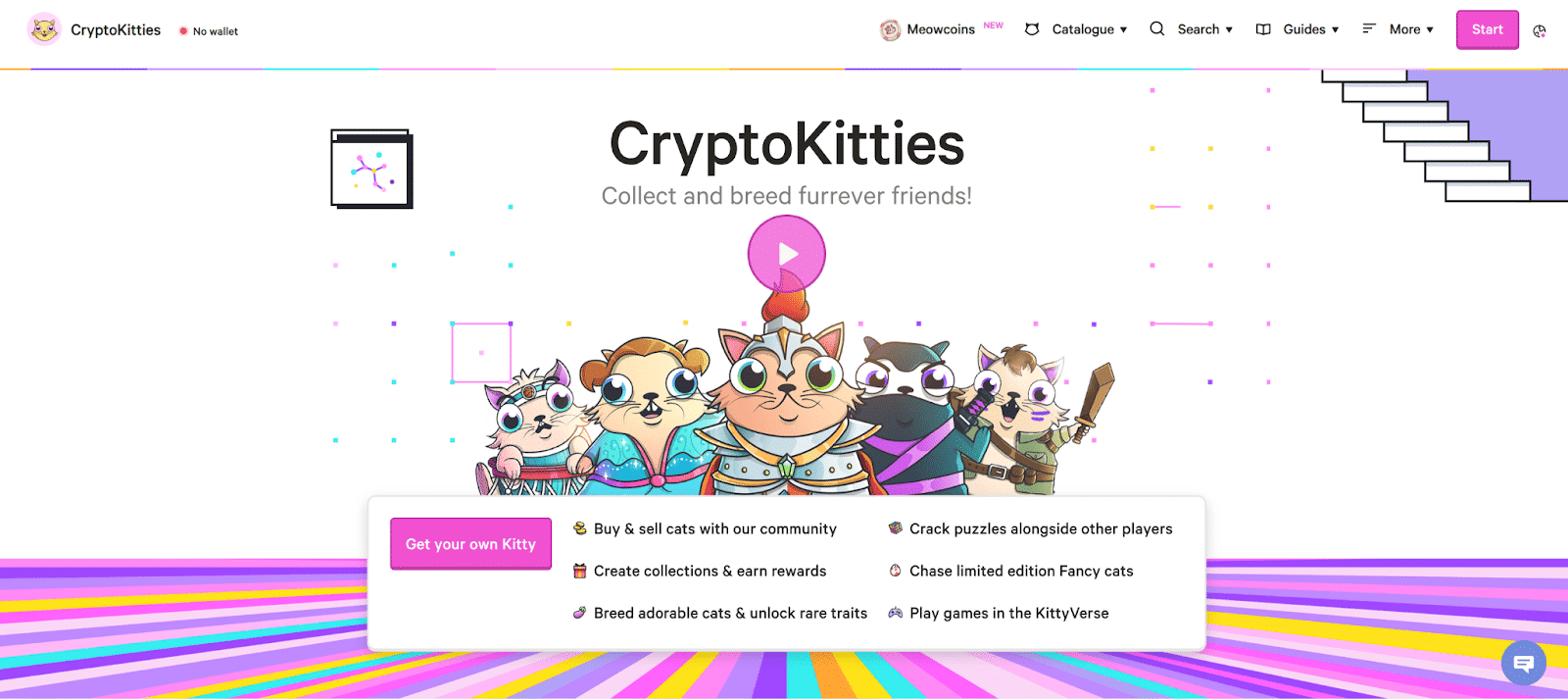
Dieter Shirley was one of the developers who helped build CryptoKitties and recognized the need for a dedicated token standard for assets with unique traits. He later became a co-author of the ERC-721 token standard. William Entriken became the lead author, with Jacob Evans and Nastassia Sachs also contributing to the development of ERC-721.
The ERC-721 token standard, now widely used for various NFTs, was formally adopted in March 2018 with Ethereum Improvement Proposal (EIP) 721, which detailed the specifications for the new standard.
ERC-721 Pros and Cons
ERC-721 is the backbone of most NFTs people interact with today. It does a few things extremely well, but it also comes with tradeoffs that matter once you start minting, trading, or building at scale.
Pros
-
True uniqueness: Each token has its own ID and owner, which makes ERC-721 ideal for NFTs like art, collectibles, and in-game items.
-
Wide ecosystem support: Most NFT marketplaces, wallets, and tools work with ERC-721 out of the box.
-
Clear ownership tracking: Ownership history is fully on-chain, making authenticity and transfers easy to verify.
-
Simple, stable core: The standard is well defined and predictable for developers.
-
Extensible design: Royalties, rentals, and approvals can be added through established ERC extensions.
Cons
-
Higher gas per NFT: Each mint and transfer is handled individually, which can increase costs.
-
No native batch transfers: Moving many NFTs usually requires multiple transactions.
-
Limited flexibility for mixed assets: Semi-fungible use cases need other standards or custom logic.
-
Advanced features need extensions: Royalties, rentals, and delegation are not part of the core spec.
-
Mainnet fees can spike: High activity periods often push projects toward Layer 2 networks.
Key Features of ERC-721 Tokens
NFTs in general address the market for unique assets. The ERC-721 standard paved the way for a wide range of use cases that reach into markets beyond collectible digital art and furry game characters. Several characteristics make NFTs ideal for event tickets, Web3 gaming, credentials, decentralized finance (DeFi), and other use cases.
[/su_note]Uniqueness and Proven Ownership
Each ERC-721 token is unique, even if part of a set. Holding the token serves as proof of ownership, which may entitle the holder to additional benefits as defined by the issuer. For example, an NFT holder may qualify for exclusive access on a Web3 gaming platform or a meet-the-developers event at a crypto conference.
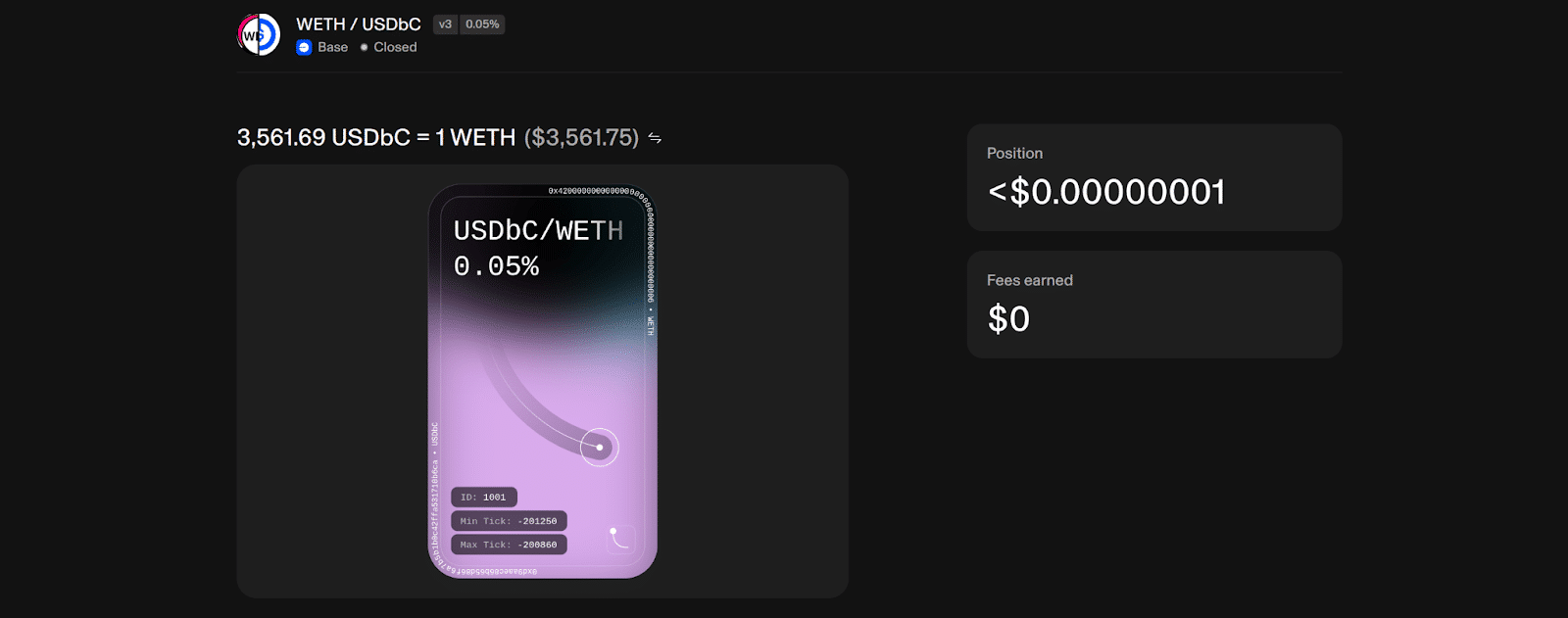
In other cases, an NFT might represent ownership of a liquidity pool position. Uniswap, one of the leading decentralized exchanges, mints a new NFT for each liquidity pool position in its V3 protocol. Only the wallet that holds the NFT can manage the position or claim fees.
Next, let’s discuss how ERC-721 tokens accomplish uniqueness while also providing interoperability with decentralized applications.
Metadata and Token IDs
Two key characteristics ensure that each NFT is unique: Token ID and Metadata.
- Token ID: Each ERC-721 features a unique identifier called a Token ID. This makes it distinct from other NFTs within the same set on the blockchain. For example, if a user mints “KEK 00,” this NFT might be more desirable than “KEK 01” or any subsequent NFTs in the set, even if they all appear the same otherwise. Notably, not all NFT mints use sequential numbers for the token ID.
- Metadata: The Token ID provides a unique identifier but doesn’t convey any additional information about the token, such as its name, image, or other key properties. Instead, the token metadata includes this information.
The metadata defines additional unique information, including the name, description, image, and attributes. An ERC-721 token contract uses a special function (tokenURI) to point to where this data is located.
- name: The NFT name provides a human-readable descriptor rather than a token ID.
- description: The NFT description provides a short text description.
- image: The image provides a URL where the NFT’s associated image is stored. Typically, this points to a decentralized storage protocol, such as the Interplanetary File System (IPFS) or Arweave’s Permaweb.
- attributes or traits: Collectible NFTs also feature additional attributes, such as a cowboy hat or sparkly, star-shaped sunglasses. These attributes are defined in the NFT’s metadata and can be accessed by decentralized applications or NFT marketplaces.
Interoperability and Ecosystem Support
CryptoPunks exemplified why ERC-721 became essential to interoperability and ecosystem growth. Although the collection remains highly coveted today, early digital assets from this collection used a modified ERC-20 token, which created challenges in transfers. To transfer a CryptoPunks “NFT,” users had to interact with the token contract or use specialized NFT marketplaces that supported the contract.
ERC-721 standardized the token features and metadata, allowing a nascent NFT market to bloom. These standardizations enabled simple transfers. It also provided key distinguishing features to NFT marketplaces, such as OpenSea and more recent markets, like Blur.
Real-World Use Cases of ERC-721 Tokens
Digital art collections often come to mind first when discussing NFTs. However, NFTs provide several additional use cases, with Web3 gaming providing the next logical evolution in the market. Let’s examine some of the leading real-world use cases for NFTs and how the market may evolve to support even more use cases.
Digital Art and Collectibles
To date, digital art and collectibles represent the largest market for NFTs. Let’s look at some examples.
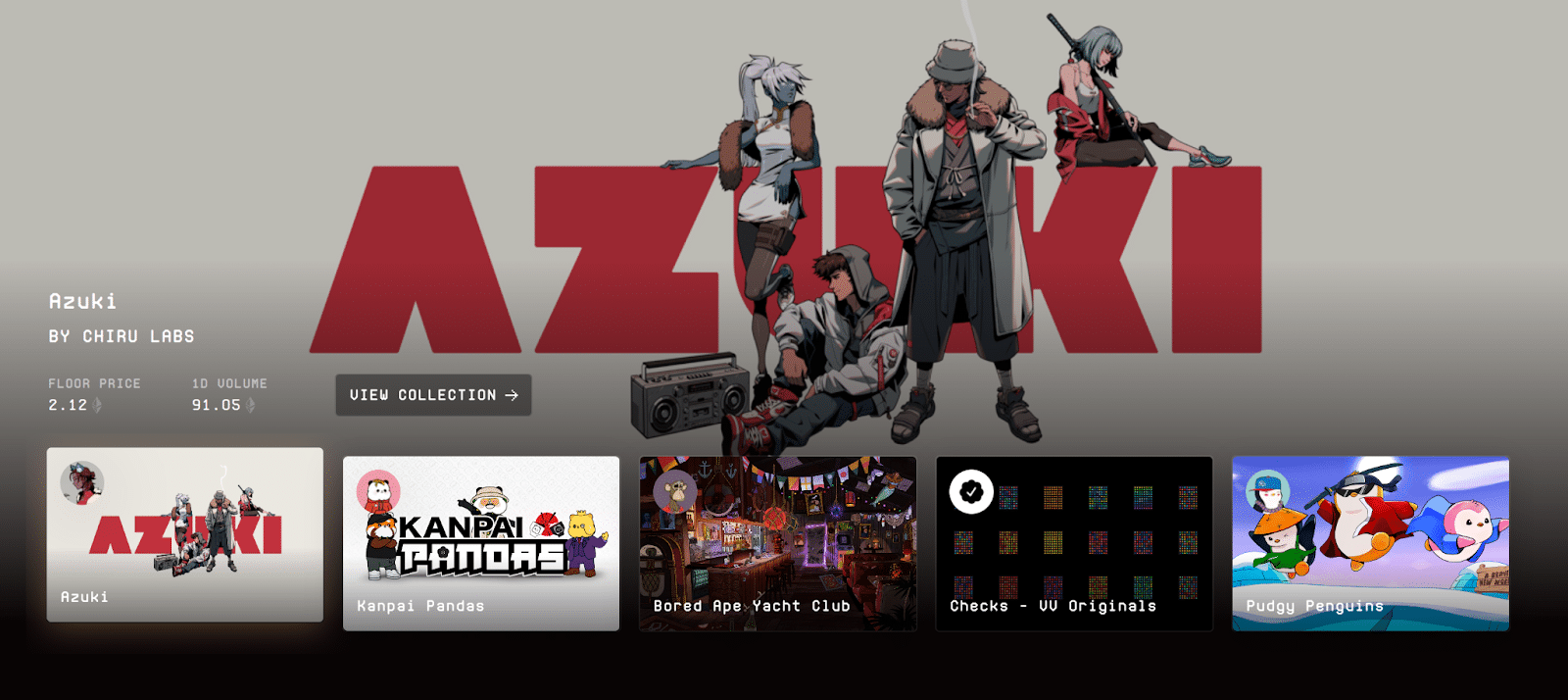
- PFP Collections: Collections like CryptoPunks, Bored Apes, and Pudgy Penguins serve as status symbols when used as personal profile pictures (PFPs) on social media. However, NFTs at lower market price points can be just as enjoyable and might better align with your digital persona.
- Generative Art: Art Blocks provides a good example of digital art created using a “seed” to generate unique artwork represented by an NFT.
- Limited Edition Art: In 2021, Beeple’s “Everydays: The First 5000 Days” sold for $69 million, bringing NFT art into the limelight.
Gaming and Metaverse Assets
Web3 gaming marked the next logical market for NFTs, and also helped launch the standard with games like CryptoKitties. Today, ERC-721 tokens represent digital assets in metaverse games like The Sandbox, Decentraland, and Ember Sword.
These assets can range from in-game characters to skins, weapons, virtual land parcels, upgrades, and more. NFTs are beginning to transform the gaming landscape by allowing players to own assets in the game that the game publisher doesn’t hold.
Identity, Certification, and Beyond
Emerging use cases for NFTs include event tickets, academic credentials, licenses, and DeFi positions.
For example, NFTs can grant access to events, with the NFT being either an event ticket in digital form or by using qualifying NFTs for event access. Specific NFTs in Gary Vaynerchuk’s NFT collection grant access to the annual VeeCon conference.
NFTs can also represent academic credentials. MIT (Massachusetts Institute of Technology) now issues digital diplomas as blockchain assets. Notably, not all of these credentials use the ERC-721 token standard (MIT uses Blockcerts on the Bitcoin blockchain). However, ERC-721 paved the way for similar assets and standards on other chains.
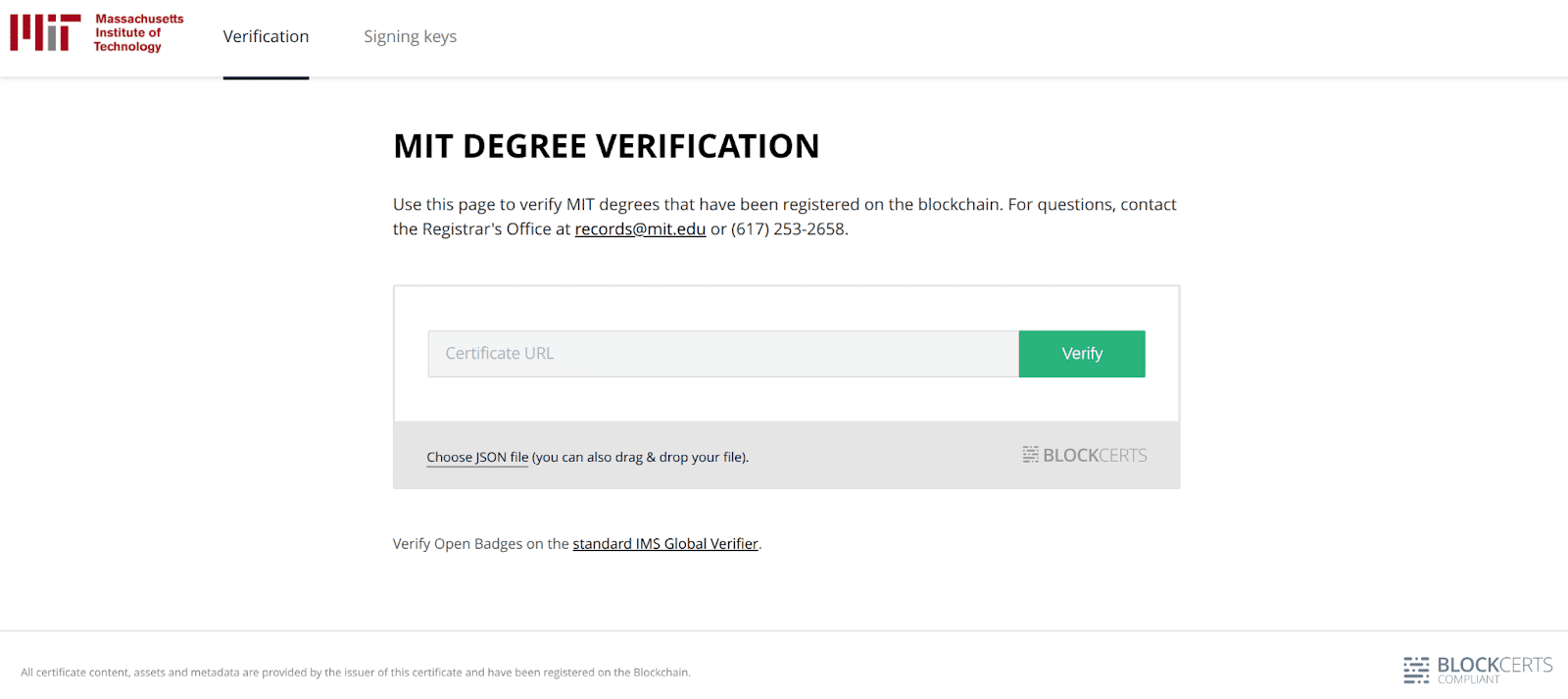
The uniqueness of NFTs allows them to serve in numerous roles as a digital identity for specific use cases.
ERC-721 Main Functions And Events
When someone says a contract is “ERC-721 compliant,” they’re talking about a standard set of functions and events that wallets, marketplaces, and apps rely on. Here’s the core surface area you’ll see across ERC-721 contracts:
| What It Does | Function Or Event | Plain English |
|---|---|---|
| Check how many NFTs an address holds | balanceOf(owner) | Returns the number of NFTs owned by an address |
| Find the owner of a specific NFT | ownerOf(tokenId) | Returns the current owner for a token ID |
| Transfer an NFT | transferFrom(from, to, tokenId) | Moves an NFT if the caller has permission |
| Transfer an NFT with safety checks | safeTransferFrom(from, to, tokenId) | Transfers, and checks the receiver can handle NFTs |
| Transfer with extra data | safeTransferFrom(from, to, tokenId, data) | Same transfer, with an extra data field |
| Approve one address for one NFT | approve(to, tokenId) | Lets another address transfer a specific token |
| Approve an operator for all NFTs | setApprovalForAll(operator, approved) | Lets an operator manage all tokens for an owner |
| Check token approval | getApproved(tokenId) | Returns the approved address for a token ID |
| Check operator approval | isApprovedForAll(owner, operator) | Returns operator permission status |
| Transfer event | Transfer(from, to, tokenId) | Fired whenever ownership moves |
| Approval event | Approval(owner, approved, tokenId) | Fired when a token approval changes |
| Operator approval event | ApprovalForAll(owner, operator, approved) | Fired when operator approval changes |
Drawbacks of the ERC-721 Token Standard
ERC-721 offers a streamlined approach to issuing and managing unique digital assets. However, NFTs also introduce some challenges. Let’s explore some of the issues this part of the industry still faces.
Gas Costs and Scalability
The Ethereum protocol bases gas fees (usage fees) on the transaction’s complexity and network demand. Minting NFTs can be costly due to the more complex nature of the token contract. This cost can be exacerbated by network congestion.
While network congestion isn’t necessarily attributable to NFTs, more complex transactions add to the overall demand on the network and can increase the transaction costs for all users.
Copyright, Ownership, and Royalties
NFTs from collections and digital art NFTs often introduce additional challenges. There may be limitations on how digital art can be used, for example. The confusion frequently centers on the distinction between ownership of the digital asset and ownership of the copyright and intellectual property (IP). The latter is seldom granted, restricting use of the NFT.
In some cases, bad actors have also “borrowed” digital artwork, minting the art as NFTs. In this case, the bad actors did not own the copyright, and buyers were duped into buying NFTs of dubious value.
NFTs also introduced the concept of creator royalties to the blockchain. For example, an NFT collection may feature a built-in royalty (paid to the creator) upon resale. These royalties, when implemented, are built into the token’s smart contract. While the community reaction to this practice has been mixed, this token function is optional, and many NFT marketplaces have allowed secondary buyers to bypass the royalty.
Market Volatility and Hype Cycles
NFT hype propelled collections like Bored Apes to notoriety, as celebrities showcased their BAYC (Bored Ape Yacht Club) NFTs on late-night TV. Hype may not last, however, and many NFTs that reached stratospheric prices have dropped considerably. A lack of market analytics also made trading complex and more speculative than informed. Marketplaces like Blur provided more transparency by displaying bid prices, which often differ considerably from the asking prices or the most recent sale prices.
Generally, prices for leading NFT projects reach a hype-fueled peak and then retrace. While potential capital gains aren’t the only reasons to buy digital art, investors should consider the pricing challenges and hype cycle pricing distortions the industry faces.
ERC-721 Tokens vs. Other Token Standards
The ERC-721 token standard evolved out of necessity, creating one of the most used token types in the Ethereum ecosystem. Let’s compare ERC-721 to other token standards, highlighting the similarities, differences, and use cases.
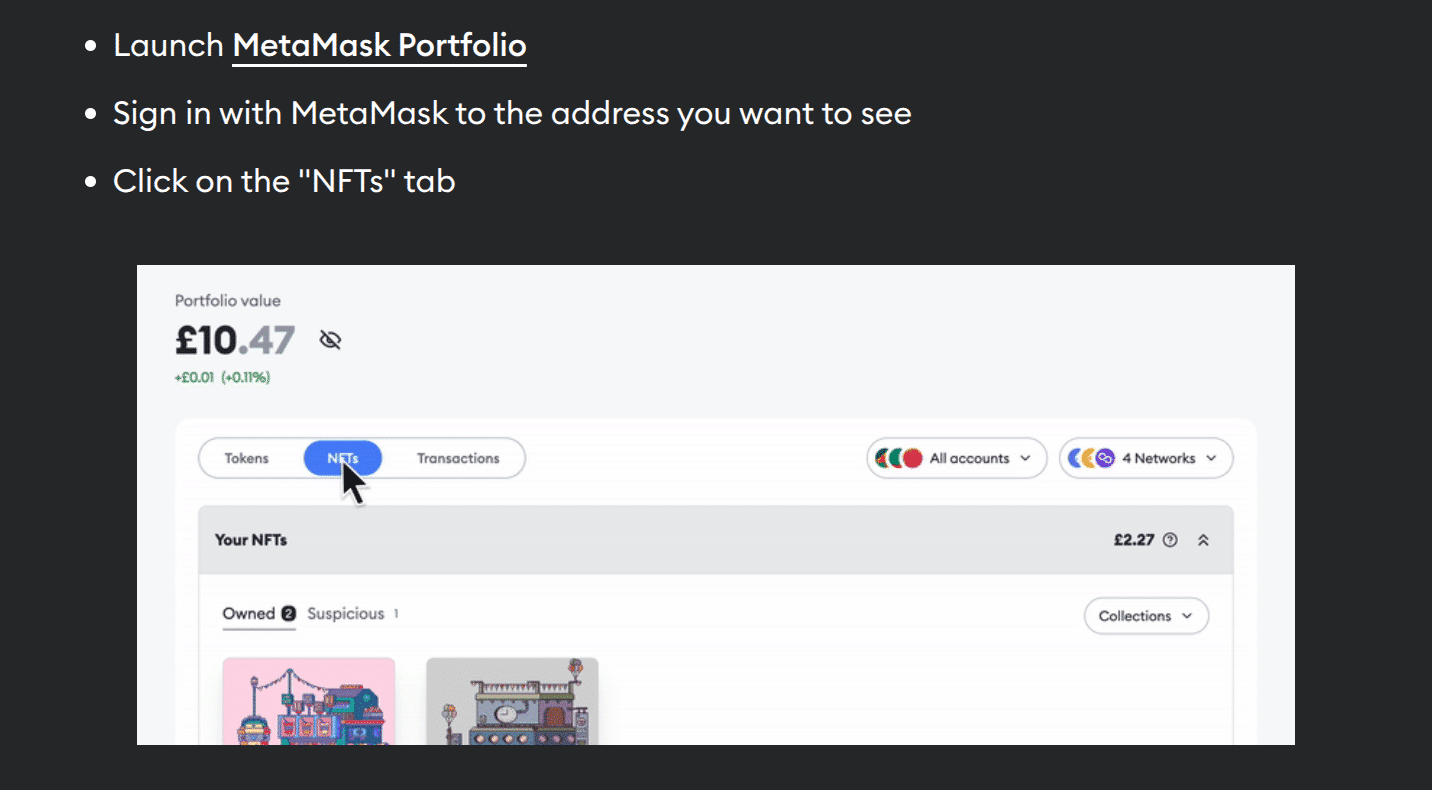
The strengths of ERC-721 tokens center on their uniqueness. Non-fungible means these tokens are not directly interchangeable, as each token bears a unique identifier and distinct metadata. By contrast, ERC-20 tokens, a standard established in 2017, focus on fungibility: each token within a set is equal to the next and interchangeable. ERC-20 use cases range from utility tokens to governance tokens and meme coins, and their fungibility makes them well-suited for these applications. Additionally, ERC-20 tokens typically enjoy more efficient markets due to their quantity and the price discovery benefits they offer. By comparison, even with tools like Blur, pricing NFTs as a market remains challenging. ERC-20 tokens also offer divisibility. In many cases, the tokens are divisible up to 18 decimal places as defined by the token contract. NTFs are transferable, but not divisible. However, some projects have tokenized specific NFTs, with token holders owning a fractionalized percentage of the NFT. For example, PleasrDAO fractionalized The DogeNFT with the $DOG token using Fractional.art (now Tessera). ERC-721 offers a well-defined and widely compatible standard for unique digital assets. However, ERC-1155 provides an intriguing alternative for specific use cases. An ERC-1155 token refers to a semi-fungible token, meaning one that initially functions as a fungible token but can become unique once a particular condition is met. For example, a concert ticket for a popular artist might be a standard fungible token before the event. All of the tokens in the set remain interchangeable. However, after the event, an ERC-1155 token can be converted into a unique NFT, memorializing the concert. Blockchain-based games offer another potential use case for semi-fungible tokens. Imagine a game in which weapons or armor are issued as fungible tokens, perhaps at a base level of power or protection. ERC-1155 allows these assets to “evolve” based on specific events or actions within the game, becoming a unique NFT. ERC-1155 tokens can be transferred in batches, enabling the simultaneous transfer of fungible, non-fungible, and semi-fungible tokens within a single transaction. By contrast, ERC-721 NFTs must be transferred individually. The ubiquity of ERC-721 tokens means that users find broad support for these tokens, allowing easy storage and transfers, as well as support on leading NFT marketplaces. Strict structures for metadata enable wallet applications and decentralized NFT applications to retrieve the relevant data, displaying the associated image, name, and traits. Popular crypto wallets that support ERC-721 tokens include MetaMask, Rabby Wallet, Best Wallet, Trust Wallet, and dozens of other compatible crypto wallet applications. Many popular hardware wallets that store the wallet’s private keys offline also support the ERC-721 token standard. However, the UI for companion apps may not place as much emphasis on NFT galleries. Well-tested options include hardware wallets from Ledger and Trezor, two companies that have led the market since 2014. NFT marketplaces like OpenSea and Blur can also access metadata for ERC-721 NFTs, creating vibrant markets for collectors that are searchable by collection, traits, and rarity. The popularity of NFTs (and the high value of specific NFTs) makes safety a top priority. Use trusted marketplaces when possible to avoid scams. Also, verify the contract address for the NFT on a block explorer like Etherscan.io to ensure you’re receiving an authentic token rather than a copy. ERC-721 tokens brought NFTs to the mainstream, with similar token standards evolving on competing blockchains like Solana and Sui. This popular token standard offers utility well beyond the most common types of NFTs, which include digital art and PFPs. Emerging use cases range from real-world assets, such as real estate and bond funds, to identity-related credentials, including university diplomas. Crypto collectibles paved the way for a potentially massive market in real-world assets powered by ERC-721 NFTs. The ERC-20 token standard is designed for fungible tokens, meaning that each token is equivalent to every other token in the set. By contrast, the ERC-721 token standard is designed for unique tokens that have distinct characteristics and are non-fungible. ERC-721 NFTs represent ownership of an asset, such as a digital image. Examples of ERC-721 tokens include NFT collections like Pudgy Penguins. They are also used in decentralized finance to represent liquidity pool positions or to represent ownership of similar assets. Although the terms are often used interchangeably, a coin represents the primary asset on a blockchain. For instance, Ether (ETH) powers the Ethereum blockchain, making it a coin, whereas tokens are assets that exist on a host blockchain. Established in 2013, 99Bitcoin’s team members have been crypto experts since Bitcoin’s Early days. Weekly Research Monthly readers Expert contributors Crypto Projects ReviewedERC-721 vs. ERC-20
ERC-721 vs. ERC-1155
Storing and Managing ERC-721 Tokens
Conclusion
FAQs
What is the difference between ERC-20 and ERC-721 tokens?

What is an example of ERC-721?
Is a token the same as a coin?
References

Why you can trust 99Bitcoins