




In This Article
The internet is evolving. The earliest version of the internet, called Web 1.0, was made up of static, read-only content. Then came the next iteration, called Web 2.0 in the mid-2000s, which brought in social elements to the internet. It was the early days of Myspace, YouTube, Facebook, and other social media platforms. Now we are at the cusp of the third evolution, commonly known as Web 3.0.
If you’ve been hearing about it but still wonder “what is Web3?”, you’re not alone. Web3, in simple terms, is the idea of a new internet where users, not corporations, own the internet, their data, and the value created from it. In this web3 explained article, we talk about how blockchain technology and cryptocurrencies are ushering in the era of a decentralized internet.
Key Takeaways
- Web1 was the read-only internet, Web2 introduced interactivity and social media, and Web3 is the decentralized, user-owned web.
- The seeds of the Web3 crypto movement were sown in 2008 when the pseudonymous Satoshi Nakamoto published the Bitcoin Whitepaper.
- Blockchain technology, smart contracts, crypto wallets, and decentralized apps (dApps) are core to how Web3 works.
- The benefits of Web3 include transparency, peer-to-peer crypto payments, and censorship resistance, while concerns include regulation, scams, and usability challenges.
- Examples of Web3 applications include DeFi platforms, NFTs, DAOs, Web3 gaming, and decentralized social media networks.
Web3 Explained For Beginners: Summary
Web3 is a term used to describe the next phase of the Internet, which is built on blockchain technology and where users control their data and digital assets rather than corporations.
It is also commonly known as “read, write, own” internet because Web3 allows users to retain full control and ownership of digital assets through blockchain, tokenization, and cryptocurrency technologies. The transfer of value over the internet is conducted in a decentralized or peer-to-peer manner.
The biggest advantage of Web3 is that it gives power back to the masses. Web2 is widely criticized due to the excess of power in the hands of corporations.
For example, users of social media platforms can be censored or banned based on the free will of platform operators. User activity and data are misused and sold to advertisers. Social media algorithms are implemented to influence user decisions.
With Web3, the internet is built on top of a decentralized blockchain where no centralized entity or Big Tech companies exert control, thus enabling the rise of a truly user-controlled digital economy.
What is Web3?
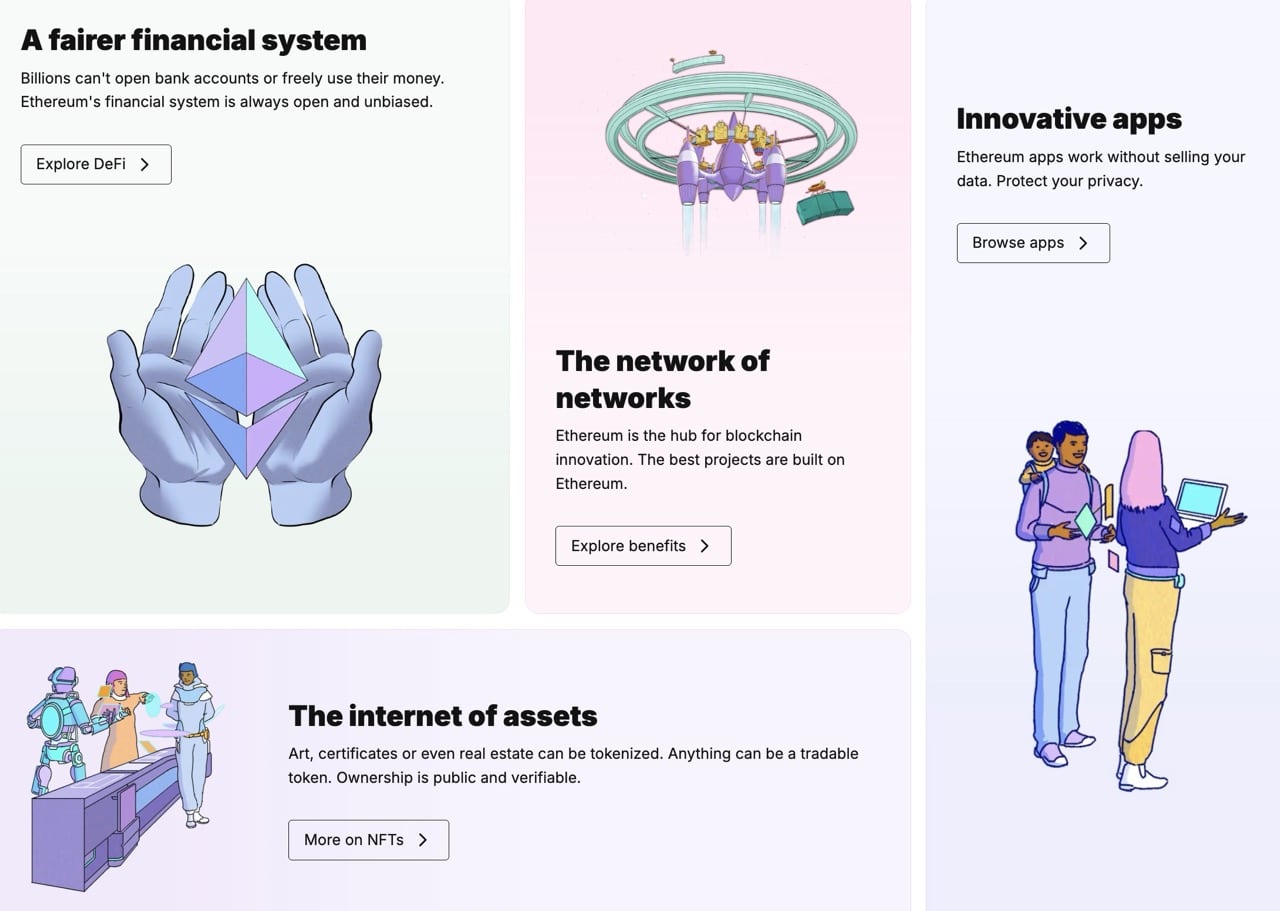
Web3 is a user-owned, censorship-free, and decentralized internet. It runs on public blockchain networks like Ethereum (ETH) and Solana (SOL), where smart contracts set the rules and decentralization is standard, not optional. Value is transferred between decentralized applications (commonly known as dApps) and end-users in the form of cryptocurrencies and digital tokens.
The power of decentralized cryptocurrency networks also provides users with an alternative to the traditional finance system, which is controlled by governments and financial institutions.
Web3 users do not need bank accounts to receive and send money over the Internet. Instead, funds are stored and managed on cryptocurrency wallets that give more control to users.
History & Evolution of the Web3
The internet continues to evolve with technology, changing user needs, and changing business models.
Each phase of the web reflects how people interact with information and with each other. The journey from Web1 to Web2 to Web3 has seen a shift from static content to social engagement, and now to decentralization and ownership.
What is Web1 (1990s – early 2000s)
Web1 refers to the birth of the World Wide Web. The first version of the World Wide Web (www) enabled individual users and organizations to publish ideas and information over a global network. It all started in the 1980s when computers became more prevalent and a suite of communication protocols called Transmission Control Protocol/Internet Protocol (TCP/IP) enabled devices to exchange data across networks.
At the start, the internet was mainly used by scientists who took advantage of the quick access to data and personal communication to speed up scientific research. The pace of growth of the internet accelerated in the 1990s, cellular phones and personal computers became readily available.
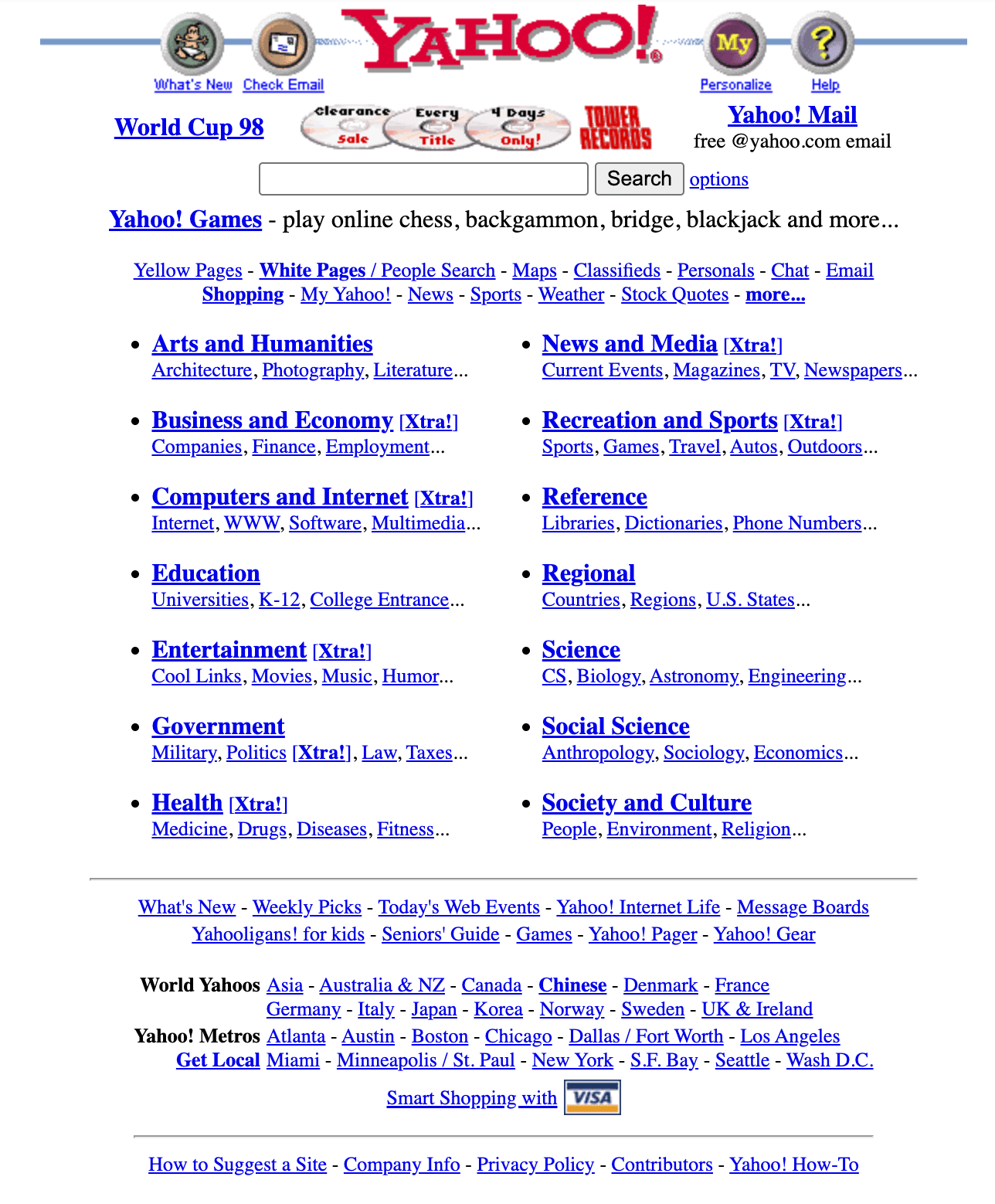
The main principle of Web 1.0 was one of a free global network, which was not controlled by any corporation, and one that allowed users to use its facilities free of charge (obviously, you had to buy your own machine and dial-up connection). Bruce Sterling for The Magazine Of Fantasy and Science Fiction in February 1993, wrote,
The Internet is a rare example of a true, modern, functional anarchy. There is no “Internet Inc.” There are no official censors, no bosses, no board of directors, no stockholders. In principle, any node can speak as a peer to any other node, as long as it obeys the rules of the TCP/IP protocols, which are strictly technical, not social or political.
However, that changed with Web 2 as the internet was commercialized.
What is Web2 (2000s – present)
Web 2.0, or the social web, refers to the phase of the internet that was characterized by the proliferation of web pages, interactive websites, user-generated content, and the birth of social platforms.
The second stage of the internet introduced direct interaction between users, marking a shift from the more limited, one-way experience of Web 1.0.
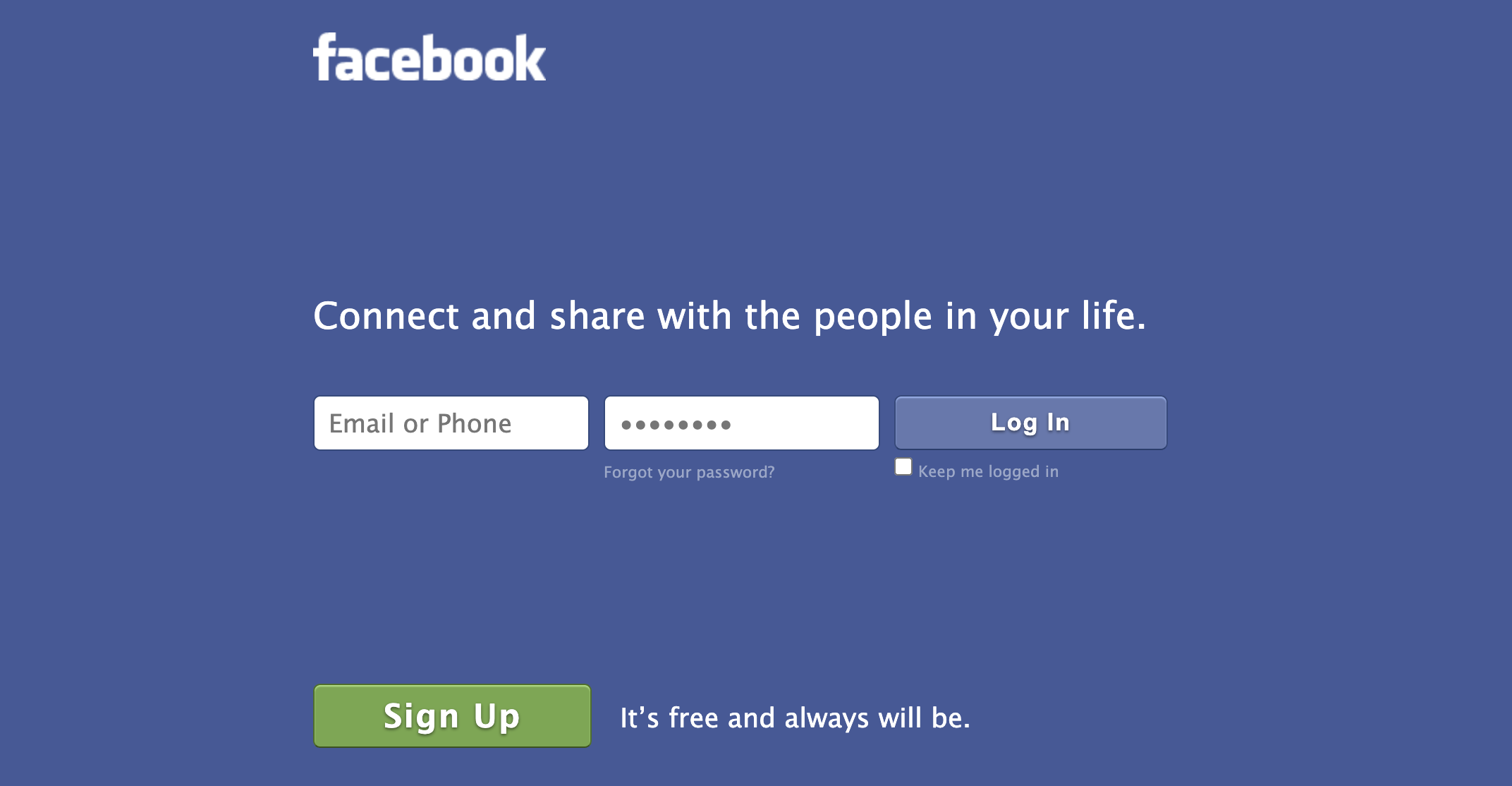
Web 2.0 also saw Big Tech companies like Amazon, Facebook, and Google dominate the internet. While internet companies provided users with easy access, free platforms, and convenient e-versions of brick-and-mortar businesses, they also began monetizing user activity and controlling user data. Research firm McKinsey in a report wrote,
Web2 came about in the mid-2000s, when a new crop of internet companies, upstarts like Facebook, Twitter (now X), and Wikipedia, empowered users to create their own content. But there was a cost to these free-to-use “emergent social software platforms.
The “cost” of these free-to-use web pages was data hacks, targeted advertisements, loss of privacy, and corporate control over personal information. The most striking example of these risks came with the Cambridge Analytica scandal, where Facebook allowed the firm to harvest millions of users’ personal data without consent and exploit it for targeted political advertising campaigns.
What is Web3 (present & future)
Web3 is the idea of a new internet that is decentralized and is built on blockchains. The idea was born out of the decentralization principles of the crypto industry. It is still a work in progress.
Who coined Web3? The term “Web3” was coined by Ethereum and Polkadot (DOT) co-founder Gavin Wood in 2014.
The seeds of the Web3 crypto movement were sown in 2008 when the pseudonymous Satoshi Nakamoto published the Bitcoin Whitepaper. The Bitcoin blockchain would go on to achieve a multi-trillion-dollar market valuation and inspire a legion of peer-to-peer networks and similar blockchain networks.
In 2015, Ethereum introduced smart contracts to blockchain networks. The launch of Ethereum went on to mark a new chapter for the Web3 internet movement. With the power of smart contracts, developers were able to create decentralized systems that replaced traditional finance models, which were controlled by a central authority.
Moreover, smart contracts allowed users to issue their custom tokens on the Ethereum blockchain, which led to the creation of online communities and blockchain-powered virtual worlds.
Another key web3 technology that was developed around the time of Ethereum’s launch was the InterPlanetary File System (IPFS).
IPFS is a decentralized, peer-to-peer protocol for storing and sharing files. This critical web3 infrastructure is widely used in crypto apps to host non-fungible tokens (NFTs), blockchain data, and dApp content without central servers. Learn more in our What is a Blockchain File Storage System article.
Key Features & Core Principles of Web3
What is Web3 all about? What’s with the hype, you ask? Well, Web3 technology is more than just innovation and advancements. It is also a reimagination of how the internet should function and the values that it must uphold.
In this section, we learn how Web3 works at its core. We will go through the core principles that make Web3 different from the previous iterations of the internet to understand why is Web 3.0 important.
Decentralization
Decentralization refers to the concept of distributing control among multiple participants rather than a single, central authority. In Web3, customer data is not stored on a centralized corporation’s private servers; instead, it is stored on blockchain networks comprising thousands of nodes spread across various geographies and operators. Such a setup prevents censorship and monopolies.
Permissionless & Trustless
Permissionless means that Web3 is open to anyone, as there is no centralized authority to censor users.
Trustless refers to the lack of need to trust third parties. For example, when you are holding your money in the bank, you are trusting the bank to act honestly and safeguard your funds. In Web3, the use of code and autonomous smart contracts removes the need for trust.
Together, these principles let people interact, trade, or build apps on Web3 freely, safely, and without gatekeepers.
User Ownership of Data
Web3 enables you to take control of your data. In Web3, cryptocurrency wallets replace social accounts like Google and Facebook. Crypto wallets do not require you to submit personal information during setup. These wallets act as your representatives in the new internet to log into Web3 applications and websites. Moreover, crypto wallets also provide users with greater control and transparency with regard to the use of their data.
Native Payments
Web3 applications bypass centralized banking channels and use public blockchain networks such as Bitcoin, Ethereum, and Solana instead. Not only are public blockchains decentralized, but they also offer fast, cheap, and borderless transactions.
Interoperability
Interoperability refers to the property of a group of systems to work together. In a Web3 ecosystem, applications can connect and share data. Users can also transfer cryptocurrencies, NFTs, and other digital assets between blockchains.
How Does Web3 Work?
You may ask, what technologies support Web3? In this section, we break down the underlying technology and infrastructure that power Web3.
Blockchain Technology
Blockchain is a digital ledger that transparently stores transactional and account data. There are various types of blockchain. For this Web3 explained article, we will focus on public blockchains.
To put it briefly, public blockchains are blockchain networks that are permissionless and decentralized, which means anyone can use them, develop decentralized applications on them, and contribute to their upkeep and security.
In contrast, private blockchains are centralized blockchains which is permissioned and controlled by an authority.
The bedrock of Web3 is public blockchains such as Bitcoin, Ethereum, Solana, Polygon, BNB Chain, and more. Get to understand this topic in detail in our dedicated “What is blockchain” article.
Smart Contracts
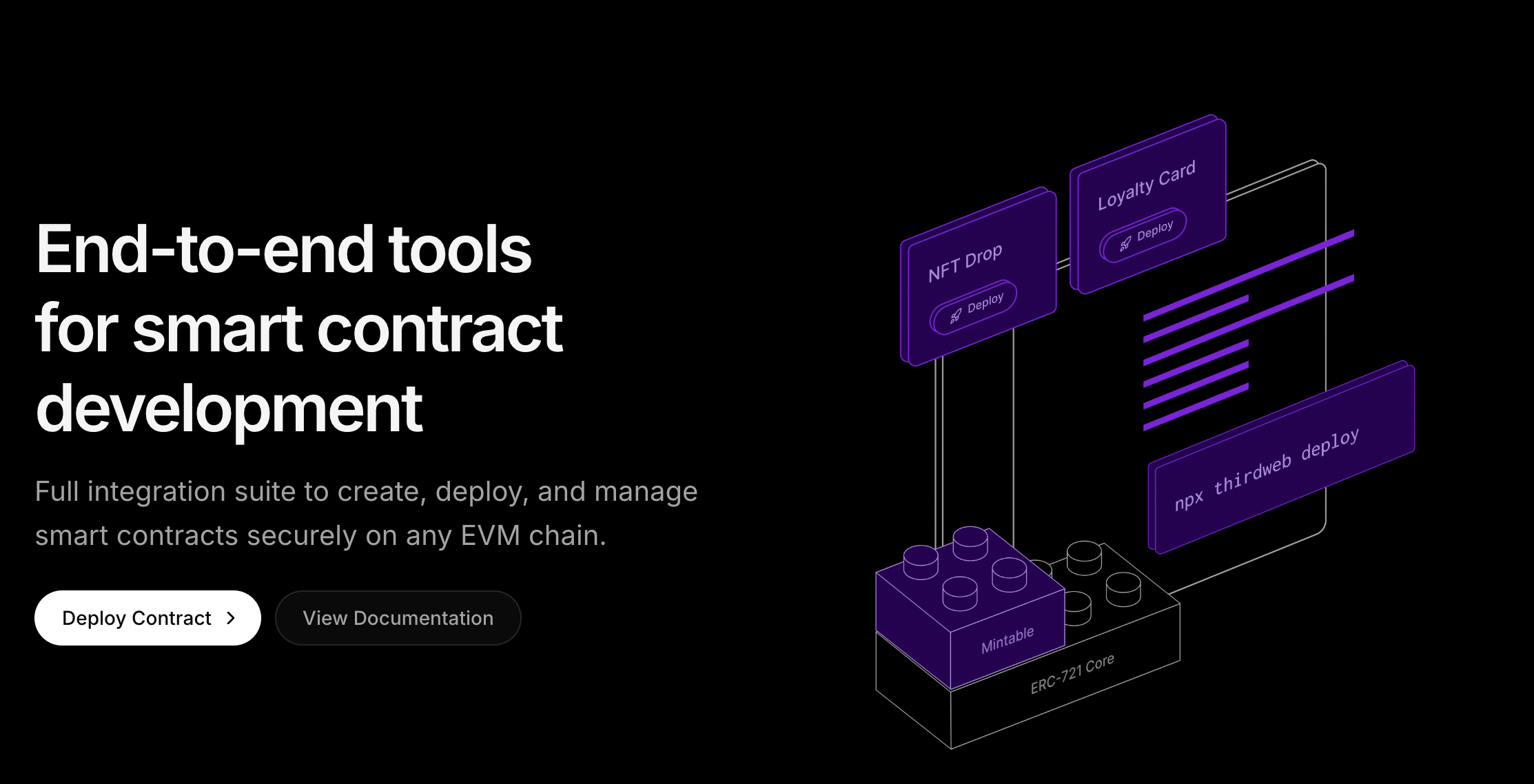
Smart contracts are autonomous programs that self-execute when pre-determined conditions are met. Smart contracts remove the need for middlemen by enforcing rules that are pre-coded.
Web3 examples of smart contract use include borrowing and lending of crypto funds, where automated programs handle loan conditions and repayments, or the fair distribution of tokens following the completion of tasks or eligibility. Learn more about it in our “What are smart contracts” guide.
Digital Wallets & Identity
Digital wallets, commonly known as cryptocurrency wallets, are applications or devices that connect to public blockchains and allow you to store and manage your digital assets.
Crypto wallets are your gateway into the Web3 world. Instead of logging into websites, using your Web2 social accounts, you can use your crypto wallet to do so without revealing your identity. This is a key Web3 vs. Web2 difference. Get to know about the top web3 wallets in our separate article.
Decentralized Applications (dApps)
Decentralized applications or dApps are applications on a public blockchain that can function without a centralized operator.
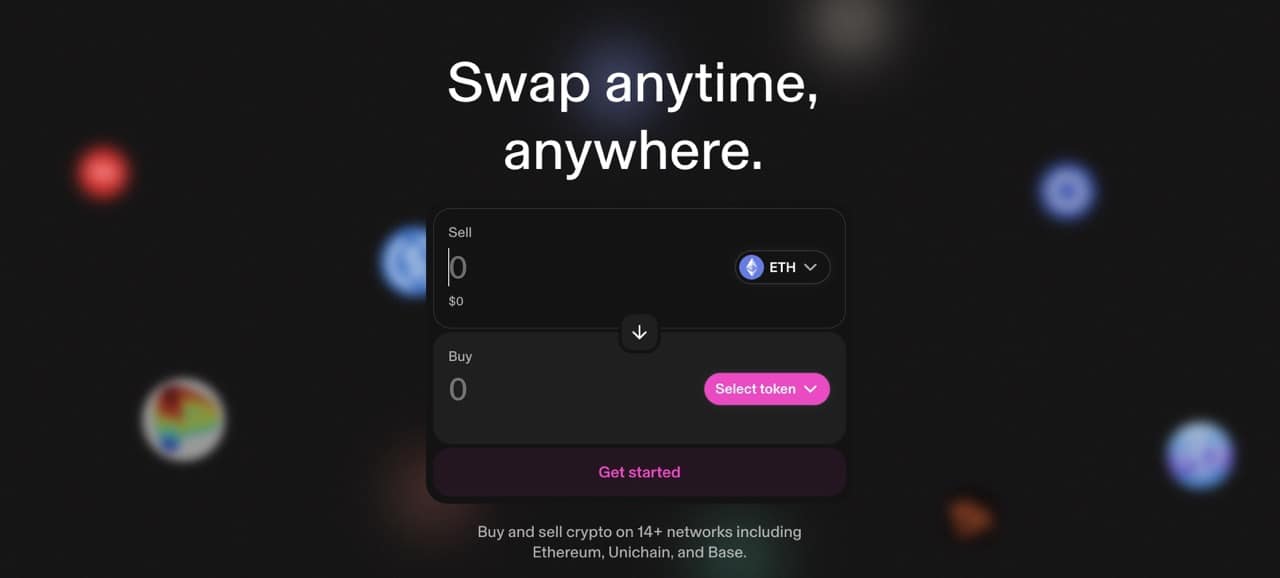
Unlike Web2 apps controlled by corporations, dApps are powered by smart contracts and governed by communities. They cover areas like decentralized finance (DeFi), blockchain gaming, and social media, allowing users to interact directly and own their digital activity.
Examples of Web3 applications include non-custodial Best Wallet, decentralized exchange Uniswap, crypto lending platform Aave, Web3 social platform Farcaster, and Web3 publishing site Mirror. To know more about dApps, check out our dedicated “What is dApp” guide.
Benefits & Drawbacks of Web3
We have learnt the Web3 definition, which describes it as a decentralized, user-controlled internet. But what are the benefits of Web3, and what are the concerns around Web3? Let’s find out:
Pros
-
Decentralized networks reduce reliance on big corporations and middlemen.
-
Users gain true ownership of their data, identity, and digital assets.
-
Smart contracts enable transparency, automation, and trustless transactions.
-
Native crypto payments make global transactions faster and cheaper.
-
Interoperability creates a more open, connected, and flexible internet.
Cons
-
Web3 can be difficult for beginners due to technical complexity.
-
Scams, hacks, and rug pulls remain a major risk in the ecosystem.
-
Scalability issues cause slow transactions and high fees on some blockchains.
-
Unclear regulations create uncertainty for companies and investors.
-
Loss of digital wallets and private keys results in permanent loss of digital assets.
Real-World Applications of Web3
Cryptocurrencies and NFTs form the Web3 token economy. In this section, we will focus on Web3 in DeFi and lay down the real-world application of Web3.
Cryptocurrencies
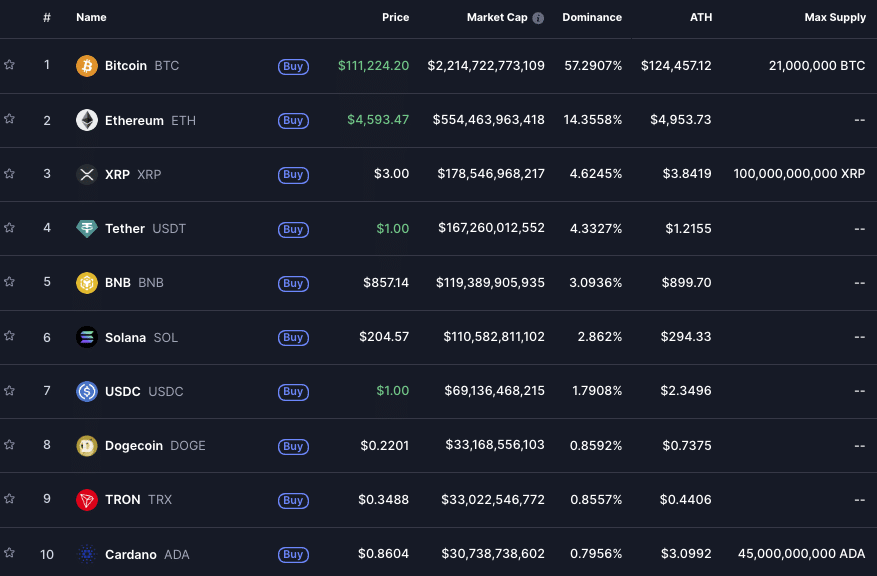
Cryptocurrencies are digital currencies that are issued on public blockchains. They enable peer-to-peer payments, borderless transactions, and value transfer in a decentralized manner, free of the control of centralized intermediaries such as banks and financial tech companies.
Beyond payments, cryptocurrencies can also be used as digital representations of physical and digital assets such as such as in-game items, art, patents, copyright certificates, government bonds, fiat currencies, and real estate. Read our “What is Cryptocurrency” for an in-depth look at the topic.
Decentralized Finance (DeFi)
Decentralized finance, or DeFi, is a new financial system that does not rely on financial intermediaries to execute and approve transactions. Instead, autonomous smart contracts are programmable to execute when pre-determined conditions are met.
DeFi platforms such as Aave and Compound allow instant borrowing and lending of funds, while decentralized exchanges (DEX) such as Uniswap and PancakeSwap allow trading of cryptocurrencies without depending on operators who match and facilitate trades in traditional finance systems.
NFTs (Non-Fungible Tokens)
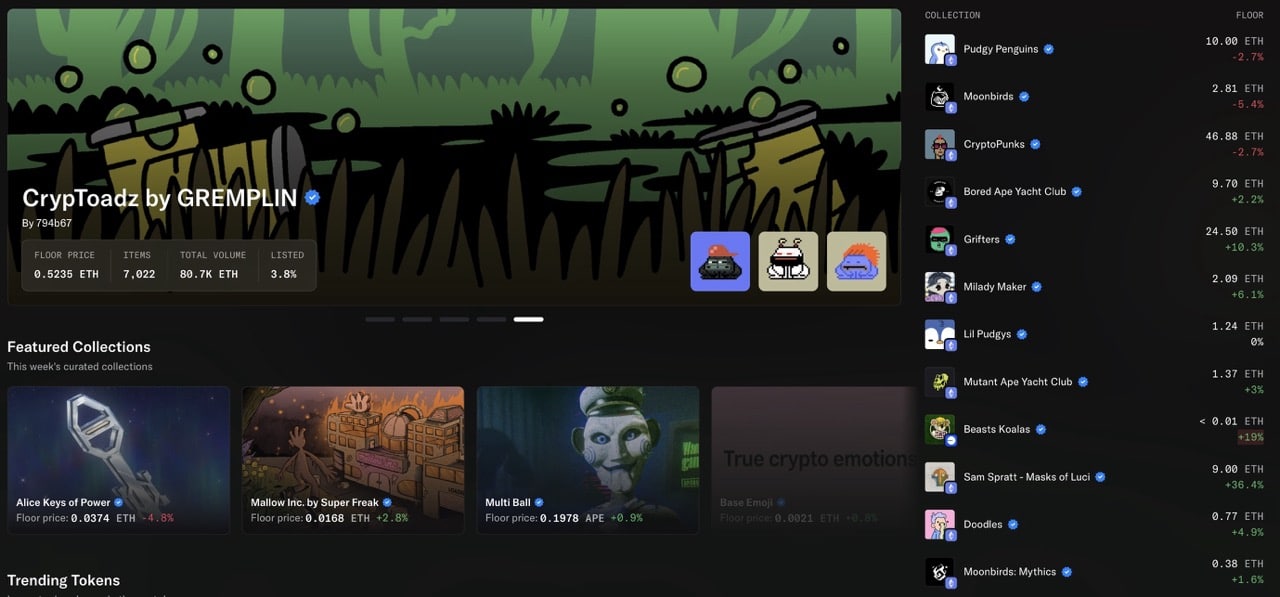
Non-fungible tokens or NFTs are unique, one-of-a-kind digital assets that are used to represent artwork, collectibles, and real-world items. NFTs prove ownership on the blockchain, something not possible in Web2.
The use of smart contracts in NFTs allows creators to program royalties and commissions that execute automatically when sales are made or when the NFT is redeemed. This is one of the key differences between Web2 and Web3.
DAOs (Decentralized Autonomous Organizations)
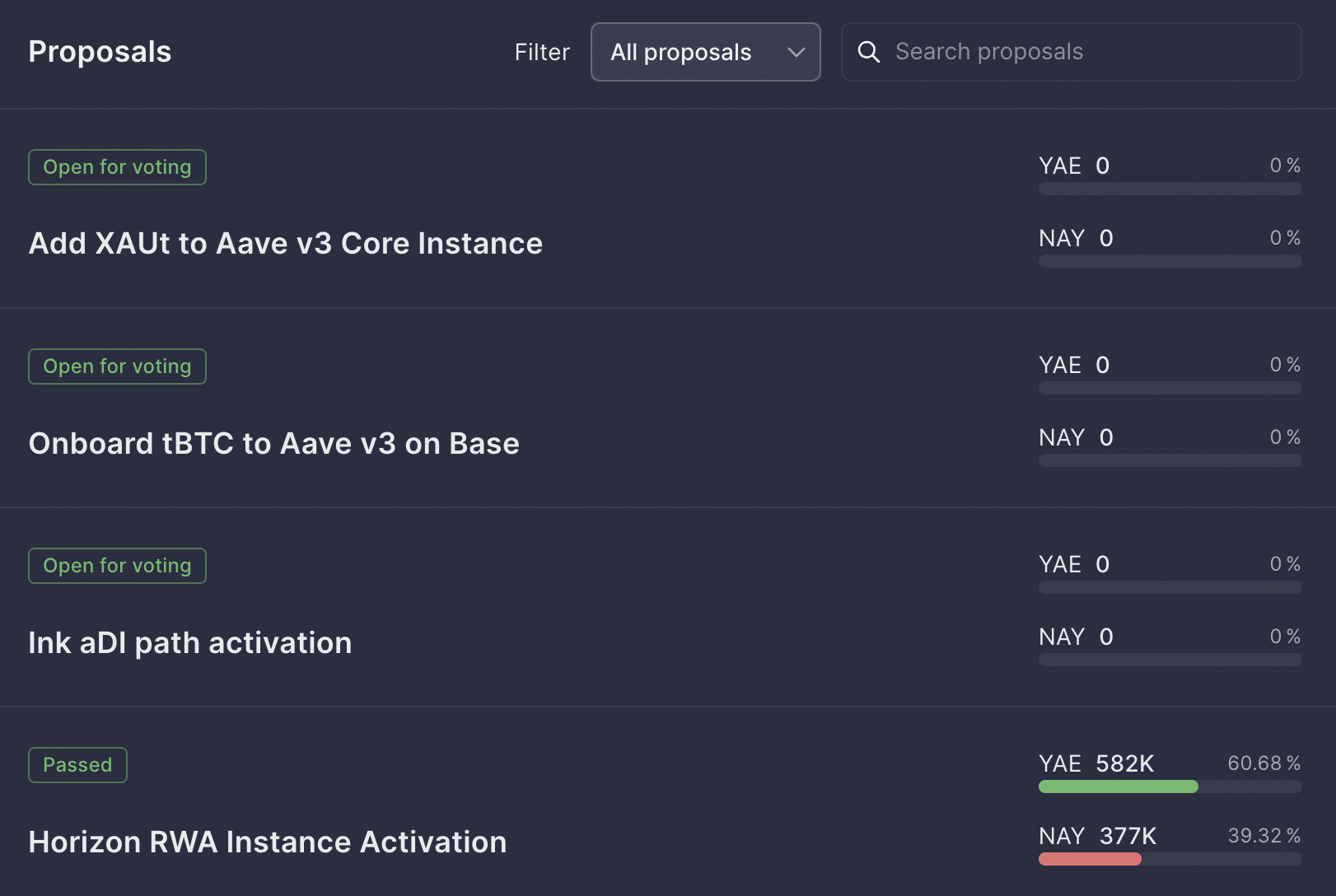
Decentralized Autonomous Organizations, or DAOS, are organizations designed to democratize decision-making and decentralize power across communities. Typically, every DAO has its own governance token. Holders of these governance tokens have the power to propose network changes and vote on network upgrades, the future direction of the network, community grants, and network expenditure.
DAOs are inherently unique to Web3. In contrast, Web2 is dominated by centralized corporations that make decisions regarding the future of a website in closed board rooms, while the community and users have no say in it.
At the time of writing, DAOs are still maturing. The future of Web3 is expected to see DAOs become more popular and effective.
Web3 Gaming & Metaverse
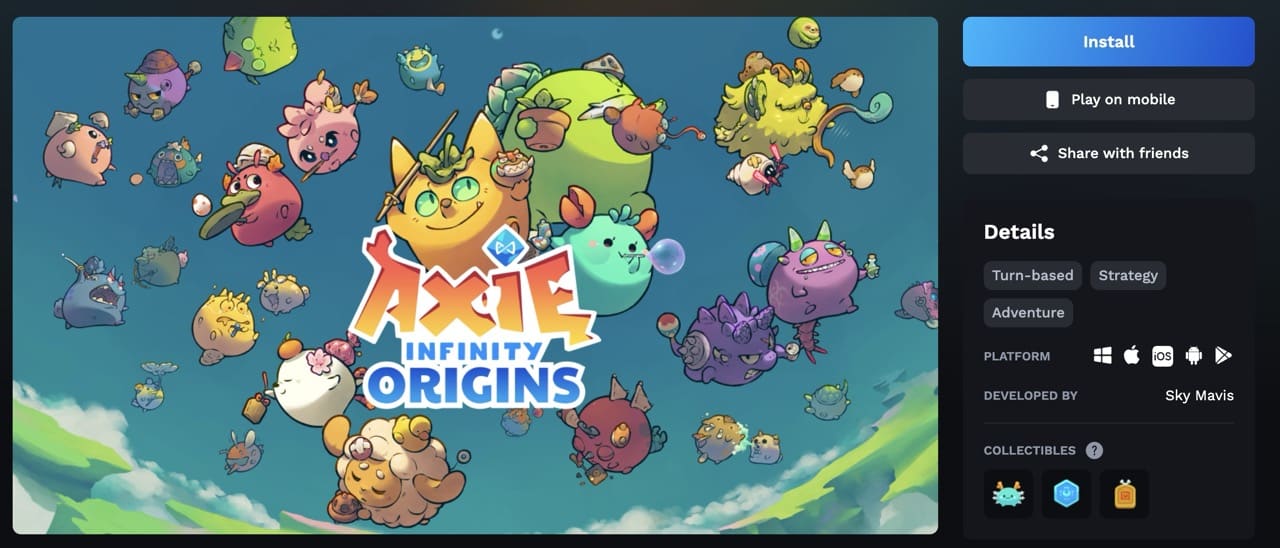
Web3 gaming or blockchain gaming brings “play-to-earn” models where players actually own in-game assets, unlike in traditional gaming. Games like Axie Infinity use NFTs and tokens to reward players, while virtual worlds like Decentraland let users buy digital land, trade items, and build experiences in an open, blockchain-powered metaverse.
Ownership of in-game items is recorded on the blockchain and can be traded, bought, and sold in a peer-to-peer and permissionless manner. In-game NFTs can also be converted to real-world fiat currencies on NFT marketplaces such as OpenSea, Blur, and Rarible.
Social Media & Content Creation
Web3 social platforms such as Lens Protocol and Farcaster give creators direct ownership of their content and audiences.
While Web2 platforms such as Facebook, X, and Instagram control monetization and have the power to censor and ban users, users of Web3 platforms can jump from one social platform to another without losing their posts, content, and followers.
Examples of Web3 Companies & Projects
Web3 vs. Web2: How is Web3 different from Web2
Web2 gave us social media, e-commerce, and user-generated content, but it also centralized power in the hands of big tech companies. Web3 is about decentralization, user ownership, and blockchain-powered systems.
Below is a quick comparison of Web2 and Web3 with real-world examples.
| Feature | Web2 – Current Internet | Web3 – Next Generation Internet |
|---|---|---|
| Ownership | Platforms own user data and content (e.g., Facebook, YouTube) | Users own data, assets, and identity via wallets (e.g., MetaMask, Best Wallet) |
| Control | Centralized corporations manage platforms (e.g., Google, Amazon) | Decentralized networks powered by blockchain (e.g., Ethereum, Polkadot) |
| Payments | Bank-based systems with intermediaries (e.g., PayPal, Stripe) | Native cryptocurrency and peer-to-peer payments (e.g., Bitcoin, USDC) |
| Identity | Accounts controlled by platforms (e.g., Gmail, Apple ID) | Self-sovereign identity with private keys (e.g., Crypto Wallets such as MetaMask and Best Wallet) |
| Applications | Apps rely on centralized servers (e.g., Instagram, Netflix) | Decentralized apps built on blockchains (e.g., Uniswap, Aave) |
| Governance | Companies set rules and policies (e.g., Twitter/X, TikTok) | Communities and DAOs vote on decisions (e.g., AAVE, Sky) |
| Revenue Model | Ads, data monetization, subscription fees (e.g., Spotify, LinkedIn) | Token economies, NFTs, staking, community incentives (e.g., Ethereum, Bitcoin) |
How to Get Started With Web3?
Below you will find an easy step-by-step guide to dip your toes into Web3.
-
Create a Crypto Wallet
Download a Web3 wallet, such as Best Wallet. This will store your digital assets, connect you to dApps, and serve as your online identity.
-
Buy Crypto Tokens
Purchase cryptocurrencies like ETH or BTC through your wallet or a trusted crypto exchange. These tokens are essential for transactions and accessing Web3 applications.
-
Trade on a Decentralized Exchange (DEX)
Use a DEX like Uniswap or SushiSwap to trade tokens directly from your wallet. You can even use the built-in DEX on Best Wallet.
-
Lend Your Tokens in DeFi
Deposit tokens into a lending platform such as Aave or Compound. This allows you to earn interest or borrow other assets without using banks.
-
Buy NFTs
Explore NFT marketplaces like OpenSea to buy digital art, collectibles, or in-game assets. Your wallet proves ownership, giving you full control of your NFTs.
-
Play Play-to-Earn Games
Join blockchain-based games like Axie Infinity or Sunflower Land. These let you earn tokens and NFTs while playing, creating real economic value from in-game activities.
-
Participate in DAO Governance
Get involved in Decentralized Autonomous Organizations (DAOs) by voting on proposals with your governance tokens.
-
Convert Back to Fiat
When you want to cash out, sell your tokens on a centralized exchange such as Binance or eToro and transfer the funds to your bank account in traditional currency.
Future of Web3
The future of Web3 is promising. We are hopeful that the adoption of blockchain, smart contracts, crypto wallets, and cryptocurrency technologies will usher in an era of a fairer and equitable internet.
However, we must remember that Web3 adoption is still in its early stages. At the time of writing, the technical complexities of the underlying Web3 technologies pose a notable barrier to adoption. Developers are working to make Web3 as smooth as today’s internet by removing complicated steps like setting up wallets, handling gas fees, and other technical barriers.
It may take a while, but we are certain that the world will see the benefits of taking back control of data, identity, and digital assets.
Moreover, we see a future where Web2 and Web3 will grow hand-in-hand, allowing users to choose the principles that they hold dear and the needs of the hour. On the future of web3, crypto investment firm a16zcrypto says,
Before web3, users and builders had to choose between the limited functionality of web1 or the corporate, centralized model of web2. Web3 offers a new way that combines the best aspects of the previous eras.
Conclusion: Web3 Explained Simply
Now that you know what Web3 is and what it means for the future of the internet, the next step is getting involved. Web3 is already shaping industries through Web3 blockchain projects and Web3 coins.
If you’re ready to get started, begin by learning the basics through our 99Bitcoins news site or newsletter. The fundamental concepts, like what crypto is and how blockchain works, are the foundation of Web3, and mastering them will help you better understand and use real-world Web3 applications.
The future of Web3 will be driven by those who actively participate. Whether it’s trying a dApp, joining a DAO, or exploring a Web3 company, your first step can open the door to the broader decentralized economy. And after getting familiar with the technology, if you plan on working in this sector, head to our guide on “How to Get a Job in Crypto.”
DISCOVER:
- Crypto Exchange Promos & Discounts
- Crypto Wallet Promos & Discounts
- How to Do Crypto Research: Learn From Experts
- 10+ Best Play to Earn (P2E) Games List in 2026
- What is Open Source?
FAQs:
Is Web3 the same as the metaverse?

No, Web3 is the decentralized internet, while the metaverse is a digital virtual world.
What is Web3 in crypto?
It’s the use of blockchain and cryptocurrencies to build decentralized apps, payments, and economies.
What is Web3 development?
Web3 development is creating dApps, smart contracts, and blockchain infrastructure for decentralized systems.
How is Web3 different from Web2?
Web2 is centralized and platform-driven, while Web3 is decentralized and user-owned.
Who created the concept of Web3?
Ethereum and Polkadot co-founder Gavin Wood coined the term “Web3” in 2014.
Can I use Web3 without owning cryptocurrency?
Yes, but most Web3 apps require a crypto wallet and tokens.
Is Web3 the same as crypto?
No, crypto is part of Web3, but Web3 covers broader applications.
What industries could Web3 disrupt?
Finance, gaming, supply chains, healthcare, social media and digital content creation.
Is Web3 safe?
Web3 has its pros and cons. It’s safer with decentralization, and data is protected, but risks like scams and hacks remain.
Will Web3 replace Web2?
Web3 will likely complement and coexist with Web2.
References
- McKinsey & Company. “What Is Web3?” McKinsey & Company, 20 Mar. 2023, https://www.mckinsey.com/featured-insights/mckinsey-explainers/what-is-web3.
- Federal Trade Commission. “FTC Issues Opinion and Order Against Cambridge Analytica for Deceiving Consumers about Collection of Facebook Data.” Federal Trade Commission, 6 Dec. 2019, https://www.ftc.gov/news-events/news/press-releases/2019/12/ftc-issues-opinion-order-against-cambridge-analytica-deceiving-consumers-about-collection-facebook.
- Internet Society. “A Short History of the Internet.” Internet Society, https://www.internetsociety.org/internet/history-internet/short-history-of-the-internet/.
- National Institute of Standards and Technology. “Transmission Control Protocol.” NIST Computer Security Resource Center Glossary, https://csrc.nist.gov/glossary/term/transmission_control_protocol.
- Dixon, Chris. “Why Web3 Matters.” a16z Crypto, 5 May 2022, https://a16zcrypto.com/posts/article/why-web3-matters/.

Why you can trust 99Bitcoins
Established in 2013, 99Bitcoin’s team members have been crypto experts since Bitcoin’s Early days.
Weekly Research
100k+Monthly readers
Expert contributors
2000+Crypto Projects Reviewed