




In This Article
Fade in. A digital shadow moves through cyberspace. No name. No face. Just an idea wrapped in code and paranoia. That’s how it begins. Not with a bang, but a whitepaper. Who is Satoshi Nakamoto? Good luck getting a straight answer.
Ask ten people, you’ll get twenty theories. A libertarian monk? A rogue AI? The ghost of Steve Jobs on a bender? The truth is, the biography of Satoshi Nakamoto reads like a Cold War spy novel written by a coder who hates the spotlight.
All we know for certain is this: the inventor of Bitcoin shattered the world’s financial narrative in 2008 with nine pages of mathematical poetry. The real Bitcoin founder didn’t ask for permission, didn’t seek fame, and didn’t stick around for applause. Satoshi came, saw, forked the system and then disappeared into the digital abyss like Keyser Söze with better opsec.
This isn’t your typical founder story. This is about a phantom that rewrote the rules of money and walked away before the world even noticed what had happened. Roll credits? Not yet. We’re just getting started.
Key Takeaways
- Satoshi Nakamoto is the pseudonymous inventor of Bitcoin who launched the Bitcoin blockchain in 2009.
- The identity of the real Bitcoin founder remains unknown, fueling endless theories and speculation.
- Satoshi Nakamoto disappeared from public view in 2011, leaving behind a decentralized protocol and a million untouched Bitcoins.
- The Bitcoin white paper, published in 2008, proposed a peer-to-peer electronic cash system that defied centralized financial institutions.
- Satoshi’s philosophical stance promotes privacy, decentralization, and freedom from state-controlled fiat systems.
- The mystery surrounding Satoshi’s identity continues to influence the crypto community and Bitcoin’s cultural mythology.
Bitcoin Creator Satoshi Nakamoto: Summary
You don’t need to know how TCP/IP works to send an email. And you sure as hell didn’t need to know who created Bitcoin to ride it to $110k. But here’s the executive summary for the curious and the uninitiated:
The Bitcoin creator, operating under the pseudonym Satoshi Nakamoto, published the Bitcoin white paper in October 2008, back when the banks were too big to fail and too dumb to stop crashing. Then, on January 3rd, 2009, Satoshi mined the Bitcoin Genesis block, encoding a hidden message that spit in the face of central banking: “The Times 03/Jan/2009 Chancellor on brink of second bailout for banks.”
We’re not talking some random timestamp, this was a declaration of war on our flawed financial system. Over the next two years, Satoshi engaged with early developers on Bitcointalk, tweaked the Bitcoin software, and built the foundation of what would become a trillion-dollar beast. Then, poof. Emails stopped. Commits ceased. The Bitcoin inventor ghosted the internet like a magician vanishing mid-act.
All that remains is a trail of code, a million untouched Bitcoins, and a crypto community obsessed with unmasking the real Bitcoin founder.
Who is Satoshi Nakamoto?
You ever meet someone so important that their absence feels louder than their presence? That’s Satoshi Nakamoto. Or maybe it’s they. Or he. Or she. Depends on which Reddit thread you’re spiraling through at 3 a.m.
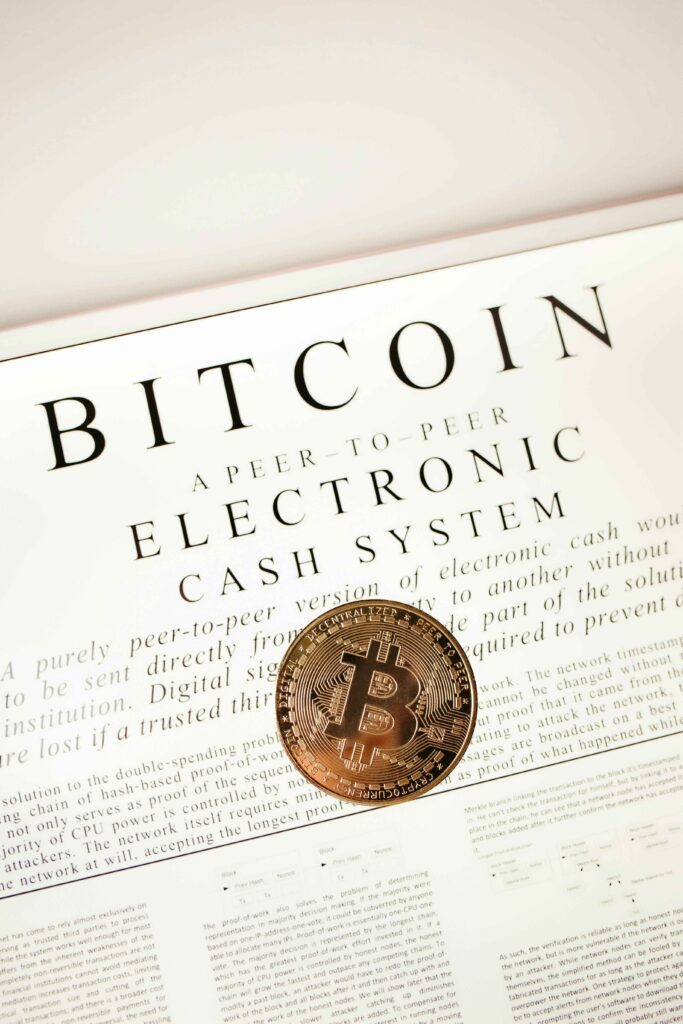
All we really know is that Satoshi Nakamoto is the pseudonymous inventor of Bitcoin, the ghost in the machine who published the Bitcoin white paper on October 31, 2008, a Halloween treat for cypherpunks and a trick for the banking elite. Titled “Bitcoin: A Peer-to-Peer Electronic Cash System,” the paper was a grenade lobbed at the cathedral of centralized finance.
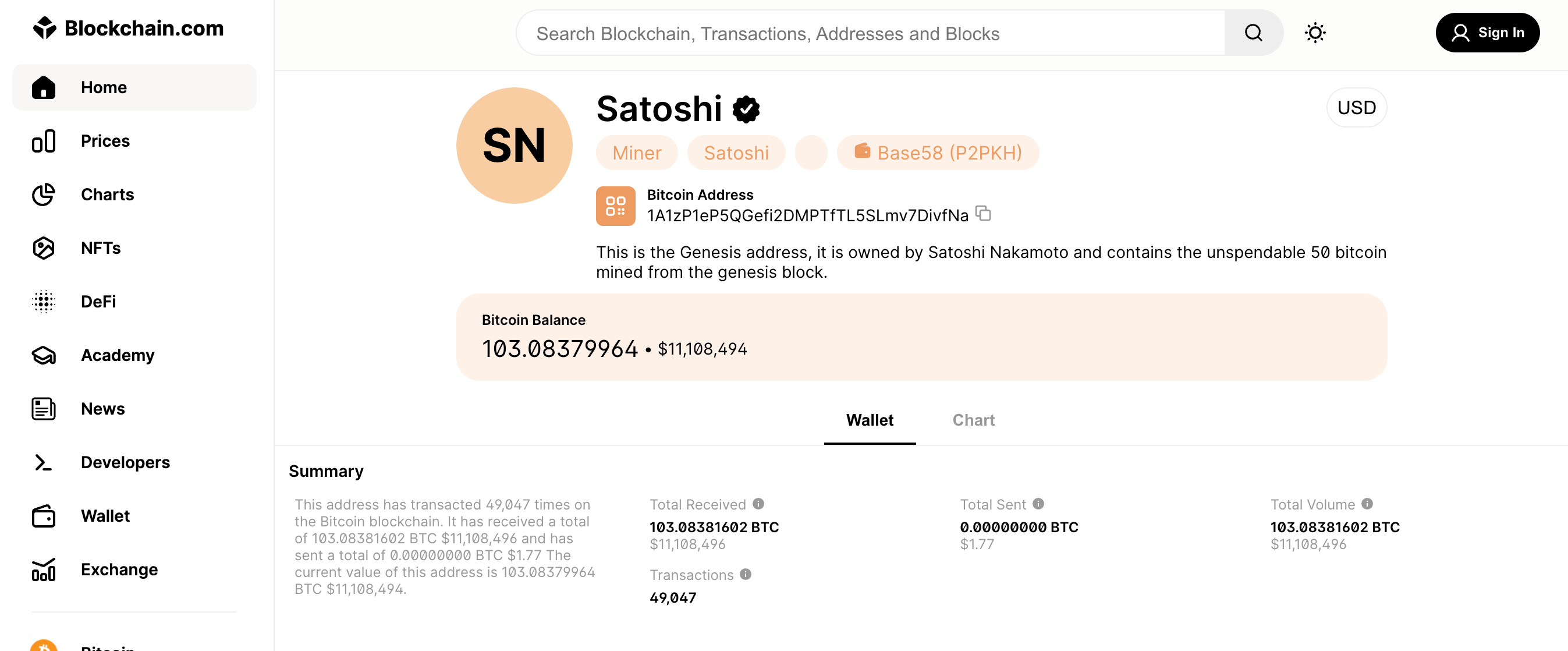
On January 3rd, 2009, Satoshi mined the Genesis block of the Bitcoin blockchain. Embedded in it was a time-stamped message: “The Times 03/Jan/2009 Chancellor on brink of second bailout for banks.” Subtlety? Never heard of her.
This was revenge disguised as innovation. A flex against fiat. A thesis against trust-based systems. A protocol that didn’t ask for permission and didn’t care about your credentials.
And yet Satoshi Nakamoto’s identity remains the greatest unsolved mystery in blockchain technology. No photos. No live streams. No awkward TED Talks. Just pristine code, forum posts in clean British English, and a wallet with roughly a million Bitcoins sitting untouched like the Ark of the Covenant.
Who is Satoshi Nakamoto? The world still doesn’t know. And that’s exactly the point.
Why is Satoshi Nakamoto Popular?
Let’s be honest if Satoshi had stuck around for the press tours, VC panels, and LinkedIn humblebrags, we’d probably be bored by now. But the pseudonym Satoshi Nakamoto didn’t show up to collect followers; they showed up to flip the financial middle finger and vanish.
So why does the world still obsess over this mysterious shadowy figure? Simple. They invented Bitcoin, the first successful peer electronic cash system that actually worked without needing a bank, a government, or a permission slip from your local finance bro. That alone earns Satoshi a statue in the cryptocurrency hall of fame.
But it’s about much more than just the code. Satoshi’s exit was a masterclass in mystique. No interviews. No leaked selfies. Just code commits and encrypted forum posts before disappearing in 2011 like a digital Banksy. That silence? That’s what made the myth. Every day Satoshi doesn’t move those coins, the legend grows.
And let’s not forget Hollywood. HBO teased a documentary. Bloomberg News has had journalists chasing dead leads for years. The crypto community treats Satoshi like a mix between Tupac and Alan Turing, dead, alive, possibly both.
In a world addicted to exposure, Satoshi Nakamoto’s anonymity is the most punk-rock thing about them. They didn’t stick around for the glory. They left a weapon and walked off set. Now Bitcoin’s founder lives rent-free in every op-ed, Twitter thread, and VC pitch deck pretending they “get crypto.”
Satoshi Nakamoto & Bitcoin
Bitcoin without Satoshi Nakamoto is like a religion without a prophet, except here, the prophet wrote code instead of scripture and never claimed divinity. Just practicality, privacy, and a profound hatred for bailout economics.
Let’s talk wallets. Bitcoin’s creator is believed to hold around 1 million BTC split across wallets that haven’t seen a single outgoing transaction since day one. No pizza orders. No rug pulls. Not even a cheeky ENS domain.
Why does that matter? Because if those coins ever move, the Bitcoin community will collectively lose its mind. Markets will spiral. Conspiracies will bloom. Some folks might even consider it an act of war. That stash isn’t just digital gold it’s a barometer of peace.
Now zoom out. Look at the Bitcoin blockchain. This isn’t your typical ledger it’s a revolution in slow motion. A rebellion built on math, not muskets. And at the heart of it sits code authored by someone who walked away before it went mainstream. Nakamoto published just enough to light the fuse, then dipped.
And yet, every time someone forks the chain, launches a new coin, or tries to reinvent digital money, they’re chasing the ghost of that original vision. That’s the curse and the brilliance of Satoshi’s legacy: build something powerful enough to endure, then trust the decentralized system to evolve without you.
As far as Bitcoin developers go, nobody topped the leaderboard harder and exited faster than this one.
Satoshi’s Bitcoin Wallets and Their Importance
Imagine sitting on a fortune north of a million Bitcoin, then ghosting like it’s just pocket change. That’s the story of Satoshi Nakamoto’s Bitcoin wallets. Digital vaults holding billions, untouched, unsullied, and eerily silent.
Let’s get one thing straight: these aren’t some random wallets. They’re relics. Artifacts. Think of them like the Rosetta Stone of Bitcoin’s early development. Satoshi mined these coins between 2009 and 2010, back when mining was a hobby and you could do it on a toaster. No GPU wars. No ASIC arms races. Just pure protocol.
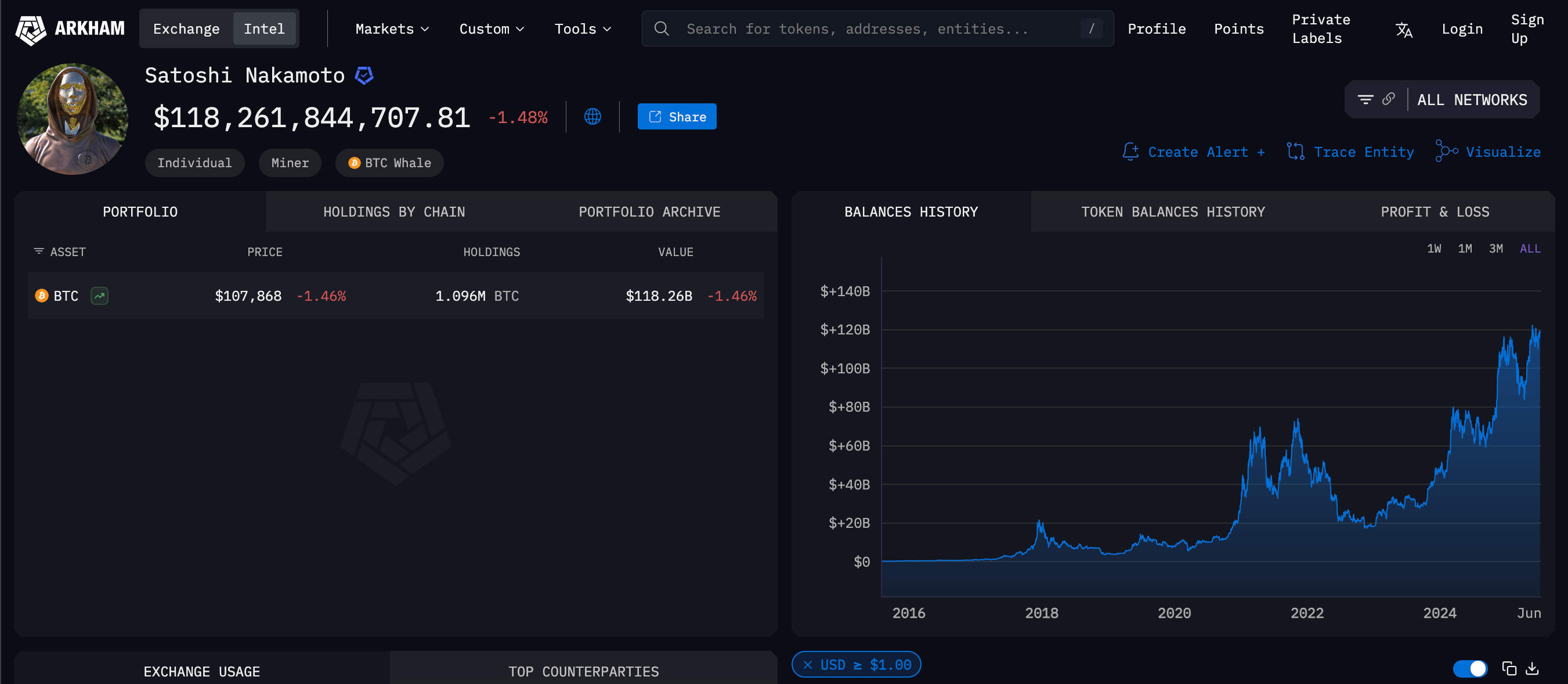
Today, those wallets serve one purpose: they haunt us.
Why? Because if even a fraction of those coins were moved, it would send shockwaves through the market. We’re talking a price crash, panic tweets, emergency livestreams from every crypto influencer with a ring light. It would imply one of three things:
Either way, it’s not bullish.
These wallets also serve as a sort of economic Cold War deterrent. The fact that Satoshi hasn’t moved any of it, not one sat, adds weight to Bitcoin’s mythology. It’s like the protocol was gifted by a higher power and left alone for humanity to figure out. The longer those coins remain untouched, the more sacred the ledger becomes.
You want to know why people trust the Bitcoin blockchain more than their own central bank? Because Bitcoin’s founder had the chance to nuke the market and chose not to. Now that’s power. Silent, terrifying, holy power.
Satoshi Nakamoto’s Philosophical Beliefs
Satoshi wasn’t just a computer scientist with a knack for cryptography. The Bitcoin white paper reads less like an academic exercise and more like a manifesto from someone who’s seen behind the curtain and didn’t like what they found.
Satoshi didn’t shout their beliefs from a podium. They encoded them. Subtle, sharp, and surgical. Let’s break it down.
First, there’s the clear disdain for fiat currency. That “second bailout for banks” message in the Genesis block wasn’t random, it was a punchline with teeth. It told us exactly what the pseudonymous inventor thought of central banking: a cartel of moral hazard, printing away your future one stimulus at a time.
Next, decentralization isn’t some technical decision, it’s gospel. No rulers. No gatekeepers. Just nodes, consensus, and math. Bitcoin’s design ensured that no single person or entity could seize control because the very idea of control was the disease.
Satoshi believed in privacy, not as a luxury, but as a right. The system doesn’t require your name, your email, or your permission. Just your keys and a little bandwidth. In the age of surveillance capitalism, that’s borderline revolutionary.
You can also see the fingerprints of cypherpunk ideology. The Nakamoto Institute archives are filled with writings that echo a fierce belief in digital sovereignty, money free from censorship, intermediaries, and political puppeteering.
Was Satoshi a political radical? A techno-libertarian? A digital monk? Maybe all of the above. What’s clear is this: Bitcoin’s creation was about building a parallel financial universe. One block at a time. And then they walked away because real revolutionaries don’t stick around for the IPO.
Estimated Net Worth of Bitcoin Inventor?
You ever hear the phrase “richest ghost in the world”? No? That’s because it didn’t exist until Satoshi Nakamoto stepped off the grid with a digital goldmine.
Let’s run the numbers. It’s estimated that Bitcoin’s creator mined around 1 million BTC during the early days. Do the math at today’s prices, $100,000-$110,000? And you’re looking at a net worth between $100 billion – $110 billion. That’s Bezos, Musk, and a Bond villain rolled into one anonymous wallet.
But here’s the kicker: none of it has moved. Ever. No trades, no transfers, no test transactions. Just radio silence from addresses more sacred to the crypto community than the Vatican is to Catholics.
And that changes things. Satoshi isn’t just the inventor of Bitcoin, they’re also the ultimate HODLer. Their net worth isn’t measured in Lambos or real estate. It’s measured in trust. Faith. Untouchable credibility.
Because if Satoshi Nakamoto ever did move that stack? Markets would hemorrhage. Whales would panic. Reddit would melt. It wouldn’t just shake the price it would destabilize the idea of Bitcoin as a neutral, decentralized system.
So yeah, technically, the Bitcoin inventor is one of the richest entities on Earth. But in practice? That fortune is frozen in time like a loaded gun left on the table, never fired. That’s not wealth. That’s legend.
Timeline of Satoshi Nakamoto’s Known Activities
Satoshi didn’t leave behind a face, a voice, or a résumé, but they did leave breadcrumbs. Forum posts. Code commits. Emails. A digital paper trail scribbled in computer science brilliance and British spelling.
Here’s the play-by-play:
Since then? Nothing. Not a single verifiable message. Just silence. In a space obsessed with constant noise, Satoshi’s vanishing act is the loudest thing that’s ever happened.
Here’s what we’ve pieced together from the data, the posts, and a decade’s worth of digital sleuthing. No fluff. No fan fiction. Just signal. Satoshi Nakamoto is a coding savant. The Bitcoin software wasn’t some weekend hack job; it was clean, modular, and shockingly mature for something version 0.1. This wasn’t your average GitHub cowboy. This was someone fluent in C++, blockchain technology, and paranoid design. They wrote in perfect British English. We’re talking “favour,” “colour,” “bloody difficult.” The kind of grammar that makes spellcheck sweat in metric. But don’t let the tea-drinking vocabulary fool you, it could’ve been a red herring, or even a stylistic tick from reading too many papers out of the Nakamoto Institute’s academic archives. Could’ve been a team, not a person. Some suspect Satoshi was more than one computer engineer, a collective of cryptographers, economists, and maybe even someone with ties to classified defense projects. The code was too good. The opsec? Immaculate. Either they were trained by intelligence agencies… or they were the intelligence agency. No one knows their gender. We say “he” out of habit, but that’s speculation. Could be female. Could be non-binary. Could be a fed with a burner phone and an axe to grind. Satoshi avoided fame like the plague. No keynotes. No token sales. No cash-outs. The pseudonymous inventor gave us a decentralized system and dipped before the VCs arrived with pitch decks. And here’s the wild part: all of it, every byte, every block, every theory is still just educated guessing. We’re looking at the fingerprints of a ghost. And for now? That ghost is still winning.What 99Bitcoins Knows About Satoshi Nakamoto?
Top Theories About Satoshi Nakamoto’s Identity
If you’ve got a Reddit login and a tinfoil hat, welcome to the main event: Who TF is Satoshi Nakamoto?
Let’s run through the usual suspects. The crypto community has been playing this whodunnit since 2011, and every new bull run brings the same conspiracy carousel, half computer scientist, half myth, and 100% unsolved.
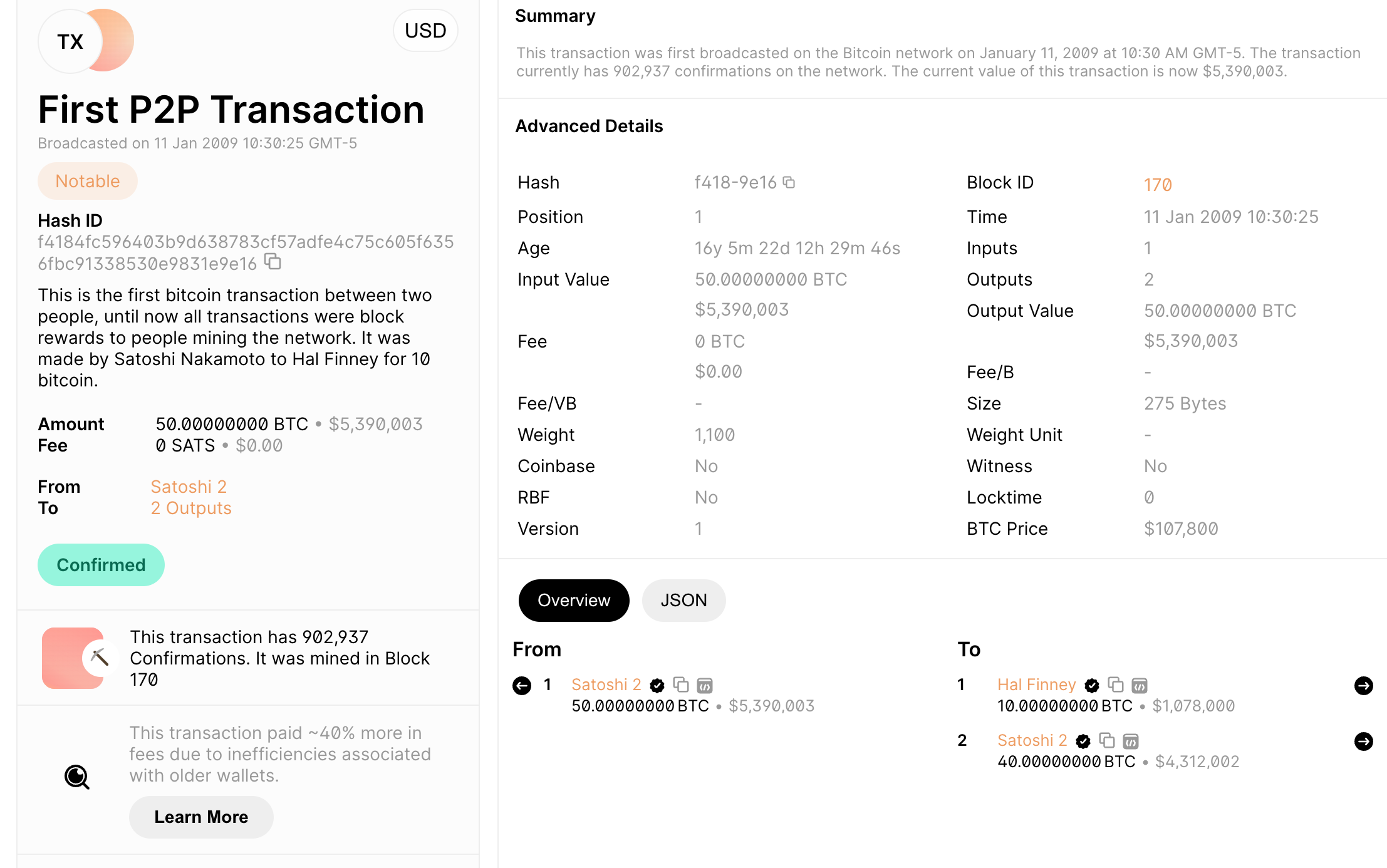
Hal Finney – A legend. The recipient of the first-ever Bitcoin transaction. A literal cypherpunk who lived in the same town as Dorian Nakamoto (more on him later). Hal had the chops, the ethos, the timing. But before passing in 2014, he denied being Satoshi and pointed right back at… you guessed it, Nick Szabo.
Nick Szabo – A cryptography heavyweight and creator of “bit gold,” a precursor to Bitcoin. His writing style, ideology, and timing align suspiciously well with Bitcoin’s creation. Many think he’s Bitcoin’s founder in everything but name. Szabo? Always denies it. Keeps his poker face locked.
Dorian Nakamoto – Ah yes, the infamous Newsweek hit piece. Poor guy just wanted to live his retired life in Temple City, California, but got doxxed as the Real Bitcoin founder because his name was… literally Satoshi Nakamoto. The kicker? He had zero involvement with crypto. Dorian denied it. His cat denied it. We moved on. Dorian Nakamoto said,
Newsweek’s false report has been the source of a great deal of confusion and stress for myself, my 93-year old mother, my siblings, and their families.
Jack Dorsey – The tech billionaire turned Bitcoin evangelist. Though chronologically and technically an unlikely Satoshi, Dorsey embodies many of Bitcoin’s philosophical ideals: decentralization, open networks, and financial freedom. Through his ventures Block and TBD, he’s pushed Bitcoin development into new frontiers, funding Lightning infrastructure and decentralized identity projects. Dorsey’s tone toward Satoshi is almost reverential; he once called Bitcoin “the closest thing we have to a native currency for the Internet.” For some, his relentless support sparks the question: does he know more than he lets on? Probably not, but his advocacy ensures Satoshi’s legacy continues to evolve in the public consciousness.
Adam Back – The British cryptographer and cypherpunk, is one of the few individuals cited directly in the Bitcoin whitepaper. His invention, Hashcash, created in the late 1990s, was an early proof-of-work system designed to fight spam and denial-of-service attacks. That same concept became the backbone of Bitcoin’s mining algorithm. Back’s deep expertise in cryptography and his participation in early digital currency experiments make him one of the most technically plausible candidates. When journalists uncovered early emails between Satoshi and Back, the speculation only intensified. Back has consistently denied being Satoshi, but many in the community view him as someone who either inspired Satoshi or collaborated behind the scenes.
Wei Dai – Another figure directly referenced in the whitepaper, authored b-money, a 1998 proposal that introduced the idea of a decentralized digital currency using cryptographic proof instead of centralized control. While b-money was never implemented, its conceptual DNA is embedded in Bitcoin’s design. Satoshi even cited Dai’s work as a foundational influence. What makes Wei Dai intriguing is his longstanding preference for privacy and his minimal public presence, a trait that mirrors Satoshi’s own. Still, there’s little technical or behavioral evidence linking him to the Bitcoin codebase, leaving him more as an intellectual ancestor than a secret identity.
Len Sassaman – A cryptographer and privacy advocate who died in 2011, around the same time Satoshi Nakamoto’s identity disappeared completely. There’s a poetic symmetry to it. Sassaman had the technical skills and cypherpunk values. Some even believe Satoshi’s final messages were a posthumous tribute to him.
AI? NSA? A cabal of cypherpunks? – The government agency theory lives on in the darker corners of Twitter and Bitcointalk. Some believe the NSA created Bitcoin as a financial honeypot. Others think it was an experiment gone rogue. But no matter how deep you dig, all you find are shadows, whispers, and dead GitHub links.
In the end, we’re left with a dozen candidates, a hundred false flags, and a trillion-dollar invention with no inventor. And that? That’s the most Satoshi thing ever.
Who could be Behind Satoshi Nakamoto?
Now let’s throw the gloves off and go full tinfoil. If Satoshi Nakamoto’s identity isn’t a solo genius, what are we dealing with? A cabal? A rogue black ops dev team? A corporate brain trust that accidentally built a monetary nuke?
Here’s where the theories start getting weird and dangerously plausible. These are some famous conspiracy theories –
Could be a coder. Could be a monk. Could be your neighbor mining in the basement since 2009. The brilliance of Bitcoin’s design is that we don’t need to know. But the mystery? It’s what keeps us looking.
Why Satoshi Kept His Identity Hidden?
Let’s stop pretending this was an accident. Satoshi Nakamoto’s anonymity wasn’t some shy coder trying to avoid the spotlight. It was part of the plan. A feature, not a bug.
Think about it: this was a direct challenge to the global financial system. A peer electronic cash system designed to eliminate banks, neuter central authorities, and put monetary power back into the hands of anyone with a Wi-Fi connection. That kind of move doesn’t win you awards. It wins you subpoenas. Or worse.
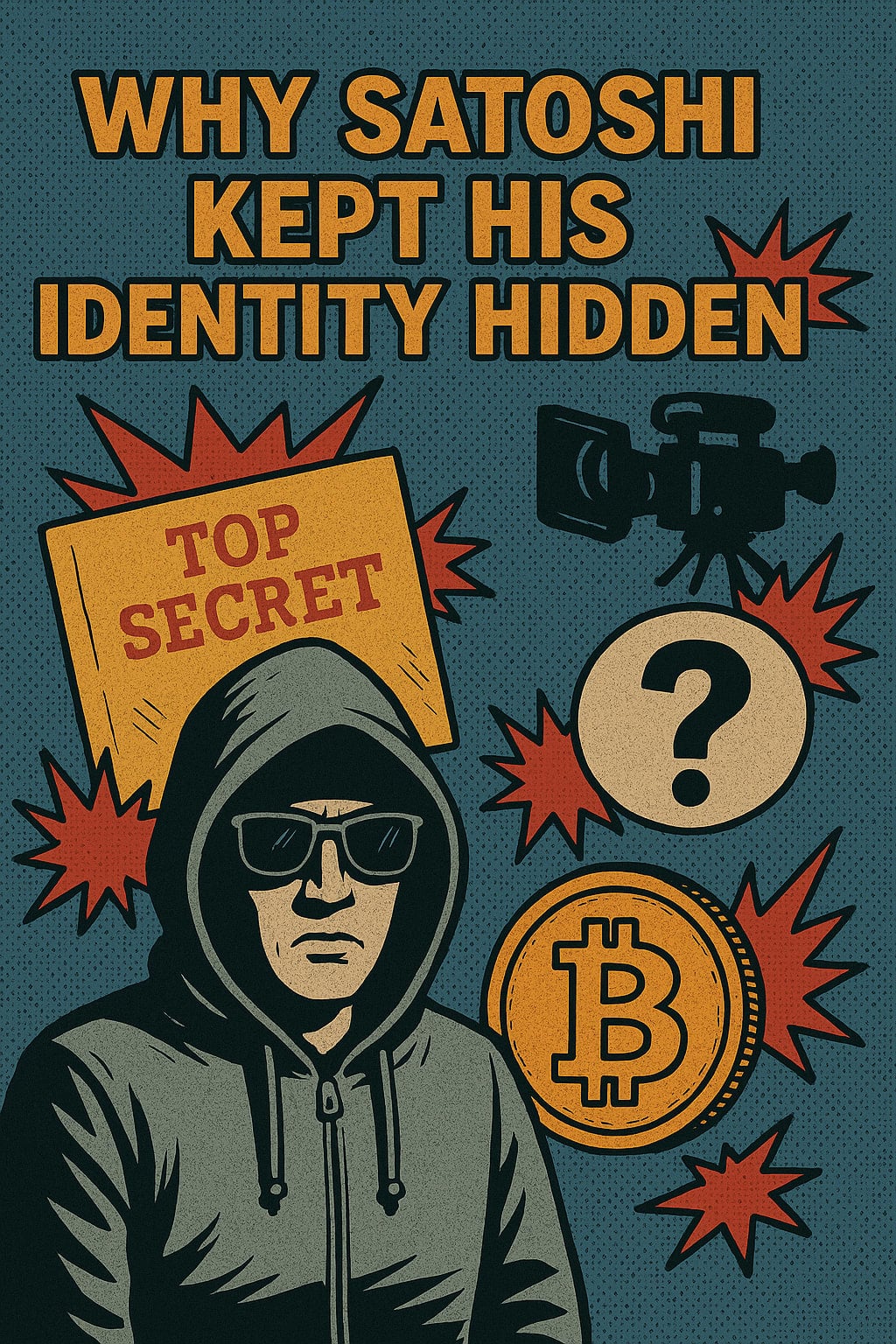
Satoshi likely knew what happened to other creators of revolutionary technology. Aaron Swartz. Phil Zimmermann. Julian Assange. Step out of line and the system slaps back hard. Staying anonymous wasn’t cowardice. It was survival.
Then there’s the decentralization angle. If Satoshi had stepped forward, Bitcoin would’ve had a de facto leader. A pope. A central point of failure. That breaks the whole point. You can’t build a permissionless system and expect it to thrive if you stick around as its god-king. That’s how cults start. Not protocols.
And let’s be real, Bitcoin’s creator knew the legend would grow stronger in the absence. No interviews. No TED Talks. No token drops. Just the code, the paper, and the myth. By walking away, Satoshi proved they weren’t in it for fame, money, or control.
They weren’t selling a dream. They were detonating one. And if they had stuck around? Bitcoin might’ve never made it. The freedom came from the silence. The faith came from the void.
How Satoshi Nakamoto Changed the Financial World?
Before Satoshi Nakamoto, money belonged to the state. Your dollars? Printed by decree. Your account? Frozen on request. Your future? Mortgaged to a system that bailed out itself while letting you drown. Then came Bitcoin. In one stroke, one paper, one protocol, Bitcoin’s creator rewrote the monetary contract. No more gatekeepers. No more central banks playing god with your savings. Just a system where math, not trust, moves value.
Satoshi didn’t just build blockchain technology, they weaponized it. Gave the world a financial operating system immune to corruption, inflation, or central command. In a post-2008 landscape where trust in traditional finance was below sea level, Bitcoin became the lifeboat.
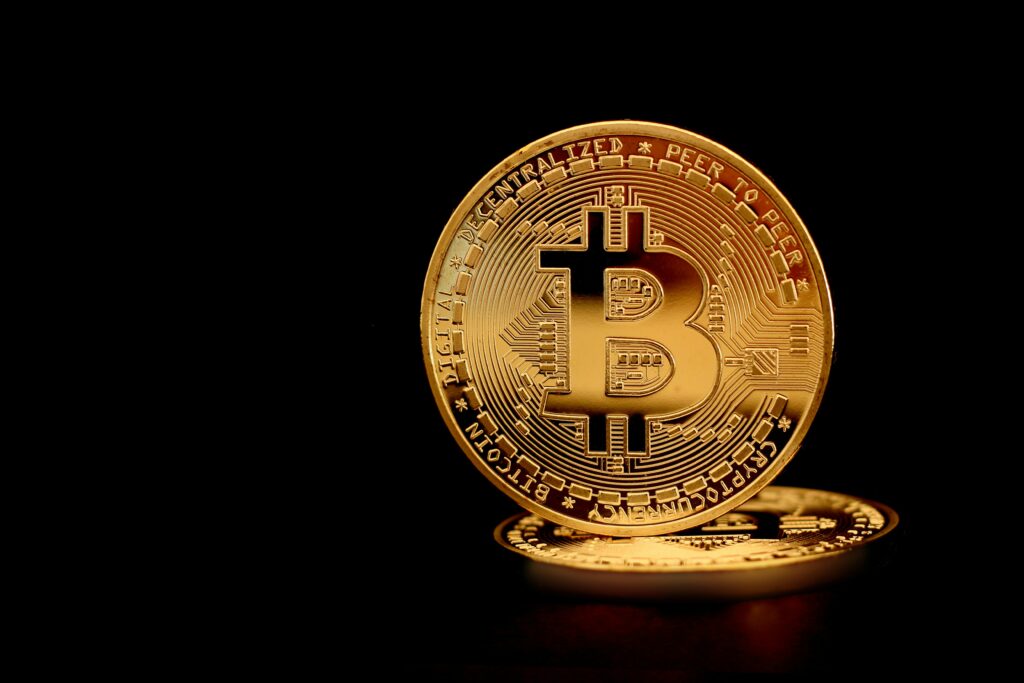
And now? The Bitcoin blockchain secures trillions. Wall Street bows to it. Governments fear it. El Salvador adopts it. ETFs chase it. All while the original architect stays silent, buried under layers of encrypted myth. The ripple effects? Sparked the explosion of cryptocurrency innovation. Laid the blueprint for DeFi, NFTs, and entire parallel economies. Inspired thousands of computer scientists, cypherpunks, and revolutionaries to challenge every centralized model we’ve taken for granted.
The dollar has a central bank. Bitcoin has Satoshi Nakamoto. One prints money. The other printed freedom. And freedom’s catching on.
Could Satoshi Ever Return?
Picture it: a decade of silence. Then boom. A signed message from one of Satoshi’s known addresses. A single line: “I’m back.” That tweet alone would make Elon’s engagement look like a ghost town. But let’s not kid ourselves. Satoshi Nakamoto’s identity is so tightly sealed, so obsessively protected, that a return feels less likely than the U.S. balancing its budget.
Still, the question hangs: could they come back? Technically yes. If Satoshi still has the private keys, they could move coins, post on Bitcointalk, or even release an update to the Bitcoin software. But doing so would be like flipping the financial world upside down. The markets would go haywire. Confidence might shake. Power dynamics in the crypto community would explode.
And here’s the thing, Satoshi knows that, which is why the radio silence speaks volumes. No sudden moves. No cheap theatrics. Just immaculate restraint. That’s not an accident. That’s discipline forged in ideology.
As for expert opinions? Some dream of a comeback. Others fear it. But most understand the truth: Satoshi already said everything they needed to say in code, not clout. And in Bitcoin, code is law.
Conclusion: Who is Satoshi Nakamoto
So… who is Satoshi Nakamoto? Is it a lone computer scientist scribbling history on a ThinkPad in the dead of night? A rogue team of cryptographers with whiskey in one hand and Tor browsers in the other? Jack Dorsey in a cape? The NSA? A cosmic force sent from the blockchain gods to deliver us from fiat?
We don’t know. We might never know. And that’s the beauty of it. Satoshi didn’t show up to collect flowers. They showed up to light the match, drop it in the powder keg of global finance, and vanish into the smoke like a damn ninja. No TikTok. No masterclass. No yacht party. Just 21 million coins, 1 million untouched, and a billion people wondering if the messiah was here all along and simply didn’t need the spotlight.
Think about it: this isn’t some corny or tacky tech founder arc with a TED Talk and a Netflix deal. This is biblical. This is a digital myth. Satoshi gave us a new language. One written in hashes and timestamps. In trustless ledgers and defiant silence.
And somehow, their disappearance is what made it all work. If Satoshi had stayed, we’d have debates. Power struggles. Protocol wars led by egos instead of nodes. But instead, we have a ghost. A holy absence. A figure so absent, they’re everywhere.
So, next time you open your wallet and see 0.0034 BTC, know this: you’re holding history. You’re part of a system designed by someone or something that asked for nothing in return but freedom, math, and a little chaos. Satoshi didn’t stick around to be a god. They left so Bitcoin wouldn’t need one. And maybe… that’s the most genius move of all.
See Also:
- Next Crypto Crash: 6 Major Risks to Watch in 2026
- Rise of Bitcoin Treasury Companies: Impact & Risks
- Who Is Cathie Wood? Biography, Net Worth & More
- Who is Shibetoshi Nakamoto (Billy Markus): The Dogecoin Founder
FAQs
Is Satoshi Nakamoto a real person?

No one knows for sure. Satoshi Nakamoto might be one person, a group of developers, or a digital ghost conjured by cypherpunks and caffeine. The pseudonym has never been linked to a verified, real-world identity.
How much Bitcoin does Satoshi Nakamoto own?
Roughly 1 million BTC, mined between 2009 and 2010. At today’s price of $100,000 per coin, that’s a casual $100 billion in silent wealth.
How much Bitcoin has Satoshi Nakamoto spent?
Exactly zero. Not a single satoshi has been moved from the original wallets. They’re untouched relics, digital artifacts frozen in time.
Why did Satoshi choose to stay anonymous?
To avoid being a target by governments, corporations, or the cult of personality. Staying anonymous ensured Bitcoin’s design remained decentralized and leaderless.
Will we ever know who Satoshi is?
Doubtful. And honestly? We’re better off not knowing. The mystery is part of the magic and the architecture.
Is Elon Musk Satoshi Nakamoto?
Only if Satoshi also launched rockets and ruined Twitter. Musk denied it. And frankly, Satoshi was way too elegant with words.
Has anyone ever proven they are Satoshi Nakamoto?
No. Many have claimed it none have cryptographically proven it. And the ones who tried? Usually ended up embarrassing themselves in public court.
What would happen if Satoshi Nakamoto returned?
Markets would lose their minds. Conspiracies would multiply. But most importantly, the decentralized purity of Bitcoin might be shaken. Whether it’s a hero’s return or a protocol risk it’d change everything.
References
- Blockchain.com. “Bitcoin Transaction.” Blockchain Explorer, https://www.blockchain.com/explorer/transactions/btc/d7db4f96a4059c8906b953677ce533493d7b9da0f854a21b99f5772910dd0a31
- Schuman, Lillian. “Will the Real Satoshi Nakamoto Please Stand Up?” North Carolina Journal of Law & Technology Blog, University of North Carolina School of Law, https://journals.law.unc.edu/ncjolt/blogs/will-the-real-satoshi-nakamoto-please-stand-up/
- Nakamoto Institute. Nakamoto Institute, https://nakamotoinstitute.org/
- Arkham Intelligence. “Satoshi Nakamoto Entity Profile.” Arkham Intel Explorer, https://intel.arkm.com/explorer/entity/satoshi-nakamoto

Why you can trust 99Bitcoins
Established in 2013, 99Bitcoin’s team members have been crypto experts since Bitcoin’s Early days.
Weekly Research
100k+Monthly readers
Expert contributors
2000+Crypto Projects Reviewed