




In This Article
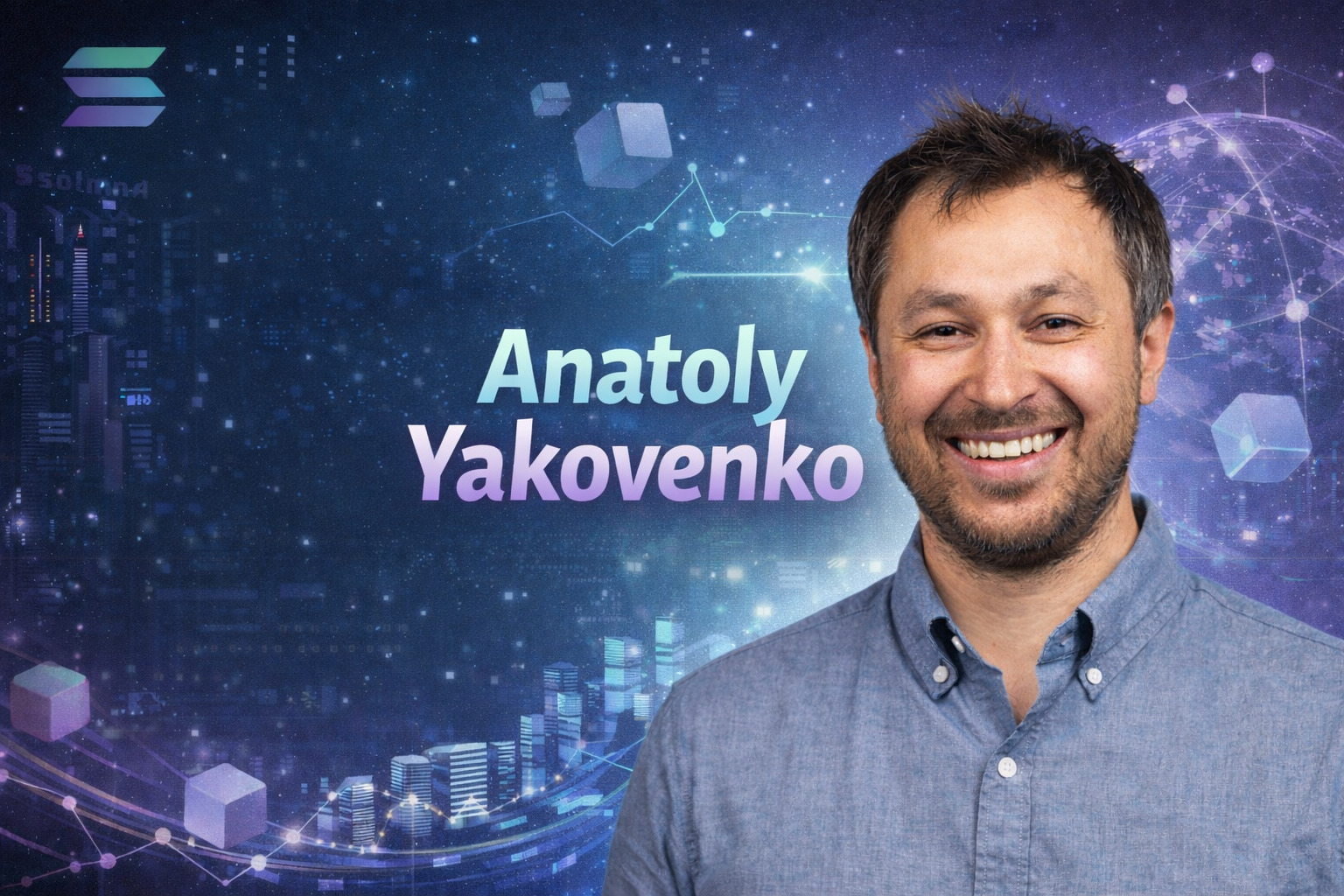
Who is Anatoly Yakovenko? He’s not just another crypto founder, but the engineer who reimagined how blockchains measure time and scale. Frustrated by networks slowing down under heavy demand, Yakovenko introduced Proof of History, a breakthrough that became the backbone of Solana.
From his roots as a Ukrainian-born engineer and former Qualcomm veteran to leading one of Web3’s fastest-growing ecosystems, Yakovenko has shaped a blockchain powering DeFi, NFTs, and next-gen apps. This article explores the man behind Solana, his ideas, his challenges, and the vision that turned an experiment into a global network.
Quick Facts About Anatoly Yakovenko
Key Takeaways
- Anatoly invented PoH, the core innovation that enables Solana’s speed and efficiency.
- He proved a blockchain can be fast and low-cost at the base layer, without relying on Layer 2s.
- Drawing on years at Qualcomm, he applied deep systems engineering to blockchain design.
- Under his leadership, Solana grew into a major hub for DeFi, NFTs, and consumer apps.
- He pushed real-world adoption through initiatives like Solana Mobile and the Saga phone.
- Anatoly guided Solana through outages and the FTX collapse, reinforcing its long-term vision.
Who is Anatoly Yakovenko?
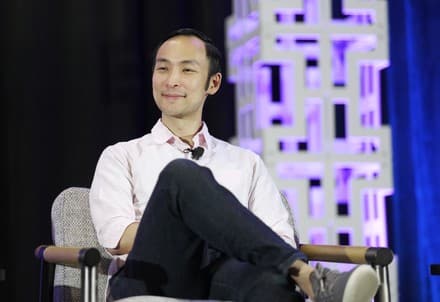
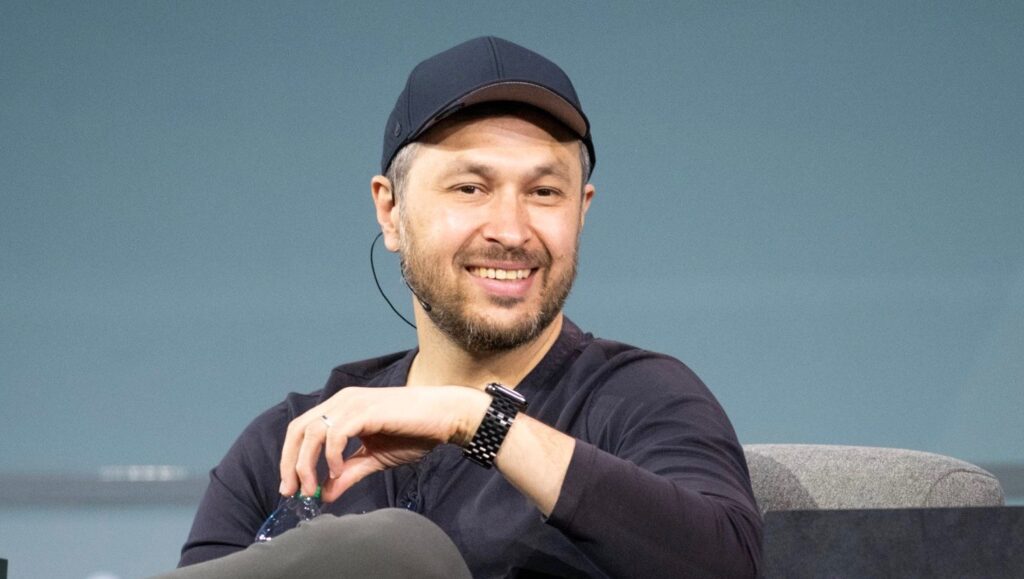
Just about everybody who knows anything about crypto knows about Satoshi Nakamoto. Right after Satoshi, in terms of popularity, stands Vitalik Buterin. Anatoly Yakovenko is increasingly being recognized as a key figure in the crypto industry. He is best known as the founder of Solana, one of the largest and most widely used blockchains today.
Yakovenko has a background in computer science, and he put that knowledge to the test by building out a blockchain that was fast, cheap, and scalable. He is now one of the most notable founders and builders in all of Web3, after creating one of the most popular cryptocurrencies.
Solana has rewritten the rules of high-performance blockchain design. In an industry long constrained by slow throughput and rising fees, Solana proved that a network can be both lightning-fast and globally scalable, without sacrificing decentralization. Its breakthrough architecture didn’t just push blockchain engineering forward; it set a new benchmark for what next-generation networks must aspire to.
Anatoly Yakovenko’s Early Life and Education
Anatoly Yakovenko was born in 1980 in Ukraine during the final years of the Soviet era, a time when access to computers was limited but curiosity was a superpower. His early academic interests centered around mathematics, physics, and computer science: disciplines that naturally pulled him toward problem-solving and systems thinking.
After immigrating to the United States, Anatoly went on to study computer science formally at the University of Illinois Urbana-Champaign. That is where he sharpened the technical foundation that would later define his career.
From a young age, Anatoly gravitated toward engineering challenges that involved scale and reliability. He became fascinated with distributed systems: how networks communicate, how they fail, and how they can be pushed to their limits. This interest would later become the backbone of Solana’s architecture. Rather than simply learning to code, Anatoly immersed himself in understanding how complex systems behave under stress.
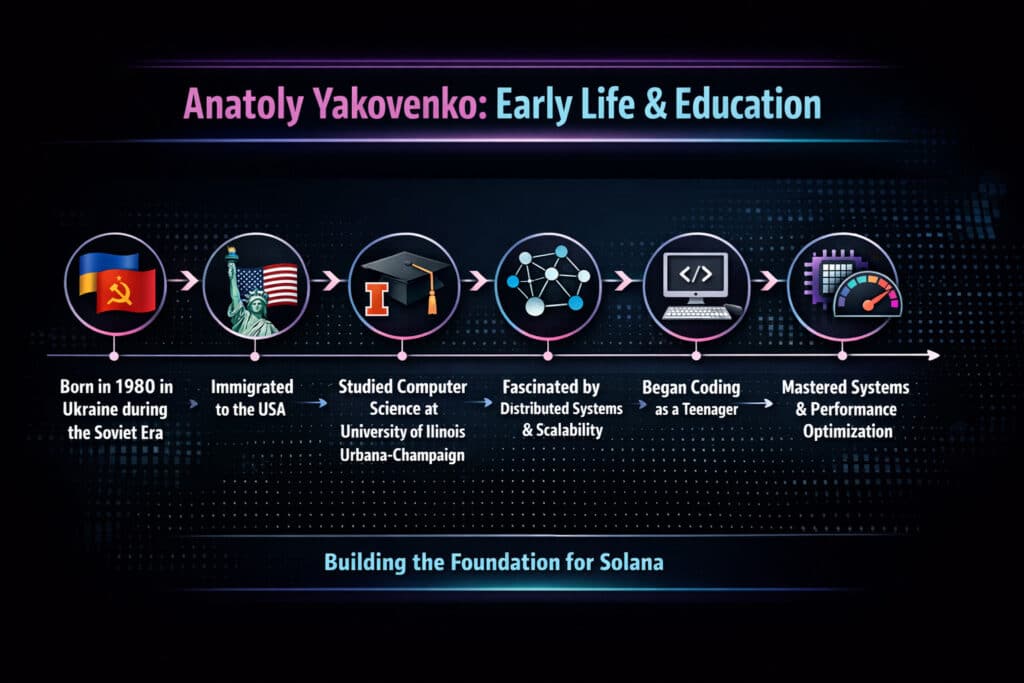
Anatoly began coding as a teenager, gaining experience in low-level programming, performance optimization, and systems architecture. His early exposure to open-source communities and competitive engineering environments shaped his mindset: speed, efficiency, and elegance were non-negotiable. These formative years instilled a belief that software should scale at hardware speed, a principle that would become central to Solana’s identity.
Anatoly’s Career Before Crypto: Qualcomm & Engineering Roots
Before entering the crypto world, Anatoly spent over a decade at Qualcomm, where he worked on cutting-edge wireless technology and distributed systems optimization. His work involved developing high-performance operating systems and contributing to technologies that improved how devices communicated at scale.
Qualcomm’s fast-paced engineering culture and emphasis on latency reduction had a profound influence on his approach to solving system bottlenecks. After Qualcomm, Anatoly joined Mesosphere and later Dropbox, where he focused on large-scale infrastructure and cloud systems.
At Mesosphere, he worked with container orchestration and cluster management, an experience that further sharpened his understanding of decentralized compute environments. At Dropbox, he continued working on core systems with heavy throughput requirements, gaining insight into the challenges of operating at a massive scale.
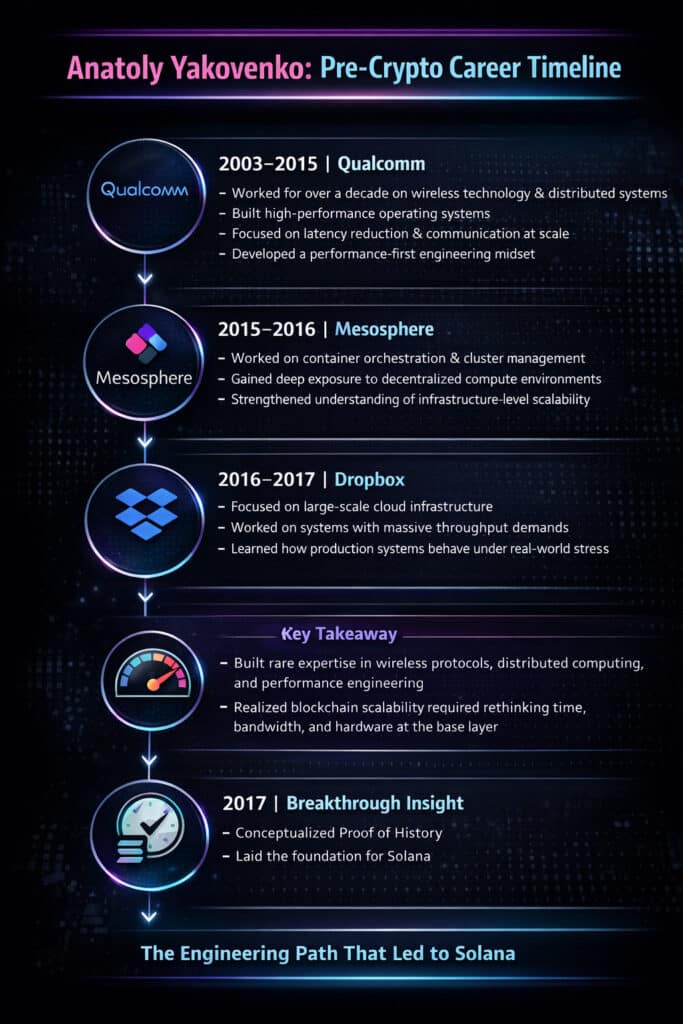
Across these roles, Anatoly developed a rare combination of expertise: wireless protocols, distributed computing, high-throughput systems, and performance engineering. In other words, Anatoly essentially had the perfect background to innovate in blockchain.
These experiences convinced him that the key to blockchain scalability wasn’t sharding or layer-2 solutions, but rethinking how time, bandwidth, and hardware are used at the base layer. This belief culminated in the concept of Proof of History and ultimately the creation of Solana.
How Anatoly Yakovenko Came Up With Solana?
Yakovenko introduced the world to Solana and Proof-of-History in his whitepaper published in 2017. Designed to solve the limitations of traditional Layer 1 networks, Solana has become a leading force in high-performance blockchain technology, powering everything from DeFi and NFTs to Web3 gaming and global payments. Solana would go on to launch its mainnet Beta in 2020 and become a Web3 favorite.
At the center of this ecosystem are Solana Labs and the Solana Foundation, two organizations built from Yakovenko’s original vision. Solana Labs focuses on core protocol development and strategic initiatives, while the Solana Foundation drives global adoption, decentralization, and community growth.
As CEO and co-founder, Yakovenko has guided Solana’s engineering roadmap and long-term strategy, pushing the boundaries of what a blockchain can achieve. His background in distributed systems and low-level optimization directly contributed to Solana’s breakthrough innovation: Proof of History (PoH), a cryptographic clock that allows the network to process thousands of transactions per second with extremely low fees.
Anatoly Yakovenko’s vision for Solana is clear: to build a scalable, interoperable, and developer-friendly blockchain platform capable of supporting mass adoption and the next generation of decentralized applications.
Today, the Solana team is recognized for its deep domain expertise and contributions to blockchain scalability and user experience. Their work has earned industry awards, major ecosystem partnerships, and recognition as one of the most talented engineering groups in Web3. To learn more about this project, you can take a quick look at our dedicated Solana review.
In a 2022 interview at Messari’s annual Mainnet conference, he explained how Solana charted its path to becoming one of the leading Layer 1 blockchain protocols. He satated,
I’d love to say that it was like brilliant strategy, but it was really I think a function of necessity. We never had a ton of runway. There are always like 20 months or lower. So 12 engineers, a very scrapy team, over two years, we built the bare minimum to prove that a fast blockchain that has parallel execution is possible. That meant no EVM support, no Ethereum-like features.
How Anatoly Yakovenko Has Shaped Web3 Beyond Solana?
While Anatoly Yakovenko is best known for architecting the Solana blockchain, his influence extends far beyond the core protocol. He has consistently pushed the boundaries of what’s possible in Web3, championing innovations that make blockchain technology more accessible, more performant, and more deeply integrated into everyday consumer experiences.
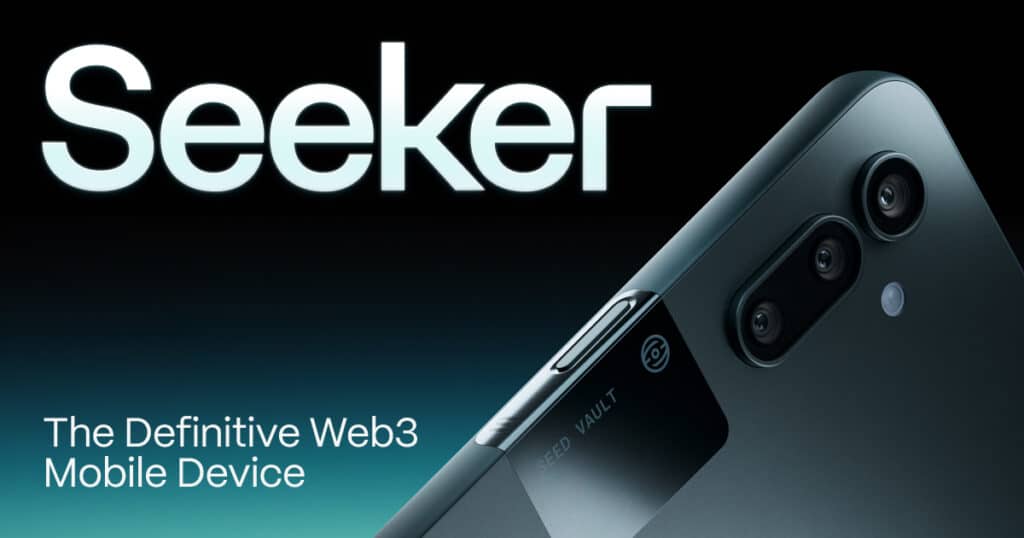
One of Yakovenko’s most notable initiatives outside the base layer is Solana Mobile, the division responsible for the Saga phone and the Solana Mobile Stack (SMS). The Saga introduced the world’s first mainstream attempt at a crypto-native smartphone, complete with a secure seed vault, native dApp store, and system-level integrations designed specifically for Web3.
The Solana Mobile Stack provides an open-source toolkit for developers building mobile-first crypto experiences, marking a major step toward bringing on-chain applications to billions of mobile users worldwide. The Solana Mobile phone was not the success that Yakovenko was hoping it would be, but that doesn’t mean it was done in vain. There has been a much bigger push for mobile crypto apps in the years that have followed.
Yakovenko has also been a leading advocate for fast, low-cost on-chain computation, often emphasizing the importance of designing blockchains that can compete with traditional web infrastructure. His philosophy is rooted in the belief that the future of the internet will rely on decentralized systems capable of supporting high-frequency, real-time applications, from gaming and payments to social networks and AI inference.
Beyond technology, Yakovenko plays an active role in shaping the next generation of consumer crypto applications. He has been an advocate for positive United States regulation on crypto.
He also frequently collaborates with developers, startups, and ecosystem partners to push forward use cases such as decentralized finance (DeFi), blockchain-enabled mobile apps, creator tools, and digital ownership primitives that are both user-friendly and globally scalable.
Key Contributions to the Blockchain Space
Anatoly has played a major role in shaping modern blockchains. His ideas focus on making blockchains faster, cheaper, and easier to use, helping open the door for real-world applications and mass adoption.
Contribution
Why It Matters
Proof of History (PoH)
Layer 1 Scalability
Parallel Execution
Hardware Optimization
High-Throughput Design
Developer-Focused Runtime
Consumer-First Vision
Architectural Influence
Anatoly’s Net Worth, Investments & Public Image
As of 2026, Anatoly Yakovenko’s net worth is widely estimated to fall within the high nine-figure range. His fortune is largely tied to his early holdings of SOL, equity in Solana Labs, and exposure to various ecosystem projects. As a result, his net worth is highly volatile and closely tied to SOL’s price movements, meaning its value can fluctuate significantly over time.
Yakovenko has also made key investments across the Solana ecosystem, supporting startups focused on decentralized finance, high-performance infrastructure, Web3 gaming, mobile crypto applications, and next-generation consumer products. His investment footprint demonstrates a clear preference for products that push on-chain performance and real-world usability, aligning with his long-standing vision of scaling blockchain to billions of users.
In terms of public image, Anatoly is regarded as one of the most influential and technically visionary leaders in the crypto industry. The media frequently highlights his role in pioneering high-speed blockchain design, contrasting Solana’s engineering-first culture with the slower, more conservative evolution of other Layer 1s.
Even during market turbulence and the fallout of major ecosystem events, Yakovenko is often recognized for his transparency, resilience, and hands-on leadership in steering Solana forward. He maintains a position as a trailblazer in the world of blockchain, shaping how the next generation of web3 apps are built.
Area
Snapshot
Net Worth (Est.)
Main Wealth Sources
Volatility
Investment Focus
Investment Style
Public Image
Industry Reputation
Leadership Traits
Overall Impact
What’s Next for Anatoly and Solana? Future Outlook
Solana’s next phase is centered on improving performance, expanding adoption worldwide, and building a blockchain that can scale for everyday use. Anatoly Yakovenko continues to guide these efforts as the network moves forward.
Performance and Network Upgrades
Several major upgrades are on the horizon for Solana, each designed to strengthen the network’s performance, reliability, and developer experience. These include improvements to validator client diversity, enhanced runtime efficiency, and upgrades to Solana’s core protocols to further increase throughput and reduce latency. These enhancements aim to keep Solana at the forefront of Layer-1 blockchains.
Solana Mobile and the Push for Mobile Web3
A major catalyst for Solana’s next phase is Solana Mobile 2, the next-generation crypto-native smartphone built to expand the reach of on-chain mobile applications. Paired with the Solana Mobile Stack, it positions Solana as the leading blockchain ecosystem for mobile-first Web3 innovation.
Firedancer and Validator Client Innovation
Alongside this is Firedancer, a new independent validator client built by Jump Crypto that is expected to drastically increase performance, improve network resilience, and bring the Solana ecosystem closer to true web-scale capacity. These upgrades further show that Solana aims to position itself as a hyper-fast and cheap, scalable blockchain built for crypto users’ mobile needs.
Expanding Global Adoption
On a global scale, Solana’s adoption continues to grow as developers, enterprises, and consumer brands explore fast, low-cost on-chain experiences. From DeFi and NFTs to real-world assets and mobile applications, the ecosystem is expanding across multiple verticals and geographies.
At the center of this momentum is Yakovenko’s long-term vision for blockchain scaling: a world where decentralized networks can support billions of users, millions of daily applications, and real-time computation without compromising security or decentralization. His philosophy prioritizes parallelism, efficiency, and hardware-optimized blockchain design, paving the way for Solana to evolve into a global execution layer for the decentralized internet.
Conclusion: Anatoly Yakovenko’s Biography
Anatoly Yakovenko’s career shows how strong engineering can solve real blockchain problems. From his background in high-performance systems to founding Solana, his focus has remained on speed, efficiency, and practical use.
By introducing Proof of History and leading Solana through both growth and challenges, Yakovenko helped shape one of Web3’s most active ecosystems. As Solana continues to evolve, his work continues to influence how scalable, real-world blockchains are built.
See Also:
- Top Solana Projects and dApps
- How and Where to Buy Solana (SOL): A Beginner’s Guide
- Solana Price Prediction for 2026, 2030, and Beyond
- 9 Best Solana Meme Coins to Buy in 2026
FAQs
What is Anatoly Yakovenko known for in the crypto industry?

Yakovenko is best known for inventing Proof of History, co-founding Solana Labs, and helping grow the Solana ecosystem into one of the most active developer communities in blockchain.
What is Anatoly Yakovenko’s background?
Before launching Solana, Anatoly worked in high-performance systems engineering, holding roles at companies like Qualcomm, Mesosphere, and Dropbox. His deep experience in distributed systems directly influenced Solana’s architecture.
What is Anatoly Yakovenko’s net worth?
While exact numbers are not publicly confirmed, most estimates place Anatoly Yakovenko’s net worth in the hundreds of millions, potentially over half a billion dollars, largely tied to his stake in Solana and investments in Web3 projects.
Is Anatoly Yakovenko still leading Solana?
Yes. Anatoly serves as the CEO of Solana Labs and remains a key figure guiding Solana’s technical roadmap, ecosystem growth, and long-term scalability vision.
What companies did Anatoly Yakovenko create?
Yakovenko co-founded Solana Labs, the team behind the Solana blockchain, and played a major role in launching Solana Mobile, creator of the Saga phone and the Solana Mobile Stack.
What is Proof of History, and why did Anatoly invent it?
Proof of History (PoH) is a cryptographic timekeeping system created by Yakovenko to solve blockchain timestamping and throughput bottlenecks. It enables Solana to process thousands of transactions per second with low fees.
How does Anatoly contribute to Web3 beyond Solana?
In addition to blockchain research, Anatoly advocates for consumer-grade crypto products, supports mobile-first Web3 adoption, and actively mentors founders building on Solana.
What is Anatoly Yakovenko working on now?
Currently, Yakovenko is focused on upcoming Solana upgrades, including Firedancer, token extensions, and the next Solana Mobile device, to further scale Solana for global adoption.
References
- OKX. “Anatoly Yakovenko: Solana Founder.” OKX Learn, https://www.okx.com/learn/anatoly-yakovenko-solana-founder.
- Coinmonks. “Anatoly Yakovenko Early Life and Net Worth: The Vision Behind Solana and the Quest for Scalable Web3.” Medium, https://medium.com/coinmonks/anatoly-yakovenko-early-life-and-net-worth-the-vision-behind-solana-and-the-quest-for-scalable-a299aecabc81.
- Commodity Futures Trading Commission. CFTC Orders Polymarket to Pay $1.4 Million for Unregistered Event-Based Binary Options. U.S. Commodity Futures Trading Commission, 3 Jan. 2022,
www.cftc.gov/PressRoom/PressReleases/8478-22. - Commodity Futures Trading Commission. Designated Contract Markets. U.S. Commodity Futures Trading Commission,
www.cftc.gov/IndustryOversight/IndustryFilings/TradingOrganizations/49571.

Why you can trust 99Bitcoins
Established in 2013, 99Bitcoin’s team members have been crypto experts since Bitcoin’s Early days.
Weekly Research
100k+Monthly readers
Expert contributors
2000+Crypto Projects Reviewed