






In This Article
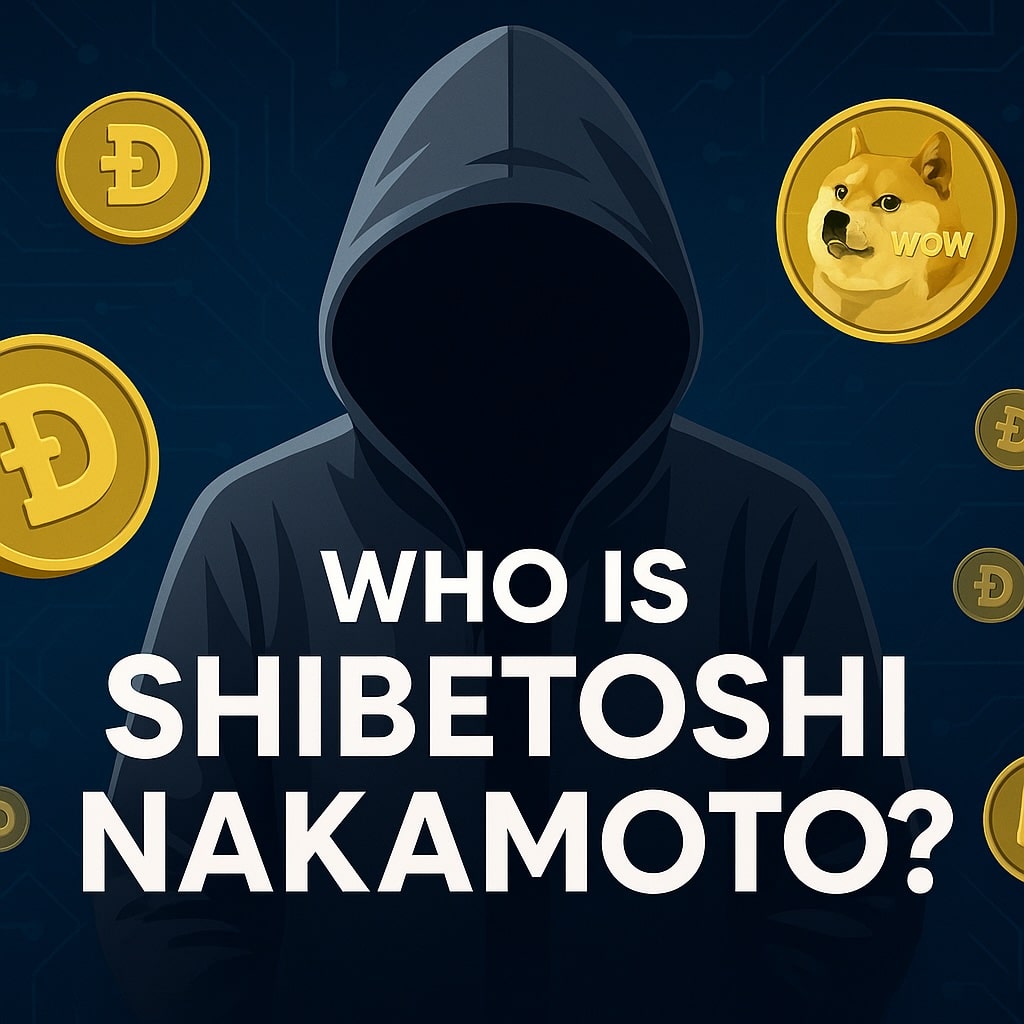
Shibetoshi Nakamoto, the online alias of Dogecoin creator Billy Markus, is the software engineer who helped turn an internet meme into the first true meme coin in 2013. Working alongside Adobe product manager Jackson Palmer, Markus built Dogecoin as a parody of Bitcoin’s growing seriousness, using humor and accessibility to introduce a new kind of cryptocurrency culture.
What began as a light-hearted experiment from a Portland-based coder evolved into a global phenomenon that shaped meme-coin trends, retail investor behavior, and online communities. This article explains who Shibetoshi Nakamoto is, how Dogecoin was created, and why Markus remains an influential crypto voice in 2026.
Key Takeaways
- Billy Markus created Dogecoin as a light-hearted experiment that grew into a global meme coin phenomenon.
- Markus uses the alias Shibetoshi Nakamoto to engage with the Dogecoin community through humor and commentary.
- He left Dogecoin’s development in 2014 but remains its most visible public figure on X.
- Markus has openly stated his net worth is modest and that he sold his original DOGE holdings in 2015.
- Dogecoin’s cultural impact continues to influence crypto marketing, meme coin trends, and online communities worldwide.
Who is Dogecoin Creator: Summary
Dogecoin was created in 2013 by software engineer Billy Markus, who is better known online as Shibetoshi Nakamoto. This article reveals the true identity behind Shibetoshi Nakamoto, aka Billy Markus, and explains his background, role in Dogecoin’s creation, net worth, public influence, and why he continues to matter in the Dogecoin ecosystem in 2026.
Quick Facts About Billy Markus
| Full name | Billy Markus |
| Alias | Shibetoshi Nakamoto |
| Date of birth | 1983 |
| Age (as of 2025) | 42 years old |
| Nationality | American |
| Known for | Creating Dogecoin |
| Crypto affiliations | Dogecoin (DOGE) |
| Crypto portfolio | Sold entire DOGE holding in 2015; Currently holds small amounts of DOGE, BTC, ETH, and other tokens received via tips. |
| Net worth estimate | Below $1 million, as revealed by Markus in 2023. |
| Current occupation | Software engineer |
| Notable fact | Co-founded Dogecoin on 6 December 2013 as a meme-inspired, fun cryptocurrency with Jackson Palmer. |
| Official website | https://billym2k.net/ |
Who is Shibetoshi Nakamoto?
Shibetoshi Nakamoto is Dogecoin co-founder Billy Markus’s online persona. He chose the name Shibetoshi Nakamoto and co-founded Dogecoin with Jackson Palmer as a joke because “cryptocurrency was being taken far too seriously and wasn’t much fun” at the time.
The name was inspired by the creator of Bitcoin (BTC), Satoshi Nakamoto. However, unlike Satoshi, who remains anonymous, Markus is publicly known and regularly interacts with the Dogecoin community on X, where he has over 2 million followers.

Real Name and Personal Background
Markus has kept his personal life largely private, although he has shared snippets of his childhood through his Substack blogs. Otherwise, he writes primarily about the crypto industry, offers life advice, and comments on news on X, Reddit, and in blog posts.
Markus shared on his blog that he was the youngest son and that his parents divorced when he was in middle school. He also wrote that he took a year off after high school to focus on his health before attending community college, explaining that anxiety and hypochondria were the root causes of the illness he was dealing with at the time. Markus wrote in a blog post,
“I didn’t want to face the world. I needed an excuse. And my body made one for me. That’s all it was. But I didn’t know that yet … I needed someone that understood what I didn’t. That I wasn’t sick. That I was just scared. And eventually, I found that it was overblown. It wasn’t that scary after all,”
Early Life and Education
Billy Markus was born in January 1983 in Portland, Oregon, and developed an interest in computers at a young age. Those early hobbies helped him develop the technical skills that eventually led to the creation of Dogecoin.
Markus wrote about how he had “nearly straight-A’s” in high school and played sports. Details about his schooling and college are limited. From his blogs, we learn that he took a year off after graduation and enrolled in a community college, only to withdraw during his first year after experiencing frequent panic attacks in class. He added that he “felt like a huge failure at the time.”
However, Markus started over, transferring to a new college and securing a campus programming job. He eventually graduated and began working as a software engineer. He added:
“All throughout, though, I spent a whole lot of my free time shitposting on message boards, running online communities, playing mmorpgs, and making dumb silly tech stuff that amused me. At the time, I felt really guilty about spending so much time on these things, since I thought I really should be studying more,”
Billy Markus’ Career Journey
Before Dogecoin, Markus was known to have held a software engineering role at IBM. At IBM, he gained experience in large-scale software development but found himself drawn to fun side projects in coding. Eventually, Dogecoin became his greatest side project, which went on to cement his name in meme coin history.
Creation of Dogecoin
Dogecoin was created by Billy Markus and Jackson Palmer in December 2013. The crypto was created to poke fun at the euphoria around Bitcoin investing at the time. In an interview, Palmer revealed that it took “four hours tops” to create the Dogecoin blockchain.
How the Idea Started
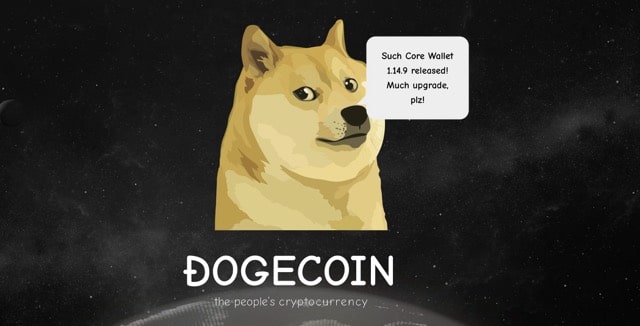
Dogecoin began in 2013 when Jackson Palmer jokingly tweeted that he would invest in Dogecoin, a made-up coin inspired by the Shiba Inu “Doge” meme. After having a couple of beers, Palmer bought the domain name “dogecoin.com” and presented it as a parody of the fast-growing crypto scene.
About a week later, Billy Markus reached out to Palmer and suggested turning the joke into a real cryptocurrency. Markus forked Bitcoin’s code in a few hours, changed the font to Comic Sans, added the Doge logo, and adjusted some basic parameters. The result was a meme coin that unexpectedly grew into a global cultural phenomenon.
Philosophy Behind Dogecoin
Originally created as a joke, Dogecoin has become one of the biggest crypto projects in the world. Its philosophy centres on accessibility, kindness, and fun. The co-founders have repeatedly emphasized that Dogecoin was intended to be “silly” and inclusive. The coin’s light‑hearted nature allowed users to experiment with cryptocurrency without the intimidation of technical jargon or high prices.
The four main values of the Dogecoin project are:
- Utility
- Personable
- Welcoming
- Reliable
If you’re new to DOGE and want a simple walkthrough, read our How to Buy Dogecoin Guide covering beginner-friendly steps and the best exchanges to use.
How a Meme Coin Became Real Cryptocurrency
Despite being created as a joke, Dogecoin rapidly gained popularity among retail investors. Dogecoin’s biggest break came when Tesla co-founder Elon Musk began posting about the cryptocurrency on X in 2019.
On February 4, 2021, DOGE surged over 800% in 24 hours, hitting a price of $0.08 from approximately $0.01 following a single-word post “Doge” by Elon Musk on X. Later, when merchants such as Dallas Mavericks, Tesla and AMC Theatres began accepting DOGE as a form of payment for certain goods and services, it further helped Dogecoin climb to become the top 10 most valuable cryptocurrencies in the world.
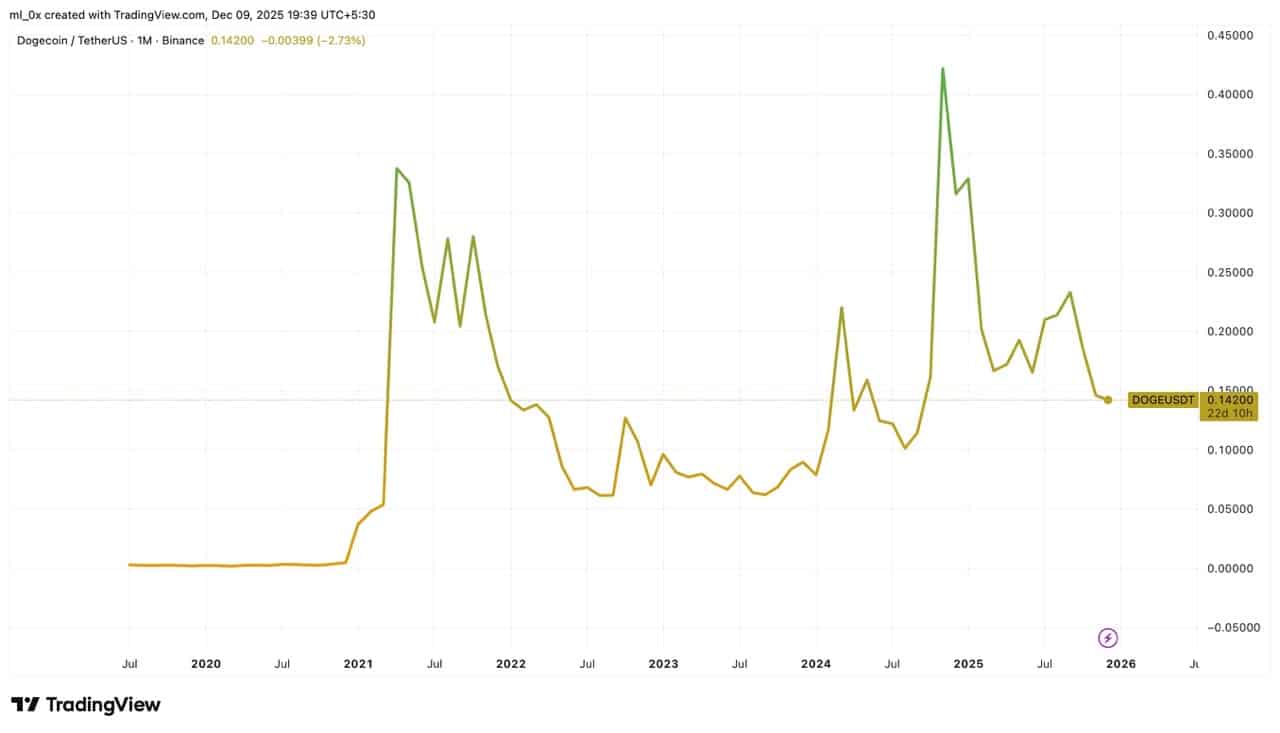
Billy Markus & Dogecoin Timeline
| Year / Period | Event |
| 2008–2012 |
Markus works as a software engineer, building small, humorous tech projects and participating in online forums while refining his coding skills.
|
| Early 2013 |
Jackson Palmer, a marketing professional and product manager at Adobe, jokingly posts about “Dogecoin” on X (then Twitter), attracting unexpected attention from the crypto community.
|
| Mid 2013 |
Markus contacts Palmer after seeing the tweet. He forks Bitcoin’s code, adds Comic Sans styling and the Shiba Inu branding, and builds the Dogecoin blockchain within hours.
|
| Dec 6, 2013 |
Dogecoin officially launches as a meme-based parody cryptocurrency and quickly forms a vibrant online community.
|
| 2014 |
Markus steps away from Dogecoin development due to online harassment, burnout, and pressure as the project grows beyond expectations.
|
| 2015 |
Markus sells all his DOGE holdings (worth roughly the cost of a used Honda Civic) after losing his job, cutting financial ties with the project.
|
| 2018–2019 |
Dogecoin gains mainstream attention again. Elon Musk tweets about DOGE, calling it his “fav cryptocurrency,” boosting visibility.
|
| 2021 |
DOGE surges over 12,000% during the meme coin mania. It becomes a top-10 cryptocurrency. Markus re-emerges on X as Shibetoshi Nakamoto, shaping community culture.
|
| 2023 |
Markus clarifies his net worth is under $1M, debunking viral media claims that he became extremely wealthy from Dogecoin.
|
| 2024–2025 |
Markus remains Dogecoin’s unofficial spokesperson on X, influencing meme coin culture while maintaining zero involvement in development.
|
Shibetoshi Nakamoto and Satoshi Nakamoto
Satoshi Nakamoto is an anonymous person or group that released the Bitcoin white paper in 2008 and then disappeared. Meanwhile, Shibetoshi Nakamoto is the online alias of Dogecoin co-founder Billy Markus.
Why Billy Markus Uses the Alias “Shibetoshi Nakamoto”
Billy Markus chose the alias Shibetoshi Nakamoto as a playful twist on the creator of Bitcoin, Satoshi Nakamoto. “Shibe” refers to the Shiba Inu dog behind the original Doge meme, while “Nakamoto” nods to the inventor of Bitcoin.
Key Differences in Vision and Purpose
Dogecoin shares similarities with Bitcoin. It is a fork of the Bitcoin blockchain, which means that Dogecoin was built by copying Bitcoin’s original codebase and modifying its rules, supply, branding, and reward structure to create a lighter, more playful version of a cryptocurrency.
Dogecoin was created as a light-hearted joke, which the co-founders expected to fizzle out in a few weeks. Bitcoin, on the other hand, was created as a peer-to-peer global payment system free from the control of centralized operators such as banks and governments following the 2008 Financial Crisis.
Today, Dogecoin’s primary purpose is payments. Bitcoin is also used for payment, but its role has evolved to become a store-of-value asset like gold.
Dogecoin vs Bitcoin: Why the Comparison Still Matters
Here is a table summarizing the key differences between Dogecoin and Bitcoin.
| Aspect | Bitcoin | Dogecoin |
| Goal | Create decentralized digital cash | Created as a light-hearted joke on crypto hype |
| Creators | Satoshi Nakamoto | Billy Markus and Jackson Palmer |
| Philosophy | Serious disruption of financial systems | Humor, inclusivity, and charity |
| Supply | Limited supply | Inflationary supply |
| Max supply | 21 million | Infinite |
| Known for | Decentralized P2P payments, Store-of-value | Meme culture |
Why Billy Markus Walked Away From Crypto?
Billy Markus left the Dogecoin project in 2014. He later stated that he was receiving death threats and faced continued harassment on the internet after exploding in popularity.
Markus and co-founder Jackson handed over the Dogecoin network to a development team with members who had been contributing to the Dogecoin blockchain development scene. In 2015, Markus sold its entire DOGE holdings. Markus wrote:
“It’s extremely unlikely that I’ll return unless I had an excessively compelling reason to do so, and I don’t – it is a decentralized, open source cryptocurrency, so anyone could potentially work on it if they want,”
Public Criticism of Crypto and NFTs
Dogecoin co-founders Markus and Jackson have been critical of the cryptocurrency world. Markus reiterated that putting money in crypto was like “investing in database entries represented by arbitrary hash strings.” He added:
“The entire value of any of them is like any collectible – based on whatever someone wants to buy it for, which changes dramatically for seemingly no reason at all,”
Markus was particularly skeptical about the USDT stablecoin, also known as Tether, stating:
“And then there’s Tether. Woof. You’ll just have to do your own research on that one. Just trust me, bro.”
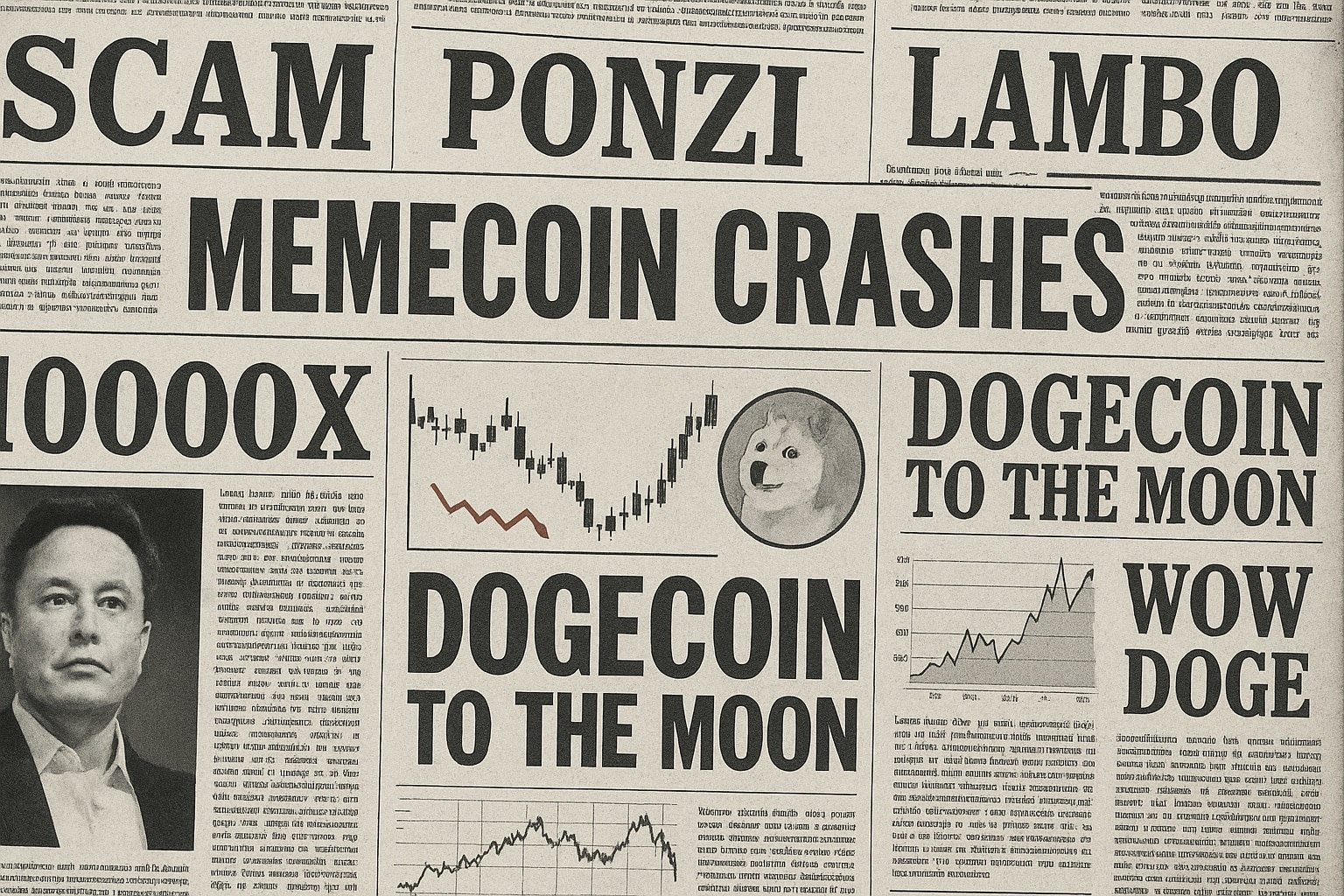
Meanwhile, co-founder Jackson was even more skeptical about crypto, saying that “ decentralization is really a facade.” He added that crypto was “fundamentally flawed” and “very centralized at every layer.” Jackson said:
“Every few years they change the pitch… what they’re really doing is lining up a new batch of sucker,”
How His Departure Affected the Dogecoin Community
Dogecoin went on to become a cryptocurrency icon after its co-founders, Jackson and Markus, exited the project in 2014. Much of the project’s success can be attributed to increased crypto awareness among retail investors and greater acceptance of crypto as an investment asset in the 2020s.
The success of DOGE showcased the power of memes, universal humor, community building, and marketing. This precedent encouraged the creation of numerous other meme coins, including Shiba Inu (SHIB) and PEPE, illustrating how humor can attract new users to blockchain networks.
Dogecoin Co-Founder’s Influence on Crypto Culture
Billy Markus has had a lasting impact on crypto culture. He created the first major meme coin and helped show that digital currencies could be simple, fun, and community-driven. Dogecoin’s early tipping culture and charitable campaigns also brought many newcomers into crypto in a friendly and approachable way.
Although Markus left the project years ago, he remains the unofficial face of Dogecoin. On X, he serves as a light-hearted commentator and a daily reminder of the coin’s origins, cheering from the sidelines with no formal role in development. His presence keeps Dogecoin’s playful spirit alive and continues to shape how mainstream audiences perceive cryptocurrency.
To see how Dogecoin might perform against the next generation of meme coins, explore our full DOGE Price Prediction 2025–2030 analysis.
Rise of Meme Coins
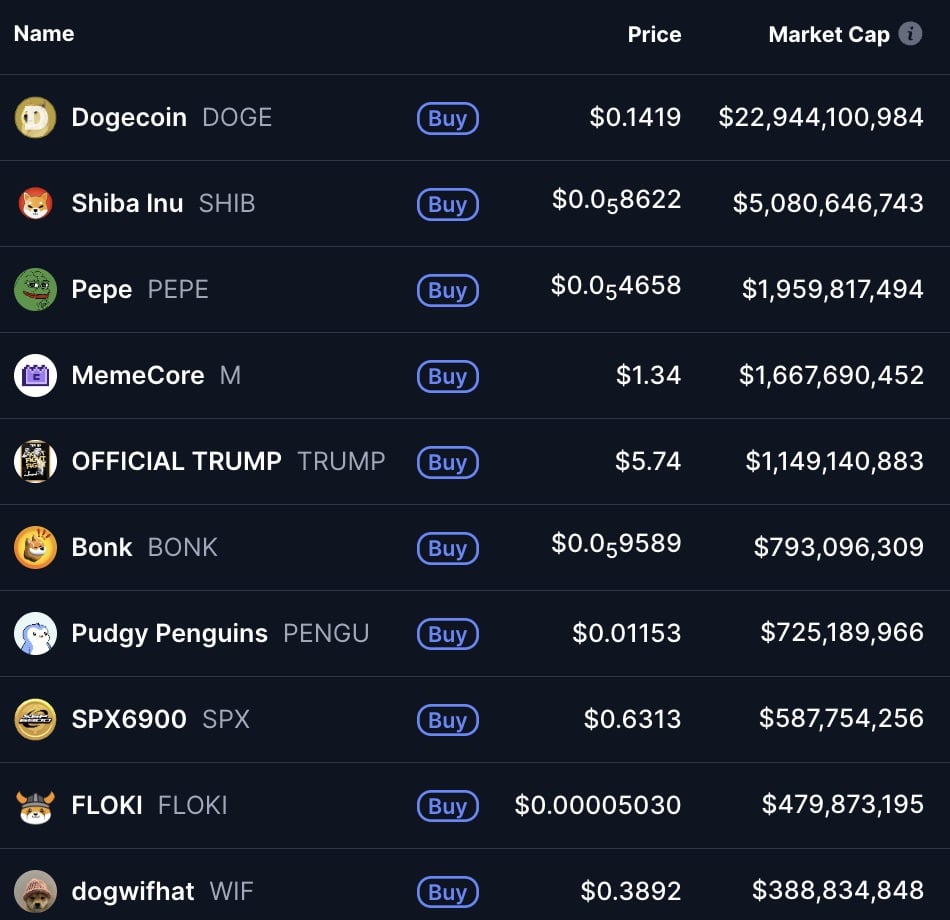
The success of Dogecoin paved the way for a wave of meme coins, collectively growing into a multi-billion-dollar industry. Today, DOGE continues to rank among the top-performing digital assets, holding a large share of overall crypto market value and maintaining a strong position on major market-cap charts worth billions.
Shiba Inu, often referred to as Dogecoin’s Ethereum-based counterpart, typically holds only a fraction of Dogecoin’s value, ranging from one-fifth to one-quarter, making it a strong meme coin but still smaller than the original. Every year, new meme coin themes emerge and gain attention, taking the cryptocurrency market by storm. Some examples were Solana meme coins in 2023, political and celebrity meme coins in 2024, and AI meme coins in 2025.
Media Attention and Public Image
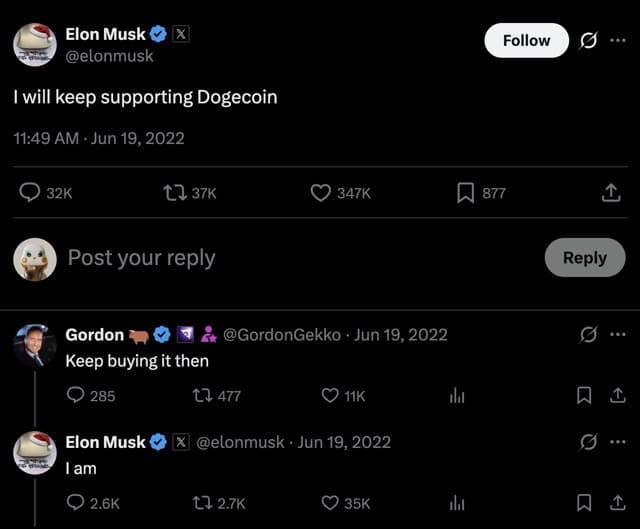
Media fascination with Dogecoin often centres on celebrity tweets/posts. Elon Musk’s references to the coin as the “Dogefather” and his Saturday Night Live appearance in May 2021 caused significant price swings. Markus sometimes defends Musk against critics, noting that the Tesla CEO’s support helped bring mainstream attention to Dogecoin.
Nevertheless, Markus maintains his own voice. He uses his Shibetoshi persona to call out misinformation and emphasize that Dogecoin should remain a fun cryptocurrency. His self‑deprecating humor and transparency about his net worth contribute to a relatable public image.
Long-Term Impact on the Industry
Dogecoin’s journey from meme to multi‑billion‑dollar asset has lasting implications. It showed that community engagement and viral content could drive adoption more effectively than complex technical features. The coin’s success influenced marketing strategies across the crypto sector, with new projects prioritizing social media and meme‑based branding. DWF Labs wrote in a research note:
“What began as a satirical commentary on cryptocurrency with Dogecoin has evolved into a sophisticated market vertical that attracts significant capital flows and institutional attention. This transformation reflects broader changes in how younger generations approach investment, wealth creation, and community building in the digital age,”
Regulators have also taken notice. The volatility of meme coins and the role of celebrity endorsements have led authorities in some countries, such as Thailand, to ban meme coins that lack clear utility, according to Rutgers Business School FinTech Professor Merav Ozair.
Dogecoin Founder Billy Markus’ Net Worth
There is limited public information about Billy Markus’ net worth. Markus acknowledged that his net worth was “under a million” in 2023. He revealed the information in a blog post entitled “The internet is mostly bullshit“, where he shot down media reports that his net worth was $18 million.
In April 2023, Markus revealed that his main source of income was his engineering job in the San Francisco Bay Area. At the time, he said that he was looking for ways to generate “enough sustainable revenue to justify doing the side hustles full time.” Income from X (formerly Twitter) and Substack were listed as his secondary sources of income.
Investments & Crypto Portfolio
Markus disclosed that he sold all of his original Dogecoin holdings in 2015 after losing his job as a software engineer. He revealed that he sold his DOGE holdings for “about enough in total to buy a used Honda Civic.”
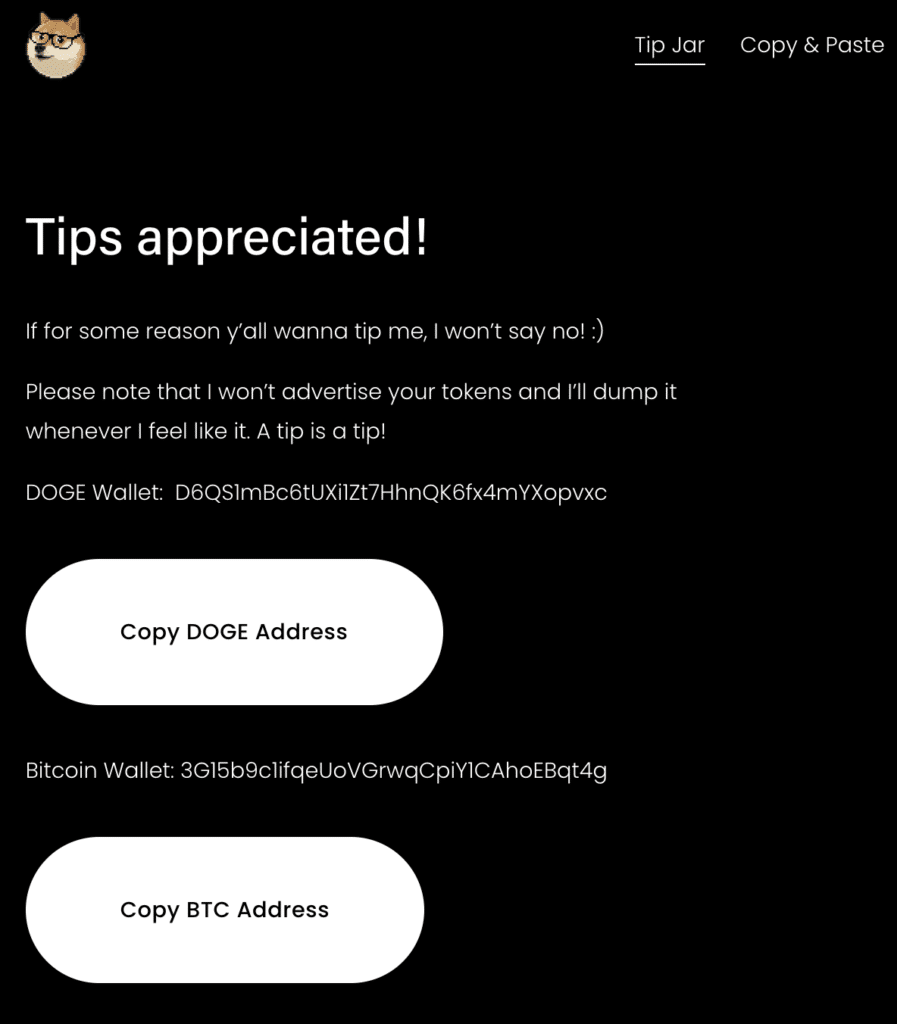
He holds a small amount of DOGE, BTC, ETH, SOL, and other cryptocurrencies received through tips on his official website. On-chain data showed Markus’ tip wallets have received over 365k DOGE tokens and 0.006 BTC tokens to date.
If you’re exploring the best platforms for trading crypto beyond Dogecoin, our Best Crypto Exchanges list breaks down the safest and most advanced options for every skill level.
Shibetoshi Nakamoto’s Friendly Relationship with Elon Musk
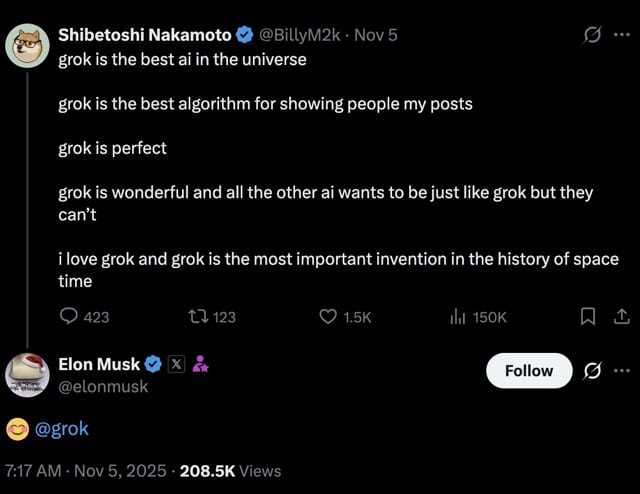
Shibetoshi Nakamoto and Elon Musk have engaged in friendly banter on X, discussing the Dogecoin ecosystem, the cryptocurrency world, and global developments. When Donald Trump created the new Department of Government Efficiency (DOGE) division in late 2024 as the US president, the duo engaged in a conversation related to government spending and Dogecoin’s inflation rates.
Why Markus Still Matters in 2026?
Billy Markus still matters because Dogecoin’s early community behaviour created a blueprint for meme-driven crypto. People used DOGE for tipping, crowdfunding, and charity campaigns, and that made Dogecoin different from other early cryptocurrencies. Markus’s Shibetoshi account keeps that original tone alive. He comments on hype, calls out scams, and brings humour back into the conversation. His presence lends Dogecoin continuity at a time when new meme coins appear daily, and the culture continues to shift everyday.
Conclusion
Billy Markus’s story mirrors how crypto has grown: something small, playful, and experimental that ended up shaping an entire online movement. Even though he left Dogecoin’s development soon after it launched, the community gradually turned to him as the familiar voice behind the project’s tone and personality. With over 2 million followers on X, Markus continues to guide the conversation around Dogecoin by combining technical knowledge with straightforward humor and criticism. He doesn’t run the project and makes that clear, yet his presence keeps Dogecoin connected to its origins and to the light-hearted culture that helped it spread in the first place.
Take a moment to read our guide on Dogecoin Futures and our list of the Best Dogecoin Wallets in 2026 to get an overall view of the meme coin.
See Also:
- Who is Satoshi Nakamoto: The Bitcoin Creator
- Who is Vitalik Buterin: Net Worth, Crypto Portfolio, and More
- Who is Ansem? Crypto Holdings and Expert Insights
- What is Flash Loan in Crypto?
- Who is Elon Musk? Biography, Companies & Net Worth
- Who is Anatoly Yakovenko? Founder of Solana
FAQs
Where is Shibetoshi Nakamoto now?

Shibetoshi Nakamoto (Billy Markus) lives in the San Fransico Bay Area, where he works as a software engineer.
How many Dogecoins does Billy Markus have?
Billy Markus holds only small amounts received through tips. He sold his original DOGE in 2015. Onchain data showed Markus’ tip wallets have received over 365k DOGE tokens and 0.006 BTC tokens to date.
Where is Billy Markus From?
Billy Markus is from Portland, Oregon, USA.
How old is Billy Markus?
Billy Markus is 42 years old, as of 2025.
Is Shibetoshi Nakamoto the same person as Satoshi Nakamoto?
No. Shibetoshi Nakamoto is the online alias of Dogecoin co-founderBilly Markus. Satoshi Nakamoto is the unknown creator of Bitcoin.
Did Shibetoshi Nakamoto invent meme coins?
Yes. Dogecoin is widely considered the first major meme coin. Its success set the blueprint for every meme-driven crypto project that followed.
References:
- Rutgers Business School. “Why Are Meme Coins So Popular? Understanding How They Work — and Their Risks.” Business Insights, Rutgers Business School. https://www.business.rutgers.edu/business-insights/thought-leadership-why-are-meme-coins-so-popular-understanding-how-they-work-and
- DWF Labs. “How Meme-Coin Culture Is Changing the Crypto Market.” DWF-Labs Research. https://www.dwf-labs.com/research/490-how-memecoin-culture-is-changing-the-crypto-market
- Dogecoin Foundation. “Dogecoin Has No Developers.” Dogepedia FAQ. https://dogecoin.com/dogepedia/faq/dogecoin-has-no-developers/
- CoinMarketCap. “Dogecoin (DOGE) Price, Charts, Market Cap & Info.” CoinMarketCap. https://coinmarketcap.com/currencies/dogecoin/
- Markus, Billy. “The Internet Is Mostly Bullshit.” BillyM2k News. https://www.billym2k.news/p/the-internet-is-mostly-bullshit
- Markus, Billy. “Chasing the Elusive Dream — Part 1.” BillyM2k News. https://www.billym2k.news/p/chasing-the-elusive-dream-part-1

Why you can trust 99Bitcoins
Established in 2013, 99Bitcoin’s team members have been crypto experts since Bitcoin’s Early days.
Weekly Research
100k+Monthly readers
Expert contributors
2000+Crypto Projects Reviewed