




In This Article
If you’ve spent any time in the modern economy, politics, memes, or markets, you have brushed up against the Elon Musk business empire. The man has turned himself into a one-man gravitational field pulling in capital, controversy, and entire industries with the force of a small planet.
People search who is Elon Musk because his footprint sits everywhere: electric vehicles, private spaceflight, artificial intelligence, tunneling, satellites, social media platforms, and whatever new frontier he decides the world has been too slow to build.
Musk’s influence isn’t subtle. He makes public statements that can swing billions in market value. He battles bureaucracies from Washington to the White House lawn. He scraps with regulators, agitates on formerly Twitter, and treats traditional expectations the way SpaceX treats used rocket boosters: burn them, land them, reuse the parts that still work.
Key Takeaways
- Elon Musk built an empire spanning electric vehicles, private spaceflight, artificial intelligence, and tunneling infrastructure.
- He founded or leads major companies, including Tesla, SpaceX, Neuralink, and The Boring Company, and owns the social media platform formerly known as Twitter.
- Musk’s net worth fluctuates by an unfathomable sum, driven primarily by Tesla’s market value and SpaceX’s private valuation.
- His public statements, leadership style, and legal challenges have generated both mass criticism and large-scale investor confidence.
- Musk has deep ties to cryptocurrency, influencing market trading and adoption through endorsements and corporate actions.
- His long-term vision focuses on space exploration, population collapse concerns, climate change, and developing technologies he believes will shape the future of Earth and beyond.
Quick Facts About Elon Musk
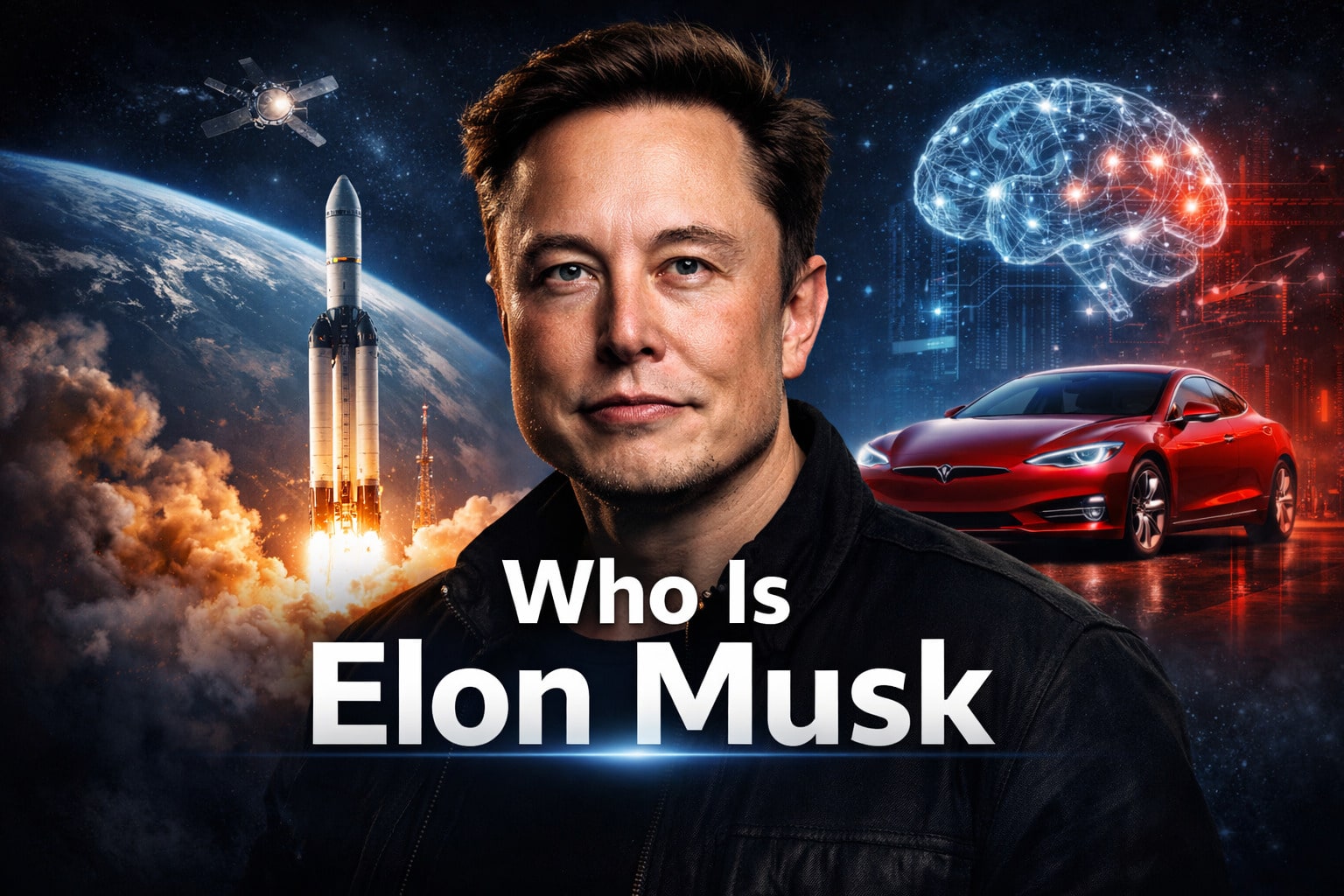
Who is Elon Musk?
Elon Musk is a founder-CEO who treats entire industries like engineering problems waiting for someone stubborn enough to solve them. He built a modern portfolio that spans electric vehicles, private spaceflight, artificial intelligence, tunneling, satellites, and a social media platform he reshaped through his own words and public experiments in verification and policy. As Edge.org puts it:
Musk’s achievements in business and technology have been widely recognized. TIME included him on its list of 100 people who most affected the world (2010). Esquire named him one its 75 most influential people of the 21st century, and Forbes named him one of America’s 20 most powerful CEOs 40 and Under.
To some, Musk is a visionary. To others, he’s a CEO who invites legal challenges, fights regulators, and turns every quarter into a stress test for Tesla shareholders. But his impact on technology, markets, and public debate is undeniable.
Understanding who is Elon Musk means understanding how a kid obsessed with physics and software turned himself into one of the most polarizing and influential figures in modern business and world history.
Early Life and Education
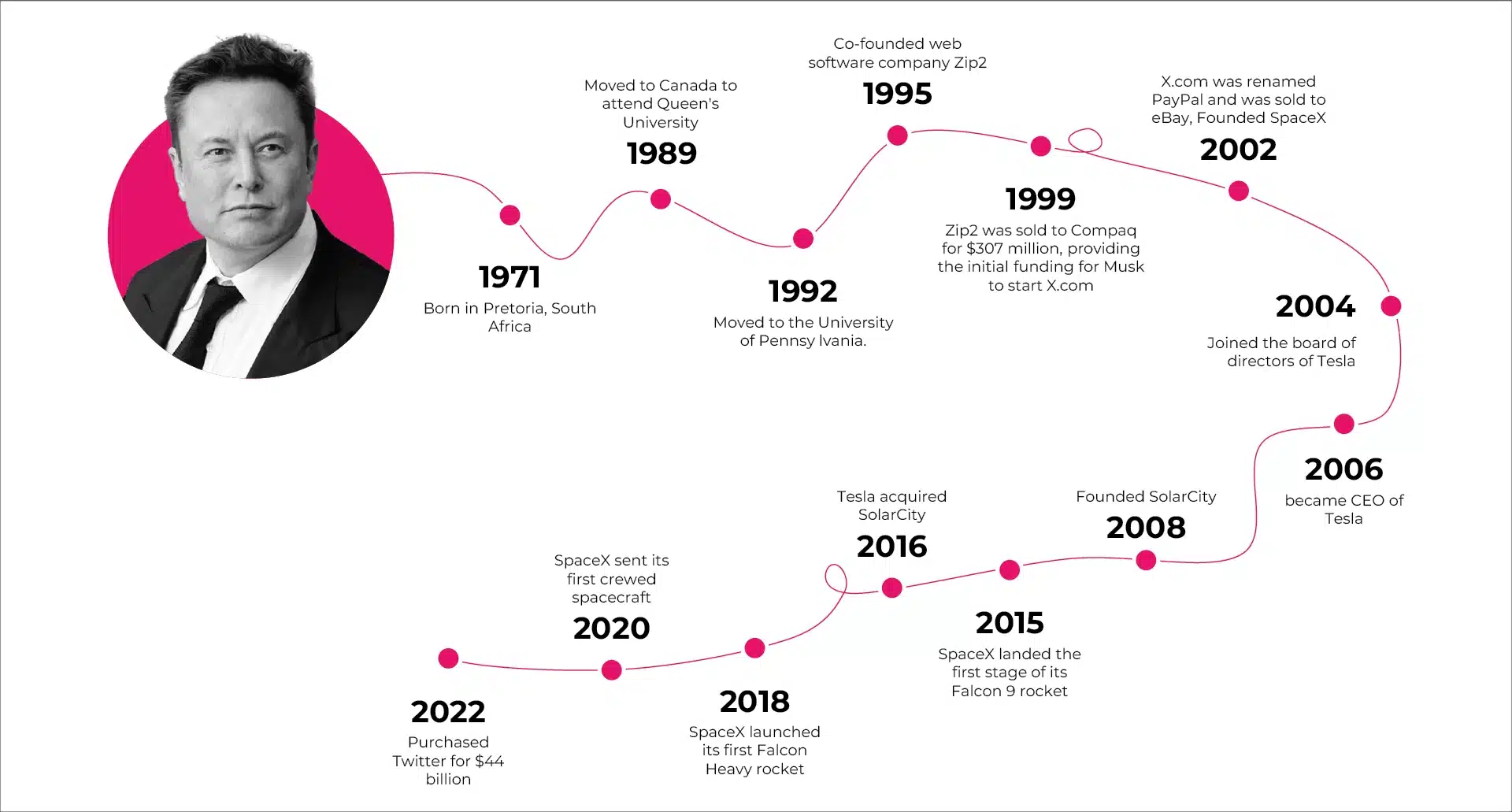
Musk was born in Pretoria, South Africa, in 1971. His childhood was a mix of isolation, books, and early programming; he wrote and sold his first video game at 12.
After leaving South Africa to avoid mandatory military service under apartheid, he briefly attended Queen’s University in Canada before transferring to the University of Pennsylvania, where he earned degrees in physics and economics.

He was accepted to Stanford University for a PhD in applied physics but famously dropped out after two days. The internet was exploding, and he wasn’t interested in watching the world change from a lab. That decision, walking away from academia to chase the commercial frontier, became the first major pivot in the Elon Musk life story and the launchpad for his future companies.
Family & Relationships
Musk’s family has been woven into his narrative from the beginning. His father, Errol Musk, remains a controversial figure in interviews and press coverage, often prompting searches like who is Elon Musk’s father as the public tries to decode the family dynamics.
His brother, Kimbal Musk, built his own path in the restaurant and food-tech sectors, maintaining a close relationship with Elon and serving on Tesla’s board for years. Musk has been married multiple times and has several children, some of whom he openly discusses and others he prefers to shield from the spotlight.
In recent years, he has spoken publicly about population collapse, arguing that declining birthrates pose a larger threat to civilization than climate change or geopolitical conflict.
His personal relationships often intersect with his business life and public statements, shaping how media, investors, and employees interpret the man behind the empire.
Elon Musk’s Career Journey
Elon Musk’s career reads like someone speed-running entire sectors of the country’s economy. He started in software, jumped into payments, built a rocket company, revived the electric vehicles market, bought a global social media platform, and then kept stacking new projects as if time were a negotiable resource.
What follows is the clean, factual spine of the Elon Musk biography, the part investors, regulators, and historians actually care about.
First Startups – Zip2 and PayPal
Musk’s first real break came with Zip2, a software business he co-founded in 1995 with his brother Kimbal Musk. Zip2 sold digital business directories and mapping tools to newspapers, primitive now, but groundbreaking in an era when most media companies still feared the internet.
Compaq acquired Zip2 for $307 million, marking Musk’s first major liquidity event. He reinvested almost immediately, launching X.com, an online financial services company. X.com later merged with Confinity, forming PayPal.
While internal clashes pushed Musk out of the CEO role, his equity stake held. When eBay purchased PayPal for $1.5 billion, Musk walked away with the kind of capital that answers the question: how did Elon Musk become rich?
Those early wins shaped his Elon Musk profile, a founder who bets aggressively, gets ousted occasionally, but still ends up controlling the narrative.
Birth of SpaceX
By the early 2000s, Musk believed the U.S. space sector had calcified, too expensive, too slow, too risk-averse. So in 2002, he founded SpaceX, a private company focused on lowering launch costs and pushing space exploration forward. Most aerospace veterans laughed. Musk hired the ones who didn’t.
The early years were brutal: three consecutive launch failures, financial collapse looming, and a fourth attempt that had to work. It did. That success helped SpaceX attract NASA contracts, eventually leading to the Dragon spacecraft, which became the first private vehicle to deliver cargo (and later crew) to the ISS.
SpaceX now dominates private spaceflight, with reusable rockets that flipped the economics of the entire industry. Musk’s critics argue his timelines are delusional; his supporters argue he simply ignores the bureaucratic gravity that kills big ideas. Both are true.
Tesla and the Rise of Electric Vehicles
Although Musk didn’t found Tesla, he became its defining force. As an early investor turned CEO, he pushed the company through near-bankrupt years, manufacturing crises, executive turnover, and endless legal challenges from the exchange commission and corporate litigators.

The result: Tesla sparked the global shift toward electric vehicles, built an energy storage business, and turned a niche market into an industrial transformation. Musk’s leadership has brought lawsuits, volatility, and fiery debates among Tesla shareholders, but it also created one of the most influential corporations in recent years.
Questions like who is richer than Elon Musk usually start and end with Tesla’s market cap.
Aquisition of X (Formerly Twitter)
In 2022, Musk purchased Twitter (now X) after months of public negotiations, lawsuits, and threats to cancel the deal. He restructured the platform with a focus on verification, free speech, and cost-cutting, firing large numbers of employees and reshaping policies through impulsive public statements.

The move drew global scrutiny. Supporters saw it as a pushback against censorship; critics saw erosion of trust and safety. Whatever the interpretation, X became another pillar in the Elon Musk business empire, giving Musk direct influence over real-time global communication and politics, something neither Washington nor the White House could ignore.
Neuralink
Founded in 2016, Neuralink is Musk’s attempt to merge the human brain with advanced computing systems. The company is developing implantable neural devices intended to help patients with paralysis, neurological disorders, and eventually broader human-machine interfaces.
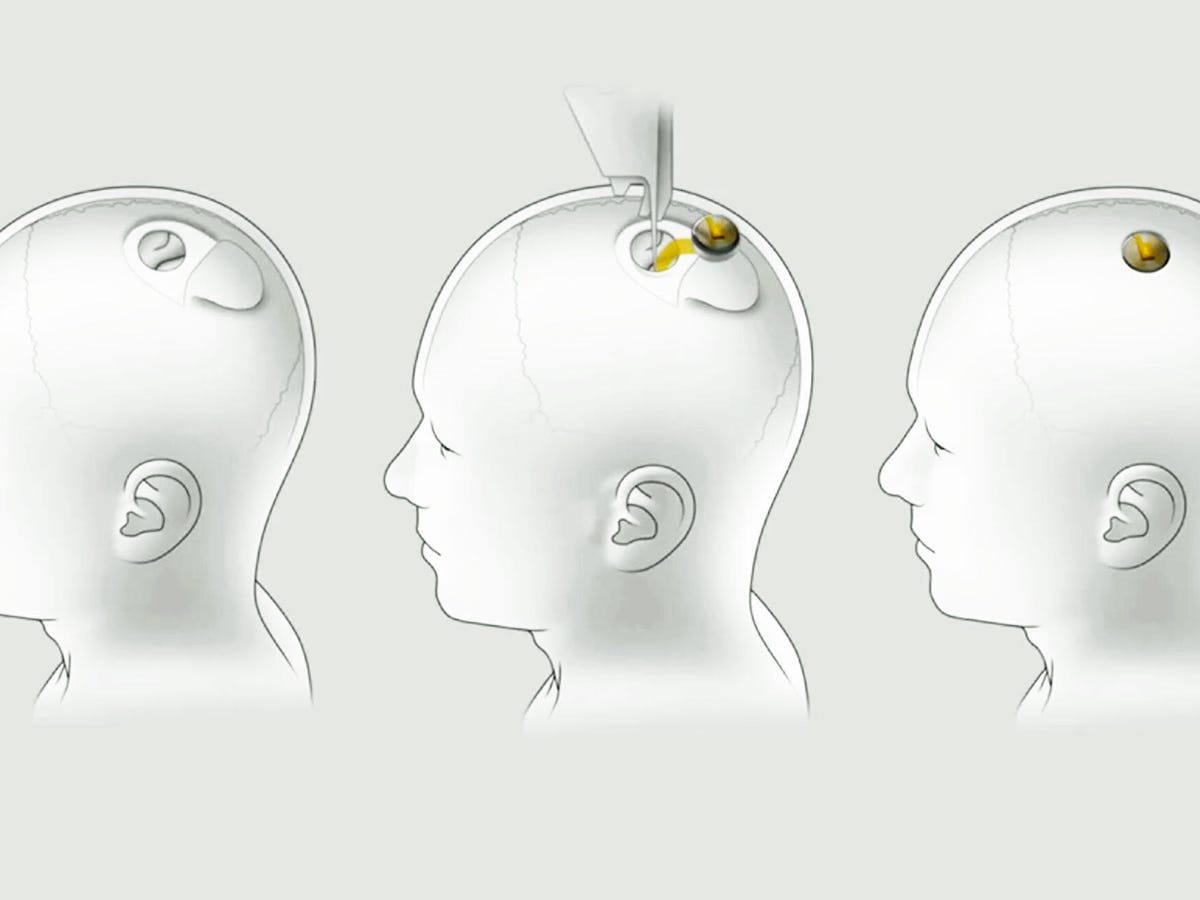
Neuralink sits at the center of the artificial intelligence debate. Some call it Musk’s most ambitious project; others see it as ethically dangerous. Musk frames it as simple math: if AI becomes powerful, humans must keep up. Neuralink, in his view, ensures humanity stays in the loop rather than beneath it.
The Boring Company
After years of complaining about traffic, Musk founded The Boring Company, a tunneling startup aimed at creating high-speed underground transportation networks. The idea began as a joke on the Joe Rogan experience, but turned into a functioning enterprise developing tunneling machines and loop-based transit systems.
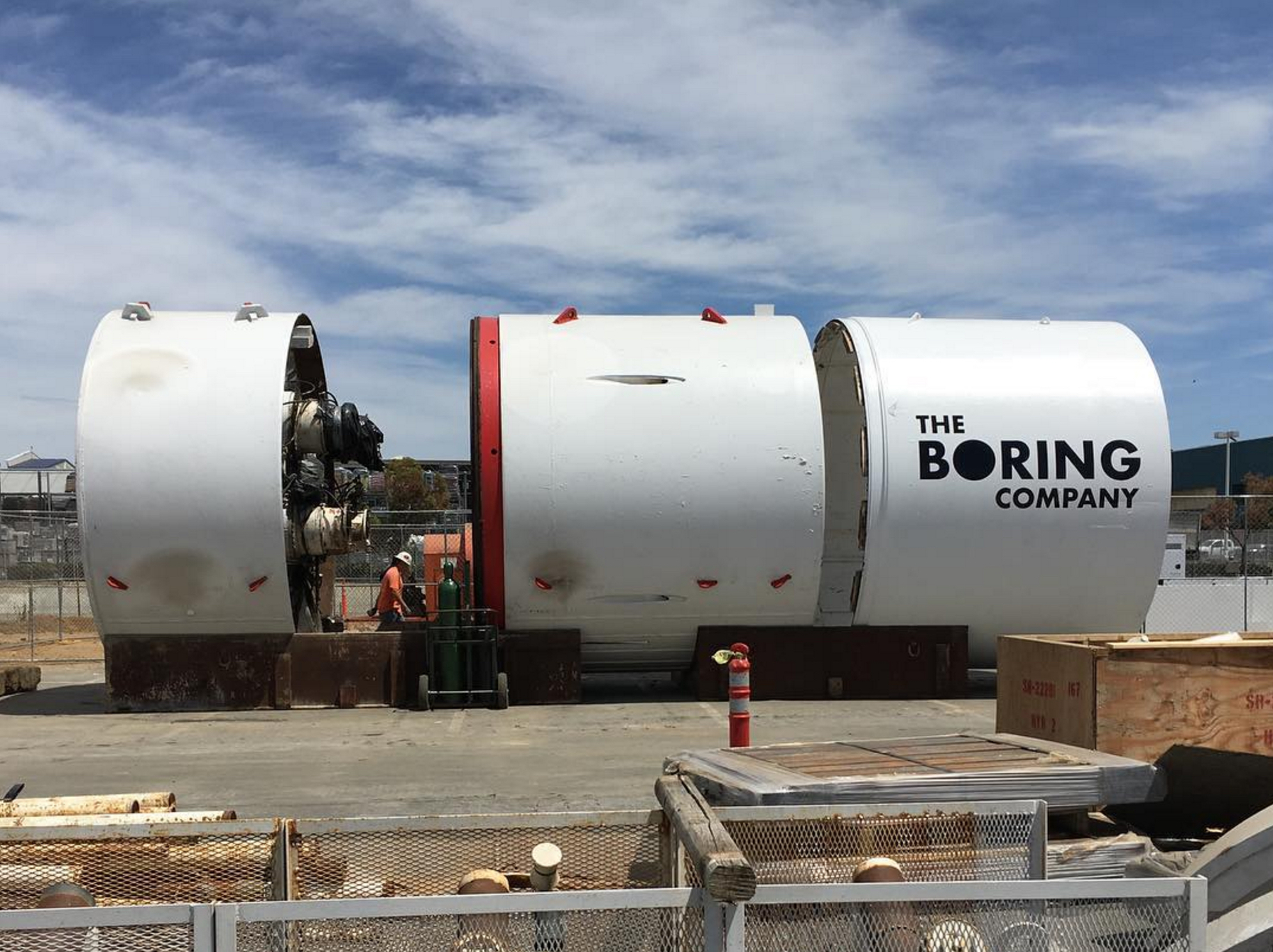
The company’s projects remain limited compared to SpaceX or Tesla, but Musk pitches the tunnels as part of a longer-term strategy to enhance government efficiency, rethink services, and redesign the physical flow of cities.
Elon Musk’s Net Worth
Elon Musk’s net worth has become a financial weather system, swinging tens of billions in a single trading session. Because so much of his wealth is tied to Tesla, SpaceX, and other private company stakes, the number isn’t static. Outlets like Forbes track it daily, and the figure often shifts by an unfathomable sum depending on market momentum, SpaceX valuations, and investor expectations.
At his peak, Musk surpassed every major tech founder, triggering the recurring question: who is richer than Elon Musk? The answer changes with market cycles, but in recent years, only a handful of global billionaires (primarily tied to luxury goods, data infrastructure, or oil wealth) have come close.
Musk’s financial rise is inseparable from the broader elon musk life story: concentrate ownership, delay liquidity, and bet everything on long-term returns rather than short-term stability.
How Elon Musk Makes His Money?
Musk’s wealth isn’t built on salary. In fact, he’s repeatedly structured compensation around performance-based stock awards tied to revenue, margins, manufacturing milestones, and market cap targets. His fortune comes primarily from equity, massive positions in multiple companies that expanded during explosive growth cycles.
Tesla remains the biggest driver. Every surge in the EV market pushes Musk’s net worth higher. SpaceX adds another layer of acceleration, with valuations climbing through private fundraising rounds as the company scales rocket launches, satellite networks, and space exploration contracts.
He also holds stakes in Neuralink, The Boring Company, and X, giving him exposure across sectors as different as biotech, infrastructure, and social media. Musk’s approach is simple: build companies in frontier industries, hold large stakes, and let the compounding do the work.
It’s a strategy that invites volatility, lawsuits, and regulatory attention, but it’s also how he became one of the wealthiest individuals in the world.
Portfolio & Investments
Musk’s investment style mirrors his personality: focused, aggressive, and unapologetically future-oriented. His portfolio includes large equity positions in the companies he founded, but he has also backed startups working on aerospace, battery tech, autonomy, and security systems.
Musk generally avoids typical venture capital behavior. He’s never been the “spray and pray” investor. Instead, he channels capital into missions he believes will matter in 20, 50, or 100 years. Space travel, climate tech, AI, high-speed transit, anything that reshapes how civilization moves, communicates, or survives.
His holdings don’t look like a traditional billionaire’s diversified safety net. They’re more like aligned bets on the future he talks about in interviews and long-form discussions. For Musk, developing the industries he wants to see is part investment, part ideology, and part engineering instinct.
Elon Musk and His Crypto Connection
If a single tweet can move markets, Musk is Exhibit A. His relationship with cryptocurrency began long before meme coins and Doge jokes. As the former CEO of PayPal, he had an early front-row seat to digital money systems.
In recent years, Musk has directly shaped crypto trading, corporate adoption, and mainstream attention through a mix of public endorsements, platform policy changes, and Tesla’s historic Bitcoin experiment. When Musk speaks, retail traders, analysts, and even regulators listen, sometimes too closely.
Crypto may not sit at the core of his empire, but it has become one of the most influential side chapters in Elon Musk’s business history.
Crypto Investments
Tesla’s 2021 Bitcoin purchase marked one of the most significant corporate crypto moves of the decade. Musk positioned Bitcoin as a hedge against inflation and a signal that the world’s largest EV manufacturer wouldn’t shy away from financial innovation.
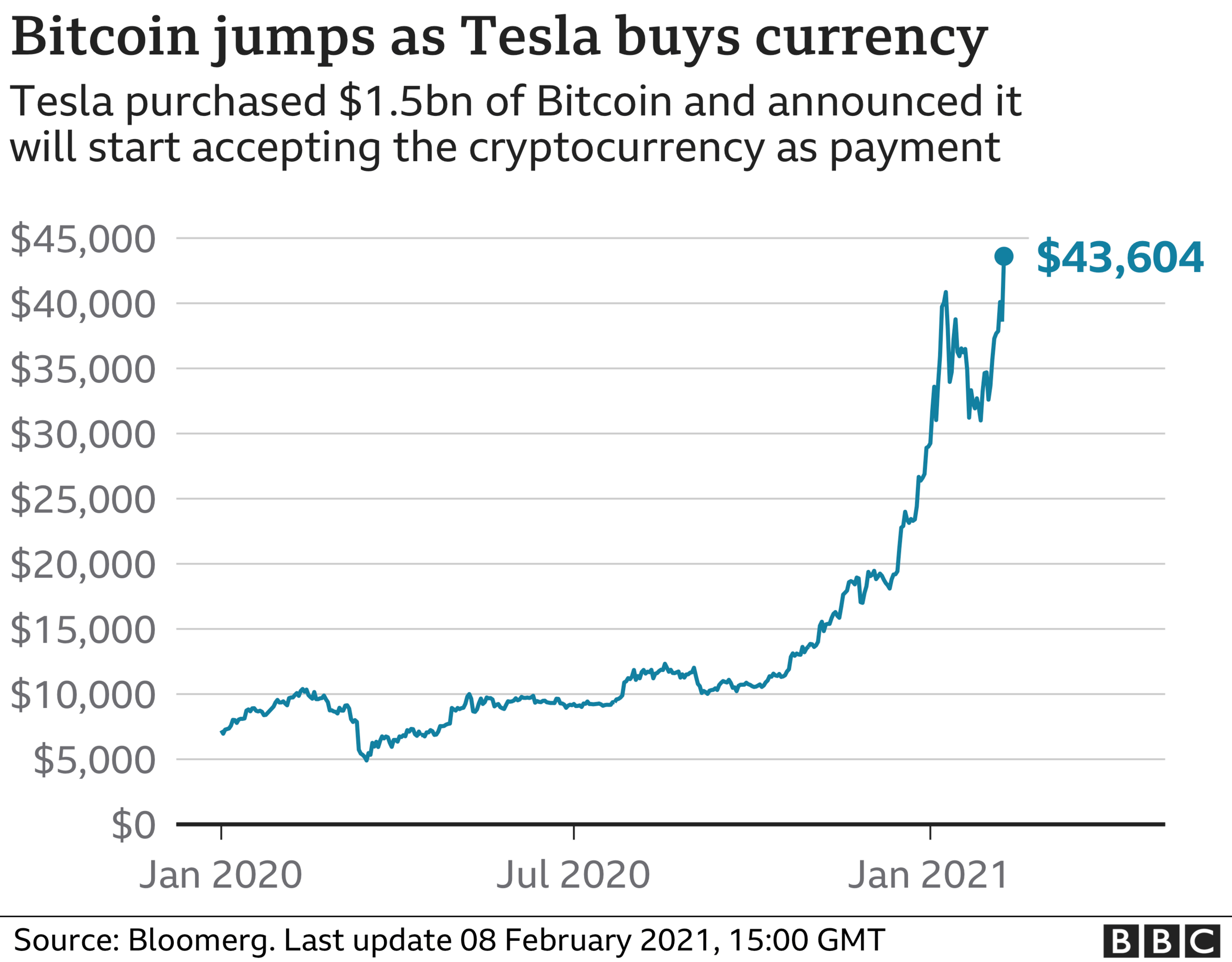
He later reversed course on Bitcoin payments due to environmental concerns, sparking another round of headlines, price swings, and environmental debates. Musk also publicly embraced Dogecoin, shifting it from a meme to a legitimate digital asset discussed in mainstream outlets like the New York Times.
While Musk denies owning a diversified crypto portfolio, he has confirmed personal holdings of BTC, DOGE, and ETH. Even without heavy personal exposure, his public statements often move prices more than institutional flows.
Controversies & Criticism Surrounding Musk
Elon Musk’s rise hasn’t been clean. Every sector he enters (EVs, rockets, AI, social media) comes with friction, regulators, and a stack of multiple lawsuits.
Musk thrives in conflict, but the controversies around him are part of his public identity, not footnotes in it. Understanding Musk means understanding the battles he keeps walking into.
Legal Issues and SEC Disputes
Musk’s relationship with the exchange commission is a long-running drama. The most famous clash came from his “funding secured” public statement in 2018, claiming he was considering taking Tesla private at $420 a share. The SEC called it misleading. Musk called the SEC a three-letter word he didn’t respect.
The settlement forced him to step down as Tesla’s chairman, added oversight to his corporate communications, and resulted in heavy fines. Since then, Musk has repeatedly pushed the limits of what regulators tolerate, tweeting production forecasts, posting memes tied to market moves, and publicly criticizing the agencies overseeing Tesla and SpaceX.
His legal battles extend beyond the SEC. Tesla has faced claims of racial discrimination, Autopilot safety disputes, and shareholder suits accusing Musk and Tesla’s board of overcompensating him.
Musk calls many of these cases politically motivated or attacks from people who “don’t build things.” Regulators call them accountability.
Workplace and Leadership Criticism
Musk’s leadership style is not soft. Former employees describe long hours, blunt communication, and expectations that wipe out traditional boundaries. To Musk, urgency is a feature, not a flaw. To critics, it’s a culture that pushes burnout and invites legal trouble.
At Tesla, allegations have ranged from discrimination to unsafe production targets. At SpaceX, internal letters challenged his public behavior. At X, massive layoffs and abrupt policy changes sparked debates about governance, security, and basic platform stability.
Supporters argue Musk’s intensity is the price you pay to push civilization forward. Detractors argue it creates unnecessary chaos inside some of America’s most valuable corporations.
Social Media Behavior
Since buying the platform formerly Twitter, Musk has treated X like a global town square with no closing hours. He engages directly with users, posts jokes, boosts political messages, and comments on government, climate change, AI, geopolitics, and whatever else catches his interest.
This unfiltered style has reshaped how CEOs communicate; some admire it, others fear it. His critics argue that the lack of restraint undermines the platform’s credibility. Supporters say it’s transparency, not chaos.
Musk describes X as an experiment in free speech and a way to reduce government or corporate influence on digital conversation. Washington journalists and The New York Times see something far more complicated, especially during moments involving elections, misinformation, or national security sensitivities.
Sam Altman & Elon Musk
The relationship between Musk and Sam Altman went from collaboration to cold war. Musk helped co-found OpenAI as a nonprofit meant to counter Big Tech dominance in artificial intelligence. Over time, he accused the organization of abandoning its mission, becoming too aligned with Microsoft, and drifting toward closed-source commercial priorities.
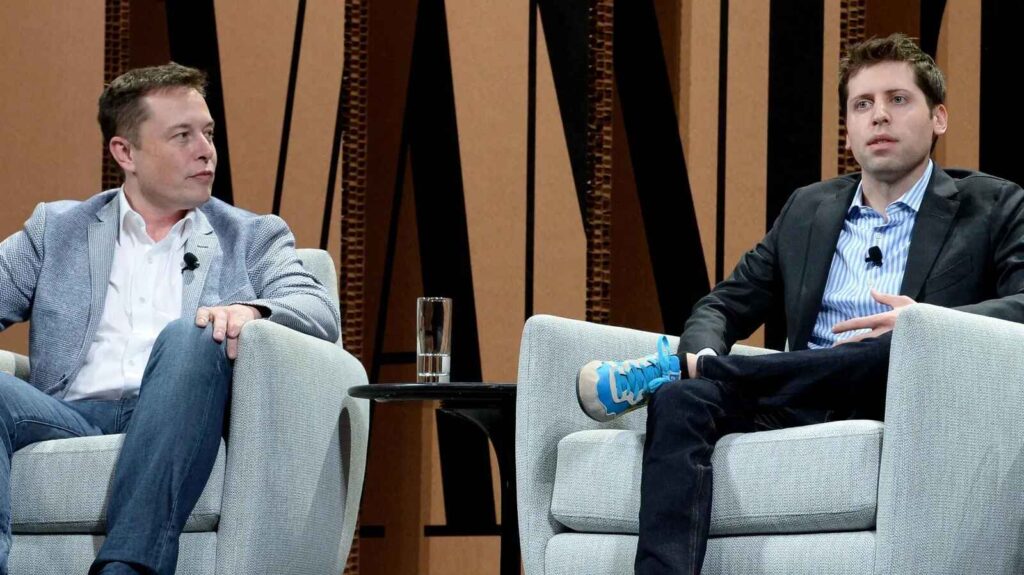
Altman has pushed back delicately but firmly, defending OpenAI’s direction. Musk responded by launching xAI (his competing AI lab), arguing that humanity needs transparent models, not corporate black boxes.
The two now represent rival visions for AI development, with Musk focused on security and long-term risk while Altman focuses on scaling capability.
Donald Trump & Elon Musk’s Relationship
Musk’s relationship with President Donald Trump has been unpredictable. He served briefly on White House advisory councils before resigning when Trump withdrew from the Paris climate agreement. He later met with the Trump administration on manufacturing, regulation, and technology, while publicly criticizing certain policies.
In recent years, the two have appeared more aligned. Trump has praised Musk’s companies, while Musk has spoken about government efficiency, regulatory reform, and the need for reduced bureaucracy in American industry. Musk denies being partisan, saying he favors whichever candidate will push innovation forward. Trump supporters see him as an ally; critics see him as another powerful figure influencing politics through platforms and capital.
Their dynamic reflects the broader intersection between tech, politics, and influence, an arena Musk increasingly occupies whether he wants to or not.
| Phase | Key Moment | Status |
| 2016-2017 | Donald Trump wins election; Elon Musk joins advisory councils | Cooperative |
| 2017 | Trump exits Paris Climate Agreement; Musk resigns | Fallout |
| 2018-2020 | Little interaction | Distant |
| 2021-2022 | Musk criticizes Trump’s Twitter ban; reinstates account after buying X |
Partial Alignment
|
| 2023-2025 | Agree on free speech, differ on climate & regulation |
Strategic, Not Close
|
Elon Musk’s Vision for the Future
Musk isn’t shy about the scale of his ambitions. His long-term plans stretch across energy, transportation, AI, and space exploration, all anchored in a worldview that humanity should become a multi-planet species. For Musk, the Earth is home base, but not the final destination.
At SpaceX, the plan is explicit: develop a fully reusable launch system capable of delivering people and cargo to Mars. Starship is the centerpiece, a vehicle designed to deliver payloads at a scale unmatched by any government program. Musk describes Mars not as a distant dream, but an engineering problem that improves with iteration.
At Tesla, his focus remains on accelerating the shift away from fossil fuels through electric vehicles, battery storage, and autonomous systems. Tesla’s future, in Musk’s eyes, depends on solving autonomy at scale and pushing manufacturing costs far below traditional automakers.

His advocacy for artificial intelligence cuts both ways. He warns publicly about existential risks while simultaneously building companies like xAI and Neuralink to keep humans competitive. To Musk, AI is a frontier that demands human alignment, not fear.
He’s equally vocal about demographic decline, calling population collapse a bigger threat than climate change. His argument is straightforward: without people, innovation dies, economies shrink, and civilization loses the talent required to explore beyond Earth.
Whether these predictions prove prescient or exaggerated, Musk’s vision remains unusually consistent. He believes the future belongs to the builders, to the people who bridge the gap between ambition and execution, regardless of who criticizes the timeline.
Conclusion
Elon Musk’s story is equal parts engineering, volatility, risk, and relentless ambition. Understanding who is Elon Musk goes beyond the headlines: he’s a founder who bets entire fortunes on ideas that most corporations and governments consider too expensive, too dangerous, or too unrealistic.
His business empire spans electric vehicles, private spaceflight, artificial intelligence, tunneling, satellites, and a social media platform that has reshaped modern communication. His public statements, lawsuits, SEC battles, and political clashes make him one of the most scrutinized figures in modern business and technology. Yet the same polarizing force behind the controversies is the engine behind the achievements.
From Zip2 and PayPal to SpaceX, Tesla, Neuralink, and X, Musk has left a mark on industries that rarely change without pressure. His net worth rises and falls with market momentum, but his influence extends far beyond valuation charts or billionaire rankings. Whether he’s debating AI with Sam Altman, discussing policy with Washington, trading barbs with the White House, or appearing on The Joe Rogan Experience, Musk remains a central figure in the conversation about where America (and the world) is going.
See Also:
- Crypto Exchange Promos & Discounts
- 14 Best Crypto Bonuses in 2026
- Who is Shibetoshi Nakamoto (Billy Markus)
- Who is ZachXBT? Scams Exposed and Crypto Holdings
- Risks Behind MicroStrategy’s Bitcoin Bet Explained
- What is DeFAI? A Beginner’s Guide
- Who is Anatoly Yakovenko? Founder of Solana
FAQs
How old is Elon Musk?

Elon Musk was born on June 28, 1971, which makes him 53 years old in 2025.
What companies does Elon Musk own?
Musk owns or leads several major companies, including SpaceX, Tesla, X (formerly Twitter), Neuralink, The Boring Company, and xAI. He also co-founded OpenAI, though he no longer plays a role there.
Why does Elon Musk like Dogecoin?
Musk has said Dogecoin feels like the “people’s crypto”, simple, funny, and supported by a massive online community. He likes its meme-driven culture and often jokes that an asset created as a parody became more transparent than many serious cryptocurrencies.
How much Dogecoin does Elon Musk hold?
Musk has never disclosed an exact amount. He has confirmed owning some DOGE, and Tesla has accepted Dogecoin payments for select merchandise. Beyond that, no verified figure exists.
How much Bitcoin does Elon Musk hold?
Musk has stated he personally owns a small amount of Bitcoin, separate from Tesla’s previous corporate holdings. He has never published a specific number.
How did Elon Musk get rich?
Musk became wealthy through Zip2 (sold to Compaq), PayPal (sold to eBay), and massive equity stakes in Tesla and SpaceX. His strategy centered on owning large portions of the companies he built rather than taking traditional salaries.
What is Elon Musk famous for?
He’s best known for building the world’s leading electric vehicle company (Tesla), the most successful private spaceflight company (SpaceX), and for reshaping social media through his acquisition of X. He’s also famous for his public statements, influence on markets, and long-term push for Mars colonization.
Is Elon Musk the richest person in the world?
Depending on market conditions, Musk frequently ranks first or second on global wealth lists. His position shifts with Tesla’s stock price and SpaceX’s private valuation.
Who is Elon Musk married to?
As of 2025, Musk is not currently married. He has been married three times in the past, twice to Talulah Riley and once to Justine Musk.
Who is Elon Musk to Trump?
Musk and Donald Trump have an unpredictable, transactional relationship. Musk served briefly on Trump’s advisory councils, left over policy disagreements, and later re-engaged on issues like regulation and manufacturing. They’re not allies in the formal sense, but they interact as two high-influence figures whose interests sometimes align.
References
- Santa Clara University. “Elon Musk: Environmental Activists, Heroes, and Martyrs.” Environmental Ethics – Santa Clara University, https://www.scu.edu/environmental-ethics/environmental-activists-heroes-and-martyrs/elon-musk.html
- Zundel, Michael. “Elon Musk: A Case Study on Innovation and Leadership.” Marriott Student Review, Brigham Young University, https://scholarsarchive.byu.edu/cgi/viewcontent.cgi?article=1084&context=marriottstudentreview
- Brookings Institution. “Why Is Elon Musk’s Twitter Takeover Increasing Hate Speech?” Brookings, https://www.brookings.edu/articles/why-is-elon-musks-twitter-takeover-increasing-hate-speech/
- George Washington University Law School. “Tesla and Greenwashing.” GW Point Source, 7 Dec. 2023, https://blogs.gwu.edu/law-gwpointsource/2023/12/07/tesla-and-greenwashing/
- Edge Foundation. “Elon Musk – Member Bio.” Edge.org, https://www.edge.org/memberbio/elon_musk

Why you can trust 99Bitcoins
Established in 2013, 99Bitcoin’s team members have been crypto experts since Bitcoin’s Early days.
Weekly Research
100k+Monthly readers
Expert contributors
2000+Crypto Projects Reviewed