




In This Article
- Quick Facts About Pavel Durov
TON Blockchain: Telegram’s Leap Into Web3
- The Vision Behind TON
- TON and Telegram Today
- TON Integration Inside Telegram: Where Web2 Meets Web3
- TON Ecosystem and Use Cases
- Core Components: Payments, DeFi, Gaming, Identity, Tokenized Assets
- Developer Tooling, Bridges, and Wallets
- How to Evaluate Projects Building on TON
- The SEC Case and Shutdown
- TON’s Revival by the Community
- Timeline of Major Career Events
- Conclusion
Who is Pavel Durov, the secretive tech visionary behind Telegram? Often called “Russia’s Mark Zuckerberg,” Durov built two digital empires before age 30 and walked away from both his country and its government to protect user privacy. Now based in Dubai, the Telegram founder and CEO oversees a messaging platform used by nearly a billion people worldwide.
Known for his minimalist lifestyle, sharp intellect, and unwavering commitment to digital freedom, Pavel Durov’s story is one of defiance and brilliance. With a net worth estimated in the double digit billions, he’s as mysterious as he is influential: a rare figure who’s turned privacy itself into a global movement.
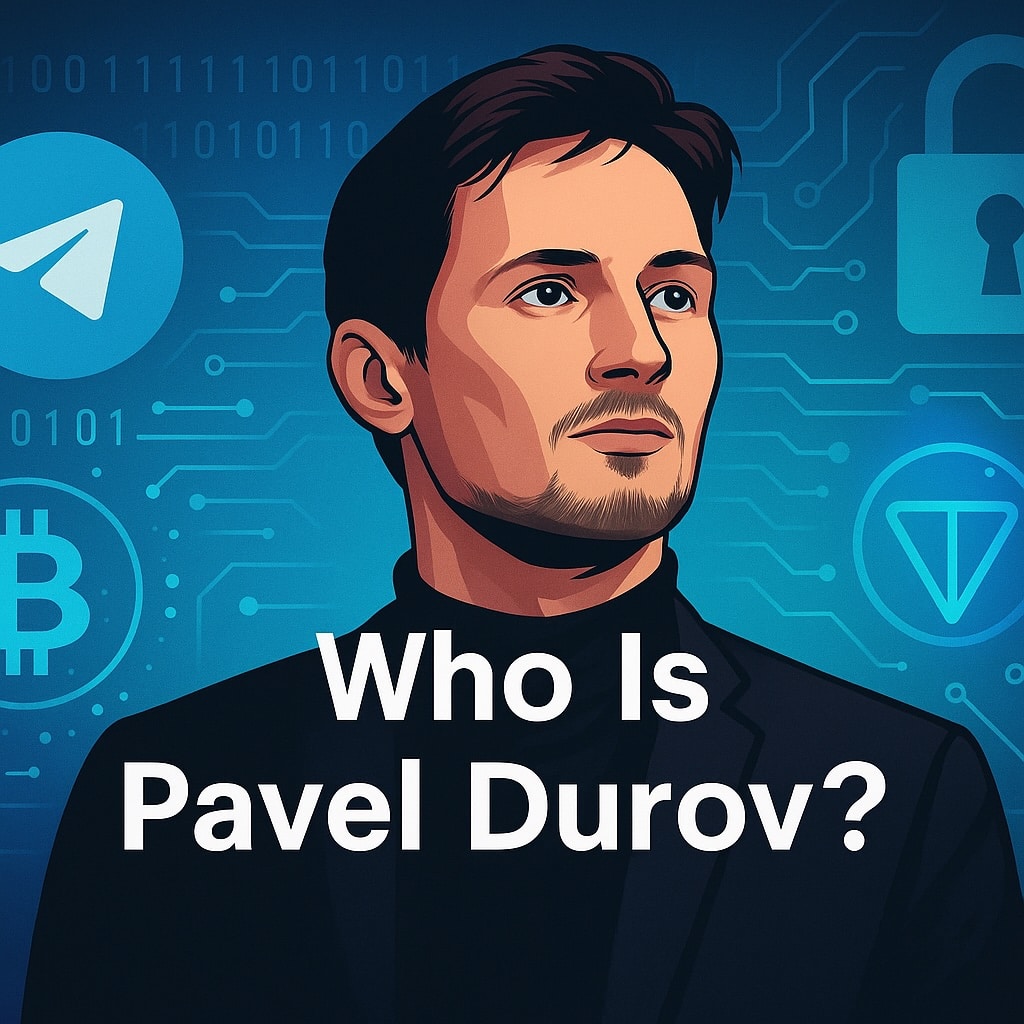
Who is Pavel Durov? How did he create Telegram? Why was he arrested in France in 2024? In this biography of Pavel Durov, we cover all you need to know about him.
Quick Facts About Pavel Durov
| Field | Details |
| Full Name | Pavel Valeryevich Durov |
| Date of Birth | October 10, 1984 |
| Age | 41 (in 2025) |
| Occupation | Entrepreneur, Tech Founder |
| Citizenship | Russian (former), Saint Kitts & Nevis, UAE, French citizen |
| Current Residence | Dubai, UAE |
| Role | Founder & CEO of Telegram; creator of TON ecosystem |
| Education | Saint Petersburg State University |
| Known For | Founding Telegram and VKontakte; Championing encryption and free speech |
| Key Ventures | VK, Telegram, TON blockchain |
| Estimated Net Worth | About $17 billion (Forbes 2025) |
Key Takeaways
- Telegram founder Pavel Durov turned Telegram into a billion-user messaging platform while developing layer-1 blockchain TON.
- Durov was forced to leave Russia after refusing to hand over VK user data, and later faced a high-profile arrest and ongoing investigation in France over Telegram’s alleged misuse.
- Pavel Durov’s net worth in 2025 is estimated at around $17 billion, driven mainly by his stake in Telegram and earlier gains from VK.
- Durov bought 2,000 Bitcoin for about $1.5 million over a decade ago, creating a BTC position now worth close to $200 million.
- Pavel Durov has publicly claimed to have fathered over 100 children via sperm donation and is the official father of six, all of whom will share his inheritance.
Who is Pavel Durov?
Pavel Durov is a Russian-born tech entrepreneur who is widely seen as one of the most unconventional figures in modern tech. Durov is best known for founding two social networking platforms, VKontakte (VK) in Russia and then Telegram on the global stage.
To many of his supporters, he represents the last line of defense for digital privacy, pushing back against governments that increasingly see messaging platforms as tools of control rather than communication.
Over the years, Durov has deliberately shunned away from using traditional media to communicate his ideas, thoughts, and philosophy with the rest of the world. He rarely grants interviews and prefers to communicate through his public Telegram account and occasional posts on X.
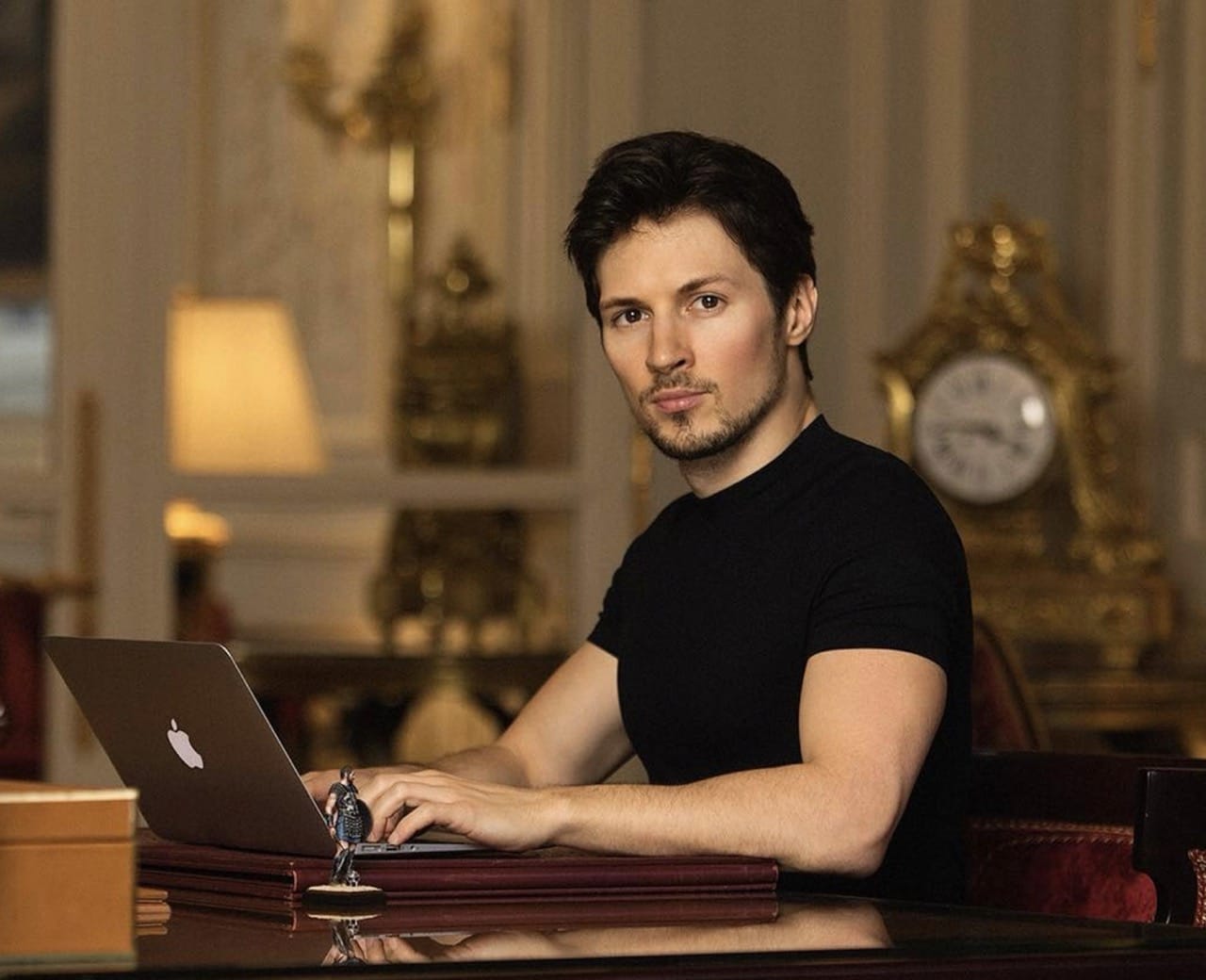
While Durov tries to live in a way to avoid television screens and newspaper backpages, he has frequently courted controversy due to the lead role held at Telegram, a widely popular messaging app with over 1 billion monthly active users.
Durov has showcased a tendency to resist any government force that looks to compromise his core values related to digital privacy, which has led to him gaining widespread popularity among the masses but has also landed him in hot water with the authorities.
Durov and Telegram also created a public blockchain called The Open Network (TON), which initially faced intense regulatory scrutiny in the U.S., forcing Telegram to break direct associations with the project. Today, Durov and Telegram actively support the growth of TON, even though the crypto project is being developed by its community.
Age, Birth Date, and Height
Pavel Durov was born on October 10, 1984, in Leningrad, USSR (now Saint Petersburg, Russia), making him 40 years old as of 2025. He is often congratulated on his Birthday on his Telegram platform each year.
In terms of physical appearance, Pavel Durov’s height is widely reported to be around 5 feet 10 inches (178 cm). Durov has undergone quite the stunning transformation in his looks over the years. Similar to the Elon Musk glow up from Paypal days to now, Pavel looks much more different now than he did in his early years.

Beyond these surface details, his sharp, minimalist style and disciplined demeanor have fueled public fascination, fans often compare his look and personality to that of a tech-age James Bond or a real-life Bruce Wayne.
These personal details, while seemingly trivial, reflect the level of intrigue surrounding Durov. His age places him among the youngest founders to have built two global social platforms, VK and Telegram, and his disciplined lifestyle and distinct appearance have only added to his mythos as one of the most enigmatic figures in modern technology.
Biography and Early Life
Growing up in Leningrad Pavel lived an academic childhood. Pavel Durov’s father, Valery Durov, was an academician and a professor of philology at St. Petersburg State University. His mother, Albina Durova, was also a professor at the same university. The Durov family later lived in Italy after Valery was offered a job in Turin.
A young Pavel Durov returned to Russia and studied at St. Petersburg State University between 2001 and 2006. St. Petersburg State University is the leading university in Russia with a history stretching back to 1724.
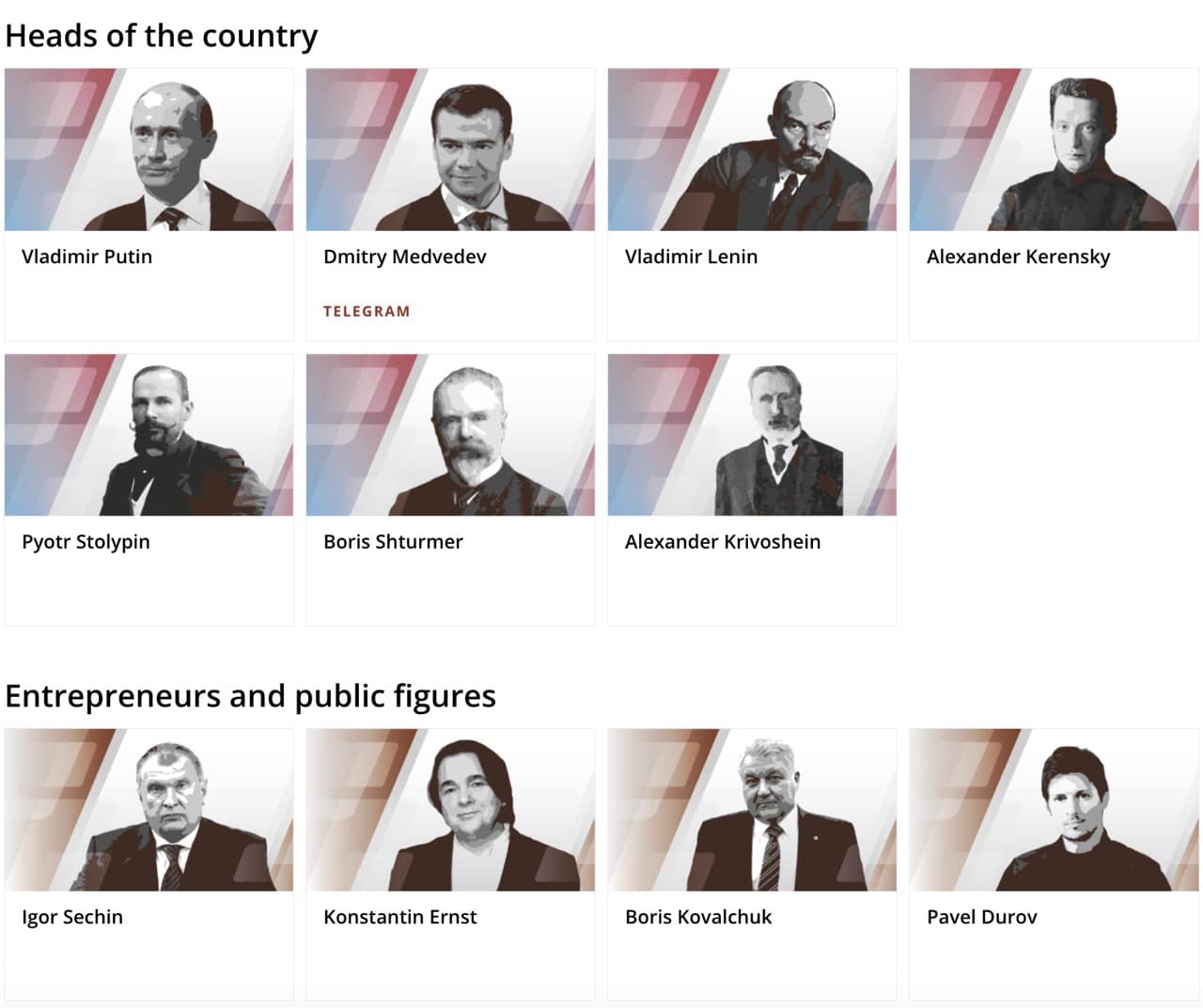
Russian President Vladimir Putin and former head of state of the USSR, Vladimir Lenin, are among the graduates of the university.
Education
At St. Petersburg State University, Pavel studied English translation and linguistics. While this might seem distant from software engineering, these studies broadened his worldview and gave him a strong foundation in global communication. It was at St. Petersburg State University, where he had created a university student forum, and conceived the idea of a social networking site like Facebook for Russians.
Older brother, Nikolai, was a big influence on Pavel Durov’s education. In an interview with American podcaster Lex Fridman, Pavel recalled, ”When we used to be kids, we slept in the same bedroom, and I kept bugging him with questions. I would ask him about dinosaurs, and galaxies, and black holes, and Neanderthal … he was my Wikipedia.”
Nikolai would later become his closest collaborator and the technical architect behind both VK and Telegram.
Telegram Founder’s Career
Pavel Durov’s career is often divided into two eras: the VK era and the Telegram era. Initially, Pavel aimed to create a Russian equivalent of Facebook’s social media platform. It was his experience in Russia, especially towards the end of his time at VK, that shaped his second project, which focused on privacy preservation.
Pavel’s refusal to compromise on user freedom and privacy has gone on to write his legacy. Through his career, Pavel has faced many setbacks, self-imposed exile from his homeland, and even survived an assassination attempt. To understand Telegram today, you must understand the path that led it there.
Founding VKontakte: Russia’s Social Media Giant
Before Telegram ever existed, Durov built VKontakte, better known simply as VK, which became one of Russia’s most popular social media platforms. In 2006, Pavel co-founded the company with two of his former university classmates, Lev Leviev and Vyacheslav Mirilashvili.
According to Forbes, Mirilashvili is said to have borrowed money from his father, a well-known entrepreneur, after which the trio founded the company, where Mirilashvili kept a majority stake and the two held a minority stake. By February 2007, VK had amassed a user base of over 100,000. A few months later, VK’s user base hit over 1 million in July 2007 before surging to 10 million in April 2008. By the end of 2008, VK was the most popular social networking site in Russia. VK went on to expand to nearby countries, including China and Ukraine.
Government Pressure and Exit
As VK grew in stature and influence, it attracted the interest of Russian authorities. Everything changed around 2011 to 2014, when anti-government protests erupted across Russia and the Russia-Ukraine conflict started in Crimea.
In December 2013, Durov disclosed on VK that the Russian security services demanded that the company give up the private data of certain Ukrainian users. When he refused, calling these demands unconstitutional and a violation of user privacy, it triggered escalating pressure.
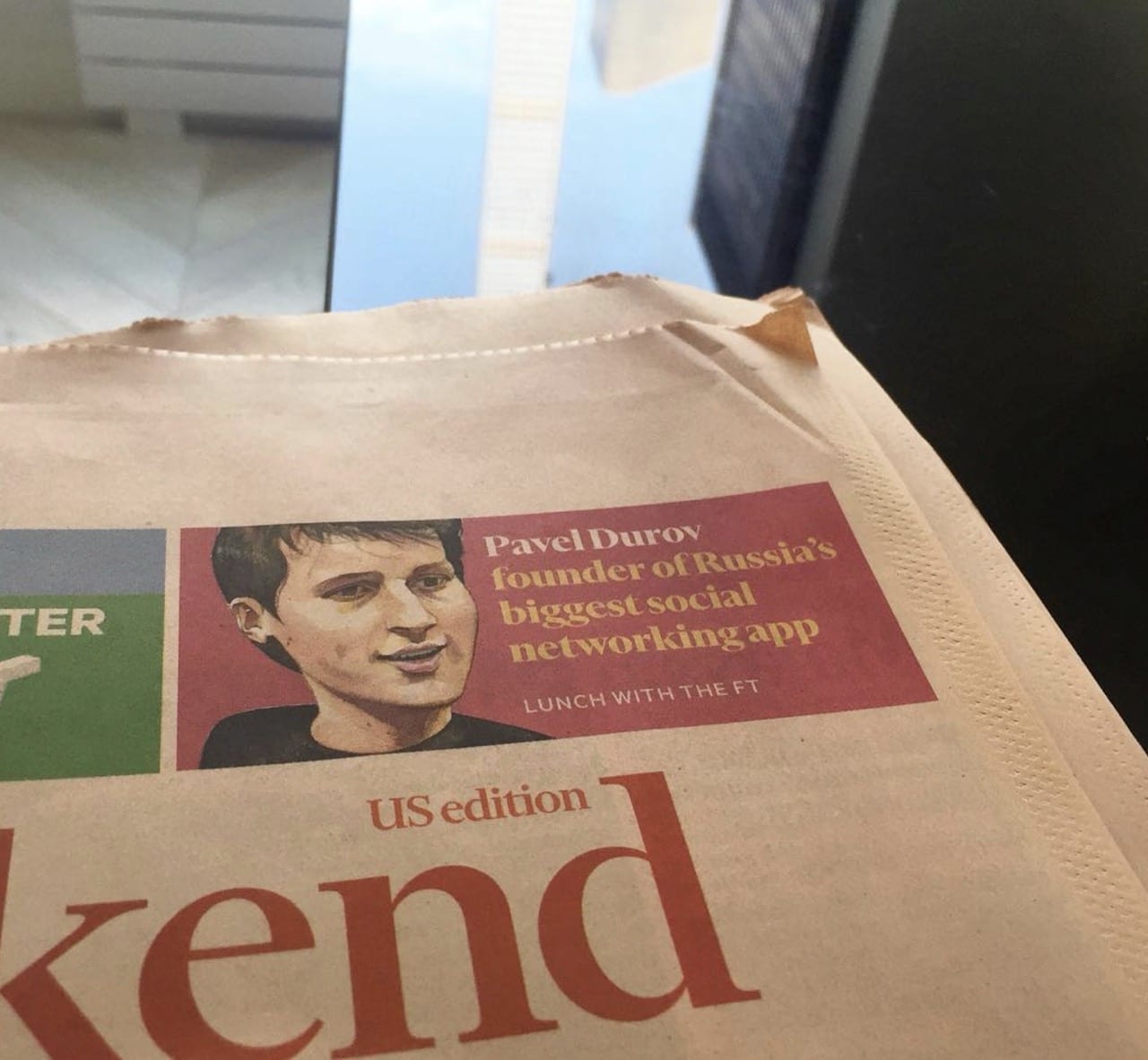
By April 2014, Durov was dismissed as the CEO of VK, which he later claimed to have learnt the news from the media. At the time, Durov ceded that VK was “under the complete control” of Putin’s close allies and Russian oligarchs, Alisher Usmanov and Igor Sechin.
Durov called the government takeover of VK “inevitable” and said that “I’m happy we lasted seven and a half years.”
Building Telegram: The Privacy Revolution
After leaving Russia, Durov spent years moving from country to country, looking for a place where he could build a messaging app without government pressure. That’s how Telegram came to life. From day one, the app was meant to be a safe space for people who wanted privacy. It focused on fast messages, strong security, and giving users more control than most other apps ever offered.
Founding Telegram (2013)
Telegram launched in 2013 with one simple mission: build a messaging app that governments could not quietly pressure into compliance. Pavel and Nikolai developed the core architecture themselves, including MTProto, Telegram’s custom encryption protocol.
Learning from their experience, the brothers intentionally kept operations as decentralized as possible. The company was headquartered in several jurisdictions, including Berlin, Germany, during its early days, but moved each time it failed to obtain residence permits for its team members. Eventually, Telegram set its base in Dubai, UAE, in 2017.
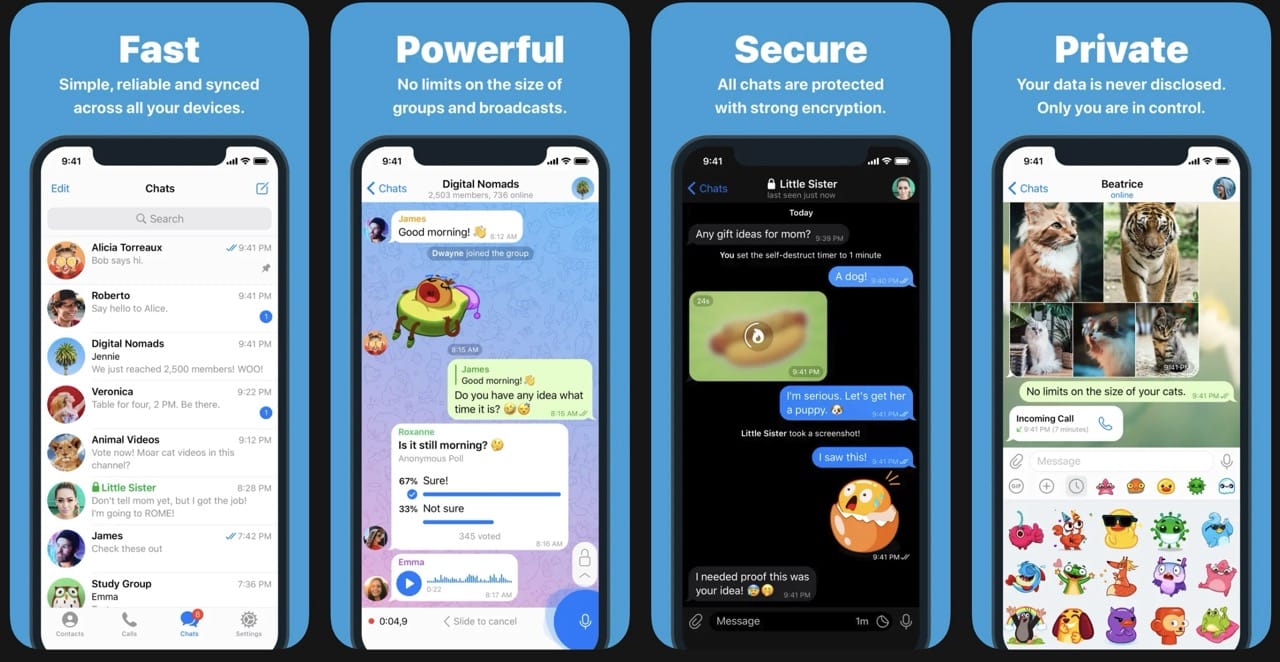
Telegram started with small adoption in Russia and Europe but quickly spread globally, especially in regions where censorship was common. The platform has been criticized as a “social media for organized criminals” due to its privacy-preserving properties, anti-censorship philosophy, and message encryption systems. Telegram was ultimately banned in Russia in 2018. Durov on X wrote,
When Russia demanded we hand over ‘encryption keys’ to enable surveillance, we refused, and Telegram got banned in Russia.
Global Growth and Popularity
Telegram’s growth was explosive. From its early user base in Europe, adoption jumped across the Middle East, Asia, the Americas, and eventually the rest of the world.
Online communities, activists, journalists, crypto enthusiasts, creators, and even small businesses began using Telegram for everything from discussions to streaming content to running full-fledged digital communities.
Telegram became the place where political opposition groups organized, where journalists shared updates, and where crypto founders built their launch communities. This mix of legitimate use and controversial activity brought Telegram into the center of global debates about privacy, surveillance, and the limits of free speech.
In August 2024, Durov wrote on X that Telegram’s exploding popularity and surge to 950 million monthly users had “growing pains that made it easier for criminals to abuse our platform.” He added that the platform was making improvements in this regard. In March 2025, Durov claimed that Telegram’s monthly active users crossed the 1 billion milestone.
Telegram’s Core Philosophy
Telegram’s philosophy is essentially an extension of Durov’s worldview. He believes the internet should be a place where freedom isn’t dictated by political cycles or government pressure.
This is why Telegram refuses to add backdoors, why it publishes transparency reports, and why Durov has stated multiple times that he is willing to leave any country rather than comply with demands that compromise user privacy. Another time, reflecting on the EU’s push for message-scanning laws, he warned, “Today the EU nearly banned your right to privacy… freedoms are still threatened.”
To sum it up, the core philosophies of Telegram are:
TON Blockchain: Telegram’s Leap Into Web3
Blockchain and cryptocurrencies are champions of decentralized and transparent systems. They are also a training ground for cutting-edge privacy technologies such as zero-knowledge proofs. Most importantly, public blockchains and cryptocurrencies are designed to counter censorship. Naturally, Durov was drawn to the technologies that ultimately led him to launch The Open Network [TON] in 2019.
TON is a layer-one public blockchain, similar to Bitcoin and Ethereum. The network facilitates peer-to-peer transactions without depending on centralized facilitators such as banks and traditional payment processors. TON also allows users to deploy decentralized applications on top of it. The platform’s native token, $TON, is used for payments, transaction fees, and various other on-chain activities.
Are you interested in reading expert analysis and forecasts on the future price of TON? Then, check out our Toncoin ($TON) Price Prediction 2025–2030.
The Vision Behind TON
The vision behind TON was always bigger than a simple crypto token. Durov imagined a financial and digital infrastructure embedded directly into Telegram. While Telegram championed censorship-free and surveillance-free communication, Durov wanted TON to allow users to exchange value in a permissionless manner over the internet.
In his posts, Durov often highlights TON’s role in democratizing finance. In Durov’s view, TON isn’t just a technology for crypto users; it’s an open and global financial layer that anyone can use via Telegram.
Telegram’s massive user base of over 1 billion people gives TON an advantage no other blockchain enjoys. It comes as no surprise that TON is among the top 30 most valuable crypto projects in the world with a market cap of over $4.8 billion.
TON and Telegram Today
Telegram and TON have entered a new phase of strategic alignment. While TON’s core development is community-driven, Telegram’s leadership, including founder Pavel Durov, has openly endorsed the network as the official blockchain ecosystem for Telegram.
This alignment became official in 2023 when Telegram announced full integration of TON’s wallet inside its app, starting with select regions. Since then, the two have shared infrastructure, branding momentum, and overlapping communities. TON’s blockchain now underpins Telegram’s native wallet, payments, and a growing mini app ecosystem that allows developers to build Web3-native experiences accessible through chat interfaces.
TON Integration Inside Telegram: Where Web2 Meets Web3
Telegram has evolved into much more than a messaging app, it’s now the gateway to a thriving Web3 ecosystem built on The Open Network (TON). Through a combination of wallets, mini apps, and payment tools, users can interact with crypto seamlessly inside familiar chat interfaces, blurring the line between traditional user experiences and blockchain functionality.
At the core of this integration is the @Wallet Mini App, a native Telegram wallet that lets users send and receive Toncoin, USDT (on TON), and even NFTs directly within chats. Transactions feel as natural as sending a message, making crypto transfers instant, secure, and social. Beyond simple payments, bots and mini apps built with HTML5 allow developers to embed Web3 functionality into everyday Telegram use, from decentralized exchanges and DeFi tools to NFT marketplaces and play-to-earn games.
Telegram’s username auctions and TON DNS add another layer of utility, allowing usernames and channel handles to exist as tokenized TON assets tradable on the Fragment marketplace. Combined with TON-powered payments for Telegram Premium, mini apps, and peer-to-peer commerce, these touchpoints transform Telegram into a distribution layer for the entire TON economy.
The TON Wallet itself bridges both crypto natives and newcomers. Advanced users enjoy full non-custodial control, while beginners benefit from simplified onboarding — no seed phrases, instant account setup, and recovery tied to Telegram’s infrastructure. With fiat on-ramps, biometric security, and nearly feeless payments, the experience is designed to onboard millions into crypto effortlessly.
In 2024, Telegram deepened this ecosystem by launching its advertising revenue-sharing model fully on TON. Channel owners now earn ad revenue in Toncoin, while advertisers spend Toncoin to reach audiences across Telegram’s billions of monthly views. Developers and creators can also integrate TON-based payment rails into mini apps and bots, creating a unified monetization layer across Telegram’s ecosystem.
Together, these integrations, from wallet functions and user-friendly onboarding to ads and in-app payments, make TON the financial backbone of Telegram’s expanding digital economy. It is positioned as one of the most powerful bridges between mainstream communication and blockchain innovation.
TON Ecosystem and Use Cases
TON’s ecosystem has rapidly expanded across payments, DeFi, gaming, identity, and tokenized assets. In fact, TON has over 200 active projects as of 2026. The TON Foundation provides grants, incubation programs, and developer support to scale the network’s reach.
Core Components: Payments, DeFi, Gaming, Identity, Tokenized Assets
Developer Tooling, Bridges, and Wallets
Developers can build with TON SDKs, APIs, and mini app templates, or integrate with bridges connecting Ethereum, BNB Chain, and Polygon. The ecosystem supports a growing wallet landscape, including Tonkeeper, Wallet, and OpenMask, ensuring users have flexible access to TON dApps.
How to Evaluate Projects Building on TON
When evaluating TON projects, investors should assess:
- Integration depth — does it utilize Telegram’s interface or user graph?
- Token utility — does the token or NFT interact meaningfully with the TON ecosystem?
- Adoption metrics — user activity, Telegram channel growth, and transaction volumes.
- Sustainability — revenue models, liquidity, and developer backing.
- Regulatory exposure — especially for projects blending fiat and crypto payments.
The SEC Case and Shutdown
But the journey to develop was not smooth and attracted intense regulatory scrutiny very early. In 2018, Telegram raised over $1.2 billion in token sales from global investors to develop TON. But the U.S. Securities and Exchange Commission (US SEC) saw the token distribution as an “unregistered offering of digital tokens” and filed a lawsuit that effectively blocked the launch.
Courts sided with the SEC, preventing Telegram from distributing TON tokens. The company was forced to refund investors and officially step back from the project. Telegram also paid a civil penalty of $18.5 million.
TON’s Revival by the Community
When Telegram stepped back from TON, members of the TON community stepped in to support and develop the blockchain. Most had expected the TON experiment to die quietly, but developers and validators around the world picked up the open-source repository and continued building. This community-led revival turned TON into one of the fastest-growing ecosystems in Web3.
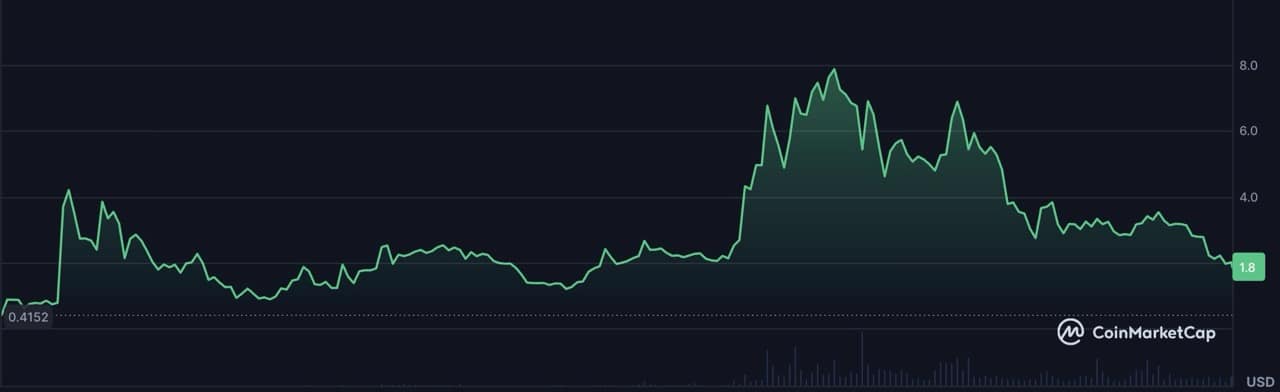
Later in 2024, Durov embraced this independent TON, integrating it deeply into Telegram’s product suite. Today, creating a crypto wallet on Telegram is as easy as a click of a button. Creators on Telegram are earning in TON, mini apps settle transactions on TON, and digital collectibles, such as usernames and NFTs, are minted and verifiable on the TON blockchain.
Legal Issues and Global Controversies
Pavel Durov’s strong stance on privacy and encryption quickly put him at odds with governments that wanted more control over digital communication. As Telegram grew into a huge global platform, it drew attention not only from users but also from regulators and politicians.
Authorities in many countries claimed that criminals and extremists were using Telegram, while Durov argued that weakening privacy for millions of people was not the answer. This back-and-forth shaped much of his public image and influenced how different governments treated him.
Over the years, officials repeatedly pressured Telegram to hand over user data, add backdoors, or censor political groups. Durov refused, saying Telegram would rather leave a country than break its commitment to privacy.
These long-running tensions eventually came to a breaking point in France in 2024, when Durov was arrested and placed under investigation by French authorities.
Telegram vs. Governments
- 2011-2014: Russian security services demanded that Durov hand over data linked to Ukrainian activists and opposition groups. His refusal later contributed to his forced exit from VK and exile from Russia.
- 2018: The Russian government bans Telegram after FSB requests for “encryption keys” were rejected by Durov.
- 2018 – 2020: Iranian authorities pressured Telegram to censor peaceful protesters. Durov declined again, and Iran banned the app.
- 2023 – 2025: Several European governments began targeting Telegram. Authorities claim Telegram was too resistant to oversight. France pushes hardest for EU-wide scanning of private messages, a move Durov slammed as “authoritarian.”
Content Moderation Challenges
Telegram’s open structure, featuring big channels, minimal friction, and easy broadcasting, has enabled activism and community building. But that structure has become a double-edged sword by attracting fraudsters, drug traffickers, extremists, and other criminal activity to the platform.
Durov has admitted that Telegram’s explosive growth to over 1 billion monthly users has made it difficult to moderate content, as he wrote in a post, “Growing pains made it easier for criminals to abuse our platform.”
Arrest in France (2024)
In August 2024, the tension between Telegram and Western governments escalated dramatically. Pavel Durov was arrested at Paris Le Bourget airport by French police, who claimed the platform had not adequately responded to law enforcement requests and was allegedly complicit in criminal activity.
They suggested he was personally responsible for crimes committed by users of the app, something Durov later called “legally and logically absurd.” He spent four days under interrogation before being released on bail.
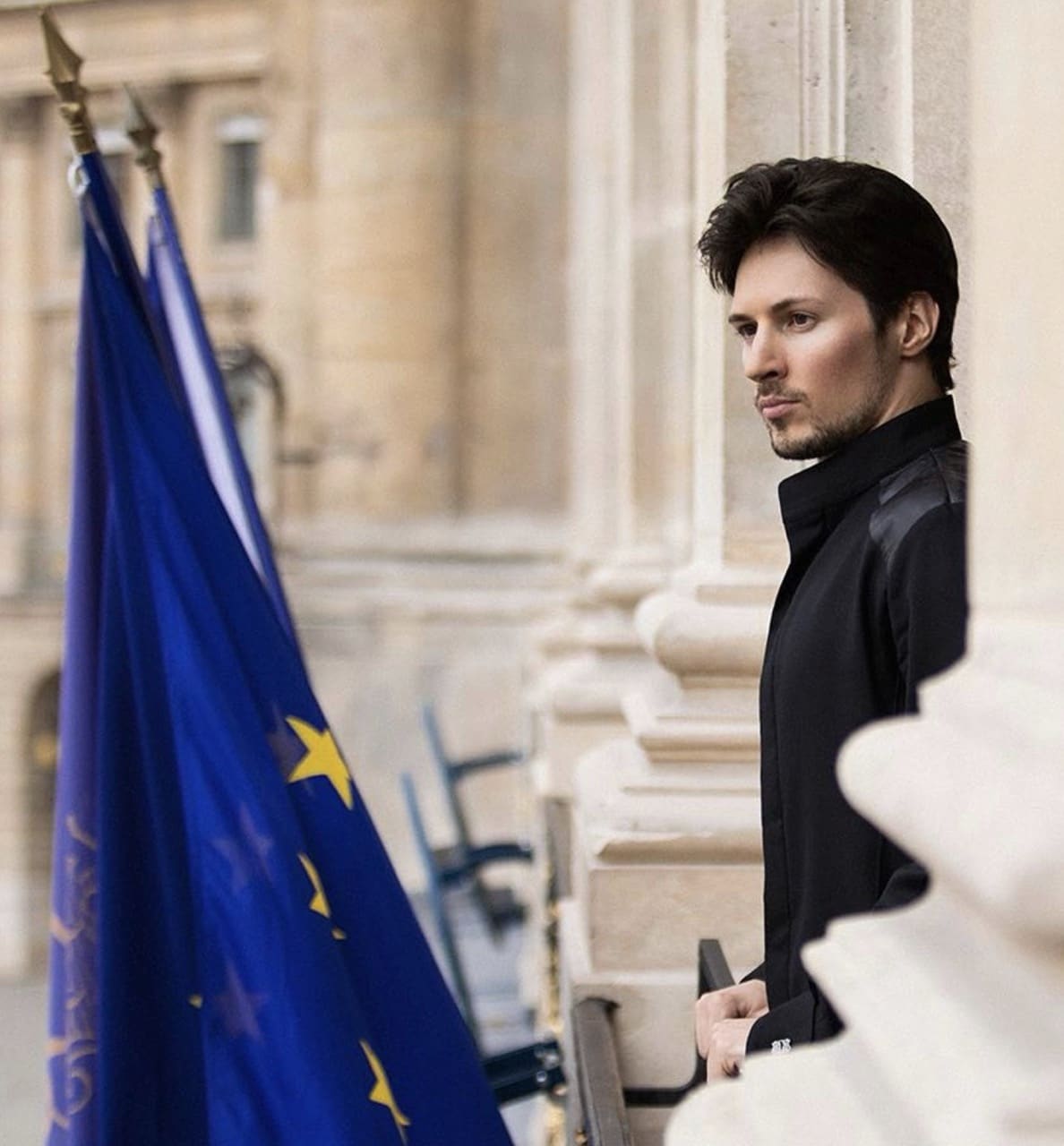
In August 2025, Durov posted on X that the criminal investigation against him was “struggling to find anything that I or Telegram did wrong.”
In September 2025, Durov accused French intelligence of asking him to help the Moldovan government censor certain Telegram channels ahead of the presidential elections in Moldova. In exchange, French authorities offered to say “good things” in court, Durov said after he refused the request.
In November 2025, French authorities lifted their travel ban on Durov, allowing him to leave France. He continues to be under investigation and faces criminal charges over Telegram’s reluctance to moderate certain content and alleged complicity in illegal activity.
Timeline of Major Career Events
Here’s a quick timeline of his major career moves.
| Year | Event |
| 2006 | Co-founds VKontakte (VK), which quickly becomes Russia’s biggest social network. |
| 2011-2014 | Faces pressure from Russian security services to hand over data on activists; refuses. |
| 2014 | Forced out of VK and leaves Russia, entering a long period of digital exile. |
| 2013-2015 | Launches Telegram with his brother; early growth accelerates across Europe and the Middle East. |
| 2018 | Russia bans Telegram after Durov refuses to hand over encryption keys to the Russian authorities. |
| 2018-2020 | SEC lawsuit halts the Gram token sale; Telegram officially steps away from TON. |
| 2021 | Obtains French and UAE citizenship; Telegram reaches hundreds of millions of users. |
| Aug 2024 | Arrested in France; accused of complicity in crimes committed via Telegram. |
| 2025 | Ongoing French case limits his travel, reflecting wider tensions around encrypted platforms. |
Personal Life, Citizenship & Net Worth
Pavel Durov keeps most of his personal life intentionally private, but a few details have become public over the years. He has lived in multiple countries, holds several citizenships, and often describes himself as a global citizen rather than belonging to any single nation. According to Wikipedia, Durov has been a citizen of Saint Kitts and Nevis since 2013 and the United Arab Emirates since 2021. He has also been a French citizen since 2021.
Durov’s 2025 net worth is estimated to be $17.1 billion based on Forbes estimation. The main contributor to Pavel Durov’s net worth is his stake in Telegram and earlier gains from VK. Forbes estimated his wealth grew 10x from $1.7 billion in 2018 to $17.1 billion in 2025.
In 2023, Durov confirmed that he owns Bitcoin; according to the Block, Durov bought 2,000 Bitcoin for $1.5 million more than a decade ago. As of November 2025, 2,000 Bitcoin were worth nearly $200 million.
Inheritance and Family
Durov comes from an academically distinguished family. His father and mother were university professors. In the past, he has referred to his older brother Nikolai as a mathematical genius who helped him write the code for VK and Telegram. Via Telegram and X, Durov shared three lessons his father gave him: lead by example, focus on the positive, and prioritize conscience.
Although Durov is not married, he is known to have three children, and he has hinted that they will inherit his assets one day. He revealed in 2025 that his net worth was roughly $17 billion and that he plans to leave his fortune to over 100 children, after stating in to Le Point:
“I want them to live like normal people, to build themselves up alone, to learn to trust themselves, to be able to create, not to be dependent on a bank account.”
If I told you that a billionaire, visionary tech founder was leaving his large fortune to his more than 100 children, you might ask me what genre movie I was talking about. However, this is real life, or should I say, Pavel’s real life.
Pavel Durov’s Ideology & Philosophy
Durov’s views are shaped by a mix of libertarian ideas, digital freedom, and his own distrust of government power. After he was forced out of VK by the Russian authorities, his outlook changed completely. He came to believe that no government should be able to control what people say online.
He often talks about freedom in emotional terms, not just legal ones. To him, privacy is something passed down from earlier generations. And he believes it can disappear very quickly if people stop fighting for it.
He often warns that Western countries are starting to use the same surveillance tactics we used to associate only with authoritarian governments. On October 7, 2025, he even wrote a Telegram and X post to mark his 41st birthday, saying:
Our generation is running out of time to save the free Internet built for us by our fathers. What was once the promise of the free exchange of information is being turned into the ultimate tool of control … A dark, dystopian world is approaching fast, while we’re asleep. Our generation risks going down in history as the last one that had freedoms, and allowed them to be taken away.
Conclusion
Now you’re caught up on who Pavel Durov is, what he’s built in Web2 and Web3, and why he is one of the most interesting founders of our time. From building social media megaliths to combining those apps with blockchain technology, Pavel has been there and done that. He also has the vast fortune to show for it.
Pavel Durov’s story is inspiring. He’s built two major social media giants and ventured into Web3. At the same time, he’s championed digital privacy and anti-censorship while resisting government force and requests to compromise on free speech.
As the world becomes more connected and digitalized, individuals such as Durov become more important. Durov speaks for the interests of the common man, and his efforts have not gone unnoticed. Durov today is one of the most highly-regarded tech entrepreneurs of his generation.
DISCOVER:
- Crypto Exchange Promos & Discounts
- Crypto Wallet Promos & Discounts
- Who is Andrew Tate? Net Worth, Biography & More
- The Trump Family: Business Empire, Politics & Crypto
- Who is Michael Saylor? BTC Billionaire & Strategy Founder
- Who is Elon Musk? Biography, Companies & Net Worth
- Cameron & Tyler Winklevoss: Net Worth & Crypto Connection
FAQs:
What is Pavel Durov’s age and birth date?

He was born on October 10, 1984, making him 41 years old in 2025.
What is Pavel Durov’s height?
Pavel Durov’s height is reportedly around 5 ft 10 in. (178 cm).
What is Pavel Durov’s net worth in 2025?
According to Forbes, Durov’s estimated 2025 net worth is about $17 billion.
Is Pavel Durov the founder and CEO of Telegram?
Yes, Pavel Durov is Telegram’s founder and its long-time CEO.
What is TON and how is it related to Telegram?
TON is a public blockchain integrated into Telegram’s ecosystem for payments, NFTs, apps, and digital assets.
How do TON wallet and mini apps work inside Telegram?
Users access TON wallets and mini apps directly in Telegram for payments, gaming, trading, and digital services.
What do we know about Pavel Durov’s family and inheritance?
In an interview with Le Point, Durov revealed that he has fathered more than 100 children as a result of donating sperm fifteen years ago. Durov clarified that he was the “official father” of six children by three different partners. Pavel Durov’s inheritance fortune, valued at over $17 billion, will be shared equally among all his children, he added.
What happened with reports of Pavel Durov's arrest?
Durov was detained in France in 2024 over platform misuse claims and then released under judicial supervision. He later revealed that the French police were struggling to find any evidence against him.
Who is Pavel Durov's girlfriend?
Durov keeps his personal relationships private; no confirmed public partner is known.
References:
- Durov’s Code. “Pavel Durov: Lex Fridman Interview Summary.” Durov’s Code, https://durovscode.com/pavel-durov-lex-fridman-interview.
- Newton, Casey. “Russia’s Zuckerberg Says He Fought the Government over Ukraine.” The Verge, 16 Apr. 2014, https://www.theverge.com/2014/4/16/5621772/russias-zuckerberg-says-he-fought-the-government-over-ukraine.
- U.S. Securities and Exchange Commission. “SEC Obtains Final Judgment Against Telegram Group Inc. and Its CEO.” SEC.gov, 26 June 2020, https://www.sec.gov/newsroom/press-releases/2020-146.
- National Institute of Standards and Technology. “Private Key.” NIST Computer Security Resource Center, https://csrc.nist.gov/glossary/term/private_key.
- National Institute of Standards and Technology. “Blockchain.” NIST, https://www.nist.gov/blockchain.
- Massachusetts Institute of Technology Sloan School of Management. “Cryptocurrencies and Decentralized Finance (DeFi).” MIT Sloan Center for Finance and Policy, https://mitsloan.mit.edu/cfi/cryptocurrencies-and-decentralized-finance-defi.

Why you can trust 99Bitcoins
Established in 2013, 99Bitcoin’s team members have been crypto experts since Bitcoin’s Early days.
Weekly Research
100k+Monthly readers
Expert contributors
2000+Crypto Projects Reviewed