




In This Article
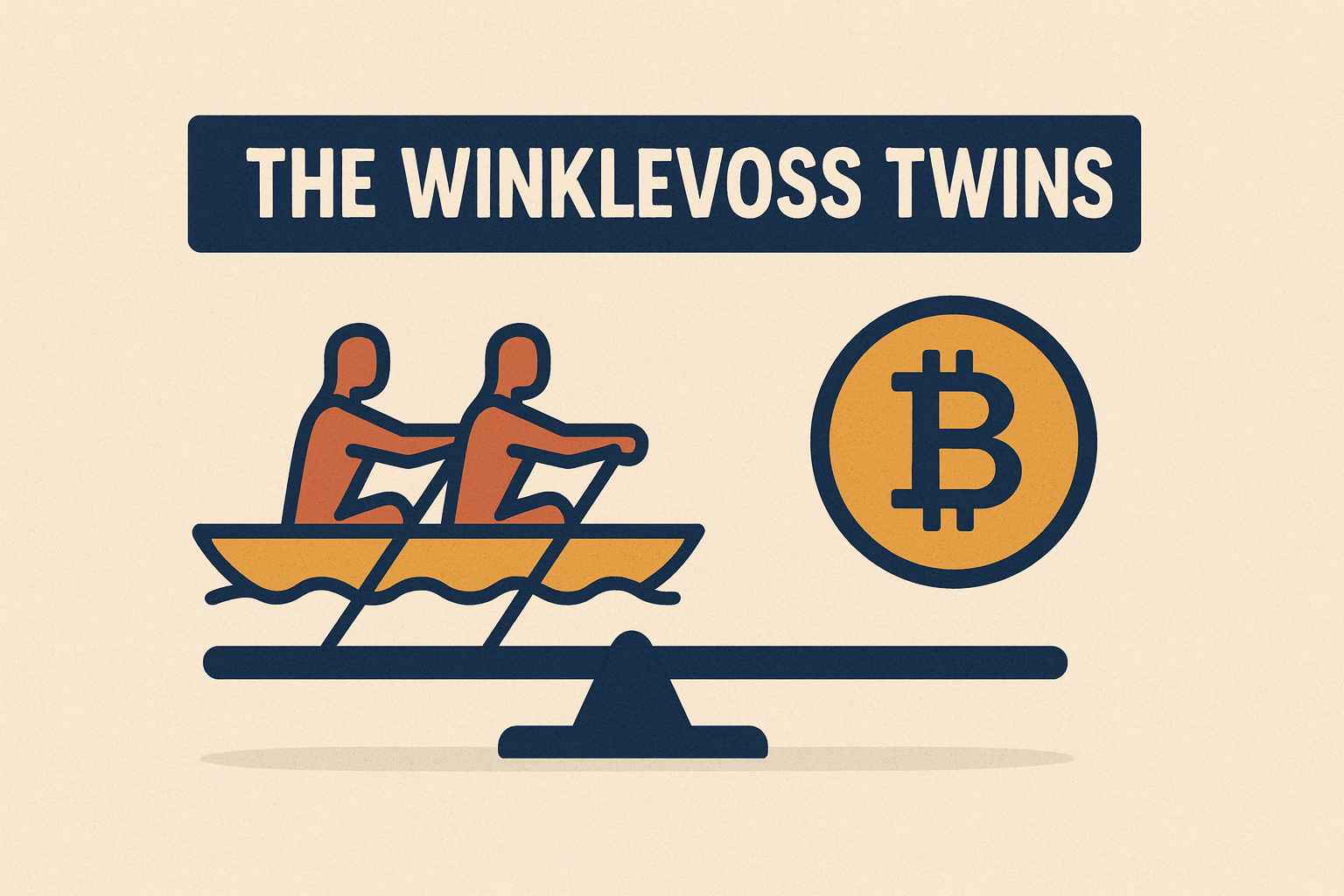
The story of Cameron and Tyler Winklevoss has become one of those rare tech journeys people actually remember. The Winklevoss brothers went from Harvard projects and Olympic rowing to making one of the earliest big calls on Bitcoin, and that decision ended up reshaping their entire path.
Over time, they turned that early move into a full mix of businesses, investments, and long-running influence across the crypto world, which is why their names still pop up so often today. In this article, we will break down how the Winklevoss twins built their wealth, explore their major investments and crypto ventures, and trace how their early Bitcoin conviction paid off over time.
Quick Facts About Winklevoss Twins
Key Takeaways
- The Winklevoss twins started in athletics and tech before building a major presence in crypto
- Their Facebook settlement funded early Bitcoin purchases that became the base of their wealth
- They hold around 70,000 BTC, which remains the largest part of their net worth
- Gemini became their long-term business project and helped grow their public influence
- Their venture activity through Winklevoss Capital expanded their reach across multiple industries
Who Are Cameron and Tyler Winklevoss?
Cameron Winklevoss and Tyler Winklevoss are American identical twins born on August 21, 1981. They first made headlines as Olympic rowers, then again through their high-profile legal battle involving Facebook and Mark Zuckerberg, and later as early Bitcoin investors.
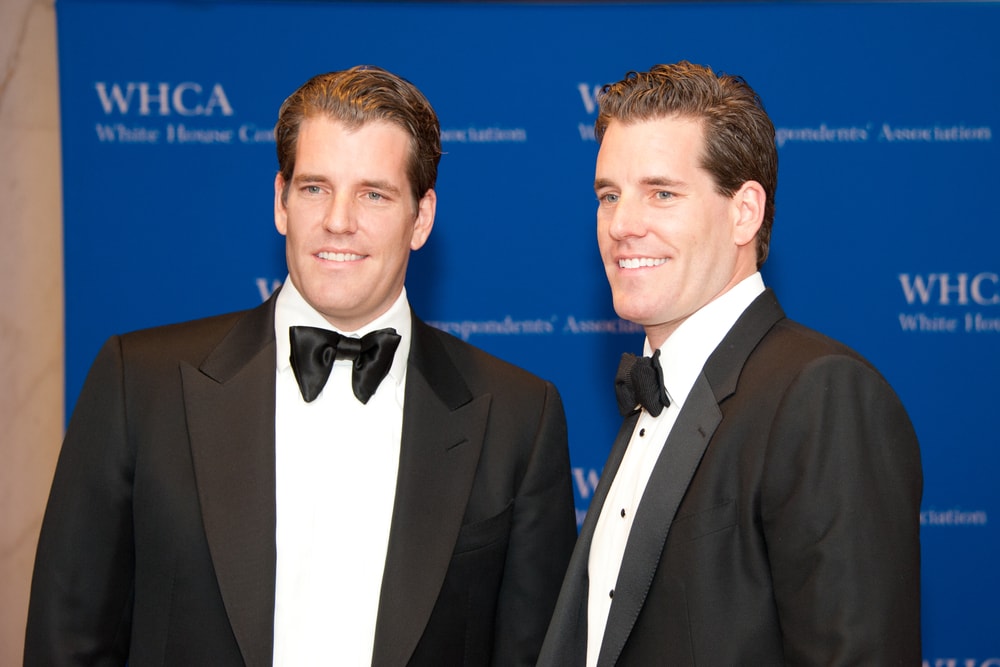
Over the years, they’ve grown into some of the most recognizable names in the cryptocurrency world, building a presence that now spans tech, finance, and venture capital. Today, they’re best known for founding Gemini, a cryptocurrency exchange that’s become one of the most trusted platforms for trading digital assets.
From Harvard classrooms to the Olympic stage, and into the heart of the crypto industry, their story covers it all.
Early Life, Parents, and Education
The Winklevoss twins were born in Southampton, New York, and raised in Greenwich, Connecticut. Their father, Howard Winklevoss Jr., was a senior academic who taught at Wharton and ran a business tied to actuarial science. Their mother, Carol Leonard, came from a performing arts background. This mix of academics and creativity shaped much of their early outlook.
They went to Greenwich Country Day School, then moved on to the Brunswick School, where they studied Latin, Ancient Greek, and in Tyler’s case, classical piano for over a decade. In high school, the two co-founded a crew team because their school didn’t have one, showing their early drive to build things from scratch.
Later, both brothers enrolled at Harvard University, where they earned economics degrees in 2004. They didn’t stop there. Both went on to attend other universities, earning MBAs from Oxford’s Saïd Business School in 2010. That mix of elite education and a solid upbringing gave them a strong foundation for everything they did next.
Harvard Years and Rowing
At Harvard, Cameron and Tyler were standout athletes on the men’s varsity crew team. They trained under legendary coach Harry Parker and helped the Harvard heavyweight eight boat go undefeated in 2004, winning major events like the Eastern Sprints and the Intercollegiate Rowing Association Championship.

Their love for rowing started around age 15 when they joined the Saugatuck Rowing Club in Connecticut. Since their high school didn’t have a team, they created one, and their efforts paid off when they qualified for the U.S. Junior National Team by 1999.
In 2008, they reached one of the highest levels in the sport by representing the U.S. at the Beijing Olympics in the men’s coxless pair event. They placed sixth, and while they didn’t take home medals, their Olympic performance showed the kind of determination that would later carry over into business, investing, and the crypto space.
Facebook Dispute and Settlement
While at Harvard, the twins teamed up with Divya Narendra to create HarvardConnection, later rebranded as ConnectU. It was designed as a social network, and they brought in Mark Zuckerberg to help with development. That move sparked one of tech’s most famous legal battles.
They accused Zuckerberg of stealing their idea and using it to build what became Facebook. In 2004, they filed a lawsuit that ultimately ended in a settlement worth around $65 million in cash and Facebook stock.
The twins later challenged the deal, saying the stock had been undervalued, but in 2011, the courts upheld the original terms. That chapter of their story became widely known, especially after the release of The Social Network, where Armie Hammer and Josh Pence portrayed both brothers. The case gave them national attention and set the stage for the next part of their careers.
From Settlement to Startup Investing
After the Facebook settlement, the Winklevoss twins launched Winklevoss Capital, a venture firm based in New York. The firm started backing startups in everything from fintech to logistics, including names like Flexport and Animoca Brands.
Their conviction in cryptocurrency led them to build Gemini in 2014, a crypto platform and cryptocurrency exchange focused on regulation, security, and ease of use.
Their work with Gemini, combined with investments in other digital assets, made them leading voices in the crypto world. From Bloomberg interviews to keynote appearances, they’ve stayed involved in shaping policy, adoption, and innovation.
They’ve continued to speak out about ownership, financial independence, and the importance of trust in modern platforms. Whether you see them as early genius investors or as relentless entrepreneurs, their journey from Facebook’s origins to the evolving world of digital assets shows how long-term vision can shape entire industries.
Cameron and Tyler Winklevoss and Their Move Into Bitcoin
Cameron and Tyler Winklevoss stepped into Bitcoin at a time when most people had barely heard of it. They were looking for their next big venture after their earlier tech and athletic achievements, and the idea of a new digital asset system caught their attention.

Once they started digging into how Bitcoin worked, the potential they saw pushed them to make a bold move that ended up defining a large part of their public identity in the years that followed.
Bitcoin Entry and Holdings
Cameron and Tyler Winklevoss began their large-scale interest in Bitcoin in the early 2010s, using part of their settlement funds from the Facebook, Inc. dispute to start acquiring the digital asset. In 2013, they publicly revealed that they owned approximately 1% of all Bitcoin in circulation at the time, and they built that position when individual coins were still priced in the single digits.
Over the years, various estimates have placed their holdings at around 70,000 BTC combined. Their early entry and substantial position gave them a strong presence in the crypto world and helped establish them as some of the first major Bitcoin billionaires.
Their Bitcoin investment reflected more than a financial play because it showed how strongly they believed in the long-term potential of the asset and how committed they were to backing it early.
Gemini: Exchange and Ecosystem
Their early conviction in Bitcoin eventually led them to co-found the cryptocurrency exchange Gemini Trust Company, LLC in 2014. They designed Gemini to operate with regulatory oversight and aimed to build a platform that users could trust for buying, selling and storing digital assets in the United States.
As the exchange grew, Gemini expanded its services with custody solutions, block trading options and international availability, turning it into a full ecosystem rather than a simple trading platform.
In 2025, the company went public with an Initial Public Offering that valued Gemini at about 4.4 billion dollars, which marked a major milestone for the twins and highlighted how far their Bitcoin-related venture had grown.
Through Gemini, they created an environment for digital asset adoption that used their reputation, early mover status and long-standing belief in crypto as a whole.
Broader Crypto Involvement
Their work in crypto did not stop at Bitcoin or Gemini. Through Winklevoss Capital Management, they invested in a wide range of early-stage startups and token-based projects, including companies in crypto infrastructure, gaming and Web3.
They also used their public platforms and media presence to advocate for Bitcoin, promote its role as a store of value and push for clearer regulatory frameworks that would help digital assets gain mainstream acceptance.
Their journey has included challenges, such as the issues surrounding Gemini’s Earn lending program, which ran into regulatory trouble and affected customer funds. Situations like this reflect how fast the crypto sector evolves and how quickly risks can surface.
By connecting their early Bitcoin holdings, their exchange platform and their wider venture investments, the Winklevoss twins became central figures in the crypto ecosystem and helped shape how digital assets reached a broader audience.
Cameron and Tyler Winklevoss Net Worth
Cameron and Tyler Winklevoss have turned a once-modest settlement and a background in rowing and tech into a multi-billion-dollar financial presence.

Their wealth taps into early Bitcoin bets, ownership in major crypto companies, venture-capital activities and a high-profile public image.
Looking at each of these factors gives us a clearer sense of how their fortune has been built and the current scale of what they own.
Major Assets and Business Holdings
Cameron and Tyler Winklevoss have built up serious wealth over the years, with most of it tied to Bitcoin and the businesses they’ve created around it. They’re still considered some of the biggest individual Bitcoin holders in the world, with at least 70,000 BTC to their names. That alone is worth about 8 billion dollars today, making it the single biggest part of their net worth.
On top of that, they own a huge chunk of their crypto exchange, Gemini. Based on SEC filings, the brothers hold around 75 million shares in the company. As of September 2025, those shares were valued at roughly $2.78 billion.
All things considered, their net worth is built on a mix of long-term crypto bets and business ownership, but it moves fast with the market. When crypto’s up, so are they. When things cool off, they feel it just as quickly.
They also used the $65 million Facebook settlement as early capital, allowing them to buy Bitcoin and fund other ventures long before the wider public took notice. Altogether, their largest assets combine long-term crypto exposure, high-value equity stakes, and early settlement funds that multiplied through strategic investing.
Business Ventures Beyond Gemini
The twins also built a wide-ranging investment footprint beyond their main exchange. In 2012 they launched Winklevoss Capital Management, a New York-based venture firm that has invested in more than 165 companies across fintech, gaming, consumer brands, blockchain infrastructure, and token-driven networks. These investments give them exposure to a broad set of industries rather than relying solely on crypto markets.

Their firm has backed companies in areas like digital gaming, blockchain tools, and direct-to-consumer brands, giving them access to fast-growing sectors. By holding both equity and token positions across different companies, they added layers of diversification that support long-term wealth building.
This wider portfolio strengthens their financial base by spreading their interests across multiple industries, which helps balance the volatility of crypto and increases their chances of benefiting from emerging technology trends.
Media, Public Image, and “Winklevii”
Cameron and Tyler’s public image has played a major role in their financial success, even though it is not a traditional asset. Their nickname, “Winklevii,” became part of their identity and helped make them recognisable figures far outside the crypto community. Their story, from the Facebook legal battle to competing in the 2008 Olympics to becoming early Bitcoin investors, has been covered across media, books, and interviews, which built a strong public brand.
That visibility makes it easier for their companies to gain attention, attract partners, and build trust with investors. Their reputation as early crypto adopters also gives them credibility in an industry where trust and leadership matter. The more visible they became, the easier it was for them to scale their businesses and create new opportunities.
In the end, their public persona works alongside their financial assets. The combination of large crypto holdings, major business stakes, diversified investments, and strong media presence supports the value of everything they built and continues to shape how they are viewed in the financial and tech world.
Conclusion
Cameron and Tyler Winklevoss built a career that blends tech, athletics, investing, and early crypto conviction. Their move from Harvard and Olympic rowing into the heart of the digital asset world came from a mix of timing, long-term vision, and a willingness to take big swings before the rest of the market paid attention.
Their early Bitcoin position turned into a multi-billion-dollar foundation. Gemini became their main entry into the regulated exchange space, and their venture portfolio added a wide range of companies across fintech, gaming, and blockchain. Even when the crypto landscape shifted and brought new challenges, the twins remained visible and active across the industry.
Their story shows how a single opportunity can evolve into an entire ecosystem of businesses, investments, and influence, especially when paired with consistency and long-running conviction in new technology.
See Also:
- Who is Elon Musk? Biography, Companies & Net Worth
- Who is Shibetoshi Nakamoto (Billy Markus)?
- Risks Behind MicroStrategy’s Bitcoin Bet Explained
- Who is Anatoly Yakovenko? Founder of Solana
FAQs
Are Cameron and Tyler Winklevoss billionaires?

Yes, they are considered billionaires thanks to their early Bitcoin purchases and the companies they built around crypto.
How old are the Winklevoss twins?
They were born on August 21, 1981, which puts them in their mid-forties.
Who are the parents of the Winklevoss twins?
Their father is Howard Winklevoss Jr., who worked in actuarial science, and their mother is Carol Leonard, who came from a family involved in the arts.
How much Bitcoin do the Winklevoss twins hold?
They are widely reported to hold around seventy thousand Bitcoin, a position they built when the price was still low.
How much did the Winklevoss twins get from Facebook?
Their legal dispute with Facebook ended in a settlement worth about sixty-five million dollars in cash and stock.
How much are the Winklevoss twins worth today?
Most estimates place their combined net worth in the multi-billion-dollar range, although it fluctuates with the crypto market.
Why are the Winklevoss brothers called the Winklevii?
The nickname caught on because it plays off their last name and the fact that they are identical twins, and it became popular through media and entertainment.
References
- Penn Today. “A Beginner’s Guide to Cryptocurrency.” Penn Today, https://penntoday.upenn.edu/news/beginners-guide-cryptocurrency.
- FIDO Alliance. “Gemini Case Study.” FIDO Alliance, https://fidoalliance.org/comm_deployment/gemini/.
- Harvard Business School. “Bitcoin.” Harvard Business School, https://www.hbs.edu/faculty/Pages/item.aspx?num=48004.
- MIT Sloan. “Blockchain Explained.” MIT Sloan, https://mitsloan.mit.edu/ideas-made-to-matter/blockchain-explained.

Why you can trust 99Bitcoins
Established in 2013, 99Bitcoin’s team members have been crypto experts since Bitcoin’s Early days.
Weekly Research
100k+Monthly readers
Expert contributors
2000+Crypto Projects Reviewed