






In This Article
The room’s dark, illuminated only by the faint glow of a dozen trading screens. Half-empty cans of Red Bull, Post-it notes scribbled with half-baked strategies, and cold pizza crusts litter the battleground. The trader sits hunched, staring blankly as Bitcoin’s price plummets faster than a lead balloon. The market cap evaporates billions in mere minutes, and CNBC anchors scream “next crypto crash incoming!” like it’s a new Netflix thriller.
You’ve seen this movie before. The hero (our brave investor) rides high, throws money into meme coins, and dances with leverage like they’re partners at a tango competition. But suddenly, liquidity dries up faster than tequila at a frat party, and everything spirals into a spectacular collapse.
Key Takeaways
- Crypto market crashes differ significantly from traditional stock market crashes, no circuit breakers, 24/7 volatility, and heavy retail participation.
- Overleveraged crypto firms and ETF products amplify volatility, increasing the risks of liquidation cascades.
- Institutional Bitcoin treasuries like MicroStrategy pose systemic risks if forced to sell during market downturns.
- Macroeconomic factors such as bond market instability and higher interest rates can drastically impact crypto assets.
- Historically, crypto crashes like Mt. Gox, the ICO bubble, and Terra–Luna collapse offer key lessons on liquidity and counterparty risk.
- Investors can mitigate damage by understanding the underlying causes and recognizing early signs of a crypto crash.
But hold your panic-selling, my friends. This ain’t your grandma’s stock market, crypto market risks are an entirely different animal. Unlike traditional asset classes, digital assets trade 24/7, with no safety nets, no circuit breakers, and certainly no crying to the SEC for halts. A crypto market crash evaporates portfolios and annihilates dreams, causing grown adults to scream into pillows while desperately refreshing Yahoo Finance, praying Bitcoin rose a few percent.
So why the hell should you care about the next crypto crash in 2026? Simple. Understanding the major risks and causes of crypto crashes can save your portfolio and sanity from certain doom.
We’re not here to preach doom and gloom. Hell no. This guide is about staying smart, spotting the red flags, and knowing exactly when to duck before another Bitcoin price crash sucker-punches your wallet. We’re diving deep into what really happens when crypto markets implode, highlighting signs of crypto crash scenarios, decoding the causes, and dissecting lessons from past crypto crashes. We’ll even tap experts to spill their inside tea.
Ready to survive and thrive in the next crypto apocalypse? Buckle up, this ride ain’t for the faint-hearted.
Crypto Market Crash: Summary
Let’s cut the fluff: crypto crashes aren’t rare events. They are a built in part of the game. One minute, everyone’s shouting “WAGMI,” the next, it’s digital blood on the streets and panic tweets about liquidation. If you’ve been in crypto long enough, you know the cycle: euphoria, greed, FOMO… then boom—capitulation.
This article isn’t about fearmongering, it’s about reading the signs before the floor drops out. We’ll break down the six biggest red flags that usually flash right before the next crypto meltdown, signals that the smart money spots while the herd is still buying the top.
Whether you’re sitting on blue-chip digital currencies like Bitcoin and Ethereum or YOLO-ing into meme coins and microcaps, you need to know when to get cautious. In 2026, the stakes are higher, the leverage is heavier, and the exit doors are smaller. So buckle up, this is your crash course in spotting the next crypto crash before it wrecks your bag.
What is Crypto Market Crash?
Think about it like this: Bitcoin rose to a tidy all-time high, investors got cocky, and then suddenly, bam! Billions vanish into thin air as everyone stampedes toward the exits. Unlike the stock market, where regulators like the Federal Reserve or state securities regulators might hit pause when trading turns chaotic, crypto runs 24/7. No market closures, no lunch breaks, and certainly no mercy.
Now, some folks confuse crashes with corrections. Big difference. A cryptocurrency crash vs. correction comparison is like comparing a bar fight to a playful shove, one hurts your pride, the other knocks you flat on your back. Corrections are moderate drops of around 10%-20%, typical in healthy markets. Crashes, though? We’re talking brutal declines, often 40% or more, happening rapidly, leaving portfolios bleeding red.

Then there’s the crypto bear market, which is like an extended hangover after the party. Prolonged declines that grind investors down over months or years. A bear market tests patience; a crash tests your sanity.
Crypto crashes hit harder than traditional asset classes because cryptocurrencies depend heavily on retail sentiment, amplified by leverage-hungry investors and emotional decision-making. The volatility is wild, unpredictable, and frankly intoxicating, until it’s not.
The impact? It goes beyond financial losses. Investors and consumers who invested their savings experience severe stress, withdrawals freeze on crypto exchanges, and liquidity evaporates like water in Death Valley. Firms file for bankruptcy, banks shut down crypto-friendly accounts, and the news headlines scream chaos. When a crypto crash hits, it’s not just your portfolio that suffers, it shakes the confidence of an entire generation of investors.
But hey, don’t panic just yet. Understanding what separates crypto crashes from traditional stock market dips, being aware of their emotional and systemic impact, and staying informed is your best armor. Because trust me, the crypto market won’t warn you politely, it’ll sucker-punch you when you least expect it.
What Causes a Crypto Crash?
A crypto market crash rarely has a single cause; it is usually the result of several vulnerabilities snapping at once. Think of it as a chain reaction triggered by leverage, fragile liquidity, macro shocks, regulatory surprises, and technical failures all feeding into each other until confidence collapses.
Leverage is often the first accelerant. Crypto is saturated with margin trading, perpetual futures, and collateralized borrowing in both DeFi and centralized exchanges.. When prices start to dip, overleveraged positions hit liquidation thresholds, forcing automated selling. That forced selling pushes prices lower, which triggers even more liquidations—a cascading feedback loop where a modest pullback turns into a vertical flush. The more leverage in the system, the more violent the cascade.
Liquidity is the second weak link. In bull markets, it feels like you can sell anything instantly; in stress, liquidity evaporates. Market makers pull back, order books thin out, and large sell orders move price dramatically. If big centralized players or lending platforms freeze withdrawals or gate redemptions, fear spikes further. Assets that looked “blue chip” suddenly trade like distressed penny stocks because there are simply not enough real bids when everyone races for the exit.

Macro shocks add another layer of pressure. Rising interest rates, surging bond yields, recession fears, or a broad risk‑off move in equities can all prompt large holders to de‑risk across the board, including crypto. Since many investors treat digital assets as part of their speculative or “high beta” bucket, they are often the first things sold when cash becomes scarce or margin calls hit elsewhere. What starts as a macro adjustment quickly becomes a crypto‑specific rout as local leverage and thin liquidity do the rest.
Regulation and enforcement actions can flip sentiment almost instantly. Surprise lawsuits, enforcement actions against major exchanges or issuers, new restrictions on stablecoins, or unexpected tax rulings can call into question core assumptions about how and where crypto can be traded. Even before the legal dust settles, many market participants choose to exit first and ask questions later, amplifying volatility as narratives shift from “institutional adoption” to “regulatory clampdown” overnight.
Technical and protocol‑level risks round out the picture. Smart contract bugs, bridge hacks, oracle failures, or design flaws in tokenomics can wipe out billions in value in minutes. Because so many crypto assets are interconnected—used as collateral, paired in liquidity pools, or rehypothecated across platforms—a failure in one corner can force deleveraging and losses across others. This is where contagion takes over: a single altcoin collapse, stablecoin de‑peg, or major exchange insolvency can trigger margin calls, forced selling, and solvency concerns throughout the ecosystem.
Put together, crypto crashes are not simple price dips; they are system‑wide stress tests where leverage, liquidity, macro conditions, regulation, and technology all interact. Without understanding these dynamics and preparing for them, investors do not just experience volatility, they face the risk of sudden, cascading losses that can reprice an entire market in a matter of days.
Historical Crypto Crashes and What We Learned
Let’s rewind the tape. If you think today’s volatility is bad, wait until you meet crypto’s greatest hits, market meltdowns that turned millionaires into bagholders overnight. Every crash taught us something. Most of us ignored it. Here’s a highlight reel of the pain:
2013: Mt. Gox Meltdown Ah yes, the original sin. Mt. Gox handled over 70% of all Bitcoin trades… until it didn’t. The exchange “lost” 850,000 BTC and filed for bankruptcy, proving two things: Lesson? Trusting centralized exchanges with your digital assets is like handing your cash to a blackjack dealer and walking away, which is why it’s always recommended to use non-custodial wallets like Best Wallet. This kind of wallet lets you store your private keys. 2018: The ICO Bloodbath This was peak crypto euphoria. Everyone was launching tokens, whitepapers were printed with crayons, and investors were throwing money at altcoin crash bait like it was candy. Then the house of cards collapsed. Ethereum nosedived. Retail got wrecked. Lesson? Hype is not utility. Tokens without real-world use or developer support are just expensive memes. 2020: COVID Flash Crash Global markets panicked. Macroeconomic factors affecting crypto went DEFCON 1. Bitcoin plunged nearly 50% in two days. Everyone wanted cash, not crypto. For a brief moment, the idea of “digital gold” looked like a cruel joke. Lesson? Crypto isn’t immune to global fear. When the world panics, digital currencies become just another asset to sell. 2022: Terra–Luna & FTX: The Twin Towers of Collapse First, Terra’s “stablecoin” vaporized $60B overnight. Then Sam Bankman-Fried pulled a full Enron cosplay at FTX. Three Arrows Capital? Gone. Voyager? Toast. Celsius? Adios. Billions wiped. Consumers left stranded. Lesson? Centralized platforms, fake liquidity, and unsustainable APYs are a recipe for destruction. Also, maybe don’t trust billionaires with god complexes.
Each crash showed new flaws in the system. Overleveraged crypto firms, regulatory blind spots, fragile liquidity, and blind investor faith. Lessons from past crypto crashes are plentiful. The problem? Most people don’t study history until it repeats… in their portfolio.
Cryptocurrencies Most Vulnerable in Market Crash
When a crypto crash hits, not all tokens are created equal. Some assets hold the line. Others nosedive so hard they end up in the center of the Earth. If your portfolio is filled with these ticking time bombs, consider this your wake-up call.
Low-Cap Altcoins With No Real Utility or Team
You know the ones, cool name, flashy website, maybe even a roadmap drawn in MS Paint. No dev team, no product, no purpose. In a bull market, they moon. In a bear market, they vanish faster than your last Tinder match. These are crypto assets in name only.
Meme Coins Fueled by Hype and Influencers
If your investment thesis starts with “I saw it on TikTok,” you might want to rethink your strategy. Meme coins like $PEPE or $BONK thrive on hype. But the moment sentiment shifts? Say hello to a classic altcoin crash. These tokens bleed value when the music stops and influencers are already on to the next grift.
Illiquid DeFi Tokens and Synthetic Assets
During a selloff, trying to exit these is like squeezing through the doggy door of a burning building. Illiquid tokens, especially those tied to obscure yield farms or synthetic markets, collapse hard. When liquidity dries up, withdrawals get locked, and users are left holding nothing but governance tokens and regret.
Layer 1s and 2s With Inflated Tokenomics
There are dozens of so-called “Ethereum killers,” but most of them couldn’t kill a fly. They’ve got huge market caps, bloated token supplies, and near-zero usage. When the pressure hits, these chains crumble, and their native tokens drop 90% faster than you can say “multichain bridge exploit.”
NFTs and GameFi Tokens
These are the high school theater kids of crypto: loud, dramatic, and fueled by pure imagination. Speculative pricing with no underlying fundamentals means when the market turns, they don’t just dip they disintegrate. That pixelated penguin you bought for $5K? It’s worth about the same as a sandwich now.
Bottom line? In a major crash, the safest digital currencies are often those with real adoption, liquidity, and utility. Everything else? Just noise. And in a panic, noise gets sold first.
6 Major Risks That Could Trigger the Next Crypto Crash
Let’s be honest: crypto doesn’t need a reason to crash. It just needs an excuse. A tweet, a regulation headline, a hacked exchange, that’s all it takes to spark panic in a market built on volatility and vibes. Prices might rip higher for weeks, but underneath every bull run lies a minefield of structural weaknesses just waiting for the wrong spark.
This isn’t about predicting what Elon will post at 2 a.m. or whether the SEC decides to go after another altcoin next Tuesday. (Although fingers crossed, it appears the days of hostile regulators are over.) Those are just surface tremors. The real story sits deeper, in the liquidity traps, leverage bubbles, centralized chokepoints, and fragile market psychology that define this still-young financial ecosystem. These are the fault lines that never make headlines until they split wide open.
The truth is, the next major crypto crash won’t come from where you expect. It never does. It’ll sneak in through an overlooked corner of the market, a stablecoin depegs here, a lending protocol unravels there, and before you can refresh CoinMarketCap, billions vanish. By the time mainstream outlets start screaming “crypto meltdown,” the damage is already done.
So, if you want to stay ahead of the chaos, here are six systemic threats that could trigger the next big unraveling.
Let’s break them down.
Bitcoin Treasuries and Institutional Exposure
Once upon a time, crypto was the playground of hoodie-wearing hackers and Reddit anarchists. Now? It’s on the balance sheets of publicly traded companies. From MicroStrategy betting the farm on Bitcoin to Tesla’s brief flirtation with digital gold, we’ve entered a new era: corporate HODLing. Sounds bullish, right? Until earnings season rolls around.
Here’s the catch, companies with large bitcoin holdings are now married to price swings. If Bitcoin prices crash, their balance sheets bleed. If the losses spook shareholders? Cue forced liquidations. These aren’t your average panic-sellers. These are multi-billion-dollar fire hoses dumping into thin liquidity.

Take MicroStrategy, for example. The company now controls well over 500,000 BTC, a staggering share of the circulating supply. On the surface, this looks like a bullish signal: an institutional giant validating Bitcoin’s long-term value. But dig deeper, and you’ll see the risk. If a firm with that level of exposure were to face a margin call, need to restructure debt, or simply rebalance during a market correction, the decision to unload even a fraction of its stack could set off a chain reaction. The sale wouldn’t just be a quiet accounting move, it would be a headline event. And in crypto, headlines move faster than fundamentals. Fear spreads at the speed of Twitter (X.com), and once panic sets in, it cascades across the market.
Institutional involvement has been a double-edged sword. On one hand, it legitimized Bitcoin in the eyes of traditional finance and helped attract mainstream adoption. On the other hand, it introduced systemic pressure points. Bitcoin was designed to be decentralized and resistant to single points of failure, yet here we are with companies and funds holding hundreds of thousands of coins. If these players start liquidating, retail traders, influencers, and casual investors will likely stampede for the exits. After all, if the professionals, the ones supposedly best equipped to manage risk, are selling, what chance does the average trader have?
This dynamic flips Bitcoin’s narrative on its head. Instead of decentralization insulating the system, we’re seeing growing dependency on centralized treasuries. If just one of those dominoes tips over, the shockwaves won’t be confined to balance sheets. They’ll ripple through every exchange, every portfolio, and every wallet connected to the ecosystem. It won’t just be a market correction, it will feel like an earthquake that ripples across all crypto wallets.
Overleveraged Crypto Firms and ETFs
Leverage is crypto’s favorite performance enhancer. It makes the highs euphoric and the crashes biblical. Everyone’s a genius when prices are up and the APYs are juicy. But when the tide turns? Leverage doesn’t just hurt…it liquidates.
We’ve seen this movie before. Three Arrows Capital, Voyager, Celsius, FTX, all gone. Not because they misunderstood the tech. Because they misunderstood risk. They borrowed against inflated assets, staked user funds in circular lending schemes, and built castles on sand. One market hiccup and the whole illusion collapsed under its own leverage.
Here’s the thing: in crypto, leverage doesn’t just magnify losses it accelerates them. When prices drop, margin gets called. Positions are liquidated. Those liquidations push prices even lower. That triggers more liquidations. Rinse, repeat. It’s a mechanical death spiral dressed up in DeFi buzzwords.

The danger isn’t gone either, it’s evolving. Platforms like Hyperliquid (HYPE) are gaining traction with exotic perpetual contracts and increasingly high open interest. Sounds exciting, right? Except parts of their codebase remain closed source. That’s like getting into a race car without knowing if the brakes work. A leveraged protocol without full transparency? That’s a loaded gun.
And don’t sleep on ETFs either. Futures-based crypto ETFs might sound like a step toward mainstream adoption, but in reality, they can twist price action. They open the door to distortions. Short squeezes, flash crashes, and artificial liquidity driven by derivative trading instead of real demand. If you’re asking what causes a crypto market crash, this is it: synthetic demand piled onto synthetic assets traded with synthetic confidence.
Leverage is fine, until it isn’t. And when it unwinds, the entire crypto ecosystem, from investors to funds, from trading firms to consumers, ends up footing the bill.
Debt-Fueled Bitcoin Accumulation
Nothing says “top signal” like people going into debt to buy Bitcoin. During bull markets, retail investors get greedy. They max out credit cards, take out personal loans, or borrow from shady crypto lending platforms just to grab a piece of the moon-bound rocket. It’s all fun and games until Bitcoin crashes 30% overnight and your lender wants their money back. Spoiler: they’re not taking Dogecoin as collateral.
And it’s not just the little guys. Institutions do it too just on a bigger, flashier scale. They borrow against holdings, lock up funds in lending protocols chasing 20% APYs, and pump total value locked (TVL) numbers to flex for VCs and LPs. All of it floats on a thin layer of hopium and assumptions that Bitcoin only goes up.

Here’s the problem: when BTC drops too fast, collateral gets wiped. Loans get called. Liquidations hit. Suddenly, the whole thing looks a lot less like an investment strategy and a lot more like a financial Ponzi built on borrowed time. Platforms freeze withdrawals. Credit dries up. Consumers get stuck, again.
We saw this in 2022 with the collapse of platforms like Celsius and BlockFi, companies that looked stable until the market said otherwise. The moment crypto prices dipped, liabilities ballooned, and boom insolvency.
Debt-based accumulation turns a dip into a disaster. When the floor drops out too fast, lenders can’t unwind fast enough. And that’s when the crypto crash goes from ugly… to irreversible.
Bond-Market Collapse
Crypto may wear a rebellious face, but deep down, it’s hooked on the same stuff as Wall Street: cheap money.
When the bond market sneezes, crypto catches the flu. Rising U.S. treasury yields make government debt attractive again. Offering safer, inflation-beating returns without the volatility, hacks, or the chance of waking up to your favorite exchange filing for bankruptcy. If you’re a fund manager choosing between 5% from bonds or a speculative bet on digital assets, you go with the bonds. Every time.
This is where higher interest rates come in. They don’t just hurt by raising the cost of borrowing, they also drain liquidity from the system. Investors rebalance, cash out of crypto, and reallocate to “safe” traditional asset classes. Suddenly, alternative investments like Bitcoin don’t look so shiny.
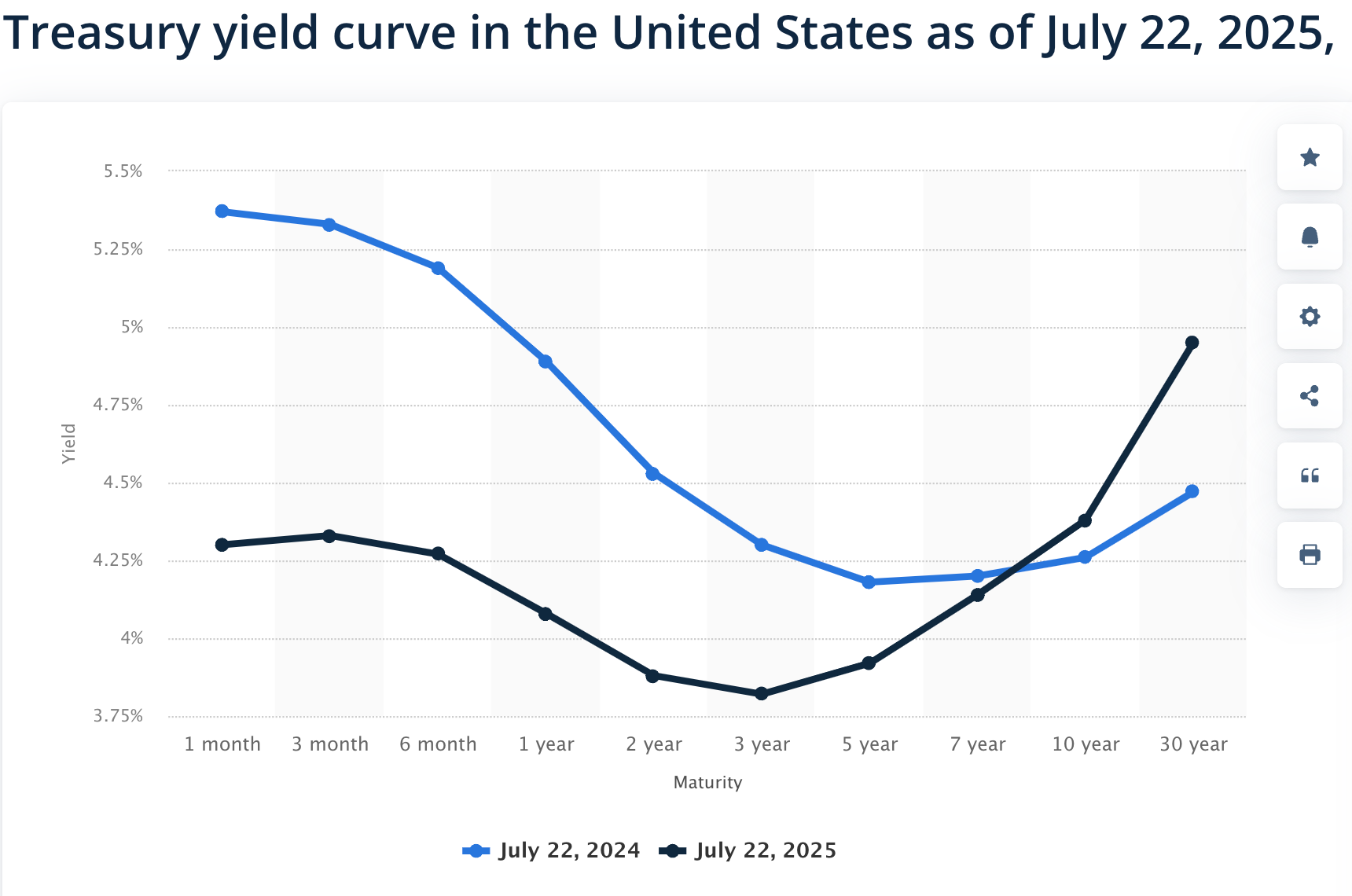
Then there’s the dreaded inverted yield curve, a classic recession signal. When short-term rates are higher than long-term ones, it’s a neon sign flashing: “bad times ahead.” Risk appetite dries up. Institutions de-risk. Capital exits not just crypto, but stocks, real estate, and any other asset not nailed down.
And let’s be real: crypto was born and raised during a 15-year-long easy money bender. Zero rates, QE, and pandemic stimulus built an empire of digital currencies on top of dirt-cheap capital. That era? It’s over. The Fed doesn’t care about your JPEGs.
If the bond market collapses, it won’t just rattle Wall Street. It’ll trigger outflows from the most speculative corners of global finance, and that includes the crypto market. The irony? Crypto was meant to be the hedge. But if there’s no more cheap money to chase it, what’s left to prop it up?
Global Economic Stress and Macroeconomic Instability
Crypto likes to pretend it’s unbothered by the real world. “Uncorrelated,” they say. “A hedge,” they claim. But when the world starts breaking? So does your portfolio.
Geopolitical tensions, tariff wars, and a game of economic chicken between superpowers, all of it creates uncertainty. And guess what markets hate most? Uncertainty. When bombs drop, supply chains snap, or governments slap on capital controls, crypto assets aren’t a safe haven they’re the first to get sold for dollars.
Add to that sticky inflation and an ever-growing M2 money supply, and now you’ve got the worst of both worlds: rising costs, shrinking purchasing power, and central banks fumbling in the dark. Investors start rotating out of risk assets. The only thing going up is anxiety and maybe gold.

Let’s not forget the global banking system either. It’s a fragile web of liquidity, loans, and trust. Exactly the kind of setup that collapses in a crisis. In 2023, we saw regional U.S. banks falter. What happens if that spreads? Panic. And panic doesn’t look at your cute DAO token and say, “Hmm, let’s give this one a chance.” It dumps everything and heads for cash.
This has all happened before. Remember the dot-com bubble? Tech stocks went parabolic in the late ‘90s on little more than promises and punchy domain names. Then came the crash. Billions gone. IPOs turned to lawsuits. It wasn’t tech that was the problem it was the hype built on nothing.
Sound familiar? Crypto sits at that same intersection: innovation, speculation, and systemic fragility. A few macroeconomic factors don’t just create ripples; they send tsunamis through the space. If the global economy stumbles, crypto doesn’t walk away. It faceplants. And anyone heavily invested without a hedge gets dragged down with it.
Miner Capitulation or Whale Sell-Offs
You know what’s worse than a market crash? A market crash triggered by the very people who built the market. Enter: miners and whales, the silent giants who can nuke your bags with a single keystroke.
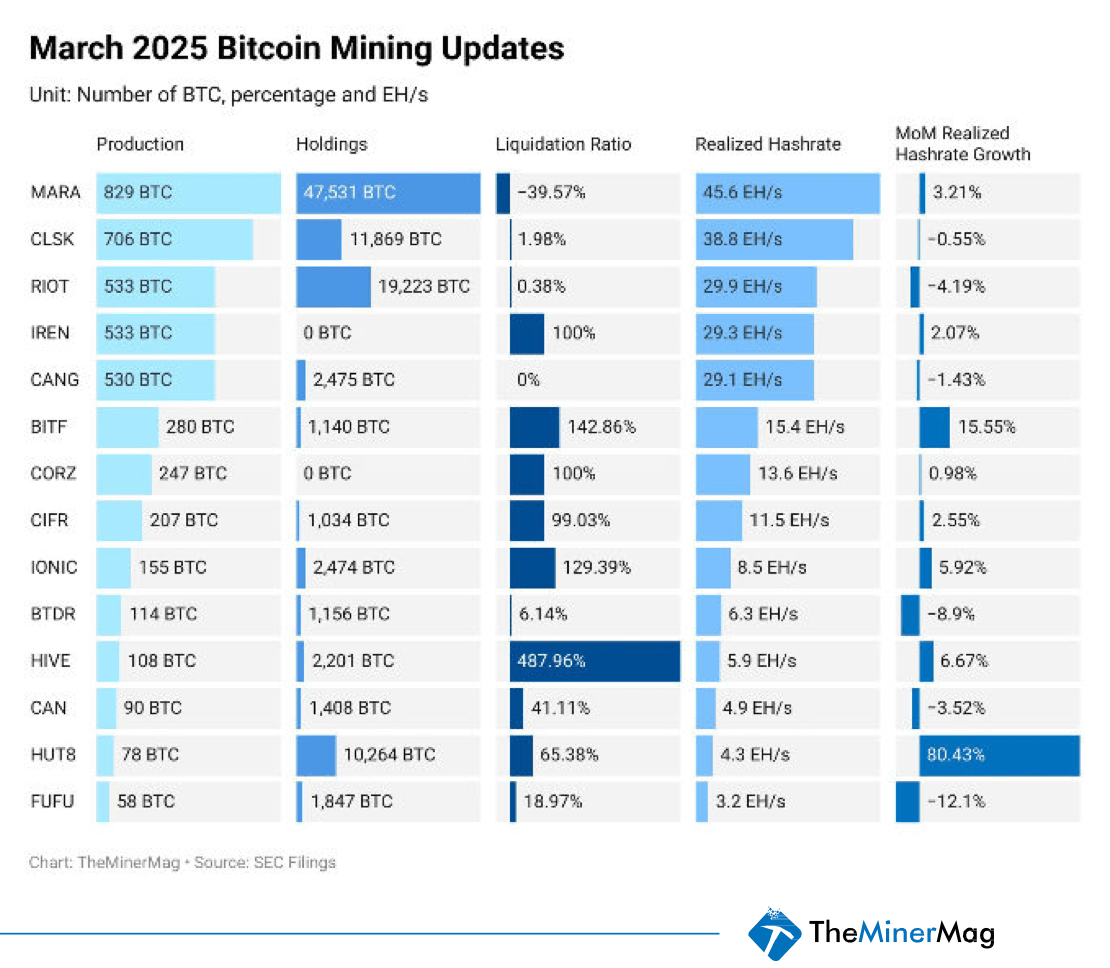
Let’s talk miners first. These are the guys running warehouses full of machines, minting Bitcoin 24/7, burning through electricity bills that look like GDP reports. But when mining becomes unprofitable because Bitcoin prices tank or hash rate surges, those same miners start dumping coins just to keep the lights on. That’s miner capitulation. It’s like an emergency exit sale where no one wins.
And it’s not just about covering costs. Large-scale sell-offs from miners flood the market with supply, triggering price drops, which then force more miners to sell. It’s a vicious cycle. The deeper the dip, the harder it becomes for smaller or less efficient miners to stay in the game. Eventually, they shut down, sell off reserves, and send us into a full-blown crypto crash.
Then there are the whales. Those early adopters, venture funds, and institutions, sitting on mountains of BTC and other investments. When they sell, it’s not subtle. They don’t DCA. They dump. And when blockchain analytics platforms flash “whale alert,” the market reacts faster than a teenager seeing their crush like someone else’s Instagram post.
Why do whales sell? Could be risk management. Could be macro concerns. Could be profit-taking after watching their bags balloon for three cycles. Doesn’t matter. The result is the same: cascading red candles, panic, and another lesson in crypto volatility explained the hard way.
In a market where a handful of players control outsized amounts of supply, these sell-offs don’t just hurt, they define the crash. And by the time you read the news on Yahoo Finance or the Washington Post, the damage is done. The exit door’s already been trampled.
What Happens When a Crypto Crash Begins?
It starts with a whisper. A weird price dip. Maybe an exchange delays withdrawals “due to maintenance.” Your buddy says his Stablecoin’s off its peg. Then, boom, someone big files for bankruptcy, and suddenly the whole market’s in freefall.
The screen goes red. Market makers vanish. Liquidity dries up like water in the Sahara. Altcoins crash first, violently. Then Bitcoin follows. Retail investors panic-sell. Platforms freeze. Whales dump. Bots trigger stop-losses. Twitter melts down. Telegram groups turn into digital funeral homes.

You refresh your portfolio every five seconds, each time hoping maybe just maybe it’s bounced. News flash. It hasn’t. The thing about a crypto crash is that it’s fast. There’s no time to “adjust your strategy.” There’s just emotion, fear, confusion, disbelief. Prices spiral. Funds evaporate. And unless you’ve already prepped, you’re stuck in the blender.
It’s not just about value, it’s about trust. Confidence is the air crypto breathes, and when that disappears? It suffocates everything. And just when you think it’s over, some new headline drops, another lender exposed, another whale wallet moving to an exchange, another protocol “pausing operations.” That’s when the second wave hits.
Crashes don’t announce themselves. They happen in layers. Panic, realization, capitulation, silence. And by the time it’s all over, the only thing left standing is cold hard lessons. Still think you’ll “buy the dip”? Ask the guy who bought Luna at $20 how that worked out.
Can You Predict the Next Crypto Crash?
Short answer? Not really. Longer answer? You can’t predict it, but you can see it coming if you know what to look for. Timing the exact top or bottom of the crypto market cycle is close to impossible, however it is a bit easier to notice the signs that the market is topping out or has already crested. However one needs to be open and unbiased in their analysis in order to catch these signs.
Here’s the truth: crypto crashes don’t just fall out of the sky. They’re built over time. Quietly, structurally, invisibly, until the whole thing tips over. And while timing the exact top is damn near impossible, there are signs of a crypto crash if you’re paying attention.
Leverage Spiking
One of the loudest alarm bells is open interest surging on perpetual contracts. When everyone’s trading with borrowed money especially on newer platforms like Hyperliquid with partially closed-source code, it means the market’s on edge. All it takes is one hiccup to trigger a liquidation cascade.
Altcoins Outperforming Bitcoin
Historically, when low-cap altcoins start outperforming BTC and ETH in absurd multiples, it’s a signal the market is overheating. That’s when speculation outpaces fundamentals, and that’s when gravity kicks in.
Stablecoin Peg Wobbling
A stablecoin losing its peg, even by a few cents, can indicate deeper liquidity or solvency problems. It was one of the first warning signs before the Terra-Luna collapse. Today, watching peg stability is like watching the canary in the coal mine.
Whale Movements and Exchange Inflows
When large wallets start sending BTC to exchanges, it’s rarely to stake or hodl. It’s to sell. Analytics tools like Whale Alert and Glassnode give you the data. You just have to pay attention.
Macroeconomic Pressure
Keep an eye on the Federal Reserve, interest rates, and global macroeconomic factors. Rising bond yields, sticky inflation, or inverted yield curves signal stress. And when traditional markets get hit, crypto assets don’t escape; they amplify the pain.
Investor Sentiment
Last but not least: if your Uber driver’s pitching meme coins again, you’re probably near the top. When the market is euphoric, greedy, and overconfident? That’s the moment to start looking for the exits.
So, can you predict the exact moment of the next Bitcoin crash? No. But if you track the right indicators, you won’t be blindsided when the music stops.
How to Protect Yourself from Crypto Market Crash?
You can’t stop a crypto crash. But you sure as hell don’t have to go down with it.
Here’s the part they don’t put in the Twitter threads and Discord pump rooms: survival isn’t about outsmarting the market. It’s about risk management, boring, and absolutely essential. Want to still be standing after the next market collapse? Here’s your playbook:
-
Don’t Overleverage...Ever
This isn’t Vegas. Leverage kills. One wrong move and you’re liquidated faster than you can say “margin call.” If you don’t understand how liquidation thresholds work, congratulations, you’re the exit liquidity. -
Self-Custody Your Assets
When the music stops, exchanges go dark. Withdrawals freeze. Assets vanish. Consumers beg for refunds. Sound familiar? Use cold wallets, hardware wallets, even a flash drive if you must, just get your coins off platforms. “Not your keys, not your coins” is a survival rule. -
Diversify Your Portfolio
If your entire portfolio is made up of JPEGs, meme tokens, and promises of 1000% APYs, you’re not investing—you’re gambling. Mix in traditional asset classes, Stablecoins (yes, with caution), and even a few boring bonds. Hedging isn’t cowardice—it’s strategy. -
Monitor On-Chain Data
Whale movements. Stablecoin inflows. Exchange reserves. Tools like Glassnode, IntoTheBlock, and Nansen help you track market sentiment and liquidity shifts. When the smart money leaves, don’t be the one still ordering bottle service. -
Keep an Exit Plan
Know your levels. Set trailing stops. Use limit orders. And have the discipline to stick to them. When things get ugly, there won’t be time to “think it through.” You’ll need to act fast. -
Stay Compliant and Informed
State securities regulators, tax authorities, and policymakers move fast, especially when crypto volatility spikes. Stay up to date with regulatory shifts and keep your holdings clean. You don’t want to fight a bear market and a subpoena at the same time. -
Embrace Boredom During Bull Runs
The best time to prepare for a disaster? When everyone else is posting Lambo memes. Take profits. Rebalance. Revisit your risk. Build cash positions. Think of it as prepping a lifeboat while the band plays on.
In crypto, surviving is winning. Anyone can look smart in a bull market. The real pros? They’re the ones who don’t lose their shirts when the tide goes out.
Are We Close to Next Crypto Crash: Experts’ Take
Let’s ditch the made‑up quotes and lean on verified insights from today’s most credible authorities and analysts. Here’s what’s driving the real discussion around crypto market risks:
Regulatory Oversight: CFTC and Beyond Rostin Behnam, former CFTC Chair, stepped down in January 2025 but spent much of his final months warning that too much of the crypto market remains outside regulatory control. He called for filling gaps to prevent misuse and protect market integrity. While he was in office, Behnam drove enforcement efforts, including a $2.85 billion settlement with Binance, citing structural vulnerabilities. The takeaway? Lack of clear oversight was part of the turf every crash exploited. Central Banks & Financial Stability Fabio Panetta, ECB policymaker and Bank of Italy Governor, recently warned that crypto losses risk destabilizing trust in traditional banks especially when customers mistake digital assets for regulated products. This isn’t paranoia. Big banks in Europe and beyond are increasingly linked to crypto via trading, custody, or Stablecoin use. Rising Institutional Exposure Public companies holding Bitcoin now exceed $11 billion in combined treasuries. New firms beyond MicroStrategy, targeting Ethereum, Solana, and AI‑linked tokens, are joining the game. Analysts caution this adds a layer of contagion risk if firms offload during downturns. Meanwhile, according to Reuters, institutional exposure is still nascent. Less than 5% of spot BTC ETF assets are held by long‑term investors like pension funds, though allocation continues to grow amidst pro‑crypto legislative momentum. High corporate Bitcoin treasuries bring prestige, but they also bring leverage, exposure, and geometric downside risk. Risk Signs From Data & Analysts A 2025 institutional risk survey shows 65% of institutions report direct crypto exposure, while 91% see volatility as their main risk. Liquidity issues in altcoin markets triggered forced liquidations for 38% of institutions in 2024. Separately, news outlets like Business Insider and MarketWatch have sounded alarms: hedge fund Elliott warns of a crypto frenzy fueled by politics, while Brevan Howard emphasizes crypto’s long‑run promise, but with a sharp eye on compliance and institutional guardrails.
Bottom line: Experts don’t expect a meltdown this afternoon, but the ingredients for one are simmering. Regulatory transitions, institutional balance-sheet exposure, opaque treasuries, and macro tensions create a persistent risk cocktail.
If you’re asking “Is the crypto market crashing?” official sources say it’s not yet. But if those systemic pressures align, it could be ugly, fast, and painful. And by the time it makes headlines, you’ll likely already be out of time.
What 99Bitcoins Thinks About 2026 Crypto Crash
At 99Bitcoins, we don’t throw around the word “crash” lightly. We’ve watched this market evolve from the Silk Road days to trillion-dollar valuations. We’ve seen crypto crash narratives come and go, and we know the difference between a garden-variety correction and something more… systemic.
To understand what might be brewing in 2026, you’ve got to zoom out. Way out.
2008 Redux? The Debt Spiral Returns The 2008 financial crisis wasn’t about one bad day on Wall Street, it was the unwinding of systemic rot: overleveraged banks, synthetic debt products, zero transparency. Sound familiar? Now imagine that same setup only decentralized, 24/7, and with no central bank to bail it out. That’s the nightmare scenario for crypto markets: leveraged DeFi protocols intertwined with centralized platforms, hidden contagion risks, and a global investor base all connected by the same trigger-happy APIs. If overleveraged crypto firms, opaque ETFs, and unstable Stablecoins collapse in unison, we’re not just talking about a few coins going to zero. We’re talking about mass withdrawal freezes, bankruptcies, and regulators stepping in with the urgency of 2008 but the playbook of 1933. 1930s Echo: Liquidity Vanishing Overnight The Great Depression was about the collapse of trust. Banks failed. Consumers hoarded cash. Liquidity evaporated. The parallels with crypto? Striking. We’ve already seen moments like this in 2022 when Terra, FTX, and Three Arrows Capital imploded, and users couldn’t access their funds. If macro stress, geopolitical chaos, and bond market collapses converge again, crypto could face a trust crisis far deeper than price volatility alone. Is This Just Another Cycle… or Something Bigger? Sure, crypto bear markets are nothing new. Boom, bust, build, repeat. But the stakes in 2026 are different. This isn’t a market powered by nerds and cypherpunks anymore. This is a battleground of institutions, regulators, corporate treasuries, and political agendas. If we crash now, we don’t just lose price, we risk losing the narrative: that digital assets are a better system. And if that narrative dies? Adoption stalls. Regulation tightens. Money flows elsewhere.
So is the next crypto crash just another correction? Maybe. But maybe it’s also the moment we find out what this ecosystem is really built on. At 99Bitcoins, we’re not betting on disaster, but we are staying alert, watching the signals, and preparing for every possibility. Because if history has taught us anything, it’s this: Markets don’t just crash. They reveal.
Conclusion: Crypto Crash
Markets are memoryless. They don’t care how long you’ve been here, how bullish your thesis is, or how many “HODL” memes you’ve posted. When the next crypto crash hits (and it will hit), it won’t be polite. It won’t knock. It’ll kick the door down, take your bags, and leave you staring at your screen like it owes you answers.
But here’s the truth no one wants to hear: crashes are necessary. They strip out the frauds. The grifters. The tokenomics built on nothing but vibes and VC hopium. They remind you that digital currencies aren’t invincible. That financial risks are real. That volatility is the price of permissionless innovation.
So yeah, maybe we’re due. Maybe leverage is creeping higher, macroeconomic factors are tightening the noose, and the market’s drunk on yield again. But if you’re reading this, if you’ve made it this far, you already know what most don’t: Survival is strategy. Awareness is alpha.
Don’t just stack coins. Stack knowledge. Watch the data. Follow the money. Stay one step ahead while the rest chase candles on TradingView and dopamine on Farcaster. Because the ones who make it through aren’t the loudest. They’re the ones who built lifeboats while everyone else was buying yachts.
So when the sky turns red and Twitter’s panicking and your favorite influencer disappears into “self-care mode”, you’ll be calm. Not because you’re fearless, but because you’re prepared.
You read the signs. You knew the causes of a crypto crash. You knew it’s not if, it’s when. And when the crash finally comes? You won’t flinch. You’ll deploy. And when the dust settles, you’ll be the one still standing smarter, sharper, and already scanning for the next cycle. Let the others chase peaks. You? You’ll master the valleys.
DISCOVER:
- Crypto Exchange Promos & Discounts
- Crypto Wallet Promos & Discounts
- Rise of Bitcoin Treasury Companies: Impact & Risks
- Fastest Growing Cryptocurrencies to Watch in 2026
FAQs
Is crypto going to crash in 2026?


There’s no crystal ball, but many of the classic crash signals, excess leverage, overheated speculation, shaky macro conditions, are flashing yellow. Whether it happens this year or next, the risk is real.
When will crypto crash next?
Timing a crypto crash is like timing an earthquake. You can feel the pressure building, but you won’t know the exact moment until it hits. Look for signs: rising interest rates, whale movements, liquidity vanishing, or regulatory crackdowns. If you’re waiting for a heads-up from CNBC, you’re already late.
How often do crypto crashes happen?
Historically, major crashes occur every 2–4 years usually after a euphoric bull run fueled by leverage and retail FOMO. Minor corrections are more frequent. It’s part of the cycle. Volatility isn’t a bug in crypto it’s the business model.
What role do Bitcoin treasuries play in a crypto crash?
Public companies holding Bitcoin can turn a price dip into a full-blown spiral. If their holdings drop too much in value, they may be forced to liquidate, spooking retail investors and triggering contagion. Treasuries bring prestige, but also systemic risk.
How do overleveraged crypto firms contribute to crypto crashes?
They’re the dominoes that start the chain reaction. High leverage means small price drops lead to massive liquidations. Platforms collapse. Withdrawals freeze. Confidence evaporates. The 2022 collapse of firms like Celsius, FTX, and Three Arrows Capital was a masterclass in what not to do with borrowed money.
Has the crypto market always recovered after a crash?
So far, yes. After Mt. Gox, the 2018 ICO collapse, and even 2022’s carnage, the market came back stronger. But recovery isn’t guaranteed. It depends on rebuilding trust, user interest, and regulatory clarity. You can’t bank on it, but history leans bullish.
Is a crypto crash the same as a correction?
No. A correction is a healthy pullback usually 10–20%. A crash is a cliff dive. We’re talking 40%, 60%, even 90% in extreme cases. Corrections shake weak hands. Crashes wreck overconfident ones.
Can stablecoins crash during a crypto market crash?
Absolutely. Ask anyone who held TerraUSD. If a stablecoin isn’t fully backed or has flawed mechanisms, panic can break the peg. And once trust breaks? It’s a stampede. Even centralized stablecoins can face redemption pressure or regulatory intervention.
References
- U.S. Commodity Futures Trading Commission. CFTC.gov. https://www.cftc.gov/node?page=7.
- Reiners, Lee. “Protecting the American Public from Crypto Risks and Harms.” Brookings Institution, https://www.brookings.edu/articles/protecting-the-american-public-from-crypto-risks-and-harms/.
- Roubini, Nouriel. “The Brutal Truth about Bitcoin.” Brookings Institution, https://www.brookings.edu/articles/the-brutal-truth-about-bitcoin/.
- Ryan, Jordan. “Taming the Crypto Bear: Why Cryptocurrencies Will Cause the Next Recession and How to Soften the Blow.” Fordham Journal of Corporate & Financial Law, https://news.law.fordham.edu/jcfl/2021/03/26/taming-the-crypto-bear-why-cryptocurrencies-will-cause-the-next-recession-and-how-to-soften-the-blow/
- Verstein, Andrew. “Cryptocurrency Crashes Recall Wild Days of Free Banking.” Stanford Graduate School of Business, https://www.gsb.stanford.edu/insights/cryptocurrency-crashes-recall-wild-days-free-banking.

Why you can trust 99Bitcoins
Established in 2013, 99Bitcoin’s team members have been crypto experts since Bitcoin’s Early days.
Weekly Research
100k+Monthly readers
Expert contributors
2000+Crypto Projects Reviewed