





In This Article
Prediction markets are platforms where people trade on the outcome of future events. The price of a market reflects the crowd’s belief about how likely something is to happen. In this guide, we’ll look at the best prediction markets you can use today, how they compare, and what makes each one worth your time.
We’ll also cover popular prediction market apps for trading on politics, sports, crypto, and major world events, along with how contract pricing works, how payouts are settled, and what to expect from fees, withdrawals, and ID checks before you put any money in.
Quick Facts About Prediction Market
Key Takeaways
- Prediction markets let you trade contracts based on real-world outcomes like elections, economic data, sports, and crypto events.
- Contract prices act like live probability estimates, updating as new information comes in and traders react.
- Platforms fall into two main groups: decentralized markets that use crypto wallets and no KYC, and centralized markets that use accounts and bank payments.
- Popular decentralized platforms include Polymarket, Augur, Myriad Markets, and Drift BET, each with different liquidity and fee levels.
- For pure sports betting and entertainment, crypto sportsbooks often offer more features and a simpler experience.
- Prediction markets involve real financial risk, so position size, platform rules, and settlement criteria always matter.
What is Predictions Market: Summary
Through this guide, you will know how prediction markets work, how contract pricing reflects real-world probabilities, and why traders use them to forecast elections, sports, economic data, and major news events.
We’ll also cover the main differences between centralized platforms like Kalshi and decentralized options such as Polymarket, Augur, Myriad, and Drift BET, including how wallets, deposits, fees, and settlement actually work in practice.
By the end, you’ll have a clear idea of which type of platform suits you, how to place your first trade step by step, and when a traditional crypto sportsbook might be the better option for straightforward sports betting.
Understanding Prediction Markets (The Basics)
Prediction markets are platforms where people buy and sell prediction contracts (also known as event contracts) based on their expectations about future outcomes. Instead of placing a simple bet like you would in sports betting or on traditional sportsbooks, you are trading contracts that behave more like something from the stock market.
Each contract is tied to a particular event or one of several possible future outcomes, such as who will win a presidential election, whether central banks will raise interest rates, or how certain sports outcomes will play out in major sporting events.
The market price of a contract shows what traders think the chances are. If a contract that pays $1 when “Candidate A wins” is trading for 70 cents, the market is saying there is about a 70% chance that outcome will happen. As news breaks, people trade, sell contracts, or buy more, prices move, and those probabilities update in real time based on new information about world events, politics, sports, or the economy.
People join these markets to make a profit by being right. You might buy a contract for 40 cents because you believe the real odds are higher. If the event happens, the contract pays out $1. If it does not, it becomes worthless. Because prices constantly change as traders react to economic indicators, financial outcomes, and other updates, prediction markets end up acting like live forecasts for real-world events.
By the time a big event arrives, the final prices often reflect everything the market has learned along the way. That is why many prediction market sites and prediction apps describe themselves as forecasting tools, not just places to gamble.
“Bet on Anything”: The Philosophy of Prediction Markets
The big idea behind prediction markets is simple. People tend to be more careful when real money is involved. When traders can win or lose money, they pay closer attention to facts, data, and expert reports.
Some follow expert analysis, some track economics, and others focus on sports markets, individual sporting events, or even pop culture topics like movie awards or celebrity news.
Instead of relying on one expert, these platforms combine thousands of opinions into a single number, the price. That price becomes a shared estimate of expected results across various events, from elections and interest rate decisions to company earnings and championship games.
This idea is often called the “wisdom of crowds.” One person might study politics and follow figures like Donald Trump closely. Another might watch central bank meetings and changes in interest rates. Someone else might specialize in injuries before major matches on platforms like DraftKings predictions or features similar to FanDuel predicts. When all of these views meet through trading, the market forms a surprisingly balanced forecast.
That is why prediction markets have been used for elections, sports outcomes, economic data releases, public policy decisions, and even unusual questions tied to future outcomes. And in practice, they often work well.
Decentralized Prediction Markets vs. Centralized Platforms
There are two main types of platforms in the prediction market world. Centralized prediction platforms are run by a company. The company operates the platform, manages user accounts, matches buyers and sellers, and handles payouts when contracts settle. Some are regulated in the United States and overseen by bodies like the Commodity Futures Trading Commission, which helps set rules for how these markets operate, especially for U.S. customers.
Feature
Centralized Prediction Markets
Account setup
Requires creating an account and sharing personal details
Platform control
Run by a central company with set rules
Trust model
Users must trust the platform operator
Result verification
Outcomes are decided by the platform
Ease of use
Simple and familiar, similar to brokers or sportsbooks
Liquidity & activity
Higher trading activity and faster execution
Benefits & Risks of Using Predictions Market
One of the biggest advantages of prediction markets is how they turn many opinions into one clear signal, the price. You do not need to read dozens of reports or follow every expert. You can look at the market and see what traders expect. Because money is involved, people react quickly to updates. Prices often adjust faster than polls or traditional forecasts when something important happens. Knowing the risks and benefits of using a prediction market, thus becomes important.
Benefits
- Market prices combine many opinions into one clear signal
- Prices react quickly to new information and breaking events
- Users can act directly on their own beliefs by trading contracts
- Useful for forecasting outcomes like elections, sports, or business results
Risks
- You can lose money if your prediction is wrong
- Low-liquidity markets can be volatile and expensive to trade
- Centralized platforms face hacking and security-related access issues
- Decentralized platforms can suffer from software bugs or faulty data feeds
- Legal restrictions vary by country and can limit access
How Do Prediction Markets Work?
Prediction markets are based on trading contracts, with each contract representing one possible result of a particular event. Prices usually range from $0 to $1. A price of $0.65 means the market believes there is about a 65% chance that outcome will happen.
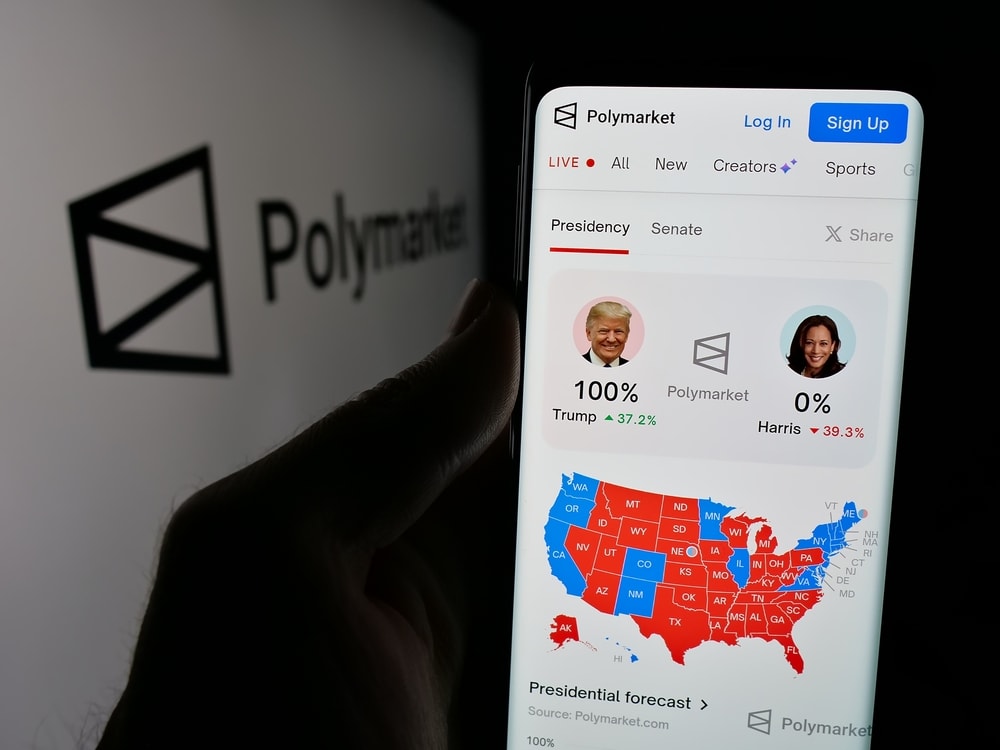
Traders buy contracts if they think the odds are too low and sell if they think the odds are too high. Some platforms allow you to hold one side, while others let you trade or no contracts at all for outcomes you think will fail. On centralized platforms, the company holds funds until the market settles. On decentralized ones, the system handles it automatically.
When the event finishes, contracts tied to the correct result pay out. The rest expire worthless. Your final result depends on what you paid and what the contract paid at settlement. Because prices change constantly as people react to updates, the market acts as a live forecast until the end.
Polls vs. Prediction Markets: Which Is More Accurate?
Polls and prediction markets try to answer the same question: what will happen next. Polls collect opinions. Their accuracy depends on who is asked and how the questions are written. They also update slowly.
Prediction markets use trading behavior instead. People put money behind their beliefs. That makes them more careful. Studies and real-world results suggest that prediction markets often track final outcomes closely, especially when many informed traders are active.
Polls show what people say, while prediction markets show what people are willing to risk money on. Together, they give a clearer view of what the future might bring.
Top Prediction Markets (No KYC)
It is important to understand there are two types of prediction markets: Decentralized and regulated ones. Decentralized prediction markets like Polymarket run on blockchains and usually let you trade without handing over personal information, which means you can get started without creating an account or uploading ID. Instead, you connect a crypto wallet like MetaMask, add some funds, and begin trading straight away.
Regulated prediction markets such as Kalshi provide users a safer and regulated way to bet on everything from news and sports events to prices of assets.
Because decentralized platforms do not store your money or manage user profiles, there is no built-in identity process like the one you see on regulated exchanges or traditional betting sites. For many people, that setup feels more comfortable because it combines privacy with quick access and full control over their funds.
Your wallet always stays in your possession, and every trade is handled automatically by blockchain code rather than by a company acting as a middleman, which also reduces the need to trust any single organization. Here are five of the most well-known prediction markets today.
Kalshi
Kalshi has become the leading federally regulated prediction market in the U.S. because it allows users to trade directly on real-world outcomes, ranging from Federal Reserve rate decisions and CPI reports to elections, sports events, and major economic trends.
Kalshi offers binary contracts on key policy shifts, macroeconomic releases, and high-profile cultural and sporting events. Since the platform operates within the traditional financial system, users sign up using standard identity verification (KYC) and deposit U.S. dollars via ACH, wire, or debit. Kalshi offers full legal compliance, CFTC oversight, and institutional security compared to permissionless crypto alternatives. Additionally, Kalshi provides fee-free ACH deposits and withdrawals alongside a transparent, low-cost pricing model across its markets.
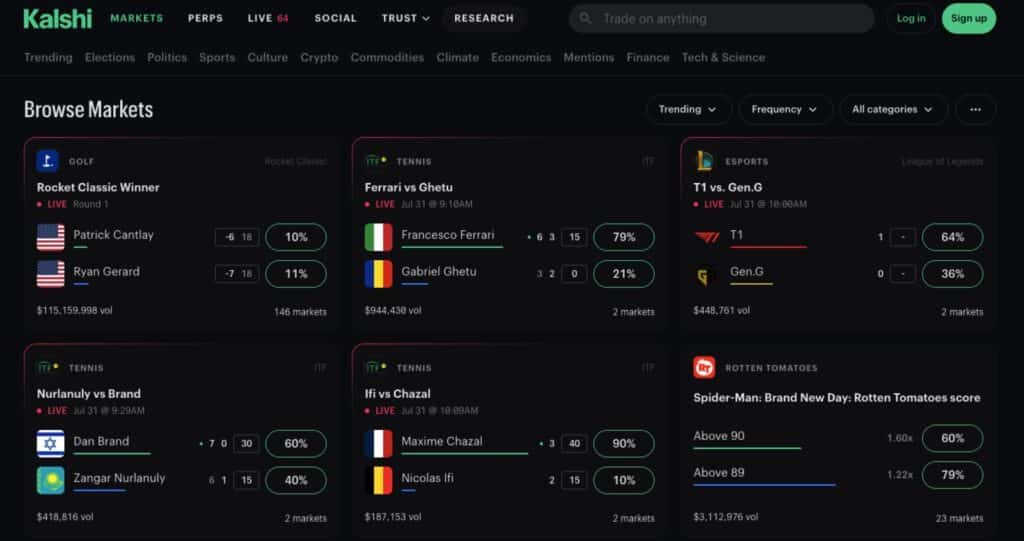
Over time, the platform has built up immense liquidity, processing billions of dollars in monthly volume and drawing millions of traders, providing deep order books and steady market activity. As a Designated Contract Market (DCM) regulated by the CFTC, Kalshi is fully legal and directly accessible for retail and institutional participants across the United States.
As traders react to real-time news and data releases, contract prices fluctuate between $0.01 and $0.99, creating a live, percentage-based picture of what the market believes is most likely to happen.
Get $25 When You Trade $50 on Kalshi!Polymarket
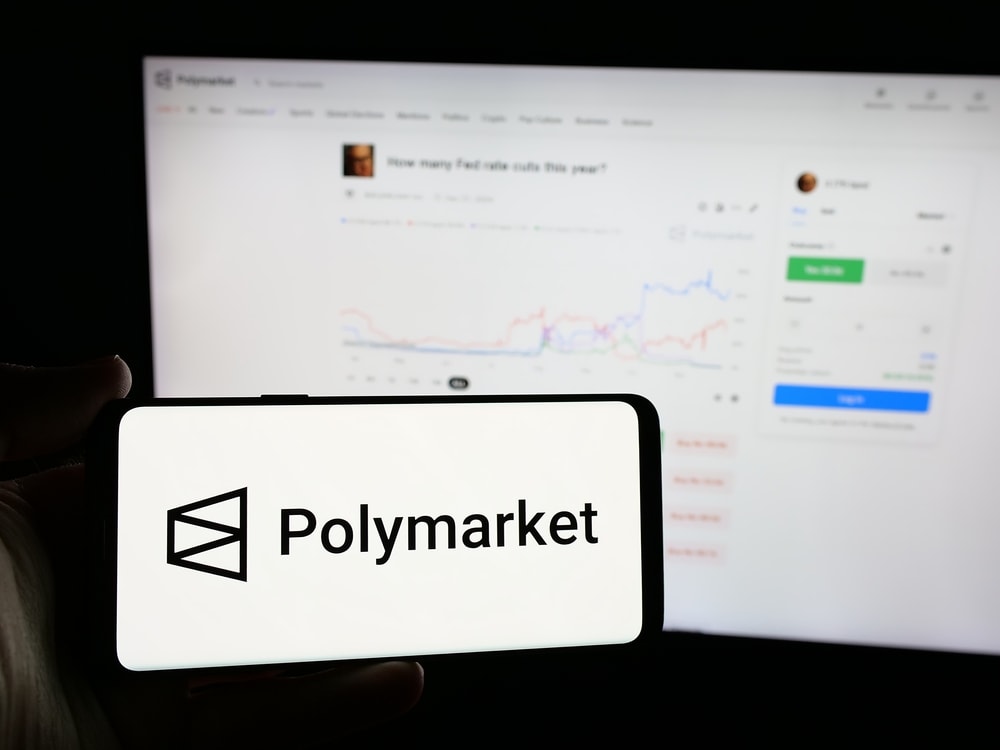
Polymarket has become one of the most widely used decentralized prediction markets in the world because it covers a huge range of real-world topics, from elections and sports to crypto prices and major news events. Polymarket offers contracts on major topics like sporting events, political speeches, and cultural events.
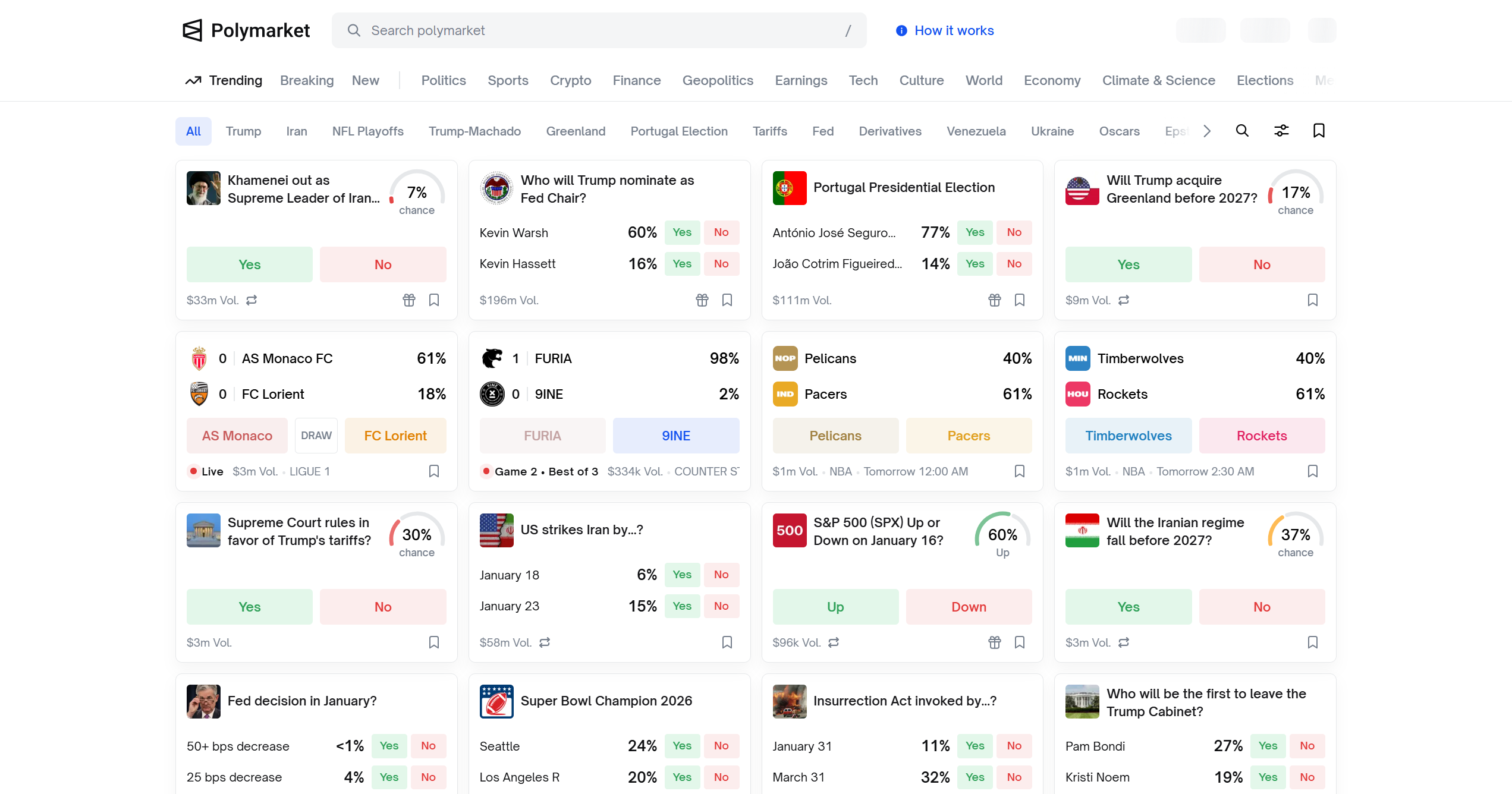
Since everything runs through your wallet, you can connect with an EVM wallet such as MetaMask and start trading without going through any identity checks. Polymarket offers higher global liquidity and a broader range of niche topics compared to regulated platforms. Additionally, Polymarket does not charge fees on any trades in 2026.
Over time, the platform has built up heavy activity, with millions of dollars in trading volume and hundreds of thousands of users taking part, which gives its markets a steady stream of buyers and sellers. Polymarket is expected to become fully available in the U.S. soon after receiving CFTC approval.
As people trade based on new information, prices move constantly, and those movements gradually form a live picture of what the crowd thinks is most likely to happen. We have talked about all this and more in our dedicated “What is Polymarket” article.
Augur
Augur was one of the earliest prediction market projects built on blockchain, and it still operates in a fully decentralized way today. You trade directly from your wallet, without creating an account or sharing personal details, which keeps the experience simple and private.
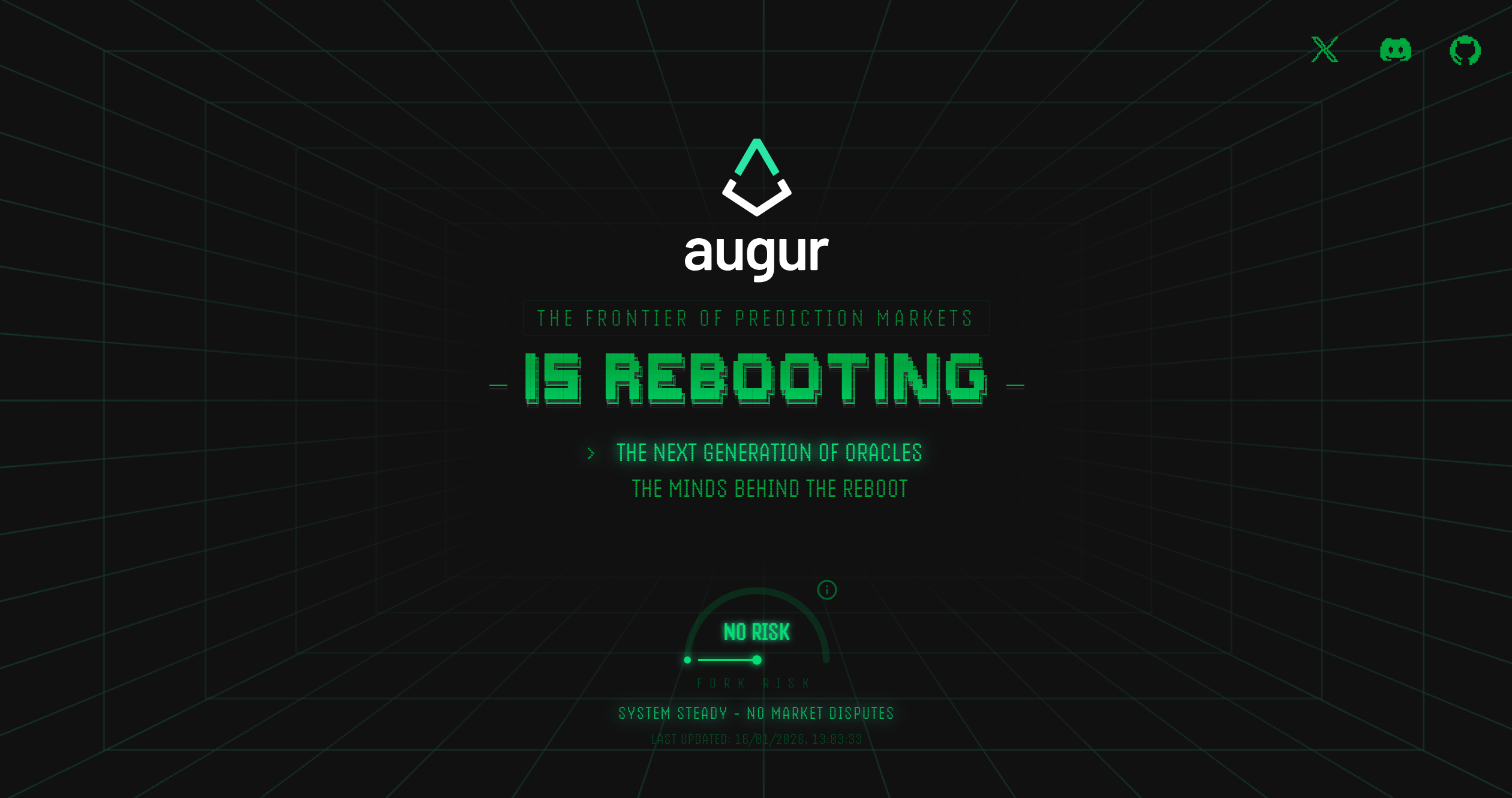
It offers several market formats, including basic yes-or-no questions, multiple-choice outcomes, and number-based predictions such as price ranges. The platform runs on Ethereum and also provides versions like Augur Turbo on Polygon, which helps lower fees and speed up transactions, while its open-source and community-governed structure means no single company controls user funds or introduces identity requirements.
Myriad Markets
Myriad Markets takes a slightly different approach by focusing on making prediction markets easier to use while still keeping everything decentralized and free from identity checks. It allows people to trade on topics like financial markets, politics, economics, and cultural events, all from a connected wallet.
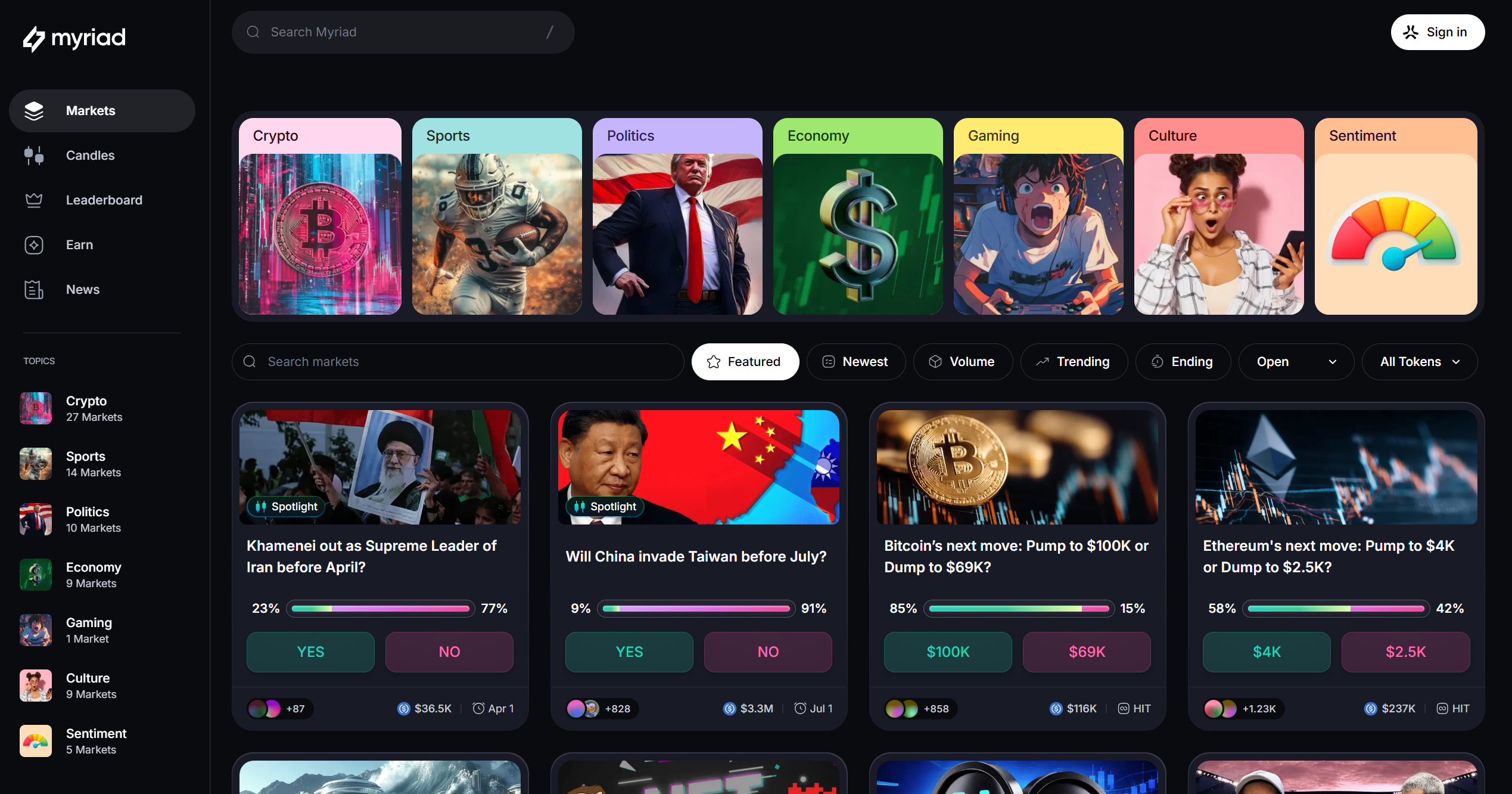
The platform supports stablecoins such as USDC and adds small game-style features like points and rankings, which makes the experience feel more interactive without changing how the underlying trading works. Just like the others, there is no step where you submit documents, since your wallet is the only thing you need to participate.
Drift BET
Drift BET is built on the Solana blockchain and puts most of its attention on speed and low transaction costs, which can matter a lot for people who trade often or place smaller predictions. Solana’s fast confirmations and cheap fees make it possible to move in and out of markets quickly without paying much each time.
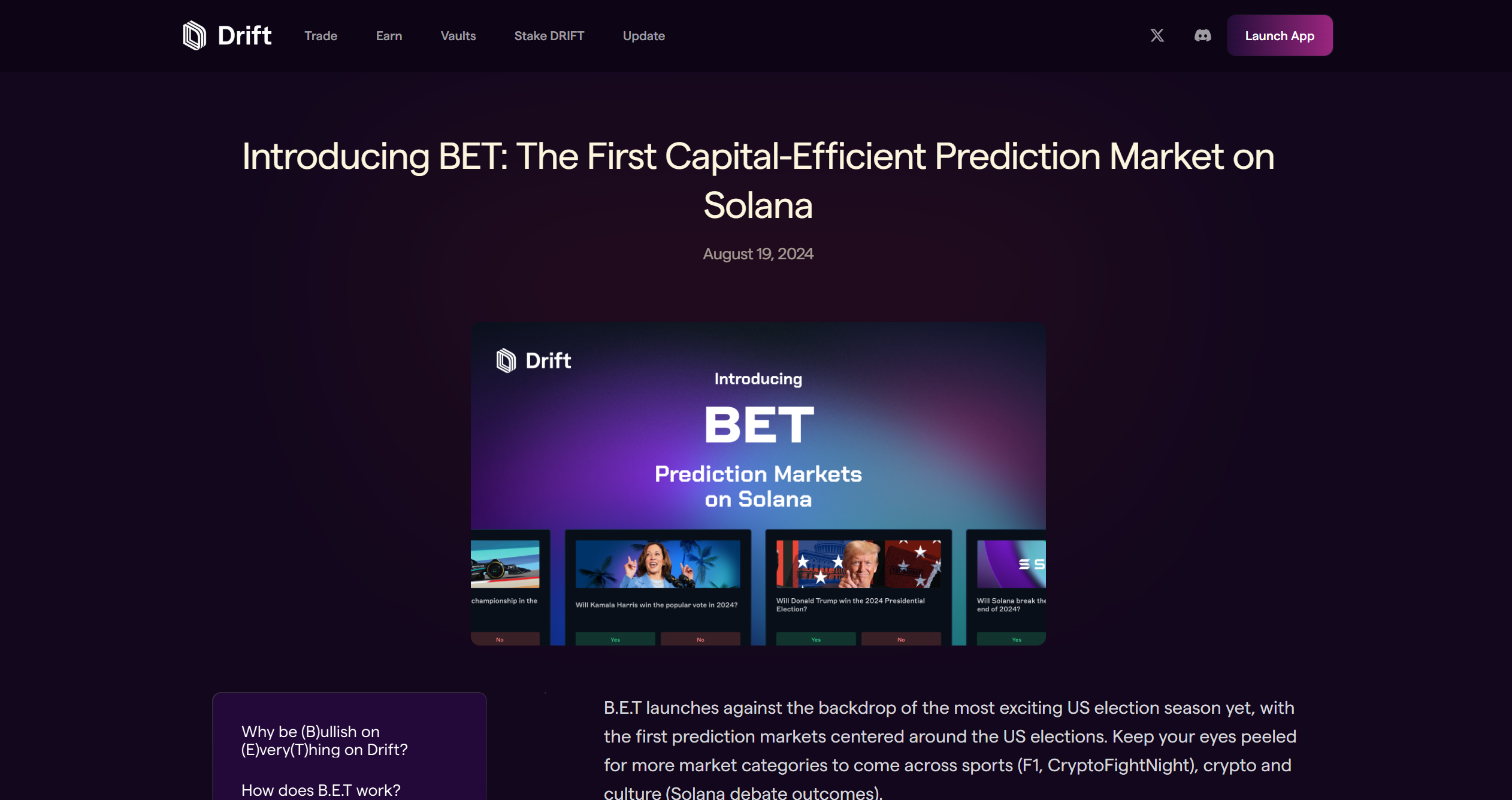
Trades happen directly from a Solana wallet, so there is no personal information involved and no centralized account system in the background. As a result, you can start predicting outcomes almost immediately after connecting your wallet.
Taken together, these four platforms give a clear picture of how decentralized prediction markets work in practice. Polymarket usually has the deepest liquidity, while platforms like Drift BET stand out more for performance and low fees, so the experience can vary depending on where you trade and how active the market is at the time.
Key Features of No-KYC Prediction Markets
Everything starts with a crypto wallet, which acts as both your login and your account. You connect it, fund it, and trade directly from it, which removes the need to upload documents or verify your identity.
Prediction Markets vs. Sports Betting: Which Should You Choose?
Prediction markets and sports betting both let you profit from predicting outcomes, but they work in very different ways. One is built around trading contracts with other users, the other is built for placing simple bets with a sportsbook.
Understanding how each works makes it much easier to decide which one actually fits how you want to bet and why, for most sports fans, traditional sports betting ends up being the more practical choice. Here is a quick comparison to show how the two options stack up.
Prediction Markets vs. Sports Betting Comparison
Feature
Prediction Markets
Sports Betting
Who you bet with
Other traders
The sportsbook or house
Pricing format
Market contract prices from 0 to 1
Odds such as decimal, fractional, or moneyline
Variety
Sports and many other events
Mainly sports
Types of bets
Mostly single-event contracts
Parlays, spreads, futures, props
Regulation
Often financial regulators
Gambling regulators
Entertainment focus
Lower, more finance-style
Higher, built around fans
Legal availability
Can be broader
Depends on local gambling laws
Ease of use
More complex for beginners
Usually simple
Top Alternatives to Prediction Markets
If you prefer straightforward sports betting instead of trading contracts, crypto sportsbooks offer a more familiar and entertainment-focused experience. These platforms are built around sports first, with better betting tools, more markets, and features designed for regular fans rather than traders.

Register to Claim 50 Free Spins - No Deposit Needed!

200 Free Spins with your first deposit

€2,000,000 Monthly Prize Pool

Stake £10 and Get up to 200 Free Spins

Up To €45 in Bonuses + 60 Free Spins

Up To 50 Free Spins

100% up to €100 + 100 free spins

100% Up To €250 + 100 Free Spins

Up To 100 Free Spins
To get a deeper look at how these platforms compare, along with odds, payment methods, and regional availability, you can also check out our list of Best Bitcoin and Crypto Sports Betting Sites in August2026
How to Use Predictions Market: Step-by-Step Guide
Getting started with prediction markets is pretty straightforward once you see how it works. You will usually be choosing between platforms like Polymarket or Kalshi, which take two different approaches.
Polymarket is crypto-based and uses wallets, while Kalshi works more like a regular financial app with user accounts and bank deposits. The steps below walk you through the full process so you know what to expect before placing your first trade.
-
Pick a market platform that you can legally access
Start by choosing a prediction market platform that is available in your country or region. It is also worth checking what types of events they list, such as politics, economic data, or sports, so you know it fits what you want to trade.
-
Create your account or connect a wallet
Centralized platforms usually ask you to create an account with basic personal details. Decentralized platforms let you connect a crypto wallet instead, such as MetaMask, without opening a traditional account. Which option you use depends on how the platform is built.
-
Understand the contract mechanics before you buy
Most prediction markets use simple Yes or No contracts priced between $0 and $1. If your prediction is correct, the contract usually settles at $1. If it is wrong, it settles at $0. Your maximum loss is what you paid for the contract, and the price itself acts like implied odds, so $0.70 means about a 70% chance.
-
Fund your balance (or wallet)
Add money to your account or wallet using the supported method. This might be a bank transfer, a debit card, or crypto, depending on the platform. Before depositing, check any fees, minimum deposit requirements, and how withdrawals work so there are no surprises later.
-
Open a market and read the resolution criteria
Choose a market and read the full question carefully. Look at how the outcome will be decided, which data source is used, and when the market closes. These details matter because they determine exactly how and when contracts are settled.
-
Choose YES or NO and place your trade
Pick the outcome you believe will happen and place your trade. Many platforms offer market orders that fill instantly and limit orders that let you choose your price. On platforms with order books, prices move as traders place buy and sell orders.
-
Manage the position while the market is live
If the platform allows trading before the event ends, you can hold your position until settlement or sell earlier. Some traders sell early to lock in profit or reduce losses if the price moves against them.
-
Wait for resolution and settlement
After the real-world event finishes and the result is confirmed, the market settles. Winning contracts usually pay out $1, and losing contracts become worth $0. Some platforms may deduct small fees at settlement.
-
Withdraw and keep records
You can withdraw your funds back to your bank account or crypto wallet if the platform supports it. It is also a good idea to keep records of your trades so you can track performance and handle taxes where required.
Conclusion: Top Predictions Market
Prediction markets turn opinions about future events into something you can trade. Instead of placing a normal bet, you buy and sell contracts whose prices reflect what thousands of other traders believe will happen. By following a clear process, choosing a platform, funding your account, picking events, trading contracts, and managing risk, you can take part with confidence.
They can be useful for everything from tracking elections and economic data to testing your views on sports results. Still, they involve real money and real risk, so it pays to stay cautious, keep your position sizes reasonable, and learn from each trade. Used responsibly, prediction markets offer both insight and opportunity in a single place.
See Also:
- Crypto Market Cycles: Are We Still Following 4-Year Pattern?
- Top Perpetual Decentralized Exchanges in 2026
- Top Polymarket Alternatives in 2026
- Best Decentralized Prediction Markets With No KYC in 2026
FAQs
What are some top Nobel Prize prediction markets?


There is no platform dedicated only to the Nobel Prize, but major prediction markets like Polymarket regularly list markets for winners of the Nobel Peace Prize and sometimes other categories. Users trade on likely winners before the official announcement, just like any other event market.
How do I connect my wallet to prediction markets?
On decentralized platforms such as Polymarket, click “Connect Wallet,” choose a wallet like MetaMask, and approve the connection. Once connected, you can fund the wallet with a supported token such as USDC and start trading.
What is the largest prediction market?
Polymarket is currently the largest by trading volume and number of active markets, covering politics, economics, crypto, and sports.
Do prediction markets require KYC verification?
Decentralized platforms like Polymarket usually do not require KYC. Centralized platforms like Kalshi do require identity verification.
Is it possible to profit from prediction sites?
Yes. You profit if you buy a contract at a lower price and it settles higher, or if you sell it later for more than you paid. Losses are also possible if your prediction is wrong.
Are prediction markets legal and safe?
Legality depends on the platform and location. Regulated platforms like Kalshi operate legally in the U.S. under federal oversight. Decentralized platforms rely on blockchain transparency but offer fewer consumer protections.
What are some of the top prediction markets by volume?
Polymarket and Kalshi are the two largest by activity and liquidity, with Polymarket leading overall volume.
Are prediction markets legal in the U.S.?
Yes, under certain rules. Kalshi is fully legal nationwide as a CFTC-regulated exchange. Other platforms may have restrictions depending on structure and state laws.
What features should I look for in a prediction market app?
Look for good liquidity, clear rules for how outcomes are decided, easy deposits and withdrawals, useful trading tools, and either strong regulation or transparent on-chain settlement.
How to deposit crypto on prediction market platforms?
Connect your wallet, make sure it holds a supported token like USDC, and approve the deposit transaction on the platform. Once confirmed on the blockchain, the funds are ready to trade.
References
- Ethereum Foundation. “What Is Ethereum?” Ethereum.org, www.ethereum.org/what-is-ethereum/.
- National Finance Institute. “What Is Cryptocurrency?” NFI, www.nfi.edu/what-is-crypto/.
- Stanford Online. “How Does Blockchain Work?” Stanford University, online.stanford.edu/how-does-blockchain-work.
- Yahoo Finance. “CFTC Launches Advisory Committee on Prediction Markets.” Yahoo Finance, finance.yahoo.com/news/cftc-launches-advisory-committee-prediction-180700406.html.

Why you can trust 99Bitcoins
Established in 2013, 99Bitcoin’s team members have been crypto experts since Bitcoin’s Early days.
Weekly Research
100k+Monthly readers
Expert contributors
2000+Crypto Projects Reviewed