




In This Article
- Crypto Research (DYOR) Guide: Summary
- What Is Crypto Research and Why Is It Important?
How to Research Cryptocurrency Projects: Step-by-Step Guide
- Step 1 - Start With the Whitepaper
- Step 2 - Research the Project Team and Advisors
- Step 3 - Understand the Tokenomics
- Step 4 - Analyze the Use Case & Value Proposition
- Step 5 - Study the Roadmap & Development Progress
- Step 6 - Look at Partnerships & Collaborations
- Step 7 - Check the Community & Social Presence
- Step 8 - Assess Market Metrics
- Step 9 - Evaluate Security & Audits
- Crypto Research Tools Every Investor Should Use in 2026
- Mistakes to Avoid When Researching Crypto
- Best Practices for Organizing Your Crypto Research
- Conclusion: Crypto Research
When you’re new to crypto, it’s easy to feel lost with so many coins and projects competing for attention. That’s where crypto research comes in. Taking the time to learn how to conduct crypto research gives you a clear way to tell solid projects apart from the ones that are all hype.
Think of it as doing a quick background check before putting your money on the line. If you’ve been wondering how to research crypto before investing, this guide will walk you through the steps in plain language so you can make smarter, safer decisions.
Key Takeaways
Crypto Research (DYOR) Guide: Summary
This crypto research guide 2026 will walk you through the essentials of how to research crypto coins and projects in a structured way. Start simple by reading the whitepaper and learning about the team, then expand into tokenomics, partnerships, and roadmap progress. Mix this with on-chain data from the best crypto research tools 2026, so you can confirm whether the story matches real usage.
If you’re new, treat it as crypto research 101, begin small, track your notes, and refine your process as you go. Over time, doing consistent crypto due diligence 2026 makes it easier to filter out weak projects, spot red flags early, and invest with more confidence. With the right approach, you’ll know not just how to research crypto but also how to apply that research in practice.
What Is Crypto Research and Why Is It Important?
Crypto market research is simply the process of studying cryptocurrencies to figure out which ones are worth your attention and which ones are not. It means looking at both the project itself and how it is performing in the market.

On one side, you have fundamental research, where you look at the team, the technology, and the goals laid out in the project’s plan. On the other side, you have technical research, which is about reading charts and spotting price patterns. Putting the two together gives you a clear view of the bigger picture.
How to Research Crypto Projects?
When people ask how to research crypto projects, the first place to start is usually the whitepaper. Learning how to read crypto whitepapers helps you see what the project is trying to achieve and how it plans to do it.
From there, you want to look at tokenomics, which explains how the tokens are created, shared, and used. Strong crypto investment research also means checking if the project has a real purpose, whether people are actually using it, and if there is a healthy community around it.
How to Research Tokens Before Investing?
Knowing how to research tokens before investing is key to avoiding problems later. A good step is checking who holds the tokens. If only a small group owns most of them, the project can easily be manipulated. Another part of how to analyze cryptocurrency is looking at wallet activity and trading volume to see if there is real interest or just artificial hype. This makes it easier to figure out which projects are steady and which ones are risky.
Crypto Research Tips for Beginners
For anyone just starting out, some simple crypto research tips for beginners go a long way. Begin by looking into smaller projects you can follow closely, then compare what you learn across different sources.
Using trusted crypto research sites is a smart way to get reliable information about prices, trading activity, and project updates. Community discussions can also be useful, but always double-check the facts yourself before making a decision.
Why Is It Important to Do Your Own Crypto Research?
Many people wonder why it is important to do your own crypto research if there are already experts and influencers sharing advice. The reality is that crypto is unpredictable, and there are plenty of scams and weak projects out there.
By doing your own crypto investment research, you protect yourself from following bad advice and give yourself a chance to make better decisions. The more research you do, the easier it becomes to figure out how to find good crypto projects that are built to last.
How to Research Cryptocurrency Projects: Step-by-Step Guide
Before you put money into any token, it helps to treat it like your own small research project. Think of it as checking what the builders are making, how the token works, who is backing it, and whether the numbers on-chain support the story.
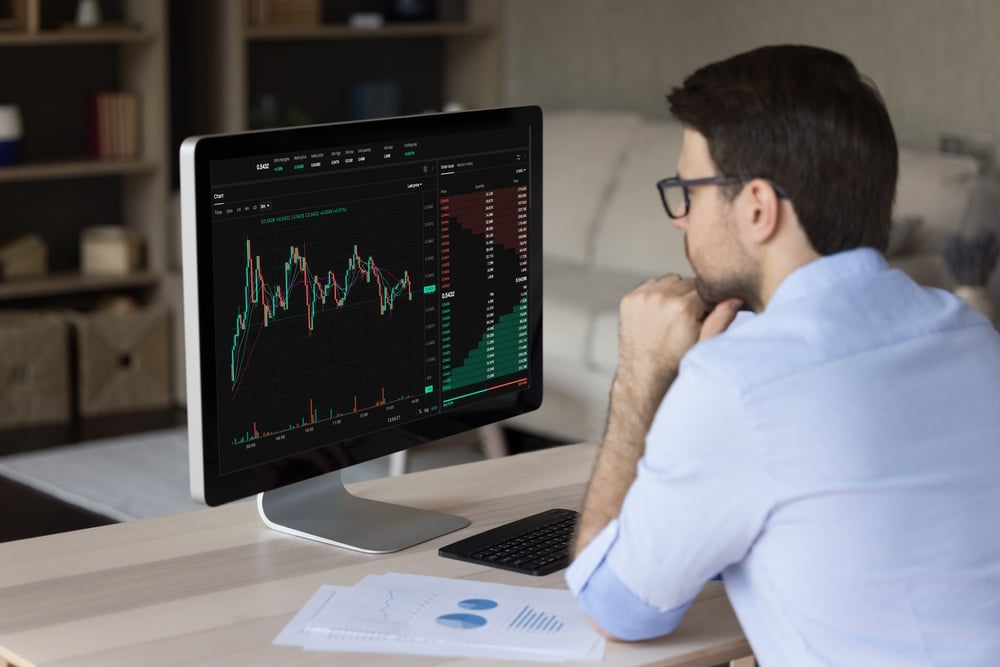
The goal is simple: find quality projects and avoid unnecessary risks. Below is a clear process you can follow, with practical steps and tools you can use at each stage.
Step 1 – Start With the Whitepaper
A whitepaper is where every serious crypto project begins. It’s meant to explain the problem they want to solve, how the technology works, what the token is for, and how they plan to grow.
A good whitepaper will spell this out clearly and provide enough technical detail to be checked later. If you read one that is vague, stuffed with buzzwords, or missing important information like token supply or distribution, that is usually a warning sign.
Step 2 – Research the Project Team and Advisors
Once you understand the project on paper, the next question is who is actually building it. A strong team usually has experience shipping products or contributing to other blockchain work.
Advisors can also play an important role if they are genuinely involved and not just lending their name. Take time to check whether team members and advisors have real, verifiable backgrounds. Look at their previous work, social profiles, or open-source contributions. If you cannot find much about them or the information looks fake, treat that as a risk.
Step 3 – Understand the Tokenomics
Tokenomics is just a way of saying how the token is designed, distributed, and used in the project’s economy. You want to know how many tokens exist now, how many will exist in the future, and who controls them.
Pay close attention to allocation and vesting schedules because these reveal when early investors or team members might sell. You should also look for what drives demand for the token and whether the design makes sense for the project’s goals.
If too much is concentrated in the hands of insiders or unlocks happen too quickly, that can put a lot of pressure on the price later.
Step 4 – Analyze the Use Case & Value Proposition
A crypto project is only valuable if it solves a real problem. Ask yourself what job this project does better than existing alternatives and who benefits from it. For example, is it lowering transaction costs, adding privacy, or making something faster or more secure?
Then consider whether people are likely to use it and whether that usage actually supports the token. If the token has no clear purpose or the benefits are vague, then the project has a weak foundation.
Step 5 – Study the Roadmap & Development Progress
After looking at the purpose of the project, it’s important to check whether progress is actually happening. A roadmap shows what the team is planning and when.
Compare that to the activity you see on their GitHub or other development platforms. Consistent updates, bug fixes, and new releases are all good signs. If you see very little progress, shifting timelines, or promises that never get delivered, the roadmap may just be marketing.
Step 6 – Look at Partnerships & Collaborations
Partnerships can add credibility, but only if they are real. Always check whether both sides have confirmed the collaboration. Big names can be thrown around easily, and in the past, there have been fake announcements that turned out to be scams.
Go to the websites or press releases of the companies involved and confirm the relationship. Real partnerships often come with technical integrations, joint press releases, or visible activity between the two projects.
Step 7 – Check the Community & Social Presence
The strength of a community often shows how much organic interest a project has. Look at the quality of discussions in their Telegram, Discord, or X (Twitter) feeds. Genuine communities ask good questions, share ideas, and engage in real conversation.
Large follower counts by themselves don’t mean much since bots and paid followers are common in crypto. Pay attention to how the team communicates with the community and whether they respond to feedback or criticism.
Step 8 – Assess Market Metrics
Numbers tell their own story. Look at the market capitalization, daily trading volume, and liquidity on crypto exchanges. Strong projects usually trade on multiple exchanges, including Decentralized Exchanges (DEX), with enough liquidity for people to buy and sell without huge swings in price.
Compare the current market cap to the fully diluted valuation to see how much future supply might affect things. Also, check whether the project is generating any real revenue or usage. This can be done through dashboards that track fees, transactions, or total value locked.
Step 9 – Evaluate Security & Audits
Security is one of the most important parts of any crypto project. See if the project has gone through independent audits and whether those audits list issues that were fixed. Read the audit reports and check whether they apply to the contracts that are actually deployed.
Strong projects also use tools like multisignature wallets, timelocks, and bug bounties to reduce risks. Formal verification, where possible, is another good sign since it tests whether the code truly works as intended. If a project has no audits or only mentions them without proof, it’s safer to stay cautious.
Researching a crypto project takes time, but each step builds on the last to give you a clear view. Start with the whitepaper to understand the vision, then look at the team, token design, and use case.
From there, confirm progress through roadmaps, partnerships, and development work. Finally, test the strength of the community, the health of the market metrics, and the seriousness of their security. When all of these areas hold up, you can approach the project with more confidence. When they do not, you know exactly where the risks lie.
Crypto Research Tools Every Investor Should Use in 2026
If you want to make smarter choices in crypto, you need the right set of tools. Here are the essentials:
- Dune: Community dashboards and custom queries for on-chain activity.
- Nansen: Tracks wallet movements and highlights where experienced traders are moving funds.
- Token Terminal: Shows fundamentals like revenue, fees, and valuation ratios.
- DeFiLlama: Compares liquidity and total value locked across hundreds of DeFi protocols.
- Messari: Offers research reports, token unlock calendars, and fundraising data.
- Santiment: Combines on-chain data with social metrics to track market sentiment.
- Glassnode: Provides institutional-grade blockchain and market intelligence.
- The Graph: Lets developers and analysts query blockchain data through subgraphs.
These tools cover everything from raw blockchain data to project fundamentals and market sentiment, giving you a rounded view of any project you want to study.
If you’d like a closer look at how each one works, we’ve put together a full guide in our Top Crypto Tools For Trading, Analysis & Research article.
Mistakes to Avoid When Researching Crypto
Getting into crypto research can be exciting, but it is easy to make mistakes that throw off your entire analysis. By knowing what to watch out for, you save yourself from chasing bad data or relying on signals that do not actually mean much.

Here are some of the biggest pitfalls and how to avoid them.
The more you learn to spot these mistakes, the clearer your research will be. It is not about avoiding every risk, but about understanding the blind spots that can lead to poor decisions.
Best Practices for Organizing Your Crypto Research
Good research is not just about what you read, but also how you organize it. With so much data flying around, having a system in place helps you stay sharp and make sense of what actually matters.
These practices will make your research more reliable and easier to act on.
- Keep everything in one place: Use a spreadsheet or database where you record names, tickers, contract addresses, supply numbers, unlock schedules, liquidity details, and key risks. Add the date you pulled the info so you know how fresh it is.
- Always use verified contracts: Do not rely on token names alone. Save contract addresses from trusted block explorers to avoid accidentally tracking the wrong asset.
- Cross-check your data: Compare numbers from at least two different sources. If there are differences, figure out why before moving forward.
- Track key dates: Keep a calendar for token unlocks, governance votes, and major releases. Link each entry back to the source so you can confirm it later.
- Dig into liquidity, not just volume: Record which pairs matter most, how deep the books are, and whether liquidity is spread out or concentrated. This tells you whether trading will actually be smooth.
- Separate fees, revenue, and earnings: These numbers often get lumped together, but they mean very different things. Keep them apart so your comparisons stay accurate.
- Set alerts to save time: Instead of checking dashboards all day, create alerts for big wallet moves, governance activity, or changes in liquidity.
- Keep a trading journal: Write down your reasons for entering a project, your price levels, and what would make you exit. Afterwards, review your decisions to learn from them.
- Document security details: Note whether a project has audits, bug bounties, admin keys, or a history of hacks. This makes security part of your overall picture.
- Use a consistent template: If every project is documented the same way, it is much easier to compare them side by side.
When your research is structured and organized, you are less likely to overlook critical details. Over time, this habit turns scattered information into a clear map that helps you make smarter choices.
Conclusion: Crypto Research
Learning how to research crypto is less about chasing hype and more about building habits that keep you grounded. A solid approach starts with the basics: read the whitepaper, understand the team, and dig into tokenomics.
From there, expand your view by checking community activity, partnerships, and development progress. Treat it like your own crypto project analysis guide instead of relying only on what influencers or headlines say.
The real value of crypto due diligence in 2026 is that it helps you separate projects that are sustainable from those that are just noise. Whether you’re figuring out how to research crypto projects in depth or just learning how to research crypto coins before buying them, the goal is the same: to protect your capital and find the projects with the best shot at long-term success.
DISCOVER:
- Crypto Exchange Promos & Discounts
- Crypto Wallet Promos & Discounts
- Top Privacy Coins for Private Transactions in 2026
- Gold vs. Bitcoin: Which is a Better Investment in 2026?
FAQ
Why is crypto research important before investing?

If you don’t research before investing, you’re just guessing. Crypto moves quickly, and without the facts you can get caught up in hype or scams. Doing some research helps you spot risks and make smarter choices.
How do I check if a crypto project is legitimate?
Start with the whitepaper. If it’s missing or doesn’t make sense, that’s a red flag. Check the team to see if they’re real people with a track record. Make sure partnerships and advisors actually exist. You can also scan the smart contract with tools like Token Sniffer to spot hidden risks.
How do I analyze a cryptocurrency’s tokenomics?
Tokenomics explains how a token works. Look at how many tokens are in circulation, how many more will be released, and who holds large amounts. Check what the token is actually used for, like paying fees or voting. If it has no clear purpose, it’s usually not a good sign.
Can social media help in crypto research?
It can, but you need to be careful. A strong and active community that asks real questions is a positive sign. But hype, bots, and fake accounts are everywhere. Don’t rely only on influencers or viral posts when making decisions.
What’s the difference between fundamental and technical crypto research?
Fundamental research is about the project itself, like its purpose, team, and long-term potential. Technical research focuses on charts, price patterns, and trading activity. Fundamentals tell you if a project is worth holding, while technicals help with timing.
How do I evaluate the team behind a crypto project?
Check if the team is open about who they are. Look them up on LinkedIn or other platforms to confirm their experience. If the team is anonymous or their details don’t match up, that’s a major warning sign.
How can I research new crypto coins before they launch?
Read the whitepaper and see if the goals are realistic. Check token distribution, unlock schedules, and who controls the supply. Look for an audit if possible, or scan the contract code if it’s available. Be extra cautious because scams are common with new launches.
What are red flags when researching crypto?
Watch out for missing or poorly written whitepapers, hidden teams, and promises of guaranteed profits. Fake partnerships, sloppy websites, and over-the-top hype are also strong warning signs.
References
- “Cryptocurrency, Research Guides.” J. Murrey Atkins Library, University of North Carolina at Charlotte, https://guides.library.charlotte.edu/cryptocurrency
- “Blockchain and Cryptocurrencies.” Boston University Libraries, https://library.bu.edu/blockchain_cryptocurrencies
- “What Is Research?” Hampshire College, https://www.hampshire.edu/offices/office-dean-faculty/irb-research-human-subjects/irb-general-information/what-research
- “Cryptocurrency Fraud.” Florida Atlantic University, College of Business – Center for Forensic Accounting, https://business.fau.edu/centers/center-for-forensic-accounting/public-resources-on-fraud/particular-areas-of-fraud/cryptocurrency-fraud/

Why you can trust 99Bitcoins
Established in 2013, 99Bitcoin’s team members have been crypto experts since Bitcoin’s Early days.
Weekly Research
100k+Monthly readers
Expert contributors
2000+Crypto Projects Reviewed