




In This Article
Getting started in crypto is a lot easier when you have the right crypto tools at your disposal. From exchanges and wallets to analytics dashboards and trackers, these platforms simplify every step of the process.
Today, there are countless crypto tools online that help you trade, store assets, and stay secure, but not all of them are built the same. If you want to dig deeper into the market and make informed choices, crypto tools for research give you real-time data, on-chain insights, and performance metrics that cut through the noise and show you what really matters.
Key Takeaways
- Crypto tools cover trading platforms, wallets, research dashboards, tax software, and portfolio trackers.
- They help reduce mistakes, save time, and make managing assets more secure and efficient.
- Exchanges like Binance and Coinbase are top picks for beginners, while Uniswap and dYdX suit advanced users.
- Charting platforms such as TradingView and indicators like RSI and MACD give real-time market insights.
- Wallets like Best Wallet, Ledger, and Trezor keep your funds safe for both daily use and long-term storage.
- Research tools such as Glassnode, Messari, and CoinGecko reveal blockchain activity and market trends.
Best Free Crypto Tools: Summary
This guide walks you through the most useful crypto tools for trading, analysis, and research. From exchanges and wallets to research dashboards and tax platforms, each tool serves a different purpose, but together they make your crypto journey smoother.
We cover centralized exchanges for beginners who want simplicity, decentralized platforms for users who prefer full control, and automation tools that run trades around the clock. You’ll also find details on charting apps, security wallets, and analytics platforms that reveal what’s happening behind the scenes.
Top Crypto Tools in 2026
People get into crypto for different reasons, for example some are here to trade, others are here to invest, build a long-term portfolio, or simply learn how blockchain technology works. Regardless of the reasons, the right crypto tools will shape your experience from day one. From managing assets, optimizing strategies, and automating transactions to generating real-time insights, these tools give you the edge you need to navigate volatile markets with confidence.
Portfolio trackers and tax software help you stay organized, while educational platforms and communities keep you learning and connected. With new trends like AI-driven insights and mobile-first wallets shaping the future, having the right setup is more important than ever.
So whether you’re trading every day, building a long-term portfolio, or just starting to explore, this guide gives you the key tools to make smarter moves in crypto. Choosing the right crypto tool is important because it helps you protect your funds, cut down on errors, and act quickly when markets move. The right setup also makes it easier to track your portfolio, handle taxes, and spot real opportunities without wasting time.
The tools used by successful traders, professional analysts, and even top investors go far beyond basic features. They integrate analytics, AI, and deep data feeds to help track performance, monitor liquidity pools, and uncover hidden gems. Today’s best platforms offer seamless connections between crypto exchanges, wallets, and services, regardless if you’re managing a personal account or an enterprise-level suite of tools.
You can monitor market cap, measure profit, scan for token metrics, automate your reports, and even forecast gains using advanced analytics platforms. Whether you want to explore social signals, identify customers, or protect your Bitcoin holdings, there’s a tool for every task.
What Are Crypto Tools?
Crypto tools include everything from browser extensions and mobile apps to full-scale platforms with built-in AI, multi-chain support, and customizable trackers. These tools allow you to manage trades, view historical data, track performance, and even calculate gains or revenue across various tokens, stocks, and crypto assets.
Many users rely on tools to handle tasks like syncing transactions between crypto wallets, flagging potential discounts, generating compliant reports, or scanning analytics for sharp price movements and market trends.
Some platforms help you start trading with built-in guides, while others allow you to set automated strategies based on your risk profile. Advanced tools can also deliver real-time alerts, show on-chain activity, or let you track assets across accounts and exchanges.
In short, these tools are essential for reducing errors, increasing speed, and maintaining full visibility into every aspect of your crypto activity.
Types of Crypto Tools
There are many categories of crypto tools, and each one serves a distinct role within the wider crypto industry:
From identifying undervalued NFT projects, tracking BTC held, and managing accounts to accessing real-time analytics on liquidity, trades, and gains, this new wave of tools supports every kind of user.
Even if your goal is simply to generate cleaner reports, protect your tokens, or explore crypto for illustrative purposes, there’s a tool built for you.
Best Crypto Trading Tools
Trading crypto can feel overwhelming without the right setup. A good mix of tools helps you move quickly, spot opportunities, and avoid costly mistakes. From established exchanges to automated bots, these are the tools that give you a real edge. If you’d like to check out different trading tools and boost your returns, take a look at our guides on the Top AI Trading Bots and 12 Automated Crypto Trading Platforms in 2026.
Centralized Exchanges Decentralized Trading Platforms Trading Bots Charting Tools Indicators
Crypto Wallets & Security Tools
Owning crypto is only half the battle. Keeping it safe is just as important. Wallets and security tools protect your coins from hackers, accidents, or even simple mistakes. Think of them as the lock and key that guard your digital savings.
Hot Wallets You can find more details about these software wallets in our dedicated article on “What is a Hot Wallet.” Cold Wallets Custodial vs. Non-Custodial Password Managers & 2FA Apps Multi-Sig Wallets
Crypto Research & Analytics Tools
Good research tools give you the information you need to make better choices in crypto. They show you what’s happening on the blockchain, highlight market trends, and even give you a sense of how investors are feeling. Instead of guessing, you can base your moves on real data.
Our own Q2 2025 State of Crypto Report is a good example of how useful research can be. The report shows the crypto market bouncing back with a 21.72 percent return in the second quarter of 2025, compared to just 7.37 percent for the S&P 500. That kind of insight helps you see how quickly crypto can recover after a rough patch.
If you prefer video explainers, the 99Bitcoins YouTube channel breaks down topics in a way that’s simple and fun to follow. And for regular updates without having to search around, our newsletter brings the most important news and lessons straight to your inbox every week.
On-Chain Analytics Market Research Sentiment Analysis Whale Tracking Tools News Aggregators
Crypto Tax Tools & Compliance
Taxes are one of the least exciting parts of crypto, but the right tools make them simple. Instead of spreadsheets and guesswork, these platforms automatically track your trades, calculate gains, and prepare reports so you can stay compliant without the stress.

Portfolio & Tracking Tools
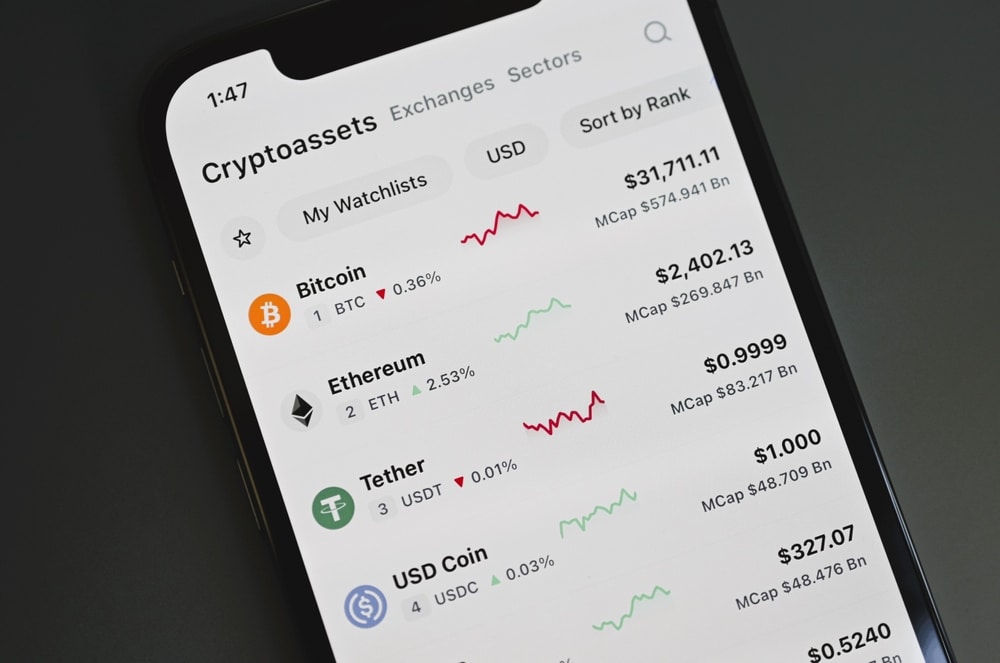
It’s easy to lose track when your coins are spread across apps, wallets, and exchanges. Portfolio tools pull everything together into one clean dashboard. With real-time updates and simple tracking, you’ll always know exactly where you stand.
Educational & Community Crypto Tools
No one can keep up with crypto alone. Educational tools and communities give you a place to learn, ask questions, and share ideas. From video guides to active forums, they help you sharpen your skills and stay connected with others in the space.
Other Essential Tools For Crypto Users
Some tools don’t fit into one category but still make a huge difference. These include privacy apps, blockchain explorers, crypto cards, and launchpads. They’re the extras that make your whole setup stronger, safer, and more practical for everyday use.
How to Choose the Right Crypto Tools?
The first step is figuring out what you actually need. If you’re trading often, you’ll want tools that give you quick execution, clear charts, price alerts, and strong security. If you’re more of a long-term holder, the focus shifts to safe storage, portfolio tracking, and keeping your taxes in order.
If you’re more advanced, you might want tools that connect to multiple blockchains, let you automate trades, or work well with other apps you already use.
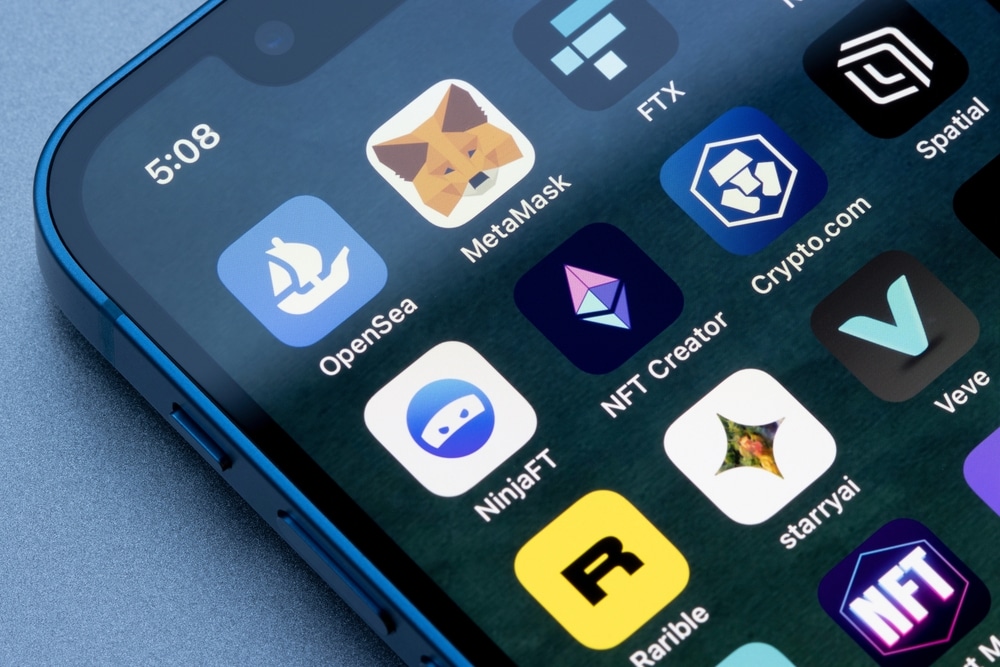
Security should be at the top of your list. Hot wallets are great for easy access but need extra protection like strong passwords and two-factor authentication. Cold wallets keep your coins offline and are safer for savings. Many people end up using a mix of both: hot wallets for daily activity and cold wallets for storage.
It also helps to think about control. Custodial wallets are run by a third party that holds your keys, while non-custodial wallets put you in full control. Non-custodial wallets are safer if you take care of your recovery setup, but they also put the responsibility on you. For businesses or groups, multi-signature wallets are a good option since they require more than one person to approve a transaction.
Another thing to check is how well a tool connects with the rest of your setup. A good trading app or research platform should be able to sync with your wallets and exchanges, so you don’t waste time copying information back and forth. Make sure the data they show is reliable and easy to understand.
Finally, look ahead. Crypto tools are changing fast, and features like smart wallets, account recovery options, and mobile-first designs are already rolling out. Choosing tools that support these improvements will make your life easier down the line.
How Crypto Tools Will Evolve in Future?
Crypto tools are moving in the same direction as mainstream apps: easier to use, mobile-friendly, and packed with smart features that do the heavy lifting for you. Over the next few years, expect to see more artificial intelligence, smoother mobile apps, and tighter integration with DeFi and Web3 platforms.
AI in Crypto Research
Artificial intelligence is already starting to play a big role in crypto. AI tools can scan millions of transactions and highlight unusual activity much faster than a human ever could. They can also label wallets, track large transfers, and point out patterns that might signal a shift in the market.
Some platforms are using AI to summarize big market moves, so instead of looking at raw data, you get a clear picture of what’s happening and why. Others are experimenting with short-term predictions, pulling together dozens of signals to help traders spot opportunities early. While AI won’t replace human judgment, it will make research a lot faster and more efficient.
Mobile-first Crypto Tools
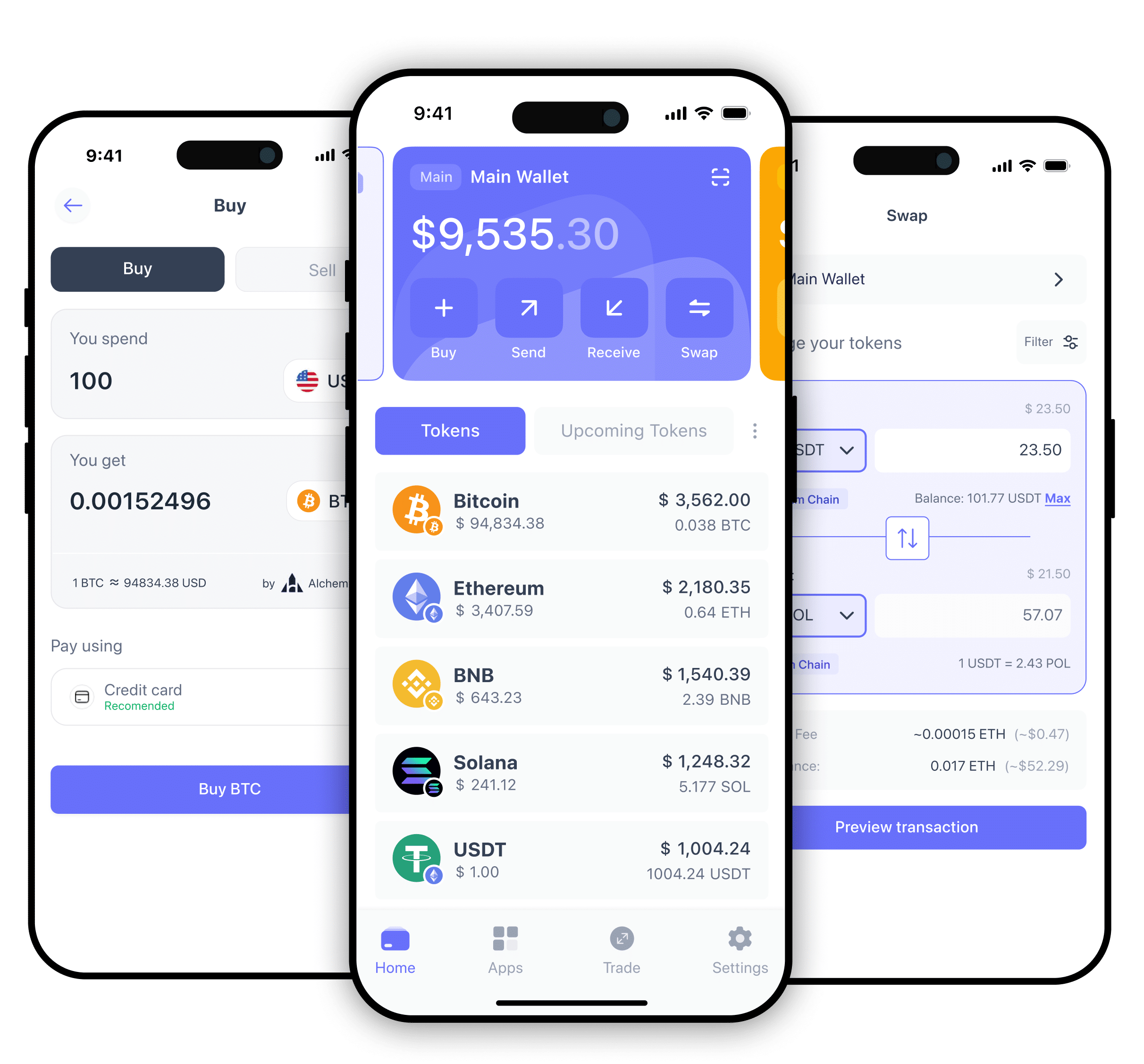
Most people now manage their money on their phones, and crypto is no different. Mobile wallets and apps are becoming the main way people interact with digital assets. The best ones combine security features like biometric login with smooth interfaces that make trading or sending crypto just a few taps.
Connection standards are also improving. Features like WalletConnect now let you move between apps on your phone without scanning QR codes or logging in multiple times. Smart wallets will push this even further by adding things like spending limits, gas fee coverage, and easy recovery options that work seamlessly on mobile.
Integration with Web3 & DeFi ecosystems
Crypto tools are no longer just for holding and trading coins. They’re turning into gateways to Web3, where you can access DeFi apps, NFT platforms, and cross-chain services in one place. Wallets are evolving into “all-in-one” apps that connect to multiple blockchains, carry your settings across apps, and even let you batch transactions.
Cross-chain technology is also making it easier to move assets between networks without using clunky bridges. For example, new protocols are focusing on safer ways to transfer tokens and data across blockchains, so managing assets in multiple ecosystems feels much smoother.
On top of that, shared data networks are making it simpler for wallets and dashboards to show consistent information across apps. Instead of each tool having its own limited view, you’ll soon see more platforms pulling from the same reliable data sources, which means faster and more accurate updates.
Conclusion: Best Crypto Tools
Crypto can feel overwhelming at first, but the right tools make a huge difference. Whether you’re trading daily, researching new tokens, managing long-term assets, or just getting started, these platforms help simplify the process.
Some tools help you move fast during market swings. Others give you deep insights into on-chain activity or keep your portfolio organized across dozens of wallets and exchanges. The most important thing is knowing what you need, then building a setup that supports your strategy.
If you’re more hands-on, advanced tools like TradingView, 3Commas, or Glassnode will give you full control over analysis and automation. If you want something simpler, mobile-first wallets or all-in-one dashboards can handle the basics without sacrificing safety.
You don’t need every tool on the list. You just need the ones that match your goals.
DISCOVER:
- Crypto Exchange Promos & Discounts
- Crypto Wallet Promos & Discounts
- Crypto Jobs Guide: How to Land Web3 Job in 2026
- How to Do Crypto Research: Learn From Experts
- Gold vs. Bitcoin: Which is a Better Investment in 2026?
- Top Crypto Tools for Australians in 2026
FAQ
What are the essential crypto tools every investor should have?


Every investor should have a secure crypto wallet like Best Wallet or Zengo to store their coins, an exchange to buy and sell, a tracker to monitor their portfolio, and a tax tool to stay organized. Research platforms are also important because they help you understand market trends before making decisions.
What crypto tools do professional traders use?
Professional traders often use advanced exchanges with more features, charting platforms to study price movements, and automation tools like trading bots. They also rely on research and analytics platforms that show on-chain data and investor behavior.
Do I need to pay for crypto tools?
Many crypto tools are free to start with, but paid versions usually unlock more detailed features. For example, charting tools might limit indicators on a free plan, while paid plans allow unlimited use and advanced alerts. It depends on how deep you want to go.
Can crypto tools help me avoid scams?
Yes, some tools can flag suspicious addresses, highlight risky tokens, and track unusual wallet activity. Using trusted wallets and exchanges also reduces your exposure to fake apps and phishing attempts.
What is the difference between centralized and decentralized crypto tools?
Centralized tools are run by a company that manages your account, which makes them easy to use but requires trust in that company. Decentralized tools give you full control of your funds and connect you directly to the blockchain, but you are also fully responsible for security.
What tools offer the best real-time crypto data visualization?
Charting platforms like TradingView and Cryptowat.ch are popular because they show price action in real time with lots of options to customize. Coin trackers like CoinMarketCap also provide quick updates and summaries for thousands of tokens.
What tools can help me understand the basics of crypto tokens?
Simple platforms like CoinGecko and CoinMarketCap explain what each token does and give you basic stats. Educational platforms and YouTube channels can also help break down concepts in plain language.
What tools provide the most useful crypto performance indicators?
Charting platforms are the go-to here, as they let you apply indicators like MACD, RSI, and Bollinger Bands to spot trends and momentum. On-chain analytics platforms also give useful performance insights, such as transaction volumes and wallet activity.
What tools support seamless in-app crypto swapping?
Best Wallet makes token swapping simple by letting you trade directly inside the app without needing to connect to an external exchange. It keeps things secure with non-custodial control and makes the process quick and straightforward.
References
- Binance Academy. “On-Chain.” Binance Academy, academy.binance.com/en/glossary/on-chain.
- Coinbase. “What Is a Multi-Signature (Multi-Sig) Wallet?” Coinbase, www.coinbase.com/en-gb/learn/wallet/what-is-a-multi-signature-multi-sig-wallet.
- Gemini. “What Is 2FA in Crypto? Different Types of 2FA vs MFA.” Gemini, www.gemini.com/cryptopedia/blockchain-2fa-crypto-different-types-of-2fa-vs-mfa.
- Ethereum. “Decentralized Finance (DeFi).” Ethereum,ethereum.org/en/defi/.
- Kraken. “What Are Non-Fungible Tokens (NFT)?” Kraken, www.kraken.com/learn/what-are-non-fungible-tokens-nft.

Why you can trust 99Bitcoins
Established in 2013, 99Bitcoin’s team members have been crypto experts since Bitcoin’s Early days.
Weekly Research
100k+Monthly readers
Expert contributors
2000+Crypto Projects Reviewed