






In This Article
So, you’re finally interested in buying Bitcoin, but don’t really know where to start? You’ve come to the right place. Whether this is your first time purchasing Bitcoin or you are just curious about the best crypto exchanges or wallets, this guide will walk you through every step of the process. In this article, you will learn how to buy Bitcoin securely using your bank account, debit card, or even PayPal. We will also explain the different types of Bitcoin wallet options, such as cold wallets and hot wallets, how to securely store your BTC, and how to protect your funds from common mistakes.
Key Takeaways
- Bitcoin is the most popular cryptocurrency in the world with a market valuation of $2 trillion.
- Choosing the right Bitcoin wallet is essential for secure storage of your crypto.
- Top crypto platforms like Best Wallet and CoinFutures make it easy for beginners to buy, hold, and trade cryptocurrencies.
- Be aware of fees, exchange rates, and security features before making a payment or completing a purchase.
- Always verify the platform’s reputation and follow best practices to protect your funds and avoid common mistakes.
How to Buy Bitcoin: Summary
This beginner’s guide walks you through every step of purchasing Bitcoin in a secure, easy, and convenient way. You will learn how to buy Bitcoin using various payment methods and explore top crypto trading platforms and Bitcoin crypto wallet options available in the market. We will also cover how to avoid high fees, protect crypto assets, and choose the best purchase method to make your first-time crypto purchase experience enjoyable.
The article highlights why Best Wallet is one of the best crypto platforms to buy and hold Bitcoin, and why CoinFutures is a popular place to bet on the price movement of Bitcoin without holding the cryptocurrency.
Don’t like to read? Watch the video version of this guide:
How to Buy Bitcoin?
Choosing a crypto exchange to buy Bitcoin can be challenging. Each exchange comes with its own set of rules, supported regions, accepted payment methods, fees, and features. Here’s what to review when you are looking for a crypto platform to buy Bitcoin:
Keep in mind that no exchange is free of negative reviews, but it’s important to consider the volume and content of those reviews.
Types of Exchanges
In this section, we will look at the different ways to buy Bitcoin. Each option comes with its own pros and cons. Your choice will depend on what matters most to you, like simplicity, global availability, or more complex trading features. Picking the right exchange can support your cryptocurrency investment goals. In short, there are three types of exchange platforms: brokers, trading platforms, and P2P exchanges. Here’s a comparison of these options.
Brokers
Brokers are sites that allow you to buy coins via their platform at a set price determined by the platform. While being more expensive than other types of exchanges, brokers are the most simple to use and are, therefore, very popular. An example of a broker is eToro, which offers various cryptocurrencies to its international clients but only Bitcoin, Bitcoin Cash (BCH), and Ethereum (ETH) for its US customers.
Trading platforms
Crypto trading platforms connect buyers with sellers indirectly. Sell orders are placed by sellers and picked up by buyers, with no direct communication between the two parties. A small fee is charged by the platform for providing the service.
Trading platforms, such as OKX or Binance, to name two, are usually the cheapest way to buy BTC. However, they are not the most user-friendly. Additionally, some platforms, like MEXC, offer advanced trading options such as stop losses or limit orders, which might confuse trading newbies. While these exchanges require a bit of a learning curve, it is worth it to get familiar with them as they provide all the necessary tools and features to trade crypto and buy or sell assets for low fees.
P2P Platforms
Unlike trading platforms, P2P (peer-to-peer) platforms enable buyers to communicate directly with sellers in a peer-to-peer manner. This direct communication allows the two parties to trade without depending on a centralized operator.
However, this direct communication involves risk since you are essentially sending money to an anonymous seller. On the upside, P2P platforms usually have benefits such as availability in multiple countries, more payment methods, and the like. Our top pick for top P2P platforms is Best Wallet. This works a little differently from older generation P2P exchanges, but we like this one as there are no third parties or escrow tools needed. As the trades are 100% on-chain, there is also lower risk as you aren’t sending funds to an anonymous seller who could run off with your money. MEXC is another great platform for P2P crypto exchanges. While MEXC is primarily a crypto exchange, its P2P platform is very popular and secure.
If you are interested in the more traditional style of P2P exchanges, where you do the legwork to find sellers and send them fiat in return for crypto, two examples of prominent P2P platforms are Paxful and LocalCoinSwap. I recommend checking out our article on the Best P2P Crypto Exchanges in 2026 to find the right one for you. We’ve heard stories like “I got scammed on Paxful” from users who didn’t verify the seller or skipped using escrow. Always double-check feedback and never rush a transaction.
Where is the Best Place to Buy Bitcoin?
You can purchase Bitcoin via a centralized exchange, decentralized exchange, or a non-custodial wallet, each option comes with its own pros and cons. For simplicity and convenience, a self-custodial wallet is often the best choice since it lets you buy BTC and securely store it in the same place, without needing to move your funds elsewhere.
Best Wallet: Overall Best Platform to Buy BTC in 2026
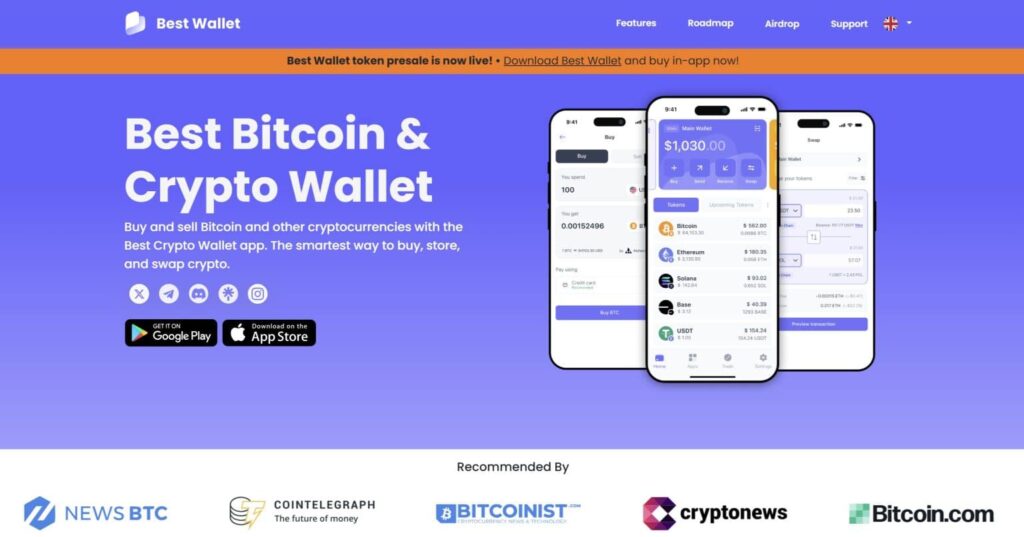
Best Wallet is our top pick for users looking for the easiest way to buy Bitcoin or the best place to buy crypto from directly within a wallet. Best Wallet allows users to buy, sell, and swap crypto directly within the wallet using the built-in DEX aggregator.
The reason we recommend Best Wallet for those looking for the most friction-free way to buy Bitcoin is that by purchasing crypto directly from within a wallet, users lower their risk of exposing themselves to exchange hacks, third-party risks, and the possibility of sending to incorrect addresses when withdrawing from a traditional crypto exchange. The Best Wallet DEX aggregator sources the best rates for users’ swaps, supporting 50+ chains, connecting to over 200 decentralized exchanges, and using up to 20 cross-chain bridges. Users can make both same-chain and cross-chain swaps.
Read our complete Best Wallet Review to learn more.
Pros & Cons: Best Wallet
Pros
Cons
How to Buy Bitcoin on Best Wallet: Step-by-Step Guide
-
Download Best Wallet: Install the Best Wallet app from the App Store or Google Play and tap Get Started to set up your wallet.
-
Back Up Your Wallet: Save your recovery phrase securely and back up your wallet to iCloud or Google Drive. This is essential for restoring access if you lose your device.
-
Tap Buy on the Home Screen: On your main wallet card, tap the Buy button to start the process.
-
Select Bitcoin: From the list of tokens, choose Bitcoin as the cryptocurrency you want to purchase.
-
Enter Purchase Amount: Type in how much Bitcoin you want to buy. You’ll see a price estimate in your selected currency.
-
Choose a Payment Method: Select from available options like credit/debit card, Apple Pay, Google Pay, or bank transfer.
-
Pick a Provider: Best Wallet suggests the best on-ramp provider automatically, but you can scroll to compare fees, speed, and KYC requirements.
-
Complete the Purchase: After reviewing all the details, tap Buy Bitcoin. You’ll be redirected to the provider’s site to finalize payment.
-
Confirm and Wait: Once the transaction is complete, your Bitcoin will be delivered directly into your wallet.
-
View Transaction History: Go to the Trade tab, enter History to view the status and details of your purchase.
Best Wallet Review


Pro tip: After you buy Bitcoin, it might take a little time to appear, especially during busy periods. You can check your transaction status using the receipt or ID from the provider. If your purchase fails, try a different provider or contact their support.
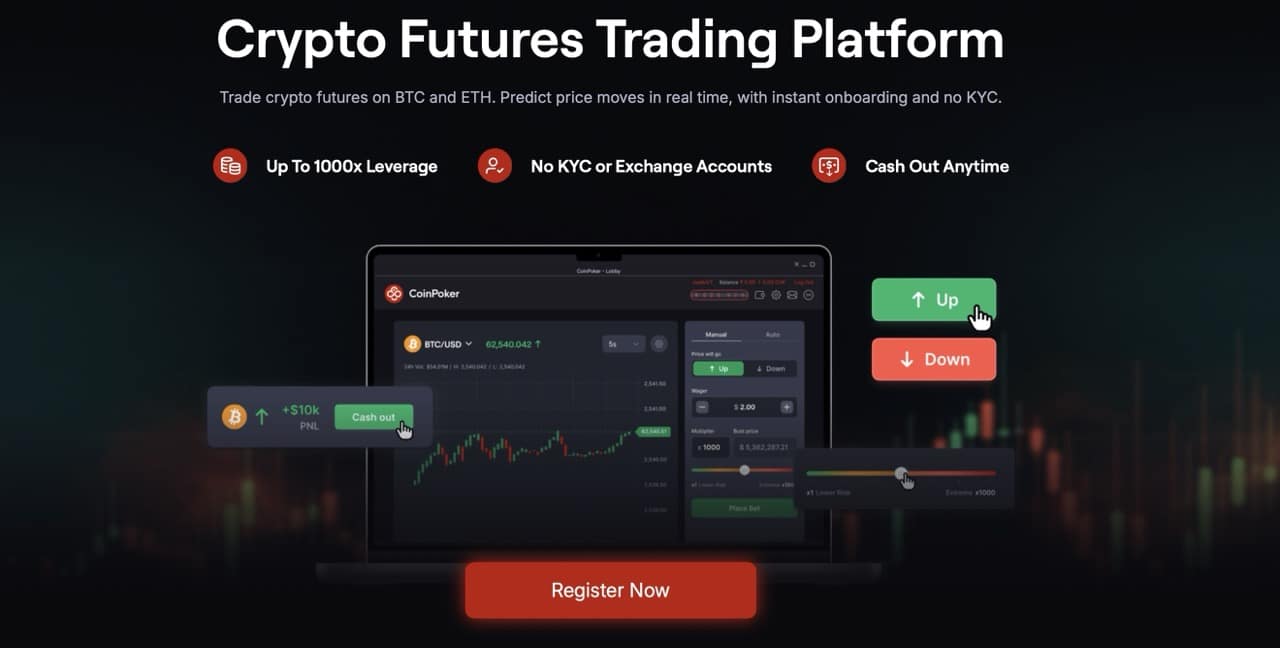
While buying Bitcoin directly is the most common route, some investors prefer not to manage wallets, private keys, or long-term storage. If your goal is simply to profit from Bitcoin’s price movements, futures trading can be a smarter alternative. CoinFutures is among the best crypto futures trading platforms out there, and users can get started without KYC and jump into instant futures trading action, which is why it makes our #1 pick. It’s a powerful trading platform that simplifies futures trading by providing a gamified user interface. It offers one of the most convenient and beginner-friendly experiences in the crypto futures trading scene. Users can choose to bet on whether Bitcoin prices will go up or down, giving investors full flexibility to benefit from broad market action, whether you are bullish or bearish. The platform provides leverage up to 1000x, which means that if you have $10 in your account, you can place bets up to $10,000. This makes it possible to profit from small price movements; however, the risk of losses is also amplified. You can fund your CoinFutures account using on-chain transactions, debit card, credit card, Apple Pay, Google Pay, and bank accounts. To learn more about CoinFutures, you can check out our comprehensive CoinFutures review for 2026. If you want to know the step-by-step process of trading BTC, we recommend checking out our BTC Futures Trading guide.Alternative to Buying Bitcoin: Futures Trading
CoinFutures Pros & Cons
Pros
-
Users do not have to complete KYC verification.
-
CoinFutures offers up to 1000x leverage.
-
Gamified interface makes crypto futures trading engaging for beginners.
-
Automate your trading strategy and manage risk.
Cons
-
CoinFutures only simulates real market conditions.
-
The platform has a limited set of cryptos for trading.
-
Currently unavailable for iPhone users.
-
Charges a fee on your profits and a flat fee for entering and exiting a position.
Top Payment Methods for Buying Bitcoin
One of the more crucial deciding factors of how much you’re going to pay for your Bitcoin is going to be your payment method, and there’s a good reason for this. Different methods come with varying fees, verification requirements, speed, and security levels. Let’s go through all the payment options available to you when buying Bitcoins.
Credit Cards and Debit Cards
These are probably the most common payment methods available. These days, many exchanges allow you to purchase Bitcoin with a credit card. The main ones are eToro and MEXC.
Buying Bitcoin with a credit card will always require some sort of identity verification and, in most cases, will be relatively expensive. On the other hand, the verification process is just a one-time thing, and the waiting time for your Bitcoin will likely be short.
How to Buy Bitcoin with a Credit or Debit Card?
If you want to buy Bitcoin using a credit or debit card, here’s how to do it:
-
Pick a crypto platform that supports card payments. Our choices are Best Wallet, MEXC, and OKX. -
Sign up & verify your account. Enter your email and set a password. Complete KYC if required by the platform.
-
Navigate to “Buy Crypto” or “Buy Bitcoin”, then select “Bitcoin (BTC)”.
-
Choose a credit/debit card as your payment method. Input card details and amount. Select an on-ramp to process the payment.
-
Confirm your purchase. Double-check fees, exchange rate, and final price. Tap Confirm to proceed. Your bank may send an OTP for verification.
-
After a successful transaction, BTC appears in your exchange wallet. For better security, you can store your crypto in a cold wallet.
PayPal and Skrill
Purchasing Bitcoin via PayPal is very simple. The company has made it easier to buy Bitcoin on the platform; however, it initially didn’t support the direct purchase of the king coin.
How to Buy Bitcoin with PayPal?
Buying Bitcoin with PayPal is simple, but availability depends on your country. To buy Bitcoin using PayPal, just follow the steps below:
Buy Bitcoin On PayPal for Desktop Users
-
Log in to PayPal at PayPal.com and sign in to your account.
-
Go to the Finances section by clicking on the Finances tab.
-
Start buying crypto by tapping the Buy button.
-
Select Bitcoin (BTC) from the list of supported digital currencies.
-
Enter how much Bitcoin you want to buy and choose a purchase frequency.
-
Select a payment method such as PayPal balance, linked bank account, or debit card.
-
Complete the purchase by clicking Buy Now to finalize the transaction.
Buy Bitcoin On the PayPal App
-
Open the PayPal app and log in to your account.
-
Go to the Crypto section by tapping Accounts, then tap Crypto.
-
Start buying crypto by tapping the Buy button.
-
Select Bitcoin (BTC) as the cryptocurrency to purchase.
-
Enter the purchase amount and choose the buying frequency.
-
Set a start date if making a recurring purchase and tap Confirm.
-
Confirm the purchase details and tap Next to proceed.
-
Choose a payment method such as PayPal balance, bank account, or debit card.
-
Finalize the purchase by tapping Authorize and Schedule to complete the transaction.
In case you are interested in using Skrill, here’s a guide for buying BTC with Skrill.
Wire Transfers
When Bitcoin is bought with a wire transfer, once the money goes through to the seller, it cannot be charged back, no matter what. Naturally, many sellers prefer that you pay them using a wire transfer.
Wire transfer purchases will usually cost less than credit card purchases. However, the time it takes for the transaction to complete using a wire transfer is significantly longer, as it takes several days for a wire to go through.
Cash
Some websites, such as Paxful, connect buyers and sellers who are located nearby in order to conduct face-to-face Bitcoin transactions. Of course, buying Bitcoin with cash (or fiat currency, as it is referred to in the Bitcoin ecosystem) is quick and usually cheaper.
The downside to conducting transactions with cash is that you have to meet with the person physically. Also, you never know who you are dealing with when it comes to cash, so it’s important to take the appropriate steps to protect yourself.
KYC
No matter what payment option you choose, you’ll probably be required to provide some personal details, such as your registered address and ID. In some cases, you might even be required to provide details about your income. Don’t take this personally!
This process, known as Know Your Customer (KYC for short), is required by the government and enforced by the exchanges, probably against their will. The good news is that such regulations are the outcome of Bitcoin becoming more mainstream. If you are after a way to buy, sell, and swap crypto without KYC, check out our Best No KYC Crypto Exchanges 2026 article.
Choosing a Bitcoin Wallet
If you want full control and ownership over your Bitcoin you will need a crypto wallet.
For context, a Bitcoin wallet or a crypto wallet is a software application or a hardware device that store the private keys that give you access to your crypto assets. There is a common misconception that storing your cryptocurrencies on a crypto exchange, such as Binance, Coinbase or Kraken, is the same as storing cryptocurrencies on a crypto wallet. You should know that when you are holding your cryptocurrencies on an exchange, it is the exchange that is in control of your crypto assets. You are trusting them to hold your cryptocurrencies in good faith.
Such a setup leaves you vulnerable to company bankruptcies, fraud, and hacks. You may end up losing access to your cryptocurrencies, as seen during the collapse of FTX Exchange in 2022 and the hack of Mt. Gox in 2014.
By storing your Bitcoin and other cryptocurrencies in a non-custodial crypto wallet you can keep complete control and ownership over your digital assets.
Before you proceed further, you should learn about a few technical terms. A wallet usually holds two important pieces of information:
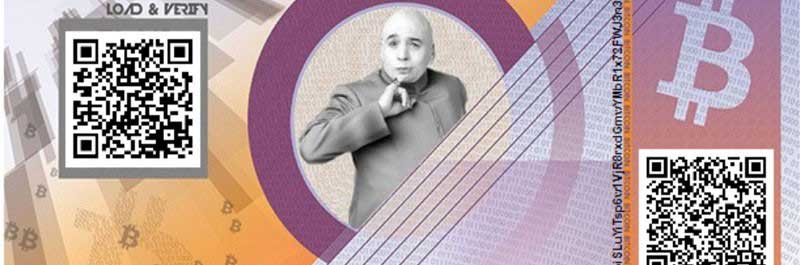
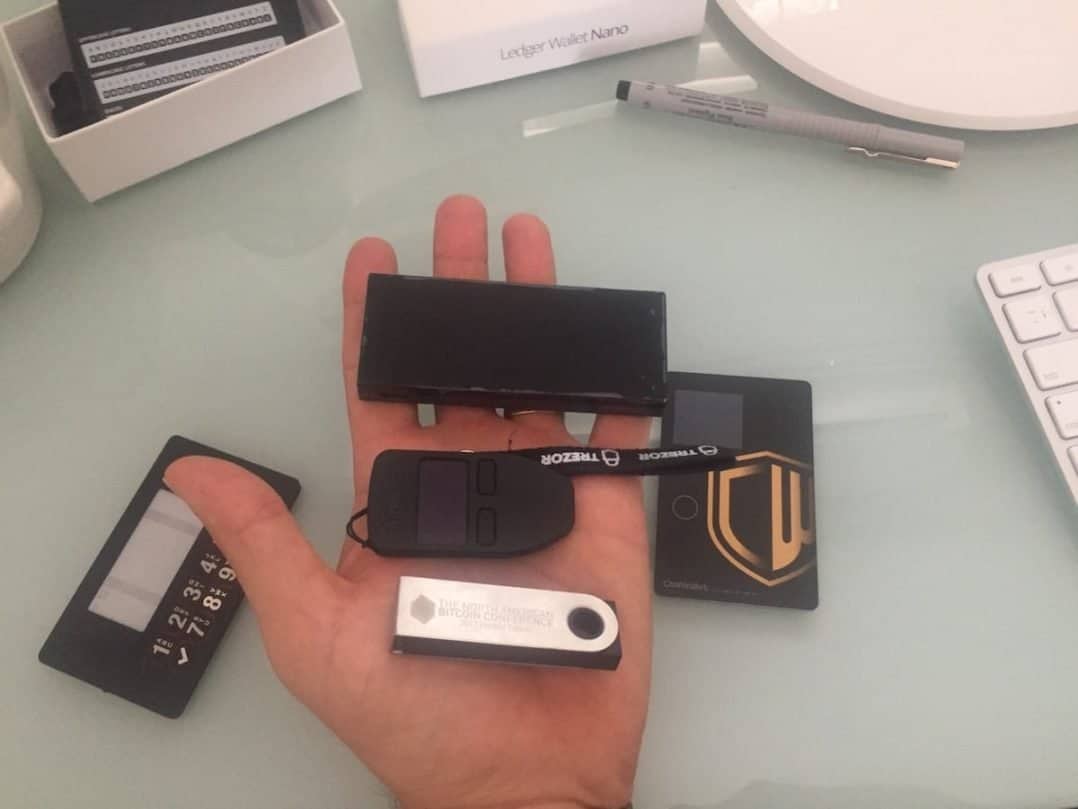
There are numerous popular Bitcoin wallets you can use, and it can get a bit overwhelming trying to compare all of them. Here are the most popular options around: There are several aspects you need to be aware of when it comes to Bitcoin wallets. A non-custodial wallet means that you are the sole owner of your Bitcoin and that you are not putting your Bitcoin in the hands of any third party. There are many types of non-custodial wallets. For example, the first Bitcoin wallet ever to be produced, known as the Bitcoin Core wallet, is non-custodial. Even though using a non-custodial wallet is considered to be more secure, it also means that you are the only one responsible for your coins’ security, so you need to take the appropriate measures. Non-custodial wallets are linked to a specific device, such as a laptop or phone, and can only be accessed via that device. Another thing to take into account is that non-custodial wallets are usually harder to set up than third-party wallets (also known as custodial wallets). Additionally, if you lose the private key to your non-custodial wallet, you lose your coins. No one will be able to get them back for you (just ask this poor fellow). Third-party wallets, also known as custodial wallets, are controlled by someone other than you. This will usually be some sort of company or exchange. Using this type of wallet is usually easier since they are often more geared toward beginners. You can also access it from anywhere on the web. However, this also makes them more prone to hacking. When using a custodial wallet, you’re putting the fate of your coins into someone else’s hands. That’s why it’s important only to use trusted third-party wallet providers. Most third-party wallet companies today take sufficient security measures to ensure that no one hacks your account. One of these measures is called Two-Factor Authentication (or 2FA for short). Using 2FA helps the wallet verify your identity by asking you to enter not only your username and password but also a one-time password (OTP) that is sent to a device you own via a text message, email, or 2FA code generator like Google Authenticator, Microsoft Authenticator, or others. A multi-signature wallet (also known as a multisig wallet) is a wallet that has more than one owner, and the coins inside that wallet can only be accessed if a preset number of owners agree to it. For example, let’s say a company opens a multisig wallet with three owners: the CEO and two other managers. They set the rules for this specific wallet so that it takes at least two owners to authorize a transaction. If the CEO wants to send Bitcoin to someone from this wallet, they need to get at least one other manager on board. Multisig wallets are considered more secure because even if one of the keys to the wallet is stolen, there’s usually no way to drain the wallet’s funds without the other owners’ approval. A good way to use a multisig wallet would be to give two keys to yourself and one to someone you trust, so that if one key gets stolen, your Bitcoin is still safe and accessible. Some wallets, like Electrum, have the option to enable multisig. Bitcoin can also be stored on physical items such as flash drives, dedicated Bitcoin hardware wallets (e.g., TREZOR or Ledger), and even on paper. Yes, paper. At its core, a Bitcoin wallet is just a set of letters and numbers, like a secret code to access your Bitcoin—also known as a private key. If you write that “code” down on paper, you can create what is known as a paper wallet. An example of a Bitcoin paper wallet Hardware wallets are devices that hold your private key for you. They are considered to be ultra secure since they are not connected to the internet and can even be run safely on infected computers due to their design. Types of hardware wallets Hardware wallets and paper wallets are a subset of non-custodial wallets. They present the best form of security and control you can have over your Bitcoin. Check out our guide to the Best Hardware Wallets to see which ones we recommend and use ourselves. Choosing the right wallet depends on several factors. Keep in mind that it’s pretty easy to switch between wallets, so it’s not a life-or-death decision. Here are the factors I would consider when choosing my wallet. Picked up a wallet? Found your preferred way to buy Bitcoin? Good! You now need to ask yourself a very important question: how much money do you intend to invest in Bitcoin? Bitcoin is a VERY risky asset. This means you should never buy any amount you can’t afford to lose. It’s important to think this through. If this is your first time buying Bitcoin, choose an amount that won’t affect you financially if Bitcoin drops to zero. In general, we tend to be overly optimistic when investing, and we can forget about the real possibility of a downside. My rule of thumb is never to invest more than 5% of my disposable income or total wealth. Now that Bitcoin has seen institutional adoption with the introduction of the Bitcoin ETFs, most Wall Street and financial advisors are taking the approach that investors should invest 1-3% of their total investment portfolio into Bitcoin. Backing this up, David Fritch, a CPA and tax advisor, told 99Bitcoins: “My top crypto tip comes from decades of tax planning: never invest more than you can afford to lose completely, and track every single transaction. The IRS treats crypto like property, meaning every trade is a taxable event. I’ve seen business owners get hit with $50k+ tax bills because they thought swapping tokens wasn’t reportable income. The best crypto strategy right now is treating it like any other alternative investment – maybe 5-10% of your total portfolio maximum.” At the moment, the price of
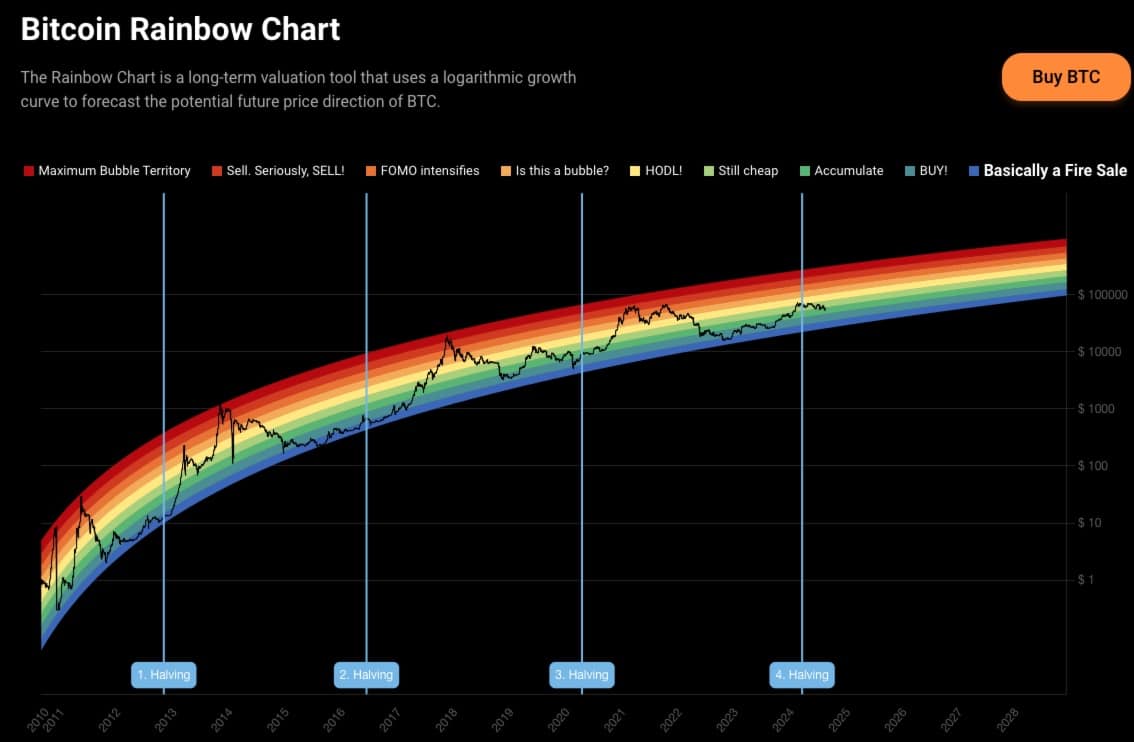
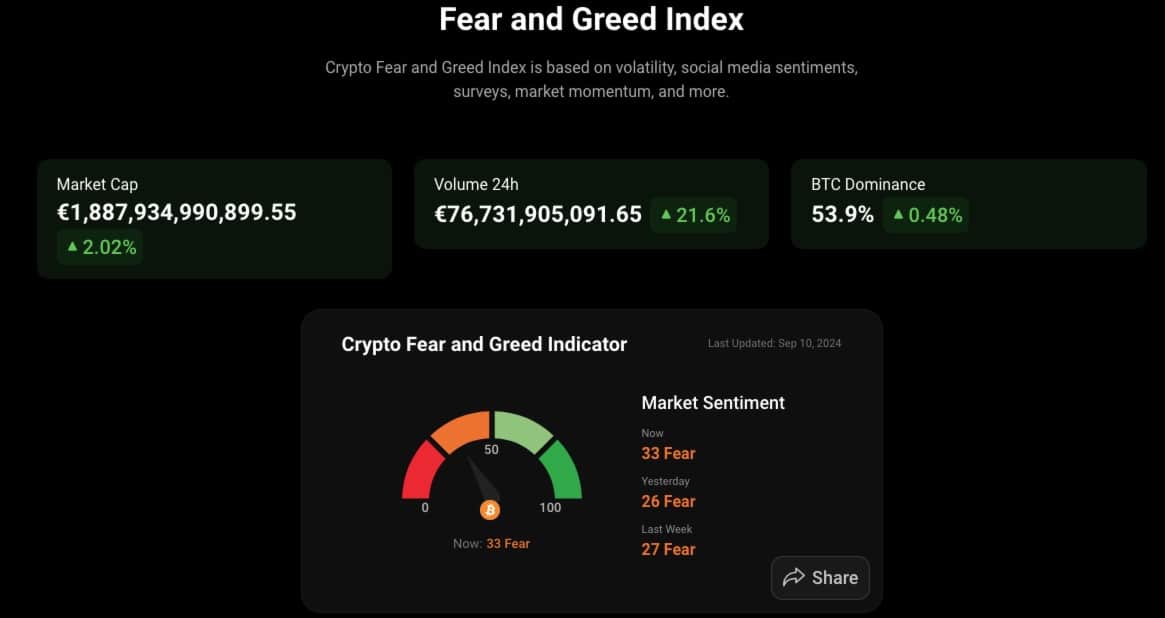
The price varies depending on how much it is in demand. The more people who are looking to buy, the higher it will cost. If no one wants to buy, the price will decrease until someone thinks it’s cheap enough. Price can also vary a little between exchanges. Yes, you can buy less than 1 Bitcoin. A Bitcoin can be divided up to eight decimal points. This means that you can buy half a Bitcoin, one-quarter of a Bitcoin, or even one-hundredth of a Bitcoin. The smallest amount of Bitcoin is known as a “Satoshi,” and it equals 0.00000001 Bitcoin. If you’re looking to buy large amounts of Bitcoin—let’s say over $10,000 worth—some specific exchanges and brokers deal in these sorts of transactions. These services are known as OTC (Over-the-counter). If all I’ve covered above just doesn’t work for you, here are a few additional options for buying Bitcoins. Bitcoin ATMs are machines that accept cash (fiat currency) or, in some cases, debit cards and provide Bitcoin in return. Some ATMs allow you only to buy Bitcoin, while others will also allow you to sell your Bitcoin and get cash in return. Many people love to use ATMs because of the relative anonymity throughout the purchasing process. You don’t have to wait for long identity verification processes to finish. Just insert your money and get your coins instantly. Learn more about how to buy Bitcoin anonymously. Bitcoin ATMs are run by companies that usually charge a specific fee for their services, so make sure you’re aware of the fees before making the transaction. Look for Bitcoin ATMs near you on CoinATMRadar. Some people will prefer to buy Bitcoin from an individual and not an exchange. In this case, there are a few things to watch out for: Try to see if you can verify the seller’s identity. Some people will want to remain anonymous, and that’s fine, but verifying someone’s identity will dramatically reduce your risk of being scammed. Try to use some sort of escrow service that will hold your money until the seller sends you the coins. If that’s not possible, stick to cash and meet with the person face-to-face. In any case, never use irreversible payment methods such as wire transfers before receiving your coins. You’ll want to wait for the Bitcoin transaction to have at least two to three confirmations before considering the deal complete. Of course, this depends on the amount of money you’re exchanging. Smaller amounts can be done with only one confirmation. Keep in mind that buying from an individual usually involves a lot of uncertainty, and sometimes it’s just not worth the few bucks you’ll save in the process. Bitrefill and CoinCards are two services that allow you to purchase Bitcoin-linked gift cards or use gift cards to purchase Bitcoin. Although there may be more currency rates involved, this might be a flexible alternative. Apps that provide instant access to Bitcoin include PayPal, Cash App, and Revolut. Although they’re easy to use, you might not be able to move your Bitcoin off the platform, which means you don’t have complete ownership of your cryptocurrency—a crucial factor for people who value self-custody. If you already own cryptocurrency, you may use DEXs with wrapped Bitcoin (such as WBTC on Ethereum), even if they are less popular for fiat-to-BTC transactions. This approach works well for those who are familiar with DeFi tools. Two of the main questions people ask are, “Is this the right time to buy Bitcoin?” or “Bitcoin—when to buy?” The problem is that there’s no good answer to this question, and it depends on the reason that you’re buying Bitcoin. If you’re looking to trade Bitcoin (buying when prices fall and selling when they go up) for fast profits, it’s important to grasp different Bitcoin trading strategies and attempt to time the market. If you want to learn how to trade Bitcoin, we suggest taking a look at our article on the Best Crypto Trading Courses for helpful resources on crypto trading. If, on the other hand, you’re into Bitcoin for the actual technology and believe that Bitcoin has a bright future, there are two ways you can go about this: DCA stands for buying Bitcoin for a set amount on a regular schedule, no matter the price. This method helps you smooth out the ups and downs in the exchange rate. Here’s a brief overview of how it works: Buying Regardless of the Price: Long-term believers argue that it doesn’t matter if you buy now or when the price is $100 or even $1000 lower. In the long term, the price will go up and make these differences seem irrelevant. If you’re just starting, I suggest going with DCA since it will help you get into the process easier and then decide if you want to change your strategy. Buying the Dips: It is common to hear the phrase “buying the dip” in the cryptocurrency industry. This is essentially another way of saying “buy low” in the common investing approach of “buy low, sell high”. Whenever crypto falls by 10% or more, many traders and investors see it as a great chance to buy since they’re getting the asset at lower prices, similar to buying something “on sale.” Pro tip: There are several methods to spot these market dips for possible advantageous buying opportunities. One of our best resources is the Bitcoin Magazine free market cycle charts. These charts assist crypto investors in identifying when the markets are low, which is usually a good time to purchase. You can also create price alerts on platforms like CoinGecko or CoinStats, which will alert you when a cryptocurrency experiences a significant price drop. Here are a couple more fun tools that can help you identify cycle bottoms. The Bitcoin Rainbow Chart on CoinStats can help show where we are in the cycle: And finally, the Fear and Greed Index, also presented by CoinStats, can be a helpful tool to keep your emotions in check and make sure you aren’t making rash buying or selling decisions based on emotions or FOMO. You’re now ready to go out and actually buy your first Bitcoin. At this point, you should have a rough idea of how much you want to invest, which platform you’re going to use, what wallet you want to use, and what payment method makes the most sense for you. If you need help with a specific route, like buying Bitcoin with a credit card, bank transfer, PayPal, or cash, use the resource list below to find a step‑by‑step guide tailored to your preferred payment option. If Bitcoin’s history has taught us anything, it’s that as long as you keep your money on an exchange, you don’t own that money—the exchange does. If the exchange becomes insolvent or gets hacked, you risk losing that money for good. This has happened in the past with MT.Gox, FTX, BTC-e, Bitfinex, and others. The safest habit you can build from day one is simple: once your purchase is complete and the coins show up in your exchange account, withdraw them to a wallet where you control the private keys or seed phrase. After the coins arrive safely in your own Bitcoin wallet, you can finally say you truly own your first Bitcoin, not just an IOU on a trading platform. From there, keep learning, stay cautious, and scale up only as your knowledge and confidence grow. See Also: Bitcoin is a decentralized digital currency that allows peer-to-peer transactions over the internet without the need for a centralized intermediary. Bitcoin mining requires specialized hardware, cooling systems, and power connectivity. Miners have to solve cryptographic puzzles, validate transactions, and create new blocks to mine BTC. Bitcoin halving is an event when the Bitcoin protocol reduces the block rewards to miners by half, which reduces the rate at which new BTC is created. The last Bitcoin halving occurred on April 19, 2024, reducing the block reward from 6.25 BTC to 3.125 BTC. Bitcoin is a high-risk, high-volatility asset. It may serve as a hedge or growth asset, but it’s not suitable for all investors. You can buy Bitcoin on centralized crypto exchanges such as Binance, OKX and ByBit. You can also use non-custodial wallets such as Best Wallet to purchase Bitcoin. Platforms such as CoinFutures allows user to bet on the price of bitcoin without owning the cryptocurrency. Most centralized crypto exchanges support credit card payments for crypto transactions. You can use a non-custodial wallet like Best Wallet to buy Bitcoin and other cryptocurrencies without having to complete KYC verification. You can buy a growing variety of goods and services with Bitcoin, ranging from electronics, travel bookings, and cars to gift cards for major retailers like Amazon and Home Depot. The easiest way to spend it widely is by using a crypto debit card, which automatically converts your Bitcoin to fiat currency at the point of sale. Check out our article on Who Accepts Bitcoin to learn more. Established in 2013, 99Bitcoin’s team members have been crypto experts since Bitcoin’s Early days. Weekly Research Monthly readers Expert contributors Crypto Projects Reviewed
Types of Bitcoin Wallets
Non-Custodial
Custodial Wallets
Multi-Signature Bitcoin Wallets
Paper and Physical Wallets
How to Choose the Right Wallet
How Much Bitcoin Should I Buy?
How Much Does it Cost to Buy 1 Bitcoin?
 Bitcoin
0.61%
Bitcoin
BTC
Price
$77,654.20
0.61% /24h
Volume in 24h
$27.21B
Price 7d
Buy Now!
is shown here:
Bitcoin
0.61%
Bitcoin
BTC
Price
$77,654.20
0.61% /24h
Volume in 24h
$27.21B
Price 7d
Buy Now!
is shown here:
Can I Buy Less Than 1 Bitcoin?
Buying Large Amounts of Bitcoin
Additional Buying Options
Bitcoin ATMs
Buying from Individuals
Crypto Vouchers & Gift Cards
Fintech & Brokerage Apps
Decentralized Exchanges (DEXs)
When Should I Buy Bitcoin?
Dollar Cost Averaging (also known as DCA)
Conclusion
FAQs:
What is Bitcoin?

How to mine Bitcoin?
What is Bitcoin halving?
When was the last Bitcoin halving?
Is Bitcoin a Good Investment?
How to buy Bitcoin?
How to buy Bitcoin with credit card?
How to buy Bitcoin anonymously?
What can you Buy With Bitcoin?
References:

Why you can trust 99Bitcoins