





In This Article
Harmony (ONE) staking is a key feature of the Harmony blockchain, designed to address challenges like scalability and transaction throughput. What sets Harmony staking apart is its Effective Proof-of-Stake (EPoS) consensus mechanism, the first of its kind, which enhances security and decentralization.
This guide covers everything you need to know about staking Harmony, including how it works, where to stake, how to claim rewards, and the pros and cons of the staking model. Whether you’re new to staking or looking for the best platforms to stake your Harmony (ONE) tokens, this guide will definitely drive you in the right direction.
Key Takeaways
- Harmony uses a unique Effective Proof-of-Stake (EPoS) model that enhances decentralization and reduces risk.
- You can stake ONE token via the Harmony Mainnet or other platforms like Binance.
- Delegators only need 100 ONE tokens to get started, while validators require 10,000 ONE.
- Expected APY ranges from 9%–10.5%, depending on the platform you use.
- Claiming rewards and unstaking ONE token is simple but includes a 7-epoch lock period.
Harmony ONE Staking: Summary
Staking Harmony (ONE) lets you earn passive income by helping secure the network through its innovative Effective Proof-of-Stake (EPoS) model. Whether you’re a beginner or an advanced crypto user, staking ONE offers accessible rewards, flexible platform choices, and unique advantages like sharding-based decentralization.
You can use the Harmony mainnet for full control or use user-friendly platforms like Binance or Kiln with high APYs. With low entry barriers for delegators and consistent staking rewards, Harmony ranks among the best crypto staking coins to invest in 2026.
What is Harmony ONE Staking?
Harmony staking is a simple and straightforward staking model that allows token holders to help secure the network while generating passive income. Although staking was introduced in 2020, a year after the project’s launch, it has since become a core component of the Harmony ecosystem, making it one of the top crypto staking platform options.
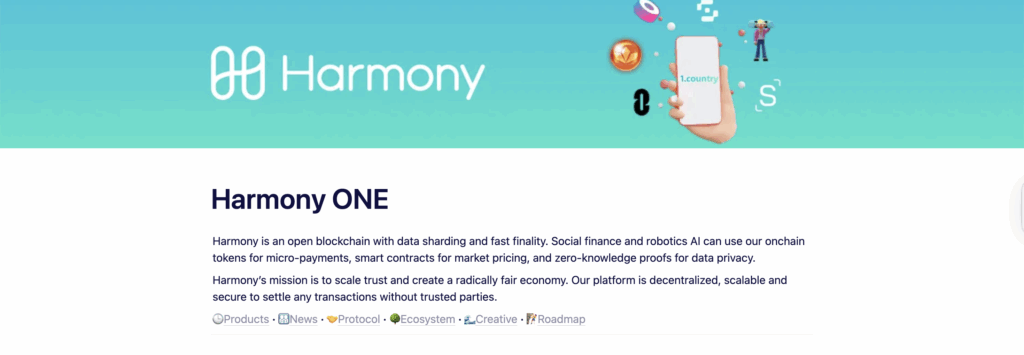
Harmony is also the first blockchain to implement staking on a sharding network, which offers a much greater level of decentralization and scalability. Currently, the Harmony (ONE) community runs more than 800 validator nodes, further reinforcing the network’s commitment to distributed security and governance.
How Does Harmony ONE Staking Work?
As mentioned, the Harmony staking model operates using Effective Proof-of-Stake (EPoS), a consensus mechanism pioneered by the network. EPoS enhances security, delegation, and reward compounding while reducing centralization risks. Unlike traditional Proof-of-Stake (PoS), Harmony’s model also incorporates sharding, allowing for greater decentralization and network efficiency.
Anyone can stake $ONE tokens to generate passive income and contribute to the network’s security. However, becoming a validator node requires staking a minimum of 10,000 $ONE tokens. Delegators can stake fewer tokens by assigning them to an existing validator. The minimum requirement in this case will be 100 ONE.
Best Platforms for Staking Harmony ONE in 2026
Many investors seem to have a question: Where to stake Harmony (ONE)? Well, you can stake Harmony on some of the most popular staking platforms, each offering unique benefits and perks. Below, we explore some of the best options for staking Harmony ($ONE) tokens.
Stake $ONE on Harmony Mainnet
The Harmony Mainnet is the backbone of the Harmony ecosystem, offering a truly decentralized staking experience. By staking directly on the mainnet, you become an active participant in securing the network and validating transactions through its innovative sharding technology. It’s ideal for users who want full control over their staking process and prefer to support the Harmony ecosystem directly. However, it requires some technical expertise to set up and manage.
Key Features
- Harmony Mainnet ensures enhanced scalability by processing transactions quickly and efficiently through sharding.
- It maintains a decentralized network, ensuring fair participation and preventing centralization.
- Users have full control over their staking and reward management, with no platform fees for these.
- By staking on the mainnet, users directly contribute to Harmony’s growth and security, supporting the ecosystem’s long-term success.
Pros & Cons of Staking ONE on the Official Website
Pros
-
Full control over the stalking process
-
No platform fees
-
High level of decentralization and security
Cons
-
Requires technical knowledge to set up and manage
-
Less user-friendly compared to third-party platforms
Staking $ONE on Kiln
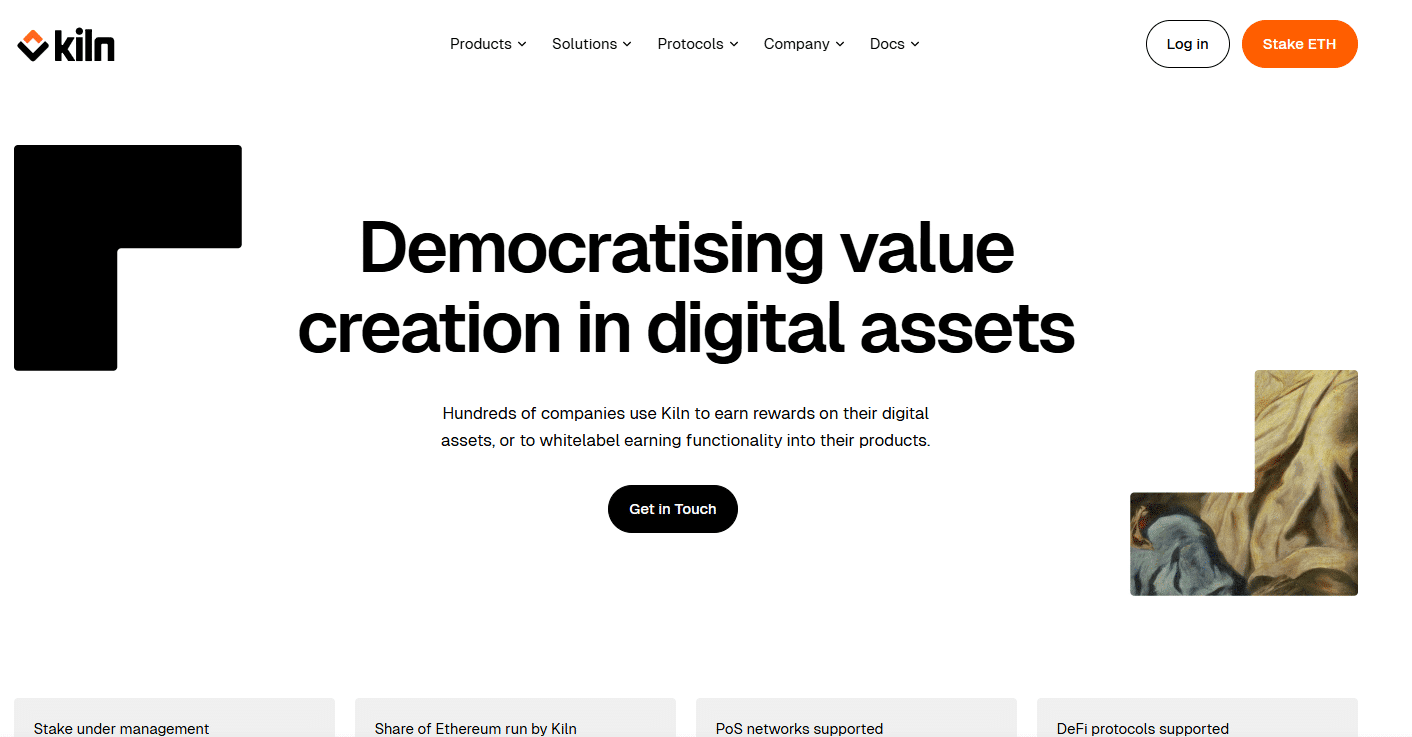
Kiln is a staking platform that simplifies the process of earning rewards on Harmony ONE. It’s designed for users who want a hands-off approach to staking, offering a high APY of 10.46% with a straightforward interface. While the 10% fee on rewards might deter some, Kiln’s ease of use and strong security features make it a great choice for both beginners and experienced stakers.
Key Features
- The platform supports multi-chain staking, allowing users to stake not only Harmony ONE but also other leading cryptocurrencies like Ethereum and Solana.
- Real-time analytics and reporting, giving users detailed insight into their staking performance and rewards.
- Customizable staking strategies, enabling users to tailor their staking approach based on their risk tolerance and goals.
- The platform is fully compliant with regulatory standards, ensuring a secure staking environment.
Pros & Cons of ONE Staking on Kiln
Pros
-
High-staking rewards
-
Beginner-friendly platform
-
Supports multiple cryptocurrencies
Cons
-
10% fee on staking rewards
-
Less control over staking compared to the mainnet
Staking $ONE on Binance
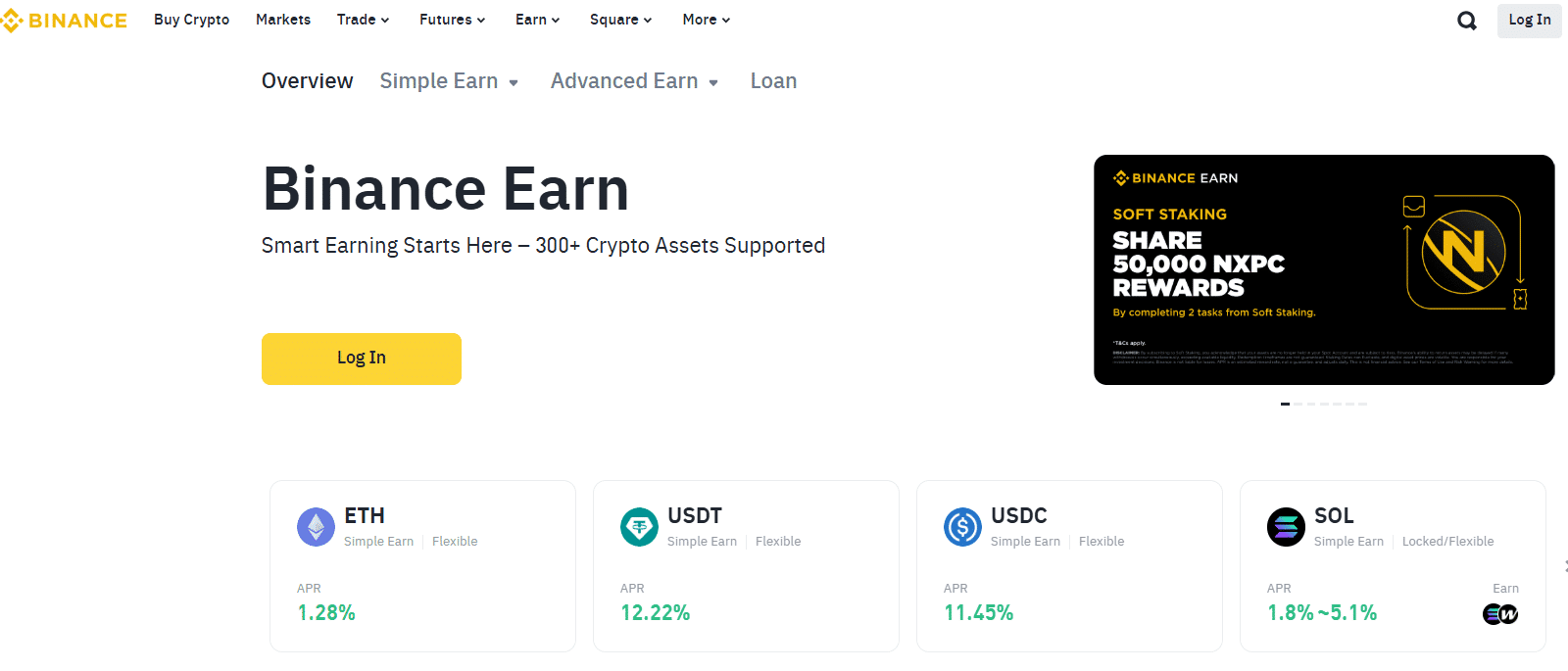
Binance is another popular crypto exchange where you can stake Harmony ONE. With an APY of 9.3%, Binance offers a seamless staking experience backed by its reputation for security and reliability. It’s perfect for users who want to stake while maintaining access to trading, lending and other DeFi services, all in one place. However, its centralized nature may not appeal to everyone. Read our Binance exchange review for more information.
Key Features
- Binance offers flexible staking options, including locked staking for higher APY and flexible staking for liquidity.
- It provides auto-compounding rewards, maximizing returns by reinvesting earnings automatically.
- Binance supports staking over 100 cryptocurrencies, making it one of the most versatile staking platforms available.
- It offers real-time staking analytics, allowing you to track your rewards and performance.
Pros & Cons of Staking ONE on Binance
Pros
-
Trusted and secure platform
-
Easy staking process for beginners
-
High liquidity for trading and withdrawals
Cons
-
Centralized platform that may not align with decentralized principles
-
Potential fees for staking and withdrawals
Choosing a Wallet to Store Harmony?
If you’re staking Harmony ONE but also want a Web3 wallet that supports other features like multi-chain access, NFTs, or altcoin crypto trading, it’s worth checking out our ‘Top 10 Crypto Wallets list for July 2026‘, which offers a broader breakdown of the best options on the market.
Alternative Way to Staking Using Best Wallet
Staking is a highly popular way of earning rewards for crypto enthusiasts, and its use extends beyond Harmony ONE. One of the best platforms that allows seamless participation in the staking process is Best Wallet. This non-custodial wallet provides a safe and secure place to stake. Although Harmony ONE is not currently available on Best Wallet, you can still stake some of the major cryptocurrencies.
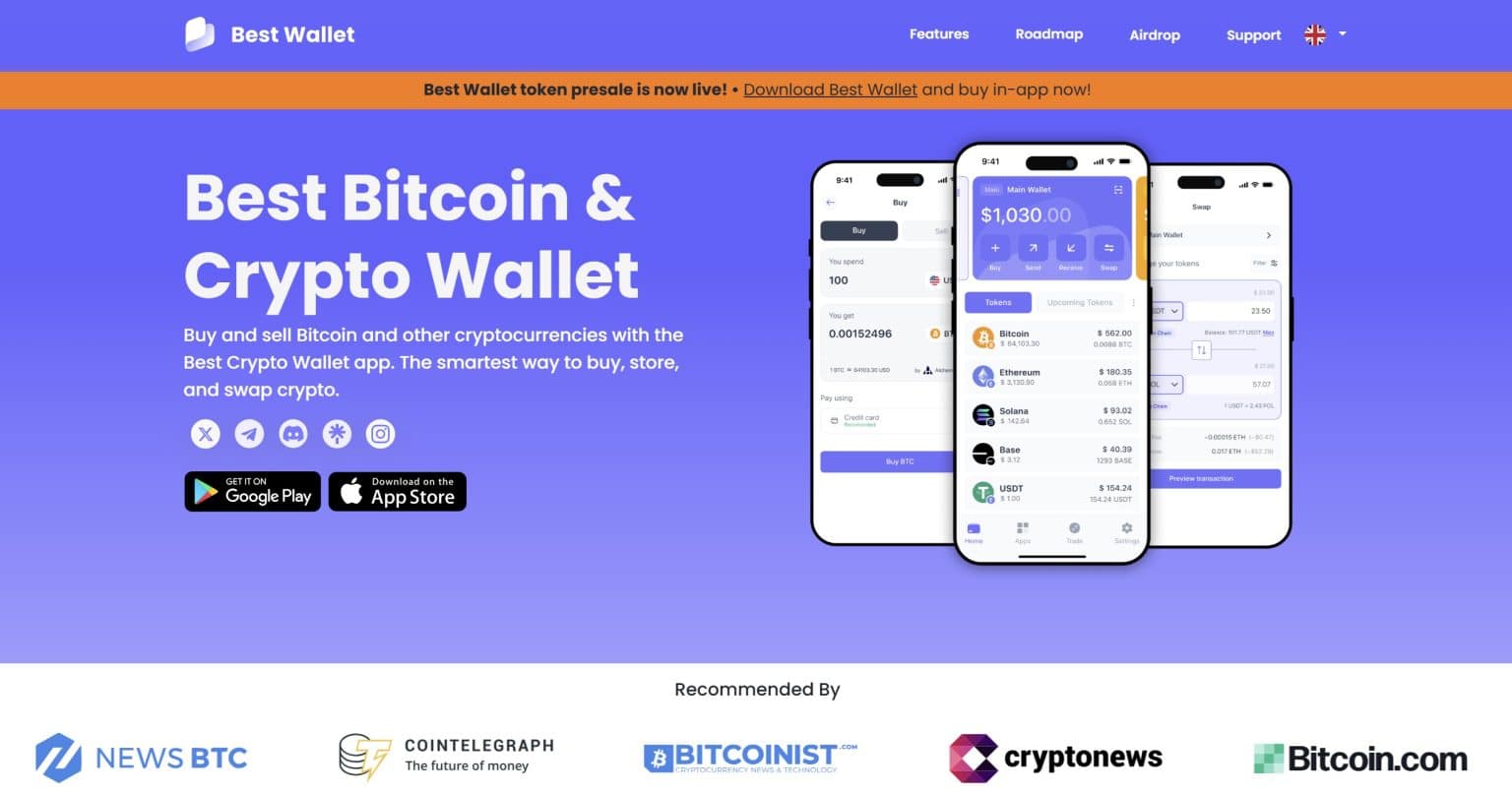
It also allows you to participate in crypto presales. This mobile wallet also comes with a native token, $BEST, which offers further perks and utilities across the entire ecosystem.
See our in-depth Best Wallet Review 2026 to know more about this unique wallet.
Pros & Cons of Staking Through the Best Wallet
Pros
-
Self-custodial wallet offering full control over your tokens
-
Built-in staking access to validators without leaving the app
-
No mandatory KYC, ideal for users who value privacy
-
Cross-chain support lets you manage and swap assets easily
-
All-in-one platform with fiat onramps, DEX, and staking dashboard
Cons
-
No desktop version and only available on mobile
-
Harmony ONE, Polygon and some other chains still awaiting full staking rollout
Staking Harmony ($ONE) tokens on the official platform is a straightforward process. The platform supports various crypto wallets, including hardware wallets, browser extensions, and mobile crypto wallets. Here’s a step-by-step guide: How to Stake Harmony ONE: A Step-by-Step Guide
Sign Up and Connect Your Wallet
Start by signing up for your Harmony ($ONE) account and connecting your wallet. This wallet will serve as your staking address.
Access the Staking Dashboard
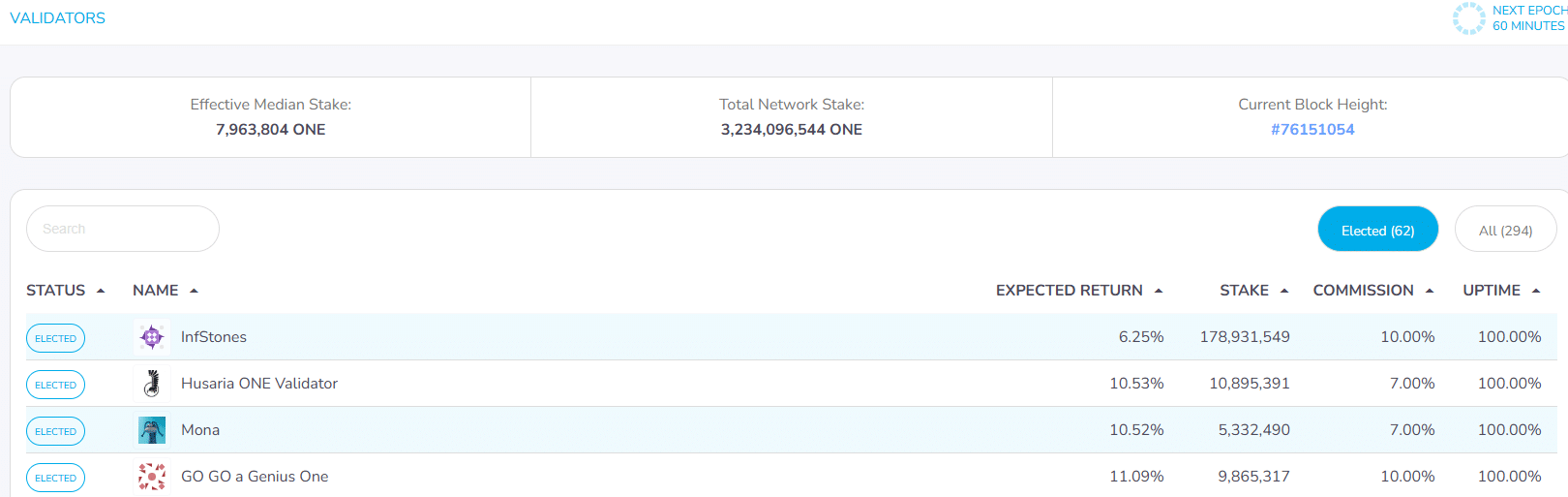
Once you are logged in, you will be redirected back to the main staking dashboard, where you will find a list of all the available validators.
Choose a Validator
Browse the validators and choose one that you prefer based on factors like uptime, commission rates, and total stake. Click on a validator to view detailed information, such as the number of tokens staked and delegated.
Delegate Your Tokens
Click the “Delegate” button at the bottom of the validator’s profile. Once you’ve done that, enter the amount of $ONE tokens you want to stake or use the slider to select a percentage of your balance.
Pro tip: Leave a small amount of $ONE in your wallet for transaction fees (a single $ONE token can cover 1,000 transactions).
Authorize and Finalize
Confirm the transaction in your wallet to authorize the staking process. Once completed, your tokens will be delegated to the chosen validator.
Monitor Your Staking
Use the “Portfolio tab” on the dashboard to track your staking performance and accumulated rewards for each epoch.
How Much $ONE Do You Need to Stake?
Even though some staking models don’t impose a minimum or maximum limit on staking, Harmony ONE does. As we already mentioned briefly, when it comes to those who want to become validators and run their own nodes on the Harmony network, there is a minimum investment threshold of 10,000 $ONE tokens.
On the other hand, the requirements for delegators are not as steep. The minimum requirement for delegators who want to stake their tokens through one of the available validators is currently 100 $ONE tokens.
How Much Can You Earn by Staking Harmony ONE?
Staking Harmony ONE lets you earn passive income by locking your tokens with a validator who helps secure the network. On average, staking rewards range from 6% to 10.6% annually, depending on the validator you choose.
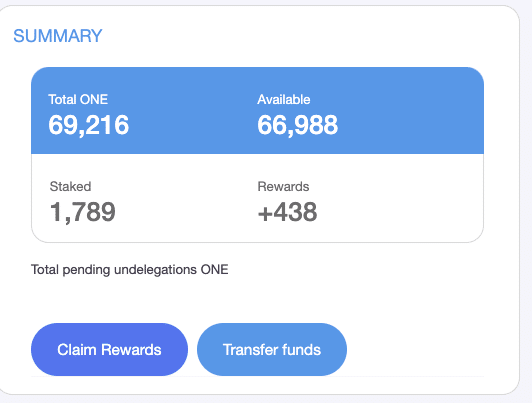
Rewards on Harmony vary depending on validator performance, total network stake, and adherence to its Effective Proof-of-Stake system. The Harmony Staking Dashboard provides estimated returns, including the median APY from the last 30 epochs and recent rates for each validator.
For example:
To put this in perspective: If you stake 1,000 ONE tokens with a validator offering 10% APY, you could earn about 100 ONE per year (before fees). Keep in mind that validator commission (usually between 7–10%) will reduce your net reward slightly.
Just remember to leave a tiny bit of ONE in your wallet (even 1 ONE is enough) to pay for transaction fees, otherwise, you might get stuck when trying to unstake or move funds later.
How to Claim Harmony Staking Rewards?
Claiming your Harmony ONE staking rewards is a simple process. Here’s how to do it:
Tips and Strategies for Maximizing Harmony ONE Staking Rewards
Here are some tips and strategies you can consider when planning to stake ONE tokens. Just be sure to manage your funds appropriately and not put all your eggs in one basket. Financial risk management is the key. To learn more, check out Harvard Business School’s article on why risk management is important.
| Strategy | Why It Matters |
| Choose low-fee, high-uptime validators |
Protects your rewards from unnecessary cuts
|
| Diversify across multiple validators |
Reduces risk and keeps your earnings steady
|
| Claim and re-stake regularly |
Grows your returns through compounding
|
| Explore liquid staking (carefully) |
Offers added flexibility if you’re experienced
|
| Monitor validator performance |
Helps you adjust early and avoid poor returns
|
| Time staking around network activity |
Slight boosts possible during low activity
|
| Calculate compounding value vs. cost |
Avoid wasting rewards on high-fee transactions
|
| Meet minimum delegation requirements |
Ensures you can fully benefit from rewards
|
Benefits and Risks of Staking Harmony ONE
Since rewards aren’t fixed for each validator or delegator, a validator’s effective stake, their uptime, and the total stake within the shard they’re part of all play a role. But with everything in place, Harmony ONE staking offers plenty of advantages for its users. So let’s explore the pros and cons of Harmony ONE staking in more detail in the following section.
Benefits
- Effective Proof-of-Stake – The network’s EPoS consensus offers a more efficient staking model with a much higher throughput level and scalability.
- Sharding – Harmony ONE utilizes sharding, which means that its staking and transactions are validated by different segments simultaneously. This ensures decentralization by not allowing big stakers to dominate while also improving the network’s slowness.
- Availability – Although the requirements for becoming a validator are somewhat steeper, Harmony ONE offers unmatched availability and accessibility for those who prefer delegated staking.
- Diversity – There is a wide range of validators to choose from, and you can pick based on their uptime, the number of tokens they have already staked, and the maximum number of tokens they can stake.
- Solid APY – The average APY for staking Harmony ONE tokens stands at a good value of around 10%, which can lead to some excellent returns.
Risks
- Harsh Competition – There are already many crypto projects and L2s that aim to solve the same issues that Harmony focuses on, including scalability, high fees, and throughput.
- Slashing Risk – As a delegator, your staked tokens and rewards are tied to the activities of the validator you have chosen. If that validator exhibits malicious behavior, your tokens can be slashed, too.
- Lock-up Period – Withdrawing tokens first locks them up for seven epochs, which affects the liquidity and how soon you can monetize them.
Harmony ONE Staking vs. Other Blockchains
Some blockchains focus on flexibility, others on high returns, and many vary in how long your funds are locked with smart contracts. Harmony ONE stands out for its low entry barrier and solid yields, but how does it compare to giants like Ethereum, Solana, ADA staking, or Polkadot? Here’s a side-by-side look at how each staking ecosystem works, so you can make a more informed choice.
| Feature | Harmony ONE | Ethereum | Solana (SOL) | Cardano (ADA) | Polkadot (DOT) |
| Consensus Type | EPoS + Sharding | PoS (Beacon Chain) | PoH + PoS Hybrid | Ouroboros PoS |
Nominated PoS (NPoS)
|
| Min. Delegator Stake | 100 ONE | No min (Lido staked Ether ) / 32 ETH solo | ~0.01 SOL | No min | 1 DOT |
| Avg. APY | 9% – 11% | 3% – 5% | 5% – 7% | 4% – 6% | 12% – 14% |
| Unstaking Period | 5–7 days (7 epochs) | 1–6 days (depends on queue) | 2–3 days | No lock (instant) | 28 days |
| Validator Fees | 7% – 10% | ~10% | 5% – 10% | ~4% | 10% – 15% |
| Auto-Compounding | Manual re-delegate | Yes via stETH | No | Yes | No |
| Best For | Hands-on stakers seeking yield + access | ETH holders seeking passive income | DeFi users + low entry point | Passive holders with flexibility |
Long-term stakers comfortable with lockups
|
Best Practices to Stake Harmony ONE Safely
When choosing a validator for staking your $ONE, these are the factors you need to consider:
- Choose a reliable validator – Look for one with high uptime and low commission.
- Avoid unrealistic APY – Skip validators offering more than 40% rewards.
- Spread your stake – Use multiple validators to reduce risk.
- Keep some ONE unstaked – Leave 1 or 2 tokens for gas fees.
- Watch validator stats – Check rewards, uptime, and fees often.
- Understand lock-up time – After unstaking, your tokens unlock in about 5 to 7 days.
- Re-stake when rewards are worth it – Claim and re-stake only if it covers the transaction cost.
- Use trusted wallets – Stick with wallets like Ledger Flex, Trezor Safe 5, MetaMask, Math Wallet, or Guarda.
How to Unstake Harmony ONE: A Detailed Guide
Undelegating your tokens means removing them from a validator so you can withdraw or re-stake them elsewhere. This does not instantly make the tokens liquid — there’s a short wait period before they’re withdrawable.
Steps to Undelegate:
How to Withdraw a Deposit?
Withdrawing your staked Harmony ONE tokens involves a few steps and waiting periods.
To withdraw a deposit from the Harmony ONE staking model, you will need to simply unstake the tokens by navigating to the validator/s you have delegated to and pressing the “Undelegate button”.
It’s important to note that unstaked tokens will remain frozen for seven epochs, with one lasting around a day and a half. After withdrawing your deposited tokens, you will be able to see the “Unbonding date,” which shows when those tokens will be unfrozen and available.

This seven-epoch period is only applicable if you want to fully withdraw your tokens. However, if you just want to restake them with another validator, you will only need to wait one epoch, after which they will be available.
Once your tokens are staked with a validator, you’ll begin earning staking rewards with each block. You can collect these rewards at any time using Math Wallet and Harmony’s staking dashboard.
Steps to Collect Rewards:
Pro Tip: The dashboard only shows whole numbers. If your rewards are less than 1 ONE, they won’t show up and can’t be collected yet.
Future of Harmony ONE Staking
Staking Harmony ONE can be a very worthwhile commitment that can lead to some excellent rewards. There are numerous benefits to Harmony ONE staking, including its ease of use. As you’ve learned from our detailed review, staking $ONE tokens takes only a few simple steps, which makes it a good choice even for the less experienced stakers. On top of that, Harmony offers an accessible entry point for delegators, requiring only 100 $ONE tokens to start staking. Also, thanks to the network’s EPoS, users can enjoy better decentralization, enhanced security and scalability, and better throughput.
Another good litmus test for a project’s staying power is whether its native token is actually essential. In Harmony’s case, $ONE isn’t just a reward mechanism as it powers staking, governance, and transactions across the entire network. You can’t remove it without breaking the system.
As Naman Dave, CEO & Co-founder of NodeOps, explained ‘System integration’ to 99Bitcoins:
“Is the token core to how the product works, or is it bolted on for fundraising? If you can remove the token and the product still functions, that’s a red flag.”
Harmony passes that test as its token isn’t bolted on, it’s baked in.
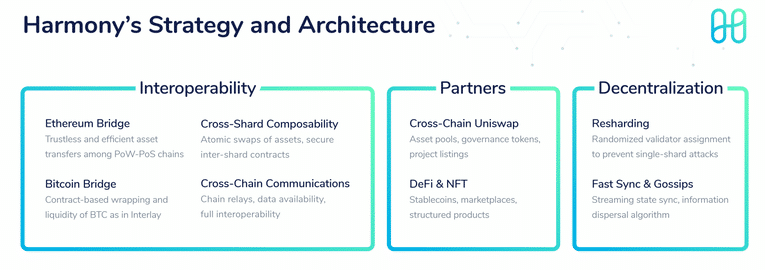
Meanwhile, Harmony’s 2025 roadmap is focused on making blockchain easier, faster, and smarter for everyday users. The goal is to bring transaction finality down to just one second, simplify how people use DeFi, and build a powerful AI-driven ecosystem. To make this happen, they’re upgrading their technology with tools like Verkle Trees and Stream Sync, which help the network stay fast and stable. Their new platforms are Pump, one focusing on meme coins and exchange, and one for trading stablecoins.
A big part of the plan is combining AI with crypto. For example, it will use AI agents (via Eliza OS) that can manage trades, make governance decisions, and even create viral meme campaigns. These agents will also be able to own wallets and domain names, making them active participants in the ecosystem. Ultimately, Harmony wants to bring more people into DeFi by making it intuitive and creative.
That said, a Reddit user under the handle u/pbjclimbing complains that the tech is great, but the product lacks marketing. The user stated,
“The dev team went for tech first and then marketing. They have had terrible marketing even though they have a great product. They have lost out on many high profile opportunities.”
Conclusion: Harmony ONE Staking
Harmony ONE staking offers a clear and practical way to earn on your crypto while supporting a network built for scale. The setup is straightforward, the entry barrier is low, and the Effective Proof-of-Stake system adds a thoughtful layer of decentralization that isn’t just for show.
What works in Harmony’s favor is the flexibility. You can stake directly through the mainnet if you want full control, or use platforms like Kiln or Binance if convenience matters more. Either way, the rewards are competitive and the ecosystem feels accessible without being oversimplified.
And while Harmony ONE staking covers a lot on its own, tools like Best Wallet help you expand beyond just one token. It’s non-custodial, works across chains, and fits well if you’re looking to manage different staking assets without juggling multiple platforms.
Harmony isn’t trying to do everything at once, but what it does, it does well. If you’re looking to stake, learn, and grow with a network that’s still evolving, it’s worth getting involved.
Meanwhile, if you want to look beyond Harmony ONE to diversify your portfolio with other staking coins, check out our list of 12 coins with high returns.
DISCOVER:
- Crypto Exchange Promos & Discounts
- Crypto Wallet Promos & Discounts
- Polkadot Staking: Where and How to Stake DOT in 2026
- Cardano Staking: How to Earn Rewards By Staking ADA
- Manta Network (MANTA) Staking: A Beginner’s Guide
- Filecoin Staking: How to Stake FIL in 2026
- Uniswap Staking: How to Stake UNI in 2026
FAQs
How long does it take to unstake Harmony?


Unstaking Harmony requires seven epochs, and one epoch typically lasts for about a day and a half.
What are the rewards of Harmony staking?
Staking Harmony ONE tokens will generate passive income, yielding additional tokens based on how much you have staked and for how long.
Is Harmony (ONE) a good investment?
Yes, Harmony ONE is an excellent investment that offers an enhanced version of the basic PoS consensus and the possibility to earn superb rewards.
How do I stake my ONE tokens?
It’s easy. Head to staking.harmony.one, connect your wallet, and delegate to a validator. You earn rewards without running a node yourself.
How much can I earn from staking ONE?
Returns vary depending on how much of the network is staked and your validator’s performance. In early stages, yields were as high as 164%, but now average around 8-10% annually.
When can I claim my rewards and is there a minimum?
You can claim at any time, but make sure you’ve earned at least 1 ONE. Also, keep a little ONE in your wallet to cover the gas fee.
I delegated but don’t see rewards, what’s wrong?
Check the “Portfolio” tab on the staking dashboard. Also, make sure your validator is elected and actively participating in the network.
What happens if I undelegate Harmony?
Undelegated tokens are locked for about 5–7 days (7 epochs) before you can withdraw or re-stake them.
Are rewards the same for everyone?
No. Your share depends on validator uptime, fees, and network conditions. Choosing a high-performing validator makes a big difference.
References
- “Introduction.” Harmony Documentation, Harmony One, docs.harmony.one/home/general/introduction.
- Harmony One. Harmony One Official Website, www.harmony.one.
- Harmony-One. GitHub, github.com/harmony-one.
- Mazieres, David. “The Stellar Consensus Protocol: A Federated Model for Internet-level Consensus.” Association for Computing Machinery (ACM), https://dl.acm.org/doi/10.1145/3211933.3211953.

Why you can trust 99Bitcoins
Established in 2013, 99Bitcoin’s team members have been crypto experts since Bitcoin’s Early days.
Weekly Research
100k+Monthly readers
Expert contributors
2000+Crypto Projects Reviewed