




In This Article
Mobile gaming has exploded from time-killer to main event. Phones that used to run Candy Crush now host tournaments with six-figure prize pools. The jump from casual swipes to professional esports is no accident; it’s the result of better hardware, better connectivity, and a generation raised on touchscreens.
Titles like Brawl Stars show how far that shift has gone. What started as a free-to-play action game is now an international circuit with regional qualifiers, monthly finals, and a million-dollar world championship. It’s proof that mobile can sustain high-stakes esports.
Hovering at the edge is the next disruption, mobile crypto games. Blockchain rails promise provable rewards, tradable items, and automated payouts. They also invite speculation, bots, and regulators. This article takes a hard look at how mobile gaming reached this point, why Brawl Stars became a case study, and what it would actually take for blockchain to benefit (not break) the ecosystem.
Key Takeaways
- Mobile gaming has surged from casual play to a global competitive ecosystem, setting the stage for large-scale esports.
- Brawl Stars exemplifies this shift, evolving from a free-to-play action game into a publisher-run international esports circuit with strict formats, regions, and prize pools.
- This rapid growth highlights both the potential and the limits of mobile esports, players still have no real ownership of their rewards or assets.
- Blockchain gaming and mobile crypto games could bring provable rewards, tradable items, and automated payouts, but also speculation, bots, and regulatory risk.
- Any move toward integrating crypto into mobile esports would demand new infrastructure, compliance, and app-store policy shifts.
- Understanding the benefits and risks of merging mobile gaming, esports, and blockchain is essential before pushing for change.
Rapid Growth of Mobile Gaming
Mobile gaming has gone from pocket distraction to the backbone of global play. Cheap data, powerful phones, and app stores with instant download have created an audience bigger than PC and console combined. Millions now jump into short-session action titles at lunch breaks or on commutes.
That scale opened the door for professional competition. Games built for touchscreens, once dismissed as casual, now host high-stakes tournaments with prize pools that rival mid-tier PC esports. Brawl Stars is the textbook example: a free-to-play brawler that became a tightly-run international circuit with regional qualifiers, monthly finals, and a million-dollar world championship. It shows how mobile can sustain serious esports, but also how tightly the ecosystem is controlled by a single publisher.
This rise of mobile gaming and its migration into esports is the backdrop for the next disruption: mobile crypto games. Blockchain rails promise provable rewards and tradable items, but they collide with the walled-garden model that built this success. The tension between openness and control will define whether mobile esports can actually benefit from crypto integration.
How Mobile Gaming, Crypto & eSports Collide: Brawl Stars Example
Brawl Stars Esports sits at the intersection of three forces: mobile gaming’s massive reach, the rise of structured esports, and the potential of blockchain technology. What began as a free-to-play action game now runs a global Championship with regional qualifiers, August Monthly Finals, and a million-dollar World Finals. It’s proof that a touch-screen title can sustain serious competition, but it also shows how publisher control shapes every point, log, and reward.
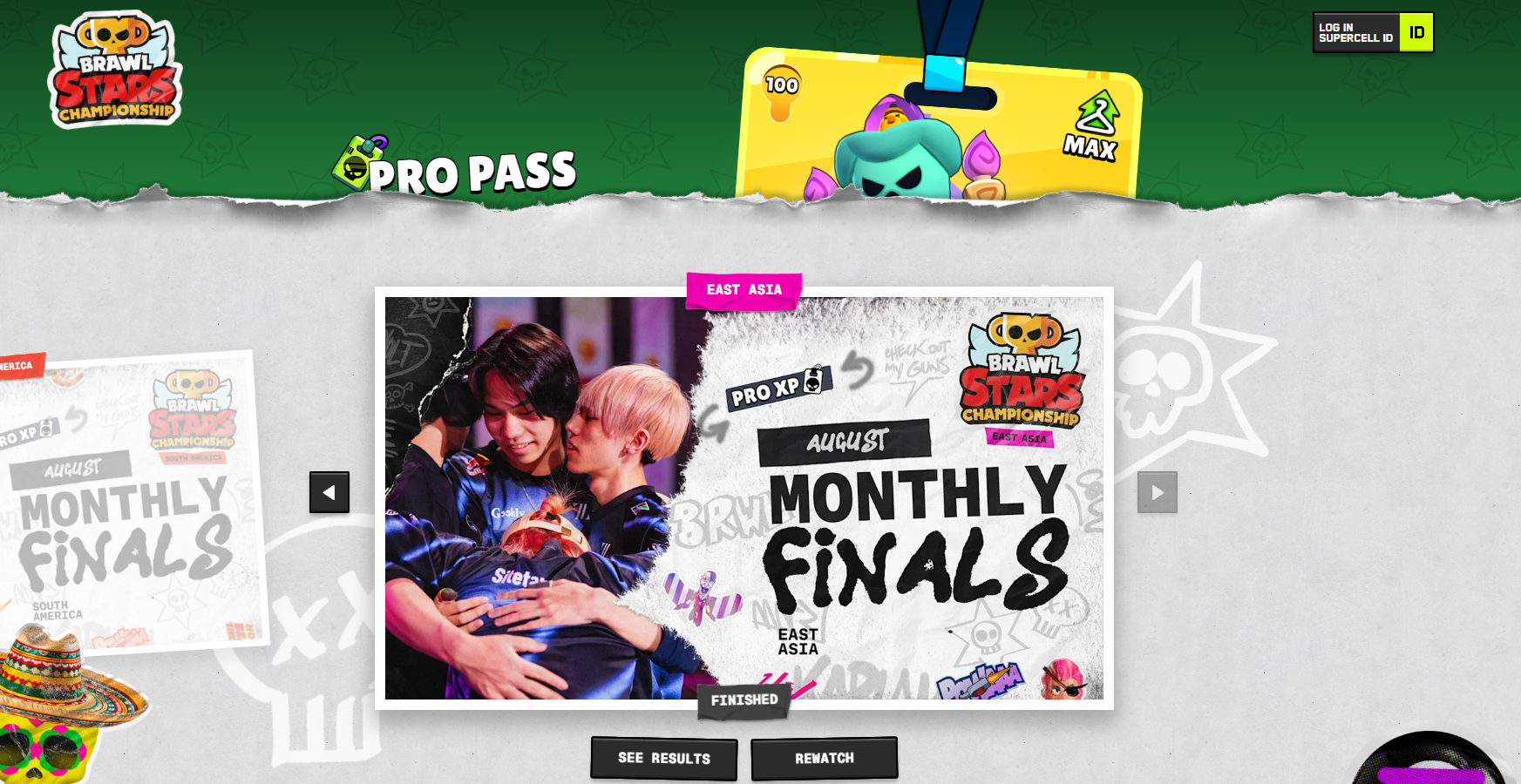
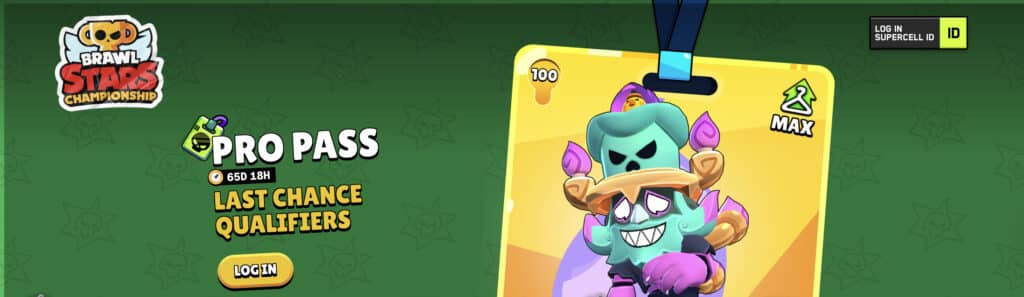
Players earn points, log results, and chase rewards inside Supercell’s ecosystem. There’s no open trading of skins, no on-chain proof of wins, and no third-party leagues. That’s the current model for most mobile esports: stable but closed.
This is where mobile crypto games could, in theory, collide with the Brawl Stars model. Blockchain rails could provide provable match logs, automated payouts, and digital items that actually move between players. But they’d also bring speculation, bots, and regulators into a scene already balancing growth with control. Brawl Stars is a live case study in both the promise and the pitfalls of merging mobile gaming, esports, and crypto. It’s a tightly-managed competitive scene that rewards skill and consistency but limits outside monetization, asset ownership, and player-driven markets, the very areas where blockchain gaming promises (and threatens) disruption.
Brawl Stars’ In-Game Economy Explained
Under the hood, Brawl Stars runs a classic free-to-play loop dressed in bright visuals. Players grind matches to earn Coins, Tokens, and Credits; they log into events and complete challenges for points and rewards. Gems, the premium currency, are bought with real money or earned in small doses through events. Both feed the progression ladder: unlock new brawlers, upgrade abilities, and buy skins or special offers.
Cosmetics drive the bulk of spending. Limited-time skins or updated seasonal items push players to act fast. But everything stays inside Supercell’s walled garden. You can’t legally trade a rare skin, gift it, or sell it outside the app. Your account holds a license to content, not ownership of a digital asset. That’s a critical difference when people start talking about blockchain gaming and Brawl Stars NFTs.
This closed economy gives Supercell total control over pricing, scarcity, and rewards. It also insulates the game from speculation, a plus for stability, a minus for player-driven markets. Any move to integrate blockchain in Brawl Stars Esports would have to break or bend that structure without blowing up the user experience.
Major Brawl Stars Esports Tournaments
The Brawl Stars Championship (BSC) is the flagship. Players climb from the in-app Championship Challenge into regional qualifiers and Monthly Finals. Points from every Monthly Final, including the August Monthly Finals, feed directly into World Finals slots. By the end of the year, the World Finals carries a $1M prize pool, with $400K to the winner and strict roster locks on travel and eligibility.
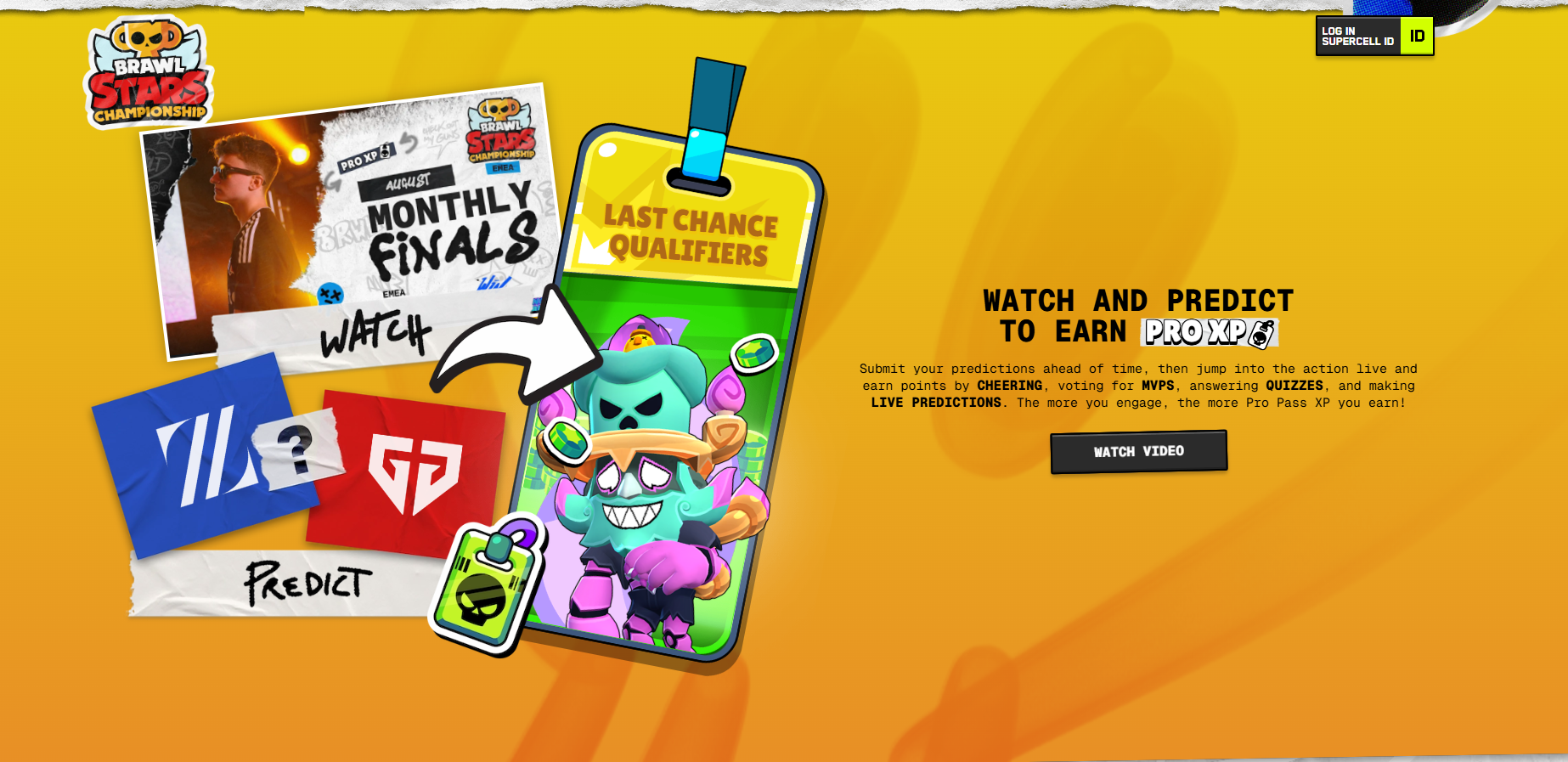
Regions matter. East Asia, EMEA, North America, and South America are the core circuits, each with its own servers and prize distribution. South Asia and Southeast Asia run under third-party partners. All results are logged in Supercell’s system; teams can’t self-host or negotiate their own tournaments.
Outside the BSC, small cups and community events exist, but they don’t pay like the official ladder. The Brawl Stars competitive scene remains publisher-controlled, a design choice that keeps things stable but shuts the door on third-party prize pools, open betting, or on-chain proof of results.
Challenges of the Current Brawl Stars Esports Economy
The mobile esports economy looks vibrant on the surface (big streams, big brands), but under the hood, it’s a thin margin. Brawl Stars Esports is no exception. Supercell underwrites the entire ladder: servers, formats, prize pools, travel. Teams and players have almost no leverage beyond showing up and playing well.
That centralized control gives stability but caps upside. Points, rewards, and roster rules are updated each season, but there’s no way for players to convert their in-game grind into assets they own or trade. Skins, credits, and gems stay locked in accounts. Even the official ruleset bans cryptocurrency sponsors, showing how cautious the publisher remains about financial risk in its tournaments.
Barriers to asset trading and ownership also block the buzzier parts of blockchain gaming. Without player-driven markets, there’s no secondary revenue stream and no provable ownership of digital content. For some, that’s a feature, shielding the scene from speculation; for others, it’s a missed opportunity to make the Brawl Stars competitive scene more open and rewarding.
How Mobile Games & Esports Can Integrate Blockchain?
Right now, Brawl Stars esports runs on closed rails. Every point, reward, and roster slot lives inside Supercell’s servers. Blockchain gaming could, in theory, shift that, provable match logs, automated payouts, and digital items that actually move between players.
But it’s not a simple plug-in. Apple and Google’s current policies still limit crypto features inside apps. Supercell’s own rules ban crypto sponsors, which signals how wary it is of the legal and reputational risk. Bringing blockchain into Brawl Stars tournaments would require more than a feature update. It would mean re-engineering how the game handles ownership, payments, and moderation, plus satisfying KYC/AML, gambling, and minor-protection laws.
Done right, blockchain or crypto tools could make esports rewards transparent, let players actually own cosmetics, and open up new revenue streams. Done wrong, they invite speculation loops, bots, and regulators that can nuke an economy overnight. The trade-off is the line between a more open mobile esports economy and a legal minefield.
NFT Skins, Cosmetics & Items in Mobile Games and Esports
If blockchain ever lands in Brawl Stars Esports, skins and cosmetics are the obvious first test case. Players already chase limited skins with gems and coins; the mechanics are there. Turning those into Brawl Stars NFTs could make rarity provable on-chain and allow trading outside Supercell’s servers.
That’s the upside. The downside is speculation. Once a skin has a price history, you’re not just collecting, you’re investing. Botting, flipping, and wash-trading can distort value. Apple and Google still restrict how NFTs unlock functionality inside apps, and Supercell’s current tournament rules explicitly ban crypto sponsors. Any move into NFTs would need heavy compliance, anti-bot tech, and age gating.
The more ambitious vision, collaborations and limited editions minted on-chain, could open new revenue streams for Supercell and creators. But without clear rules and infrastructure, “NFT skins” risk becoming a headline, not a feature, for the Brawl Stars competitive scene.
Player-Driven Economy & Marketplaces
A true player-driven economy in Brawl Stars esports would mean more than cosmetic bragging rights. It would let players trade skins, event tickets, or even custom creations directly with each other, something blockchain gaming promises but the current system forbids.
Peer-to-peer trading could let grinders cash out rare items or limited edition cosmetics, while community artists could design and sell custom skins under a rev-share model. In theory, that expands the pie: Supercell gets royalties, players get liquidity, and fans get new content.
But a marketplace like that also attracts fraud, botting, and regulatory scrutiny. NFTs aren’t magic; they’re just code. Without moderation, you can end up with fake assets, wash-trading, or underage players dealing in items with real-world value. It’s the same tension that runs through the Brawl Stars competitive scene: openness versus control, potential upside versus a compliance nightmare.
Smart Contracts & Provably Fair Rewards
One of the cleaner ways to experiment with blockchain in Brawl Stars esports isn’t NFTs at all, it’s payouts. A smart contract can escrow prize money, release it automatically when results are verified, and publish the whole transaction log on-chain. No middlemen, no delays, no “we’ll wire it next month.”
Transparent distribution sounds good, but it’s not trivial. Supercell would need a verified oracle to feed match results into the contract. Regulators in key regions treat automated crypto payouts as financial services, so KYC/AML kicks in fast. Add in Apple and Google’s app-store rules, and you’ve got a compliance puzzle before a single token moves.
Still, provably fair rewards would address a real pain point for smaller events and regional qualifiers. Done right, it could extend trust in the Brawl Stars competitive scene beyond Supercell’s own ledger. Done wrong, it could trigger bans, reversals, or legal action that undercuts the entire mobile esports economy.
Did You Know?
Earning and storing crypto rewards is becoming an integral part of mobile esports. To make the most of these opportunities, gamers need reliable wallets, we have rounded up the top wallets for crypto gaming to help players choose wisely.
Monetization & Revenue Opportunities
If blockchain ever cracks its way into Brawl Stars esports, the pitch will be money. Not just for Supercell, but for players, creators, and even third-party tournament organizers. On paper, blockchain rails could turn limited cosmetics into collectibles with real-world value, pay out tournament rewards instantly, or let fans buy tokenized passes that fund prize pools.

But every revenue stream carries risk. Real-world value invites speculation, scams, and tax questions. Automated tournament payouts require bulletproof oracles, identity checks, and compliance across multiple regions. Apple and Google can still pull apps for violating payment policies. And Supercell’s current rulebook explicitly bans crypto sponsors, a signal that the company is not eager to rush into the deep end of blockchain gaming.
For now, the mobile esports economy around Brawl Stars tournaments stays simple: Supercell funds prize pools, players chase points and rewards, and everything lives inside one walled garden. Opening that garden could create new opportunities, but also new liabilities.
Future of Mobile Crypto Games
The next wave of mobile titles won’t just borrow blockchain jargon; they’ll have to solve real pain points. For mobile crypto games to work at scale, they need invisible wallets, fiat on-ramps that don’t break app-store rules, and anti-bot systems that keep speculative grinding from wrecking gameplay.
Regulation will be just as important as tech. Apple and Google still restrict NFT functionality, Supercell bans crypto sponsors in its official rules, and most regions treat token rewards for minors as a compliance minefield. Until those hurdles move, blockchain’s biggest benefits like provable rewards, tradable items, and automated payouts will stay theoretical for mainstream esports on mobile.
Still, the potential is huge. Mobile gaming already dwarfs PC and console combined, and Brawl Stars shows how a tightly-run circuit can build a loyal, global player base. If blockchain can be implemented without destabilizing the experience, the next generation of mobile titles could merge competition and ownership in a way today’s players haven’t seen.
Benefits, Risks of Mobile Gaming & Esports
Mobile gaming has already proven it can sustain global competition, and Brawl Stars is the case study. Adding blockchain rails to that mix could push the ecosystem into new territory: provable rewards, real asset ownership, and automated payouts. It could also turn a stable free-to-play scene into a speculative arena full of bots, scams, and compliance nightmares. Here’s a snapshot of those trade-offs:
Pros
-
Provably fair rewards and transparent match logs for Brawl Stars tournaments
-
Potential for real ownership of skins and cosmetics via Brawl Stars NFTs
-
New revenue streams for players, creators, and even Supercell without relying solely on prize pools
-
Automated smart contract payouts could cut payment delays and disputes
-
Could attract new audiences interested in blockchain gaming and mobile crypto games
Cons
-
Speculation and token flipping can distort the competitive scene
-
Bots, fraud, and underage players trading items with real value increase compliance risk
-
Apple, Google, and Supercell’s current policies ban crypto sponsors and restrict NFT functionality
-
Additional infrastructure, oracles, and KYC/AML requirements could slow adoption and add costs
-
Risk of alienating players who just want a stable free-to-play game, not a speculative market
Conclusion
Brawl Stars Esports in 2026 is polished, global, and still very much Supercell’s house. The BSC’s splits, points, and Monthly Finals, from East Asia to North America, create a clean pipeline to the World Championship but also lock every reward and every rule inside one company’s servers.
Blockchain gaming isn’t a silver bullet. It could give Brawl Stars tournaments provable logs, fair payouts, and actual digital ownership. It could also open the door to speculation loops, bots, and regulators just as fast. Apple, Google, and Supercell’s own policies remain major hurdles.
The real question for the mobile esports economy isn’t whether blockchain will arrive, but whether it can do so without breaking the player experience that built this game’s competitive scene. Until those trade-offs are solved, Brawl Stars will stay what it is: a fast, addictive action title with a tightly-run esports circuit and a test case for how far mobile crypto games can go without losing their soul.
DISCOVER:
- Crypto Exchange Promos & Discounts
- Crypto Wallet Promos & Discounts
- Fortnite Esports & NFTs: Future of Digital Ownership
- How Blockchain & Crypto Could Transform F1 Esports
- How Crypto is Powering Esports Scholarships & Education?
- How LoL Esports Can Integrate Blockchain & Crypto?
- Bitcoin Esports Betting: A Beginner’s Guide
FAQs
What is the Brawl Stars World Championship?

It’s the top of the Brawl Stars esports ladder, the final stage of the Brawl Stars Championship (BSC). Teams qualify through in-game Championship Challenges, regional Monthly Finals (including the August Monthly Finals), Brawl Cup, and the Last Chance Qualifier. The 2025 World Finals carries a $1M prize pool and brings the best teams from East Asia, EMEA, North America, and South America together offline.
Does Brawl Stars support NFTs or blockchain assets?
No. As of 2025, Brawl Stars does not support NFTs or any blockchain-based assets. Supercell’s official rules explicitly ban crypto sponsors in BSC events and there is no in-game mechanism for on-chain items or wallets.
How could blockchain improve Brawl Stars Esports?
If properly implemented, blockchain could provide provable match logs, automated smart-contract payouts for tournament rewards, and actual ownership of cosmetics or event tickets. But it would also add regulatory and app-store compliance risks, and could destabilize the Brawl Stars competitive scene if speculation overtook gameplay.
What are the benefits of using NFTs in Brawl Stars?
NFTs could make limited skins and cosmetics verifiably scarce and tradable across marketplaces, and allow creators to monetize designs. Yet they’d also invite botting, price manipulation, and legal complexity. Any move toward Brawl Stars NFTs would need age gating, anti-bot tech, and clear policies from Supercell and app stores.
How do I join a Brawl Stars esports team?
Start by playing the in-game Championship Challenge when it appears on the Events tab. Win the required matches to reach your region’s Monthly Qualifier, then the Monthly Finals. Network in Clubs or community Discords to form or join a roster. Teams that accumulate enough points and survive roster locks advance toward the Brawl Stars World Championship. All players must be 16+ and comply with Supercell’s eligibility rules.
References
- Blockchain EDU Blockchain EDU. https://www.blockchainedu.org/
- Library of Congress – FinTech Guides: Cryptocurrency & Blockchain Cryptocurrency & Blockchain. FinTech Guides, Library of Congress, https://guides.loc.gov/fintech/21st-century/cryptocurrency-blockchain
- MIT Sloan – Blockchain Explained “Blockchain Explained.” Ideas Made to Matter, MIT Sloan School of Management, https://mitsloan.mit.edu/ideas-made-to-matter/blockchain-explained
- Claremont McKenna College Thesis (CMC Theses) CMC Theses, Claremont McKenna College, Claremont Colleges Scholarship. https://scholarship.claremont.edu/cgi/viewcontent.cgi?article=4252&context=cmc_theses
- arXiv Preprint (2312.07693) arXiv, arXiv, 2023, https://arxiv.org/pdf/2312.07693

Why you can trust 99Bitcoins
Established in 2013, 99Bitcoin’s team members have been crypto experts since Bitcoin’s Early days.
Weekly Research
100k+Monthly readers
Expert contributors
2000+Crypto Projects Reviewed