




In This Article
- Crypto Career in Esports Industry: Summary
New Job Roles Emerging from Crypto + Esports Industry
- Esports Blockchain Analysts: Managing Tokenomics and Economies
- Smart Contract Managers: Handling Automated Player & Team Contracts
- NFT Strategists: Branding and Fan Engagement
- Community Managers for Tokenized Ecosystems
- Esports DAO Coordinators: Decentralized Teams and Clubs
- Future of Esports Careers in the Crypto Era
- Conclusion
The esports industry and crypto career world are starting to overlap, and that mix is opening up brand new opportunities. Esports has already grown from small local events to massive global competitions, and now crypto is adding faster payments, fan rewards, and new ways to build teams and communities.
This guide will break down how that connection works, what a crypto career path in the esports industry looks like, and why it matters for players, streamers, and anyone thinking about a future in competitive gaming.
Key Takeaways
- Crypto is speeding up prize payouts for players and professional gamers at tournaments and leagues
- Streamers and creators can earn through direct crypto tips and token-based fan clubs
- Teams and organizations use smart contracts and wallets for payroll, sponsorships, and fan rewards
- Game developers are building esports titles with on-chain rewards that players can trade or use
- New roles are emerging, such as Blockchain Analysts, Smart Contract Managers, NFT Strategists, and DAO Coordinators
Crypto Career in Esports Industry: Summary
Crypto is becoming part of the foundation of esports. From faster payouts to fan engagement, blockchain tools are being built into how players, teams, and creators work.
This is creating new jobs, from analysts who design fair token economies to managers who keep smart contracts running and strategists who build fan programs with NFTs. At the same time, streamers, developers, and professional players now have direct ways to earn and connect with their audiences.
Esports was already global and digital, which makes it a natural fit for crypto. As these tools grow, careers in the industry will keep expanding and give more people ways to build a future in competitive gaming.
Changing Career Paths in Esports
The esports industry has come a long way from small LAN parties to billion-dollar arenas. Whether you’re into competitive gaming, managing esports teams, or building the tools that power this space, the future is wide open.
From video game competitions to multiplayer games, things are moving fast, and crypto and Web3 are playing a growing role in how the esports ecosystem works today.
For Players
If you’re grinding your way through esports tournaments or trying to go pro in esports leagues, crypto tools are already helping players get paid faster. Platforms like Community Gaming use on-chain prize payouts in stablecoins. This removes long waits and lets professional gamers focus on their game.

In fact, one Polygon integration showed prize money landing in under three seconds, no paperwork, no middlemen. That’s huge in the esports sector, where delayed payments have been a constant issue for years.
If you’re signed to a professional team, your salary might be split between fiat and crypto, depending on how the team operates. A lot of esports organizations now use Deel and Coinbase to manage payroll, especially for players competing in international tournaments.
Stablecoins keep the value stable during market expansion or volatility. This is part of why digital platforms are becoming the new norm in the global esports market.
Esports competitions are also changing how players earn outside of games. NFTs, tokens, and on-chain merch allow teams to build stronger fanbases. Take 100 Thieves and their free Polygon “championship chain” NFT; more than 300,000 fans grabbed one. It’s an example of how video game culture is blending with blockchain. These drops are part of a growing strategy for revenue generation and fan loyalty.
Esports athletes are also earning more through fan tokens. Teams like NAVI and Team Vitality have launched their own via Socios. These tokens give fans early access, merch discounts, and poll voting rights. Meanwhile, Riot Games partnered with Coinbase to sponsor the League of Legends and Valorant scenes in 2025. Compared to older models, this version of the esports sponsorship segment is smarter, safer, and more aligned with the fanbase.
For Streamers & Content Creators
If you’re part of the gaming industry but not competing, there’s still money to be made. The rise of streaming platforms like Twitch and Kick has created space for smaller creators to grow.
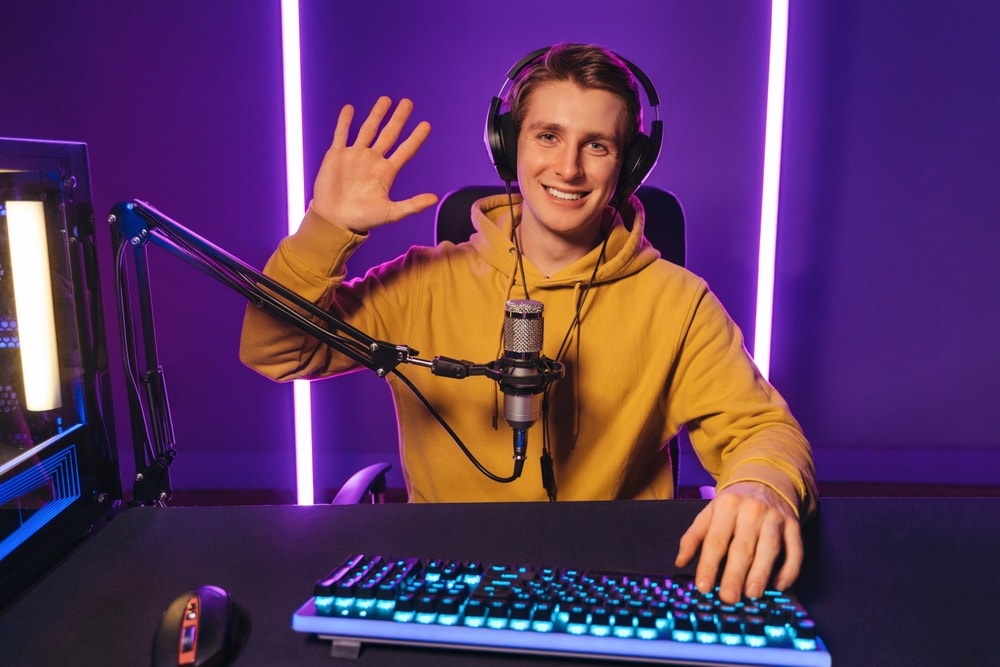
With tools like ZBD Streamer and NOWPayments, fans can now tip using crypto, adding a new layer of revenue growth that doesn’t rely on ads. These options are perfect for creators in South Korea, the Asia Pacific region, or anywhere with payment issues.
More than ever, video game companies and media companies are partnering with creators to build brand reach. You can now sell access to premium content using Unlock Protocol or create Discord-based clubs that require NFT ownership. These tools are changing what it means to “go pro” in content creation and making playing video games a legitimate income source. Fans are no longer passive.
They’re active participants in the esports scene and want to support their favorite players and streamers directly. Take G2’s Samurai Army NFT membership as an example. Fans got early content, VIP access, and merch, all through a single token. It’s one of many brand partnerships that are turning fandom into a full-on community. These models are helping professional esports grow well beyond just matches. They’re defining what modern esports programs look like.
For Developers & Game Designers
If you’re a game developer, crypto is changing how games are built and monetized. Esports games like Axie Infinity have awarded millions in AXS tokens for tournament wins, while ev.io lets players win SOL and earn through NFT-based items.

This style of multiplayer online battle arena or shooter adds real-world stakes to in-game performance. It also gives players more reasons to stay loyal.
Developers now design reward systems that are automated using smart contracts. When a player wins a match, the system sends out rewards instantly. That removes the need for third-party approval and makes the whole esports arena more transparent. You can also track NFT ownership or reward activity, allowing for new forms of progression and tournament entry.
Games like ev.io let you recognize esports contributions with in-game badges, NFT cosmetics, or tradable skins. They also allow renting, giving the scene a “substitute player” feel that mirrors how professional leagues operate in real life. These ideas are starting to influence everything from league tournament infrastructure to local tournaments popping up worldwide.
For Managers & Organizations
Running a team or org? Tools like Safe make esports organizations more efficient by managing treasuries with multi-signature wallets.
No more worrying about a rogue manager draining funds. These wallets require multiple approvals, and they’re great for managing sponsor money or launching NFT collections during major tournaments.
Smart contracts are also powering deals with media rights segment partners, sponsors, and players. If you’re working with tournament organizers, this ensures money is released only when all conditions are met. That’s critical in a space like electronic sports, where international rules and local laws often clash.
For example, Riot Games and Activision Blizzard have both had to adapt to new rules in North America and the Asia Pacific when launching platforms like the Overwatch League.
The esports space has also started borrowing ideas from traditional sports. Player contracts include milestone-based bonuses and clear sponsor deliverables. If you’re investing in a team, that means less risk and more transparency. And for professional athletes, it guarantees that when they win, they get paid, with no delays.
The esports market is growing, and so is demand. Thanks to technological advancements, virtual reality, and new ways to monetize content, we’re seeing significant growth across regions. Esports worldwide is actually a legit career path. Players, creators, and devs are all seeing the benefits of this evolving space.
From ticket sales to online platforms, everything contributes to the rising popularity of leading esports games like League of Legends, Valorant, and more. Investing heavily in this space now makes sense; the numbers back it up.
The esports market size continues to grow as new games, players, and fans enter the scene. And with more international competitions, fighting games, and opportunities for fair play, the future of esports competitions looks stronger than ever.
New Job Roles Emerging from Crypto + Esports Industry
Crypto tools are blending with the esports industry in very practical ways. Prize money now moves faster at esports tournaments, sponsors try new ideas with esports leagues, and teams test digital rewards during esports events.

All of this sits on top of competitive gaming and the day-to-day work of esports teams. As these pilots spread through the esports market and the wider esports sector, they pull in more parts of the esports ecosystem, from the video game industry and game developers to media companies and sponsors.
The trend lines point to market growth, rising demand, and significant growth in the global esports market size. North America accounted for a big share early on, while the Asia Pacific region keeps expanding.
The result is a busier esports scene and more chances for people to build careers in esports worldwide, with brand partnerships and the sponsorship segment helping drive revenue growth and steady market expansion.
Esports Blockchain Analysts: Managing Tokenomics and Economies
These analysts help teams and organizers keep rewards fair and easy to follow. They set simple rules for how items and passes unlock in esports games and in popular esports titles.

They study what esports players and professional gamers do across multiplayer games, multiplayer online battle arena formats like League of Legends, and fighting games. The goal is straightforward: to make rewards feel right across each video game and inside team and league esports programs.
Clear design helps professional players and fans understand what they get, and it also feeds useful signals back into esports market trends.
Smart Contract Managers: Handling Automated Player & Team Contracts
This job keeps the pipes working so competitions run smoothly. Smart contracts confirm results, pay out prizes at major tournaments, and split revenue without confusion. That fits the league tournament infrastructure behind esports competitions and professional leagues.

When a final ends, winners can be paid right away, ticket sales can settle cleanly, and everyone can see what happened. It connects neatly to live streaming on online platforms and streaming platforms because payments move as quickly as the broadcast. It also helps the sponsorship segment and brand partnerships, where performance bonuses are easy to trace.
Large organizations, such as Activision Blizzard and the Overwatch League, demonstrate how these tools facilitate clear operations and drive long-term revenue growth. Traditional sports already use firm contract rules, and electronic sports benefit from the same clarity as esports continues to scale.
NFT Strategists: Branding and Fan Engagement
Strategists design simple, useful collectibles for esports organizations and professional teams. Think membership passes for in-arena meetups, digital items tied to esports tournaments, or reward ladders that thank long-time fans on digital platforms.
The focus is on value that lasts, not hype. Done well, these drops support esports events calendars, make sponsors happy, and encourage steady community growth.
Community Managers for Tokenized Ecosystems
Community managers welcome fans, answer questions, and run member areas, but with tools that verify access on the blockchain. Supporters can unlock private chats, early videos from competitions, or coaching rooms for esports athletes.
Because access lives on the chain, fans can move between teams and online platforms without losing perks. It is people who work first, with just enough tech to keep everything smooth.
Esports DAO Coordinators: Decentralized Teams and Clubs
DAO coordinators help community-owned projects stay organized. They write clear proposals, plan tryouts, track budgets, and publish updates that anyone can check.
Backers are investing heavily in ideas like community-funded bootcamps and travel support. Strong coordination turns that energy into real results for rosters and local leagues.
Future of Esports Careers in the Crypto Era
Day-to-day operations across the esports industry will keep getting simpler. Instant payouts will become normal for esports tournaments and leagues, so more roles will focus on safe wallets, clear records, and simple identity checks for winners in professional leagues.
Fan programs will also mature, plus teams and creators will run long-term memberships that cover esports events, behind-the-scenes content, and meetups. These plans will tie into the esports market size reporting, ticket sales, and partner goals on streaming platforms. As increasing popularity brings spikes of immense popularity for certain titles, strategists will link rewards to real viewing and participation.
Studios will help too. Video game companies and game developers will ship tools that make rewards safer and easier to manage inside the gaming industry and the broader video game industry. Expect pilots in Asia Pacific to scale fast when fans see the value, while metrics in North America remain strong.
Governance will keep growing. More groups will test community voting with simple public reports. That helps sponsors and regulators recognize esports as a stable part of entertainment in many regions.
Put together, these changes support steady revenue growth for organizers that use crypto in practical ways. The tools match how fans already enjoy video game competitions and how pros compete at scale. As the popularity continues to grow, these careers will help the scene adapt and propel market growth without losing the fun that drew people in.
Why Esports and Crypto Fit Together?
Esports and crypto share the same digital-first world. Both operate without borders, rely heavily on online communities, and thrive on fast, transparent systems.
For tournaments, prize payouts are often a headache, especially when players live in different countries. Crypto solves that by allowing instant stablecoin transfers through smart contracts, cutting wait times from weeks to seconds. Fans already understand the idea of digital items, so NFTs and tokens feel like a natural extension of the collectibles and skins they already value.
Teams and platforms have started using these tools for sponsorships, loyalty apps, and fan voting. With Ethereum’s energy use dropping by more than 99% after the shift to proof of stake, one of the biggest objections to using blockchain in esports has also been addressed. Together, these trends show why esports and crypto are beginning to move in the same direction.
Case Studies & Real Examples
Real examples help explain how crypto is being used in esports today.
Risks & Challenges of Crypto in Esports
As promising as it sounds, using crypto in esports comes with real challenges that teams, players, and fans need to consider.
Conclusion
Esports and crypto are blending in ways that open new career paths. Players are getting paid faster, streamers have more ways to earn, and teams are keeping fans closer with digital rewards. Developers and managers are also finding roles that bring gaming and blockchain together.
At the end of the day, this is about making esports smoother, fairer, and more rewarding. Whether you play, stream, or run organizations, crypto tools are already shaping what the future of these careers will look like. The next stage of growth in esports will rely on people who understand both games and crypto.
DISCOVER:
- Crypto Exchange Promos & Discounts
- Crypto Wallet Promos & Discounts
- How G2 Esports & TSM Are Leveling Up with Fan Tokens?
- How Crypto Can Change R6 eSports Prediction?
- DEXTools vs. DEX Screener: Which One is Better in 2026
FAQs
How is crypto influencing the esports industry?

Crypto makes payments faster, helps with international payouts, and adds new ways for teams and creators to earn money through tokens and digital rewards.
What new career paths are emerging from crypto in esports?
New jobs include token analysts, smart contract managers, NFT strategists, and DAO coordinators.
What role can DAOs play in esports careers?
DAOs give fans and community members a direct say in decisions, funding, and projects, creating new roles in organizing and managing them.
What are the risks of crypto in esports careers?
Risks include token price swings, security issues, unclear regulations, and scams that can hurt teams or fans.
Will crypto permanently change esports careers?
Yes, crypto will remain part of esports by improving payments and fan engagement, while traditional roles will continue alongside it.
References
- Socios. “Natus Vincere to Launch NAVI Fan Token on Socios.com.” Socios, www.socios.com/natus-vincere-to-launch-navi-fan-token-on-socios-com/.
- Access Newswire. “Polygon Partners with Community Gaming to Enable Scalable Esports.” Access Newswire, www.accessnewswire.com/newsroom/en/computers-technology-and-internet/polygon-partners-with-community-gaming-to-enable-scalable-esports-655071.
- University of Oklahoma. What Is Esports? University of Oklahoma, http://www.ou.edu/esports/about/what-is-esports.html
- Stanford Online. How Does Blockchain Work? Stanford University, https://online.stanford.edu/how-does-blockchain-work
- Oswego State University. The Basics about Cryptocurrency. Oswego State University of New York, https://www.oswego.edu/cts/basics-about-cryptocurrency

Why you can trust 99Bitcoins
Established in 2013, 99Bitcoin’s team members have been crypto experts since Bitcoin’s Early days.
Weekly Research
100k+Monthly readers
Expert contributors
2000+Crypto Projects Reviewed