






In This Article
League of Legends sits on the throne of the esports industry with millions of viewers, sold-out arenas, and a global league run by Riot Games that rivals traditional sports. Yet for all the hype, the economics still feel stuck in Web2. Players grind digital skins, streamers build communities, and esports organizations chase sponsorship crumbs, but real ownership is absent.
That’s where LoL esports and Web3 collide. Imagine in-game assets that actually belong to the fans, payouts moving instantly through blockchain technology, and esports events where crypto rewards for esports fans tie engagement directly to the match. The upside is obvious: new revenue streams, a deeper gaming community, and tools to keep the esports community growing. The risk? Turning League of Legends crypto integration into nothing more than speculative tokens and “exclusive emotes” that cheapen the game.
The question is no longer if blockchain will touch LoL, it’s how LoL Esports can integrate blockchain without burning down the Summoner’s Rift economy in the process.
Key Takeaways
- LoL Esports is exploring how blockchain technology can address issues like revenue distribution, ownership of in-game assets, and fan engagement.
- Integrating crypto tools such as fan tokens, NFTs, and smart contracts could open new revenue streams for Riot Games and esports organizations.
- Blockchain in esports creates transparency in prize pools, player contracts, and match outcomes, but also introduces risks of speculation and regulation.
- Crypto rewards for esports fans may boost engagement, but require careful design to avoid pay-to-win mechanics or exploitation.
- Fan experience is central: digital ownership, community governance, and Web3 tools must enhance gameplay rather than dilute it.
- The future of LoL esports and Web3 depends on balancing innovation with compliance, user experience, and long-term sustainability.
LOL Esports and Blockchain Technology: Summary
LoL Esports is already one of the biggest spectacles in the gaming industry, pulling in millions of viewers from a global audience that treats championship weekends like the World Cup. But behind the hype, the economics are fragile. Esports organizations fight for scraps of sponsorship, players grind for rewards that they never truly own, and fans get stuck on the sidelines with little more than exclusive emotes to show for it.
That’s where blockchain in esports enters the story. By leveraging blockchain technology, Riot Games and its partners could build revenue streams that actually scale with the esports community:
- Fan tokens to deepen engagement.
- NFTs in League of Legends for verified ownership of skins or collectibles.
- Crypto-powered rewards that plug fans directly into the economy.
- Smart contracts for transparent player salaries and prize pools.
The benefits? More transparency, stronger community ownership, and innovative ways for esports fans to participate. The risks? Speculative bubbles, regulatory scrutiny, and the danger of reducing a beloved game into another cash grab.
This article explores how LoL esports and Web3 could collide: from digital assets and crypto adoption in LoL esports tournaments to long-term sustainability in a global league that has to balance innovation with trust. The future isn’t guaranteed, but the path toward a LoL Web3 gaming ecosystem is already taking shape.
What is LOL Esports?
LoL Esports is the competitive heartbeat of League of Legends, a game that’s been at the center of the gaming community for over a decade. Since 2011, Riot Games has turned what started as a mod-inspired MOBA into a full-blown global league with regional circuits, major leagues, and a world championship that sells out arenas from Seoul to New York.
The esports industry has embraced LoL as one of its crown jewels. Broadcast deals, global esports partnerships, and sponsorships with companies like Aston Martin Aramco, Team Liquid, and Borussia Dortmund have helped cement its place as digital entertainment for the global audience. With millions tuning into esports events, LoL’s reach often outpaces traditional sports broadcasts.
But this success comes with cracks. Esports organizations remain heavily dependent on sponsorships to survive, prize pool distribution is centralized under Riot’s control, and fans (despite being the lifeblood of the esports community) rarely have meaningful ownership or participation beyond cheering, streaming, or buying cosmetics.
That’s why talk of LoL Esports blockchain gaming integration matters. For the first time, digital natives who make up the bulk of LoL’s player base could have tools to not just play or watch but to actually own, vote, and participate in shaping the ecosystem.
Challenges of Playing League of Legends
For all its success, League of Legends is still a grind. Ask any player and you’ll hear the same complaints: the endless gold grind, the toxic lobbies, the broken matchmaking, and rewards that vanish the second a patch changes or a server goes dark. The gaming industry calls this “digital engagement”. Players call it a headache.
In LoL Esports, the cracks widen. Prize pools aren’t always distributed quickly, esports organizations live and die on sponsorship deals, and Riot Games tightly controls revenue streams. A team can win on stage, but still struggle to pay salaries off it. Even at the fan level, millions pour into the esports community through tickets, streams, and in-game assets, yet they walk away with little more than an exclusive emote.
Also, head to our section on Esports Tokenization to read more about in-game assets.
Transparency is thin. Fans can’t see how revenue flows through the system, and players often have little leverage in management negotiations. From Riot’s perspective, it’s about maintaining control of the league; from the fans’ perspective, it’s about feeling like users, not stakeholders.
This is where the talk of blockchain in esports begins to sound less like hype and more like a necessity. The question isn’t whether crypto can “fix” these problems; it can’t. But it may offer tools to address them: provable ownership, transparent payouts, and economic systems that don’t vanish when a company flips a switch.
How LoL Esports Could Use Blockchain & Crypto
So what does it actually look like when LoL Esports and blockchain technology collide? Forget the buzzwords, this isn’t about sprinkling NFTs onto Summoner’s Rift and calling it innovation. It’s about building tools that solve the structural problems weighing down the esports industry.
- Ownership of in-game assets: Instead of renting skins from Riot’s servers, players and esports fans could hold verified NFTs in League of Legends. That means trading, gifting, or selling without Riot pulling the plug.
- Transparent revenue flows: Smart contracts could manage revenue streams for teams, players, and esports organizations, cutting the payout delays that currently plague major leagues.
- Fan engagement: From fan tokens LoL Esports to crypto rewards for esports fans, communities could vote on events, access exclusive emotes, or shape the broadcast experience all without waiting for Riot’s blessing.
- Prize pools and team management: Contracts and tournament payouts could be handled through blockchain rails, reducing disputes and ensuring funds hit wallets on time.
Of course, none of this comes free. Introducing LoL Esports crypto doesn’t just bring transparency; it also invites speculation, compliance headaches, and the looming risk of turning gaming into crypto gambling. The real test is whether Riot Games can design integrations that enhance the fan experience and the gaming community, not cheapen it with shallow token drops. Before exploring how Riot could adapt these ideas, it’s worth recalling what blockchain gaming actually incorporates, as Hedera puts it:
Blockchain games are simply those that incorporate elements of blockchain technology. In some cases, in-game items are minted as NFTs, allowing players to trade or sell them to others. These games often use digital assets for in-game currencies, and players can sometimes earn cryptocurrency by completing levels.
In the sections ahead, we’ll break down the major use cases like fan tokens, NFTs, crypto-powered rewards, and smart contracts to explore how they could reshape the future of LoL without sacrificing the heart of the game.
Fan Tokens & Community Engagement
The esports industry runs on hype. Fans chant in arenas, spam Twitch chats, and grind through merch drops to feel closer to their teams. But once the event ends, the connection fades. This is where fan tokens LoL Esports could step in, things like programmable digital chips that give esports fans more than just a ticket stub.
Think of them as access keys. A token could unlock voting rights on broadcast features, early access to exclusive emotes, or even direct input into team-branded content. For Riot Games, it’s another layer of monetization. For the esports community, it’s a way to move beyond passive fandom into actual participation.
But there’s risk here. Look at football clubs in Europe where fan tokens surged in popularity: speculation often overshadowed community. When prices dropped, fans felt more like bagholders than stakeholders. That same trap could swallow LoL if Riot treats tokens as another revenue stream instead of a tool to deepen the fan experience.
If done right, global esports partnerships could use tokens to connect digital natives across borders, letting a global audience vote on event formats, broadcast styles, or even charity tie-ins. Done wrong, it’s just another crypto cash grab.
NFTs for Digital Ownership
League of Legends is built on cosmetics. Skins, icons, and event passes generate huge chunks of Riot’s revenue, yet players don’t actually own any of it. The moment an account is banned or the servers change, years of in-game assets disappear into the void.
That’s where NFTs in League of Legends could change the equation. Imagine verified digital items: a Worlds skin minted as a collectible, tradable across platforms, or gifted between fans. For esports organizations, NFTs could expand revenue streams through limited-edition drops tied to esports events. For fans, it’s about real ownership in a game they already pour hours and money into.
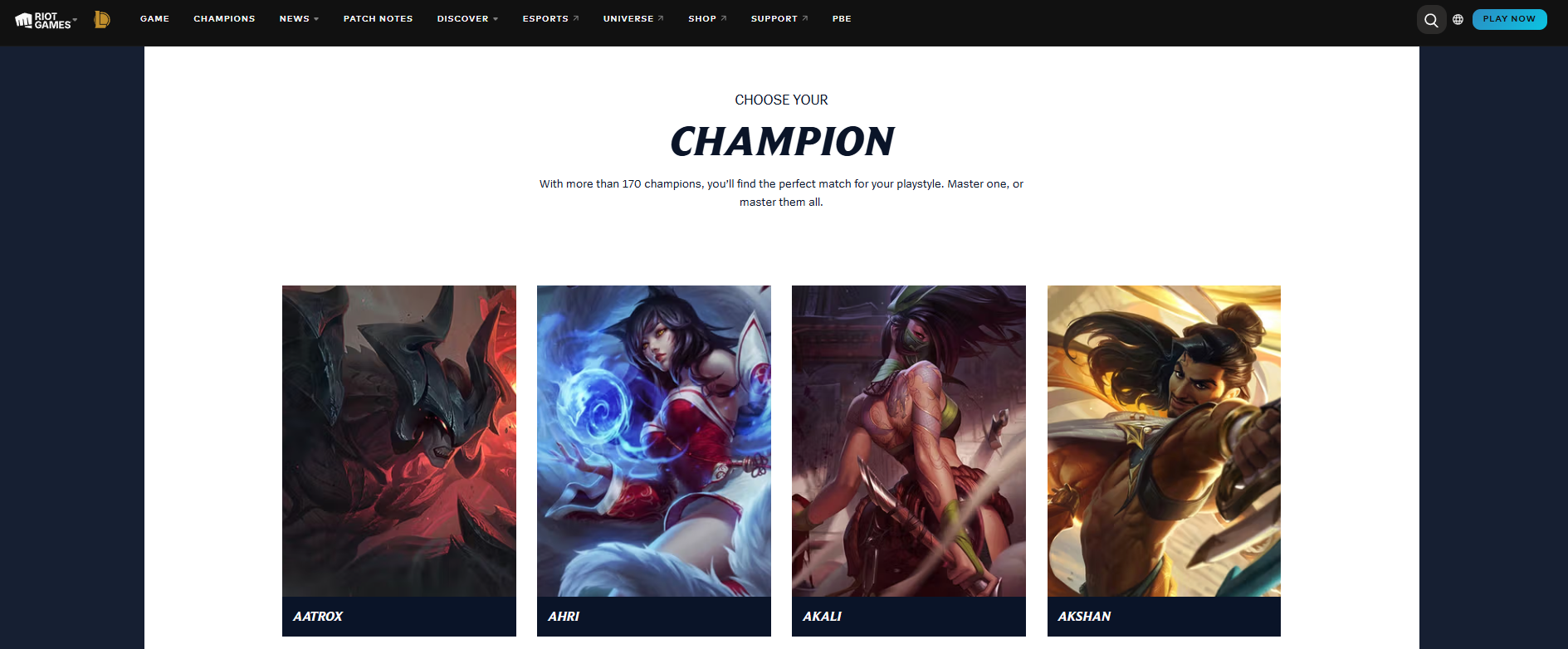
But this isn’t risk-free. Turning every skin into a tokenized asset risks pushing LoL toward a play-to-earn game economy, where speculation outweighs gameplay. The gaming community already has scars from projects that shoved NFTs down players’ throats with little regard for fun. If Riot overplays this hand, the backlash from esports fans could dwarf the initial excitement.
Still, with careful design and things like exclusive drops, tradable event memorabilia, and even tokens that capture historic match highlights, LoL Esports blockchain integration could create an immersive layer of fandom that feels more like collecting trading cards than mining for profit.
Crypto-Powered Payments & Rewards
Money has always been messy in esports. Esports organizations chase sponsorships, players wait weeks for payouts, and international transfers get bogged down in fees. Fans, meanwhile, pump money into the gaming industry but rarely see any return.
This is where crypto rewards for esports fans and blockchain rails could tighten the system. Prize pools could settle instantly using stablecoins, bypassing banks and cutting the red tape that slows global esports partnerships. Fans could earn tokenized rewards for engagement from watching matches, predicting outcomes, and supporting their favorite teams. This will transform passive viewership into active participation.
The draw is obvious for Riot Games: new revenue streams and deeper fan retention. For esports fans, the chance to unlock perks like discounted tickets, digital collectibles, or exclusive emotes simply by engaging with esports events.
But let’s be clear: crypto payouts introduce new headaches. Taxation, compliance, and the blurred line between fun engagement and gambling risk make this a tightrope. If every match becomes a speculative bet wrapped in “rewards,” the esports community could fracture between players chasing glory and fans chasing payouts.
Handled with care, though, crypto adoption in LoL esports tournaments could streamline money flows, expand the fan experience, and show how blockchain technology can solve real-world inefficiencies without turning the Rift into a casino.
Smart Contracts in Team Management
Behind the stage lights, esports organizations often look less like professional teams and more like scrappy startups. Contracts get disputed, payments get delayed, and sponsorship deals sometimes collapse without warning. For players, this uncertainty can make a career in LoL Esports feel unstable even if you’re competing in the major leagues.
This is where smart contracts could clean house. A player’s salary, tournament bonuses, or even revenue streams from merchandising could be locked into code, ensuring funds are released once performance conditions are met. No middleman, no fine print buried in PDFs, no waiting weeks for wire transfers to clear.
Sponsors could also benefit. A company like Coinbase, already tied to Riot Games through sports partnerships, could structure deals that release payments automatically when viewership thresholds are hit or when global esports partnerships deliver promised exposure. Think of it as programmable trust layered onto the messy world of esports management.
The risks? Automation only works if the contract data is fed accurately. Oracles verifying match results, attendance, or ad impressions can be manipulated. One exploit, and a contract might misfire, draining funds or breaking trust. From a legal standpoint, most jurisdictions haven’t caught up, which leaves smart contracts enforceable on-chain but not always in court.
Still, if LoL Esports blockchain integration wants to address structural instability, transparent contracts coded into the system may be one of the most impactful tools in the kit.
Security & Transparency
If there’s one thing blockchain technology actually delivers, it’s an audit trail. Every transaction, contract, and payout sits on a public ledger. In a world where esports organizations still get called out for shady salary practices and where fans often question how prize pools are distributed, that kind of transparency is not just useful; it’s overdue.
For LoL Esports, this could mean verifiable prize distributions, trackable sponsorship payments, and immutable proof that revenue streams are flowing where they should. It could also mean anti-cheat systems tied to Web3 tools for League of Legends esports, where suspicious accounts are flagged on-chain, making it harder to run bot farms or manipulate competitive play.
The benefits are apparent: more trust from esports fans, more substantial confidence for sponsors, and a clearer picture of the esports community’s economics. Esports events that run on-chain would leave no room for rumors about favoritism, late payments, or vanishing prize money.
However, blockchain’s transparency is also a weakness. Publishing financial flows on a public ledger can create privacy concerns for players, teams, and partners. Hackers, too, are relentless. Every crypto ecosystem carries risk, from smart contract exploits to phishing attacks targeting digital natives eager to connect wallets.
In short, LoL Esports crypto tools could strengthen the foundation of the global league, but without airtight security, the same tech that brings trust could also expose vulnerabilities.
Benefits & Risks of Blockchain Integration in LoL Esports
Integrating blockchain in esports isn’t a magic fix. For Riot Games, the upside is obvious: fresh revenue streams, better monetization of in-game assets, and stickier engagement tools for esports fans. For the esports community, it could mean genuine ownership, transparent payouts, and a fan experience that feels more participatory than passive.
The benefits are clear. NFTs in League of Legends could finally give players real ownership of digital skins and collectibles. Smart contracts could handle prize pools and salaries, cutting through delays and disputes. Fan tokens, LoL Esports, and crypto rewards for esports fans could turn fandom into something interactive. At the same time, partnerships like the one between Coinbase and Riot Games hint at new sponsorship models that connect a truly global audience.
But risks loom large. Introducing play-to-earn dynamics could turn a competitive game into a speculative grind, shifting focus from fun to profit. Regulators are circling, and issues around gambling, KYC, and taxation won’t vanish because it’s branded as “innovation.” Security is another fault line. Exploited smart contracts or hacked wallets could erode trust overnight. And perhaps most dangerous, a misstep could alienate the very gaming community that built LoL Esports’ popularity in the first place.
Benefits Risks
The takeaway is simple: blockchain offers tools to strengthen LoL Web3 gaming, but without careful execution, it could undermine the very community it aims to empower.
Future of LoL Esports in Web3
The future of blockchain in esports gaming will hinge on whether technology can serve the players and esports fans, not just the bottom line. For Riot Games, integrating Web3 is less about dropping buzzwords and more about deciding what kind of global league they want to run: a closed system where revenue streams are tightly controlled, or an open ecosystem where fans, teams, and esports organizations share in the upside.
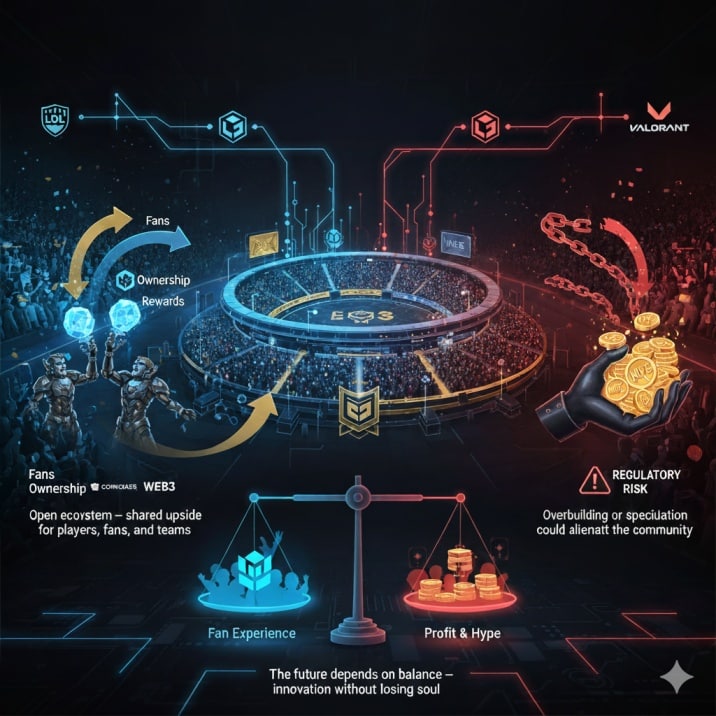
There are hints of where this could go. Coinbase has already acted as an official blockchain partner in other sports partnerships, and it’s not a stretch to imagine similar tie-ins across LoL Esports and Valorant Esports. As the gaming industry blurs with digital entertainment, the pressure to adopt Web3 tools for League of Legends esports will only grow, especially as digital natives demand ownership, transparency, and meaningful participation.
Still, the second part of this story is risky. Overbuilding around tokens or NFTs in League of Legends could trigger backlash, fragmenting the community and alienating millions who want to play. Regulatory oversight will intensify, forcing Riot to tread carefully in how it rolls out crypto adoption in LoL esports tournaments.
In the end, the future of LoL Esports crypto is about balance. If blockchain is integrated with restraint and a focus on the fan experience, it could push League of Legends into a new era of innovation without losing its soul. But if handled poorly, the story may become another cautionary tale of a company chasing hype instead of trust.
Conclusion: How LoL Can Use Crypto
League of Legends has already conquered the esports industry. It commands millions of viewers, fills arenas worldwide, and stands as one of the most influential titles in digital entertainment. But the cracks in its foundation are evident: fragile revenue streams, limited fan experience, and an ecosystem where in-game assets remain locked in Riot’s vault.
The arrival of LoL Esports blockchain tools, whether through NFTs in League of Legends, fan tokens, or crypto rewards for esports fans, is about whether Riot Games and the wider gaming community can build systems that reward fans, stabilize esports organizations, and push the scene toward sustainable growth.
The risk is equally apparent. Push too hard, and LoL Esports risks becoming another failed play-to-earn experiment remembered for speculation instead of fun. Move too slow, and the esports community may drift toward games and companies willing to experiment with real ownership and transparent economics.
The future of League of Legends crypto integration is still unwritten. What’s certain is that the esports community will decide its fate, not in corporate boardrooms but in the way users, fans, and players embrace (or reject) the shift. Ultimately, LoL Web3 gaming could be remembered as the next great chapter in Riot’s global league or just the beginning of a story that never quite lived up to its hype.
DISCOVER:
- Crypto Exchange Promos & Discounts
- Crypto Wallet Promos & Discounts
- How Crypto is Powering Esports Scholarships & Education?
- Fortnite Esports & NFTs: Future of Digital Ownership
- COD & PUBG Esports: Rise of Battle Royale Crypto Gaming
FAQs
How can blockchain be used in LoL Esports?

Blockchain could support LoL Esports by creating transparent prize pools, enabling crypto rewards for esports fans, and giving players ownership of in-game assets. It’s not about overhauling the game, but about adding tools that improve trust, payouts, and the overall fan experience.
How would smart contracts help LoL Esports teams?
Smart contracts could streamline salaries, sponsorship deals, and tournament payouts. Instead of waiting weeks for manual transfers, funds would be released automatically when performance conditions are met, reducing disputes between esports organizations and players.
What role could NFTs play in LoL Esports?
NFTs in League of Legends could provide fans and players with collectible digital items tied to esports events like commemorative skins, limited-edition emotes, or highlights from historic matches. The key is to design them for engagement, not speculation.
Could LoL skins or champions be turned into NFTs?
In theory, yes. Skins, icons, or even champion-based collectibles could be tokenized for ownership and trade. But doing so risks pushing LoL toward a play-to-earn model that might alienate the gaming community if it prioritizes profit over fun.
Would blockchain make LoL Esports more transparent?
Yes, but with caveats. On-chain systems could prove how prize pools, sponsorships, and revenue streams are distributed, boosting trust among esports fans and sponsors. However, blockchain’s transparency also creates privacy and security concerns if not handled carefully.
References
- Library of Congress. Cryptocurrency and Blockchain Technology. FinTech: Financial Technology in the 21st Century, https://guides.loc.gov/fintech/21st-century/cryptocurrency-blockchain
- Pierson, Samuel. The Potential and Pitfalls of Blockchain in the Modern Economy. CMC Senior Theses, Claremont McKenna College, 2019. https://scholarship.claremont.edu/cgi/viewcontent.cgi?article=4252&context=cmc_theses
- O’Connor, Siobhán. “Governments Are Turning to Blockchain for Public Good. Here’s How.” Brookings Institution, 11 May 2022, https://www.brookings.edu/articles/governments-are-turning-to-blockchain-for-public-good-heres-how/
- MIT Sloan School of Management. “Blockchain Explained.” Ideas Made to Matter, 25 Mar. 2019, https://mitsloan.mit.edu/ideas-made-to-matter/blockchain-explained
- Blockchain Education Network. BlockchainEDU. https://www.blockchainedu.org/

Why you can trust 99Bitcoins
Established in 2013, 99Bitcoin’s team members have been crypto experts since Bitcoin’s Early days.
Weekly Research
100k+Monthly readers
Expert contributors
2000+Crypto Projects Reviewed