




In This Article
Fortnite esports has taken over the competitive scene. Millions of players join tournaments, follow pro teams, and grind for rewards. But even with all the action, there’s one thing that hasn’t changed: Players don’t really own the items they unlock.
That’s where the use of blockchain in Fortnite could make a difference. It could give players full control over their cosmetics, let them trade items safely, and make prize payouts faster and easier.
If you’re into competitive Fortnite and want a way to get more involved, take a look at our top crypto esports betting sites to see where you can back your favorite teams using crypto.
Key Takeaways
- Fortnite cosmetics are licensed, not owned, and can’t be traded or resold.
- NFTs could turn in-game items into assets that players fully control and verify.
- Smart contracts can automate tournament payouts and creator royalties.
- Blockchain marketplaces would support secure trading without third parties.
- Epic already supports blockchain titles, showing NFT features could be added if policies change.
Use of Crypto in Fortnite Esports: Summary
Crypto is starting to make its way into esports, and Fortnite could be a good fit. Right now, players don’t actually own their skins or items; they’re just licensed to your account. But with blockchain, those items could be turned into digital collectibles that you actually own, trade, or even sell.
Prize money could also be handled through smart contracts, which would pay players automatically based on tournament results. It could make things faster, smoother, and more transparent for everyone, players, fans, and creators.
Epic hasn’t added crypto to Fortnite yet, and they’d have to make some big changes to how the game works to support it. But they already allow blockchain games on their store, so the idea’s not far off.
What is Fortnite?
Fortnite is a free online game you can download and start playing right away. It brings together a bunch of different game types under one launcher.
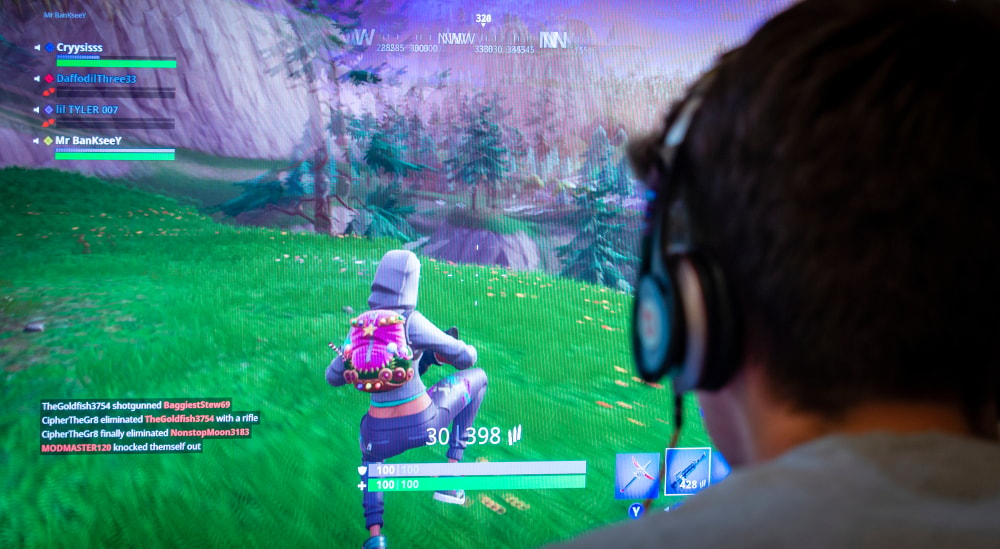
You can jump into Battle Royale or Zero Build to fight for survival, build and share your own games using Fortnite Creative and the Unreal Editor for Fortnite (UEFN), or explore always-available titles like LEGO Fortnite, Rocket Racing, and Fortnite Festival. Everything is tied to one account, so your progress carries across all of these modes, whether you’re playing on PC, console, or mobile.
Fortnite Game Modes at a Glance
Battle Royale drops you into a 100-player match on a large island where you collect weapons, gather gear, and try to outlast everyone else. In Zero Build, there’s no building involved; instead, you get a rechargeable Overshield to keep you protected during fights. If you’re up for the challenge, you can also try Ranked mode in supported playlists.
Creative and UEFN let you make your own Fortnite experiences. You can build anything from simple mini-games to full-blown multiplayer maps. On PC, UEFN gives you powerful tools, and if people play your island, you can earn a share of Fortnite’s revenue through the Creator Economy program.
LEGO Fortnite takes the characters and items you know and places them into a survival and crafting game made for all ages, with LEGO versions of Fortnite skins that fit the playful tone.
Rocket Racing is a fast-paced driving game made by the team behind Rocket League, while Fortnite Festival is all about music and rhythm, with songs you perform using timing and inputs. Both are available anytime and run alongside the other core modes.
Save the World is a co-op mode where you team up to battle enemies and complete missions. It’s only available to those who bought the original version, but Founders can still earn V-Bucks through daily quests.
Popularity and Esports
Fortnite continues to be one of the most played games in the world. When Fortnite OG brought back the original island in late 2023, it had its biggest day ever, over 44.7 million players logged in, and more than 102 million hours of gameplay were recorded in just one day.
Esports are a huge part of the Fortnite community. The Fortnite Champion Series (FNCS) runs throughout the year and ends with the Global Championship. The 2025 finals are being held in Lyon, where top trios will compete for a $2,001,000 prize pool. Fortnite made waves in esports back in 2019 with the $30 million World Cup, which helped push the game into the spotlight globally.
Skins, Cosmetics, and In-Game Items
One of the things Fortnite is known for is its cosmetics. These include skins, back bling, gliders, pickaxes, wraps, emotes, music packs, loading screens, and newer items like Kicks and LEGO styles. None of these gives you any kind of advantage in gameplay; they’re just for customizing how you look and express yourself in-game.
Some items only work in certain modes, and Epic makes it clear which cosmetics are compatible where. You can unlock items through the Item Shop, level up through Battle Passes, complete special quests or events, or subscribe to Fortnite Crew for a bundle of monthly rewards.
Challenges of Playing Fortnite Esports
One of the main challenges in Fortnite esports is that you don’t truly own the items you buy. When you spend V-Bucks on skins or other cosmetics, you’re getting access to them under a license.
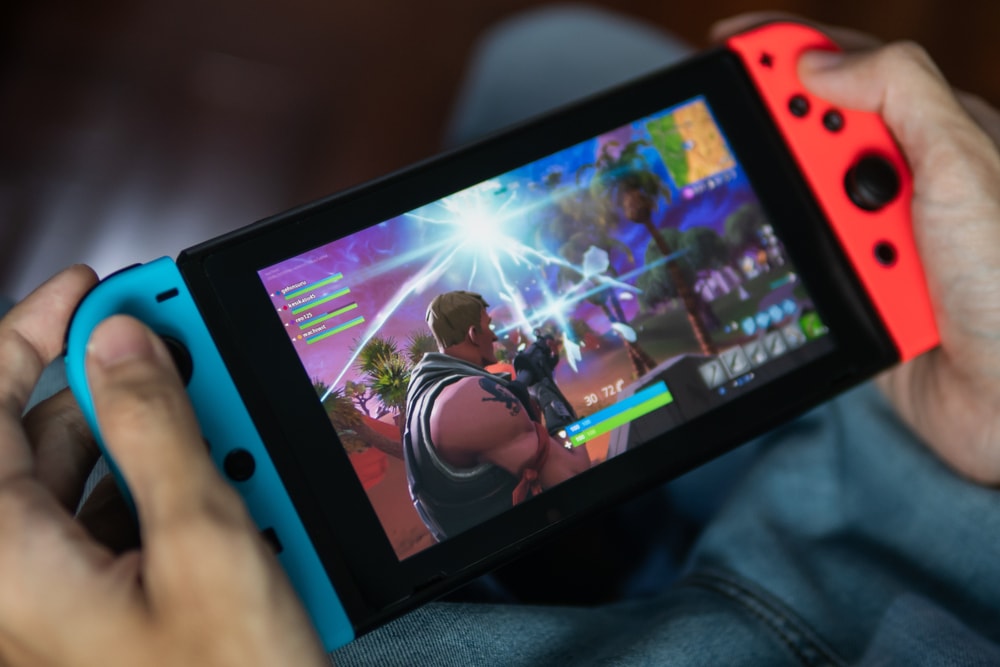
Epic can change or remove them at any time, and you can’t move them outside the game or assign them any real-world value. This makes it difficult to create any kind of market around cosmetic items used in competition.
You also can’t trade cosmetics between players. While gifting is allowed under certain conditions, there’s no official trading system. V-Bucks can’t be converted to cash, and Epic bans account selling. This stops players from flipping rare cosmetics or trying to profit from tournament rewards.
Another big factor is Epic’s control over competitive play. They decide which modes and playlists are active, what items are allowed, and how the rules work each season. Sometimes, they disable Ranked or OG playlists. Items get vaulted or brought back, and balance changes can happen right before a major event. Competitive players have to adapt constantly to keep up.
Even though cosmetics are a huge part of Fortnite’s identity, they don’t affect how the game plays. Winning matches and climbing the ranks all comes down to how well you move, aim, make decisions, and prepare, not what your character is wearing.
How Fortnite Esports Could Use Blockchain?
Fortnite’s competitive scene runs into a few problems. Players don’t actually own their cosmetics, there’s no way to trade directly with others, and prize money often gets handled through centralized systems.

That creates a lot of friction in the Fortnite esports economy. Blockchain could offer a new approach.
It could turn Fortnite virtual assets like skins and rewards into digital assets that players actually control, log results and ownership on a public record, and even automate prize payouts using smart contracts. These tools could help power things like Fortnite esports crypto rewards, letting players earn verified collectibles or prize money tied to their performance.
But to make this work, Epic would need to change some of Fortnite’s rules. Right now, everything is treated as a license rather than something you own, and player-to-player trading isn’t allowed. Still, Epic already supports blockchain games on its store, so the idea of Fortnite in-game assets as NFTs isn’t far-fetched. Fortnite would just need its own set of policy updates.
What Problems Could Blockchain Address?
Blockchain can track match results, prize payments, and the full history of an item. That kind of transparency helps prevent disputes about who won or whether a skin is authentic. It also opens the door to systems that let people verify randomness in things like item drops. These “provably fair” methods are already used in other games and can help make Fortnite gaming tournament rewards easier to trust.
This would also support true ownership of digital assets in the Fortnite world. Whether it’s a skin, a pickaxe, or an event badge, you’d be able to prove that it’s yours and show that it wasn’t just copied or faked.
Where Would NFTs and Digital Assets Fit?
The most natural place to use NFTs in Fortnite would be for cosmetics and tournament rewards. If skins, emotes, or collectibles lived on-chain as tokens, players could prove how rare they are, show ownership, and move them between supported marketplaces. That means Fortnite blockchain skins and collectibles could finally be owned and traded like real items.
It would also make sense for event badges or team-branded items to work the same way. These could have time-stamped mints, supply limits, and clear histories. Creators could design their own items and earn royalties every time one of them changes hands, something that’s already built into most Web3 tools.
And in the context of esports, these collectibles would play directly into the idea of Fortnite esports NFTs, tournament-linked items that live in your wallet as proof of participation or skill.
True Ownership of Skins, Cosmetics & Items
As it stands, Fortnite cosmetics are locked to your account. You don’t actually own them, even if you paid for them. They’re licensed, not yours. But with NFTs, that could change.
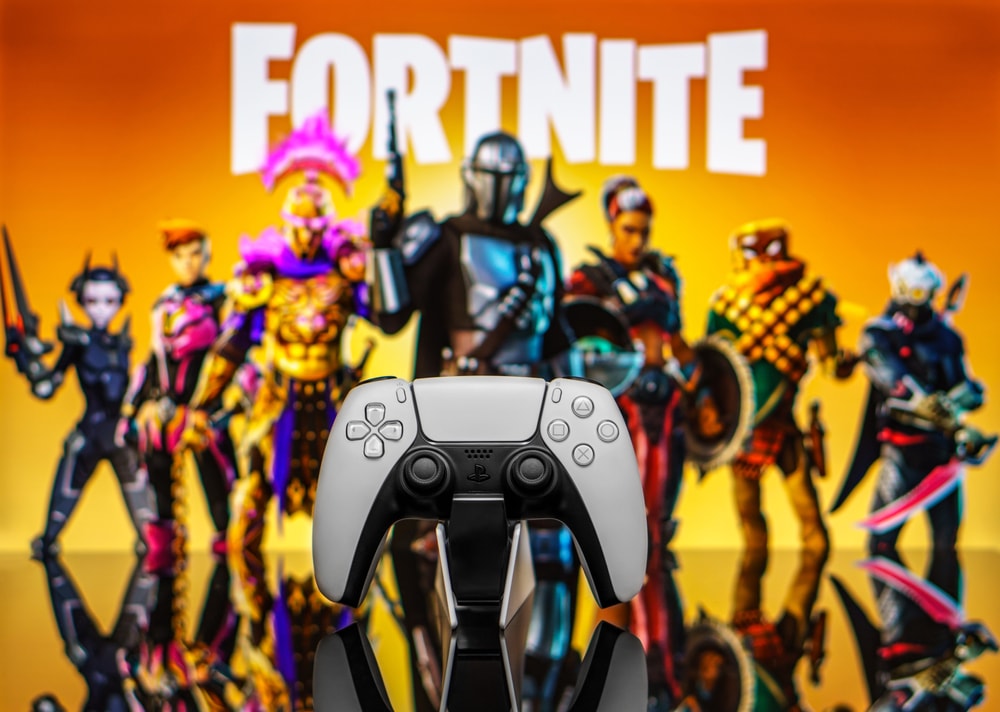
A skin could sit in your own digital wallet, outside of Epic’s database. Ownership would be public and easy to verify. You’d know how rare something is, and you could resell it or gift it through approved platforms if Fortnite allowed it.
That would shift the value from being stuck in an account to being part of your own collection, a key feature in the push for Fortnite digital item ownership. It also opens up automatic royalty payments for creators whenever an item is sold again. For this to happen though, Epic would need to update its policies to allow ownership and trading.
Players can benefit from visible rarity, the ability to sell or gift cosmetics, and collections that aren’t locked to a single account.
Player-Driven Economy
If Fortnite ever supported tokenized cosmetics, players could sell, trade, or even rent their items in a proper marketplace. Peer-to-peer trading could be powered by smart contracts, where nothing goes through unless both sides meet the terms. This setup helps prevent scams and makes transactions feel a lot safer.
This system could bring Fortnite item marketplace ideas to life, where players and collectors can interact directly, no middlemen needed. Creators could drop their own collections, earn from the first sale, and continue earning a percentage every time the item is resold. That royalty enforcement already exists in most Web3 marketplaces and would fit neatly into Fortnite’s creator economy.
Secure Trading and Marketplaces
An on-chain marketplace would let Fortnite players buy and sell items without needing to rely on shady third-party traders or account sellers. Everything would be recorded, from who owned what to how much it sold for. These listings would be public, and every trade would leave a trail. That makes audits easier and scams harder.
Epic could add their own rules around location or age, and they could still enforce royalties for creators. Other games already use setups like this, so Fortnite wouldn’t be starting from scratch. A strong system could even tie into a Fortnite esports NFT integration that links collectibles with actual gameplay and results.
Integration with Esports Competitions
Esports events could reward players with NFTs for wins, top placements, or even just participation. These wouldn’t just sit in your locker, they’d live in your wallet as collectibles that show what you’ve achieved. Think of them like verified trophies in your digital collection.
Teams could release their own collectibles, fans could buy or trade them, and everything would be verified and limited in supply. That’s where Esports NFT economy ideas come in, blending fandom with ownership. Prize pools, placements, and brackets could be logged publicly as well, giving players and teams a clear and permanent record. Some competitive platforms already use smart contracts to manage tournament payouts, so the tech is there and working.
Smart Contracts for Rewards and Transactions
Smart contracts can take care of payments the moment a match is locked. No delays, no manual splits. The system would follow the rules everyone agreed on and send money to players, coaches, or organizers as soon as the event ends.

It also works well for small-scale rewards, things like ladder payouts, weekly bonuses, or creator earnings. It could even handle NFT royalties, so creators and event hosts get paid instantly when an item is traded. This kind of automated payout system is already being used in other esports setups and could plug into Fortnite without needing a full overhaul.
Right now, none of this exists in Fortnite. Cosmetics still live in your account, trading isn’t allowed, and there’s no blockchain integration. But Epic’s store already supports blockchain games, which means the platform can handle it. If Epic wanted to explore the idea, a smart way to start would be small, maybe by testing event badges as NFTs or using smart contracts to issue prize receipts.
From there, they could try letting creators launch limited cosmetics with royalty systems built in. The final step would be opening a proper marketplace with smart contract-based trades and all the age and region rules built in.
That would lay the foundation for a full Fortnite esports NFT integration, powering everything from Fortnite esports crypto rewards to Fortnite item marketplace features, all backed by true ownership of digital assets.
Pros & Cons of Integrating Blockchain in Fortnite Esports
Fortnite has built one of the biggest competitive gaming scenes in the world. With global tournaments and huge prize pools, fortnite esports keeps millions of players engaged. Adding blockchain could change how ownership, payouts, and fan interaction work.
It could improve security and strengthen the connection between players and fans, but it also means more verification, extra review processes, and challenges with completing technical and legal requirements.
Pros
-
Ownership of items: Players could move from renting skins to true human ownership, giving them more control over their digital assets.
-
Fair prize payouts: Smart contracts could automate rewards, cutting delays and removing the need for long verification and manual review.
-
New earning opportunities: Digital collectibles, resale markets, and fan tokens could open fresh ways for people to make money.
-
Closer fan interaction: Exclusive passes or collectibles could strengthen the connection between players, teams, and their audiences.
-
Global payments made easier: Blockchain could simplify international prize distribution, avoiding the usual delays with traditional systems.
Cons
-
Regulatory uncertainty: Different countries have different rules on crypto, meaning Epic would need to constantly respond and pass compliance reviews.
-
Technical barriers: Wallets, fees, and proceeding through blockchain steps could make completing basic actions more complicated for everyday players.
-
Community skepticism: Many gamers are cautious about NFTs and blockchain, and some may review these changes as unnecessary or greedy.
-
Market inequality: Speculators could dominate rare assets, leaving regular people struggling to follow along or verify fair access.
-
Scalability issues: Thousands of transactions at once could cause connection and security problems that disrupt gameplay.
Bringing blockchain into fortnite esports could give players more ownership, improve security, and deepen the connection with fans. But it also brings hurdles like extra verification, tougher review processes, and the challenge of completing these systems in a way that works at scale. Success will depend on how well Epic balances these opportunities with the risks.
Conclusion: Epic Games’ Fortnite
Fortnite is one of the biggest games in competitive esports, but players still don’t fully own the items they buy. Skins, emotes, and rewards are tied to accounts, and prize payouts often depend on centralized systems. NFTs and blockchain could change that. They could give players real ownership of digital items, make rewards easier to verify, and open the door to trading and resale.
For Epic, the challenge is deciding how far to go. Players want security and fairness, but they also value simplicity. If done carefully, NFTs could add real benefits without getting in the way of what makes Fortnite fun.
DISCOVER:
- Crypto Exchange Promos & Discounts
- Crypto Wallet Promos & Discounts
- Brawl Stars Esports & Future of Mobile Crypto Games
- How Blockchain & Crypto Could Transform F1 Esports
- How Crypto is Powering Esports Scholarships & Education?
- How LoL Esports Can Integrate Blockchain & Crypto?
- Bitcoin Esports Betting: A Beginner’s Guide
- Inside Esports Industry: How Crypto is Changing Career Paths
FAQs
How could blockchain improve Fortnite esports?


Blockchain could give players real ownership of their cosmetics and rewards. It could also make prize payouts faster and more transparent, and allow players to trade items in a safe and verifiable way.
Can players earn money by using NFTs in Fortnite?
Not at the moment. Fortnite doesn’t support NFTs, and there’s no way to earn money through them in the game right now.
Can I trade Fortnite skins as NFTs?
No. Fortnite skins are not NFTs, and there’s no option to trade them or move them outside your account.
Will Fortnite ever implement blockchain or NFTs?
Epic has said they are open to blockchain technology in general, but Fortnite does not plan to support NFTs or crypto features anytime soon.
Are there any Fortnite-related NFT collaborations?
There have been some brand partnerships, like with Nike, but they don’t involve NFTs. Epic has made it clear that Fortnite is not part of any NFT projects.
References
- Government of India. About Blockchain. Ministry of Electronics and Information Technology, https://blockchain.gov.in/Home/BlockChain?blockchain=blockchain
- University of Pennsylvania. “A Beginner’s Guide to Cryptocurrency,” https://penntoday.upenn.edu/news/beginners-guide-cryptocurrency
- American Public University System. “What Is Esports?” APU, https://www.amu.apus.edu/area-of-study/health-sciences/resources/what-is-esports/
- University of Silicon Valley. “The Rise of Mobile Gaming.” USV Blog, https://usv.edu/blog/the-rise-of-mobile-gaming/
- Heier, Craig. “Free to Play: Mobile Gaming.” The Review: A Journal of Undergraduate Student Research, vol. 16, https://fisherpub.sjf.edu/ur/vol16/iss1/4/

Why you can trust 99Bitcoins
Established in 2013, 99Bitcoin’s team members have been crypto experts since Bitcoin’s Early days.
Weekly Research
100k+Monthly readers
Expert contributors
2000+Crypto Projects Reviewed