




In This Article
F1 Esports already looks and feels like the real thing, real teams, real rivalries, real money on the line. But with blockchain starting to enter the mix, things could change fast.
We’re talking fan-owned teams, tokenized race gear, instant prize payouts, and fully transparent results. It’s still early, but the tools are there, and crypto could completely change how virtual racing works. In this story, we break down how blockchain could transform F1 Esports, and why this is only the beginning.
Key Takeaways
- Blockchain can add digital ownership, faster payouts, and smart contracts to F1 Esports.
- Fans could collect tokenized cars, vote on team decisions, or unlock behind-the-scenes rewards.
- DAO-style teams and prize automation are already working in other esports, and could work here too.
- Crypto payments make it easier for players and fans around the world to join in without banks or borders.
- Choosing the right wallets and tools like Best Wallet, Trezor Safe 5, or Ledger Flex can make everything smoother and more secure.
Use of Blockchain in F1 Esports: Summary
This guide explores how blockchain could reshape the future of F1 Esports, from tokenized gear and DAO teams to smart contracts and digital payments. We’ll look at how things like digital ownership and on-chain verification could give fans more control and make the league more transparent.
You’ll also see how crypto wallets and stablecoins can make tournaments easier to enter, no matter where you’re from, and how sponsors and organizers benefit from clearer tracking and automated rewards. Real-world examples from projects like Community Gaming show that this kind of system already works.
If F1 Esports embraces these tools carefully, it could set the gold standard for virtual racing, not just in how it’s played, but in how it’s owned, funded, and experienced around the world.
What is Formula 1 Esports?
Formula 1 Esports is the official gaming league run by Formula 1 Management in partnership with EA SPORTS and Codemasters. Instead of real cars on a track, this is about racing inside the F1 video game, but with real teams, strict rules, and big prizes.

It started in 2017 as the F1 Esports series, which was a new partnership to bring racing into digital platforms and reach new fans.
Since then it has grown into a huge sport, with multi year partnerships, a drivers’ draft, and even official contracts for sim racers. In 2023, it was renamed F1 Sim Racing, but the idea stayed the same: give fans a grand prix feeling online while connecting them to the real Formula 1.
Early winners like Brendon Leigh, David Tonizza, and Jarno Opmeer showed the level of performance and competition possible. Today, stars such as Frederik Rasmussen drive for red bull racing, Jarno Opmeer competes for Mercedes, and Lucas Blakeley races for McLaren in the drivers lineup.
The teams involved include Red Bull, Mercedes, Scuderia Ferrari, Williams, Alpine, Aston Martin, Haas, and Sauber. Even real names like Oscar Piastri of Australia and Charles Leclerc of Monaco often appear in crossovers, linking esports to actual motorsport moments like the Miami Grand Prix.
Rise of Formula 1’s Official Esports League
When Formula 1 announced the project in 2017, the idea was to bring companies, industries, and fans together. More than 60,000 tried to qualify, and Brendon Leigh became champion at the first live event. Soon, every team joined, and partnerships with companies built the foundation. By 2020, Virtual grand prix events during the pandemic drew over 30 million viewers on digital platforms, proving the message was working.
Growth came through innovation, smart use of data, and strong collaboration. Hardware companies provided services like wheels, pedals, and rigs, with precision setups that showed real engineering detail. This was more than a game; it was a pinnacle motorsport experience shaped by solutions, actionable insights, and excellence. Fans saw the same speed, culture, and passion that they expected from real racing, but available anytime.
Difference Between F1 Esports and Sim Racing
The difference between Formula 1 Esports and other sim racing is clear. Here, everything is equal: same cars, equal performance, same rules, and tight security. Each team competes like its real-world company, giving fans the same rivalries they watch on Sundays.
General sim racing is more open. Different platforms let enthusiasts try varied tracks, mixed cars, and less formal competition. It’s fun for people who want to explore boundaries, join parties, and enjoy the entertainment side. But Formula 1 Esports stands out because it keeps the focus on teams, business goals, and multi-year partnerships. It’s built around motorsport principles, education, and a clear message.
Understanding How F1 Esports Racing Works
The EA SPORTS F1 game is the base for every event. The car performance is locked, so no team has an unfair edge. Every grand prix is run on official tracks, with dynamic weather and proper qualifying.
Also, just like real racing, each event has a qualifying and a main race. Two drivers represent each team, and points are scored toward the championship. When it comes to scoring, the same system as Formula 1 applies: 25 points for a win, down to 1 point for tenth. Pole position and fastest lap bring bonuses. This rewards excellence, speed, and consistency across the season.
Drivers use rigs supplied through partnering companies. This involves technology, engineering, data, and constant development. The aim is precision, sustainability, and to be led by high standards of performance. These offerings are now synonymous with pro racing setups.

According to the official F1 website, The F1 Sim Racing World Championship for 2025 will feature 12 rounds across three events, with a $750,000 prize pool. Money is split between teams, drivers, and events, showing how partnerships and companies fuel the sport.
Millions of fans watch through digital platforms. Live streams mix racing with interviews, actionable insights, and behind-the-scenes entertainment. For many, this is their first access point to motorsport culture. Virtual parties, explore campaigns, and exciting storylines keep viewers coming back. The league has become a renowned pinnacle of esports, supported by collaboration, strong companies, and a worldwide sporting message.
How Blockchain Could Transform F1 Esports?
Blockchain in F1 Esports could touch nearly every part of the ecosystem. The biggest areas are digital ownership, team governance through F1 Esports DAOs, automated contracts, and verified records.

Digital ownership means fans and players could hold items like tokenized cars in esports, liveries, or helmets in their wallets, just like they would with any other asset. Instead of these items being locked inside one platform, blockchain makes them tradeable and provably scarce. Teams like McLaren and Red Bull have already launched collectibles, showing that this idea is more than theory.
Decentralized structures are another possibility. With DAO esports teams, verified token holders could vote on decisions such as exhibition race designs or community events. DAOs create ways for fans to take part beyond just watching, while also building funding pools that can be directed toward development programs or new sim racing rigs for younger drivers.
Smart contracts add automation. In esports, they can release prize money instantly once results are confirmed, or trigger sponsor payments when performance clauses are met. Platforms like Community Gaming already use this model, proving it works in practice. For the F1 Esports series, this would reduce delays and disputes, giving both teams and sponsors clearer systems to work with.
Finally, blockchain can provide on-chain verification. Race results, steward rulings, and participation records can all be time-stamped, creating a permanent audit trail. This helps keep competition provably fair in F1 Esports, with less room for errors or disputes. It also gives sponsors and fans confidence that what they see is recorded transparently.
Digital Ownership of Cars, Tracks, Drivers
In-game cars, helmets, driver cards, and track licenses can be turned into digital assets. Fans could keep them in wallets, trade them, or unlock extras like private chats or exclusive content. McLaren and Red Bull have both released blockchain-based collectibles. At the same time, Animoca’s F1 Delta Time project shut down when its license ended, showing how important long-term agreements are.
Player and Fan Tokens in F1 Esports
Tokens can increase engagement. Fan tokens tied to teams, like those from Alpine and Aston Martin, already give holders access to votes and rewards. On the player side, tokens could be used for tipping or bonuses, depending on league rules. These kinds of tools could help grow F1 Esports viewership and support the rise of F1 Esports.
Decentralized Team Ownership
DAO esports teams would allow verified token holders to vote on certain choices, such as designs or event features. Shared community pools could also support programs like academy setups or sim racing rigs for new talent. Using blockchain can also help ensure provably fair F1 Esports systems, with results recorded transparently.
Smart Contracts for Sponsorships & Prize Distribution
Smart contracts can securely hold sponsorship money and release it automatically once agreed conditions are met. For example, if a team finishes in the top three of a season or delivers a set number of streaming hours, the payment would be triggered instantly. Prize pools could also be split right away between drivers, coaches, and engineers once the stewards confirm results. Community Gaming already uses smart contracts for automated esports payouts, proving this approach works. For F1 Esports, it could reduce disputes, cut down on accounting, and give both teams and sponsors full transparency.
Exclusive F1 Esports Merchandise on Blockchain
Teams could issue redeemable NFTs for special apparel drops or signed items, alongside digital-only assets such as helmet skins or animated garage passes. Formula 1 teams have shown this works, with Mercedes-AMG Petronas offering NFT “ticket stubs” and Red Bull releasing a digital art series. Blockchain ensures scarcity, provenance, and resale royalties are baked in, while redemptions can be tracked on-chain. POAPs can also mark attendance at online or in-person events, giving fans collectible proof of being part of the action and sometimes unlocking raffles or hidden rewards.
Limited-Edition Racing Moments
Blockchain can also turn race highlights into collectibles. Memorable overtakes, close finishes, or pole laps could be tokenized into unique “moments.” The NBA Top Shot model has already proven that licensed clips with defined rarity can spark vibrant markets and fan engagement. An F1 Esports version could release curated packs after each event, with clear scarcity and permanent provenance. These packs could also carry added utility, such as access to private video reviews with drivers or live Q&A sessions for rare holders.
Use of Crypto in F1 Esports
Crypto has the potential to make F1 Esports more seamless, more global, and a lot more engaging. For organizers, it means easier payments from anywhere in the world, near-instant settlements, and lower processing costs.
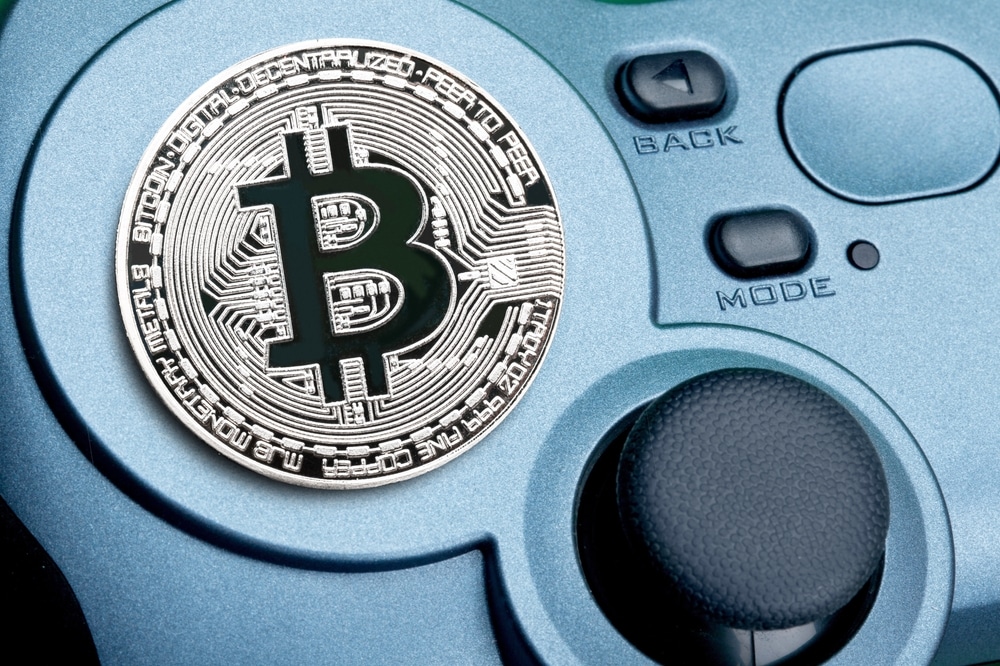
For players, it unlocks faster prize payouts, more secure transactions, and less waiting around after events. And for fans, it opens the door to a new layer of interactivity that goes beyond just watching the race. Formula 1 as a whole has already embraced crypto, with a long-term partnership with Crypto.com that runs through 2030 and official fan tokens from teams like Alpine and Aston Martin. With that kind of groundwork already in place, F1 Esports doesn’t have to start from scratch.
When it comes to cross-border accessibility and fan interaction, platforms like Stripe and Coinbase Commerce make it easy to accept stablecoin payments and global wallets. This, in turn, takes the pressure off international players dealing with unreliable cards or high fees.
This kind of accessibility means more people can enter tournaments without barriers, and more sponsors can get involved without dealing with messy conversions. We’ve already seen this work in practice, platforms like Community Gaming use smart contracts to pay out instantly after events, which builds trust and keeps the momentum going.
Using Crypto to Enter F1 Virtual Events
Joining an F1 virtual event should be easy, and paying with crypto helps make that possible. Players can use coins like Bitcoin, Ethereum, or USDC to cover entry fees, and payments go through quickly, no matter where they’re from.
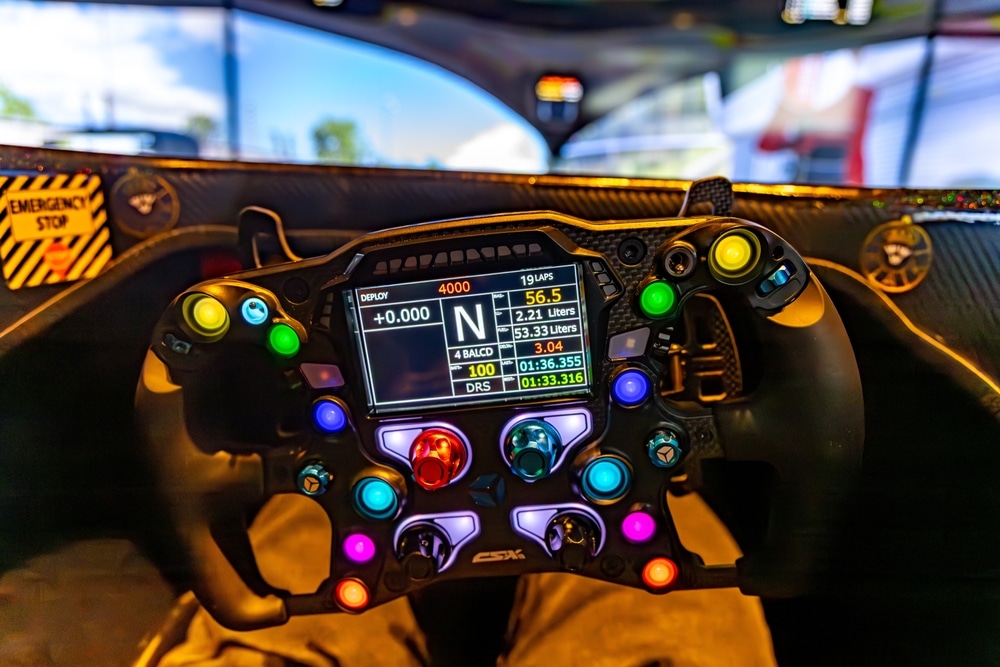
Organizers can choose to receive the money in regular currency or keep it in crypto. This is especially useful when people are signing up from different countries, where cards don’t always work or international fees cause problems. Services like Stripe and Coinbase Commerce are already set up for this and fit right into the registration process.
Fans can use the same system to pay for extra content too. Whether it’s a behind-the-scenes pass, access to a live Q&A, or a chance to win a meet-and-greet with a driver, crypto gives fans a faster, simpler way to take part. There are no credit card issues or delays – just a quick way to join in.
It’s still important to stay safe when using crypto. Always use a secure wallet, turn on two-step logins, and double-check the address before sending any money. A few extra seconds can prevent mistakes.
If you need a wallet, here are three good options to start with:
Any of these will work well. It just depends on whether you want something quick and simple or something with more control and security. Either way, having the right wallet in place makes everything feel more straightforward from the start.
In-Game Purchases with Bitcoin & Altcoins
While the current version of the official F1 game doesn’t support crypto payments directly, that doesn’t mean there aren’t opportunities around it. Teams and event operators can still offer add-ons like coaching sessions, telemetry packs, or digital passes for practice sessions through web checkouts that accept crypto.
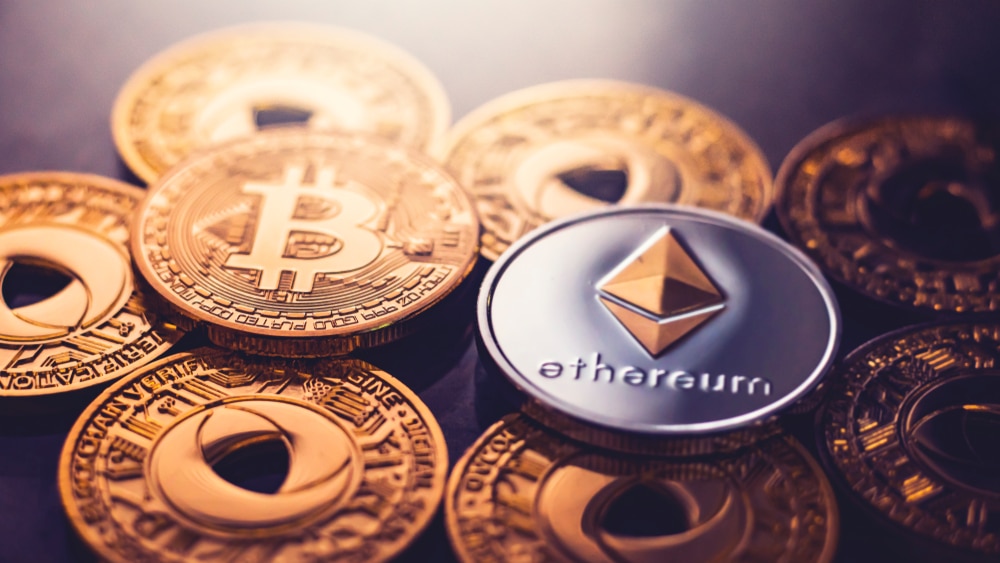
Using altcoins or stablecoins for these extras gives fans around the world more ways to pay and helps build a real digital economy around the league.
It also shortens the delay between payment and access, which matters when fans are paying for things like timed access or premium content. Processors like BitPay and Stripe are already set up to handle these kinds of transactions, making it easy to scale up when demand grows.
The beauty of this setup is that it works for everyone involved. Fans enjoy more payment options and get immediate access to what they’ve purchased, while organizers deal with fewer risks, smoother reconciliation, and the ability to send funds straight to teams, players, or even charities without delays. Platforms like Community Gaming already handle automated payouts this way, and it’s easy to imagine similar systems being used in F1 Esports to handle race rewards, bonuses, or entry incentives.
Benefits & Risks of Blockchain Adoption in Esports
If blockchain ever gets seriously used in esports, it’ll come with both upsides and headaches. Here’s a clear breakdown of what could go well, what could go wrong, and how to handle it.
Area
Why It’s a Win for Esports
What Could Go Wrong
How to Make It Work
Transparency
Everyone can see what’s happening, prize money, match results, sponsorship deals, it’s all out in the open.
Too much transparency can expose personal or sensitive info.
Only share what matters, and keep private stuff protected.
Fan Engagement
Fans can vote, collect rare items, and feel like they’re actually part of the action.
It could turn into a pay-to-play mess or feel pointless if too many people get the same rewards.
Make interactions meaningful. Limit voting to real fans and reward the top supporters.
Earning Opportunities
Players, teams, and fans can earn from digital collectibles, tipping, or revenue shares.
Crypto prices can swing wildly, and taxes can be confusing.
Stick with stablecoins when possible, be upfront about the rules, and offer receipts.
Fair Competition
Results, penalties, and rule changes can be locked in forever, no drama, no shady edits.
If the system is too automated or unbalanced, it might be unfair or easy to exploit.
Combine tech with human oversight. Make sure the rules are clear and secure.
Faster Payouts
Players and teams can get paid instantly after matches, without waiting for bank transfers.
A single error or hack could delay or mess up payouts.
Test everything ahead of time and use trusted payment providers with backups.
Global Access
Players and fans from any country can pay or get paid without needing a bank or credit card.
Local laws vary. Some places don’t allow crypto at all.
Use licensed partners and make sure everything follows local rules.
Digital Ownership
Fans can own digital cars, skins, or gear and keep them across seasons.
If someone loses access to their wallet, the items are gone.
Educate fans on wallet safety and offer beginner-friendly wallet options.
Smarter Sponsorships
Sponsors can set goals, and payments trigger automatically when results are delivered.
If something breaks, like a tracking tool, payments might not go through.
Use multiple data sources and have a backup plan ready just in case.
Collectibles & Merch
Limited-edition NFTs and gear give fans exclusive perks and ways to support their team.
If licenses end or platforms shut down, collectibles might lose value.
Be upfront about how long items last and what happens if a deal ends.
Technology Choices
With the right tools, fans can use different wallets or chains and still join in easily.
Tech can get messy, high fees, long wait times, or confusing tools can push fans away.
Keep the setup simple. Use low-cost systems and help fans with clear instructions.
Early Adoption
Teams using blockchain early can stand out, build hype, and attract loyal fans.
If the rollout feels forced or confusing, it could hurt the brand.
Start small. Listen to your audience. Make the experience smooth and fun.
Eco-Friendly Options
Newer blockchains use very little energy, which supports sustainability.
Some fans still believe crypto is bad for the planet.
Choose energy-efficient systems and share proof of their low impact.
Nothing here is live in mainstream esports yet, but these are the real tradeoffs to consider. If blockchain is added, it must be built with care to avoid causing more problems than it’s worth.
Conclusion: F1 Esports & Blockchain
F1 Esports is already one of the most advanced leagues in virtual racing, and blockchain could push it even further. Features like digital ownership, smart contracts, and token-based fan rewards can make the experience faster, fairer, and more interactive.
The tools are already out there. Other esports use blockchain to automate prize payouts, verify results, and give fans ownership of digital gear. F1 Esports has everything it needs to make this work: real teams, global fans, and strong backing.
With the right setup, it could lead the way in building a provably fair F1 Esports system that’s open, trusted, and rewarding for everyone.
DISCOVER:
- Crypto Exchange Promos & Discounts
- Crypto Wallet Promos & Discounts
- Brawl Stars Esports & Future of Mobile Crypto Games
- How Crypto is Powering Esports Scholarships & Education?
- How LoL Esports Can Integrate Blockchain & Crypto?
- Bitcoin Esports Betting: A Beginner’s Guide
- COD & PUBG Esports: Rise of Battle Royale Crypto Gaming
- Inside Esports Industry: How Crypto is Changing Career Paths
FAQs
Can blockchain be used in F1 Esports?

Yes, it can be. Blockchain makes it easier to track race results, manage prize payouts, and let fans actually own digital items like cars, helmets, or race moments.
Can esports teams be run as DAOs?
They can be. A DAO is a way for teams to be guided by the community, where fans or token holders vote on certain decisions like designs, events, or how money is used.
How could smart contracts help F1 Esports?
Smart contracts can take care of things automatically. For example, they could release prize money as soon as results are confirmed, or handle sponsor payments when goals are reached.
Can I use crypto to enter F1 Esports events?
In some cases, yes. If the platform supports it, you could pay entry fees with crypto, which makes it faster and easier to join events from anywhere in the world.
How will blockchain improve fairness in F1 Esports?
Blockchain helps lock in race results and rule decisions in a way that can’t be changed later. This creates a more transparent system and gives everyone more confidence in how things are run.
References
- F1 Esports. “F1 Esports Official Website.” F1 Esports, https://f1esports.com/.
- Formula 1. “F1 Launches the Formula 1 Esports Series.” Formula 1, https://www.formula1.com/en/latest/article/f1-launches-the-formula-1-esports-series.1sYCArCYReAsoyeoeMiYYU.
- Esports Charts. “F1 Sim Racing 23/24 Viewership.” Esports Charts, https://escharts.com/news/f1-sim-racing-23-24-viewership.
- “How Does Blockchain Work?” Stanford Online, https://online.stanford.edu/how-does-blockchain-work
- “The Pros and Cons of Cryptocurrency.” Boston University, https://www.bu.edu/articles/2022/pros-and-cons-of-cryptocurrency/

Why you can trust 99Bitcoins
Established in 2013, 99Bitcoin’s team members have been crypto experts since Bitcoin’s Early days.
Weekly Research
100k+Monthly readers
Expert contributors
2000+Crypto Projects Reviewed