




In This Article
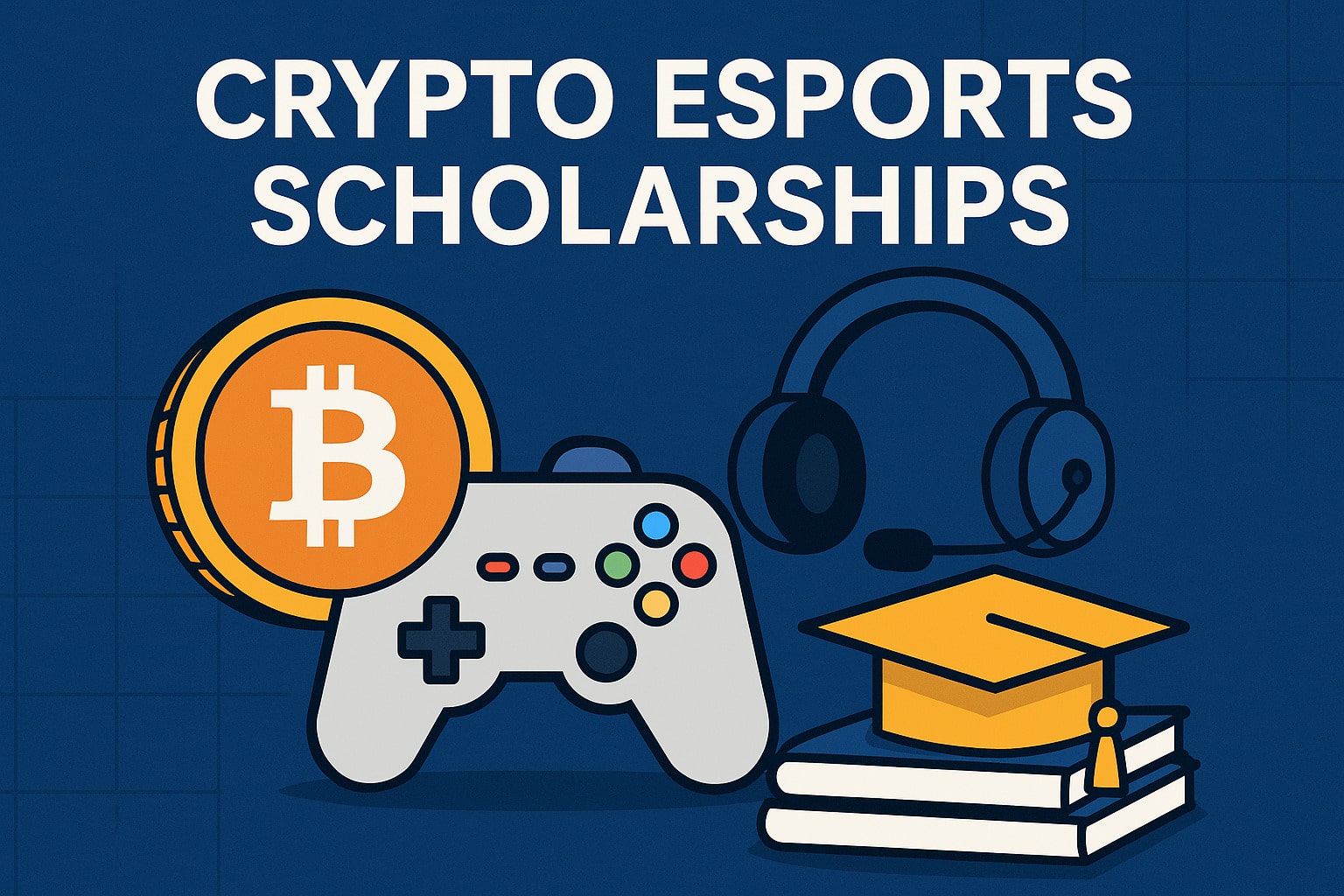
Esports scholarship programs have become a real pathway for student gamers, offering financial support much like traditional sports. At the same time, blockchain grants are emerging as a fresh way to fund these opportunities, giving schools, sponsors, and communities faster and more transparent tools to back talent. Together, they create a model where players can focus on competition and growth while funding flows more openly and efficiently.
Key Takeaways
- Students get paid faster without waiting on banks or wire transfers.
- Schools save money by cutting out high fees and payment delays.
- Smart contracts handle payouts automatically, based on progress or goals.
- Web3 sponsors and DAOs open up new ways to fund scholarships.
- Digital certificates prove a student’s award without paperwork or email chains.
- Tracking payments and student progress becomes much simpler for staff.
- Online campuses and tools help players train or learn from anywhere.
Esports Scholarship Using Crypto: Summary
This guide breaks down how crypto helps schools run better esports programs. Instead of slow transfers and complex paperwork, stablecoins send money in minutes and smart contracts handle payouts with no manual work. Students can prove they’ve received awards using digital badges or certificates that are easy to check.
For schools and coaches, this means fewer errors and more control. Sponsors can see where their money went. Students can access help even if they’re overseas or don’t use a bank.
Esports scholarships are already growing, and crypto makes them faster, easier, and more flexible. Programs can test these tools today, just by using stablecoins, adding blockchain certificates, or trying DAO-backed funding.
Role of Crypto in Esports Scholarships
Crypto can make esports scholarships & crypto programs faster to pay, easier to verify, and more open to global talent. Stablecoins move value across borders in minutes, smart contracts can lock in rules and automate payouts, and on-chain records create a clear audit trail for donors, teams, and schools.
Web3 sponsors and DAOs also bring new funding routes, while NFTs and metaverse campus programs can add verifiable credentials and richer student experiences.
Together, these tools help a student athlete in Manila, Manchester, or Miami get support from the same institution without slow wires or messy paperwork. This matters to collegiate esports and any esports program where students compete at the collegiate level with real career aspirations in the esports industry.
Before we dive in, a quick note for readers in higher education: many colleges and university programs already offer esports scholarships or are offering scholarships to talented students on varsity teams. Early movers like Robert Morris University and Harrisburg University showed how esports team support can include partial scholarships, full-ride scholarships, and financial assistance for other expenses during an academic year.
If you’re interested, a short highlight video and proof of skills can help you qualify and get awarded support, and recruiters often ask about your degree, academics, and how you pursue growth between competitions.
Many programs span games like League of Legends, Rocket League, and Super Smash Bros, and a growing national association network helps members track events, prizes, and the range of teams that compete.
You’ll still weigh cost, expenses, and money, but the overall rise of campus gaming, plus student dedication and passion, keeps the pipeline strong. In short, many colleges now treat esports like a varsity sport, and new scholarships launch each season, including in states like California.
Borderless Payments
Traditional cross-border payments can be slow and expensive, which is painful when you are trying to fund dozens or hundreds of small stipend payments to students in different countries.
Stablecoin rails settle near-instantly, run 24/7, and cut out extra banking layers. Programs get lower fees, real-time status, and the ability to route funds to a student wallet and, if needed, cash out locally.
These same mechanics translate neatly to scholarship payouts for global esports cohorts, where students compete internationally and coaches need clarity on when support arrived. For collegiate esports administrators juggling a tight cost structure and varied expenses, stablecoin payouts help keep financial assistance predictable across the full academic year.
Stablecoins as Scholarship Currency
Paying scholarships in a dollar-pegged stablecoin keeps value steady while reaching students fast. This avoids the volatility of typical crypto assets and gives esports players simple choices: hold it, swap to local currency, or cash out through trusted on and off-ramps.
For esports scholarships & crypto programs, stablecoins can cut wait times from days to minutes, reduce surprise fees, and let coaches and recruiters see each payout on-chain. That makes it easier for university and colleges to plan around other expenses like travel, hardware, and events tied to competitions at the collegiate level.
Blockchain Transparency and Smart Contracts
Putting scholarship rules and flows on-chain makes them easier to see and audit. A smart contract can encode eligibility, vesting, milestones, clawbacks, and distribution schedules, then record every transfer publicly. This suits varsity environments where institution partners, sponsors, and members want clean records.
It also helps many colleges that offer esports scholarships show donors exactly how the money was used. In titles like League of Legends, Rocket League, and Super Smash Bros, where teams compete weekly, automated logs keep academics and success metrics aligned.
Automated Scholarship Distribution
Once eligibility is confirmed, a contract can release funds on a schedule without manual work, reducing admin overhead and payment errors. A league could fund a contract once per season and let it stream monthly stipends to each scholar, pausing or updating only when status changes.
This is ideal for varsity teams managing talent across a range of roles, from starters to analysts, and for coaches who want payouts to match training blocks, scrims, and travel for events and competitions throughout the academic year.
On-Chain Verification
Credentials can be issued as blockchain-verifiable certificates so partners can confirm a student’s award status without emails or PDFs. Programs can issue a “Scholarship Award” certificate or an attendance badge for required workshops, all verifiable in seconds.
These proofs help recruiters confirm who is eligible, who was awarded, and how each student athlete continued to develop their skills and success while balancing academics and team passion.
Crypto Sponsorships and Funding Models
Esports has a track record of web3 sponsorships, which creates a natural funding base for scholarships. Programs can channel a slice of sponsor budgets into student support with on-chain reporting that shows exactly when and where funds were paid.

This fits collegiate esports program needs where offering scholarships is tied to growing talent pipelines and building strong esports team cultures. Sponsors like exchanges or gaming-focused chains often value highlight video content, members growth, and community events, which aligns with career aspirations across the esports industry.
Web3 Companies as Sponsors
Web3 brands often want authentic community engagement, not just logos. Funding scholarships for campus players is a credible way to support the pipeline. Sponsors can also cover gas fees, wallet onboarding, and financial literacy sessions.
With transparent dashboards, university partners can show how many seats were awarded, the cost per recipient, and how money reached talented students. This helps collegiate esports program directors secure new scholarships each season and gives coaches clearer tools to manage varsity rosters.
DAOs & Community-Funded Scholarships
DAOs let communities vote funds toward education and talent development. A simple model: token holders vote on a budget, a committee vets applicants, funds flow by contract, and progress is tracked on-chain.
For gaming and campus pipelines, this can echo early “scholarship” setups that provided gear and covered other expenses so students can compete more often. DAO-backed support also keeps interested fans involved, encourages dedication, and rewards passion with real outcomes like travel prizes, gear grants, and financial assistance.
Integration of NFTs and Metaverse in Scholarships
NFTs can serve as portable program passes and proof of status, while metaverse campuses create shared spaces for remote scholars to train, attend workshops, and meet coaches.
Universities already issue verifiable certificates and run VR classrooms, so an esports cohort can do film-study, VOD reviews, and guest lectures online.
For collegiate arena culture, this gives members from different colleges and school systems a single place to join and develop skills without travel expenses or added cost.
NFTs as Proof of Scholarship
A program can mint a non-transferable NFT that proves a student’s scholarship status for the season. Staff, leagues, and sponsors can verify it instantly, and the NFT can unlock gated resources like scrim servers, analysis tools, or travel stipends.
For attendance and engagement, token badges provide a simple way to confirm that scholars joined mandatory sessions or community events. This record helps recruiters spot eligible students who qualify for partial or full-ride scholarships in the next academic year.
Metaverse Campus Programs
VR “digital twin” campuses show how remote learning can feel more hands-on. Scholarship programs can reserve virtual classrooms for skills workshops, run mock interviews with team staff, and host sponsor office hours, all accessible to international students without travel.
This complements on-chain payments and credentials, giving esports players a place to pursue growth, keep passion high, and build success with steady dedication through the collegiate level and into the wider esports industry.
Quick Guide for Students and Programs
If you’re interested in campus teams, know that many colleges now treat esports as a varsity sport with varsity teams that compete in League of Legends, Rocket League, and Super Smash Bros. Strong highlight video reels, consistent academics, and clear career aspirations help you stay eligible and qualify for scholarship opportunities.
Expect a range of support from partial scholarships to full ride scholarships, plus financial assistance for other expenses like travel and equipment. Your dedication, passion, and skills matter, and recruiters will look at how you develop over an academic year.
For schools building a collegiate esports program, stablecoin payouts simplify expenses, keep costs predictable, and make it easier to offer esports scholarships and keep offering scholarships each season.
On-chain tools help the institution show donors where the money went, and NFT credentials make it simple to track who was awarded aid. Whether you are in California or abroad, this setup helps students compete in the collegiate arena, grow talent, and find success as members of a thriving league and esports team.
Benefits & Risks of Crypto-Powered Esports Scholarships
The benefits of crypto esports scholarships are becoming more visible as schools, teams, and sponsors explore better ways to support student gamers.
From instant payouts to global reach, these programs help more players access opportunities without delays or borders.
As part of a crypto-powered education for gamers, they also introduce new tools like digital wallets, smart contracts, and public records. Still, with new tech comes new risks. Here’s a balanced look at what works and what needs extra care.
Pros
-
Faster payments: Students can receive funds within minutes, even across borders, which is a major win for crypto esports scholarships.
-
Lower costs: No middlemen or international fees mean more of the money goes directly to students in blockchain-based student scholarships.
-
Built-in automation: Smart contracts can release funds over time or based on progress, helping manage crypto scholarships with fewer delays.
-
Full transparency: Every payment is recorded on-chain, which makes Web3 scholarships easier to audit and track.
-
Stablecoin support: Using dollar-pegged tokens gives predictability for students in gaming scholarships without worrying about big price changes.
-
Wider access: Students without a bank account can still receive funds through a crypto wallet, making blockchain in esports more inclusive.
-
New backers: DAOs funding esports scholarships or Web3 companies can directly support students and view results in real time.
-
Proof of award: Digital certificates or NFTs can show scholarship status, adding credibility to crypto-powered education for gamers.
Cons
-
Legal differences: Rules around crypto can vary a lot by country, which can complicate Web3 scholarships.
-
Price swings: Although stablecoins help, the crypto space can still be volatile, which adds risk for some crypto scholarships.
-
Wallet safety: Students need to protect their login info and understand how to avoid scams, especially in gaming scholarships.
-
Cash-out problems: Not all regions have easy ways to convert crypto to local money, limiting the impact of blockchain-based student scholarships.
-
Extra steps: Setting up wallets and handling compliance adds time and effort, more than some traditional crypto esports scholarship programs.
-
Trust issues: Some schools or parents may still be unsure about DAOs funding esports scholarships or the crypto world in general.
-
Privacy concerns: Crypto payments are public by default unless special care is taken, which matters in a crypto-powered education for gamers program.
If you want to build a strong and reliable program, focus on stablecoin payouts, clear guidelines, and simple tools for both students and staff. With the right structure, crypto scholarships, Web3 scholarships, and gaming scholarships can support talent across the world while staying secure and easy to manage.
Will Esports Scholarship With Crypto Become a Reality?
Short answer: yes, and the foundation is already here. Esports scholarships at the college level are growing fast, and crypto tools like stablecoins, blockchain verification, and DAO funding are already being used in both gaming and education.

When you put these together, crypto-powered esports scholarships aren’t just a concept anymore. Some schools could realistically start testing this model today.
Esports Scholarship Landscape Today
Esports at universities has gone mainstream. Hundreds of colleges now offer varsity-level esports programs. NACE, the main governing body for collegiate esports, has over 260 member schools. Most of these programs offer partial scholarships instead of full rides, but the total money being awarded each year adds up quickly.
Annual esports scholarship funding has climbed into the tens of millions, and individual awards usually fall between a few hundred to a few thousand dollars per student. For most schools, these funds are still sent using traditional banks, which can be slow, costly, and tough for international students to access.
Metric
Latest Number
NACE member schools
260+
Universities with varsity esports (North America)
200+
Annual esports scholarships awarded
$16 million
Typical award per player per year
$500 – $8,000
So the money is real, and there’s already a wide base of student gamers receiving support.
Can Crypto Handle These Payments?
Yes, especially when it comes to the basics like speed and cost. Stablecoins can move money quickly, at any time of day, and often cost just a few cents per transaction. That’s a big advantage over international transfers, which still charge average fees of around 6.5% and don’t work on weekends or holidays.
Apps like the new MoneyGram wallet already let users send and receive stablecoins like USDC, which is tied to the value of the dollar. This shows that major payment companies are actually building real services with it.
Payment Factor
Traditional System
Crypto-Based System
Cross-border fees
Around 6.5% per transfer
Often just cents per transaction
Speed
Only during business hours
Instant, even on weekends and holidays
Requirements
Bank account required
Just a crypto wallet, with optional cash-out
Crypto clearly solves real problems, especially for international students receiving smaller recurring payments.
What About Proof and Oversight?
Crypto isn’t just about moving money. It can also help make the rules and tracking more transparent.
Smart contracts can release scholarship funds in parts, based on goals like grades or performance. These contracts can pause or reverse payments if needed. That adds a layer of control and flexibility that regular systems don’t have.
On the proof side, universities and other institutions have already used blockchain to issue certificates. These can confirm that a student is eligible or has received a scholarship, and the records can’t be faked or changed.
Are Crypto Scholarships Already Being Used?
Yes, and while most of the activity has been outside of traditional varsity esports programs, it still shows how well crypto can work for education and gaming.
EduDAO, for example, used money from the BitDAO treasury to fund university projects. At its peak, it had $11 million in yearly grants with a total pool of $33 million. That shows how DAOs can fund student programs on a large scale.
Gaming guilds like Yield Guild Games built scholarship programs that paid thousands of web3 gamers with crypto. While these were focused on blockchain games, not college, the logistics were similar.
Some platforms are also paying out esports prizes in stablecoins, which is a small but meaningful step toward crypto-based rewards in competitive gaming. Even in traditional esports, some foundations have started offering new scholarship lines. Once legal and tax issues are solved, these would be a natural fit for crypto payments.
What Still Needs Work?
Before crypto can be used for most scholarships, a few things need to be sorted out. First, there are tax and regulation concerns. Students in different countries may need to report their scholarship earnings differently, and schools need to follow local laws. This can be managed with school-run crypto wallets or help from custodial partners.
Second, not every student has access to cash-out options. This is improving as more companies expand coverage and apps like MoneyGram add crypto features.
Third, programs need clear rules for how and when the value of a stablecoin award is locked in. Even though USDC is designed to stay stable, there still needs to be guidance on when students can expect their scholarship amount to be guaranteed.
Final Thoughts
Esports scholarships already move millions of dollars through hundreds of colleges each year. At the same time, stablecoins, blockchain records, and DAO-style funding are already being used in the real world.
Putting these pieces together makes crypto-powered esports scholarships a realistic option. A good first step would be to:
Schools could roll out these features as soon as the next academic year. It’s basically an operational choice waiting to be made.
Conclusion
Crypto makes it easier for schools and programs to support student gamers. Payments go through faster, records are easy to check, and funding can come from anywhere in the world. Tools like stablecoins, smart contracts, and digital certificates take the stress out of managing scholarships and tracking progress.
For teams, it means less time on admin. For students, it means getting the help they need without delays or paperwork issues. Add in Web3 sponsors, DAOs, and digital spaces for training or learning, and the result is a better system for everyone involved.
DISCOVER:
- Crypto Exchange Promos & Discounts
- Crypto Wallet Promos & Discounts
- Fortnite Esports & NFTs: Future of Digital Ownership
- Bitcoin Esports Betting: A Beginner’s Guide
- COD & PUBG Esports: Rise of Battle Royale Crypto Gaming
FAQs
What are crypto-powered blockchain grants?

They are funds created to support players or projects, managed using blockchain so everything is clear and easy to track. The money is stored safely and released under set rules, which makes the process more open and trustworthy.
Can esports scholarships be paid in stablecoins?
Yes, stablecoins work like digital dollars and make payments quick, affordable, and simple to receive. They also hold their value, which makes them reliable for students.
What role can NFTs play in esports scholarships?
NFTs can be used as a digital certificate to show that a student received a scholarship. They can also give access to things like private servers, training tools, or exclusive events.
How can DAOs support esports scholarships?
DAOs bring together a community of people who pool funds and vote on how to use them. In esports, this means members can choose which students or teams to support and send money directly in a transparent way.
How can students apply for crypto esports scholarships?
Students usually apply much like they would for a regular scholarship. They might share gameplay highlights, grades, or proof of eligibility, then provide a crypto wallet to receive support once they are accepted.
Is there any blockchain-based grants available for esports?
Yes, several groups already offer blockchain-based grants for gaming and education. These range from Web3 projects to community programs that fund training, equipment, or competition costs, and new opportunities continue to appear.
References
- PR Newswire. “Groups from Harvard, MIT, Oxford and Others Join EduDAO to Foster Web 3 Innovation via Decentralized Funding.” PR Newswire, www.prnewswire.com/news-releases/groups-from-harvard-mit-oxford-and-others-join-edudao-to-foster-web-3-innovation-via-decentralized-funding-301447066.html.
- World Bank. “Remittance Prices Worldwide.” World Bank, remittanceprices.worldbank.org.
- “The Basics about Cryptocurrency.” SUNY Oswego, www.oswego.edu/cts/basics-about-cryptocurrency
- “What Is Blockchain Technology.” Park University, www.park.edu/blog/what-is-blockchain-technology-and-why-accounting-majors-professionals-need-to-know-it/
- “Cryptocurrency Security Explained.” University of Tulsa Online, online.utulsa.edu/blog/cryptocurrency-security/

Why you can trust 99Bitcoins
Established in 2013, 99Bitcoin’s team members have been crypto experts since Bitcoin’s Early days.
Weekly Research
100k+Monthly readers
Expert contributors
2000+Crypto Projects Reviewed