







In This Article
Holding Bitcoin or looking to buy it in China? A comprehensive prohibition on all crypto-related activity has been implemented by the Chinese government as of May 31, 2025. This covers mining, trading, and even holding digital assets like Bitcoin (BTC) and Ethereum (ETH). The goal of this action is to promote the state-backed Digital Yuan (e-CNY) and centralize financial control, which is a major step up from earlier limits.
Key Takeaways
- China has imposed a full ban on crypto mining, trading, and ownership to promote the Digital Yuan (e-CNY).
- Buying Bitcoin in China is only possible through risky, illegal P2P methods that can lead to severe penalties.
- Hong Kong remains an exception where legal crypto exchanges still operate.
- In April 2024, Hong Kong regulators became the first in Asia to approve Bitcoin and Ether ETFs.
- Crypto exchange regulations are very sensitive in China; we urge users to check the legality of crypto exchanges in China and Hong Kong.
How to Buy Bitcoin in China: Summary
How can the Chinese buy Bitcoin? Due to the clampdown of the Chinese government on cryptocurrency-related activities, buying Bitcoin within China is technically only possible on a peer-to-peer (P2P) basis. How so? Tech-savvy individuals might still be able to access P2P marketplaces to buy crypto using VPNs or offshore wallets, but it is extremely risky and now considered illegal under Chinese law.
Please note that attempting to circumvent the ban is entirely at the individual’s risk and could have major legal repercussions.
What Does the Ban Entail?
China has really tightened its grip this time (and caused immediate turmoil in the global crypto markets). The current law forbids:
- Trading: Every local and international crypto exchange is banned. Additionally, digital wallets have been frozen.
- Mining: Cryptocurrency mining operations have been shut down and are prohibited.
- Ownership: It is currently illegal to own cryptocurrency, and authorities warn that citizens who do so—even through foreign platforms—are subject to legal repercussions.
Alternatives for Crypto Enthusiasts in China
As we are aware, there are major legal risks associated with any cryptocurrency activities in China because of the complete ban. However, the options listed below might be worth exploring for those in China who want to engage in the cryptocurrency market:
- Buying the Digital Yuan (e-CNY): The digital money issued by China’s central bank is accepted by law and used in many sectors of the economy. People can pay more quickly, securely, and affordably using the e-CNY, which is mostly utilized in retail transactions. Several cities have already adopted it, and certain businesses and government agencies now accept it as a form of payment.
- Using International Platforms: Although it is dangerous, some people will still use VPNs to access foreign exchanges; nonetheless, this is not advised because of potential legal repercussions.
- Relocating: To continue crypto-related transactions lawfully, crypto enthusiasts should consider relocating to more crypto-friendly countries. Did you know that we’ve compiled a complete list of Bitcoin-friendly countries?
What Happens Now?
The crypto ecosystem in China has come to a halt, and we can’t say whether temporarily or permanently. Let’s have a closer look at the current situation in the country crypto-wise.
China-Based Bitcoin Exchanges
As of September 2017, the Chinese government has proceeded to crack down on crypto exchanges, ICO platforms, and has blocked all domestic exchanges from operating. Therefore, no exchanges are operational within China, and many big Chinese exchanges have relocated their operations overseas.
International Crypto Exchanges in China
Government-imposed regulations did not stop at the domestic Chinese market, as the country has proceeded to ban most major cryptocurrency exchanges from interacting with its citizens. As a result, international fiat exchanges like Kraken are not accessible within China.
Here is a pro-tip on how to buy Bitcoin in China: Hong Kong is the financial center of the country and has special exemptions, which include the legal crypto exchanges. Hong Kong residents can look to a non-custodial Bitcoin Wallet called Best Wallet to buy Bitcoin in China.
In April 2024, Hong Kong regulators became the first in Asia to approve Bitcoin and Ether ETFs.
Best Wallet: Overall Best Non-Custodial Platform to Buy Bitcoin
Best Wallet is the best non-custodial crypto wallet that lets you buy Bitcoin, sell it, and use it across DeFi websites, while retaining full ownership of your crypto assets, which makes it our #1 pick in the category. Hong Kong residents can legally use Best Wallet to buy, store, and trade Bitcoin. And if the regulatory climate in China ever changes, having experience with a user-friendly wallet now means you’ll already be familiar with how the crypto market works. Until then, platforms like Best Wallet allow you to safely explore and get a feel for crypto markets without relying on centralized exchanges.
The platform features a built-in decentralized exchange (DEX) aggregator that allows traders to effortlessly secure the best exchange rates and lowest blockchain network fees for on-chain token swaps. Behind the scenes, it scans prices and liquidity across multiple DEXs to deliver the most cost-efficient trading route.
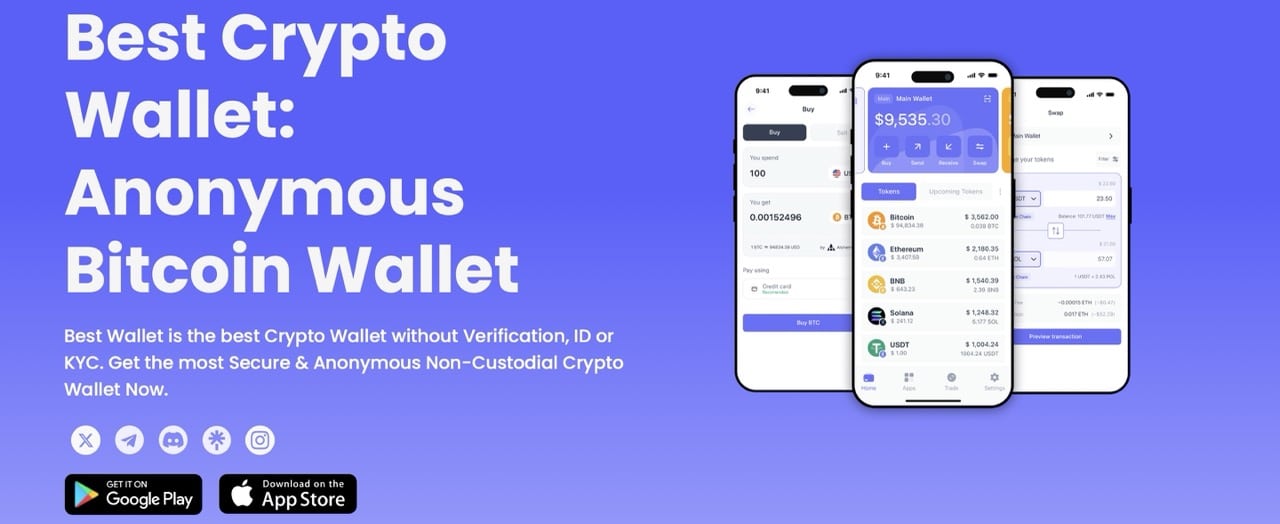
Other key features include a token launchpad that gives users early access to pre-launch coin offerings. Best Wallet supports fiat currency onramp solutions to buy bitcoin using debit card, credit card, Apple Pay, Google Pay, and bank transfer. The availability of the popular Chinese payment methods such as WeChat Pay and AliPay will depend on Best Wallet’s fiat currency onramp providers. You can also add funds through onchain deposits by sending cryptocurrencies to your wallet address.
However, as the crypto exchanges’ regulations are very sensitive in China, we urge users to check the legality of crypto exchanges in China and Hong Kong before using Best Wallet and other crypto exchanges to buy Bitcoin in China.
Read more on our Best Wallet Review.
How to Buy Bitcoin on Best Wallet: Step-by-Step Guide
-
Download Best Wallet
Install the Best Wallet app from the App Store or Google Play and tap Get Started to set up your wallet.
-
Back Up Your Wallet
Save your recovery phrase securely and back up your wallet to iCloud or Google Drive. This is essential for restoring access if you lose your device.
-
Tap Buy on the Home Screen
On your main wallet card, tap the Buy button to start the process.
-
Select Bitcoin
From the list of tokens, choose Bitcoin as the cryptocurrency you want to purchase.
-
Enter Purchase Amount
Type in how much Bitcoin you want to buy. You’ll see a price estimate in your selected fiat currency.
-
Choose a Payment Method
Select from available options like credit/debit card, Apple Pay, Google Pay, or bank transfer.
-
Pick a Provider
Best Wallet suggests the best on-ramp provider automatically, but you can scroll to compare fees, speed, and KYC requirements.
-
Complete the Purchase
After reviewing all the details, tap Buy Bitcoin. You’ll be redirected to the provider’s site to finalize payment.
-
Confirm and Wait
Once the transaction is complete, your Bitcoin will be delivered directly into your wallet.
-
View Transaction History
Go to the Trade tab, enter History to view the status and details of your purchase.
Best Wallet Pros & Cons
Pros
-
Best Wallet is a non-custodial wallet that gives user full ownership of their Bitcoins.
-
The platform supports multiple blockchains, including Bitcoin, Ethereum, Polygon, and BNB Chain.
-
Best Wallet comes with an in-built DEX aggregator for easy and cheap crypto trading.
-
The platform supports multiple fiat onramping options to fund your account.
-
Best Wallet’s interface is user-friendly, setup is simple, and it does not charge high fees, making it the perfect platform for beginners.
-
Users do not have to complete KYC processes to use Best Wallet for buying Bitcoin.
Cons
-
Best Wallet is only available as a smartphone application. It does not have a desktop app or browser extension.
-
The platform may have limited customer support.
-
Users are responsible for securing the cryptocurrencies stored in their non-custodial crypto digital wallet.
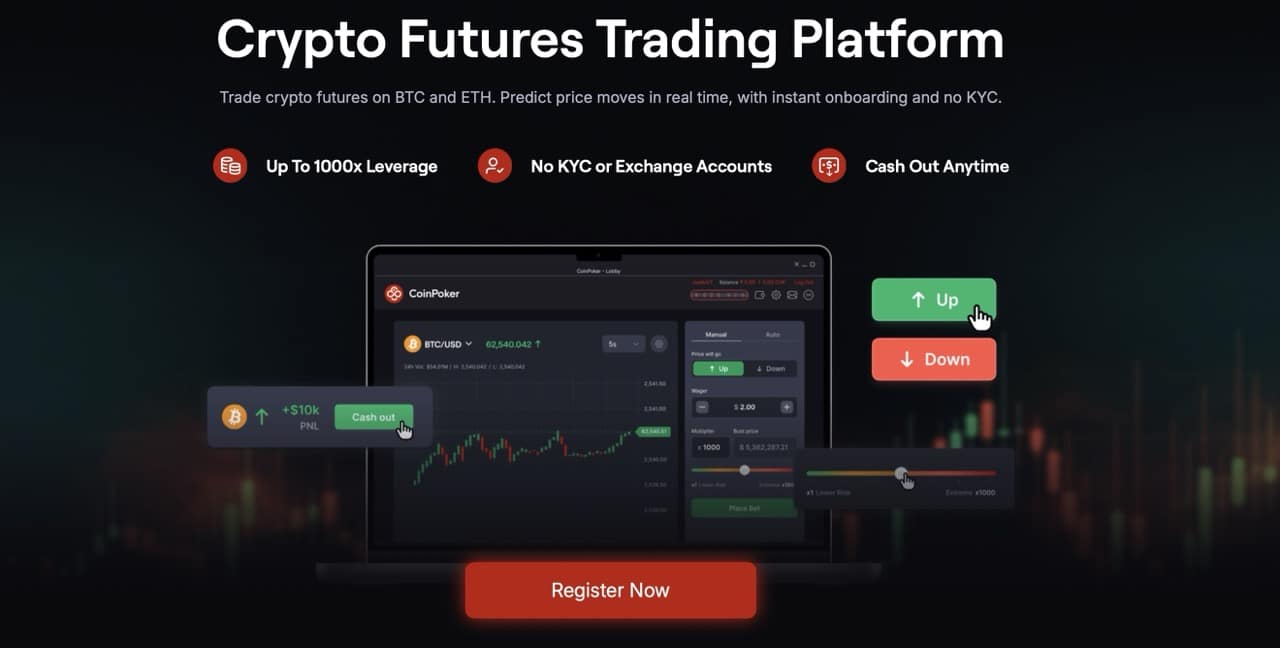
Bitcoin trading is officially banned in China, which means you can’t buy it through local exchanges or use it for payments. However, many still access BTC through peer-to-peer (P2P) platforms, OTC desks, or offshore exchanges, though these methods carry added risks and require extra caution. For traders who want exposure to Bitcoin’s price movements without the challenges of navigating restrictions or managing wallets, futures trading can be a simpler option. CoinFutures is one of the best futures trading platforms for beginners, allowing you to speculate on Bitcoin’s price without directly owning it, an appealing alternative in a highly regulated environment. You can go long or short, use up to 1000x leverage, and fund your account via crypto transfers, cards, Apple Pay, or Google Pay. The platform is known for its gamified interface, which keeps learning fun while helping users build confidence in managing leveraged positions and applying risk controls. However, the availability of CoinFutures in pro-crypto regions of China, such as Hong Kong, is subject to crypto regulations. Read more about this platform in our CoinFutures review. If you are interested in knowing the step-by-step process of trading BTC futures, check out our Bitcoin Futures Trading guide.Alternative Way to Gain Bitcoin Exposure in China
CoinFutures Pros & Cons
Pros
-
No KYC is needed during CoinFutures onboarding.
-
Use 1000x leverage to take up large market positions
-
Gamified experience on CoinFutures makes crypto futures trading easy to understand.
-
You can use risk management tools to manage your trades better.
Cons
-
Ofers a simulated market experience that mimics crypto volatility. It’s not a real trading platform.
-
The platform supports a limited number of cryptocurrencies, namely BTC, ETH, DOGE, TRX, and LTC.
-
The app is not currently available on iPhone.
Peer-to-Peer (P2P) Trading Practices
P2P systems like Binance P2P, BitValve, and Paxful were frequently used by Chinese users because centralized exchanges had been prohibited. Using regional payment systems like Alipay and WeChat Pay, these platforms allowed consumers to purchase Bitcoin.
P2P marketplaces can potentially be accessed from within China, but any crypto-related activity in China carries serious consequences, including fines and jail time. The government has made it clear that the new rules and increased surveillance will be strictly enforced.
Using Decentralized Finance (DeFi) Platforms
Using VPNs, Chinese residents access DeFi platforms in defiance of restrictions. These platforms do not use centralized middlemen and provide decentralized trading, lending, and staking services. However, users should consider the risks and legal ramifications of using a VPN to get around government prohibitions.
Conclusion: Is Bitcoin Legal in China in 2026?
China started its crypto journey as far back as 2013, and the Chinese Bitcoin market was quick to develop. Did you know that by 2017, most of the mining power came from China in actual hashrate and mining hardware alike? Sadly, the massive amount of government limitations has slowly but steadily led the ecosystem to a halt.
The most recent extensive ban highlights the differences between China and the rest of the world in terms of crypto adoption. Other countries are looking into regulatory frameworks to incorporate digital assets into their financial systems as China tightens its hold.
The verdict? There aren’t any legal ways to buy Bitcoin in China that we can recommend today.
See also: China Weighs Options for Managing Billions in Confiscated Crypto
FAQs:
Is Bitcoin banned in China?

Under China’s current laws (as of the May 2025 update), all cryptocurrencies and crypto-related activities are banned. Bitcoin can’t be bought legally in China.
How to buy BTC in China?
Engaging in any crypto-related activities within China can lead to severe penalties, including fines and imprisonment.
What does the ban on all crypto-related activity mean?
The current legislation prohibits trading, mining, and owning cryptocurrencies. Additionally, digital wallets have been frozen.
Where can I buy Bitcoin in China?
There aren’t any legal ways to buy Bitcoin in China that we could recommend today.
References:
- Reynolds, Sam. “Hong Kong Set to Allow Crypto Derivatives Trading.” CoinDesk, 5 June 2025, https://www.coindesk.com/policy/2025/06/05/hong-kong-set-to-allow-crypto-derivatives-trading.
- “Hong Kong Approves Four More Cryptocurrency Exchanges.” Reuters, 18 Dec. 2024, https://www.reuters.com/business/finance/hong-kong-approves-four-more-cryptocurrency-exchanges-2024-12-18/.
- “People’s Bank of China.” PBC, http://www.pbc.gov.cn/en/3688006/index.html.
- “Cryptocurrency Regulations in China.” Freeman Law, https://freemanlaw.com/cryptocurrency/china/.

Why you can trust 99Bitcoins
Established in 2013, 99Bitcoin’s team members have been crypto experts since Bitcoin’s Early days.
Weekly Research
100k+Monthly readers
Expert contributors
2000+Crypto Projects Reviewed