






Staking in crypto has become one of the most popular ways for crypto enthusiasts to earn passive income. Floki has emerged as a standout option for staking due to its unique ecosystem and reward structure. But what exactly is Floki staking, and how does it work? In this guide, we’ll explore how to stake Floki Inu, things to consider before staking, and some alternatives that don’t require a long-term commitment.
Floki staking is a process where you lock up your Floki crypto tokens in a smart contract to earn rewards over time. The Floki protocol pays staking rewards in a reward token called $TOKEN. Yields are impressive, as high as 20% at the top tiers.
Let’s start with key takeaways before exploring Floki staking in more detail.
Key Takeaways
- Floki staking offers competitive APYs on both BNB Chain and Ethereum, with higher yields for longer lock-ups.
- You can stake your $FLOKI tokens on the TokenFi platform, which rewards users with $TOKEN coins as their staking reward.
- Stakers can “supercharge” rewards by locking their earned $TOKEN coins to earn additional yield.
- BNB Chain provides lower fees for staking, while Ethereum offers higher liquidity options.
- Emerging wallets like Best Wallet expand staking opportunities and let users compare yield options easily.
What is Floki?
Floki, named after Elon Musk’s Shiba Inu dog, is a community-driven cryptocurrency that has garnered significant attention due to its robust ecosystem and diverse use cases. In this case, the Shiba Inu theme, common to other meme coins like DOGE and SHIB, dons a Viking hat and is ready for adventure.
Launched in 2021, Floki Inu quickly became a favorite among meme coin enthusiasts and serious investors alike, providing early investors with gains of up to 76,000%.
$FLOKI uses both Ethereum and BNB Chain, making it accessible to a wide range of users. The token is also integral to the TokenFi ecosystem, a platform designed to simplify tokenization and token launches.
A maximum supply of 10 trillion tokens helps protect the value of staked tokens, although $FLOKI’s price remains volatile. Up to a third of the supply trades on centralized and decentralized exchanges daily, despite more than 20% of it being locked in staking smart contracts.
What is $TOKEN?
TokenFi is a decentralized finance (DeFi) platform that is controlled by the Floki DAO. TokenFi focuses on providing tokenization services that allow users to tokenize real-world assets (RWA) and create cryptocurrencies in a few clicks.
TokenFi also provides staking services to the Floki ecosystem. $FLOKI holders can stake their tokens on TokeFi in return for which they receive $TOKEN coins.
The TokenFi platform offers an affordable no-code token launcher that supports six Ethereum Virtual Machine (EVM) chains. Plans include an AI-powered NFT designer and the ability to tokenize real-world assets (RWAs). Few meme coins have branched out to such industrious projects, which makes Floki particularly attractive and helps fuel the project’s passionate investor base.
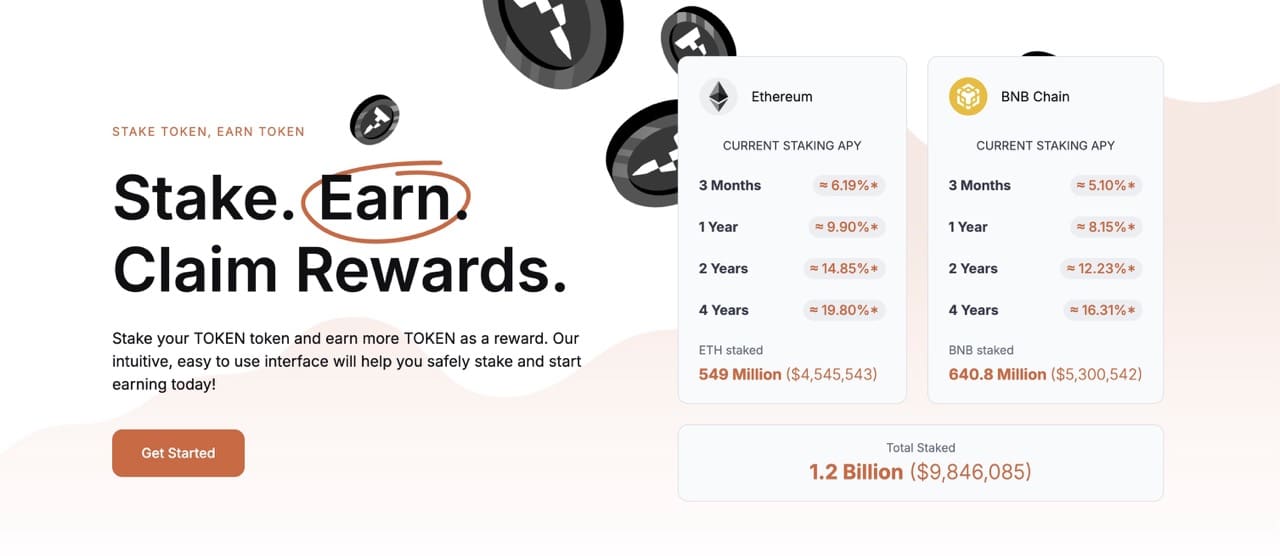
Floki stakers have the option to lock their tokens for up to four years, for which they receive maxing Floki staking returns, which were at 19.80% APY on the Ethereum blockchain and 16.31% on the BNB Chain, at the time of writing.
At the time of writing, TokenFi data showed more than 1.2 billion $FLOKI tokens were staked, representing about 0.01% of $FLOKI’s current circulating supply of over 9.50 billion tokens. Typically, staking returns in crypto tend to fall as more of the circulating supply is staked.
TokenFi’s whitepaper details the project’s ambitious goals and TokenFi tokenomics. $TOKEN’s maximum supply is considerably smaller (10 billion) than Floki’s (10 trillion), driving scarcity for a digital asset expected to have high demand.
Floki Ecosystem
Several innovative projects add value to the Floki token and its holders. Some of the notable projects include:
- FlokiFi:
- A DeFi platform to stake liquidity provider (LP) tokens, NFTs, and fungible tokens.
- Multi-chain nature with support for Ethereum, Avalanche, BNB Chain, Polygon, and more.
- Valhalla:
- A play-to-earn (P2E) blockchain game where users earn Floki tokens through gameplay.
- Integrates NFT-based assets and decentralized governance, with over 500,000 monthly active users.
- Floki Telegram Trading Bot:
- Provides algorithmic trading signals and market alerts for crypto traders.
- Processes ~$10 million in daily trading volume.
- University of Floki:
- Free educational resources covering blockchain basics and advanced trading strategies.
- Over 200,000 registered users, with courses available in 15 languages.
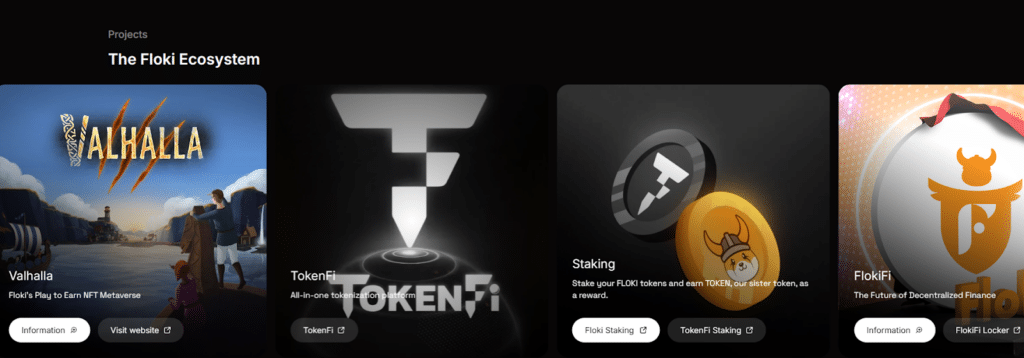
Floki crypto continues to innovate, adding value and giving investors reasons to hold. However, the token price remains volatile. In a later section, we’ll discuss some pros, cons, and risks of staking Floki coin in more detail.
Why Stake Floki?
Staking Floki is not just about passive returns. It’s also backing the most ambitious meme coin ecosystem in the cryptoverse. When you stake your FLOKI tokens, you get to help secure the protocol and earn competitive APYs, typically way higher than those of staler staking coins. Equally important, staking aligns with the project’s long-term goals by reducing token circulation and increasing scarcity.
If you think that the future of the project is bright and you want to be actively involved in its growth, staking Floki can be a smart way to stay committed and make your tokens work.
Once you stake your $FLOKI coins and receive $TOKEN coins as your reward, you can further “supercharge” your Floki staking rewards by locking up your $TOKEN coins to earn extra rewards.
Floki Staking APY Rates
Floki’s impressive staking APY rates make it a popular choice for yield-focused investors. Long-term holders who are bullish on the price get paid to wait for future price gains.
TokenFi staking program offers lock-up periods of 3, 12, 24, and 48 months, with multipliers that increase rewards the longer you stake. Current base rates start at ~6.19% APY for 3 months and go up to ~19.80% APY for 48 months. Early unstaking penalties range from 5% to 20%, depending on the lock-up chosen.
Moreover, rates vary slightly depending on whether you stake on BNB Chain or Ethereum. You’ll also earn more interest and higher yields by choosing a longer staking duration.
| Chain & Duration | FLOKI Staking APY |
| Ethereum 3 Months | 6.19% |
| BNB Chain 3 Months | 5.10% |
| Ethereum 1 Year | 9.90% |
| BNB Chain 1 Year | 8.15% |
| Ethereum 2 Years | 14.85% |
| BNB Chain 2 Years | 12.23% |
| Ethereum 4 Years | 19.80% |
| BNB Chain 4 Years | 16.31% |
Ethereum staking yields edge out BNB Chain yields by a slim margin. However, staking and other smart contract interactions can cost as much as 90% less in gas fees on BNB compared to Ethereum. More importantly, BNB Chain’s lower minimum stake (100k FLOKI vs. 500k on Ethereum) makes it accessible to small investors.
Locking your tokens for a longer duration boosts Floki staking rewards APY, although Floki does not guarantee yield APY rates or any rewards at all per the protocol’s Terms of Service.
Stakers also have the opportunity to withdraw early by paying a penalty fee that forfeits a percentage of the staked amount being removed early. These penalties vary by locking duration.
- 3 months: 5% penalty
- 1 year: 10% penalty
- 2 years: 15% penalty
- 4 years: 20% penalty
Alternatively, the best crypto staking platforms like Binance offer Floki staking options for those who prefer to earn yield through centralized exchanges. Binance Earn, for example, provides a 1.25% yield for flexible staking (withdraw at any time) and 2.9% to 7% APY for locked staking. Whether using on-chain staking or a centralized yield platform, locking your tokens for a longer duration pays higher yields.
How to Buy Floki
-
Choose a supported exchange
If you don’t already hold FLOKI, pick a reputable exchange such as Binance, ByBit, or MEXC.
-
Create your exchange account
Create an account by providing your name and address. Most exchanges also require a current government-issued photo ID to comply with Know Your Customer (KYC) regulations designed to prevent anti-money laundering and to combat the financing of terrorism (AML/CFT).
-
Fund your account
Select a funding method. Larger exchanges support bank transfers and debit cards, though options vary by location. Bank transfers often cost less, but withdrawals may be delayed.
-
Buy FLOKI
Use the quick “Buy” option for speed, or the advanced trading interface for potentially lower fees and better pricing. Confirm the order to purchase FLOKI.
Want to start your Floki journey the right way? Check out our Best Crypto Exchanges in 2026 guide. It covers the most secure and beginner-friendly platforms where you can buy FLOKI safely and with low fees. Staking Floki follows a straightforward process that can be completed in just a few steps. Let’s learn how to get started with Floki staking. If you don’t already own Floki tokens, you can purchase them on major exchanges like Binance or ByBit. When using a decentralized exchange, always double-check the token address to ensure you get the correct token.
Floki is supported on both BNB Chain and Ethereum. BNB has lower gas fees, whereas Ethereum offers slightly higher APYs for Floki staking. You’ll need gas tokens in your wallet for whichever network you choose. If you’ll be using Ethereum, plan to send some ETH to your wallet. You’ll need BNB if you plan to use BNB Chain for staking. These tokens pay for transaction fees on the network
Transfer your Floki tokens to a self-custody wallet such as Best Wallet. Be sure to choose the correct network for the withdrawal from the exchange. This step ensures you have full control over your assets and can connect to the Floki staking application.
Visit the TokenFi platform, connect your wallet by clicking the Connect Wallet button, and follow the on-screen instructions to stake your token. Choose an amount to stake. Choose a staking duration. Confirm the transaction in your wallet. Once staked, you can track your balance and rewards through the platform. If it’s time to withdraw your Floki or harvest your Floki staking rewards, visit the staking page again and follow the instructions to unstake your $FLOKI or claim your $TOKEN rewards.
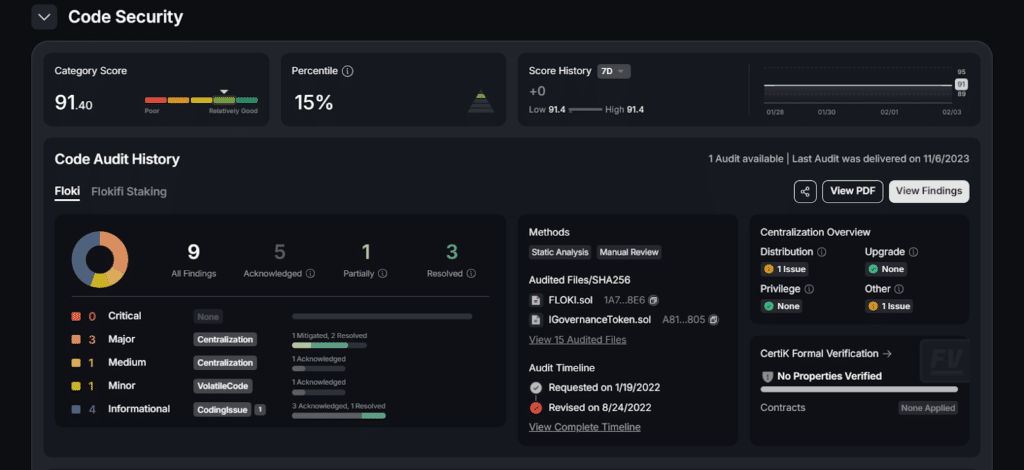
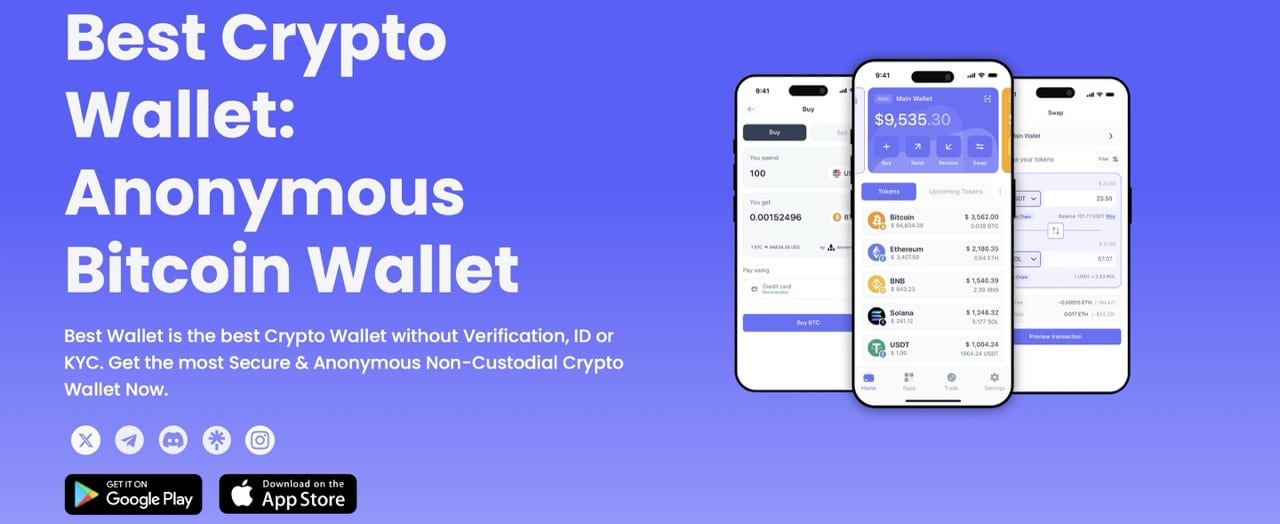
While staking Floki can pay impressive yields, it’s important to consider the risks involved as well as the security features of the platform. Many of these risks affect similar staking applications. Let’s examine some factors to consider before you stake Floki coin. Staking Floki Inu offers attractive APYs and community-driven benefits. However, it’s essential to understand the risks involved, particularly on a regulatory level. In early 2024, the Hong Kong Securities and Futures Commission (SFC) listed Floki staking programs as unauthorized, citing investor protection concerns. Although the warning was jurisdictionally specific to Hong Kong, it is illustrative of a broader issue: crypto staking services often operate in a gray legal area, depending on the local law. In addition to regulatory scrutiny, staking always carries inherent risks such as smart contract vulnerabilities, liquidity issues, and the possibility of slashing or loss of rewards if network conditions change. While the Floki team has implemented several mechanisms to enhance transparency and security, users should always exercise caution. As with any crypto investment, conduct thorough research, understand the terms of staking, and avoid locking in more funds than you’re comfortable with. Best Wallet stands out as a complete Floki staking and self-custodial DeFi solution, giving users full control over their crypto while offering effortless access to Floki staking platforms like TokenFi. Unlike centralized exchanges, Best Wallet keeps your funds under your ownership at all times, with private keys stored securely on your mobile device. What makes Best Wallet ideal for Floki staking is its seamless Web3 integration. You can connect directly to the TokenFi staking dApp via Ethereum or BNB Chain, allowing you to stake, track, and harvest your $FLOKI rewards without leaving the app. The wallet also includes an in-built DEX aggregator that automatically finds the best exchange rates and lowest gas fees for onchain token swaps, which is perfect for swapping tokens like ETH or BNB into $FLOKI before staking. With its fiat onramp support, users can even buy crypto with credit/debit cards, Google Pay, or Apple Pay, then stake in just a few taps. Beyond Floki staking, Best Wallet gives you access to DeFi tools, yield opportunities, and token presales, including its own Best Wallet token, which will soon reduce transaction fees and enable governance features. Read our complete Best Wallet Review to learn more. Floki staking has evolved into a well-structured program offering competitive yields, clear lock-up tiers, and expanding ecosystem use cases through FlokiFi, debit card utility, and an upcoming MiCAR-compliant ETP. However, long staking periods and price volatility mean investors should choose a platform that combines flexibility, control, and simplicity. Best Wallet delivers exactly that, a self-custodial, all-in-one solution that lets users buy, store, and stake FLOKI directly via its Web3 connection to TokenFi on Ethereum and BNB Chain. With built-in token swaps, multi-chain support across 60+ networks, and upcoming staking aggregation tools, Best Wallet is the most convenient and secure way to manage and grow your Floki holdings. Yes, Floki can be staked using a staking smart contract audited and monitored by Certik. The minimum staking duration is three months, and the maximum is four years. Yields vary but can reach up to 20% or more. When staking for yields, it’s also important to consider the asset’s performance. Floki’s price is more volatile than that of popular Proof-of-Stake assets like Ethereum and Solana. Overall profitability may depend on how well each asset has performed at a given time. Given Floki’s maximum supply of 10 trillion tokens, it’s very unlikely that Floki will reach $1 anytime in the foreseeable future. By comparison, Bitcoin’s market capitalization is below $2 trillion. A $1 price for Floki would give Floki a $10 trillion market capitalization. Floki is available through several leading exchanges, including Binance, Coinbase, Gate.io, OKX, and MEXC. Established in 2013, 99Bitcoin’s team members have been crypto experts since Bitcoin’s Early days. Weekly Research Monthly readers Expert contributors Crypto Projects ReviewedHow to Stake Floki
Buy Floki or an asset you can swap for Floki
Choose between Ethereum or BNB Chain
Withdraw Floki to a self-custody wallet
Stake FLOKI tokens on TokenFi
Is Floki Staking Safe?
Risks & Regulatory Updates
Best Crypto Staking Platform for 2026: Best Wallet
Best Wallet Key Features:
Pros & Cons: Best Wallet
Pros
Cons
Conclusion
See Also:
FAQs:
Can Floki be staked?

What is the most profitable staking crypto?
Can Floki reach 1 dollar?
Where can I buy Floki?
References:

Why you can trust 99Bitcoins