




Litecoin futures give traders a way to profit from price moves without holding the asset. This guide shows you the best platforms to trade Litecoin futures, comparing fees, leverage, and tools across top exchanges.
You’ll also get a clear look at how to trade LTC futures in 2026 using platforms designed for fast execution, privacy, or advanced control. Whether you’re testing the waters or planning a strategy, these picks cover key options for futures trading with Litecoin.
Key Takeaways
- Litecoin futures trading lets you speculate on price without owning LTC, offering flexible tools for both short- and long-term strategies.
- Binance, OKX, Kraken, and Margex support advanced tools, leverage, and risk management, each catering to different trader profiles and regions.
- You can trade with as little or as much complexity as you like, from one-click predictions to automated bots and pro-level APIs.
- Platform access varies by region and KYC requirements, with some exchanges offering full privacy and others needing full verification.
- This guide helps you compare platforms, understand key risks, and apply proven strategies, so you can trade Litecoin futures with clarity and control.
How to Trade Litecoin Futures: Summary
In this guide, we’ll walk you through the best Litecoin futures platforms. You’ll learn how these platforms differ in leverage, fees, trading tools, and accessibility, with breakdowns tailored to beginners and experienced traders alike.
We also cover what Litecoin futures are, why people trade them, and how they compare to options. You’ll find practical strategies, from fast-paced scalping to trend following, plus tips on how to manage risk.
Top Platforms to Trade Litecoin (LTC) Futures
This section covers the top platforms for trading Litecoin futures. Each one offers a different mix of fees, leverage, trading tools, and ease of use. Some are built for beginners, others for more advanced traders looking for full control. This list will help you find the best Litcoin futures trading app for your needs.




Binance – Centralized Crypto Exchange to Trade LTC Futures
Binance lets you trade Litecoin futures with serious flexibility, offering both USDT and USDC-margined LTC contracts. The USDC version rolled out in April 2024 and comes with zero maker fees and a low 0.017% taker fee.
Liquidity is deep, trades are fast, and the LTC/USDT pair sits among the top futures markets globally by volume.
You can crank leverage up to 125× if you’re feeling bold, although actual limits depend on your position size and account level. There’s also room to customize your trading setup, switch between cross or isolated margin, use hedge mode if you want, and set detailed entry and exit conditions like stop-loss and take-profit.
The platform has all the tools you’d expect: a calculator for figuring out risk, an API for programmatic trading, and a performance leaderboard. On the back end, there’s a liquidation engine, an insurance fund, and auto-deleveraging to protect users during wild price swings.
But it’s not perfect. You’ll need to go through full identity checks to use the platform, which makes it a no-go for traders in places like the U.S., UK, and Canada. Also, the interface can feel like a lot if you’re new to futures. With so many margin modes, fee tiers, and funding rate mechanics, it takes some time to get comfortable.
Binance Pros & Cons
Pros
Cons
Binance offers one of the most liquid and feature-rich environments for trading Litecoin futures. With flexible leverage, low fees on certain contracts, and plenty of tools to manage your trades, it’s a solid choice for experienced users. Just be ready for a bit of a learning curve, and check if you’re eligible to register based on where you live.
Check out our Binance Review 2026 for more details.
OKX – Top Litecoin Futures Trading Site in 2026
OKX is one of the more active platforms for trading Litecoin futures, offering both perpetual and quarterly LTC-USDT contracts. It’s available in over 160 countries, but not in places like the U.S., UK, Canada, or Japan due to local rules.
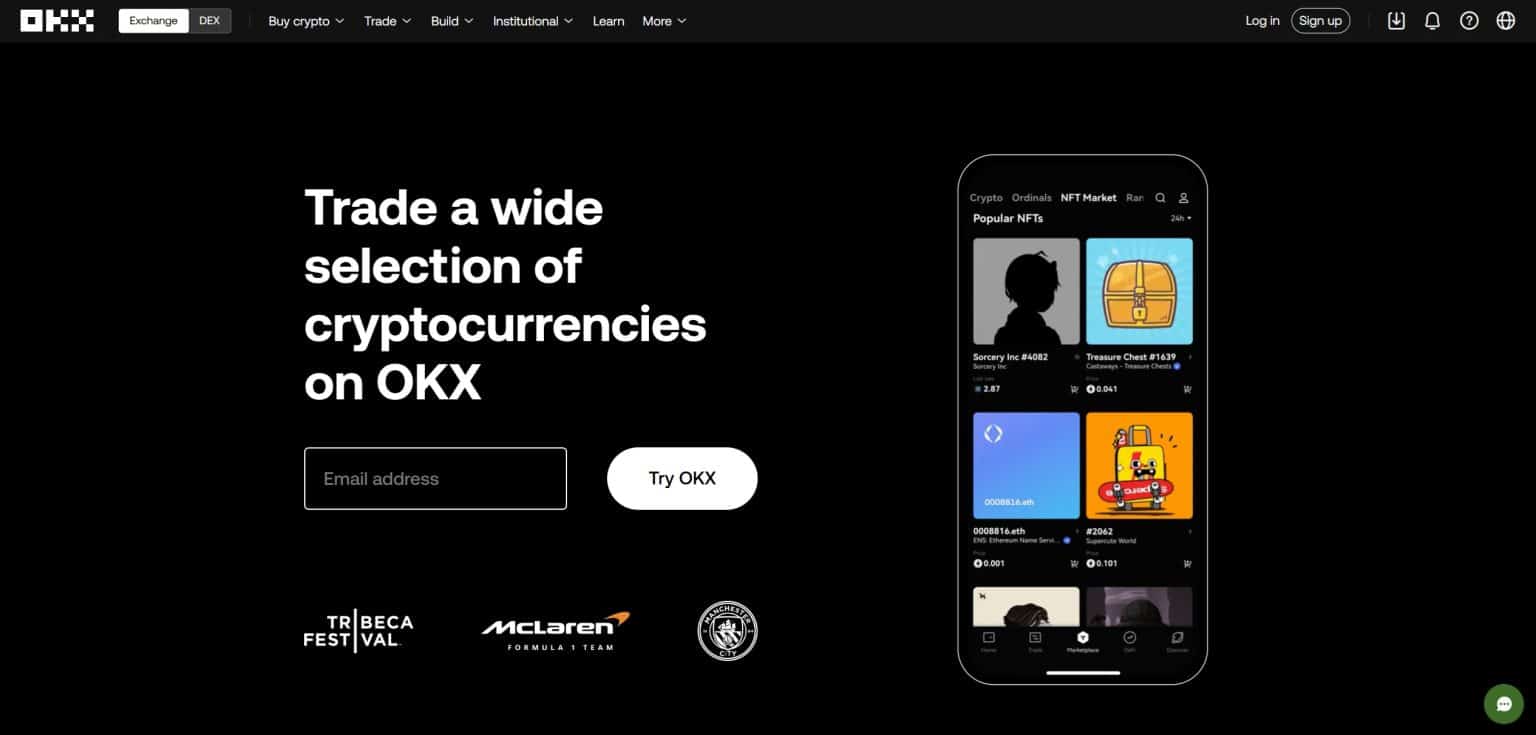
In the UK and EU, users have access to a regulated version of OKX, which includes an extra compliance quiz before trading.
You can trade Litecoin with up to 100× leverage, switch between cross or isolated margin, and use tools like trailing stops, range orders, and bots. OKX also lets you automate strategies with an API if you’re into that sort of thing. Everything is tracked in real time, and funding fees are charged every eight hours.
Fees are competitive. Regular users start with 0.02% maker and 0.05% taker fees, while VIPs can even get paid to make trades through rebates. OKX supports fast withdrawals in USDT, and the platform’s order books for LTC tend to be deep, which helps avoid price jumps when placing large trades.
OKX Pros & Cons
Pros
Cons
OKX is a strong choice if you’re outside restricted regions and want to trade Litecoin futures with powerful tools and competitive fees. The platform offers deep liquidity, useful features, and a solid reputation among serious traders. Just make sure you understand the risks that come with high leverage, and be ready to complete the required identity checks before getting started.
If you’re interested in using OKX, don’t forget to check out our OKX Review.
Kraken –Best Litecoin Futures Trading Platform for Beginners
Kraken lets you trade Litecoin futures without actually needing to hold LTC. You’re betting on the price going up or down, and you can do that using different types of collateral, including dollars, stablecoins, or even crypto like Ethereum.
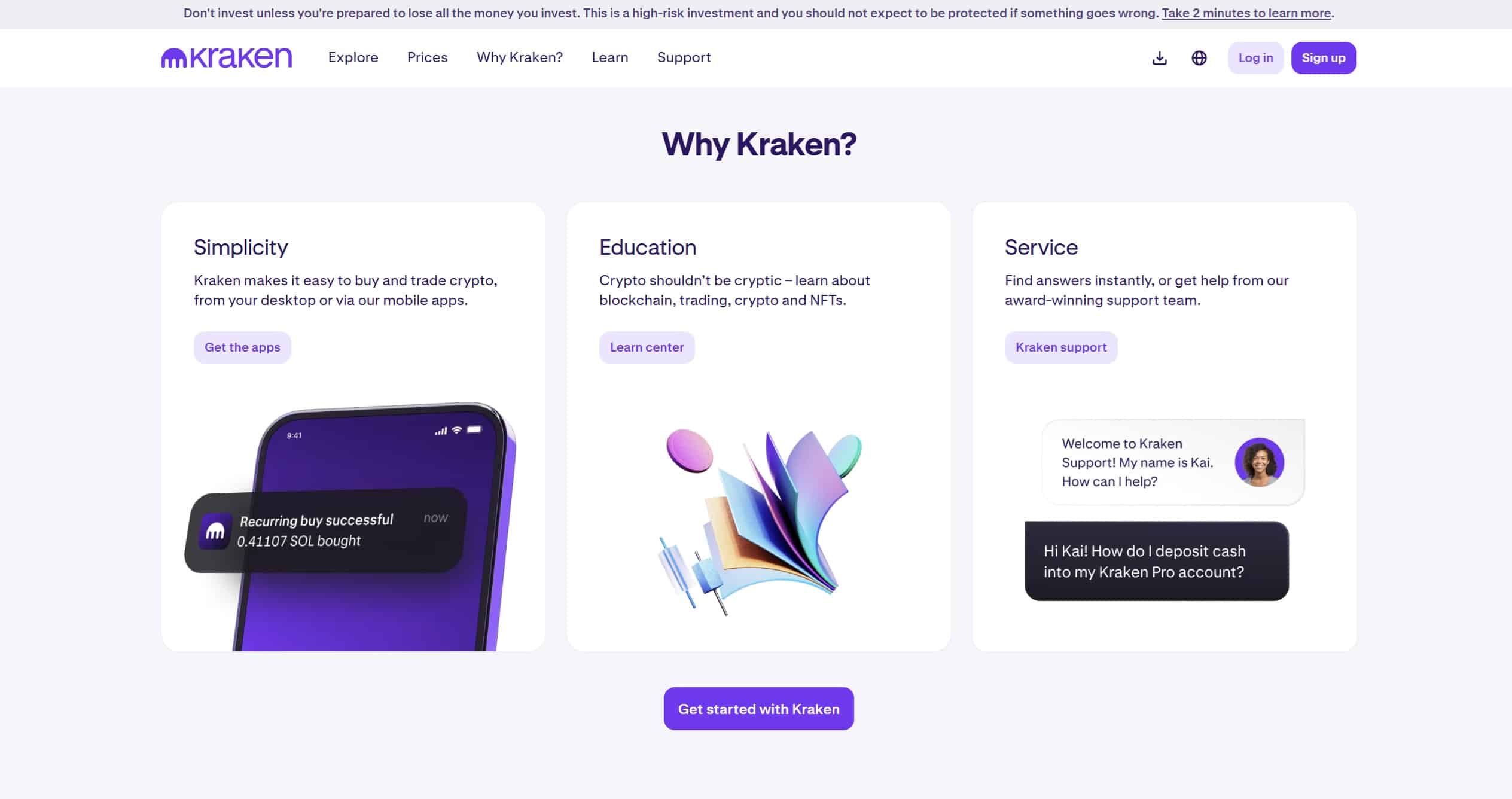
You can also go long or short, which gives you flexibility whether you’re looking to profit from a rally or protect against a drop.
You get the choice between a cross and an isolated margin, which basically means you can either spread risk across your whole account or keep it locked to one trade. Leverage can go as high as 50× for smaller positions, but if you’re trading in larger amounts, that number drops quickly to something closer to 10× or even less.
Fees start around 0.05% for takers and 0.02% for makers. If you’re trading often or in large volumes, the fees drop even more, and some maker trades can even earn you a tiny rebate. Just keep in mind that there’s also a funding fee every four hours, which usually sits between 0.02% and 0.04%, depending on the market at that time.
Kraken’s futures platform is not open to U.S. residents, and you’ll need to verify your account to at least the Intermediate level before you can start.
Kraken Pros & Cons
Pros
Cons
If you’re an experienced trader and want to take bigger swings at the LTC market, Kraken’s futures setup gives you the tools to do it. It’s flexible, well-built, and offers real control over how you manage trades. Just be sure you understand the risks that come with high leverage and funding fees before diving in.
For those of you who want to use the Kraken exchange, we have a complete Kraken review.
Margex – Biggest Litcoin Futures Trading Exchange
Margex is a futures-only platform where you can trade Litecoin with leverage, without needing to go through identity checks right away. You just need an email to start. LTC is one of the core markets here, and you can go up to 50× leverage using isolated margin, which means each trade has its own risk cap.
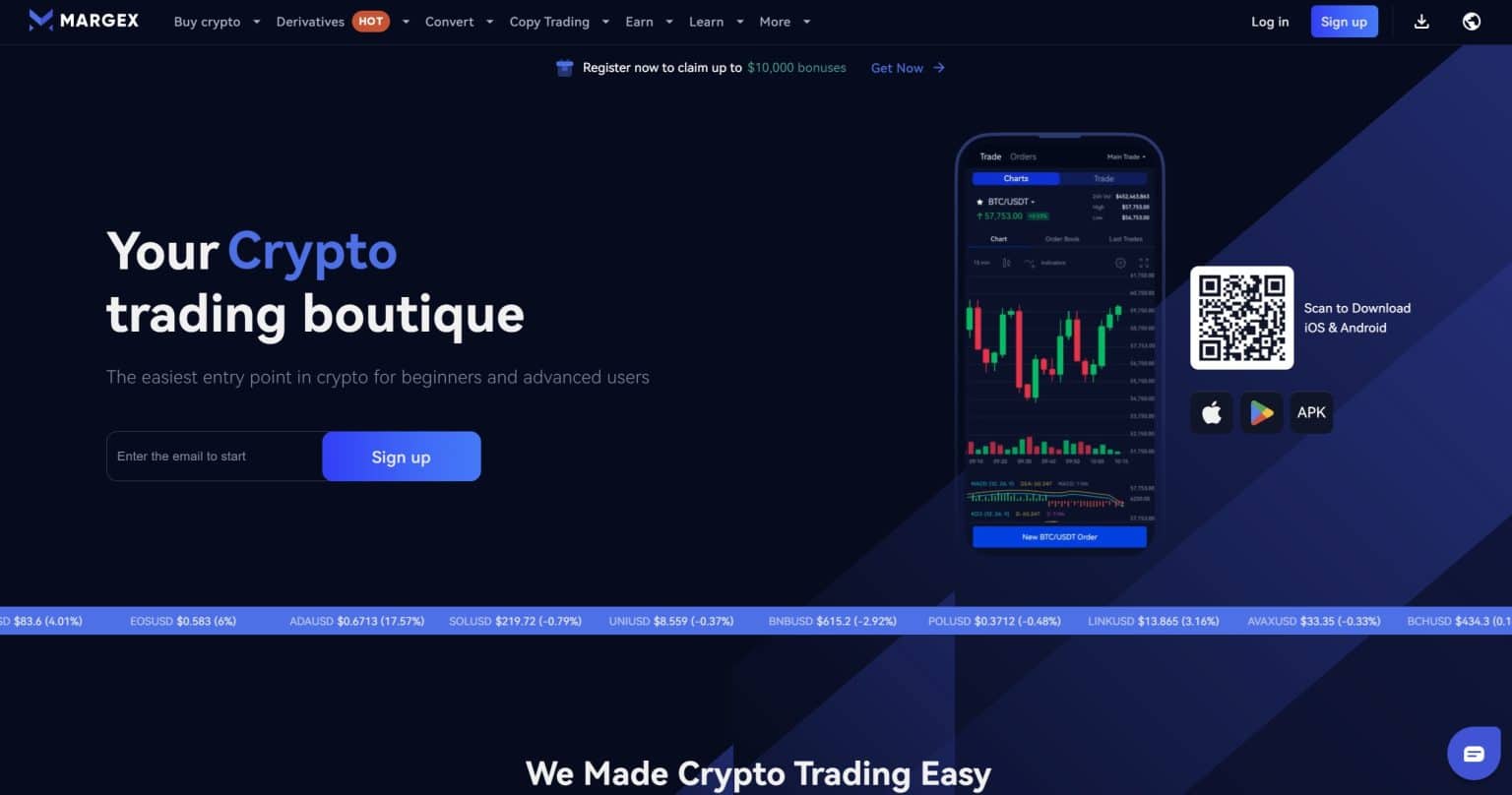
Trading fees are simple: 0.019% for maker orders and 0.060% for takers. There’s a funding fee every 8 hours, and while it’s meant to keep prices in line with the spot market, it can get expensive if you hold trades too long, especially since LTC funding rates are often negative.
There’s no spot trading on Margex, so you’re not buying or selling actual Litecoin, just speculating on its price. The platform has a few helpful extras like demo mode, copy trading, and a built-in system called MP Shield that helps block market manipulation. It’s also available on mobile and desktop with a clean layout focused on quick trades.
Support is available through live chat, but some users have had issues when trying to withdraw or when their accounts were flagged for extra verification.
Margex Pros & Cons
Pros
Cons
Margex is a futures exchange built for traders who want high leverage on Litecoin and don’t mind sticking to futures. It’s fast to get started and offers decent tools for short-term strategies, but the lack of regulation and mixed withdrawal feedback mean you’ll want to tread carefully. If you’re focused on quick trades and value privacy, it’s worth a look, but maybe not the best choice for long-term holding or big balances.
Don’t forget to read our Margex Review 2026 for more information.
Popular Litecoin (LTC) Futures Trading Sites in Comparison
If you’re a beginner testing the waters or a seasoned trader looking for tighter spreads, lower costs, and deeper order books, there’s a Litecoin (LTC) futures trading platform designed for you.
From cryptocurrency markets built for high-frequency trades to zero-KYC exchanges prioritizing anonymity and low fees, the options are diverse. The table below compares five popular LTC platforms based on leverage, transaction fees, market access, and user experience.
Some exchanges focus on speed and simplicity, while others offer advanced features like price analysis tools, real-time support, and secure connections to manage your trading activities. Whether you’re looking to buy Litecoin futures with maximum leverage or prefer a more cautious approach with robust security protocols, this guide will help you navigate the cryptocurrency exchange ecosystem.
Platform
Max Leverage
KYC Requirement
Supported Devices
Best For
Binance
125×
Yes
Web, Android, iOS
OKX
100×
Yes
Web, Android, iOS
Kraken
50× (small trades)
Yes
Web, Android, iOS
Margex
50×
No (to start)
Web, Android, iOS
Each of these cryptocurrency platforms offers a different approach to Litecoin futures trading.
Binance and OKX deliver deep market liquidity, robust price-checking tools, and platforms designed for high-volume transactions. Kraken appeals to users who prefer flexible exchange procedures with an emphasis on security, while Margex caters to those who prioritize anonymity and low-latency trade execution.
With varying cost structures, expected margins, and support for multiple markets, choosing the right LTC trading platform depends on your goals, whether it’s buying Litecoin, trading with high leverage, or staying anonymous while managing cryptocurrency assets. Review their fees, transaction support, and live response times to find the platform that aligns with your trading strategy.
How We Selected Top LTC Futures Trading Exchanges (Methodology)
When it comes to Litecoin futures, not every exchange plays on the same level. We didn’t just look at trading volume or flashy marketing claims. We focused on what it’s actually like to trade, from the moment you sign up, to your first leverage trading Litecoin position, to how smooth withdrawals are.
Our goal was to find platforms that work for active traders, beginners, and even those experimenting with Litecoin futures trading apps.
Here’s what we evaluated:
The goal wasn’t just to list the biggest names but to look at the top platforms to trade Litecoin futures that offer a combination of accessibility, transparency, and real trading power.
What Are Litecoin Futures?
Litecoin futures are contracts that let you speculate on the future price of Litecoin without needing to buy or sell the coin itself. These contracts define a specific price and date in the future where a transaction would occur, but in most cases, traders close the position early and settle the profit or loss in cash.
This allows you to benefit from price movements without handling the underlying asset.
What makes futures especially useful is that they track Litecoin’s spot price closely while letting you trade with more flexibility. You can choose to open a position anticipating that the price will rise or fall, and depending on how the market moves, your gains or losses adjust in real time. Most platforms offer perpetual futures, which don’t have a set expiry, making them suitable for continuous trading.
Because you don’t need to own Litecoin to trade these contracts, and because you can use other assets like stablecoins as collateral, futures provide a more flexible way to engage with the market. This structure has made them popular with both retail traders and professionals who want greater control.
Why Trade Litecoin Futures?
One reason people trade Litecoin futures is that they can try to profit when the price goes up or down. If you think Litecoin is going to rise, you can open a trade to earn from that move. If you think it will fall, you can do the opposite and still try to profit.
It’s also useful if you already own Litecoin. Let’s say you’re worried the price will drop soon. You can open a trade that earns if the price falls, which helps balance out the loss from your actual Litecoin.
Another reason is that you don’t need a lot of money to open a larger trade. With futures, you can trade with more than you have in your account (also known as leverage), which gives you more profit potential. But this also means more risk if the price moves the other way.
Finally, futures markets are usually busy, so your trades go through quickly and at the price you expect. This makes it easier to get in and out without delays or big price jumps.
Litecoin Options vs. Litecoin Futures: Which is Best?
Litecoin futures and Litecoin options are both ways to trade without owning the coin, but they work differently.
Futures are simple. You open a trade at one price and close it when you want. If the price moves in your favor, you profit. If not, you lose money. It’s direct, and you can trade anytime.
Options give you the right to buy or sell Litecoin at a certain price, but you don’t have to. You pay a fee to get that right. If the trade doesn’t work out, you can walk away. That fee is the most you can lose. Options are more flexible but harder to learn.
If you want something straightforward and are okay with more risk, futures might be a better fit. If you’d rather limit how much you can lose and don’t mind taking more time to learn, options may be a better choice.
Benefits of Trading LTC Through Futures
Trading Litecoin through futures gives you more ways to respond to price moves and more control over your trades.
These features make futures useful for more than just guessing where the price will go. You can use them to plan, manage risk, or try out different strategies that aren’t possible with regular buying and selling.
Risks of Litecoin Futures Trading
Even though futures can help you make money, they also come with big risks. It’s important to know what can go wrong before you start.
Futures are powerful, but they need to be handled carefully. If you understand the risks and set clear limits, they can be useful. If not, they can cost you more than you expect.
How to Trade Litecoin Futures: Step-by-Step Guide
This step-by-step guide walks you through how to trade LTC futures on Binance, from signing up to closing your trade. It’s built for simplicity, even if you’re new to futures.
-
Head to Binance and Search Litecoin
Start by registering on the Binance Site. Once inside the trading panel, choose Litecoin (LTC) from the list of supported assets. You’ll also see other options like Bitcoin and Ethereum, but for this example, stick with Litecoin.
-
Check the Live Price Chart
After selecting LTC, you’ll be shown a live price chart. This helps you monitor current market movements so you can decide when to enter your trade. It’s simple and updates in real time.
-
Set Up Your Trade
Use the controls on the screen to set your trade details:- Decide if the price will go up or down
- Enter how much you want to risk
- Choose a multiplier (like 10x or 20x)
Once you’re ready, confirm and place your trade.
-
Manage or Exit the Position
After your trade is live, you’ll see it tracked directly on the chart. If things are going well, you can close the trade early and take profits. If not, you can exit manually or let it run its course until it either hits your target or the bust price.
Profitable Strategies for Trading Litecoin Futures
Trading Litecoin futures works best when you follow a clear plan. These strategies help you take advantage of different types of market behavior, whether the price is moving fast, staying flat, or starting a new trend.
Below are some common approaches traders use to improve their chances of making a profit. Each one has its own strengths, depending on how active you want to be and how the market is moving.
1. Scalping (Fast Trades for Small Moves)
Scalping means making a lot of small trades throughout the day to catch tiny price changes. With Litecoin futures, this works well because prices often move quickly. You get in, take a small profit, and get out, sometimes in just minutes. This strategy is all about speed, tight stop-losses, and good timing. It takes focus and quick decision-making, but over time, those small gains can add up.
2. Swing Trading (Riding Multi-Day Trends)
Swing trading is a slower approach. Instead of jumping in and out all day, you hold trades for a few days or even weeks. The idea is to catch a bigger move in price and hold on until momentum fades. You can use tools like charts, trend lines, or moving averages to help you decide when to enter or exit. Swing trading is good for people who want to trade actively but don’t want to stare at charts all day.
3. Range Trading (Buy Low, Sell High in Sideways Markets)
Sometimes, Litecoin doesn’t trend up or down; it just moves sideways between a clear high and low. When that happens, range trading can work well. You buy near the bottom of the range and sell near the top. This strategy is simple, but it takes patience. You also need to be careful if the price breaks out of the range unexpectedly. Stop losses are important here to avoid getting caught off guard.
4. Breakout Trading (Catching Sharp Moves Beyond a Range)
Breakout trading focuses on what happens when Litecoin finally moves out of a range. If the price has been stuck between two levels and suddenly shoots higher or lower, that move can be fast and strong. Traders wait for a clear break above resistance or below support, then enter a trade in that direction. This strategy can be very effective, but only if you wait for real confirmation and manage your risk.
5. Trend Following (Ride the Momentum)
Trend following is all about sticking with the direction of the market. If Litecoin is clearly moving up or down, you trade in that direction and hold the position until the trend shows signs of ending. This strategy works best when the market is moving steadily in one direction. It can also be easier to manage than trying to trade every small swing.
6. Automated Trading (Using Bots and Algorithms)
If you prefer a hands-off approach, automated trading might be for you. This means using a bot or trading system to follow a strategy for you. The bot follows rules you set in advance, like when to enter, where to set a stop-loss, and when to take profit. Automated trading removes emotion from the process and helps you stay consistent. Just make sure you test your strategy first to make sure it works well under different market conditions.
Scalping is fast and intense, swing trading is slower and more relaxed, and trend following is good for catching big moves. Range trading works when the market is quiet, while breakout trading is best when things heat up. Automated trading can take over the heavy lifting once you have a solid plan.
Conclusion: Litecoin Futures
Choosing the right Litecoin futures platform comes down to what matters most to you. Focus on clear fees, reliable execution, and tools that match your trading plan. Start small, stay consistent, and use risk controls to protect your balance. The more prepared you are, the better your trades will perform over time.
There’s no one-size-fits-all method. The best strategy is the one that fits your schedule, your goals, and how much risk you’re comfortable with. The most important thing is to stay consistent, manage your risk, and avoid making emotional decisions.
See also:
- Crypto Exchange Promos & Discounts
- Crypto Wallet Promos & Discounts
- Top-Rated Crypto Futures Trading Platforms in the UK
- TRON Futures: TRX Trading Guide for 2026
- How to Trade Futures for a Chance to Win 200,000 WLFI
- 13 Best Crypto Leverage Trading Platforms in 2026
- Top 7 Crypto Options Trading Platforms in 2026
FAQs
How do I trade Litecoin futures?

Start by signing up on a platform that offers Litecoin futures. Deposit funds, choose your LTC futures contract, set your leverage, and decide whether to go long or short. You can add stop-loss or take-profit levels to manage your trade.
What’s the difference between Litecoin futures and Litecoin spot trading?
Spot trading means you’re buying or selling actual Litecoin. Futures trading involves contracts that track Litecoin price. You don’t own the coin, but you can still profit from price changes by taking long or short positions.
Where can I trade Litecoin futures?
You can trade Litecoin futures on exchanges like Binance, OKX, Kraken, and Margex. Each platform has different features, fees, and KYC requirements.
Is trading Litecoin futures profitable?
It can be, but it depends on your strategy, risk management, and timing. Leverage can increase potential returns, but it also raises the chance of losses if the market moves against you.
Can I short Litecoin using futures?
Yes. Futures trading allows you to profit from price drops by opening a short position on Litecoin.
Are Litecoin perpetual futures the same as standard futures?
Not exactly. Standard futures have an expiry date, while perpetual futures stay open as long as you want. Perpetuals also use funding fees to keep prices close to the spot market.
What’s the difference between trading Litecoin futures and trading LTC on margin?
Margin trading involves borrowing funds to trade Litecoin directly. Futures trading uses contracts to speculate on price movements, often with different rules and higher leverage.
What is Litecoin futures trading?
It’s the process of using contracts to bet on where Litecoin’s price will go. You don’t need to own LTC, and you can trade using leverage to increase the size of your position.
Is Litecoin futures trading profitable?
It can be, but it carries a high risk. Success comes down to experience, planning, and proper risk controls.
References
- Kraken. “Futures Trading.” Kraken, www.kraken.com/learn/trading/futures-trading.
- Cornell SC Johnson College of Business. “Perpetual Futures Contracts and Cryptocurrency.” Cornell SC Johnson College of Business, business.cornell.edu/article/2025/02/perpetual-futures-contracts-and-cryptocurrency.
- Coinbase. “What Is a Stablecoin?” Coinbase, www.coinbase.com/en-gb/learn/crypto-basics/what-is-a-stablecoin.
- TradingView. “Crypto Options Trading: A Beginner’s Guide.” TradingView, www.tradingview.com/chart/BTCUSD/lkBiGoH0-Crypto-Options-Trading-A-Beginner-s-Guide/.
- Kraken. “Leverage Trading Crypto.” Kraken, www.kraken.com/learn/leverage-trading-crypto.

Why you can trust 99Bitcoins
Established in 2013, 99Bitcoin’s team members have been crypto experts since Bitcoin’s Early days.
Weekly Research
100k+Monthly readers
Expert contributors
2000+Crypto Projects Reviewed