






In This Article
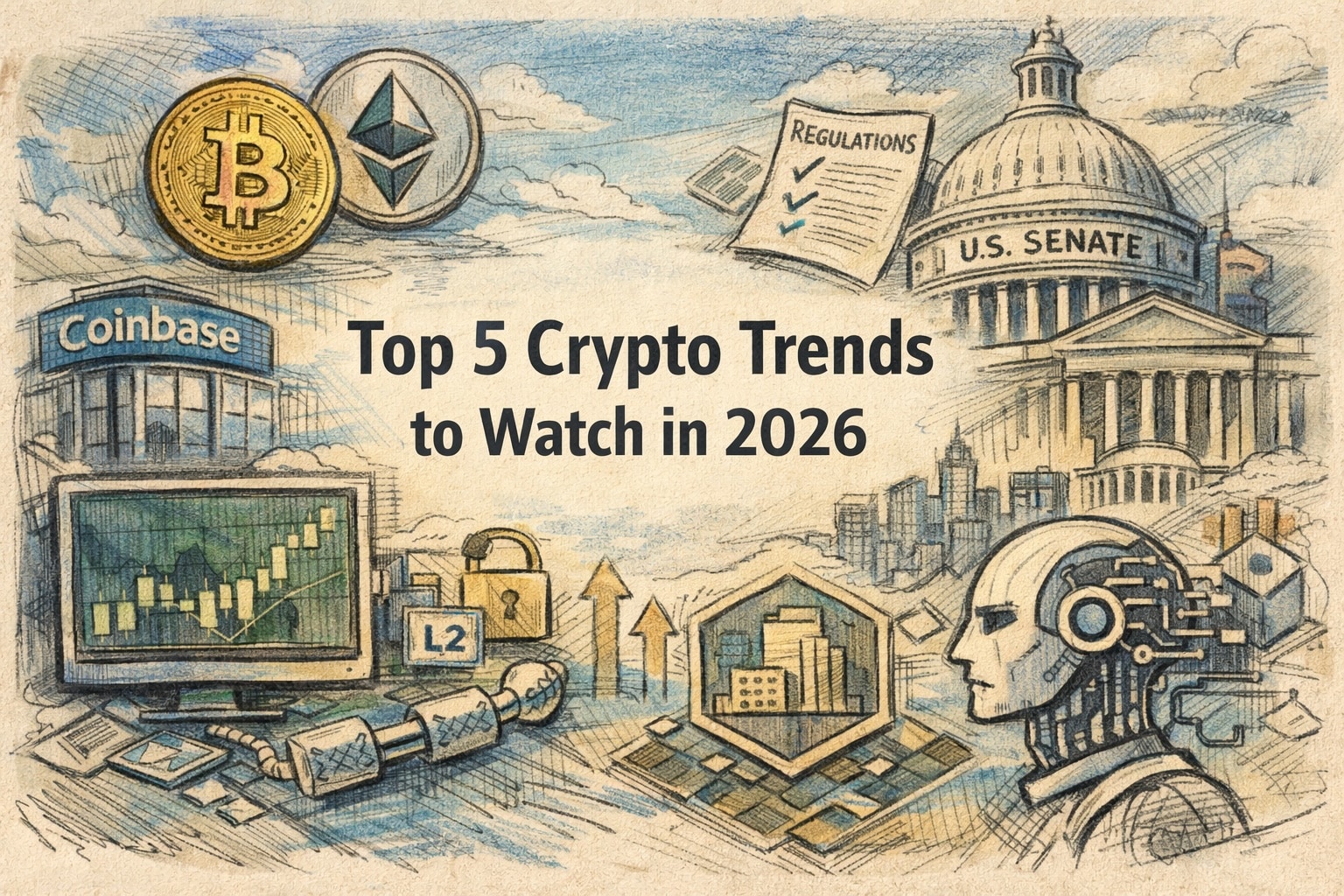
Top 5 Crypto Trends to Watch in 2026
- 1. Growing Institutional Adoption
- 2. Mass Adoption of L2s and Rollups
- 3. AI Cryptos
- 4. Asset tokenization
- 5. Stablecoin Clarity, Crypto Regulations & Banking Integration
- Metrics to Track for Each Trend
- Methodology: How We Identified the Top Crypto Trends for 2026
- Winners vs. Losers: Who Benefits Most From These Trends?
- Conclusion: Crypto Trends to Watch in 2026
Top crypto trends to watch in 2026 are no longer driven by hype cycles alone. Market structure, regulation, and real capital flows are now shaping where returns are likely to emerge.
Experts believe we are in the “institutional era” of crypto where improved regulatory clarity and demand for alternative investments are bringing in new capital and broadening adoption. There are emerging themes within the crypto market that investors need to monitor in 2026.
This article breaks down the five most important crypto trends for 2026, explains why they matter.
Key Takeaways
- Institutional adoption is accelerating through Bitcoin ETFs, custody services, and balance-sheet exposure.
- Layer-2 rollups are becoming the primary execution layer for Ethereum, with most user activity and transaction volume expected to migrate to low-cost L2s in 2026.
- AI-native crypto projects are shifting from speculative tokens to infrastructure plays, powering decentralized compute, data, and model execution.
- Bitcoin bear and ‘Big Short’ Michael Burry highlighted tokenization’s potential to reshape financial markets.
- Regulatory clarity around stablecoins and crypto banking integration could unlock the next wave of institutional and enterprise adoption.
Top 5 Crypto Trends to Watch in 2026
Institutional money, faster networks, AI tokens, asset tokenization, and stablecoins are shaping where the market is heading next in 2026. Together, these trends point to crypto becoming more integrated with mainstream finance and everyday digital activity. Let’s explore the top five crypto trends to watch out for in 2026.
1. Growing Institutional Adoption
Institutional demand for crypto is accelerating. Since U.S. spot Bitcoin ETFs launched in 2024, crypto investment products have attracted about $87 billion in inflows, yet less than 0.5% of U.S. adviser-managed assets are allocated to digital assets.
That gap highlights how early this cycle still is. With clearer regulation and familiar ETF structures, large investors such as university endowments and sovereign wealth funds are beginning to add exposure, setting the stage for further inflows in 2026.
According to Grayscale Research, demand for “alternative stores of value” could drive cryptocurrency prices in 2026.
“As long as the risk of fiat currency debasement keeps rising, portfolio demand for Bitcoin and Ether will likely continue rising as well, in our view,” said Grayscale in a note.

2. Mass Adoption of L2s and Rollups
Ethereum’s (ETH) scaling upgrades are shifting activity to Layer-2 (L2) networks. After the 2024 Dencun upgrade cut fees and boosted throughput, L2 share of Ethereum ecosystem activity has increased from about 52% to nearly 68% at the end of 2025, data on growthepie showed.
Crypto has become cheaper and easier to use. L2 networks like Arbitrum and Base are now handling billions of transactions each year, supporting games, apps, and DeFi with low fees and smoother performance.
Attention is now turning to newer L2s such as MegaETH and whether they can challenge established players like Arbitrum, Optimism, and Base. 2026 may also be a breakout year for application-specific L2s, or app chains, such as Uniswap’s (UNI) Unichain, as better performance and user experience could push more protocols to launch their own chains.

3. AI Cryptos
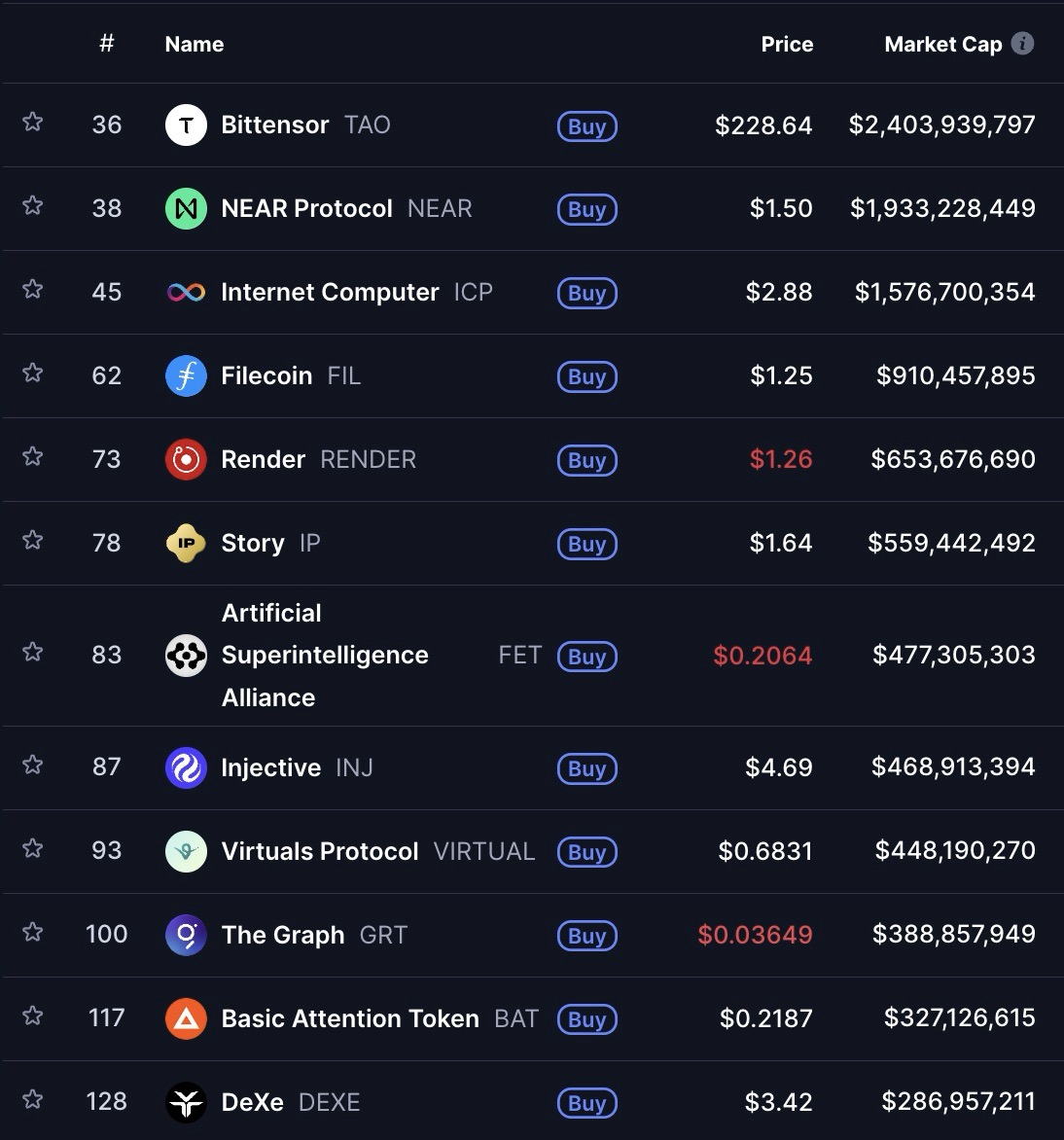
AI-linked crypto projects are converging on agentic AI, where autonomous software agents use tokens to pay for data, compute, and execution. By 2026, these agents could manage workflows, trade assets, and coordinate services independently, with blockchains providing secure settlement and coordination.
This trend is already taking shape. Fetch.ai (FET) has partnered with Bosch to build decentralized AI agents for industrial and mobility use cases.
At the same time, decentralized GPU marketplaces such as Render (RNDR), and Akash Network (AKT) may gain attention due to the ongoing compute shortage that is hindering the growth of AI innovation.
More importantly, the theme of decentralization will gain prominence as we debate about the risks of AI. Crypto could play a role in shaping how AI is managed and governed in 2026, particularly through decentralized ownership, transparency, and incentive alignment.
4. Asset tokenization
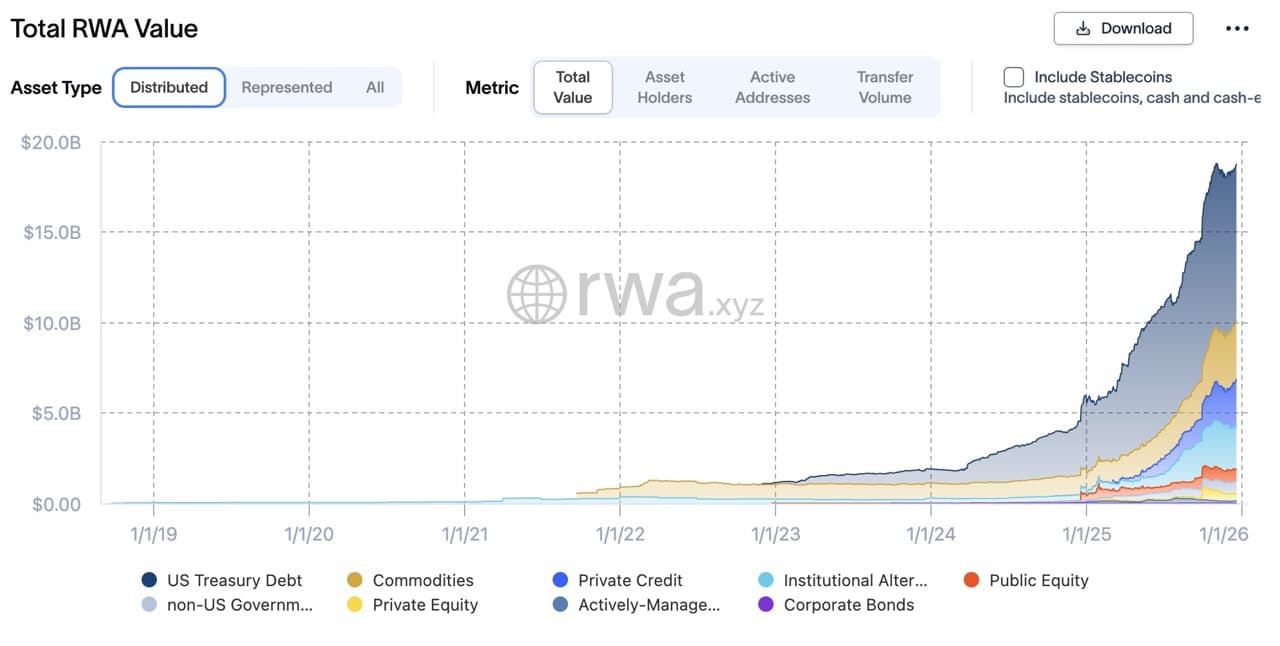
Asset tokenization on blockchains is widely expected to accelerate, and 2026 could be the breakout year as blockchain infrastructure matures and regulatory clarity improves. Tokenizing real-world assets such as stocks, bonds, and commodities removes geographic barriers and opens global markets to a wider pool of investors.
Demand for diversification is rising worldwide. Investors in regions facing war, capital controls, or high inflation can access foreign assets through tokenized products on public blockchains like Ethereum and Solana (SOL), helping protect wealth.
Coinbase Exchange (COIN) has already laid out plans to tokenize stocks and other assets in what it calls the “future of finance.”
5. Stablecoin Clarity, Crypto Regulations & Banking Integration
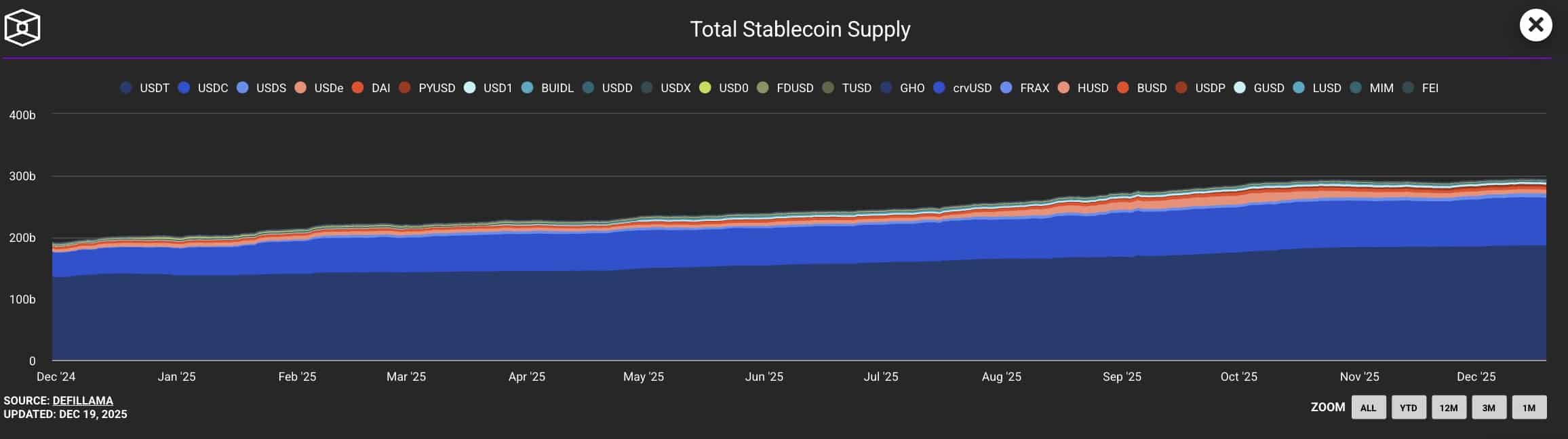
Regulation is catching up with crypto, and stablecoins are emerging as the clearest winner. They offer fiat exposure, enable low-cost cross-border payments, help hedge volatility, and are gaining wider acceptance across financial systems.
The data reflects rapid adoption. Stablecoin supply was on track to reach $300 billion by the end of 2025, up more than 50% from roughly $191 billion, data compiled by The Block showed, supported by the passage of the GENIUS Act in the U.S., which set the foundation for broader use in 2026.
Next is real-world integration. Stablecoins are expected to expand into cross-border payments, derivatives collateral, corporate balance sheets, and online consumer payments, with prediction markets adding incremental demand.
Rising volumes should benefit settlement networks such as Ethereum, TRON (TRX), BNB Chain (BNB), and Solana (SOL), along with infrastructure providers like Chainlink (LINK) and the broader DeFi ecosystem.
Metrics to Track for Each Trend
- Institutional Adoption: Monitor ETF inflows and institutional holdings of crypto (e.g. Bitcoin in treasuries). Also track trading volumes on regulated exchanges and any corporate balance sheet crypto additions as signals of growing institutional exposure.
- Layer-2 Rollups: Follow daily transaction counts and total value locked (TVL) on major L2 networks like Arbitrum and Optimism. The percentage of Ethereum activity happening on L2s is a key metric, as well as average transaction fees to see if L2s keep costs low. We recommend sites like L2Beat and Growthepie to monitor L2 activity.
- AI Cryptos: Watch network usage on AI-focused protocols – for example, how many tasks are running on decentralized compute marketplaces. Partnership announcements (like Fetch.ai’s deal with Bosch) and token utility (burn rates or payments) on AI platforms can indicate real adoption beyond hype.
- Asset tokenization: Track the value of tokenized real-world assets, number of issuers, and institutional participation across public blockchains. rwa.xyz provides detailed analytics on asset tokenization.
- Stablecoins & Integration: Key metrics include total stablecoin market cap and daily transaction volume of major stablecoins. Also follow regulatory milestones and bank integrations (like payment networks using USDC) to measure how deeply stablecoins penetrate traditional finance.
Methodology: How We Identified the Top Crypto Trends for 2026
Winners vs. Losers: Who Benefits Most From These Trends?
| Verdict | Sector | Why It Wins or Loses |
| Winner | Layer-1 Platforms (e.g., Ethereum, Solana) | Asset tokenization brings real-world value on-chain, increasing network usage, fees, and institutional relevance as stocks, bonds, and funds move to public blockchains. |
| Winner | Bitcoin & Blue-Chip Assets | Bitcoin strengthens its role as a store of value amid currency debasement and reserve diversification, while large-cap altcoins benefit from regulatory clarity and potential ETF approvals. |
| Winner | AI & Crypto Infrastructure | Decentralized compute, data, and agentic AI systems align with rising AI demand, while stablecoin infrastructure and payment rails gain from banking and enterprise adoption. |
| Loser | Meme Coins | Speculative excess from the past three years is fading, and tokens without utility or cash-flow potential struggle in a fundamentals-driven market. |
| Loser | Overhyped Digital Art NFTs | Demand cools as speculative interest fades, and projects lacking sustainable economies or real use cases lose liquidity and relevance. |
| Loser | Privacy Coins | Heightened regulation and exchange delistings reduce liquidity and accessibility, increasing compliance risk and limiting broader adoption. |
Why 2026 Will Be a Defining Year for Crypto
2026 will be a pivotal year as crypto moves closer to mainstream finance. Market structure, regulation, and real adoption are increasingly replacing speculation as the main drivers of growth.
For the first time, institutional capital, mature infrastructure, and clearer rules are converging. As a result, crypto markets may start to resemble a developed asset class rather than a speculative frontier.
The year is also likely to act as a shakeout. Projects with real utility should stand out, while hype-driven tokens fade, helping redefine crypto as a core part of modern finance and digital life.
On the price side, Bitcoin pulled back from all-time highs of above $126,000 to below $90,000 by the end of 2025. Slower regulatory progress and delayed legislation played a key role in stalling the 2025 bull run.
That reset may set the stage for 2026. If progress is made on U.S. strategic reserve discussions and crypto regulatory clarity, the year could mark crypto’s full recognition by governments and traditional financial institutions.
Macro Factors Shaping Crypto Markets in 2026
- Inflation Trajectory: Stubborn inflation would amplify interest in Bitcoin and hard assets as an inflation hedge, while easing inflation could temper the urgency for such hedges.
- Interest Rates: The US Fed is leading global central banks on a rate cut cycle which has historically been beneficial for risk asset markets including stocks and cryptocurrencies. Lower interest rates enable cheaper loans and funnel more capital into crypto markets. Jan Hatzius, Goldman Sachs Research’s chief economist expects the Fed to extend rate cuts in March and June 2026.
- Geopolitical Tensions: Ongoing conflicts and global tensions drive some investors toward borderless assets. Crypto can serve as a hedge against local currency devaluation, censorship or capital controls during geopolitical crises, boosting its appeal when traditional systems are in turmoil.
- Dedollarization Moves: As countries explore reducing reliance on the U.S. dollar, decentralized alternatives like Bitcoin, gold, or even stablecoins gain appeal.
- Currency Debasement Fears: If governments continue large-scale money printing, fears of fiat debasement will grow. This debasement trade could see more investors opting for Bitcoin and other fixed-supply digital assets to preserve wealth against weakening fiat currencies.
Which Crypto Sectors Are Likely to Outperform in 2026?
Layer-1 networks and tokenization platforms are well positioned to lead. Ethereum and Solana could see rising activity as stocks, bonds, and commodities move on-chain, a trend even “Big Short” Michael Burry has highlighted on X.
Bitcoin also stands out as macro conditions support its store-of-value narrative. Ongoing institutional demand, potential ETF-driven inflows, and treasury adoption could support BTC, while Ether and select large-cap altcoins may benefit from clearer ETF pathways.
Scalability remains another key driver. Ethereum L2s such as Arbitrum, Optimism, and Base are capturing growing transaction volumes, with new L2s and app chains competing on performance and user experience. We have to mention that majority of L2 tokens have seen bad price actions due to bad tokenomic design such as excessive allocation to insiders and low-float-high-FDV properties.
AI-crypto infrastructure is another area of strength. AI and GPU projects like Render are tied to real demand for compute and automation, giving them more durable upside than hype-driven themes.
Stablecoin infrastructure may quietly outperform as well. Rising payment and banking use should lift networks like Ethereum, Tron, and Solana, alongside infrastructure providers such as Chainlink that support tokenized finance.
Red Flags to Avoid in 2026 Trends
- Overhyped Buzzwords: Be wary of projects that add “AI” or “crypto” just to ride the trend without substance. Not every AI-token or new L2 will succeed. Avoid tokens that lack real technology or adoption behind the buzz.
- Meme Coin Mania: Don’t assume the next Dogecoin or Pepe will repeat past 100x runs. The meme coin frenzy has cooled, and chasing quick riches on copycat memecoins is more likely to burn portfolios in 2026’s more rational market.
- Unsustainable Yields: Steer clear of platforms offering unrealistically high APYs or “guaranteed” returns. If yields sound too good to be true, they probably are.
- Regulatory Gray Zones: Exercise caution with coins facing regulatory uncertainty or crackdowns.
- Security Negligence: As new tech rolls out, some projects may rush and overlook security. Avoid protocols that haven’t been audited or have a history of hacks.
Conclusion: Crypto Trends to Watch in 2026
In 2026, trends such as institutional adoption, Layer-2 scaling, AI infrastructure, asset tokenization, and stablecoin integration are likely to define where sustainable growth emerges, while weaker, hype-driven sectors continue to fade.
For investors, the focus is shifting from chasing cycles to understanding structure. The projects and networks that align with global finance, regulation, and real-world use cases are best positioned to benefit as crypto becomes a permanent part of the financial system.
Readers should note that this article is for educational and informational purposes only and does not constitute financial, investment, or trading advice. Always do your own research and consult a qualified financial advisor before making investment decisions.
See Also: Is Crypto Dead? Our Take!
FAQs:
What are the top crypto trends to watch in 2026?


Institutional adoption, increased usage of L2 networks, AI crypto tokens, asset tokenization and stablecoin dominance are key trends to look out for in 2026.
Which crypto sector will perform better in 2026?
L1 blockchains are set to benefit from increased tokenization of offchain assets such as stocks, real estate, bonds and treasuries. BTC and ETH will continue to be supported by demand for alternative store-of-value amid geopolitical tensions and debasement concerns.
Which crypto sector has the highest growth potential in 2026?
Asset tokenization sector has the highest growth potential in 2026. Demand for diversification is rising worldwide. Investors in regions facing war, capital controls, or high inflation can access foreign assets through tokenized products on public blockchains like Ethereum and Solana (SOL), helping protect wealth.
What are the best AI tokens to invest in?
Tokens like NEAR, Akash, and Render are poised for massive gains as AI continues to disrupt the crypto landscape.
How can I spot an emerging cryptocurrency trend early?
Look for rapid growth in active wallets, trading volume spikes, strong developer activity, and increasing mentions in reputable crypto media.
Do all cryptocurrency trends last long-term?
No. Many trends fade quickly due to hype cycles, regulatory changes, or better technology replacing them. Always research fundamentals before investing, and treat short-lived fads with caution.
References:
- Goldman Sachs. “The Outlook for Fed Rate Cuts in 2026.” Goldman Sachs, 3 Dec. 2025, https://www.goldmansachs.com/insights/articles/the-outlook-for-fed-rate-cuts-in-2026.
- Lang, Hannah. “US Crypto Industry Cheers 2025 Wins, but Party May Fizzle Next Year.” Reuters, 18 Dec. 2025, https://www.reuters.com/sustainability/boards-policy-regulation/us-crypto-industry-cheers-2025-wins-party-may-fizzle-next-year-2025-12-18/.
- RWA.xyz. “Global Market Overview.” RWA.xyz, https://app.rwa.xyz/.
- The Block. “Total Stablecoin Supply.” The Block Data, 18 Dec. 2025, https://www.theblock.co/data/stablecoins/usd-pegged/total-stablecoin-supply.
- Grayscale Research. 2026 Digital Asset Outlook: Dawn of the Institutional Era. Grayscale Research, https://research.grayscale.com/reports/2026-digital-asset-outlook-dawn-of-the-institutional-era.

Why you can trust 99Bitcoins
Established in 2013, 99Bitcoin’s team members have been crypto experts since Bitcoin’s Early days.
Weekly Research
100k+Monthly readers
Expert contributors
2000+Crypto Projects Reviewed