




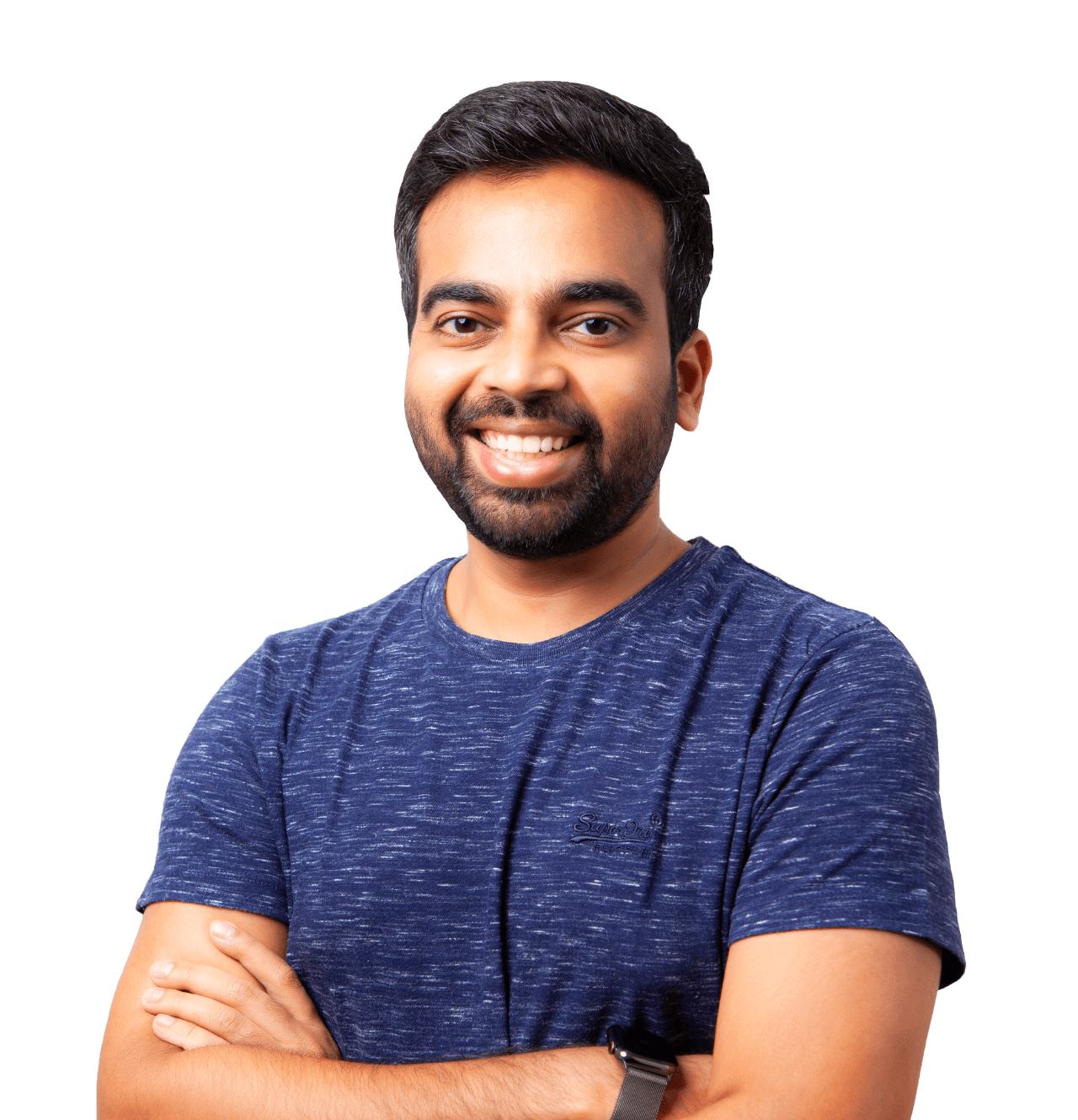
WazirX CEO and Co-Founder Nischal Shetty talks about the future of a decentralized world and a blockchain-powered future.
In an exclusive chat with 99Bitcoins.com, the man behind India’s largest crypto exchange talks about navigating the country’s complex regulatory landscape and non-technical hurdles for mass adoption in India. WazirX has survived a major hack, multiple Indian government notices, quarrels with Binance, and an ongoing major restructuring plan. However, Shetty has been in the news recently for Shardeum – India’s first autoscaling Layer 1 blockchain. In fact, he has managed to raise over $5 million for his new project.
Shetty, a veteran of both bull and bear markets, said, “Bull markets reward hype, but bear markets reveal fundamentals.”
“Projects that survive are those solving real infrastructure challenges, building consistently, and engaging communities transparently, regardless of sentiment,” he said. “At Shardeum, we’ve anchored around solving scalability without losing affordability. Our dynamic state sharding ensures predictably low fees and consistent performance, whether markets are bullish or bearish. That’s a structural solution valuable in any cycle.“
Bear markets are resilience testers. Only projects grounded in usability, cost-efficiency, decentralization, and trust can pass them.
What are the critical lessons from building India’s largest crypto exchange, and how did they shape Shardeum?
Building WazirX, India’s largest crypto exchange, gave me three lessons that directly shaped Shardeum. First, resilience and transparency are non-negotiable.
In crypto, crises emerge unexpectedly, and how you respond quickly, openly, and in the user’s interest defines long-term credibility.
Second, scalability must be designed from day one. WazirX’s rapid growth highlighted the importance of designing systems that can handle scale and unexpected stress from day one. That’s why Shardeum was architected with dynamic state sharding to scale linearly while keeping fees predictable. Third, you have to build with a local mindset. WazirX thrived because we focused on solving India’s problems first rather than competing globally from day one.
Shardeum carries the same philosophy: empower Indian developers and users with accessible, low-cost infrastructure, then expand outward. These lessons ensure Shardeum isn’t just another blockchain, but a foundation built for resilience, fairness, and adoption at massive scale.
Shared this with the WazirX team today. Thought I should share with all of you too.
7 years ago, WazirX was launched. A lot has happened since then. We're hurt but not out.
We have a lot of work to do, to create more value than what was stolen. Your support will help us make… pic.twitter.com/wrLE8S8oM7
— Nischal (Shardeum) 🔼 (@NischalShetty) March 8, 2025
A few years from now, say by 2030, what will be the use cases for a truly decentralized, scalable blockchain that you believe will be seamlessly integrated into our daily lives, but that most people aren’t even thinking about today? What gets you most excited beyond the current DeFi and NFT landscapes?
By 2030, I believe blockchains will be powering far more than DeFi and NFTs. PayFi’s real-time, low-cost payments will make microtransactions and cross-border transfers seamless, opening financial access to billions. We’ll see machine-to-machine payments across IoT devices, new monetization models for creators through frictionless micropayments, and decentralized identity systems in healthcare, education, and public infrastructure.
What excites me most is that blockchain will become invisible infrastructure.
Just like we don’t think about HTTP when browsing the internet, billions will use blockchain daily without realizing it — but this time as owners and participants, not just users.
That ownership-driven internet is what makes the future fairer, more open, and truly global.
India’s crypto landscape is a paradox, in that it has the most punitive tax on gains and regulatory ambiguity, but also the highest grassroot adoption rates. Is the Indian crypto ecosystem misunderstood by the global community? What policy tweaks – or full legislative overhauls- do you believe will unlock the potential for India?
India’s crypto ecosystem is often viewed only through the lens of its high taxes and regulatory ambiguity, but that misses the full picture. Despite these challenges, India consistently ranks among the top in the world for grassroots adoption, developer activity, and innovation.
The demand is real; tens of millions of Indians are already engaging with crypto, but the policy environment hasn’t fully caught up yet.
The biggest unlock would be rationalizing taxation, especially easing the TDS burden, to encourage legitimate onshore activity instead of pushing it offshore. Combined with clearer regulatory frameworks, this would create an environment where India’s young, tech-savvy population and vibrant developer community can build the next generation of Web3 products.
India has the potential not just to participate in Web3, but to lead it globally, provided the right policy clarity enables entrepreneurs to build for billions at home and then expand worldwide.
When it comes to India, what do you see as the single biggest non-technical barrier to mass adoption? Is it user experience? A lack of a true “killer app”? Or something else entirely?
The biggest non-technical barrier to mass adoption of crypto and blockchain in India is education and trust, but maybe not in the way most people think.
Indians are very tech-savvy, but many folks’ first experience with crypto comes from stories about quick money, speculation, or scams. Especially in smaller towns and cities, when people hear “crypto,” they often think of gambling rather than useful technology that can actually make their lives easier.
What’s really missing is a simple, clear understanding of blockchain’s practical benefits beyond just trading. India has some amazing use cases like instant, low-cost remittances for migrant workers or transparent supply chains for farmers, that need to be so straightforward and valuable that people use them naturally, without even realizing blockchain is behind the scenes.
At Shardeum, we focus on making blockchain seamless and invisible, so the benefits speak for themselves. For example, enabling remittances instantly for just a few rupees instead of waiting days and paying high fees, that kind of effortless utility is the real “killer app” for India.
But technology alone isn’t enough. Building trust means ongoing education and community connection. That’s why Shardeum has hosted over 500 events known as Proof Of Community that aims to spread blockchain literacy and bring over 10,000 people on chain worldwide. These Proof of Community efforts are key to breaking down barriers and encouraging grassroots adoption.
With the right policies, open communication, and practical solutions working together, blockchain can become a natural part of everyday life across India. Trust, simplicity, and real impact will be the foundation for this journey.

Why you can trust 99Bitcoins
Established in 2013, 99Bitcoin’s team members have been crypto experts since Bitcoin’s Early days.
Weekly Research
100k+Monthly readers
Expert contributors
2000+Crypto Projects Reviewed