








In This Article
If you have a few trades under your belt, you’ve likely already learned that crypto mistakes can be costly. It can be tempting to chase the hype and 100x dreams. But following some basic best practices can help you avoid many of the most common crypto mistakes, preserving your capital so that 100x really counts if you find one. In this guide, we’ll discuss 10 mistakes to avoid, ranging from basic wallet safety to research and diversification – and how to avoid them.
We’ll also discuss hidden trading costs that can chip away at your earnings or compound losses, as well as ways to avoid emotional trading decisions. Let’s start with some key takeaways before we discuss the biggest crypto mistakes newer traders often make in more detail.
Key Takeaways
1. Investing Without Research
According to CoinGecko, a leading crypto data aggregator, more than half of all crypto coins and tokens have failed. Research won’t stop projects from failing, but it can help you better understand the prospects of success. It’s also possible that you’ll discover a better alternative when researching competing projects.
Blue-chip cryptocurrencies, such as Bitcoin and Ethereum, often represent the best crypto investments. However, these mature projects are less likely to provide outsized returns in a single cycle. If you want the higher returns for which crypto is known, you’ll likely need to choose some smaller projects as part of a diversified portfolio. That’s where research becomes crucial.
Why Research Matters in Crypto
Research can help you identify projects that stand apart from the pack by offering a unique value proposition. It can also help you identify projects that face stiff competition, despite the hype. We already mentioned that more than half of all crypto projects have failed, and that statistic does not include tokens that were never listed on sites like CoinGecko. The real number is better described as the vast majority rather than more than half.
Research helps you to separate the potential from the hype, evaluating the token’s fundamentals, including potential markets, use cases, and supply relative to the price. It also helps you identify possible scams or fraudulent activity. Shakespeare didn’t own any crypto, but this sage advice still rings true: All that glitters is not gold.
DYOR: The Golden Rule for Beginners
The term “Do Your Own Research” (DYOR) has become a mantra within the cryptocurrency community, emphasizing the importance of conducting thorough research yourself rather than relying on others. In an industry driven by social media hype, bombastic influencers and posts with high engagement can make a project look more attractive than it is, once you research the details. Trusting online endorsements is one of the biggest crypto mistakes to avoid.
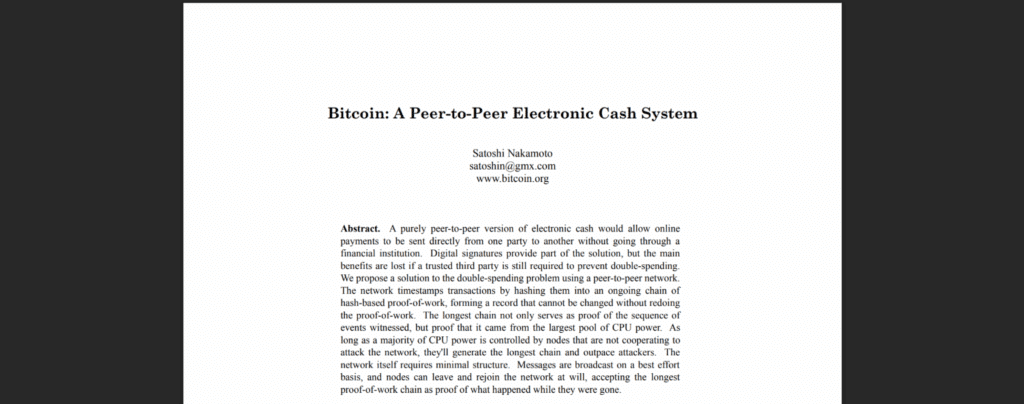
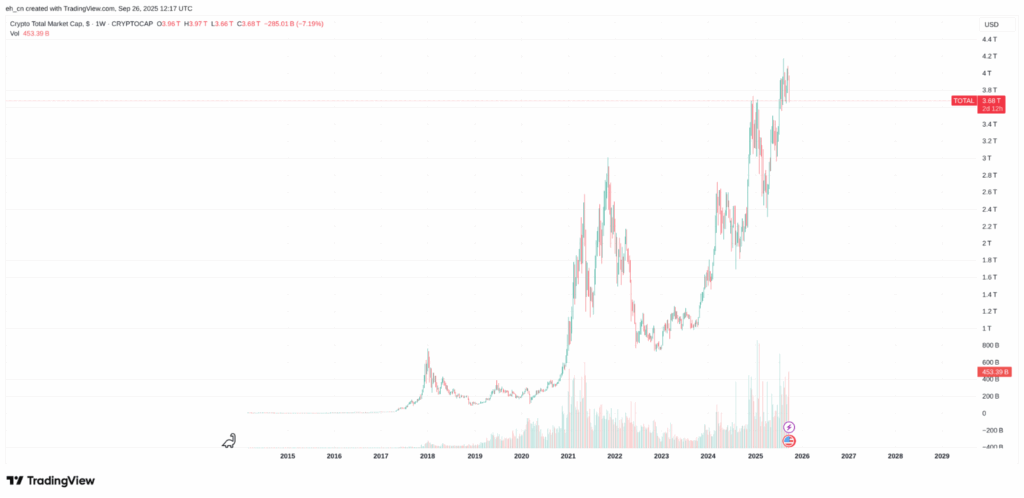
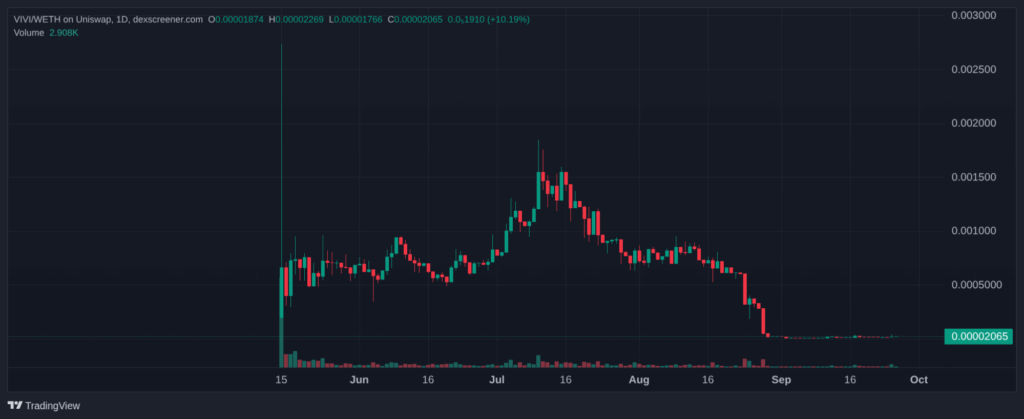
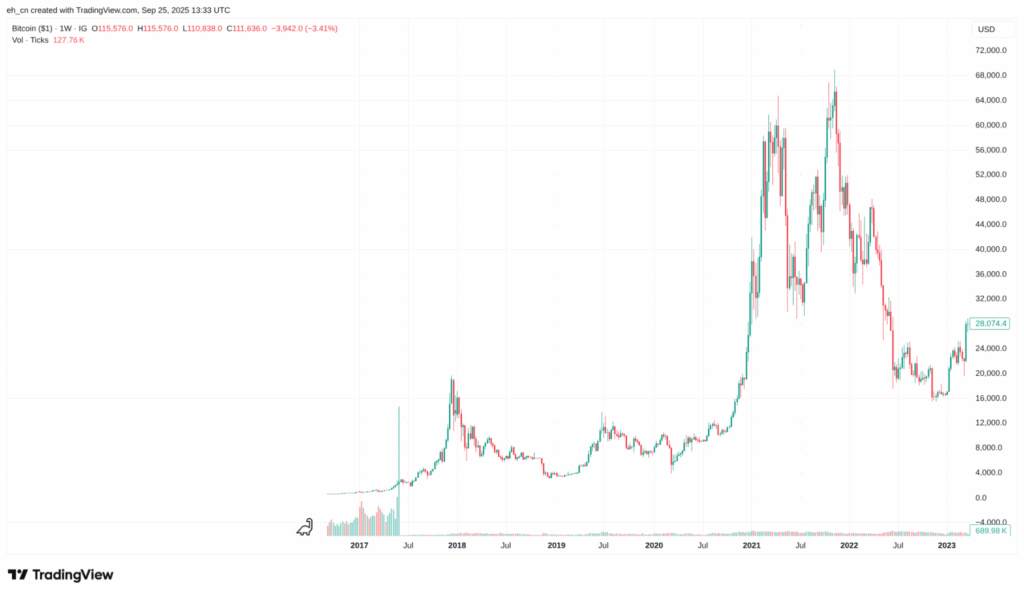
Cryptocurrency is still largely unregulated, meaning you may have limited recourse against scams and fraudulent activity. Although reputable crypto exchanges typically screen for scams and dubious projects, decentralized platforms still resemble the Wild West: bristling with opportunities, but fraught with peril. Many of the most common types of crypto scams parallel those found in traditional finance, although with a blockchain twist and little to no recourse if you get scammed. These include phishing scams in which a bad actor pretends to be someone else to gain information, such as your wallet seed phrase. Another common ruse is to ask you to send crypto, often accompanied by a sob story or a more elaborate romance scam. In most cases, cryptocurrency transactions can’t be reversed, and security in the crypto world is up to the user. While exchanges may offer some security measures, countless stories about exchange breaches and hacks put security in question. The high-profile FTX collapse also serves as a reminder that crypto exchanges can disappear overnight. Moving your crypto to a non-custodial wallet avoids exchange-related risks but requires you to take responsibility for your own crypto security. Web3 risks center on scams that aim to steal your cryptocurrency. For example, a website that masquerades as a legitimate website might utilize a malicious smart contract to steal tokens. Maybe you want to stake tokens to earn a yield. A few wallet clicks later, your wallet is drained. Maybe it’s a “support person” in an online discussion board, offering to “reset your wallet” after you ask a support question. No such process exists. It’s a scam to steal your seed phrase or private key wallet seed phrase. Cryptocurrency was born from the idea of being your own bank. The tradeoff is that we also need to manage our own security proactively. There’s no bank manager to solve our issue. Preventative measures on your part replace after-the-fact resolutions. Let’s examine some common crypto mistakes involving security basics. Some of the more common crypto mistakes parallel those seen in traditional finance, such as not choosing secure passwords, reusing passwords, and failing to enable two-factor authentication (2FA). A breached account puts your exchange assets at risk. However, cryptocurrency often requires two types of crypto wallets: custodial and non-custodial. Secure passwords and 2FA help to secure crypto trading platform accounts, which use a custodial crypto wallet. The exchange holds the keys, and your account credentials protect the balance. For secure storage, you might also use a non-custodial wallet in many cases. In this case, you hold the private keys to your wallet. These keys, or the seed phrase that can restore your wallet, must be stored offline to minimize the risk of malware and hacking. Fortunately, several proven tools can help you secure your exchange accounts and your crypto wallet. Password managers like Bitwarden can generate secure passwords and store them in a searchable, encrypted file. The app also supports 2FA. You can use an app like Google Authenticator to generate time-sensitive codes that can protect both your exchange account and your passwords. Crypto wallets come in two basic types: hot wallets, which store your private keys on an internet-connected device, and hardware wallets, also called cold wallets, which store your private keys offline. Whichever you choose, look for a wallet with a solid security record and features that protect your assets. Biometric logins prevent access when your device is unattended. Some hot wallets now also support Multi-Party Computation (MPC), which computes the private key on the fly using three sources. Common crypto mistakes fall into two categories: security-related oversights and crypto trading mistakes. Even if you’ve checked all the boxes on security, trading blunders can put your crypto stack at risk. Chief amongst these are overinvesting or risking more than you can afford. Crypto investing can produce staggering returns if you make the right moves and have a bit of luck on your side. However, there’s no sure thing in crypto, and market volatility or bearish sentiment can send promising tokens to bargain-basement pricing. This makes it wise to set investment limits for yourself based on an amount you can afford to lose. Bitcoin lost more than 75% of its value following the 2021 bull market, dropping to less than $16,000 from a 2021 high of nearly $70,000. Long-term investors saw a recovery, but those who had bought more than they could afford had to take a loss or wait it out. Take an honest assessment of your budget before investing. The reality is that even the most established cryptocurrencies can lose most of their value when markets turn. If you can afford $10 weekly comfortably, that may become your limit. This disciplined approach also helps prevent impulsive decisions. Several strategies can help you manage risk for crypto trading. These include time-tested concepts like dollar-cost averaging (DCA) and the 1% rule. Crypto’s ups and downs can have similar effects on our emotions, sometimes leading to impulsive trading decisions. Many of the biggest crypto mistakes stem from FOMO buys or panic selling. Let’s examine the drivers and then address these common crypto mistakes. The Fear of Missing Out (FOMO) occurs when charts go parabolic. Traders rush in to buy because the chart is running and they don’t want to miss out on the profit. Few charts demonstrate this better than the 2021 bull market. Bitcoin pumped from about $12,000 up to nearly $70,000. A good part of the run-up can be attributed to FOMO. As prices continued higher, new buyers joined the fray. The party didn’t last, however. 2022’s bear market sent BTC back under $16,000 before it began a slow recovery. This same pattern occurs on crypto charts throughout the space, but some coins never recover, and that’s the real cost of FOMO. Those last FOMO buyers have the highest cost basis, making it much harder to recover the loss if the market turns south. Every good crypto trading strategy begins with an understanding of trading psychology. If you suspect FOMO buying or panic selling by others, it’s time to look at trading indicators to see if there’s an opportunity to profit from a reversal. This shift puts you on the other side of the euphoria or panic and leverages well-planned trades over impulsive trades. Crypto’s volatility triggers two powerful emotions: fear and greed. One of the most popular tools for trading insights, the Crypto Fear and Greed Index, centers on this dynamic. Fear makes people sell at market bottoms. Greed causes them to buy market tops. A prudent approach to trading considers the big picture, utilizing indicators to inform trading decisions. There were clues before the 2002 crash. Volume waned, and RSI (Relative Strength Index) signaled a reversal long before BTC plunged back into the teens. Well-planned trades can help build your portfolio value, but it’s possible to have too much of a good thing. The emotional effects of frequent trading can lead to burnout and less well-reasoned trading decisions. Let’s discuss the cost of overtrading, one of the most common crypto trading mistakes. The metaphor about spinning plates also applies to crypto trading. Trying to watch too many things in motion can lead to a disaster, and putting the pieces back together may be impossible. At any given time, there are hundreds of promising trades to be found. Pick one rather than chasing several. Over time, introduce a few more trades, being mindful of your ability to track the details for each. Often, it’s better to focus on a few crypto assets you know well rather than try to keep up with dozens. Crypto trading isn’t a workout routine where you push yourself to do one more rep. Burnout from too much trading is real, and it can be costly, both emotionally and financially. Learn to know your healthy limits. Consider using breaks and screen-time schedules to avoid burnout and avoid overreactions to market “noise” that can lead to impulsive trading decisions. Most day traders lose money, and the crypto mistakes discussed in this guide are often the cause. Early investors in Solana, Ethereum, and similar leading cryptocurrencies became millionaires due to their conviction in the long-term vision. $100 invested in Ethereum in 2015, when it traded for $1.00, would be worth more than $400,000 today. The term “HODL” (Hold on for Dear Life) originated as a misspelling of “HOLD,” but it became a mantra that minted millionaires. Earlier, we discussed the importance of DYOR. Once you find a project that checks all the boxes (solid tech, strong team, good tokenomics, promising market), look for your opportunity to DCA and see where it goes. Markets change and competitors may arise, but some of the most successful traders don’t trade at all; they invest. In a market where frog-themed memecoins capture headlines, it’s essential to distinguish between hype and lasting value. Memecoins and the hottest new tokens can provide trading opportunities, but weigh the long-term potential when allocating an investment amount. The best long-term crypto investments have staying power due to wider adoption, decentralization, or disruptive technology. Diversification in crypto reduces risk, but how you diversify your portfolio makes a difference as well. Ideally, you’ll want to own a healthy mix of coins that address distinct markets. Top cryptos for diversification include assets such as BTC, ETH, SOL, XRP, and LINK. Once you have a solid portfolio of long-term investments, you can experiment with strong memecoins or trade popular cryptocurrencies using a smaller amount of your investment capital. You’ll also want to diversify where you hold your crypto. Earlier, we discussed the risks of storing crypto on an exchange, so you’ll want to use a non-custodial wallet. However, it’s prudent to utilize more than one wallet, especially if you expect your assets to increase in value. If your wallet’s seed phrase or private keys become compromised, that wallet only holds part of your crypto stack. Bitcoin typically moves the market, but its degree of influence changes over time. You may want to rebalance your portfolio over time, taking some profits from overperforming assets and investing in assets you believe will perform well in the next stage of the cycle. For example, when Bitcoin Dominance falls, the price of Bitcoin may continue rising on lower volume, but many traders are taking profit and moving to altcoins. The best crypto portfolio allocation typically includes a mix of blue-chip and speculative plays, but it may require periodic rebalancing based on market cycles. Crypto’s volatility makes it popular for short-term trading, but also contributes to boom/bust market cycles. Remember, markets won’t go up forever, and it’s essential to prepare for inevitable downturns. Bull and bear markets in crypto differ in scale from those seen in traditional investment markets, such as the stock market. Bull markets can multiply your portfolio value several times over, whereas a bear market can see your portfolio value decline by 70% or more. These wide swings aren’t for the faint of heart, but they create profit opportunities. Most legitimate crypto projects perform well in the bull market. Bear markets offer the opportunity to position with the best altcoins for the next bull run. Bear markets also provide buying opportunities, allowing you to acquire undervalued assets. By identifying the best cryptos to buy during the bear market and confirming each with your own research, you can outperform the market when the bull market returns. Avoid panic selling during bear markets, one of the biggest crypto bear market mistakes. Patience and planning are key. Asset prices don’t go straight up in a bull market nor straight down in a bear market. Plan your long-term trades, conduct your own research, and exercise patience. Bitcoin took 16 years to reach $100k, with several bear markets and panic selling along the way. DCA your high-conviction plays. Trading crypto isn’t free, but it doesn’t need to be expensive either. The key is to know what costs can affect your profitability over time and to minimize those costs. Let’s examine some of the fees that can affect your crypto activities. First, let’s discuss transaction fees. When you buy crypto on an exchange and withdraw to a non-custodial crypto wallet, you’ll pay a gas fee. This type of transaction fee is typical for crypto wallet-to-wallet transactions, but catches many new traders by surprise. However, this doesn’t mean you should limit your investments to the cryptos with the lowest network fees. Larger considerations include spreads and trading fees. A spread refers to the difference in price between the lowest ask price (selling price) and the highest bid price on a trading platform. When you use a market order, you’re paying this spread, which can add up on larger trades or cumulatively. However, exchanges that offer quick-buy tools also use a spread. In this case, the spread acts like a markup to lock in a price quote – and it isn’t always crystal clear that you’re paying a spread. This type of spread can add 1% or more to the buying price. Trading platforms also charge trading fees and transaction fees (credit/debit cards). These vary based on the provider and type of trade, with the most expensive option being “instant buy” widgets or third-party providers. The least expensive way to buy crypto is typically to fund your account with a bank deposit and then use an advanced trading platform that supports limit orders (you set the price). You can usually find the true cost of fees with a bit of digging, but there are some other hidden costs to consider. You don’t need to know everything at once. Instead, consider starting small and growing your positions using dollar-cost averaging. When you’re just getting started, stick to the basics. Trade smarter, not harder. Start with a top cryptocurrency like BTC or ETH and build your core positions as you learn. As you become more comfortable with trading platforms, you can branch out to satellite assets and begin using more complex trading strategies. Crypto mistakes are part of the process, and even if you follow most of the suggestions in this guide, mistakes will happen. Following best practices will help to keep these mistakes smaller, turning them into valuable learning experiences instead of catastrophic losses. As always, remember: crypto is volatile. Never invest more than you can afford to lose. The most common crypto tax mistakes involve ignoring taxable events, poor record-keeping, and not reporting income. Become familiar with tax laws for digital assets in your jurisdiction and keep good records regarding cost basis for purchases. Double-check the receiving address (or scan a QR code or copy/paste to prevent errors) and send a small test transaction first. Ensure that you use the correct network for the asset you’re sending. Avoid choosing a platform with poor liquidity, questionable security, or high fees. Typically, larger and well-established exchanges make a better choice. Beginners often assume that all stablecoins will maintain their peg to their anchor asset, such as USD. Algorithmic stablecoins played a big role in the 2022 market crash. Favor asset-backed stablecoins with transparent disclosure. Crypto influencers could be part of a pump and dump scheme. Another common problem is a chart that goes parabolic following a shoutout of a smaller coin. FOMO buying ensues and the chart will likely retrace later. Established in 2013, 99Bitcoin’s team members have been crypto experts since Bitcoin’s Early days. Weekly Research Monthly readers Expert contributors Crypto Projects ReviewedHow to Avoid This Mistake
2. Falling for Scams and Frauds
Common Crypto Scams and Red Flags
Increasing Your Web3 Security
How to Avoid This Mistake
3. Ignoring Security Basics
Passwords, 2FA, and Wallet Safety
Top Tools to Secure Your Crypto
How to Avoid This Mistake
4. Overinvesting or Risking More Than You Can Afford
Setting Smart Investment Limits
Managing Risk in Volatile Markets
How to Avoid This Mistake
5. Letting Emotions Drive Your Trades
The FOMO Effect Explained
Trading Psychology Basics
How to Avoid This Mistake
6. Overtrading and Constantly Chasing the Market
The Cost of Doing Too Much
Recognizing Burnout and Noise
How to Avoid This Mistake
7. Focusing Only on Short-Term Gains
Why Long-Term Vision Matters
Short-Term Hype vs. Real Value
How to Avoid This Mistake
8. Neglecting to Diversify Your Portfolio
Don’t Put All Your Coins in One Wallet
Building a Balanced Portfolio
How to Avoid This Mistake
9. Ignoring Market Volatility
Navigating Bull and Bear Markets
Crypto Isn’t a Straight Line
How to Avoid This Mistake
10. Overlooking Fees and Hidden Costs
Understanding Gas Fees, Spreads, Charges
What Platforms Don’t Always Tell You
How to Avoid This Mistake
Final Thoughts: How to Avoid Crypto Mistakes
FAQs
What are the most common crypto tax mistakes beginners make?

How can beginners avoid mistakes when transferring crypto between wallets?
What mistakes should beginners avoid when choosing a crypto exchange?
What are the biggest beginner mistakes when using stablecoins?
How can following crypto influencers lead to common mistakes?
References

Why you can trust 99Bitcoins