






In This Article
D’CENT and Ledger Nano X are leading hardware wallets with institutional-grade security in a cold storage environment. Both options suit storing high-value crypto portfolios across multiple chains, yet choosing between the two depends on core priorities.
This D’CENT Wallet vs Ledger Nano X comparison reveals everything you need to make an informed decision, including pricing, security features, supported cryptocurrencies, and the overall user experience. Read on to select the right cold wallet for you.
D’CENT Wallet vs Ledger Nano X – Quick Summary
While both hardware wallet models make our list of the best bitcoin wallets and offer similar characteristics, D’CENT Wallet is the better option for users who prioritize security above all other factors. It features fingerprint biometric and PIN security, multi-wallet support, and allows imports from MetaMask and other third-parties. D’CENT is also slightly more affordable, and beginners typically enjoy a smoother user experience. The GasPass program on D’CENT that enables fee-less onchain transaction is also commendable.
Ledger Nano X, which is more established and has a much larger customer base, offers a wider range of blockchain standards and cryptocurrencies. Experts also note that Ledger models have undergone more security testing, so they remain a good option for users who favor more extensive audits and community scrutiny.
Key Takeaways
- Both D’CENT Wallet and Ledger Nano X are recommended for long-term holders and investors with high-value portfolios.
- D’CENT Wallet edges Ledger Nano X in the security department, with transaction authorization requiring biometrics and a PIN.
- Ledger Nano X is more established and battle-tested, and it supports a wide range of cryptocurrencies.
- Multi-wallet support and gasless transactions on D’CENT are two features that greatly improve onchain user experience.
- Ledger Nano X is a better fit for accessing built-in features like fiat purchases and instant token swaps.
Comparing Key Features
| D’CENT Wallet | Ledger Nano X | |
| Supported Coins and Tokens | 4,600+ | 5,000+ |
| Pricing | $139 | $149 |
| Mobile App | Yes, iOS and Android | Yes, iOS and Android |
| NFT Support | Yes | Yes |
| Trading Tools | Yes, built-in fiat gateways and instant token swaps (third-party service) | Yes, built-in fiat gateways and instant token swaps (third-party service) |
| dApp Explorer | Yes, built-in dApp browser and WalletConnect | No, users connect via third-party wallets like MetaMask |
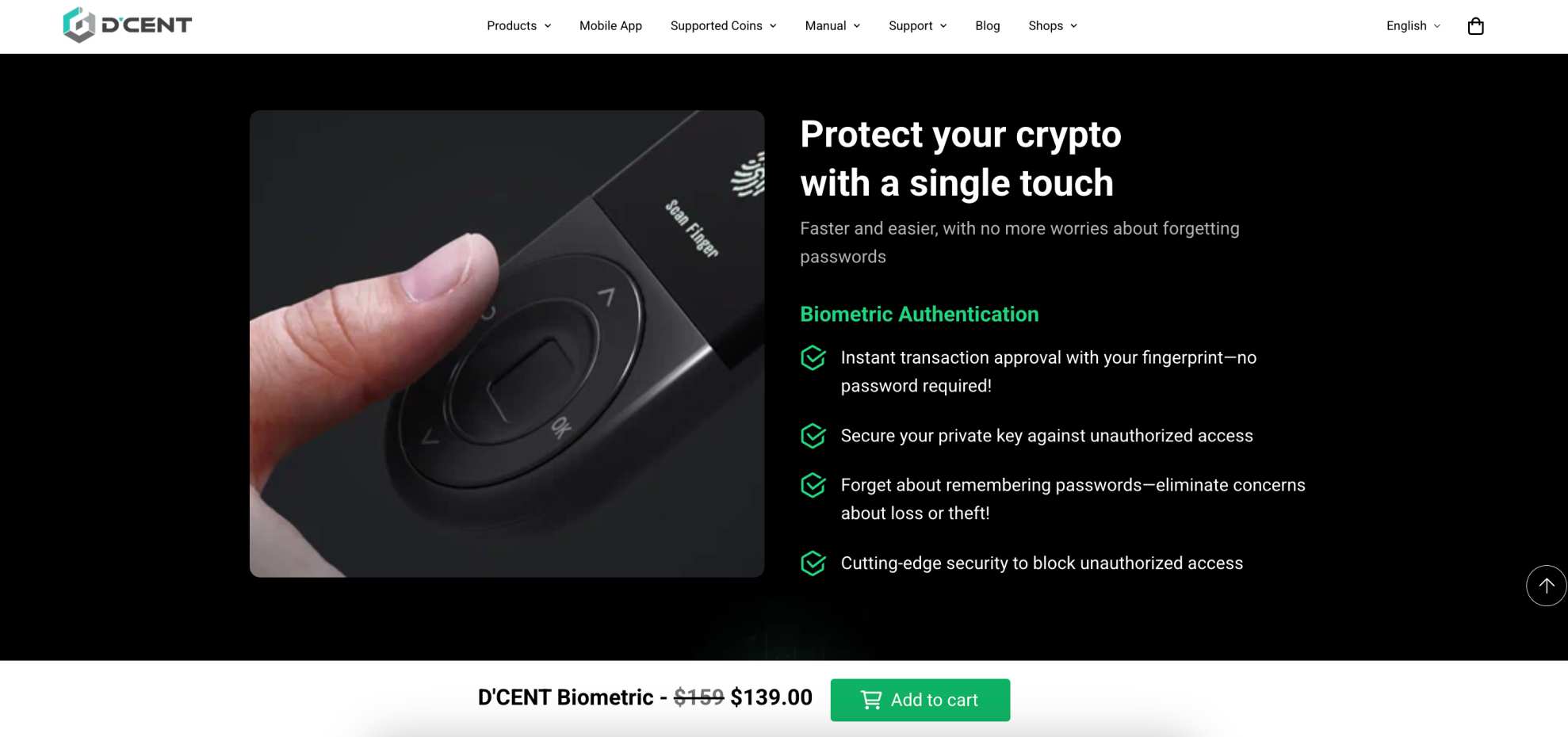
| Transaction Approval | Biometrics and PIN | PIN |
| Bluetooth | Yes, Bluetooth 4.1 | Yes, Bluetooth 5.0 |
What are D’CENT Wallet and Ledger Nano X?
To begin this D’CENT Wallet vs Ledger Nano X review, we briefly explore some background information about each provider. After that, we’ll scrutinize core features in more detail.
D’CENT Wallet Overview
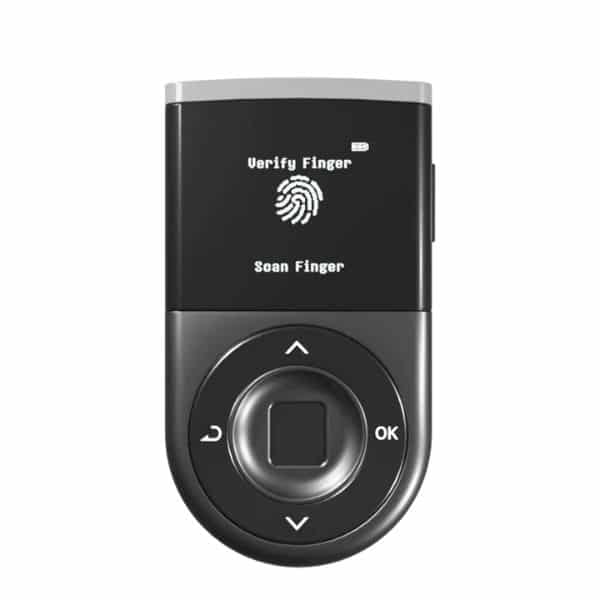
Founded in 2017, D‘CENT is a hardware wallet manufacturer located in South Korea. The firm launched its cold wallet device the following year, becoming the first model to combine biometric technology with conventional PIN access. Users must provide both credentials when approving transactions, protecting crypto balances even in the event of theft.
The wallet supports over 4,600 digital assets, including Bitcoin, Ethereum, and Solana. It also allows custom tokens on popular standards like ERC-20 and SPL. With the v8.1.0 update, D’CENT introduced multi-wallet support allowing users to create up to 100 app wallers under a single interface. It came after the GasPass update which introduced gas-less transactions for D’CENT users to simplify first-time transactions and dApp interactions.
Since its inception, over 200,000 people have purchased the D’CENT Wallet across 220 countries. The provider is renowned for offering institutional-grade security at an affordable price – D’CENT Wallet retails for just $139.
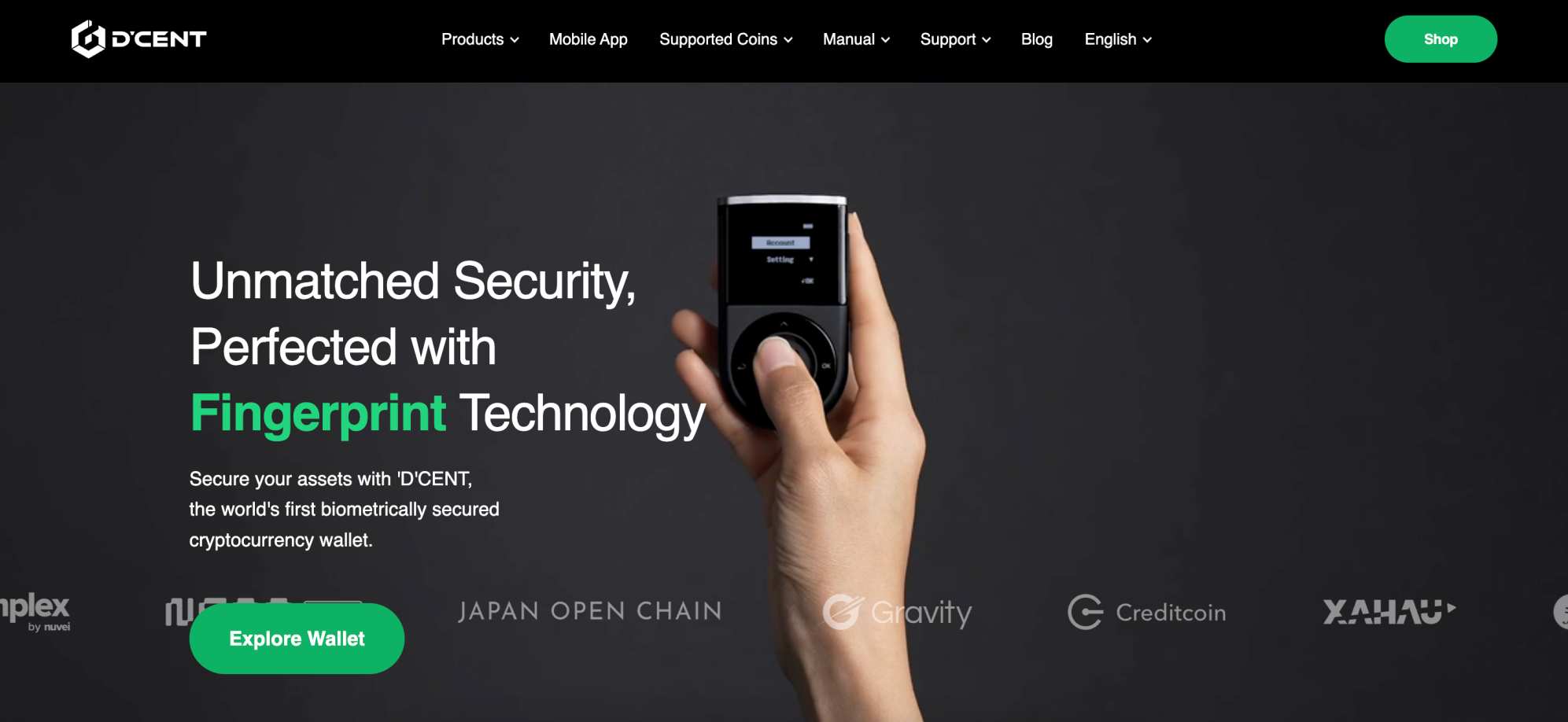
In addition to its primary biometric device, D’CENT also offers a Card Wallet. This wallet, which costs just $38, is a credit-card-sized device that uses Near Field Communication (NFC) technology to enable mobile crypto transactions. Users authorize transfers by tapping the card on their smartphone, so it’s less secure than its biometric counterpart.
Ledger Nano X Wallet Overview
Ledger launched in 2014, making it one of the original hardware wallet providers. With over 7 million devices sold globally, Ledger is a trusted name in the cold storage industry, particularly with large-scale custodians like exchanges and institutional funds. Ledger offers several models at varying prices, although the Nano X remains the most popular.
The Ledger Nano X retails for $149, and encrypted private keys and offline storage ensure safety. To approve transactions, users enter their PIN on the device, which means biometrics aren’t required, like D’CENT.
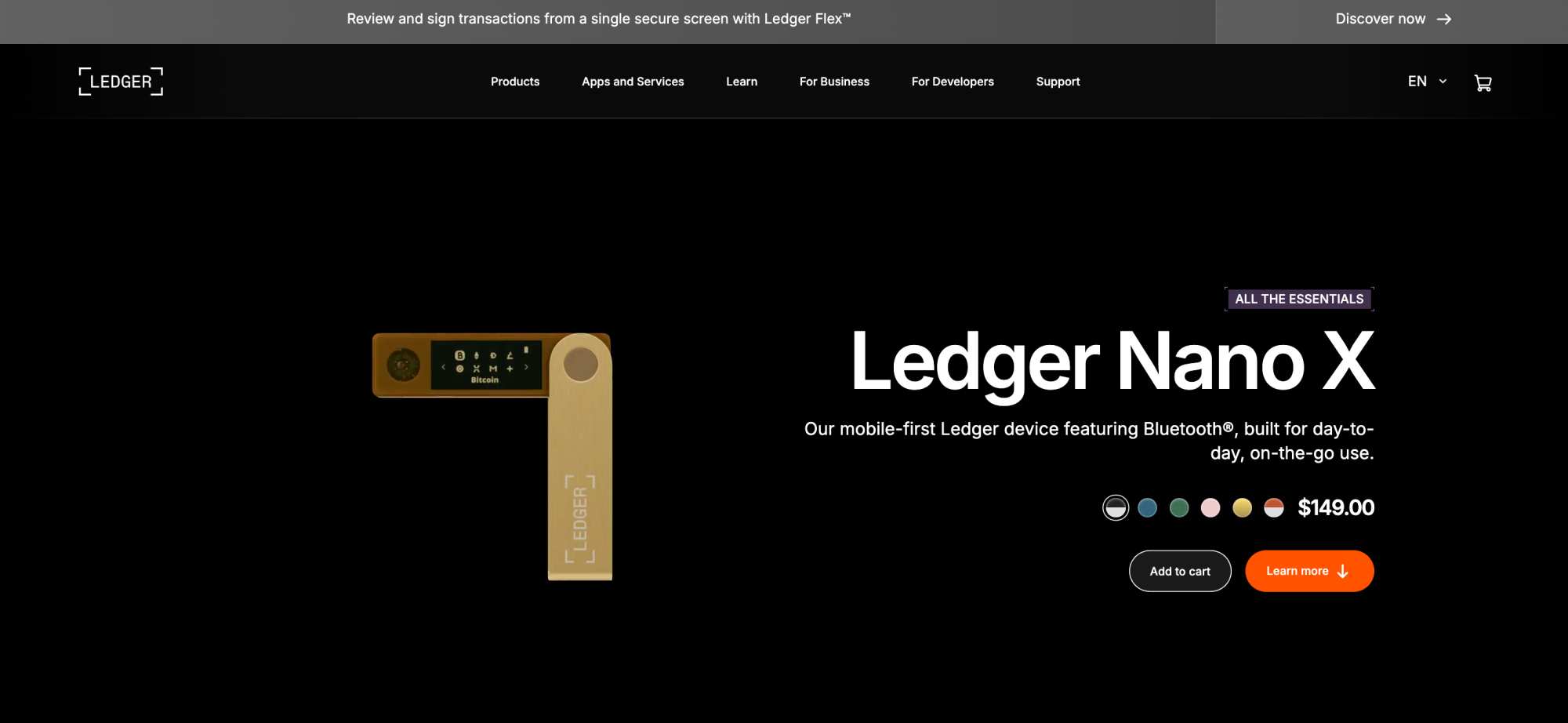
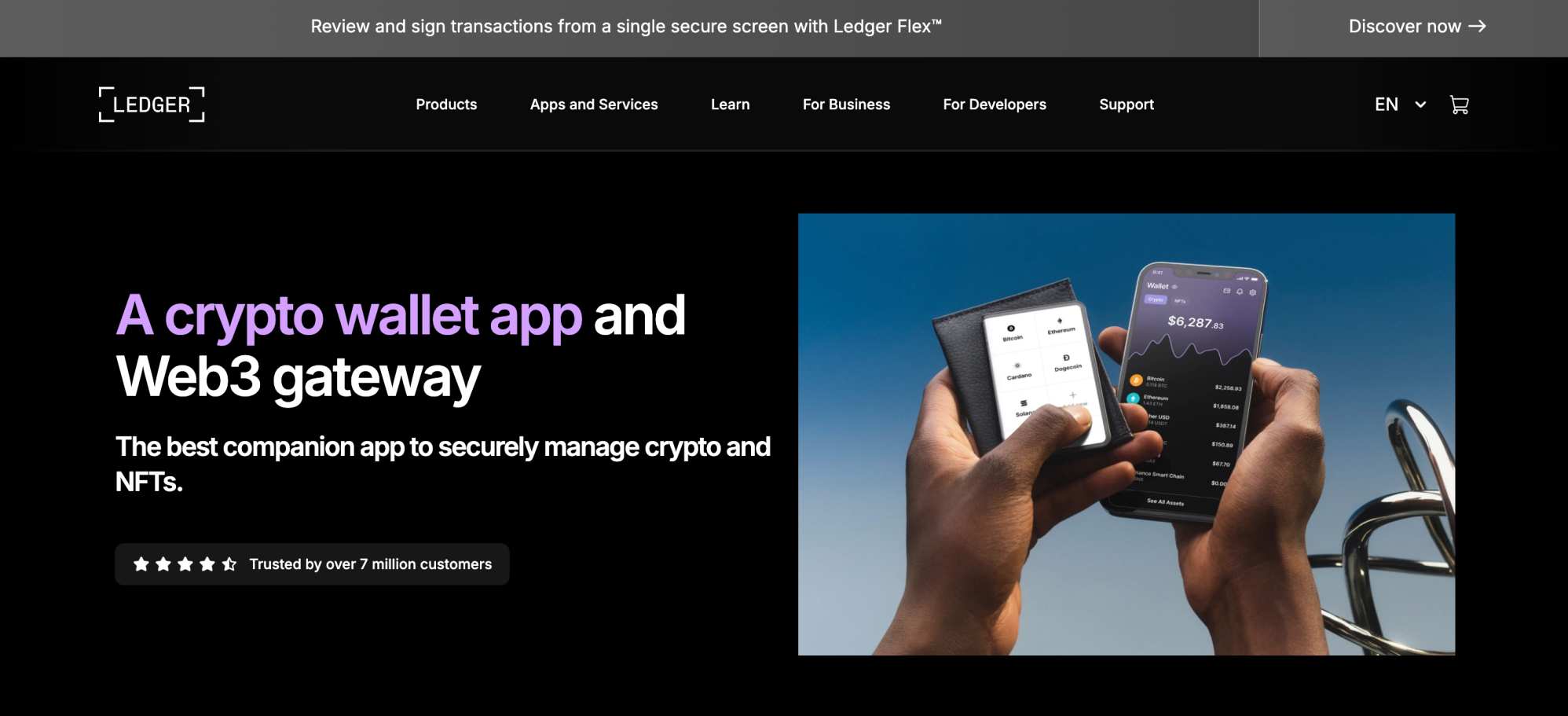
The wallet supports over 5,000 crypto assets, including the best altcoins like Dogecoin, BNB, and Arbitrum. The native app and desktop software, Ledger Live, offers a feature-rich experience. Built-in tools offer fiat purchasing (e.g., credit cards and PayPal), instant token swaps, and staking services.
Supported Cryptocurrencies
Available digital assets are a key factor when exploring the best hardware wallets. The ideal solution is to store all coins and tokens in the same wallet location, making it safer and more convenient to manage investments.
D’CENT Wallet and Ledger Nano X natively support about 4,600 and 5,000 cryptocurrencies, respectively. This includes the market leaders Bitcoin, Ethereum, Solana, and BNB, as well as niche tokens such as the best meme coins like Dogecoin and Shiba Inu.
Both providers allow users to add custom tokens, although they must support the underlying blockchain. For example, as both wallets are compatible with Solana, they also work with millions of additional SPL tokens. Users copy and paste the token’s contract address into the wallet’s app and transfer funds accordingly.
Web3
Our D’CENT Wallet vs Ledger Nano X comparison shows that D’CENT is the better option for Web 3.0 accessibility.
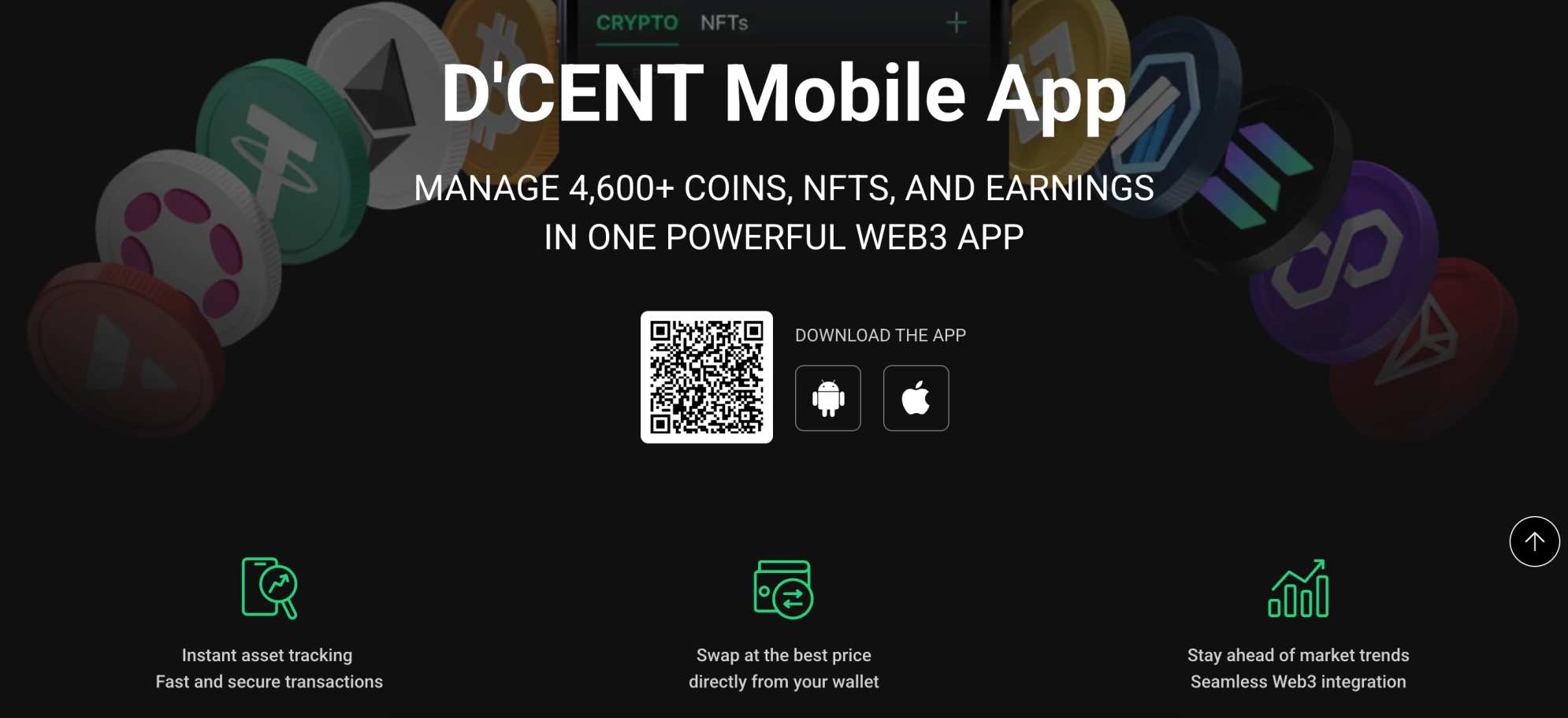
The D’CENT’s mobile app has a built-in dApp explorer that lets users connect to decentralized applications (dApps) securely. This includes decentralized exchanges (DEXs) like Uniswap and PancakeSwap, plus DeFi ecosystems like Compound, MakerDAO, and Yearn.finance. With the recently introduced multi-wallet support updates, users can create app wallets for various DeFi activities from lending on Aave, trading on Uniswap, and staking on Lido. The multi-wallet support allows the creation of up to 100 app wallets, which can be managed under a single interface, ultimately giving users the extra web3 flexibility and allowing better DeFi organization.
D’CENT Wallet also supports WalletConnect, giving users access to thousands of additional dApps. WalletConnect is also ideal for investing in the best crypto presales, which typically require wallet-to-wallet payments. Unlike software wallets, D’CENT connects to dApps only when the user provides approval via biometrics and PIN, ensuring a safe Web 3.0 experience.
Ledger Nano X is significantly more limited. WhileWeb 3.0 exposure is possible, the process is cumbersome. Users must initially connect Ledger to a third-party software wallet like MetaMask, and then link it to their preferred application. This extra step means managing two wallets, making Ledger unsuitable for active DeFi investors.
If you’re into NFTs, D’CENT is also a better choice. It supports NFTs from multiple blockchain standards, including Ethereum, BNB Chain, Polygon, and Songbird. Stored image NFTs (e.g., digital artwork like Bored Ape Yacht Club) are viewable in the D’CENT mobile app with full marketplace compatibility. Ledger Nano X natively supports Ethereum NFTs, yet other standards like Solana and Polygon require integration with third-party wallets.
Fees
This section explores D’CENT vs Ledger fees, including device prices and third-party services.
Wallet Prices
D’CENT charges $139 for its biometric wallet, while the Ledger Nano X costs $149. The price difference is negligible, so it isn’t a core factor when choosing a provider.
That said, the D’CENT Card Wallet is a lot more affordable at just $38, although remember that security isn’t as robust compared with the main biometric device.
In terms of shipping fees, D’CENT and Ledger Nano X both offer free delivery to select countries, including the U.S. and the UK. Buyers must cover import duty and taxes, if applicable in their country.
Note: There are no fees to receive and store cryptocurrencies, like most wallet providers. Users pay network fees when transferring funds to another wallet, but neither provider adds a markup.
Third-Party Services
Both hardware wallets offer third-party services at additional fees.
D’Cent partners with Simplex for fiat transactions, so while you can buy cryptocurrencies with credit cards and e-wallets, fees are on the high side. For example, Simplex charges between 3.5% and 5% on Visa and MasterCard payments, and the minimum fee is $10. This structure amplifies the variable fee on smaller orders.
D’Cent users can swap tokens without incurring additional fees, although external exchanges build charges into the quoted rate. Whether the rate is competitive varies by crypto pair and amount. As such, users should check quotes against spot prices before they confirm.
Ledger Live also relies on third parties for fiat and swap services, but it partners with a much larger number of providers. This means that fees are often more competitive, although just like D’Cent, they’re built into the variable quote.
If fiat and swap fees are important to you, consider using a traditional exchange. Platforms like MEXC and Margex are much cheaper, and you can easily transfer those assets to the wallet once the purchase is complete.
| D’CENT Wallet | Ledger Nano X | |
| Wallet Pricing | $139 | $149 |
| Shipping Fees | Depends on the country | Depends on the country and order |
| Fiat Purchase Fees | Based on Simplex quotes | Based on multiple gateway quotes |
| Token Swap Fees | Provided by third parties and built into the exchange rate | Provided by third parties and built into the exchange rate |
| Native Gasless transactions | Possible with GasPass program | No |
User Experience
D’CENT Wallet comes as a small pocket-sized device that weighs approximately 36g. It uses a wide OLED display, ensuring a smooth user experience when checking transaction details.
It takes about five minutes to get everything set up. Users connect to the device via the D’CENT app and write down their 24-word passphrase (shown on-screen). They also secure the wallet with fingerprint biometrics and a 4-8 digit PIN, with the credentials used to approve outgoing transactions and third-party connections. The mobile app for iOS and Android is clean and user-friendly, and pairs seamlessly with the device via Bluetooth 4.1 or USB-C cable. We also have to note that the multi-wallet support and gasless transactions on D’CENT are two features that greatly improve onchain user experience.
Regarding third-party services, D’CENT offers a built-in dApp browser and WalletConnect support. This compatibility makes DeFi and DEX access simple and secure — users transact on the native app and approve transfers on the physical wallet device.
Ledger Nano X is slimmer than the D’CENT Wallet and weighs about 34g. The USB-style device has a smaller OLED display, making it slightly more cumbersome to review transfer requests. Readability is also less convenient, with the smaller screen requiring users to scroll when checking longer details (like wallet addresses).
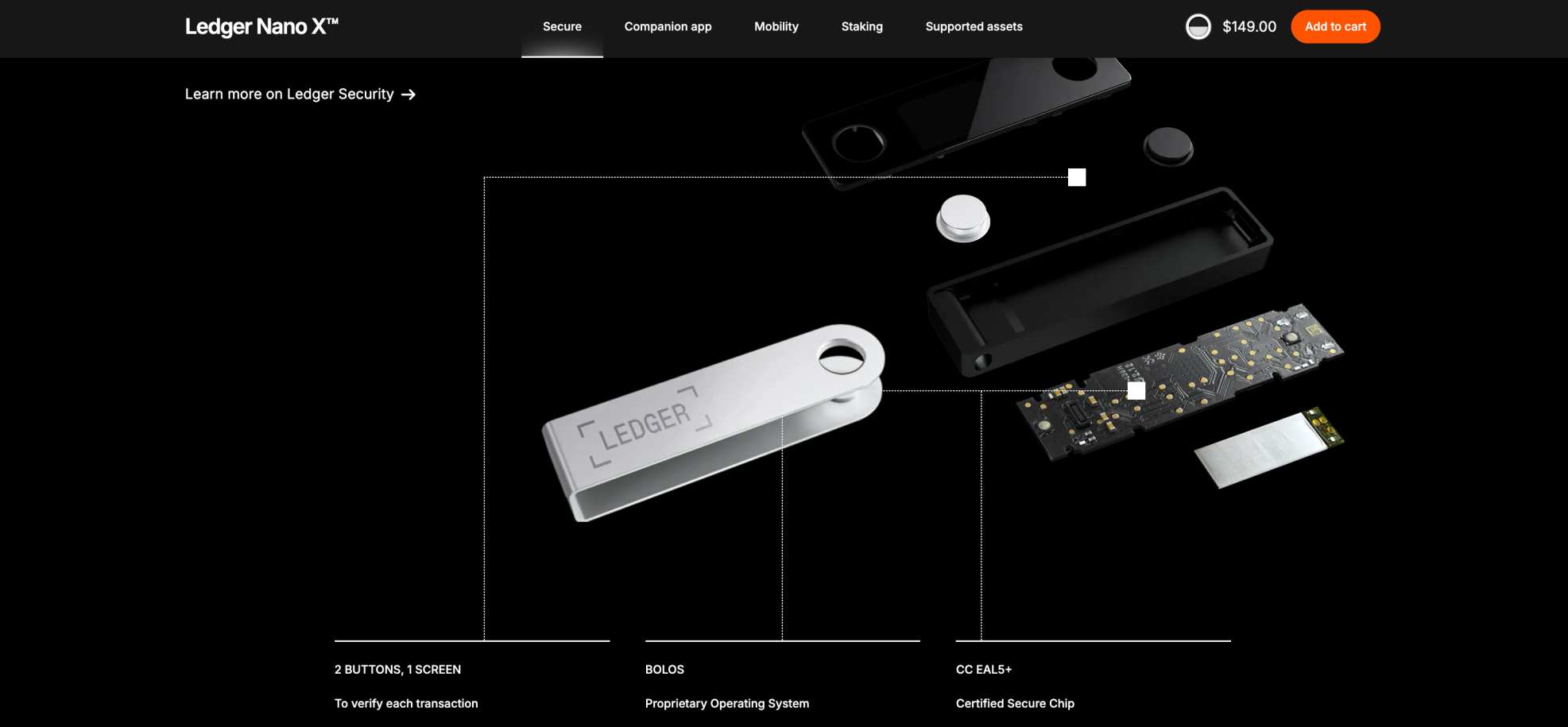
Users need Ledger Live when setting up the wallet, although unlike D’CENT, they can choose between a mobile app and desktop software. After securing the 24-word passphrase and choosing a PIN, users generate new wallet addresses for their preferred cryptocurrencies. The wallet supports Bluetooth 5.0 and USB-C for device pairing.
We found that Ledger Nano X’s main drawback is dApp connectivity, as users must connect to third-party software wallets. While the process is safe, users need to manage two separate interfaces.
Mobile Apps
D’CENT’s app is needed for all wallet actions, including sending and receiving cryptocurrencies, connecting to dApps, and buying, selling, and swapping tokens. As a hardware solution, the wallet only sends funds when approved on the device. This step requires both biometrics and PIN. D’CENT now supports instant switching between up to 100 app wallets and includes GasPass, which can cover gas on select networks to simplify first-time transactions.
The app supports NFT compatibility, including full digital artwork galleries. In addition to a complete transaction history, D’CENT offers portfolio management tools. It displays real-time crypto balances in the preferred currency, including individual performance and overall portfolio values.
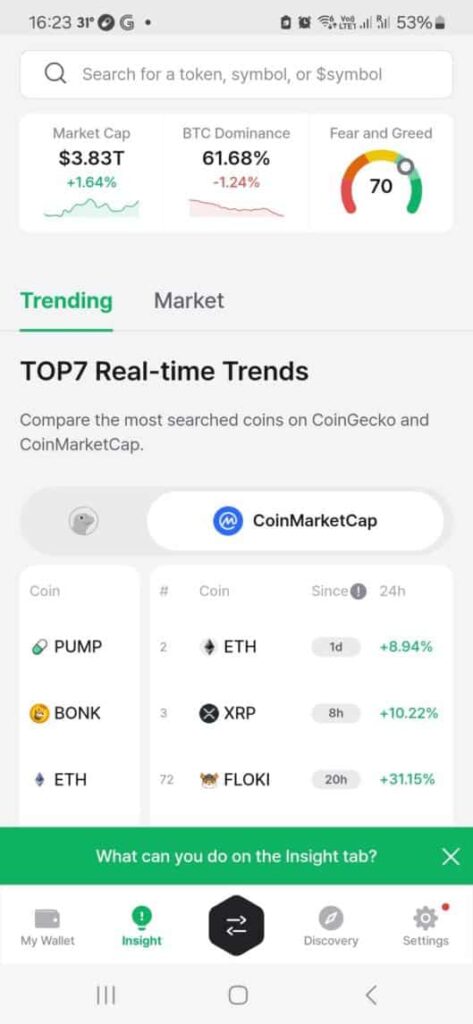
While some users prefer the desktop software for Windows and Mac, the Ledger Live app is also user-friendly. Users can easily create new wallets, deposit cryptocurrencies, make transfers, and buy tokens with credit cards and other fiat methods. The mobile app also allows instant token swaps, eliminating reliance on centralized exchanges.
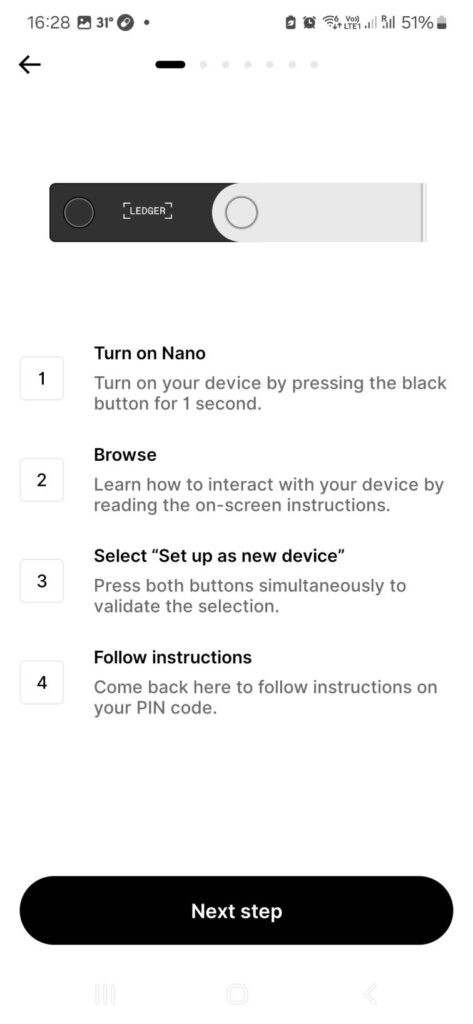
The approval process works similarly to D’CENT — users transact on the app and authorize wallet movements on the Ledger device. However, Ledger requires only a PIN, while D’CENT users must also provide biometrics.
D’CENT App Major Updates
On December 4, 2024, D’CENT dropped a pretty chunky app update that affects the stuff you actually notice day to day. In the “My Wallet” tab, you can now sort wallets by balance value based on your local currency, so your bigger holdings rise to the top automatically. They also called out a change for XRP Ledger users: the XRPL base reserve requirement went from 10 XRP down to 1 XRP, and token accounts have a 0.2 XRP maintenance cost.
On the network side, D’CENT stopped letting people create new Beacon Chain accounts inside the app, and if you already had a Beacon Chain account, they pointed you to in-app support.
Same update also cleaned up how coin names show across the app and added a “Labs” section in Settings, where they tucked things like the Testnet toggle, Custom Derivation Path Accounts, and Clear Cache.
In November 2025, D’CENT added multi-wallet support to the app. So instead of juggling one setup forever, you can create, import, and delete multiple app wallet accounts inside one installation.
D’CENT says you can create up to 100 wallet accounts and label them by purpose, which is handy if you like keeping long-term holdings separate from DeFi activity, NFTs, testing wallets, or travel wallets.
They also added an import flow for bringing wallets in from apps like MetaMask and Phantom using a 12 or 24 word recovery phrase, and they note that external wallet compatibility can mean turning on a custom path option in Settings. Wallet deletion was added too, which helps if you want to clean up old accounts you do not use anymore.
Later on On December 4, 2024, D’CENT dropped a pretty chunky app update that affects the stuff you actually notice day to day. In the “My Wallet” tab, you can now sort wallets by balance value based on your local currency, so your bigger holdings rise to the top automatically. There was also a change for XRP Ledger users: the XRPL base reserve requirement went from 10 XRP down to 1 XRP, and token accounts have a 0.2 XRP maintenance cost.
Ledger Nano X vs D’CENT Wallet Features
Ledger Nano X and D’CENT offer similar tools, with third parties handling secondary services like fiat purchases, token swaps, and staking. This framework means that both wallets focus on core strengths: providing crypto storage and reliable transaction processing while maintaining institutional-grade security.
Regarding firmware, D’CENT allows wireless updates for enhanced protection. The app downloads the update and transfers it to the wallet device via Bluetooth. In contrast, Ledger Nano X offers partial over-the-air updates, as users still need to connect with the Ledger Live app.
Both wallets support extra passphrases for added security, with users choosing a custom 25th word.
An optional, albeit controversial feature is Ledger Recovery. This paid service allows users to store their seed phrase on the cloud. While the phrase is split and encrypted, and allows simple recovery, it introduces centralization to wallet ownership.
| Hardware Wallets | D’CENT Wallet | Ledger Nano X |
| Fiat On-Ramp | Yes | Yes |
| Cross-Chain Swaps | Yes | Yes |
| Custom Tokens | Yes | Yes |
| Interface Operating Systems | iOS, Android | iOS, Android, Windows, Mac, Linux |
| Firmware Updates | True over-the-air | Partially over-the-air (Ledger Live connection) |
| Custom Passphrase | Yes, 25th word only | Yes, 25th word only |
| Cloud Seed Storage | No | Yes, Ledger Recovery |
Customer Service
Despite being a paid wallet service, D’CENT Wallet lacks live chat support — a surprising outcome considering its global customer base. It offers a telephone support line, but it uses the South Korean country code, resulting in toll charges.
The wallet provider also offers an email address, although response times vary depending on its backlog. The only other option is to contact D’CENT Wallet on social networks. Its team operates on Facebook, X, and Instagram. The website does not provide customer support times, so they likely follow standard business hours.
Ledger Nano X has a more customer-centric support system, including a 24/7 live chat feature. Users initially connect with an AI bot, yet after three attempts, they’re connected with a human agent. However, during busy periods, support agents are sometimes not available for several hours. Another option is to submit a support ticket, although response times can be slow. Official representatives are often active on Reddit and other social channels.
| Customer Support | D”CENT Wallet | Ledger Nano X |
| Operating Hours | Not stated | 24/7 |
| Telephone | Yes | No |
| Live Chat | No | Yes |
| Yes | Yes | |
| FAQ Center | Yes | Yes |
Important: Scammers impersonate wallet providers like D’CENT Wallet and Ledger Nano X, particularly on social media. Ensure you speak with an official support agent and never send them your wallet credentials.
Regulation and Security
Neither D’CENT Wallet nor Ledger Nano X is regulated or licensed. As non-financial institutions, they are not legally required to register with regulatory bodies, either domestically or internationally. Both wallets use third-party gateways when handling fiat payments — these providers are often licensed in several regions.
As highly rated hardware solutions, D’CENT Wallet and Ledger Nano X offer institutional-grade safety features. Our research shows that D’CENT offers slightly more robust security, considering users approve transactions with biometrics and a PIN. Ledger also requires a PIN, but biometrics are not necessary.
24-word backup passphrases are a commonly shared feature. These allow customers to recover their wallet if the device is lost, damaged, or stolen. They input the passphrase on another wallet (software or hardware) and transfer the crypto balance to a new address. This recovery step renders the original device redundant.
The most secure aspect of D’CENT Wallet and Ledger Nano X is that they offer cold storage solutions. Neither device ever connects to the internet, even when users send and receive funds. Scammers cannot launch remote hacking attacks without that internet connectivity — this is a significant safeguard for crypto investors.
However, while the hardware devices cannot be breached remotely, backup passphrases remain the key vulnerability. Storing them digitally, such as on the cloud or an email draft, makes them vulnerable to online threats like viruses and malware. Crypto cybercriminals also use deceptive techniques, including phishing websites and fake support agents.
To stay safe, store your backup passphrase on a sheet of paper and never share those details with anyone.
D’CENT Wallet vs Ledger Nano X – Our Verdict
Our Ledger Nano X vs D’CENT Wallet review confirms that both hardware devices offer robust security at reasonable prices. Shared safety features include cold storage, extended backup passphrases with a 25th custom word, and transaction approval via a physically entered PIN.
Although D’CENT supports slightly fewer coins, it just edges Ledger for security controls — transactions require PIN and biometric authorization. D’CENT is also marginally cheaper, with the device costing $139. Its latest additions, Multi-Wallet Support and the GasPass program, further enhance accessibility and make the Web3 experience smoother and more user friendly for all types of users.
See Also: Ledger Recovery Key Review 2026: Should You Trust It?
FAQs:
Is D'CENT a good cold wallet?

Yes, D’CENT is one of the best cold wallets on the market. It offers the perfect combination of robust security, affordability, and wide asset support.
Is Ledger Nano X the best wallet?
Ledger Nano X is a top-rated hardware wallet aimed at long-term holders with large crypto portfolios. Features include cold storage, encrypted keys with physical PIN approval, and a design that’s lightweight and portable.
What are the cons of Ledger Nano X?
Ledger Nano X’s main drawbacks are high fees on fiat payments and token swaps, and a lack of support for biometric authorization. Some users report long customer support times and an inconvenient dApp connection process.
Can the Ledger Nano X hold XRP?
Yes, the Ledger Nano X wallet supports XRP. After generating a wallet address, users can seamlessly send, receive, and hold XRP tokens.
References:
- Werbach, Kevin, and Nicolas Cornell. “An Introduction to Smart Contracts and Their Potential and Inherent Limitations.” Harvard Law School Forum on Corporate Governance, 26 May 2018, https://corpgov.law.harvard.edu/2018/05/26/an-introduction-to-smart-contracts-and-their-potential-and-inherent-limitations/.
- National Institute of Standards and Technology. “Private Key.” NIST Computer Security Resource Center, https://csrc.nist.gov/glossary/term/private_key.
- Boston University. “Why Use 2FA?” Information Security | Boston University, https://www.bu.edu/tech/support/information-security/why-use-2fa/.

Why you can trust 99Bitcoins
Established in 2013, 99Bitcoin’s team members have been crypto experts since Bitcoin’s Early days.
Weekly Research
100k+Monthly readers
Expert contributors
2000+Crypto Projects Reviewed