






Crypto provides an alternative to the fiat currency system. Most importantly, it does so in a manner where trust is not required.
That’s why you’ll often see words like trustless and decentralized used to describe crypto. In this chapter, we’ll explain what those terms mean and explore the technologies that make cryptocurrencies work.
First, we want you to understand the key components of cryptocurrency; some will be covered in this chapter, while others will be explained later in separate modules.
Components of Cryptocurrency
What is Blockchain?
Blockchain is like a digital notebook that everyone can access. Every time someone makes a transaction, it’s added as a new entry that can’t be changed or erased. Instead of one person or bank keeping the notebook, copies are shared across thousands of computers, so everyone can see and agree on the same record. Take a look at our comprehensive ‘what is blockchain’ guide to know more.
How Do Crypto Transactions Take Place on a Blockchain?
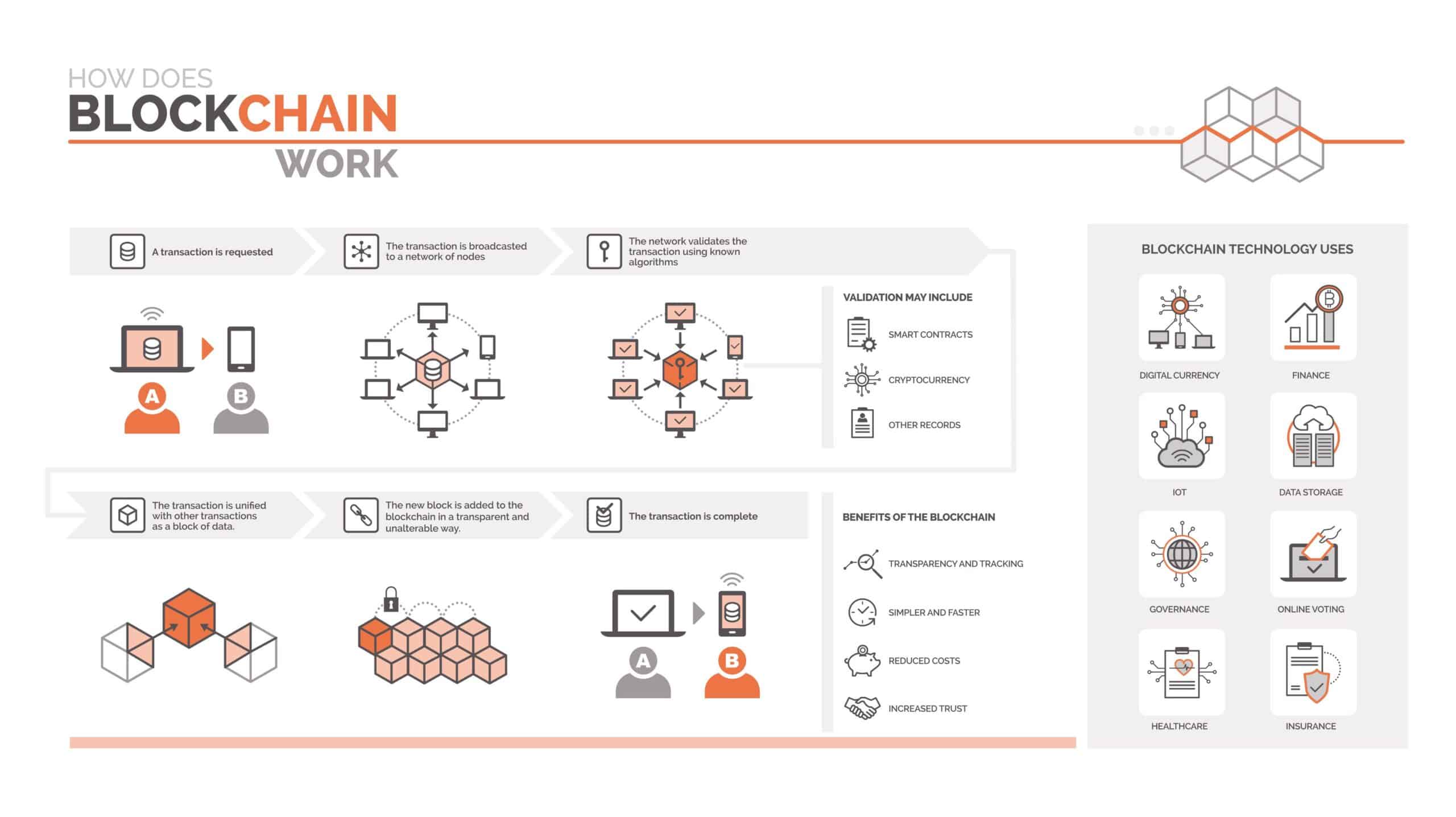
Let’s say Steve wants to send some cryptocurrency to Tim over a blockchain network. Here are the steps that the transaction takes: Steve starts the transfer from his crypto wallet.
The transaction is sent to all nodes (computers) on the blockchain network.
The nodes check that Steve actually has the funds he wants to send.
The transaction is approved only if the majority of nodes agree it’s valid.
Steve’s transaction is bundled together with others into a block.
The block is attached to the blockchain, making the transaction permanent.
Once added, the record cannot be changed or tampered with.
Tim sees the cryptocurrency in his account.
Initiation
Broadcast
Verification
Agreement
Block Formation
Block Added
Immutability
Completion
That’s how a crypto moves from one person to another using blockchain technology.
You can find our video below that explains the concept of blockchain technology in easy-to-understand language for a deeper understanding:
What is Decentralization?
Now, let’s focus on decentralization and understand what it is and why it is important. Decentralization means power isn’t held by one authority but spread across many. In crypto, thousands of computers worldwide verify transactions together. Unlike banks, where one central body controls the system, decentralization makes it fair, open, and harder to censor.
Centralization vs. Decentralization: How Banks Differ From Crypto
To see the difference between how a bank works and how blockchain relies on decentralization, check out the table below.
Aspect
Centralization (e.g., Banks, Traditional Internet)
Decentralization (e.g., Crypto, Web3)
Control
Managed by one central authority (bank, company, government)
Shared across many participants (nodes/computers)
Decision-Making
One entity decides rules and changes
Rules agreed by community/network consensus
Transparency
Limited visibility, controlled by central body
Open ledger, visible to everyone
Security
Single point of failure; if central system is hacked, everything is at risk
Harder to attack; records stored across many computers
Censorship
Transactions or access can be blocked by the central authority
Almost impossible to censor or block transactions
Examples
Banks, PayPal, Facebook, Google
Bitcoin, Ethereum, Web3 apps
Blockchain works like a public record book where every transaction is stored permanently, while decentralization spreads control across thousands of computers instead of one bank or company. This makes the system open and resistant to censorship.
Cryptography locks each transaction, and consensus ensures all computers agree it’s valid. With wallets, keys, and coins/tokens, people can securely store, send, and use digital money. Together, these pieces create a financial system that is secure, transparent, and built on trust without middlemen.
How the Pieces Fit: Blockchain, Cryptography, and More
Blockchain works like a public record book where every transaction is stored permanently, while decentralization spreads control across thousands of computers instead of one bank or company. This makes the system open and resistant to censorship.
Cryptography locks each transaction, and consensus ensures all computers agree it’s valid. With wallets, keys, and coins/tokens, people can securely store, send, and use digital money. Together, these pieces create a financial system that is secure, transparent, and built on trust without middlemen.
Chapter Quiz