







In This Article
- Best Crypto Credit Cards: Summary
- What Are the Best Crypto Cards in 2026? Full Comparison
- Best Crypto Credit Cards Reviewed
- Crypto.com Card
- Gemini Card
- Binance Card
- MEXC Card
- Nexo Card
- Bybit Card
- Coinbase Card
- Our Methodology for Reviewing Crypto Credit Cards
- What Are Crypto Credit Cards?
- Key Considerations to Make Before Getting a Crypto Credit Card
- How Do Taxes Work with Crypto Cards?
- Best Crypto Credit Cards: The Verdict
Backed by Visa or Mastercard, crypto cards resemble regular debit/credit cards – but they connect with the Web3 ecosystem. Debit cards allow investors to spend digital assets like any other card, while credit cards offer cashback rewards and other perks.
Discover the best crypto credit cards available in 2026. We review the top card providers by comparing fees and interest rates, availability, supported coins, cashback terms, and account limits.
Learn how crypto cards work and how to choose the right option for your spending requirements.
Key Takeaways
- Crypto debit cards connect with exchange or wallet accounts, and they let holders make online and in-store purchases. The issuer converts cryptocurrencies to the merchant’s local currency in real-time.
- Crypto credit cards function like regular credit cards. Users submit an online application, and once approved, receive a credit limit. The key difference is that crypto credit cards offer cashback rewards in digital assets.
- Our research shows that Crypto.com is the overall best option since it offers debit and credit card facilities under the same account.
- Other top card providers include Gemini, Binance, and Bybit, especially for users who prioritize rewards and perks.
- Consider conversion and FX fees when using a crypto debit card, and for credit cards, interest rates, and repayment schedules.
Best Crypto Credit Cards: Summary
This guide reviews the top crypto credit and debit cards: how they work, who they’re for, and which providers offer the best rewards, lowest fees, and widest availability. You’ll find head-to-head comparisons (cashback terms, supported coins, APRs, FX/conversion fees, and limits) plus tips to choose the right card for your spending.
What Are the Best Crypto Cards in 2026? Full Comparison
In our view, here are the overall best crypto credit cards and debit cards:
| Provider | Best For | Card Type | Available In | Fees | Rewards | Supported Coins |
| Crypto.com | Fee-free USD purchases | Credit | The U.S. | 5% cash advance fee and 3% FX fee. Some cards have monthly subscription fees | Cashback of up to 6% plus Netflix and Spotify rebates | CRO rewards only |
| Gemini | U.S. credit card rewards without conversion fees | Credit | The U.S. | 3% cash advance fee. APRs of up to 34.99% (purchases) and 29.99% (cash advance) | Up to 4% on everyday spending purchases. | BTC, ETH, DOGE, and 50+ more |
| Binance | Making everyday purchases in BRL | Debit | Brazil | Two free ATM withdrawals monthly and $1.50 thereafter. FX fees of up to 2%, and 1% to convert crypto to BRL | 2% cashback (capped at 120 BRL per month) | BTC, ETH, ADA, SOL, XRP, LINK, USDC, USDT, FDUSD |
| MEXC | Online and in-store spending throughout Europe | Debit | Europe | 2% fee for non-EUR purchases, 1% fee to top up the card, and 1 EUR fee per month | No rewards | 3,000+ MEXC markets, but users convert crypto to fiat manually |
| Nexo | The overall best crypto debit/credit card combined | Debit and credit hybrid | Europe and the UK | FX fees from 0.25%, ATM withdrawal fees of 2% after the user’s monthly threshold. Credit card APRs from 2.9% | Up to 14% interest on card balances and 2% cashback rewards | BTC, USDT, USDC, and 100+ more |
| Bybit | Earning interest and cashback rewards | Debit | Most countries where Bybit operates | $100 worth of free monthly ATM withdrawals, and 2% thereafter. 1% FX fees and 0.9% to convert crypto to the merchant’s currency | Up to 8% interest on card balances and 10% cashback rewards | BTC, ETH, MNT, BNB, XRP, TON, USDT, USDC |
| Coinbase | Cashback rewards without credit checks | Debit | The U.S. | No fees | Typically up to 4% depending on Coinbase’s variable rates | BTC, ETH, USDC, and 320+ more |
Best Crypto Credit Cards Reviewed
We shortlisted the best crypto cards for everyday use and created a strict methodology to rank the top providers. We compared promotional pages with terms and conditions to ensure accurate and impartial data.
Key research topics included the card type (e.g., debit/credit, virtual/physical, Visa cards/Mastercard), eligibility requirements, average credit limits, reward coins and rates, fees, and user experiences from the public domain.
Here are our reviews of the top debit and credit card providers in the crypto space.
Crypto.com Card
Issued by Visa and available in the U.S. only, Crypto.com offers a rewards-based credit card across various tiers. The entry-level card requires no monthly fees or Cronos (CRO) staking, and it offers cashback rewards of 1.5% on eligible purchases. Like all card tiers, Crypto.com pays rewards in CRO tokens only.
The Plus and Pro cards offer 3.5% and 4.5% cashback, although members pay $4.99 or $29.99 in monthly subscription fees. Alternatively, cardholders avoid monthly fees when they stake $500 or $5,000 in CRO tokens. The highest card tiers require $50,000 or $500,000 in CRO staking and offer 5% and 6% cashback, yet their steep minimums make them unaffordable for most crypto investors. The Crypto.com Card also offers 100% rebates on popular streaming services like Spotify and Netflix.
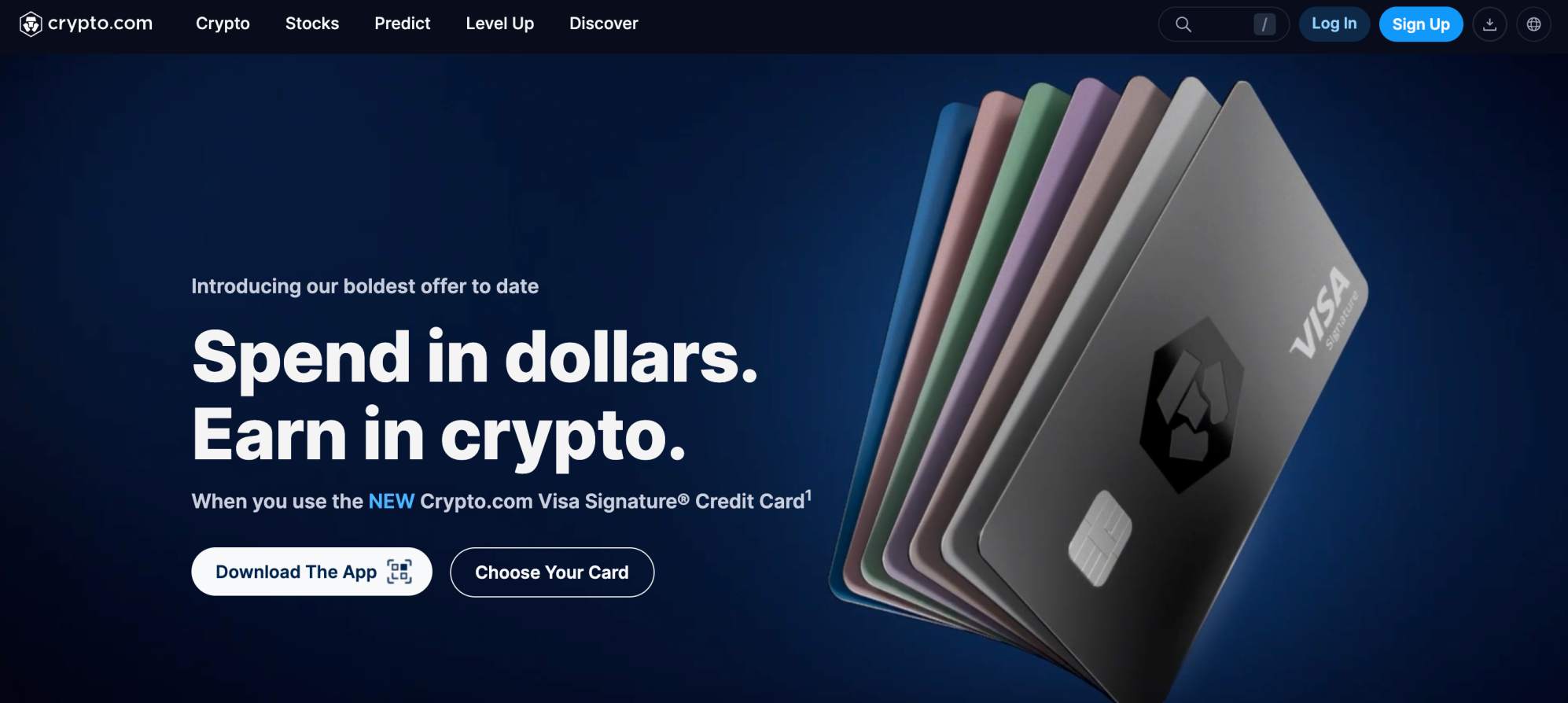
All card members receive Visa Signature benefits, which include purchase protection and 24/7 concierge services. New applicants receive a welcome bonus depending on the selected tier. The minimum and maximum bonuses are $100 and $2,500, which require $1,500 to $20,000 spending in the first three months of opening the account.
Pros:
- New members receive a welcome bonus of up to $2,500
- Top-tier cardholders earn cashback rewards of up to 6%
- No fees on purchases within the U.S.
Cons:
- CRO tokens are the only cashback asset available
- High APRs on uncleared statement balances
- Cardholders pay 5% fees to withdraw cash from ATMs
Gemini Card
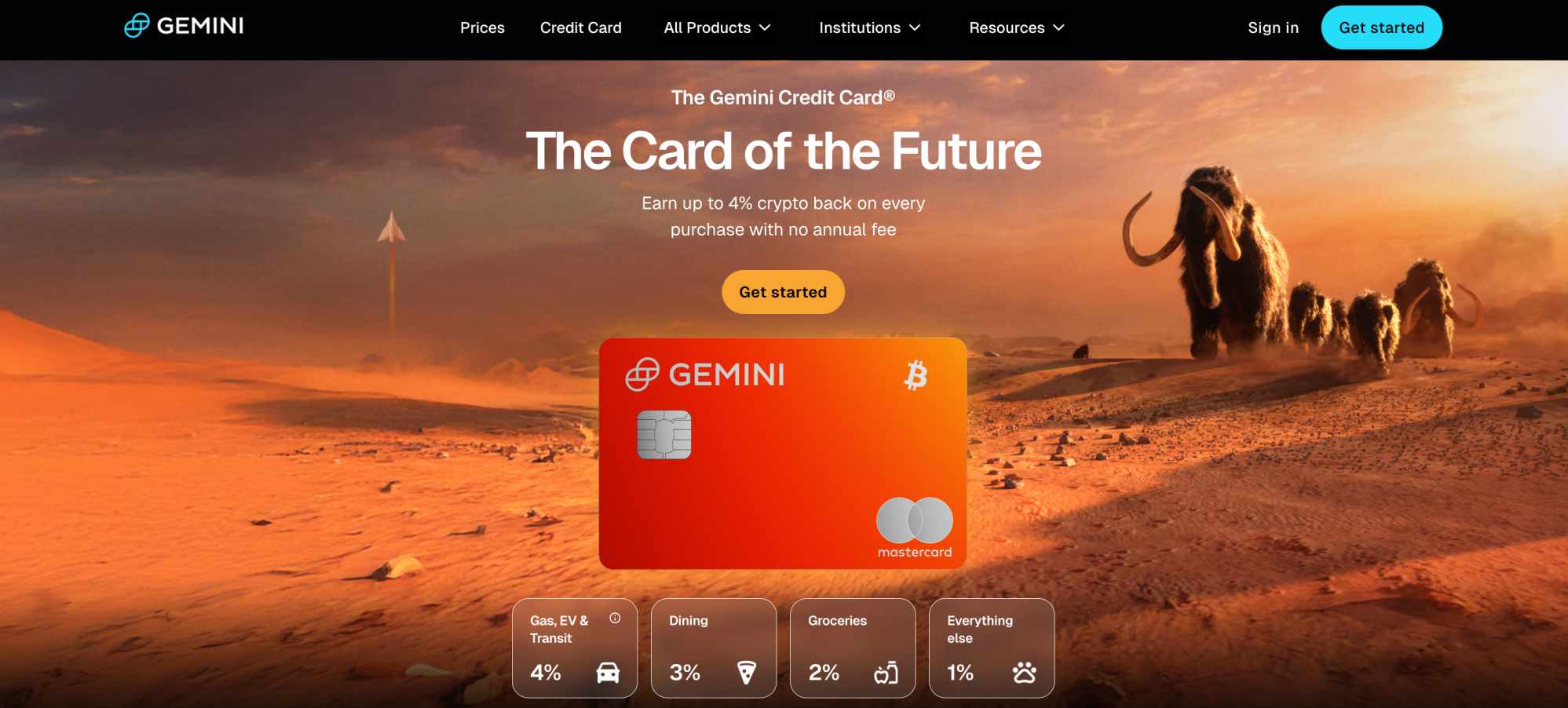
The Gemini Credit Card works like a regular credit card but with generous cashback rewards. Available in the U.S. only, the card offers 4% cashback on gas, EV, and transit purchases, 3% on dining, 2% on groceries, and 1% on all other transactions. Cardholders get their cashback rewards in over 50 assets, including the best cryptocurrencies like BTC, Ethereum (ETH), Dogecoin (DOGE), and Solana (SOL).
As a conventional credit card, U.S. residents complete an application, and Gemini runs a credit check. If approved, applicants receive a credit limit and a repayment APR, with Gemini capping the APR at 34.99% on purchases. While Gemini Card charges 3% on cash advances (including ATM withdrawals), it waives FX fees on international payments. This perk lets users make purchases overseas without paying additional fees.
Pros:
- One of the best crypto credit cards for U.S. residents
- Make purchases without paying FX or conversion fees
- Receive up to 4% crypto cashback depending on the spending category
Cons:
- The top-tier cashback rate caps at $300 per month (1% for purchases thereafter)
- Uncleared statement balances incur APRs of up to 34.99%
Binance Card
Binance Card is a Mastercard debit card for Brazilian residents. Binance traders link their account balance to the card, which lets them make purchases with existing crypto investments. Cardholders earn cashback of between 0.5% and 2%, depending on their monthly spending. However, Binance Card limits monthly rewards to just 120 BRL.
Regarding pricing, Binance does not charge application, annual, or issuance fees. The exchange offers free delivery to any Brazilian residential address, and cardholders avoid ATM fees on the first two withdrawals each month. Users incur a 1% crypto conversion fee on online and in-store purchases, and FX charges of up to 2% on non-BRL transactions.
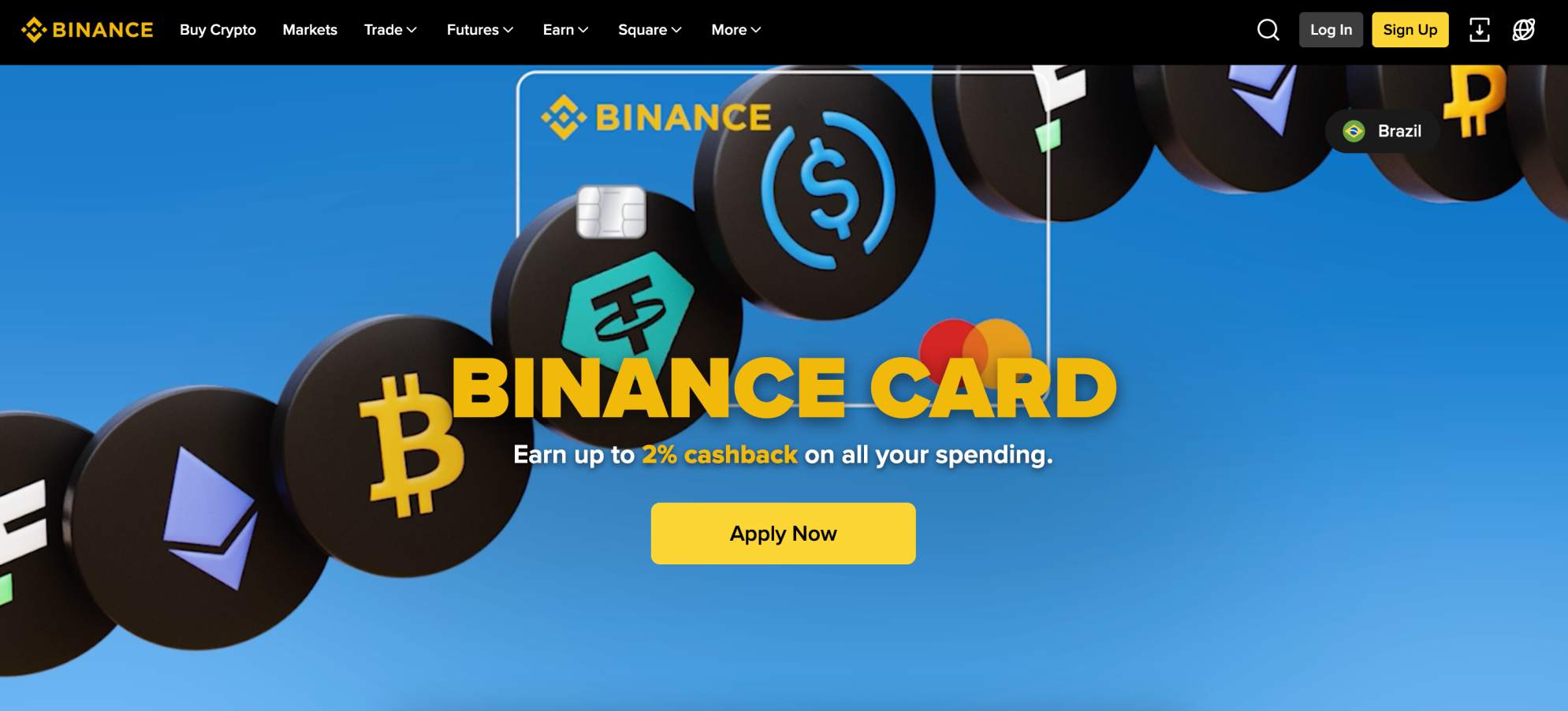
Research shows that Binance Card supports the best altcoins to buy, from ETH, SOL, and Cardano (ADA) to BNB (BNB), XRP (XRP), and USDC (USDC). The card implements daily, monthly, and annual spending limits of 25,000 BRL, 50,000 BRL, and 200,000 BRL, respectively.
Pros:
- A popular crypto debit card for Brazilian users
- Spend ETH, BNB, XRP, SOL, and other top altcoins in local and online stores
- Earn crypto cashback of up to 2%
- Connects directly with the world’s biggest crypto exchange
Cons:
- Small limits on cashback rewards and monthly purchases
- Charges up to 2% on non-BRL transactions
MEXC Card
MEXC offers a prepaid virtual debit card that links to Google and Apple Pay wallets. It allows users to make online and in-store purchases throughout Europe without paying transaction fees. Members who use the card outside of Europe pay a 2% FX fee. MEXC also charges a 1 EUR monthly fee and 1% to top up the card balance.
We found that MEXC account holders sell digital assets from their exchange balance and transfer fiat money to the card. Since MEXC supports thousands of cryptocurrencies, it is one of the best crypto debit cards for asset diversity.
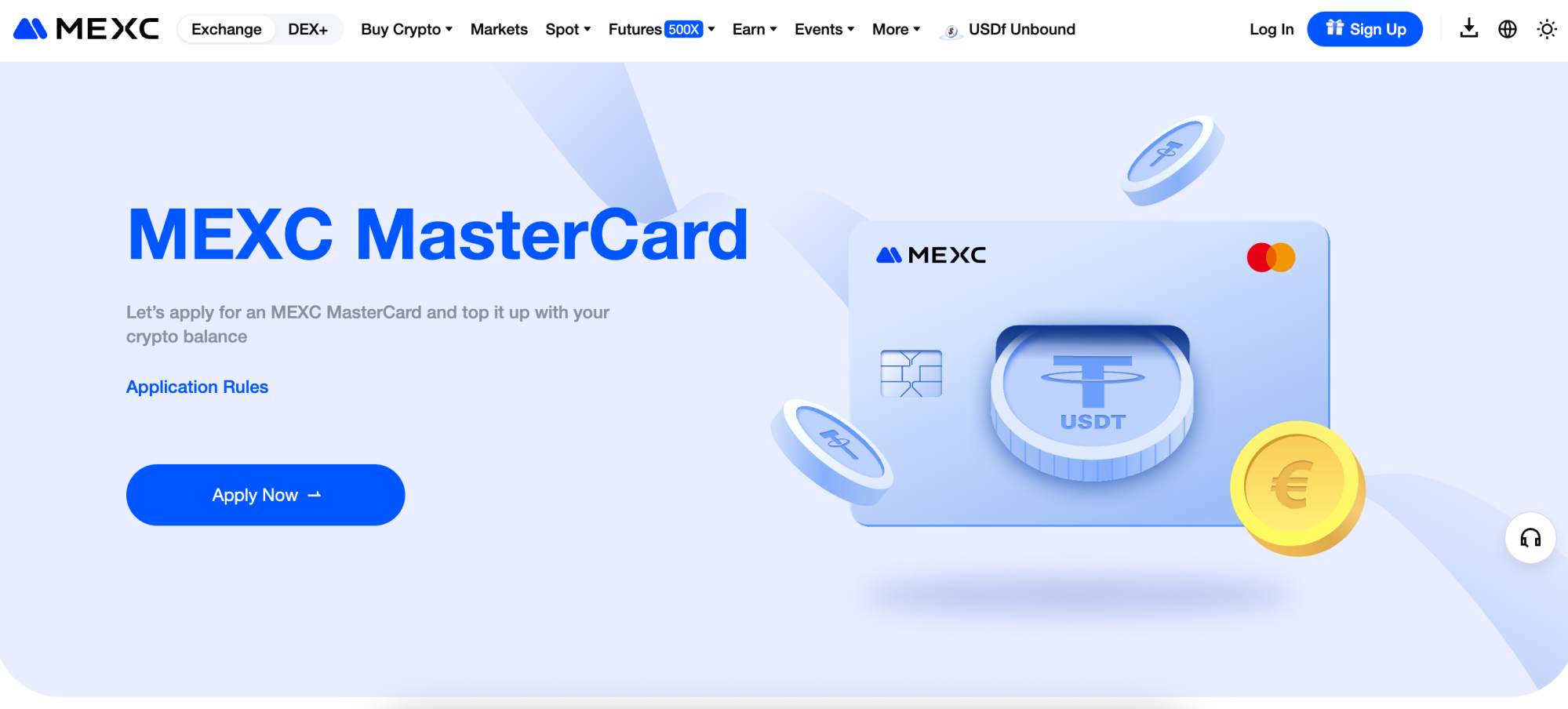
Once users download the MEXC app and connect it with their card, they receive real-time transaction alerts via pop-up notifications. Users may also enable two-factor authentication as an added security layer and freeze cards to reduce the risk of fraud. Note that MEXC sets a single and monthly transaction limit of 3,000 USDT and 30,000 USDT, respectively.
Pros:
- Best option for everyday purchases in Europe
- EUR transactions avoid fees
- MEXC account holders have access to thousands of cryptocurrencies
Cons:
- Non-EUR transactions incur a 2% FX charge
- The card does not offer cashback rewards
- Users pay a 1% fee to top up their prepaid card
Nexo Card
Founded in 2018, Nexo is a popular centralized finance (CeFi) platform that offers savings accounts, secured loans, exchange services, and a fully-fledged crypto card. Backed by Mastercard, the Nexo Card serves as both a credit and a debit card. Credit card holders get a line of credit, and competitive interest rates start at just 2.9%.
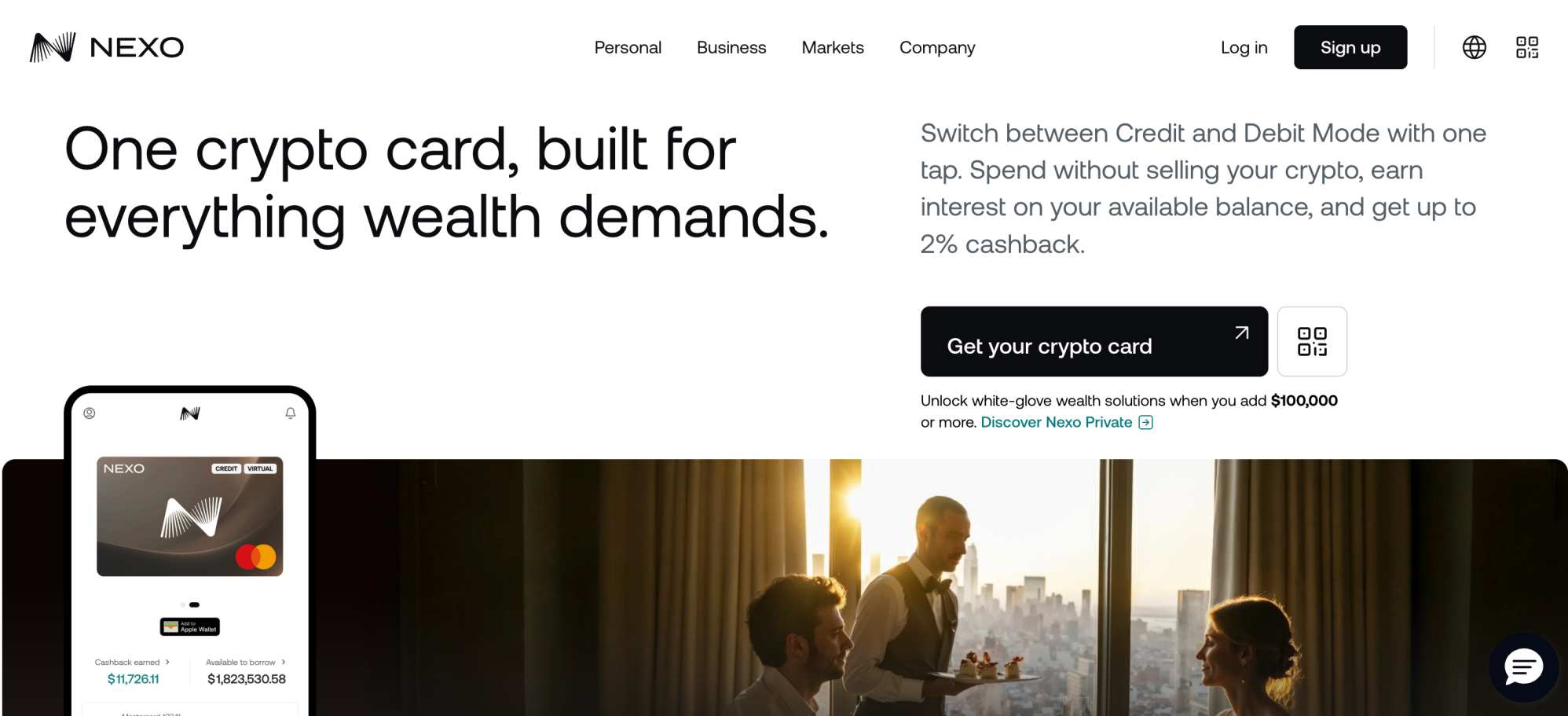
All online and in-store purchases are eligible for crypto cashback rewards. Users earn up to 2% depending on the card tier, and Nexo pays rewards in Bitcoin (BTC) or Nexo (NEXO), the native token. Unlike traditional credit cards, the Nexo Card offers flexible repayment terms without credit checks.
Nexo’s debit card differs from its credit card, yet it is available from the same account. It allows cardholders to make real-world purchases with cryptocurrencies stored in the Nexo balance. When users make a payment, Nexo exchanges the default digital asset for the store’s currency. As one of the best credit cards for crypto rewards, Nexo pays up to 14% interest on unspent balances.

The card issuer charges foreign transaction fees starting at 0.2%, although specific charges vary depending on the currency and transaction day. It also charges a 2% ATM withdrawal fee if users exceed their monthly limits. Nexo Card users avoid application and annual renewal fees.
Pros:
- Account holders receive a debit/credit card under one roof
- Issued by Mastercard, so it works at millions of online and physical stores
- Withdraw cash from ATMs with a monthly fee-free allowance
- Unspent debit cards generate interest rewards of up to 14%
- Interest payments on lines of credit are competitive at just 2.9%
Cons:
- The card is available in the UK and Europe only
- Credit card rewards of just 0.5% when users receive BTC
Bybit Card
Our research shows that Bybit Card is one of the leading crypto reward cards. Verified exchange users receive 10% cashback rewards for five spending categories: dining, transport, fashion, travel, and beauty & wellness. Users must add at least $100 to their Bybit Card to qualify, and the monthly cashback is capped at $150 for new users, or $75 for existing customers.
The crypto debit card also offers a 10% discount on purchases made with partnered merchants, including Amazon Prime, Netflix, and Spotify. Bybit users with a VIP status receive additional perks. They earn interest of up to 8% on card balances, while standard users get 4%. Other VIP benefits include airport lounge access and full rebates on popular streaming services.
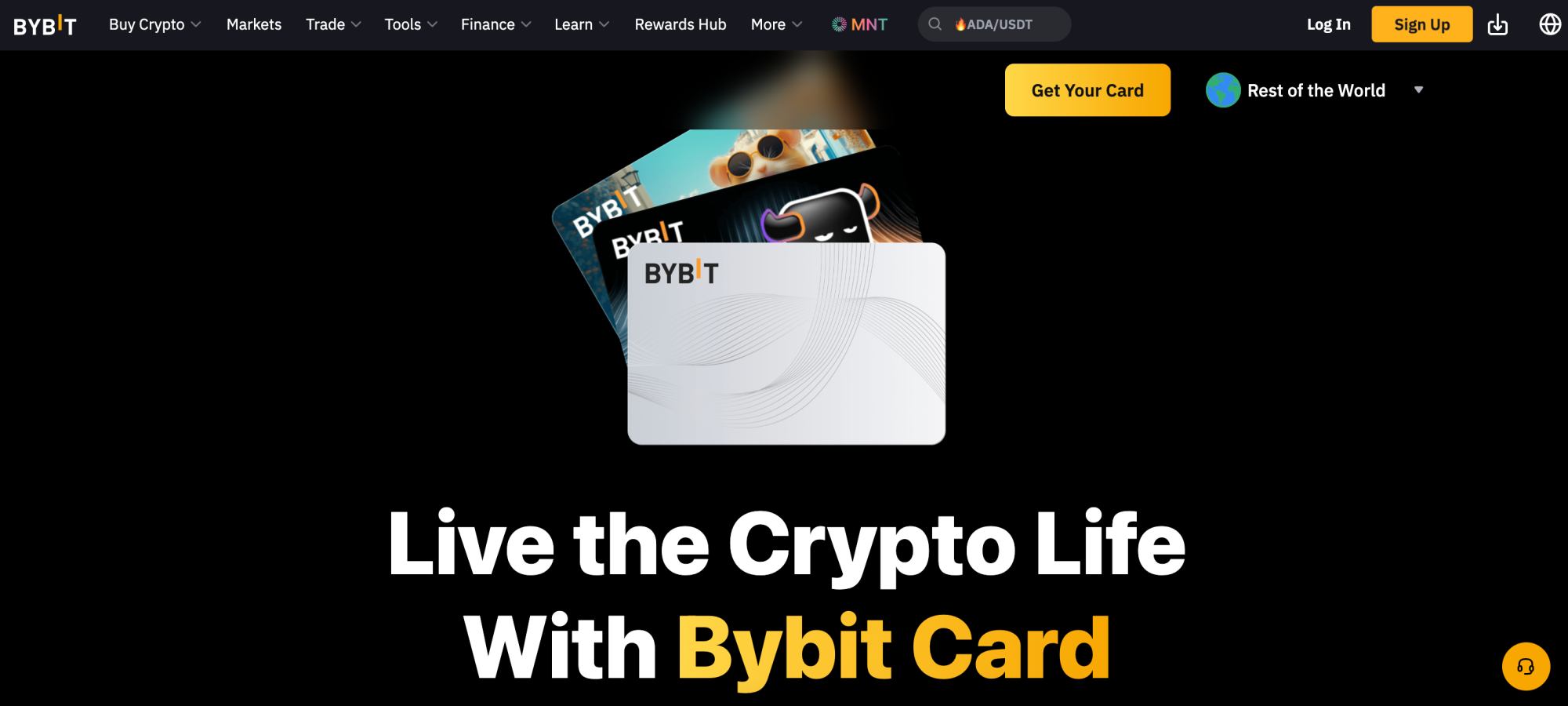
The provider offers up to $100 in free monthly ATM withdrawals and charges 2% for anything above that threshold. Purchases incur a 0.9% crypto conversion fee, and on non-USD payments, cardholders pay a 1% FX fee. No application or annual fees apply, and Bybit typically approves new members within one business day.
Pros:
- Generous rewards include 10% cashback and 8% interest on card balances
- Get a 100% rebate on streaming services
- $100 in free monthly ATM withdrawals
- Free global card delivery via DHL
Cons:
- European users no longer receive cashback rewards
- USD is the only supported fiat currency
- Lower reward rates outside of the core spending categories
Coinbase Card
Coinbase, the regulated exchange with over 100 million verified users, offers a crypto debit card for U.S. consumers. Americans make domestic purchases without paying fees, and the card supports both USD and digital assets. USD top-ups run smoothly, since Coinbase supports ACH and domestic wires.
When users make purchases with crypto, Coinbase does not charge conversion fees. The card supports all Coinbase markets, including top meme coins like DOGE, Pepe (PEPE), and Shiba Inu (SHIB).
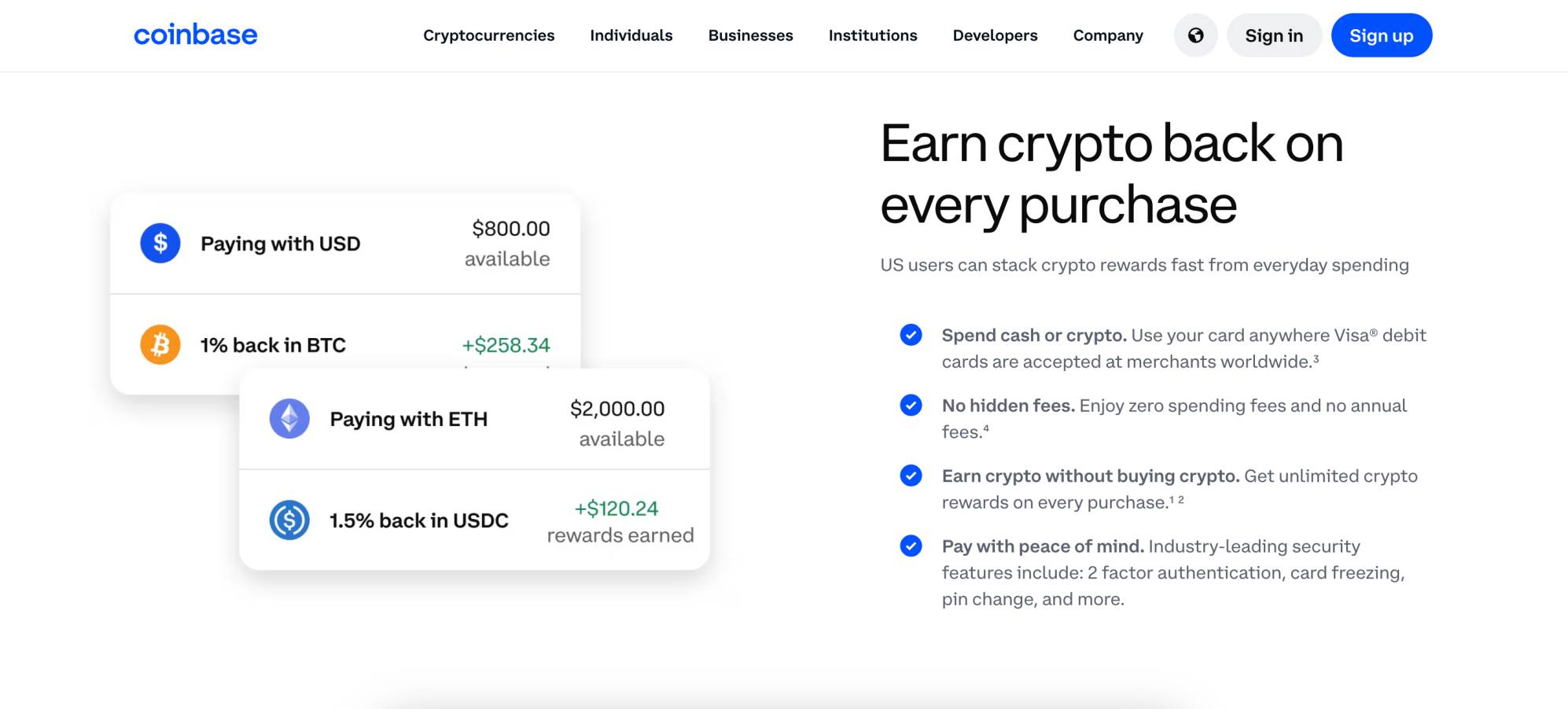
As a prepaid card, new customers complete the application process with soft or hard inquiries. This benefit makes the Coinbase Card suitable for all credit profiles. In terms of rewards, cardholders typically earn up to 4% on eligible purchases without monthly limits. However, reward rates often change, so check the Coinbase app for real-time updates.
Pros:
- Fund the card with USD or crypto fee-free
- Fast application process without credit checks
- Earn crypto rewards in over 320 digital assets
Cons:
- The cashback reward rate changes frequently
- Not available outside of the U.S.
- The exchange applies a spread to crypto conversions
Our Methodology for Reviewing Crypto Credit Cards
We created a research methodology to rank the best crypto cards for this comparison guide. Our research criteria varied by whether providers offer a debit or credit card structure. For crypto debit cards, we explored spending limits, available cryptocurrencies, and conversion fees. Regarding credit cards, we evaluated interest rates, required credit scores, and repayment plans.
The team assessed eligible countries, reward rates, and monthly limits for both card types, as well as application, annual, and transaction fees. We compared all recorded metrics and verified the data according to the card’s terms of service. The methodology also reviewed feedback from existing and former customers to understand the overall user experience. This review structure ensures readers make informed decisions and choose the best crypto card for their requirements.
What Are Crypto Credit Cards?
Crypto cards function like regular debit or credit cards, and they serve two primary purposes.
Credit cards allow users to make online and in-store purchases within a predetermined credit limit. Providers offer cashback rewards on those purchases, paid in popular cryptocurrencies like BTC, ETH, and USDC. Since these cards rely on credit, members pay monthly interest unless they settle statement balances in full.
Debit cards let users make everyday payments from their existing crypto balances. Most debit cards connect to crypto exchanges or crypto wallets, and the provider converts digital assets to fiat money when users purchase goods or services. This card type suits crypto investors who want to spend crypto in the real world without using credit.
How Do Crypto Credit Cards Work?
The dynamics of crypto cards mirror traditional debit/credit cards. Yet, the fundamentals vary depending on the card type and issuer. Our research shows that Visa or Mastercard issues all crypto cards, so they work at millions of online and in-store locations. Most providers allow ATM cash withdrawals, too.
The application and transaction process, as well as fees, vary depending on whether you use a crypto credit or debit card.
Credit Cards
Financial institutions support the best crypto credit cards, and users must complete a standard application process similar to any credit facility. This framework requires applicants to submit financial information regarding employment and existing debt. The provider conducts a soft or hard credit inquiry to verify the user’s information and assess their overall creditworthiness. If the credit card issuer approves the application, the cardholder receives a credit limit and interest rate.
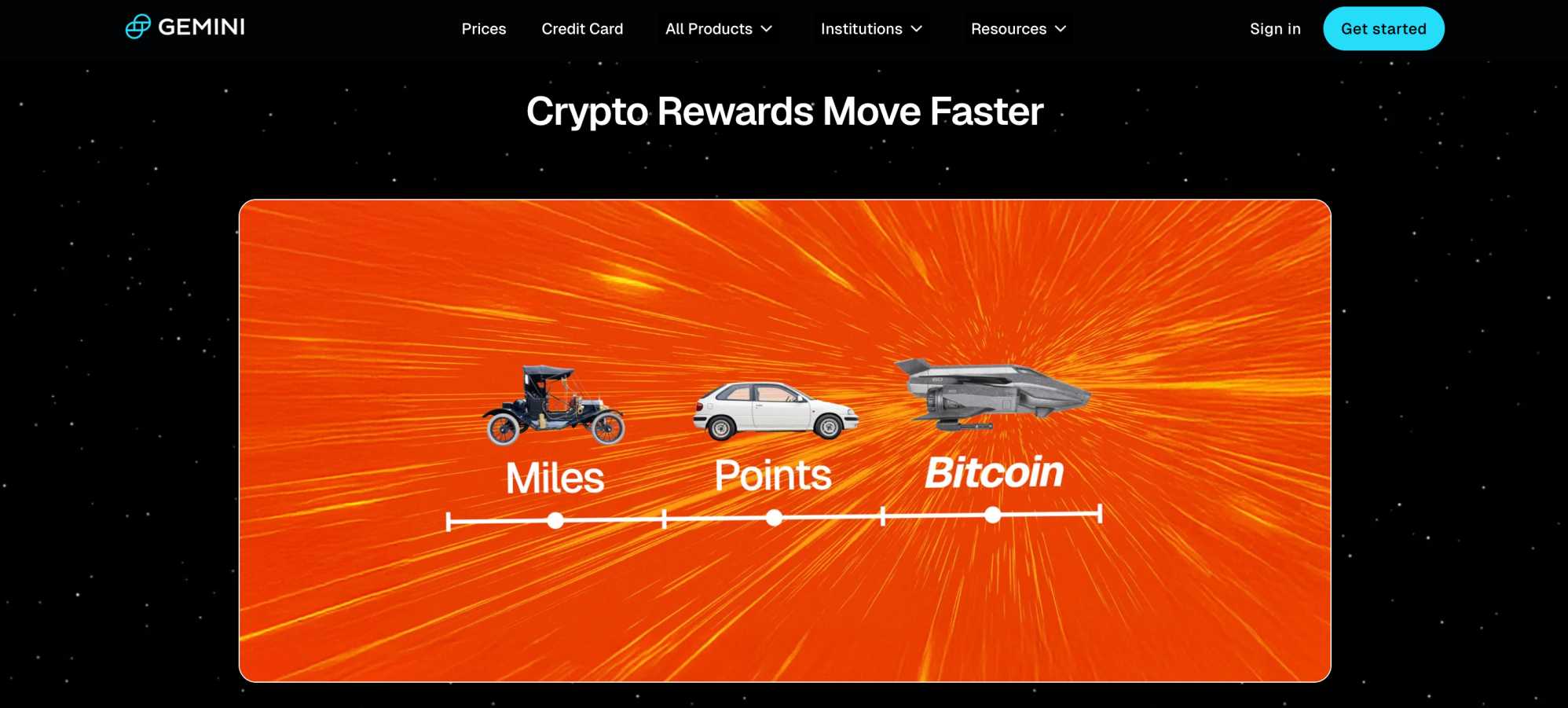
The key benefit of crypto credit cards is that users earn rewards. Issuers give those rewards in cryptocurrencies, so cardholders boost their digital asset exposure without risking money. However, since credit cards incur monthly interest, paying the full statement balance is essential. Otherwise, those fees offset the crypto cashback rewards earned during the statement period.
Debit Cards
We found that debit cards suit investors who already own crypto and want to use their digital assets to make everyday purchases. The best Bitcoin exchanges offer debit cards that connect to the user’s wallet balance, converting coins and tokens to the merchant’s fiat currency in real-time. Users typically incur conversion fees or spreads on each purchase, since the card provider converts digital assets for local money.
To obtain a crypto debit card, users complete an application process, but unlike credit cards, no credit checks are required. This makes debit cards more accessible for those with poor or no credit history. Debit card providers like Nexo and Bybit offer competitive interest rates on unspent card balances, so cardholders spend and earn digital assets in a hybrid environment.
Benefits of Using Crypto Credit Cards
Learn more about the advantages of using crypto cards in 2026.
Earn Crypto Cashback Rewards
The best crypto credit cards allow users to earn free Bitcoin and popular altcoins. The cashback system lets cardholders accumulate digital assets over time without investing their own money. As such, users avoid investment risks, since they receive cryptocurrencies each month simply for making everyday purchases.
One example is Gemini, which offers cashback of up to 4% depending on the spending category. Gemini account holders choose their rewards currency from over 50 digital assets, including ETH, DOGE, and XRP.
Make Everyday Purchases With Existing Crypto Investments
Crypto debit cards make it seamless to spend digital assets in the real world. Visa and Mastercard issue these types of cards, which make them suitable for any online or in-store purchase. While some providers offer virtual cards, users connect them to a Google Pay or Apple Pay wallet, allowing them to work like a regular debit card.
Merchants don’t know that buyers use cryptocurrencies to fund their purchases, as they receive local money like any other transaction. This is because the card provider converts the buyer’s default crypto into the merchant’s fiat currency when the purchase is made.
Generate Passive Income on Unspent Card Balances
Popular crypto cards like Nexo incentivize users with generous interest payments on unspent balances. It offers a huge APY of up to 14%, paid out daily in the user’s preferred asset.
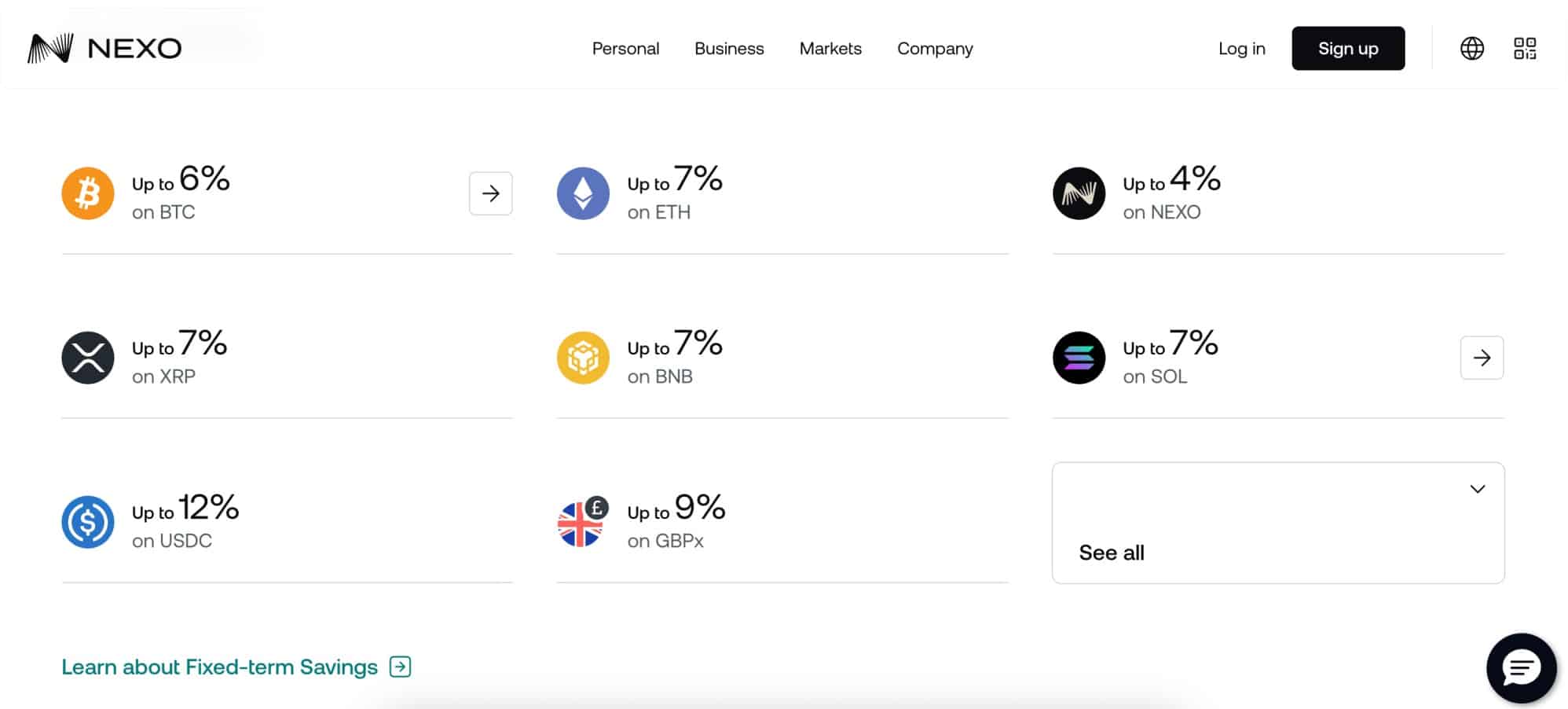
Cardholders who reinvest those interest payments daily compound their long-term returns without risking personal funds. These rewards are in addition to Nexo’s cashback rate of up to 2%.
Some Card Providers Offer Welcome Bonuses
The crypto credit card market is competitive, so providers often incentivize consumers with welcome bonuses. This perk works similarly to traditional introductory promotions, as users receive bonus funds when they meet minimum spending requirements.
Gemini offers a $200 bonus when users spend $3,000 in the first three months, payable in any supported digital asset. New Crypto.com cardholders earn $100 when they spend $1,500 within 90 days of opening the account. VIP Crypto.com tiers offer bigger welcome bonuses, which also have higher spending requirements.
Key Considerations to Make Before Getting a Crypto Credit Card
While crypto cards offer multiple benefits, these best practices are essential before proceeding:
- Choose the Right Card Type: Crypto debit and credit cards each serve different roles. Investors who want to spend existing crypto holdings in the real world use debit cards. Credit cards are a better fit for earning crypto cashback on everyday purchases. Nexo offers a hybrid solution, as users seamlessly switch between debit and credit modes.
- Assess Card Fees: Most crypto cards incur conversion fees. Providers charge this fee to exchange the default digital asset for the merchant’s local currency. Check the card’s native fiat currency, too. FX fees typically apply when using the card in a different currency. Other potential charges include application and annual fees.
- Consider APRs: When using a crypto credit card, the APRs apply like those on a regular credit card. The issuer provides users with a credit limit and charges interest on monthly purchases. If you do not clear the full monthly statement balance, interest applies to that amount. Since the average credit card APR is over 20%, the interest paid exceeds any cashback rewards you earn.
- ATM Withdrawals May Trigger Cash Advances: While the best crypto credit cards allow users to withdraw cash from ATMs, providers typically view the transaction as a cash advance. According to the credit rating bureau Experian, the average cash advance fee is 3-5%. If you plan to make regular ATM withdrawals, crypto debit cards are a better option.
- Avoid Non-Essential Purchases: Crypto reward cards are ideal for earning free cryptocurrencies, yet making unnecessary purchases can lead to debt. Instead, experts recommend using these card types for everyday transactions only, such as gas and groceries. This way, you earn crypto cashback on purchases you would have made anyway.
How Do Taxes Work with Crypto Cards?
Crypto card transactions can trigger a taxable event, although requirements differ by card type and the original/sale prices.
If you use a crypto debit card, the provider converts existing digital assets into fiat money. As such, tax authorities treat conversions as an asset disposal. Whether you pay tax on that transaction depends on the original cost basis.
Here is a simplified example of how a crypto-centric purchase may create a tax obligation:
- Suppose you bought 1 ETH at $1,000.
- You use your crypto debit card to make an online purchase worth 1 ETH, yet the ETH/USD price is $2,000 on the transaction date.
- The purchase reflects a $1,000 capital gain, which counts toward your annual allowances.
- Conversely, if that 1 ETH was worth less than the original cost basis on the purchase date, you could offset that loss against other capital gains.
Bitcoin credit cards differ, since users make transactions in fiat currencies like USD and EUR. They also pay statement balances in the same currency. This framework allows credit card purchases to avoid potential capital gains.
However, as the best crypto credit cards provide cashback rewards, the taxable event occurs when those digital assets are sold. The cost basis equals the asset price when cardholders receive the rewards.
Best Crypto Credit Cards: The Verdict
Crypto credit cards streamline everyday purchases with BTC, ETH, and other popular altcoins. Many card issuers offer interest on unspent balances, competitive cashback rewards, and cardholder perks like purchase protection, insurance, and free streaming service subscriptions.
We reviewed the best card providers and found that Crypto.com is the top choice for 2026. The Crypto.com Visa Cards offer several key benefits, including 2% and 8% CRO rewards on spending, subscription rebates for services such as Netflix and Spotify, and airport access for higher-tier users. Follow the link below to explore the key features that the Crypto.com Visa Cards have to offer in 2026.
Visit Crypto.comFAQs
Can you get a crypto credit card?

Yes, many crypto credit cards exist, although most providers offer services in select countries. Crypto.com is a top option for UK and European residents, while Gemini and Coinbase suit those in the U.S.
Are crypto cards safe?
Yes, crypto cards are safe like any other debit/credit card. Regulated financial institutions back crypto cards, and Visa and Mastercard execute transactions via their global payment networks.
What can I buy with a crypto credit card?
Crypto credit cards partner with Visa or Mastercard, so you can make online and in-store purchases at millions of locations. Most cards support ATM withdrawals, too, although checking whether cash advance fees apply is essential.
How do crypto credit cards work?
Crypto credit cards work similarly to regular rewards cards, although users earn crypto cashback on purchases instead of points or air miles. Using a crypto debit card lets you spend your crypto investments anywhere that accepts Visa or Mastercard.
Are crypto credit cards worth using?
Rewards-based crypto credit cards are worth using when making everyday purchases and clearing the statement in full each month. This strategy lets you earn real cryptocurrencies without risking money.
What is the best crypto card in 2026?
We rate Crypto.com as the best crypto card in 2026 because it offers a range of card tiers for different use cases and varying monthly fees. CRO rewards on everyday spending range from 2% to 8%, and on travel spending from 1.5% to 15%. The Prime tier comes with a private account manager. There are also subscription rebates on popular services such as Netflix and Truth+.
References
- Current credit card interest rates (Bankrate)
- What is an APR on a Credit Card? (Equifax)
- What Is a Cash Advance Fee on a Credit Card? (Experian)
- How are crypto debit and credit cards taxed? (CoinLedger)

Why you can trust 99Bitcoins
Established in 2013, 99Bitcoin’s team members have been crypto experts since Bitcoin’s Early days.
Weekly Research
100k+Monthly readers
Expert contributors
2000+Crypto Projects Reviewed