






In This Article
If you have been wondering just which platform to go with, Uphold vs eToro to improve your trading game, then today, we’ll help you come to a conclusion that suits your unique financial needs and trading style the best.
Ideally, the best platform is the one that charges low fees so that you can take most of your profits home while providing a wide range of assets to capitalize on different market opportunities, tools to become better, ease-of-use to make the whole experience smooth, safety to protect your funds, and of course, quick and quality support in need.
So, today, we’ll compare the two prominent platforms to determine just which one is the way to go!
Platform Overview
First, let’s see what exactly these two exchanges represent:
What Is Uphold?

Uphold is a multi-asset platform for crypto, FX, and commodities. Founded about a decade ago, Uphold is a multi-asset trading platform that serves 184+ countries around the world.
With a selection of 250+ currencies covering both crypto and national currencies along with commodities, Uphold enables frictionless foreign exchange for its users. More importantly, this exchange offers a unique ‘Anything-to-Anything’ trading experience that allows users to trade directly between any asset class.
As of 2025, you can earn rewards by staking up to 19 different cryptocurrencies, including Ethereum, Cardano, and Solana. The rewards are paid out weekly, and you can unstake whenever you want.
They also rolled out a new interest-earning USD account. It’s FDIC-insured, pays out monthly, and accrues interest daily. This gives U.S. users a way to earn passive income without converting to crypto.
However, not all feedback has been positive. Some users have reported account reviews and closures becoming more common. It hasn’t affected everyone, but it’s worth keeping in mind.
On the security front, Uphold continues to promote transparency with real-time proof of reserves and encryption. They’re still regulated by the UK’s Financial Conduct Authority (FCA), which adds a layer of credibility.
Visit UpholdWhat Is eToro?

eToro is a social trading platform focused on crypto, stocks, and CFDs. Founded in 2007, eToro offers users worldwide the ability to invest in thousands of financial instruments that can be traded with and without leverage for a diverse and accessible investment experience.
In 2025, the company finally went public and is now trading on the Nasdaq under the ticker symbol ETOR. They’ve been growing fast too. By mid-2025, eToro had over 3.6 million funded accounts and held more than $17.5 billion in assets under administration.
They’ve also expanded their product lineup. You can now trade U.S. stocks 24 hours a day, five days a week, and they’ve added over 100 cryptocurrencies for U.S. users. eToro even started offering tokenized stocks, savings tools, and AI-powered features. They’ve partnered with big names like the London Stock Exchange and ARK Invest to bring in more trading options.
That said, eToro has had some bumps along the way. In late 2024, they reached a $1.5 million settlement with the SEC, which led them to limit crypto trading in the U.S. to just Bitcoin, Ethereum, and Bitcoin Cash. They also faced fines in Europe and legal issues in Australia related to how they marketed some of their services. In early 2025, they pulled out of the Philippines over licensing concerns.
In addition to smart portfolios that offer a simple way of investing, eToro offers a large community of traders and investors to connect, share insights, and learn from.
Visit eToroDon’t invest unless you’re prepared to lose all the money you invest. This is a high-risk investment and you should not expect to be protected if something goes wrong.
Cryptocurrency is offered by eToro USA LLC (“the MSB”) (NMLS: 1769299) and is not FDIC or SIPC insured. Investing involves risk.
Uphold vs. eToro: Features Comparison
Now, let’s deep dive into how these platforms compare against each other across key points.
Supported cryptos & other assets

At Uphold, you can trade precious metals like gold, silver, platinum, and palladium and more than 25 national currencies, including USD, EUR, SEK, CHF, SGD, PLN, NZD, and MXN. There’s also the option to trade the world’s first tradable carbon credit token, UPCO2 and Bitcoin Zero, with more to be listed in the future.
Unlike Uphold, on eToro, you can also trade stocks covering everything from tech, software, retail, finance, and medical tech categories, in addition to the top 18 indexes, over 40 commodities, 55 fiat currencies, and more than 700 ETFs.
Now, when it comes to crypto, Uphold boasts access to over 270 cryptocurrencies. This includes majors like BTC, ETH, SOL, and XRP; hot meme coins like DOGE, SHIB, PEPE, PNUT, and GOAT; DeFi coins such as LINK, UNI, and AAVE; and AI tokens like TAO and FET, among others.
eToro, on the other hand, has just over 100 crypto assets available for you to trade. While a smaller collection, you can still find some of the prominent names like BTC, ETH, XRP, SOL, DOGE, SEI, SUI, INJ, TIA, and TON. Also, there’s a new NFT explorer called Delta that will engage in the trend.
Fees, costs, and limits
Uphold offers a transparent pricing structure, which means you won’t be hit with hidden fees. And while there’s no commission, much like with eToro, you pay through spread fees.
On Uphold, the lowest 0.25% fee is for most stablecoins and major FX markets, while trading altcoins and precious metals will cost you between 1.9% – 2.95%. Interestingly, you can save on fees by trading BTC and ETH, which only have a spread fee of 1.4% – 1.6%.
On evaluating Uphold fees vs eToro, we found that making small trades below $500 involves a $0.99 charge, which isn’t applicable to transactions made with Uphold’s very own debit card.
Now, on eToro, trading ETFs is completely free, but stocks involve a commission fee of $1 or $2. When buying or selling crypto, eToro charges a transaction fee of 1%, while a 2% fee applies to transferring your crypto to the eToro Money crypto wallet.
For those comparing Uphold vs eToro fees, eToro also charges a flat $5 fee for USD withdrawals, and there’s a minimum amount of $30. This isn’t all; if you do not log in to your eToro account for a year, you will start incurring a $10 monthly inactivity fee.
| Category | Uphold | eToro |
| Minimum Deposit | $0 | $50 |
| Pricing Structure | Spread-based pricing | Spread-based pricing |
| Deposit Fees | Free for crypto & bank transfer, 3.99% for debit/credit cards | None |
| Withdrawal Fees | Network fee applies to crypto, 3.99% for debit/credit cards | $5 flat fees |
| Trading Fees | 0.5%-2.95% depending on asset | Varies by asset; starts at 1% for crypto |
| Deposit Methods | Bank transfers, debit/credit cards, & crypto | Bank transfer, debit/credit cards, PayPal, & e-wallets (Credit Cards and PayPal are not available as deposit methods for users under the FCA regulation.) |
| Withdrawal Methods | Bank transfer & crypto withdrawals | Bank transfer, PayPal, e-wallets |
| Limits | Depends on account verification level | Depends on account verification level |
Ease of use (mobile, desktop)
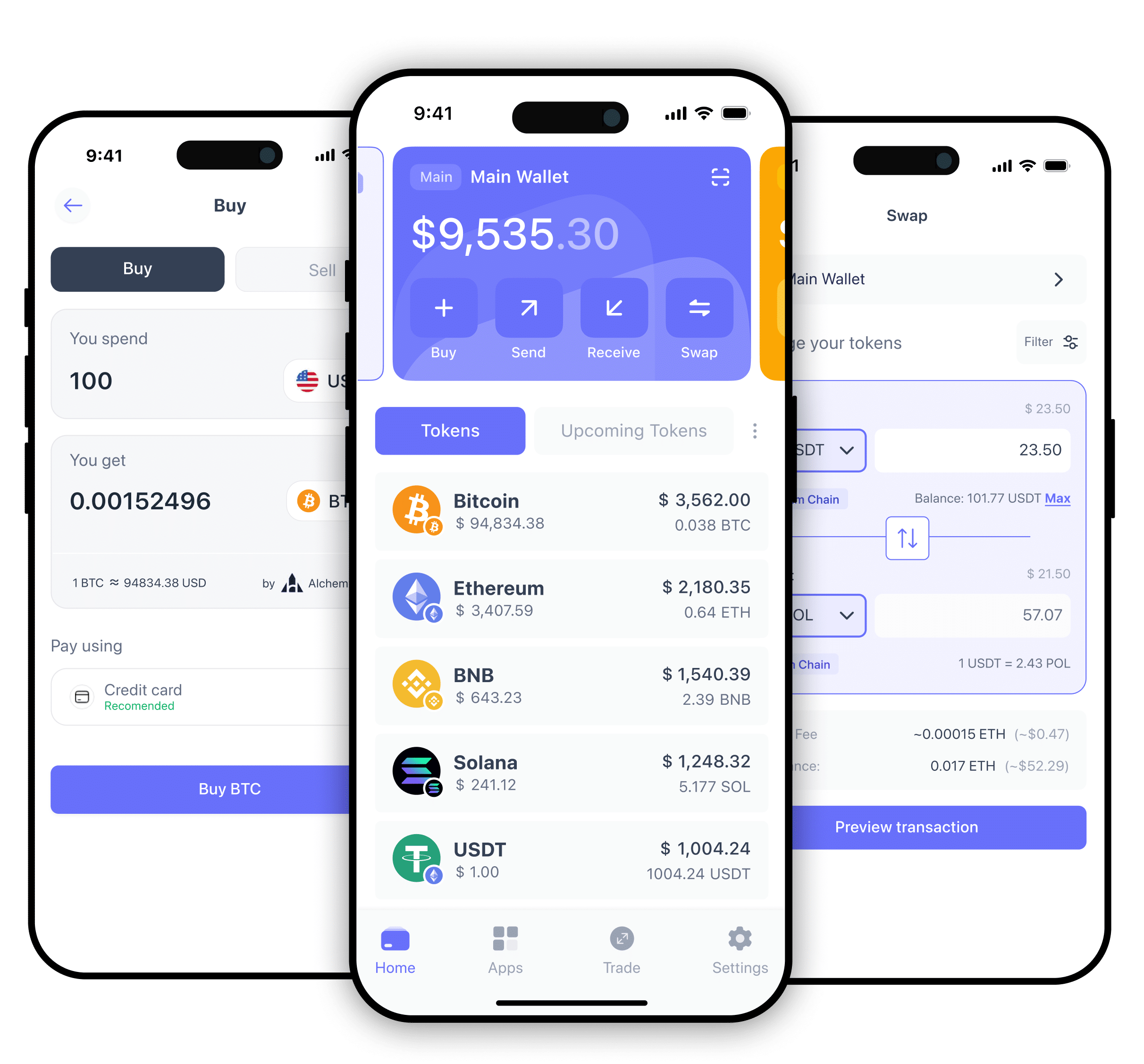
The beginner-friendly Uphold comes with an intuitive UI that makes it extremely easy to find what you are looking for. In just a matter of minutes, you can get started with Uphold and access all of its features that are available on both desktop and mobile. You can actually swap between any of the supported assets on Uphold in just one step, making it a quick and effortless experience for users.
When comparing eToro vs Uphold, eToro is pretty easy to navigate, offering a similar experience across the board, whether you are using it on a desktop or your mobile device. Also, you can find most of what you need on the main menu, making features available within just a couple of clicks far away though you have to visit every market separately to make use of it.
Security
Now, to protect user accounts and funds, both platforms utilize advanced security measures. On eToro, this includes 2FA for your account and FDIC insurance for USD holdings. The insurance coverage does not cover crypto.

Uphold’s security measures are more sophisticated than eToro, employing high-level encryption, routine security audits, system testing, third-party due diligence checks, mandatory privacy training, and 24/7 monitoring. A bug bounty program further ensures the platform remains free from vulnerabilities. Additionally, its SOC 2 Type 2 and ISO 27001 certifications guarantee robust data protection.
That’s not all. Along with email verification and 2FA, Uphold maintains a 100% transparent reserve status, ensuring your crypto is truly secure.
Regulation
Both platforms are regulated in multiple jurisdictions. Uphold is a FinCEN Registered Money Services Business (MSB) in the US, FCA regulated in the UK, and registered with FINTRAC in Canada and FNTT in Europe.
eToro has secured a license from the SEC in the US, FCA in the UK, and ASIC in Australia. This demonstrates that both eToro and Uphold comply with global regulations and have measures in place to protect investors.
Additional features
In addition to cross-asset trading, Uphold offers its own crypto-enabled debit card, allowing you to spend fiat and crypto directly from your wallet. There are no setup, annual, or foreign transaction fees, and FX rates are relatively low. Accepted by over 50 million merchants worldwide, the Uphold debit card enables real-time tracking and ATM withdrawals.
Uphold also provides a self-custodial Web3 wallet, enabling users to manage and store crypto and NFTs, make seamless crypto purchases, and access DeFi trading venues.
eToro, on the other hand, offers a demo account with $100k in virtual funds, ready-made diversified portfolios, staking for limited crypto assets, and margin trading, which amplifies your potential profits (and losses). Trading with leverage on eToro is done via CFDs and staking reward is not offered for US, UK/FCA users.
A prominent feature offered by eToro is copy trading, which allows copying the trades of other successful traders for no additional fees but requires a minimum amount of $200. The platform also offers a large community of traders and investors to connect with, share ideas, and learn from experienced professionals.
How to Use Uphold & eToro – Step-by-Step Guide
The process of using both of these platforms is quite similar.
-
Sign Up
Create an account on either Uphold and eToro by providing your details and completing KYC verification.
-
Fund Your Account
Deposit funds using supported payment methods like bank transfer, credit/debit card, or crypto transfer.
-
Choose Assets
On Uphold, select from crypto, metals, and fiat pairs. On eToro, pick from crypto, stocks, and ETFs.
-
Make a Trade
Execute a buy/sell order. Uphold offers instant swaps, while eToro allows market, limit, and stop-loss orders.
Upwork vs. eToro: Which One Is Best for You?
If you’re a crypto lover and want a good selection of altcoins, Uphold is the platform for you, offering broad cryptocurrency coverage that enables trading of leading and profitable narratives like meme coins and AI tokens.
When deciding between Uphold or eToro, eToro is ideal for those particularly interested in copy trading and community engagement. If you want to trade with leverage, you’ll enjoy eToro. But if you prefer simplicity or top-notch security, Uphold is a better choice.
Conclusion
eToro and Uphold have a lot to offer investors, including their diverse offerings of precious metals, fiat currencies, and crypto. You can even build your portfolio with stocks and carbon credits while taking advantage of social trading and cross-asset trading.
For those wondering if is Uphold better than eToro, both multi-asset platforms come with unique features, competitive fees, seamless trading, and user-friendliness. It all depends on your specific needs and investing style to decide which platform to use for your trading journey!
Visit eToroDon’t invest unless you’re prepared to lose all the money you invest. This is a high-risk investment and you should not expect to be protected if something goes wrong.
Cryptocurrency is offered by eToro USA LLC (“the MSB”) (NMLS: 1769299) and is not FDIC or SIPC insured. Investing involves risk
eToro is a multi-asset platform which offers both investing in stocks and cryptoassets, as well as trading CFDs.
Please note that CFDs are complex instruments and come with a high risk of losing money rapidly due to leverage. 52% of retail investor accounts lose money when trading CFDs with this provider. You should consider whether you understand how CFDs work, and whether you can afford to take the high risk of losing your money.
This communication is intended for information and educational purposes only and should not be considered investment advice or investment recommendation. Past performance is not an indication of future results.
Copy Trading does not amount to investment advice. The value of your investments may go up or down.Your capital is at risk.
Don’t invest unless you’re prepared to lose all the money you invest. This is a high-risk investment and you should not expect to be protected if something goes wrong.
eToro USA LLC does not offer CFDs and makes no representation and assumes no liability as to the accuracy or completeness of the content of this publication, which has been prepared by our partner utilizing publicly available non-entity specific information about eToro.
FAQs
How do the mobile app features of Uphold and eToro compare?


Uphold’s app gives access to 270+ cryptocurrencies, national currencies, and precious metals. You can set up recurring transactions, place limit orders, and secure crypto in its Vault. In contrast, eToro’s app focuses on stocks and top cryptos. It offers advanced trading tools and lets you copy successful traders.
Which platform offers better customer support: Uphold or eToro?
Both platforms have extensive support centers. eToro offers live chat and a ticket system, whereas Uphold provides email support and a request form. This makes eToro’s live chat potentially faster for resolving issues compared to Uphold’s email-based approach.
How do the educational resources of Uphold and eToro differ?
Both eToro and Uphold have Help Centers that provide platform-related information. Uphold adds daily crypto market updates, while eToro goes further with news, in-depth analysis, quarterly surveys, and educational courses.
References
- Financial Transparency Report (Uphold)
- Deposit Insurance (FDIC)
- eToro Fees (eToro)

Why you can trust 99Bitcoins
Established in 2013, 99Bitcoin’s team members have been crypto experts since Bitcoin’s Early days.
Weekly Research
100k+Monthly readers
Expert contributors
2000+Crypto Projects Reviewed