







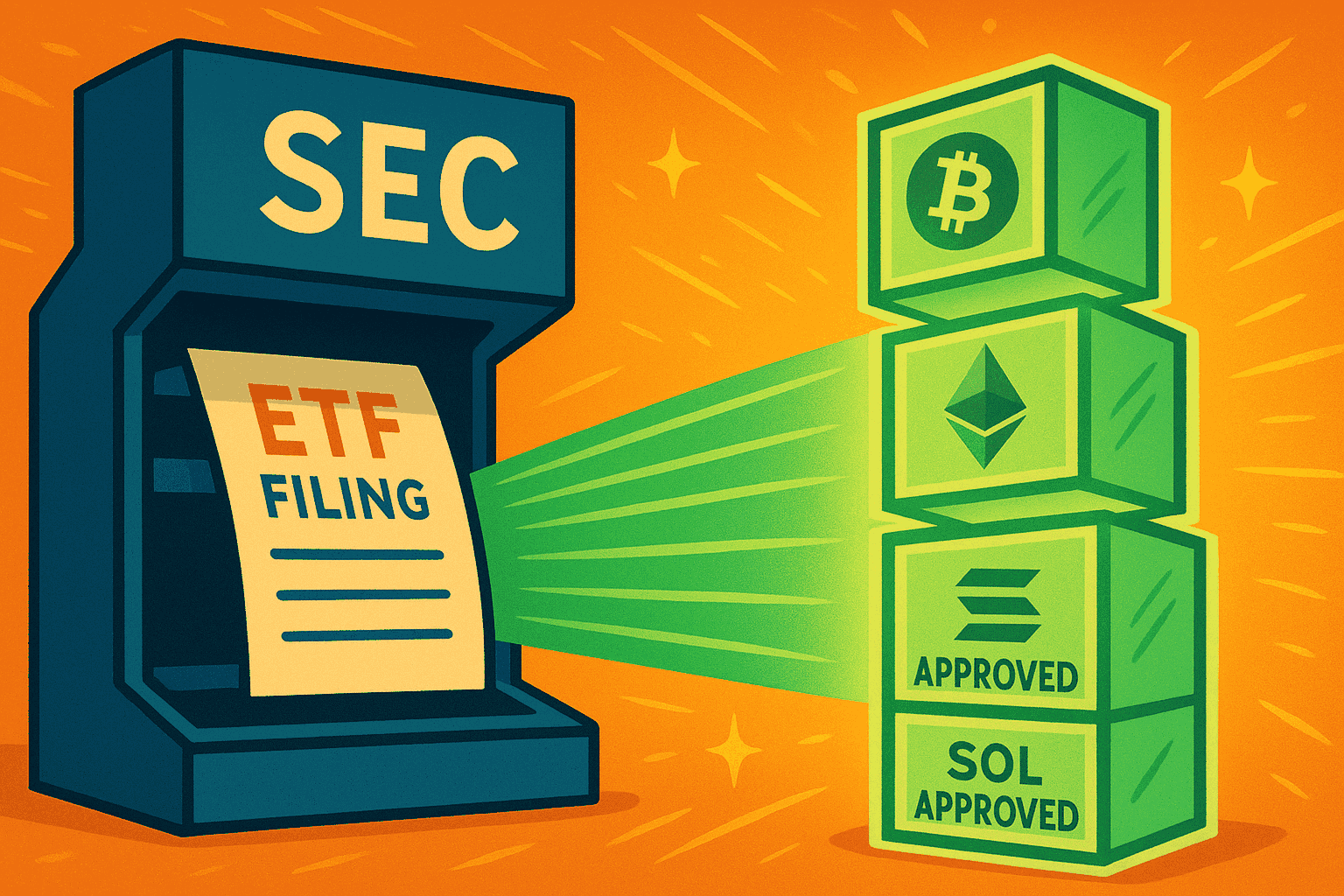
The U.S. Securities and Exchange Commission has finally given crypto ETF issuers something they’ve been asking for: clarity. On July 1, the SEC’s Division of Corporation Finance dropped a detailed guide outlining what applicants need to include in their filings if they want any shot at getting a cryptocurrency ETF approved. The crypto ETF guidance comes at a time when interest in Ethereum-based products is continuously rising.
It’s not exactly light reading, but it’s a serious step forward for firms hoping to launch funds tied to digital assets like Ethereum or token baskets. Rather than keep issuers guessing, the SEC is laying it all out, from valuation to custody to who’s checking the math behind the scenes.
The Fine Print
The new instructions make it clear that the SEC expects full transparency. Under the crypto ETF guidance, issuers need to explain how they calculate net asset values, where price data comes from, and how the crypto itself is stored. If a fund sponsor or a connected firm plays multiple roles, such as managing the fund and securing the assets, the agency requires them to explain how they’re handling those roles to avoid conflicts.
Another important demand is how the fund will handle large movements of capital. If there’s a sudden wave of buying or selling, the application has to show how that liquidity crunch would be managed. On top of that, the SEC wants assurances that fraud and manipulation won’t fly under the radar. That means surveillance systems need to be strong enough to flag anything unusual, and someone has to be responsible for reviewing that data.
DISCOVER: 20+ Next Crypto to Explode in 2026
Why It’s Getting Attention Now
This guidance didn’t come out of nowhere. The SEC has already approved spot Bitcoin ETFs, and issuers are now racing to file similar products tied to Ethereum and other assets. As demand rises, the agency is ensuring firms understand what is expected, especially since digital assets still raise concerns about volatility, thin markets, and custody risks.
There’s also talk that the SEC may allow some ETFs to skip the traditional exchange listing approval process. If that happens, filings could go through much faster, provided they meet the new requirements. That alone has sparked fresh interest in getting applications right on the first try.
DISCOVER: Best New Cryptocurrencies to Invest in 2026
How the Industry Is Responding
Firms are already combing through the guidance and cross-checking it against their own filings. Some say the clarity is helpful and long overdue. Others worry that the requirements set the bar too high for smaller players who lack the legal and technical muscle to meet them.
What’s clear is that the early filers will set the tone. The SEC will likely use those applications to refine what it wants to see, so getting it wrong now could mean delays or denials. Most asset managers are quietly working with legal teams and data providers to tighten up their submissions before updates are due.
What Comes Next
Filings are expected to reflect this new guidance in the weeks ahead. It’s going to be a learning curve, but it could also pave the way for better-structured, safer ETF products. For the SEC, this isn’t just about approving new listings, it’s about making sure the market doesn’t get ahead of the rules.
And for the public, that could be a good thing. If fewer crypto ETFs come out as a result of stricter reviews, at least the ones that do launch will be more secure and easier to understand. They’ll have tested systems behind them, clear pricing models, and oversight that makes sense.
In other words, fewer surprises and stronger safeguards, all without slowing innovation to a crawl.
DISCOVER: 20+ Next Crypto to Explode in 2025
Join The 99Bitcoins News Discord Here For The Latest Market Updates
Key Takeaways
- The SEC released detailed crypto ETF filing guidance, requiring full disclosure on valuation, custody, and surveillance systems.
- Issuers must clarify how they calculate prices, store assets, and avoid conflicts of interest.
- The guidance addresses liquidity risks and demands strong tools to detect fraud and manipulation.
- Large firms have welcomed the clarity, while smaller ones have expressed concern about the resource demands.
- Future filings will need to follow the new standards, aiming to deliver safer, more transparent crypto ETFs.

Why you can trust 99Bitcoins
Established in 2013, 99Bitcoin’s team members have been crypto experts since Bitcoin’s Early days.
Weekly Research
100k+Monthly readers
Expert contributors
2000+Crypto Projects Reviewed