







Cryptocurrency has taken the FinTech world – and the media – by storm. From Bitcoin to Zcash, Dogecoin to Monero, cryptocurrencies are being used for everything from charitable donations and social media tips to billion dollar institutional investments.
And yet, despite their popularity, the novelty and complexity of cryptocurrencies make them difficult for newcomers to grasp. There’s lots to be learned about this relatively new category of currency, and we’ve used each of their stories to imagine what they might look like as cold, hard cash.
Key Takeaways
- Bitcoin (BTC) remains the leading digital asset and store of value, driving institutional and retail adoption in 2026.
- Ethereum (ETH) powers decentralized apps and smart contracts, anchoring the DeFi ecosystem.
- Ripple (XRP) enables fast, low-cost international payments across financial networks.
- Litecoin (LTC) is a faster, lighter alternative to Bitcoin for everyday transactions.
- IOTA (IOTA) uses its Tangle technology for secure, fee-less machine-to-machine payments.
- Monero (XMR) and Zcash (ZEC) lead the privacy-focused crypto segment with advanced anonymity features.
- Dogecoin (DOGE) thrives as a community-driven coin popular for tips and micro-payments.
- Stellar (XLM) supports cross-border payments and financial inclusion through low-cost transactions.
- Dash (DASH) maintains its focus on instant, private digital cash for global users.
- In 2026, these 10 cryptocurrencies continue to represent the innovation and diversity driving the global crypto ecosystem.
Cryptocurrencies As Paper Money: Summary
Cryptocurrency continues to redefine global finance in 2026, led by pioneers like Bitcoin, Ethereum, and others. This article highlights the top 10 cryptocurrencies shaping the FinTech world, ranging from privacy coins like Monero to community favorites like Dogecoin. We explain how each has evolved into a vital part of the digital economy.
Top Cryptocurrencies as Cash in 2026
Ever wondered what the biggest cryptocurrencies would look like in real life? This list reimagines Bitcoin, Ethereum, and other major coins as physical money while explaining how each one shaped the digital economy.
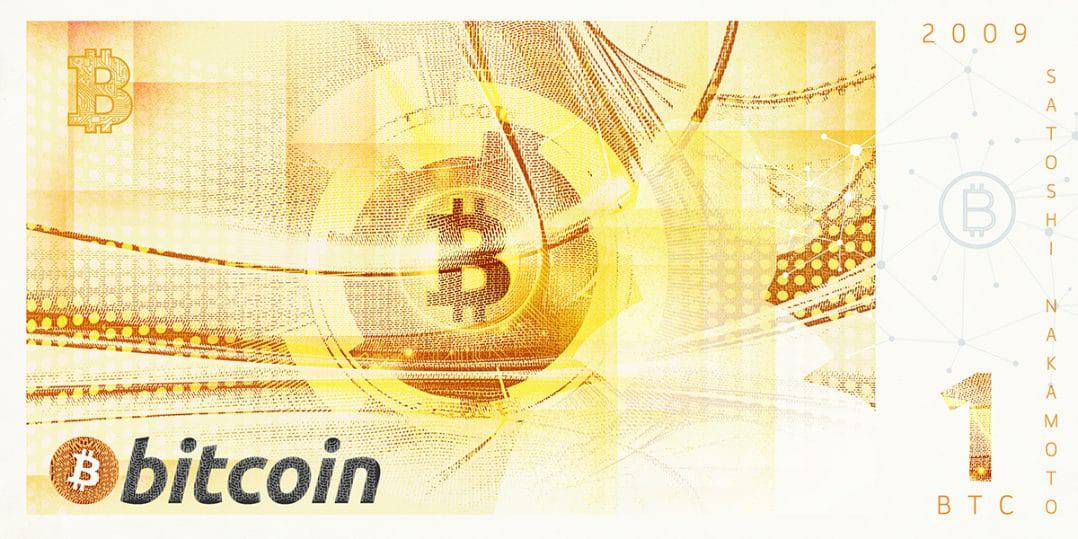
1. Bitcoin (BTC)
The original and most famous cryptocurrency, Bitcoin was founded in 2009 by a developer or group known by the pseudonym Satoshi Nakamoto. Bitcoin pioneered blockchain technology, which allows a network of strangers to agree on the state of a constantly-updated public ledger, without requiring a trusted party. Bitcoin is issued by ‘mining,’ a process whereby users find solutions to mathematical puzzles generated from transaction data and are issued bitcoins as rewards.
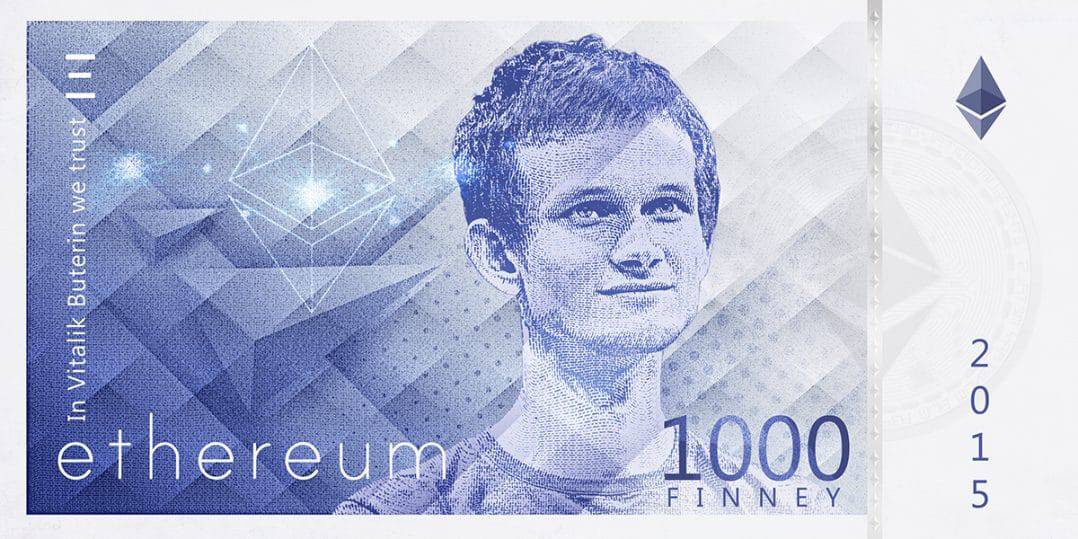
2. Ethereum (ETH)
Ethereum is the platform for Ether and it works in a similar way to Bitcoin, except that it allows for custom software – known as ‘dapps’ – to be stored and run on its blockchain. Ethereum is often used for ICOs, which are initial coin offerings that allow startups to fundraise – in this case using Ethereum – without having to go through traditional venture capital revenue rounds. Ethereum was founded in 2015 by ‘boy genius’ Vitalik Buterin, who chose the name Ethereum due to its inclusion of the word ‘ether,’ which refers to the hypothetical invisible medium that permeates the universe and allows light to travel.
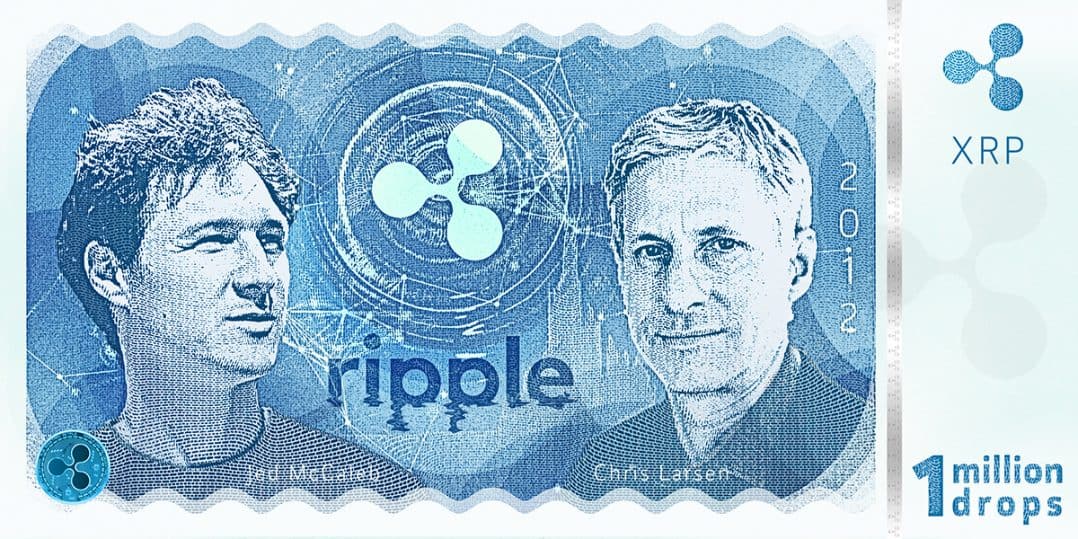
3. Ripple (XRP)
Unlike most cryptocurrencies projects where the coin is most important, Ripple emphasizes its payment system, which can be applied to the trading of any asset. By doing that, Ripple intends to modernize and extend the way banks do business. Introduced in 2012 by Chris Larsen and Jed McCaleb, Ripple is described as ‘http for money,’ since anyone can use or build on it without licensing.
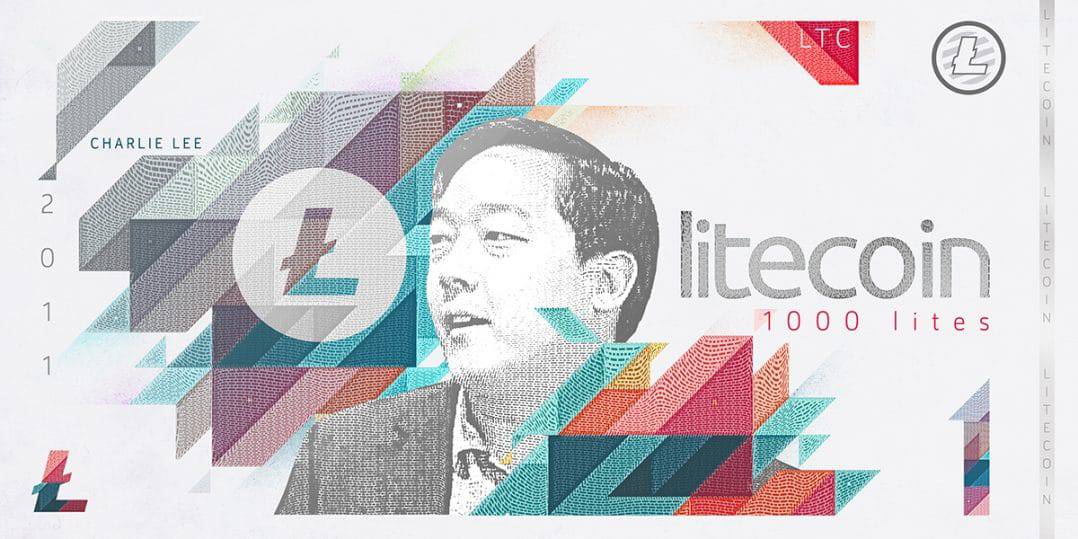
4. Litecoin (LTC)
Former Google employee Charlie Lee founded Litecoin in 2011 as a ‘lighter’ alternative to Bitcoin. Litecoin – which is subdivided into ‘lites’ – is intended for smaller payments and has a transaction time of just 2.5 minutes. Rumors are circulating that retail giant Amazon is considering accepting Litecoin as payment, which would be a huge boost for the legitimacy of cryptocurrency as a valid means of transactions.
5. IOTA (IOTA)
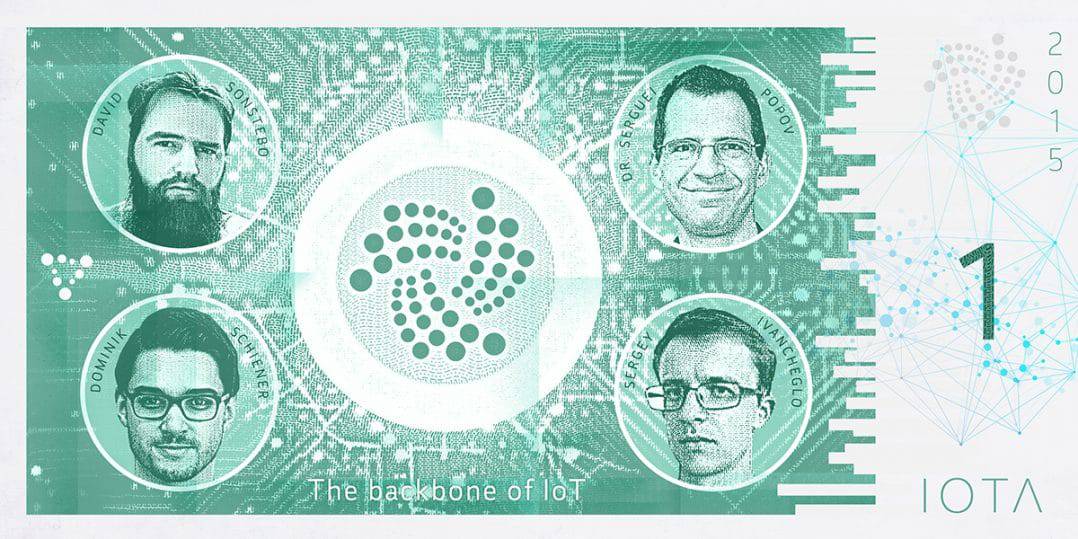
IOTA is different from most cryptocurrencies since it doesn’t rely on mining or a blockchain. Instead, it uses a technology known as the ‘Tangle,’ which enables transactions by automatically performing a quick computation. IOTA was founded in 2015 by David Sonstebo, Sergey Ivancheglo, Dominik Schiener and Dr. Serguei Popov with the intention of making it the cryptocurrency for the Internet of Things – a currency for automated payments between smart machines.
6. Monero (XMR)
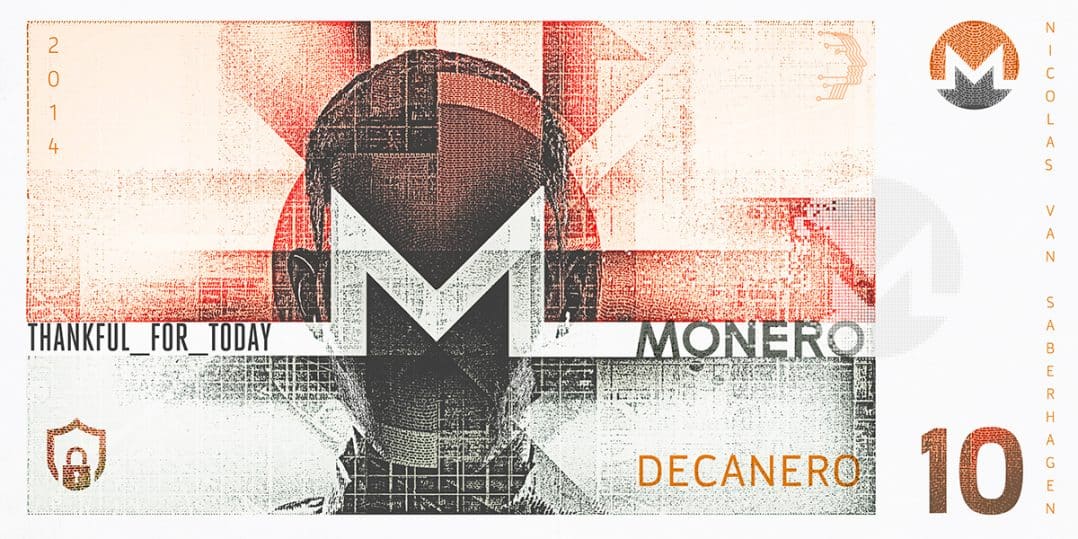
Monero was founded in 2014 by a programmer with the online username thankful_for_today, now best known by the pseudonym Nicolas van Saberhagen. The cryptocurrency has made anonymity its biggest selling point. It uses a development known as ring signatures to keep sender and recipient identities anonymous during a transaction. It does this by jumbling a user’s account keys with a selection of public ones, creating a ‘ring’ of possible identities and preventing anyone outside the transaction from linking it with one particular user.
7. Dash (DASH)
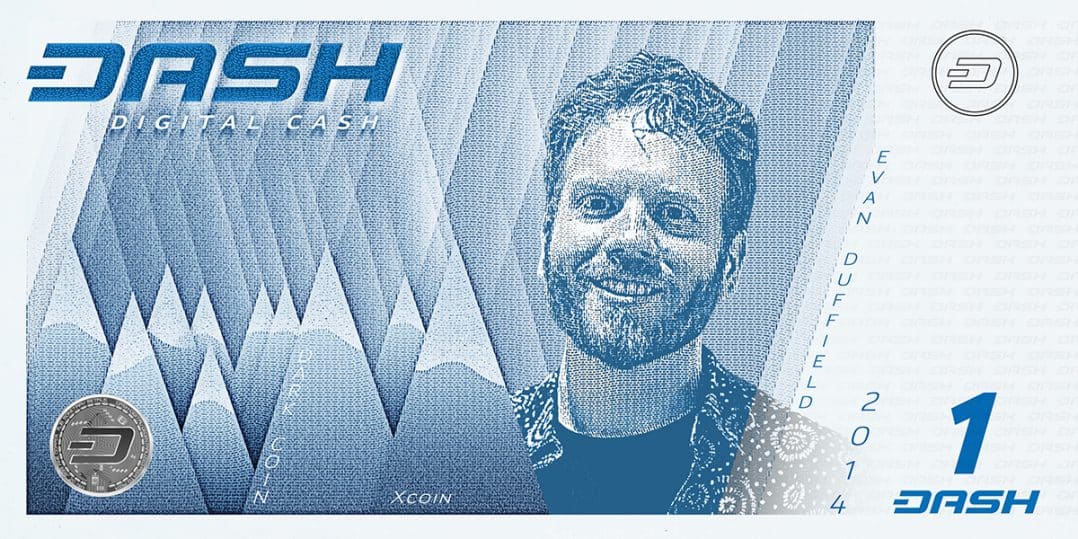
Dash – short for ‘digital cash’ – shares many similarities with Bitcoin, including its use in payments. Dash places greater emphasis on transaction speed and anonymity. It was created in 2014 by Evan Duffield and formerly known as Xcoin and Dark Coin.
8. Dogecoin (DOGE)
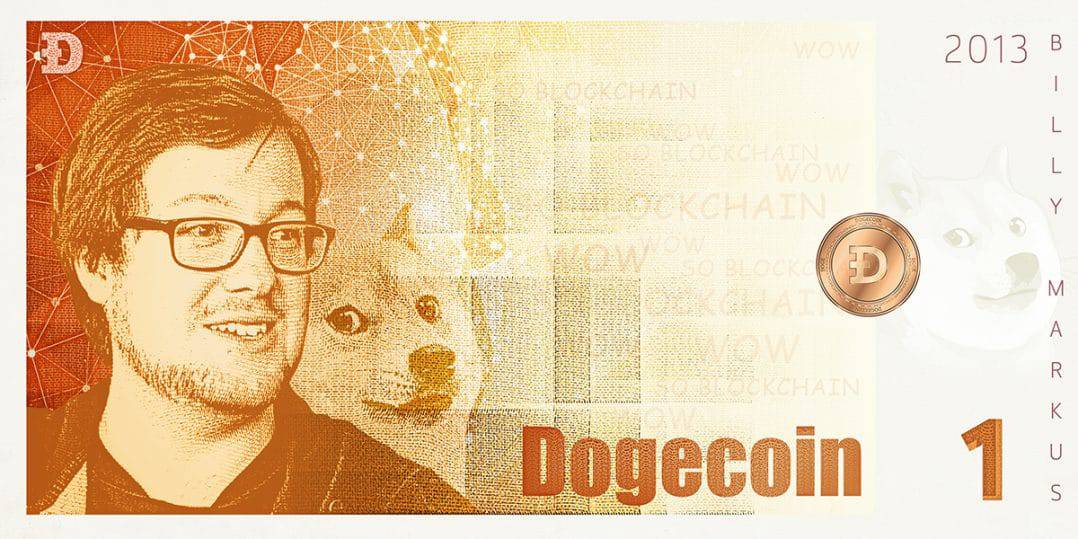
The self-proclaimed ‘fun and friendly’ cryptocurrency, Dogecoin was named for a popular internet meme about Shiba Inu dogs, which also explains its mascot dog. Dogecoin was developed in 2013 by programmer Billy Markus and marketer Jackson Palmer to appeal to a wide audience by staying as simple and light-hearted as possible. The coin’s widest application is giving social media users a ‘tip’ if you appreciate their content.
9. Stellar (XLM)
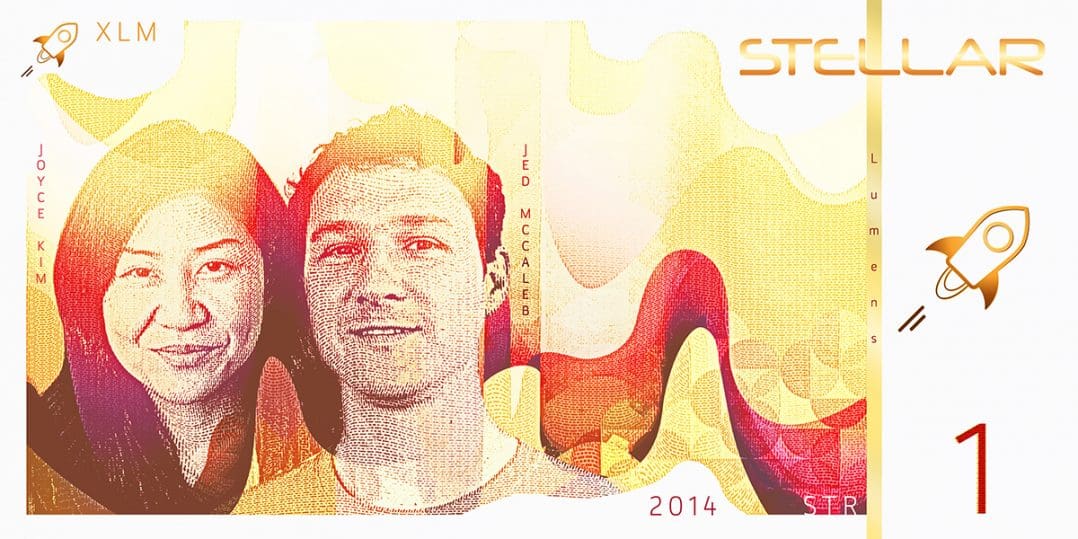
Stellar was developed in 2014 by Jed McCaleb, who previously ran Ripple, alongside Joyce Kim. Stellar was established as a nonprofit corporation that facilitates multi-currency transactions quickly, reliably and with minimal cost, using a crypto-asset called lumens. It’s the platform of choice for many nonprofits working in developing countries, with a mission of helping expand access to low-cost financial services through the development and maintenance of technology and partnerships. In 2017, tech giant IBM used Stellar for cross-border payments, fuelling hope of a stellar future for this cryptocurrency.
10. Zcash (ZEC)
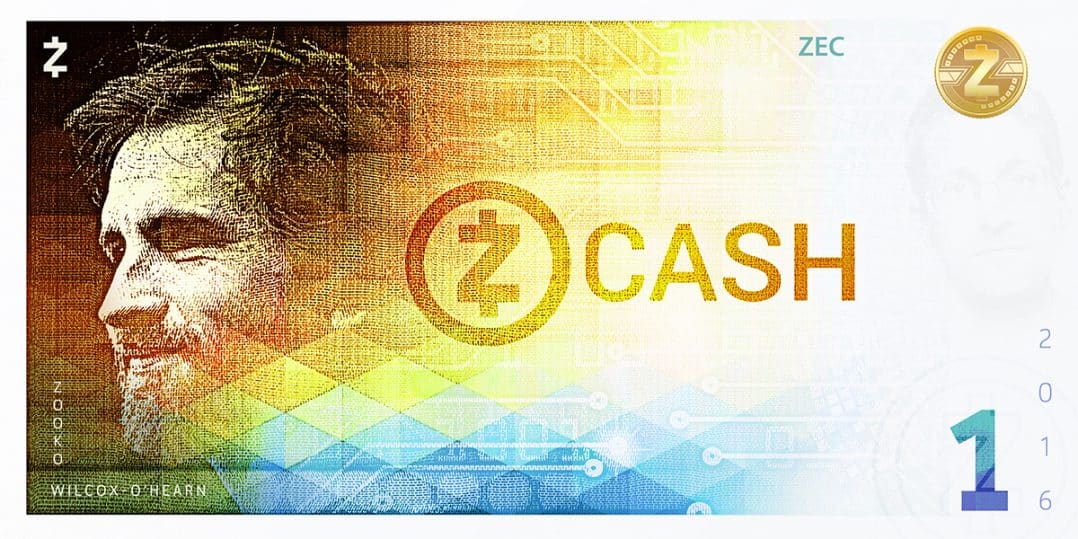
Zcash was created in 2016 and, like Monero, is known for its focus on privacy. Users can choose whether to send their transactions as ‘transparent,’ in which case they’re published as normal on a public blockchain, or to opt for extra privacy features which anonymize sender, recipient and amount. Founder Zooko Wilcox-O’Hearn’s Zcash entered the media spotlight earlier this year, when Edward Snowden revealed himself as a user at Blockstack Berlin.
Conclusion
Cryptocurrencies have grown beyond digital speculation. Each project reflects innovation, community, and real-world impact. Together, they show how the world of money is transforming in 2026 and beyond.
Fintech is a fast-moving sector, and it can be challenging to keep up with new and old cryptocurrencies. We hope these currency designs have let you see 10 of the sector’s biggest players in a new light – and perhaps learn something about their backstory.
Share this image on your site:
FAQs
What does “cryptocurrencies as paper money” mean?

It’s a creative way to visualize how popular digital currencies like Bitcoin, Ethereum, and Dogecoin would look if they existed as traditional paper banknotes.
Why are these the most popular cryptocurrencies in 2026?
These coins represent the most influential projects in the crypto market, each with unique technology, use cases, and history that continue to shape the future of digital finance.
How is cryptocurrency changing the future of money in 2026?
Cryptocurrency is transforming global finance by enabling decentralized, borderless, and transparent transactions. In 2026, it continues to challenge traditional banking systems and inspire new forms of digital payments.
Is investing in cryptocurrency still worth it in 2026?
Yes, but it depends on your goals and risk tolerance. With increasing adoption, regulatory clarity, and innovation in DeFi and NFTs, cryptocurrency investing remains a high-risk, high-reward opportunity in 2026.
References
- Steemit. (2017) Top 20 cryptocurrencies & their uses/purposes. steemit.com
- Dash. (2018) Dash documentation. docs.dash.org
- Biehl, Z. (2018) What is Dogecoin? investinblockchain.com
- Kahl, S. (2018) 22-year-old behind $5 billion crypto is just getting started. bloomberg.com
- Bovaird, C. (2017) What to know before trading monero. coindesk.com
- Bradbury, D. (2013) Chris Larsen: Ripple is HTTP for money. coindesk.com
- Casey, M and Vigna, P. (2014) Mt Gox, Ripple founder unveils Stellar, a new digital currency project. blogs.wsj.com
- Mirani, L. (2015) Platforms, not products, are the way to bring financial services to the poor. qz.com
- Zcash. (2018) Zcash – Technology. z.cash

Why you can trust 99Bitcoins
Established in 2013, 99Bitcoin’s team members have been crypto experts since Bitcoin’s Early days.
Weekly Research
100k+Monthly readers
Expert contributors
2000+Crypto Projects Reviewed