







Sixty-eight blue-chip NFTs. Seconds away from permanent loss. Yuga Labs just pulled off one of the most coordinated white-hat rescues in NFT history, and the implications reach well beyond a single protocol. The incident exposes a structural vulnerability in how NFT liquidity products are built and has investors wondering whether LiquidChain could provide a solution to avoid future exploits.
According to confirmed on-chain data, Yuga Labs CEO Michael Figge announced the successful extraction of 29 Bored Apes, 4 Mutant Apes, 1 BAKC, 2 CryptoPunks, 1 Azuki, 2 Elementals, 26 Captains, 1 Moonbird, and 2 Doodles from a vulnerable Flooring Protocol smart contract, assets collectively valued at over $500,000.
Yuga Labs Saves Millions in NFTs From Exploit
Yuga Labs (@yugalabs) has completed a whitehat rescue operation following an exploit discovered in Flooring Protocol, CEO Michael Figge (@mfigge), said.
The company secured dozens of high value NFTs, including BAYC, MAYC,… pic.twitter.com/lkq14IaEtq
— BSCN (@BSCNews) June 8, 2026
The operation was led by Yuga’s blockchain lead 0xQuit, with liquidity support from GrailsOTC. Some NFTs had already been stolen before the rescue team moved in.
The broader NFT financialization market is now under fresh scrutiny. This incident doesn’t just affect Yuga Labs holders; it signals systemic risk across every protocol that wraps illiquid assets in complex smart contract architecture.
What Does the Flooring Protocol Exploit Mean for NFT Market Stability
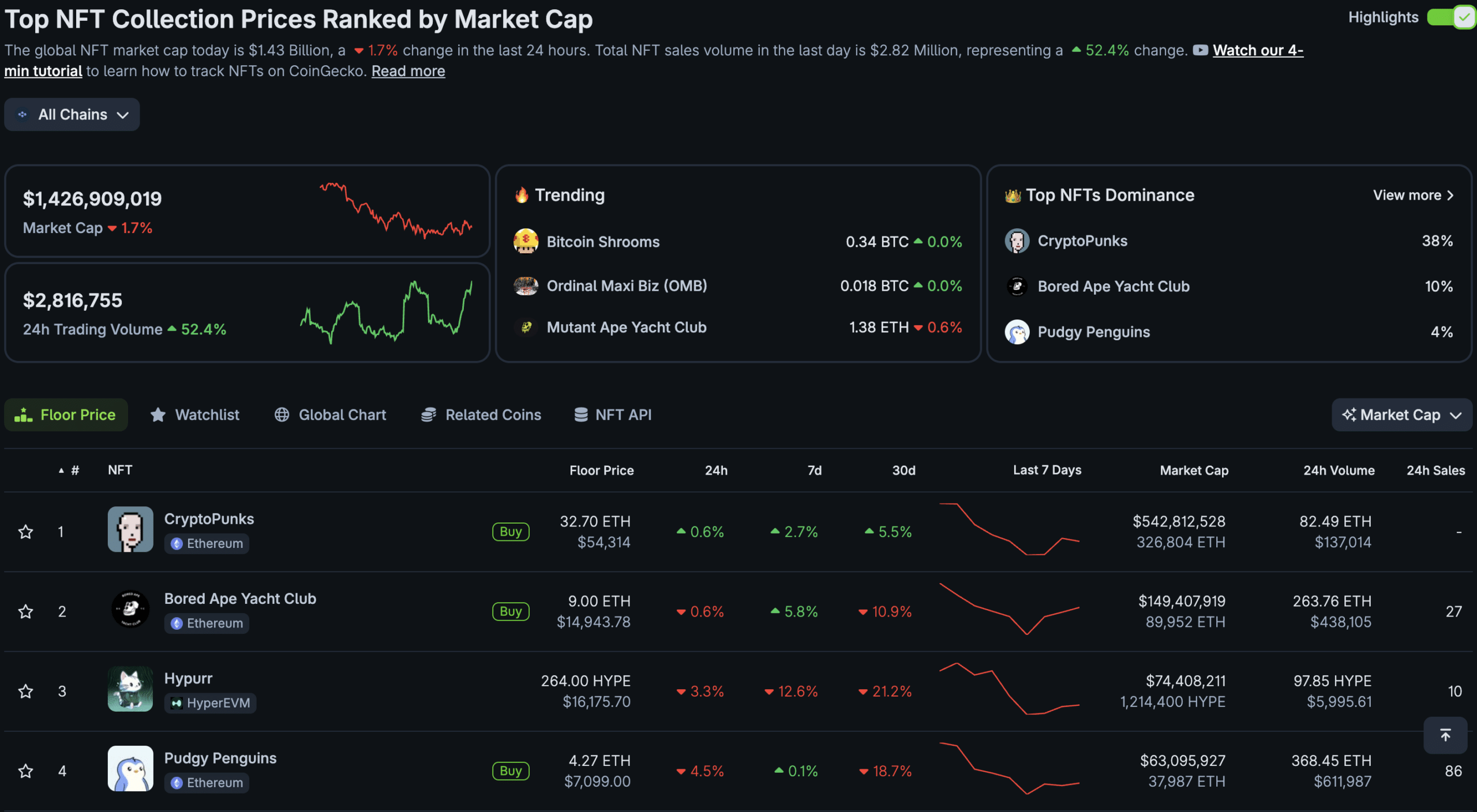
Flooring Protocol is a fractionalization platform that allows users to borrow against high-value assets like art by splitting ownership into shares. However, a recent vulnerability was missed during security reviews, raising concerns about the platform’s safety.
According to security firm SlowMist, exploits related to Flooring Protocol caused losses of about $8.43M from December 10–16. A previous incident had NFTs worth $1.5–1.6M sold on Blur before intervention.
This contrasted with a recent rescue where Yuga Labs prevented further theft, potentially averting a crash in NFT floor prices across major collections.
The NFT market’s confidence hinges on effective white-hat responses becoming standard, while the bear case suggests that the increasing complexity of protocols may outpace security reviews. The next exploit might not have a quick response.
EXCLUSIVE: Earn $10 USDC Via Binance Sign-Up
LiquidChain Targets the Exact Problem This Exploit Just Made Visible
The Flooring Protocol incident is a case study in what happens when liquidity infrastructure is fragile. Fractionalizing NFTs, bridging assets across chains, and managing redemption mechanics across isolated pools each layer adds smart contract risk. The assets are only as safe as the weakest contract in the stack.
That fragmentation problem is precisely what Liquid Chain ($LIQUID) is designed to address at the infrastructure level. Rather than stacking protocols on top of protocols, LiquidChain is a Layer 3 execution environment that fuses Bitcoin, Ethereum, and Solana liquidity into a single unified layer, meaning developers deploy once and access all three ecosystems without bridging assets through vulnerable intermediate contracts. The cross-chain liquidity problem has been one of crypto’s most persistent structural risks.
The presale is currently priced at $0.01467, with $830,870.34 raised to date. Key features include a Unified Liquidity Layer, Single-Step Execution, Verifiable Settlement, and Deploy-Once Architecture.
Research LiquidChain’s presale terms before committing capital, and size any position accordingly. Early-stage infrastructure plays can deliver outsized returns or total loss (sometimes both feel possible in the same week).
EXPLORE: Best Meme Coin ICOs to Invest in 2026

Why You Can Trust 99Bitcoins
Established in 2013, 99Bitcoins' team members have been crypto experts since Bitcoin’s early days.
Weekly Research
100k+Monthly Readers
Expert Contributors
2000+Crypto Projects Reviewed