






In This Article
Non-fungible tokens (NFTs) were once more difficult to buy, largely due to a lack of price transparency. However, the industry now even has marketplaces that show market interest, similar to advanced crypto trading platforms. Despite better tools, the number of marketplaces can still feel overwhelming. This guide will walk you through how to buy NFTs using today’s more featureful marketplaces and tools.
NFTs cover a broader range of assets than in the past as well, ranging from event tickets to real estate, but the industry never lost sight of its roots: collectible digital art. Ethereum (ETH) still leads the space, and many of the best tools still center on the chain. Let’s start with a quick walkthrough of how to buy NFTs before we explore the ecosystem in more detail.
How to Buy NFTs in 5 Easy Steps
Most NFT marketplaces follow a similar process. You connect to the marketplace with your crypto wallet, find an NFT you want, and then complete the purchase using your crypto. Let’s review the basic steps to get started. We’ll cover these in more detail later in the guide.
-
Set Up a Crypto Wallet
First, you’ll need a crypto wallet to store your crypto (and your NFT). You’ll also use your wallet to connect to NFT marketplaces. Popular wallet choices include MetaMask (for Ethereum) or Phantom (for Solana or Ethereum). These wallet apps are typically browser extensions or mobile apps. Follow the setup instructions and save your recovery phrase securely offline.
-
Add Funds
You can’t buy NFTs with a credit card on most NFT platforms. Instead, you’ll use crypto (like ETH or SOL) and make the purchase with your crypto wallet. You can buy crypto through a trusted crypto exchange. However, you might want to browse some NFT collections first so you can have the right type of crypto on hand to complete your purchase. Be sure you have enough to cover the cost of the NFT, but keep a bit extra put aside for network gas fees.
-
Choose & Connect to a Marketplace
Once you’ve funded your wallet, choose a marketplace that lists the type of NFTs you want. OpenSea and Magic Eden are the most popular starting points. Instead of creating a username and password, click Connect Wallet to log in.
-
Look for the Right NFT
Start exploring the NFT collections. You’ll want to check the project’s details, verify it is the official collection (look for verification badges), and review past sales prices. NFT marketplaces now show much clearer pricing history than they did a few years ago. This makes it easier to compare asking price versus value.
-
Make Your Purchase
When you’ve chosen the NFT you want, click Buy Now and approve the transaction in your wallet pop-up. You’re using your crypto to complete the purchase. Once the network confirms the transaction, the NFT will show in your wallet or the marketplace’s Profile section.
How to Buy NFTs – Step-by-Step Instructions
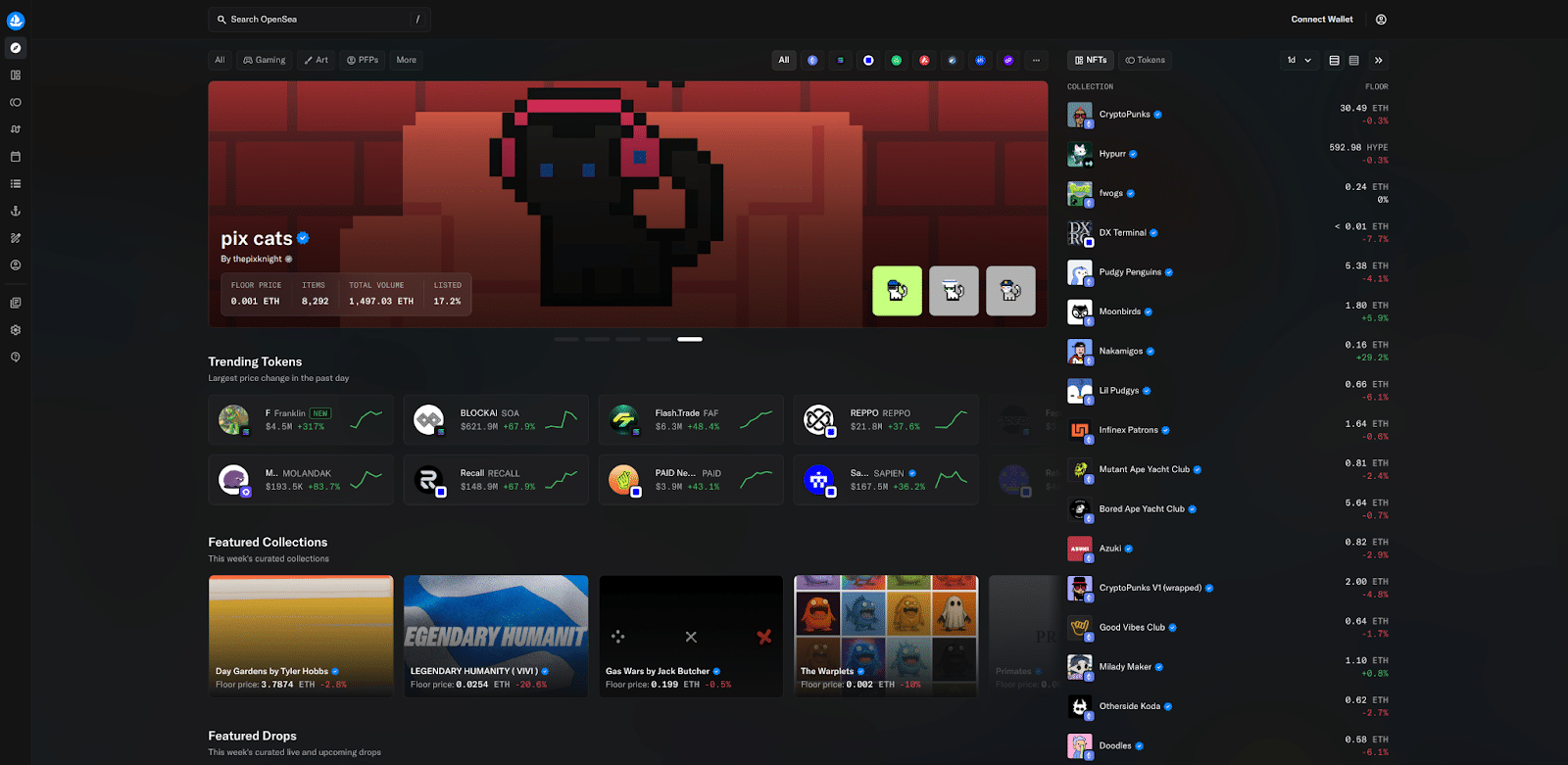
While every NFT marketplace looks slightly different and may vary in the types of data they show, they function similarly under the hood. Let’s walk through how to buy NFTs as a broad overview. The steps will be similar for most platforms.
Step 1: Install and Secure Your Wallet
Before you visit a marketplace, you’ll need a crypto wallet. Your wallet address acts as your digital identity on the blockchain. However, you might want to browse for NFTs a bit first, because you can’t buy an Ethereum NFT with a Solana wallet, and vice versa.
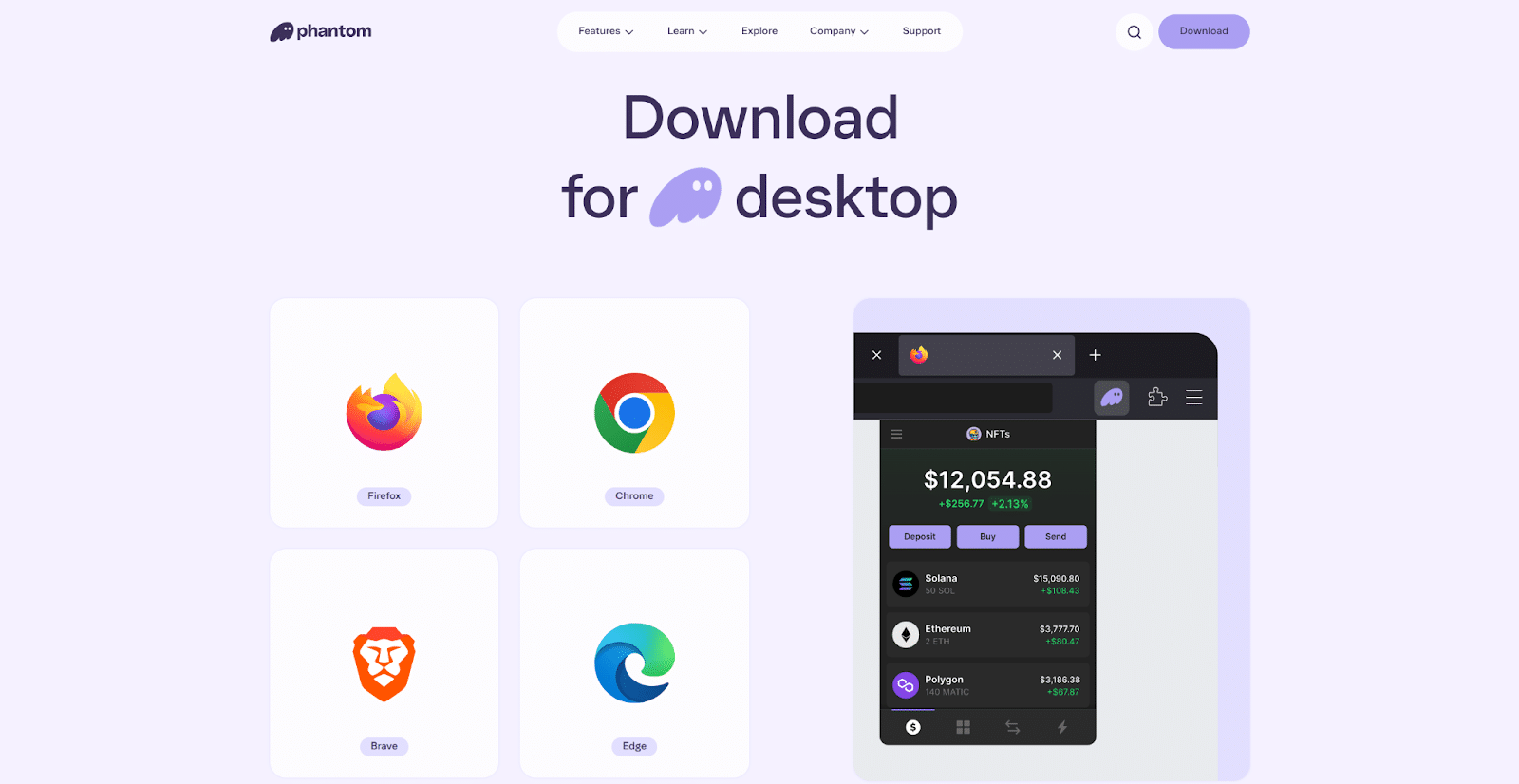
(1) Download a wallet. Install a crypto wallet like MetaMask (for Ethereum) or Phantom (for Solana OR Ethereum) from their official websites. Both of these options offer Chrome extensions for desktop users. Alternatively, if you’re a mobile user, you can download the Best Wallet app, which supports multiple chains.
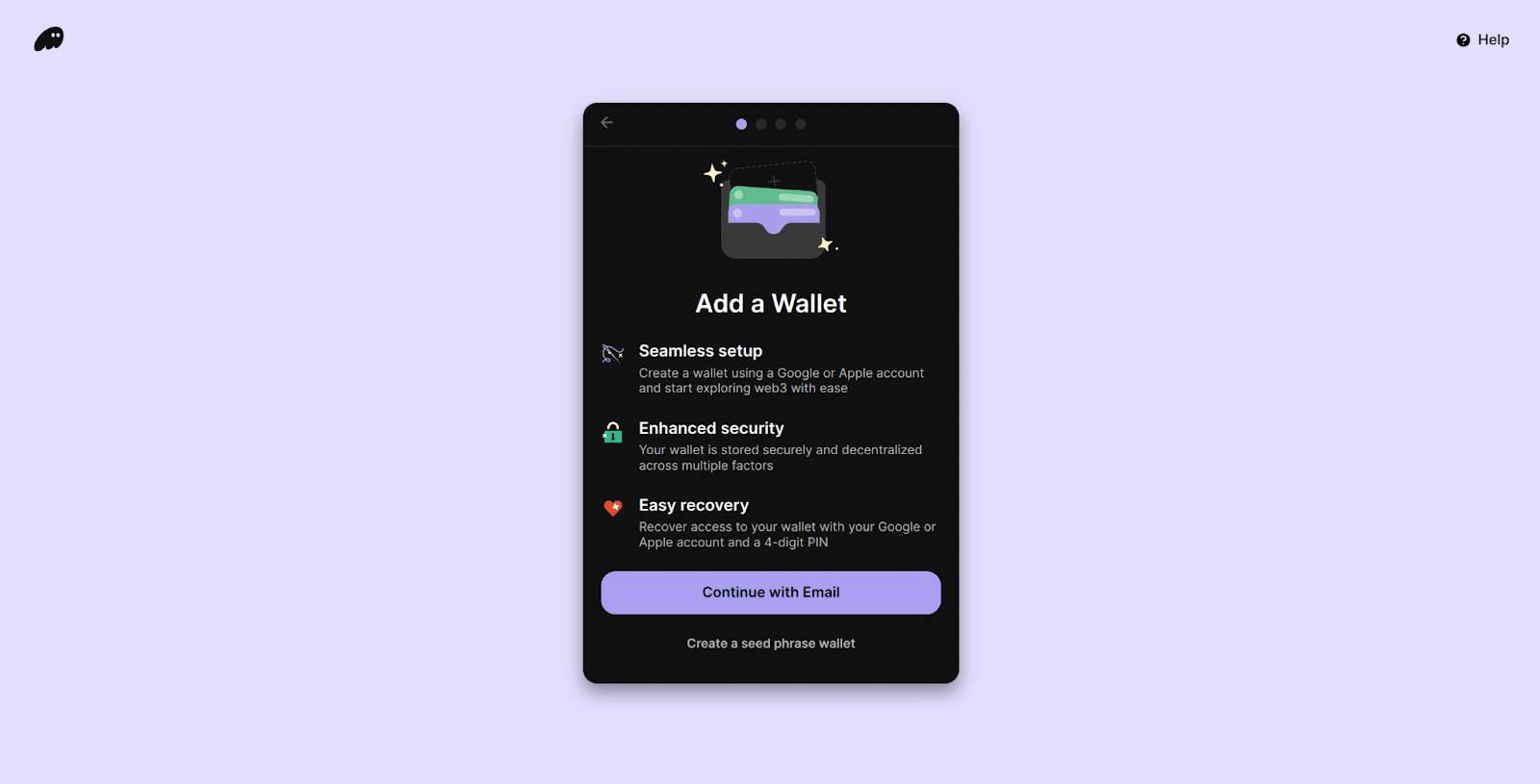
(2) Set up your wallet. Follow the setup instructions provided by your wallet app. Typically, you’ll choose a password or PIN, and the app provides a recovery phrase you can use to back up your wallet. The recovery phrase is usually 12 to 24 words. Write these words down, don’t share them, and store the phrase safely offline. Some wallets, such as Best Wallet, default to an easier setup based on your email address. Phantom supports both methods of wallet backup.
Step 2: Fund Your Wallet
You can’t buy an NFT with a credit card directly on most decentralized marketplaces; you’ll need some crypto to buy your first NFT.
(1) Buy ETH or SOL. Purchase cryptocurrency on a trusted crypto exchange that supports your region and allows you to buy with your local currency. Before you buy crypto, take some time to hone in on the types of NFTs you want. Again, the networks aren’t compatible, so you want to have the right type of cryptocurrency on hand.
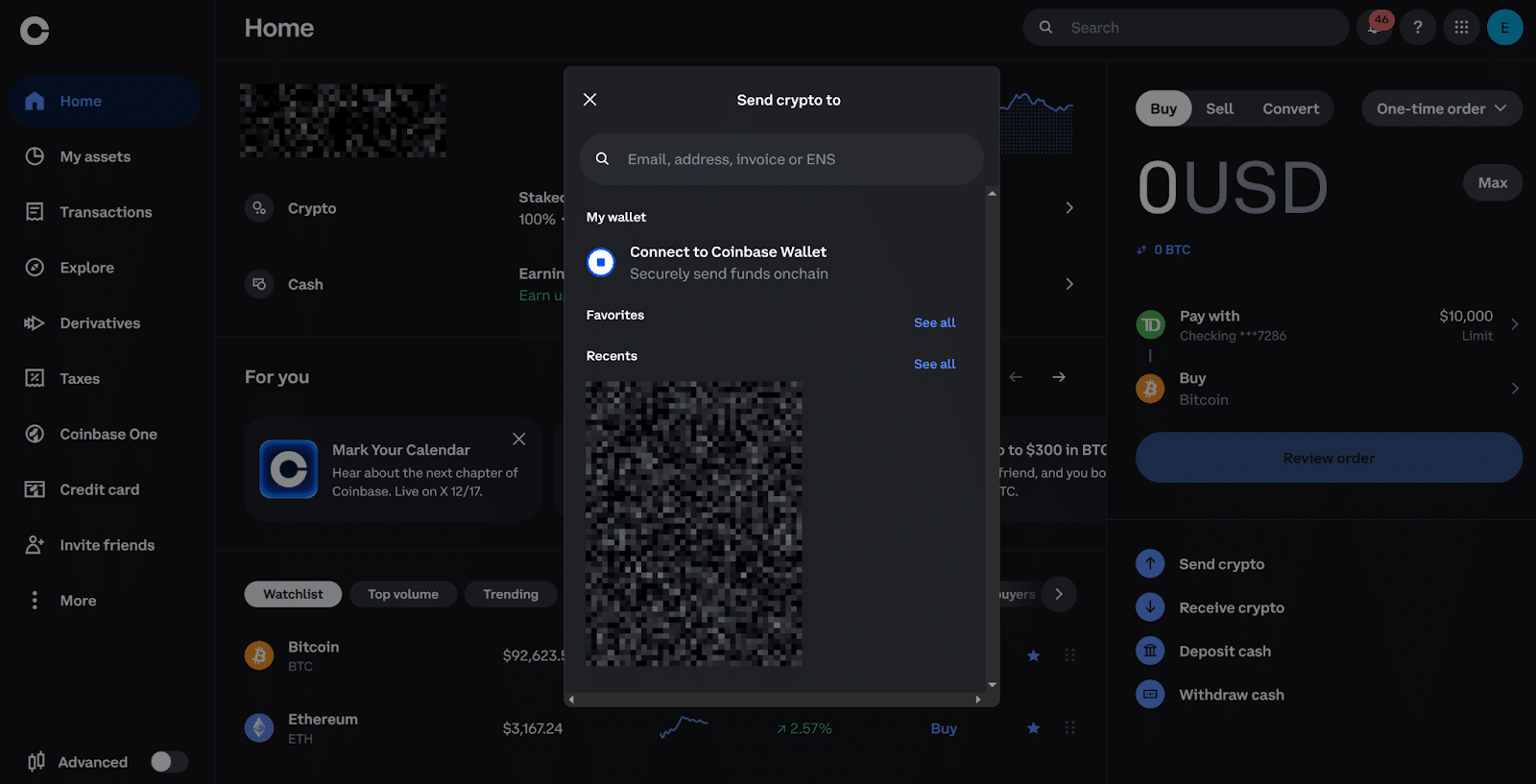
(2) Withdraw to your wallet. Copy your new wallet address (usually found at the top of the app window, starting with 0x… for Ethereum). Some wallet apps use a Receive button. Click this to find your wallet address. Next, in your exchange account, select Withdraw or Send, paste your address, and transfer the funds to your own crypto wallet.
Budget for gas fees before you buy:
- Ethereum Users: Keep an extra $30–$50 in ETH in your wallet app. Ethereum gas fees fluctuate based on traffic; having a buffer helps ensure you have enough for gas fees.
- Solana Users: Fees on Solana are very low. Keeping an extra $1 or $2 worth of SOL on hand is often enough to cover hundreds of transactions.
Step 3: Connect to the Marketplace
Go to the NFT marketplace website. OpenSea makes a good starting point for beginners, but you can choose any trusted NFT platform that suits your preferences and has a selection that interests you.
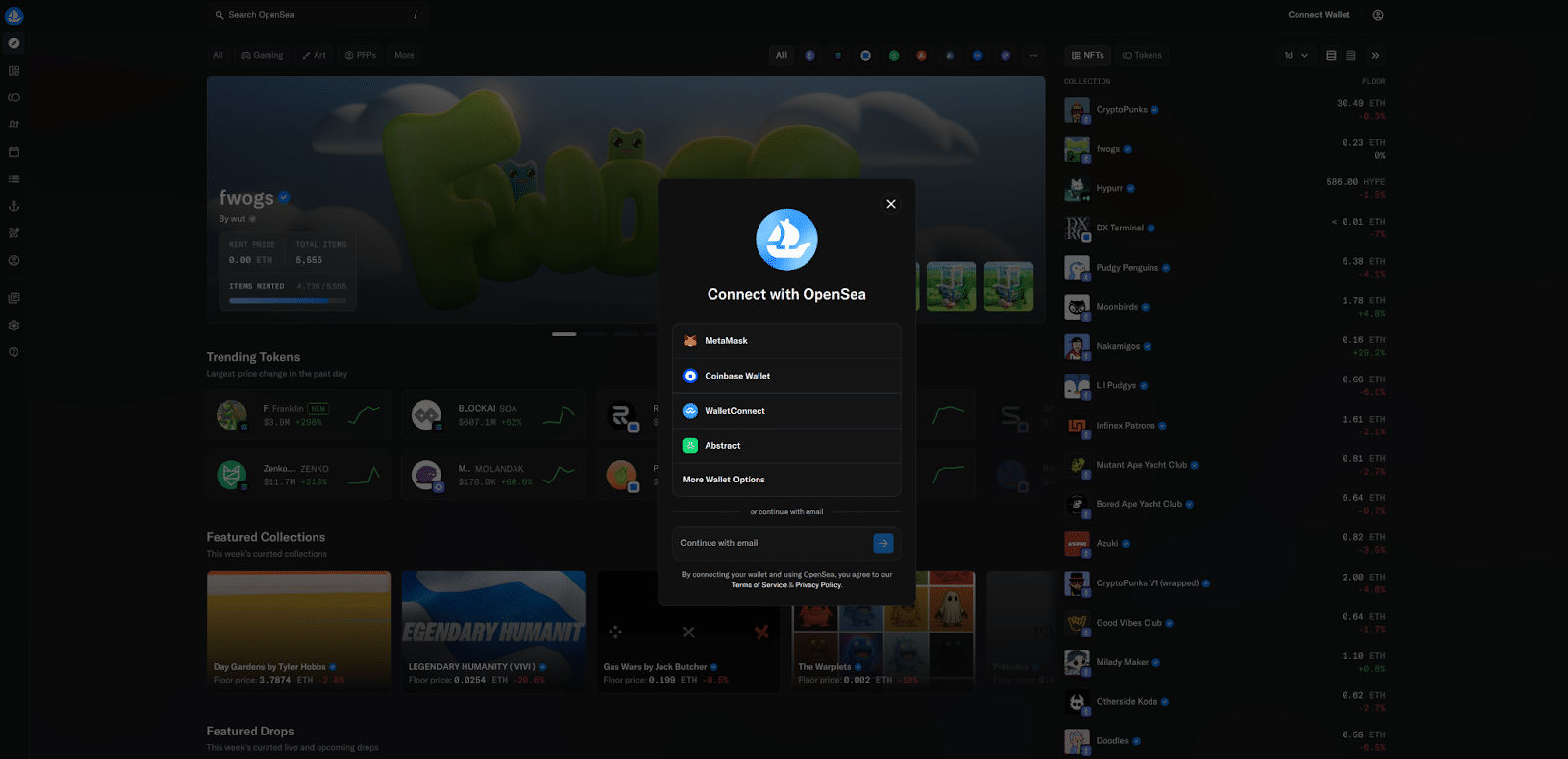
Next, click the Connect Wallet button, usually located in the top-right corner. A pop-up window from your wallet app will appear asking for permission to connect. Click Connect or Sign. This initial wallet signature acts as a login for the platform. No gas fees are required (yet).
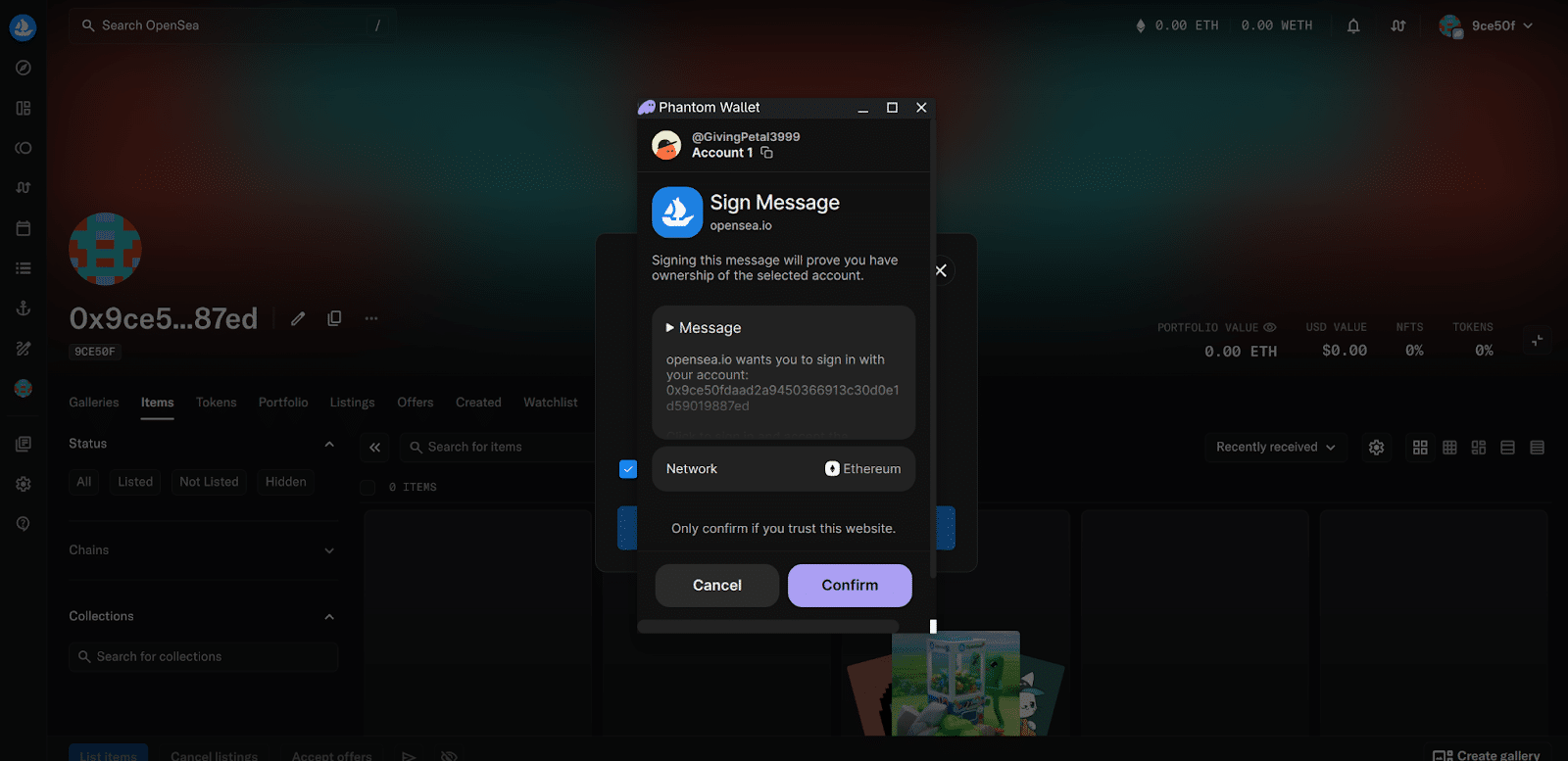
Step 4: Find and Select Your NFT
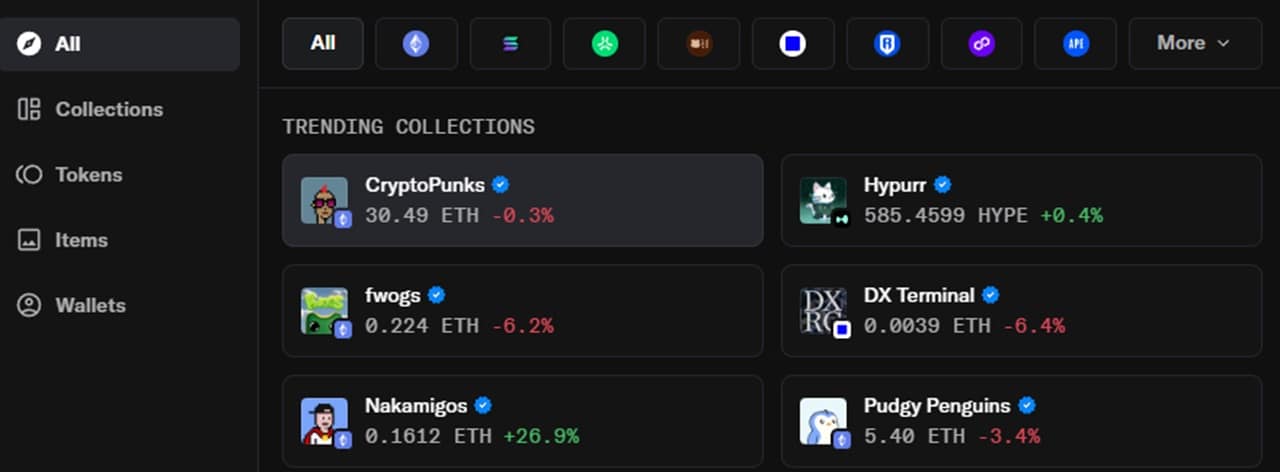
Now, it’s time to shop. Use the search bar to find a collection. You can also browse featured collections or sort by most popular on many platforms. Once you find one you like, look for a blue verification checkmark next to the collection name to be sure it’s the official project and not a copycat. Similar-looking collections are common and often worth much less than well-known collections.
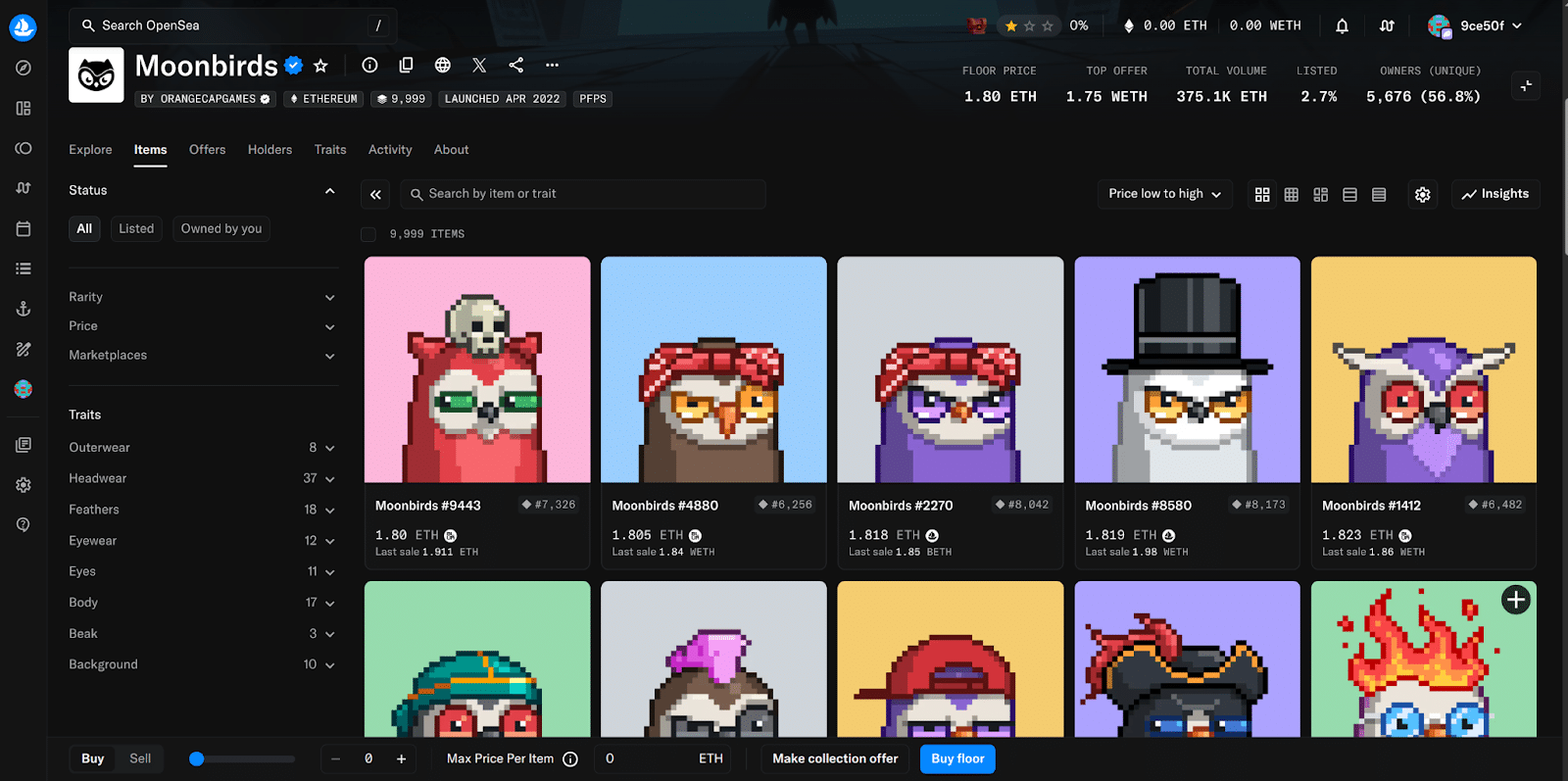
You can use the filters on the left sidebar to sort by price or filter by specific traits for that collection. Maybe you want one with sunglasses or a red hat. Select the specific NFT you want to view its details page.
Step 5: The Purchase
On most marketplaces, you’ll typically see two options:
- Buy Now: In this case, you agree to pay the seller’s listed price.
- Make Offer: Instead of paying full price, you can propose a lower price and wait to see if the seller accepts. (They might not ever respond.)
To Buy Now: Click the Buy Now button. Look for a checkout window showing the total cost. Make sure you’ve selected the correct NFT and then click Confirm Purchase.
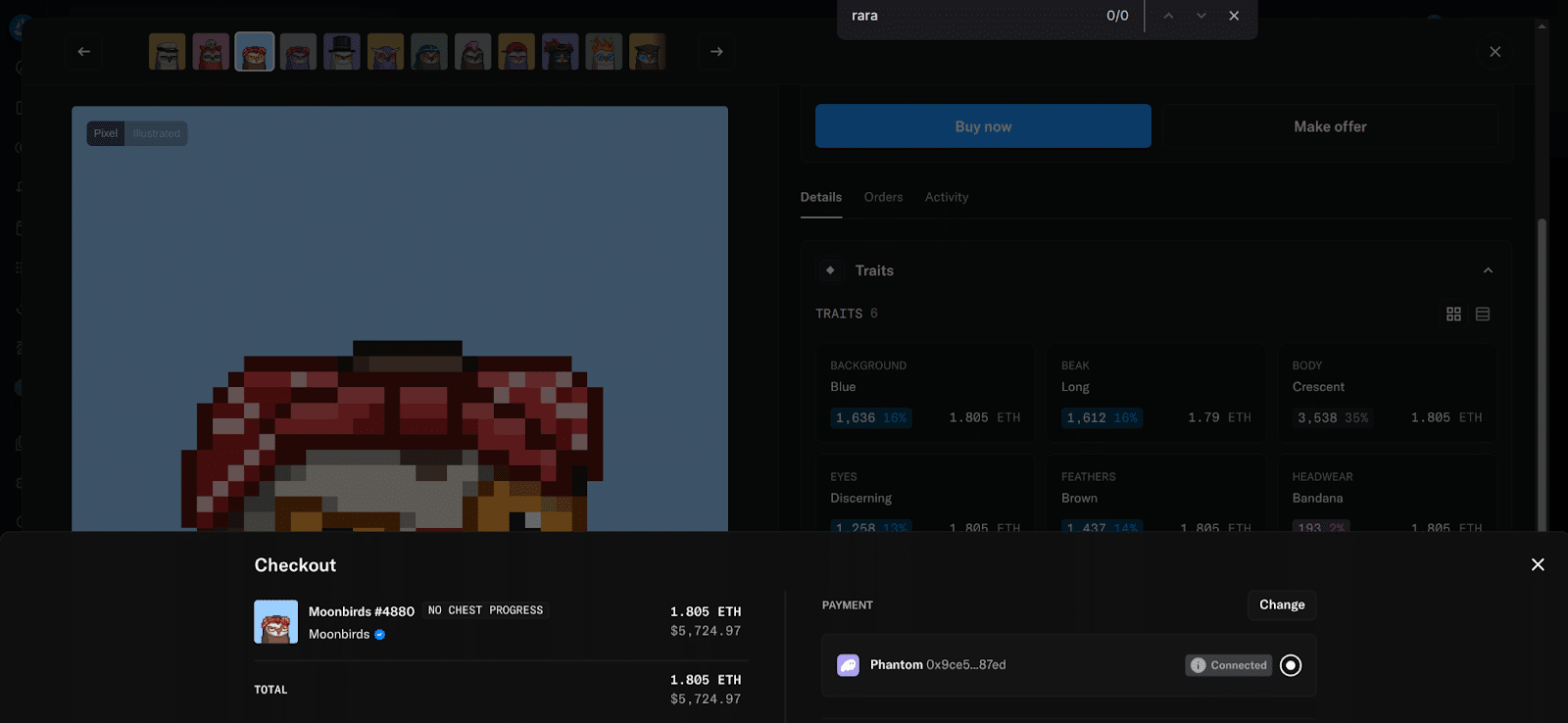
You haven’t really completed the purchase yet.
Next, your wallet app will pop up again, showing the cost of the NFT and the gas fee. This is when the money moves. Check the details. If everything looks right, click Confirm to complete your purchase using the crypto in your wallet.
Once the network processes your transaction, the NFT is yours. This can take a few seconds to a few minutes, depending on network traffic.
Now, go to your profile page on the marketplace. You should see your new NFT under the Collected tab. Many crypto wallets can also display NFTs.
Congratulations! You now officially own the NFT on the blockchain.
What Are NFTs?
NFTs (non-fungible tokens) are blockchain tokens that indicate ownership of something, and the token contract defines what that something is. Each token also comes with its own identifier. This makes NFTs different from typical cryptocurrencies, where every unit is interchangeable (fungible). With NFTs, the token represents ownership of something specific. This might be a piece of art, a collectible, a membership pass, or even real-world assets. Whatever it is, if you own the NFT, you’re granted the rights associated with it.
The way NFTs store ownership is what gives them value. Instead of relying on a website or database, both of which can be modified by someone else, the proof of ownership is recorded on a public blockchain where anyone can verify that a given wallet owns a specific NFT. Most NFTs use a technical standard like ERC-721 (on Ethereum), which allows blockchain smart contracts and wallet apps to interact with the token.
For example, an NFT creator can create a numbered collection of 100 identical digital images, each with a unique identifier. They look the same, but each is unique because of its identifier. Or, they might create a collection in which each has different attributes. The blockchain ledger tracks which wallet address owns each NFT. The unique nature of NFTs makes them useful for a range of assets. Use cases include art, event passes, or even real estate and decentralized finance (DeFi) positions on the blockchain.
However, most NFT activity still centers on digital art similar to well-known collections like Bored Ape Yacht Club (BAYC). And while other networks also support NFTs, leading networks like Ethereum and Solana still dominate the sales charts. Whichever network or NFT type you choose, the concept remains the same: an NFT is a unique digital asset that can be owned, transferred, and traded without depending on a centralized service.
Why Buy NFTs?
People buy NFTs for many reasons, and it usually depends on what the token unlocks. Some buyers want the art itself. Others follow a favorite creator or use NFTs as their pass into a project’s community or app. The draw isn’t solely the file you see on-screen, but the ability to verify ownership.
Scarcity plays a part as well. NTFs are unique, and even collections of 10,000 still bring attributes that are common (perhaps less desirable) or rare. An NFT from a popular collection with rare attributes translates into bragging rights. It might also just be more appealing to certain buyers.
Every NFT has a recorded history, so you can check where it came from and how often tokens from the collection have changed hands. You can even see what others paid for their NFTs. For example, Justin Bieber paid $1.29 million for a Bored Ape NFT. That transparency gives NFTs the same sort of traceability that collectors expect in the physical world. However, in crypto, most transactions are more private regarding who initiated them, because your wallet address serves as your identity on the chain.
There’s also the trading side of the market. Prices rise and fall based on demand or broader trends in the crypto space. Not everyone buys NFTs for potential price appreciation, but it’s part of the appeal for some people who follow the market closely.
However, when it comes to the type of NFTs we typically associate with the term, status and community play big roles. Own a Bored Ape or CryptoPunk? You’re part of a select group, and you’re probably displaying it somewhere. Want to represent your favorite memecoin on social media? An NFT from the project collection helps you show your commitment to the community.
Different Methods to Buy NFTs
Buying an NFT can range from a simple, direct purchase on a user-friendly marketplace to a high-speed, data-driven trade on an aggregator (a site that brings in data from many marketplaces).
The platforms available generally fall into three types. First, Centralized Exchange-operated marketplaces like Binance or Coinbase offer a familiar environment that helps beginners ease their way into the NFT world. However, selection may be more limited. Second, there are Standard Marketplaces, such as OpenSea (still the best-known), which operate using a decentralized, peer-to-peer structure. NFT Aggregators like Blur introduce features such as better marketplace transparency, real-time order books, and the ability to buy NFTs in bulk.
The best method often depends on your experience level and why you want to buy the NFT (collecting versus high-volume trading). Let’s look at the options.
The Standard Marketplace (Best for Beginners)
If you’re new to NFTs, a standard decentralized marketplace often offers a good starting point. Platforms like OpenSea or Magic Eden assume the role of an online art gallery. Buyers can easily view the artwork, read the description, and review the NFT’s history.
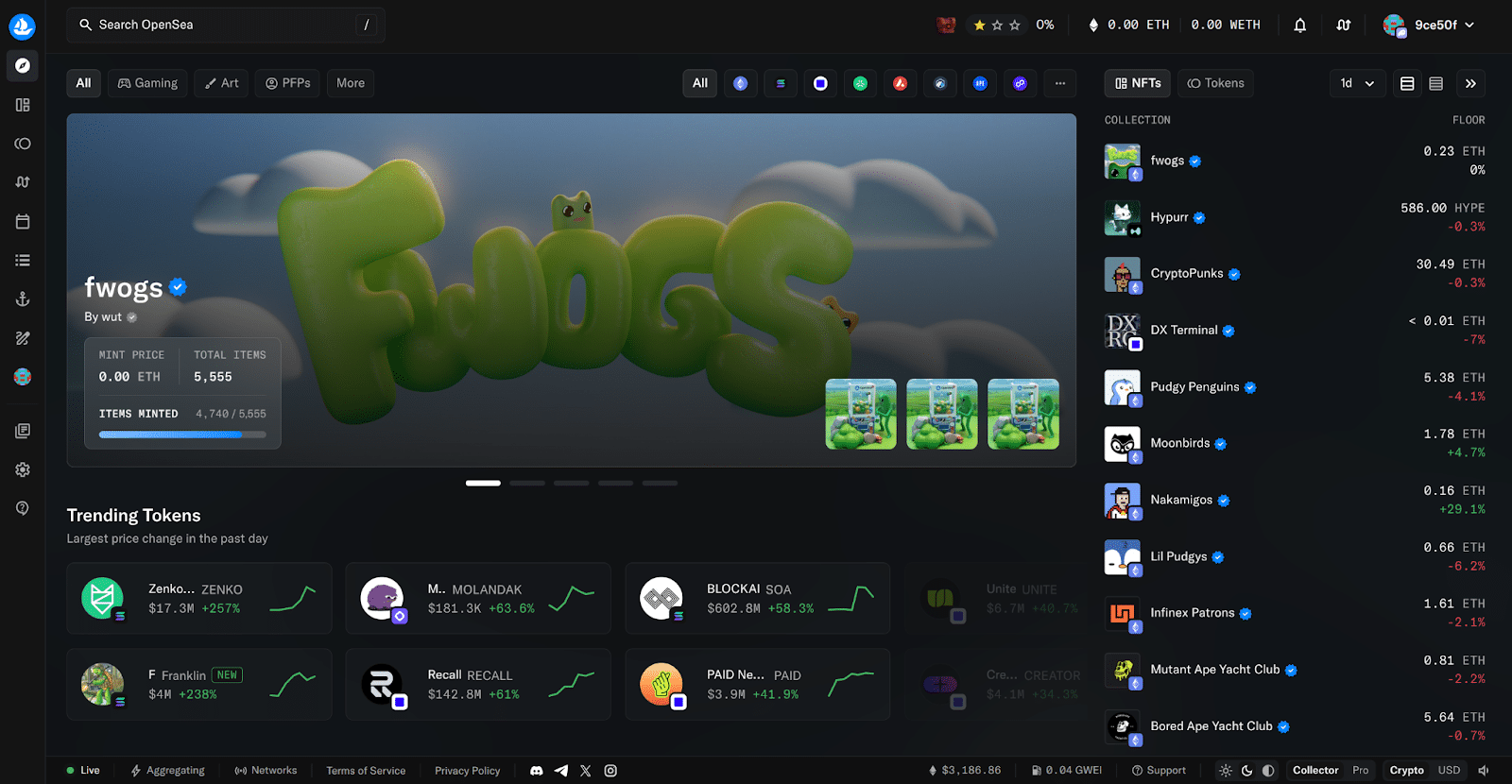
Often, buying options are also simplified. You can buy now, or start negotiations by making an offer. These platforms handle the complex backend logic and present it in a beginner-friendly interface. While they show past sales data and price charts in some instances, the focus is on discovering and collecting art rather than rapid trading or in-depth price data.
The Pro-Trader Aggregator (Seeing Market Interest)
As you become more comfortable with NFTs, you may want tools that offer deeper data and speed. Aggregators like Blur, shown below, or OpenSea Pro are designed for traders rather than one-off purchases and provide all the tools you’ll need if you want to learn how to trade NFTs for profit.
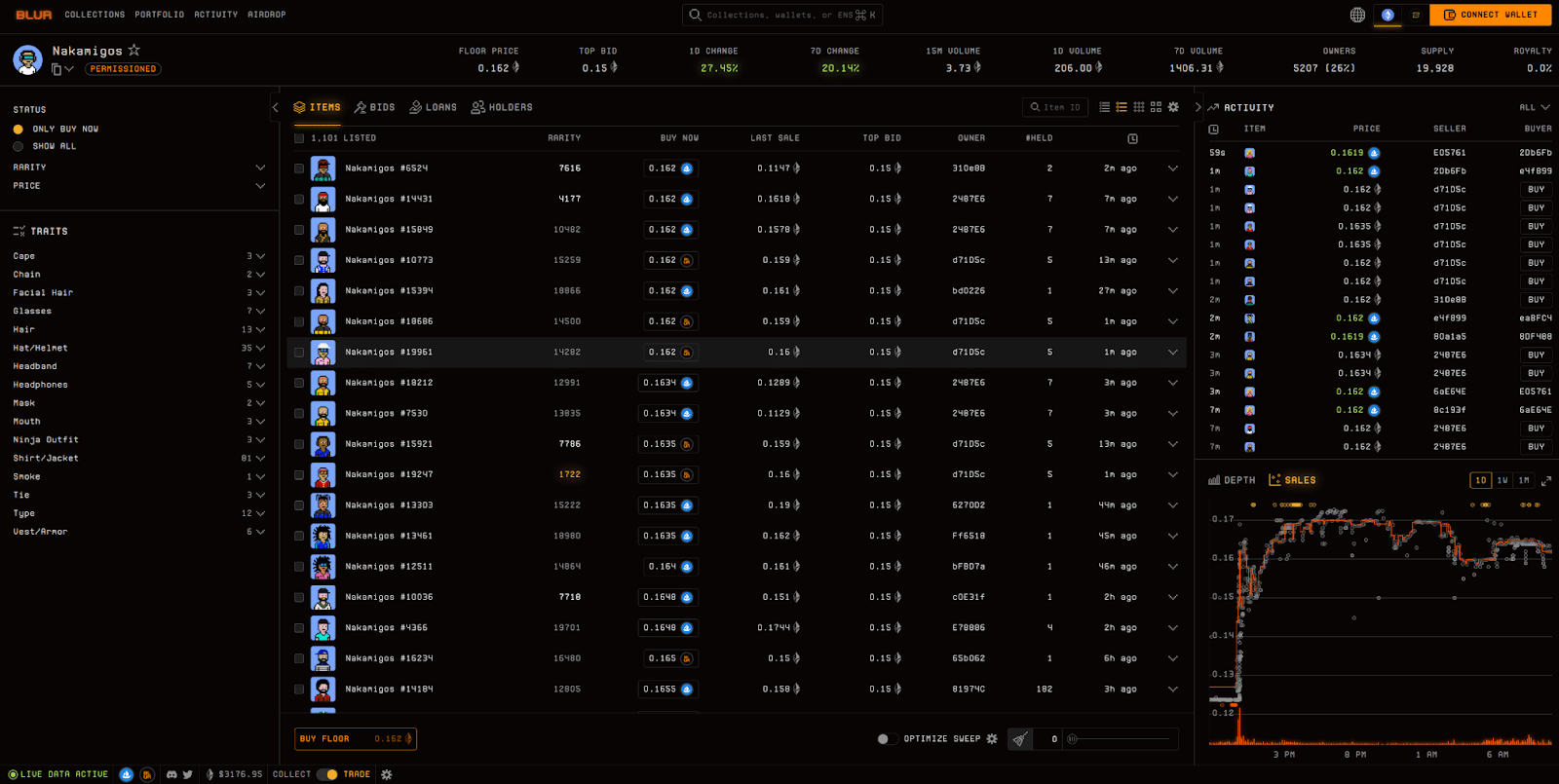
Rather than just showing you listings from one platform, they pull data from multiple marketplaces at once to ensure you see the absolute lowest price available. This also gives you the big-picture view because these tools provide more insight into the pricing trends and market interest for specific collections.
For instance, you can place a “collection bid,” which acts as a standing offer to buy any NFT in a collection at a price you specify. These bids act as data points that indicate the level of interest in collections. They also provide more market clarity than the floor price (the lowest listed price for an NFT within a collection). Aggregators like Blur also enable buyers to “sweep the floor.” This refers to buying multiple NFTs from a collection in one transaction, focusing on the lowest-priced listings.
The combined data these aggregators offer makes their trading interfaces more complex. While well-suited to frequent and advanced traders, these platforms are also more commodity-focused rather than honing in on a specific NFT for its aesthetic appeal.
Direct from the Project (Minting)
The two methods above cover “secondary sales” (buying from another person). However, you can also buy directly from the creator when a collection launches. This is called minting.
You visit the project’s official website at a specific scheduled time, connect your wallet, and pay the mint price to generate the NFT on the blockchain for the first time. Ethereum publishes a how-to guide to help creators bring their creations online.
Minting is often the cheapest way to get into a collection, similar to an IPO (initial purchase offer) in the stock market. Well, often, but not always. Prices can go down. Minting brings the most risk because you’re buying before the market has determined a value range.
Minting an NFT can be more exclusive as well. Because popular mints are competitive, many projects use an “allowlist” (a whitelist or approved wallet addresses) to guarantee early supporters a spot to mint before the public sale opens. Notably, minting is best-suited to crypto-savvy users, as it is a common target for scams impersonating popular projects.
How to Decide Which NFTs to Buy
We all have our reasons for buying NFTs, some of them even indefensible from an investment standpoint. But to find NFTs with lasting value requires more than a gut feel. If you’re in it for the investment potential or think you might want to sell one day, it’s time to DYOR (Do Your Own Research) and weigh factors like a project’s longevity, community, and utility.
1. The Project Team and Roadmap (The Builders)
The people behind the project and their plan for the future are often the most telling long-term indicators. For example, the Bored Ape Yacht Club launched in 2021 and is still on people’s wish lists. The CryptoPunks collection dates back to 2017. Those punks are still causing trouble.
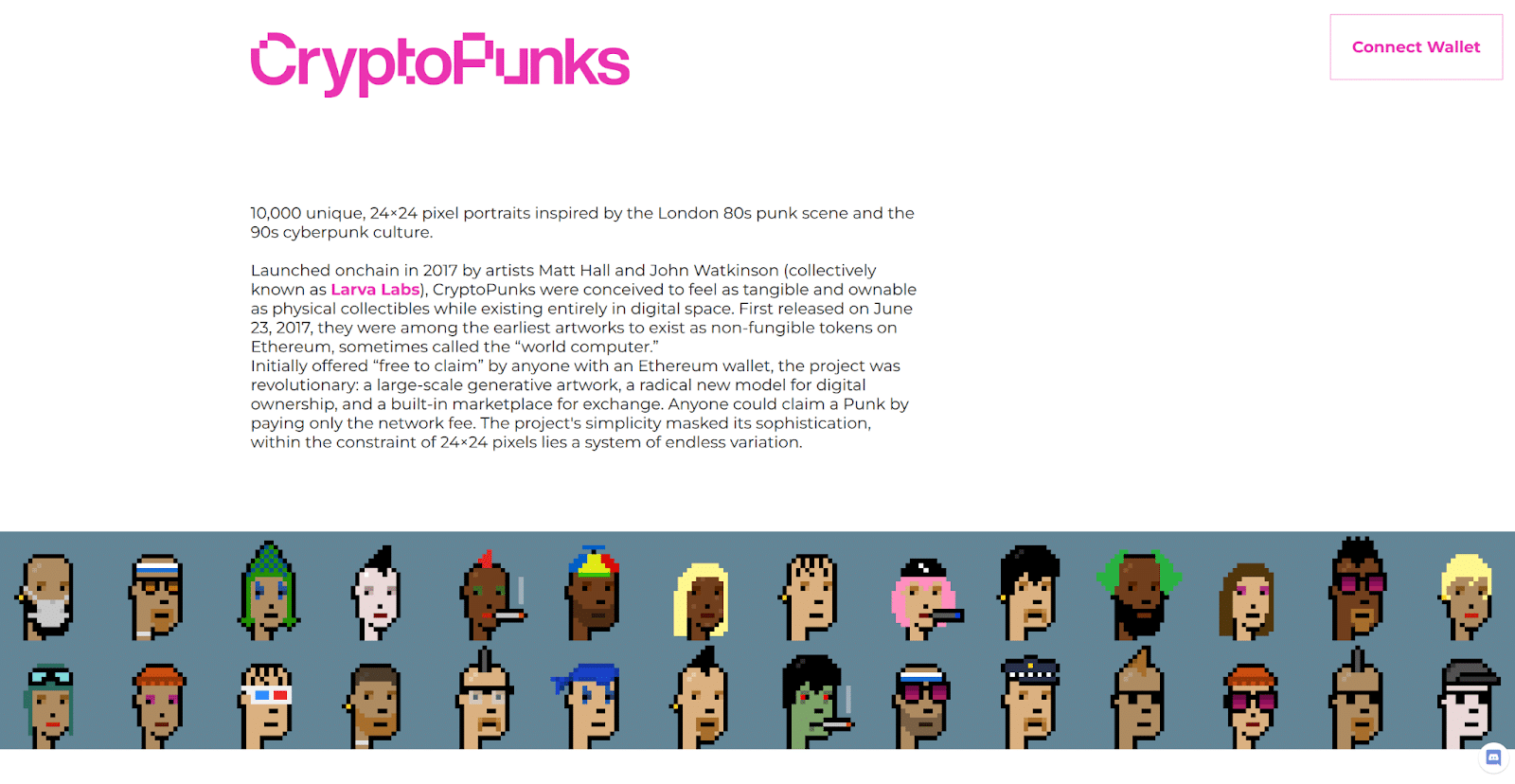
Both collections remain in high demand because they offer something distinct: history in the case of Punks, and an active club in the case of Apes. Projects like Pudgy Penguins show long-term promise as well, bringing new benefits like IP licensing rights and real-world products.
Look for founders with a proven history in Web3, art, or business. Is the team “doxxed” (identities known) or anonymous? While anonymous teams can succeed (Bored Apes started anonymously), transparency often reduces the risk of a rug pull (founders disappear with the money and leave the community with worthless monkey pictures).
Look further down the road if you’re thinking about an NFT as an investment. Does the project have a clear plan? Vague promises of “building a metaverse” may be red flags. Look for tangible deliverables, such as playable game demos, confirmed brand partnerships, or active software products.
2. Analyzing the Price Floor and Rarity (The Metrics)
Search for the collections that interest you and show staying power. Then, start applying filters. Most of today’s platforms let you sort by price and search for specific attributes to help you gauge value.
The most common metric you’ll see is the Floor Price. The floor price refers to the lowest Buy Now price currently listed for any of the NFTs within the collection. Think of it like the lowest-priced tickets to the big concert. Maybe the seats aren’t the best, but you’re at the show.
Floor price can be misleading, though, particularly for thinly traded collections. Check the trading volume as well. Volume indicates liquidity (how easily you can buy or sell). A collection might have a high floor price, but if trading volume is zero, that doesn’t reflect the real market. Look for consistent sales history, noting the price for those sales, to ensure you aren’t stuck with an asset you can’t resell.
The next thing to look at is Rarity. In a collection of 10,000 profile pictures (PFPs), specific traits are statistically rarer than others. Maybe it’s laser eyes, sunglasses, or a red hat. The market often assigns greater value to rarer NFTs (assuming sustained interest in the collection). Typically, an NFT with rare attributes is worth more than the more common NFTs at the floor price.
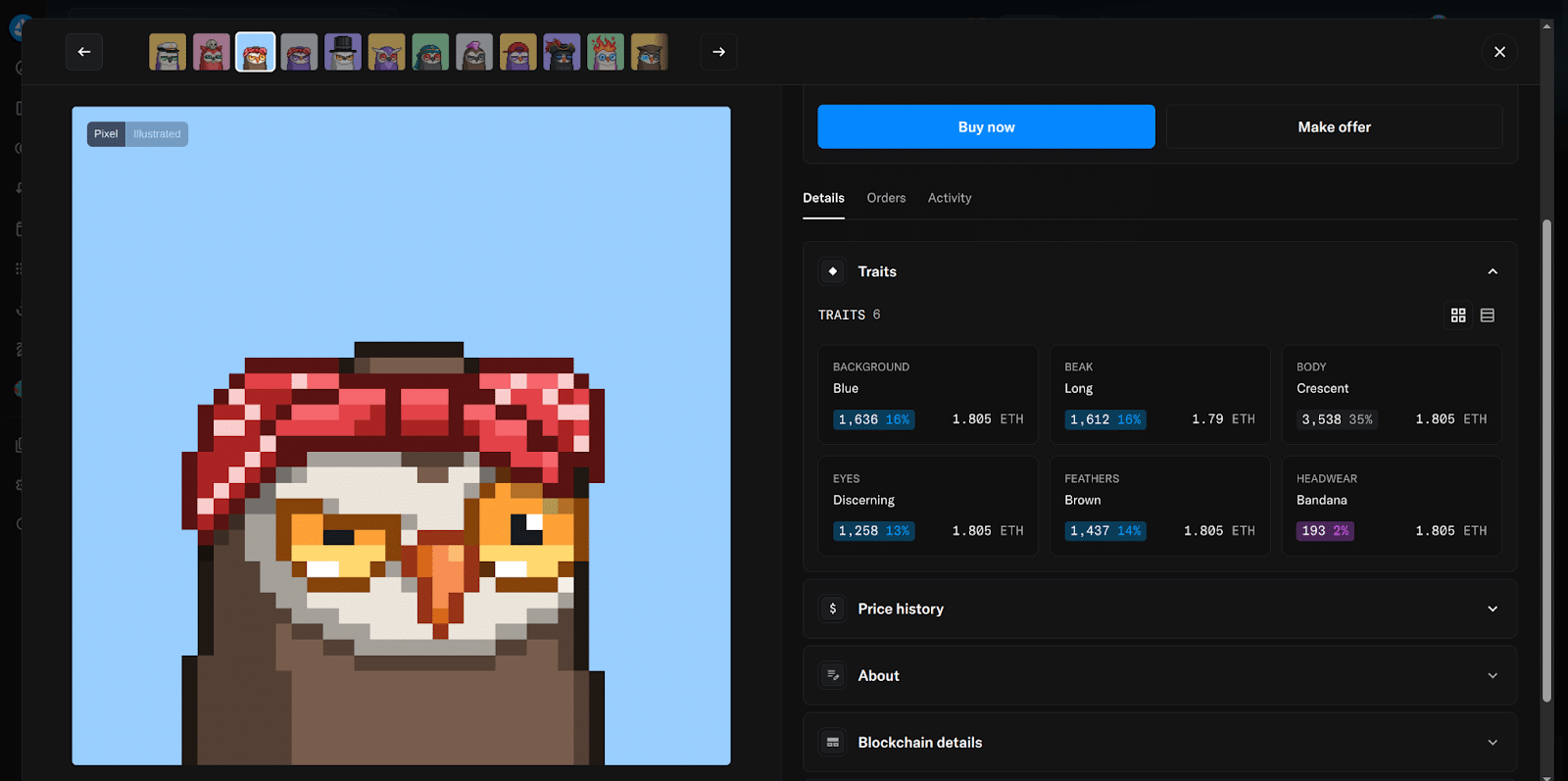
Check the Properties or Traits tab on the marketplace listing to find the percentage of NFTs in the collection that share that specific feature. For example, Bandana: 2%, as shown above. Most marketplaces now also display a Rarity Rank, such as Rank #450 of 10,000, directly on the listing page for each individual NFT, which acts as a summary of rare (or not-so-rare) features.
3. Community and Social Sentiment (The Network Effect)
Community is everything in the NFT world, and a lot of otherwise appealing NFT collections never realize their full potential because the community lacks a strong bond. An active group of people who HODL even when the crypto market turns bearish protects your investment and helps keep the buzz going.
However, numbers can be deceiving. You need to look beyond follower counts on social media to gauge real sentiment. Look for real users, not bots and hype, and pay attention to what they’re saying. Also, look to see who’s following who. If trusted industry names follow the project or its main social media ambassadors, that’s a promising sign.
How to Sell NFTs
Ready to sell your NFT? The selling process is similar across most popular marketplaces. Generally, you have two ways to exit a position: listing the item for sale and waiting for a buyer, or accepting an existing offer for instant cash. Some of the research tools we discussed earlier can help you determine a realistic price.
Listing for a Fixed Price (The Standard)
Fixed price listings are the most common method of selling an NFT, similar to a “Buy It Now” listing on eBay.
You connect to the platform using your crypto wallet and select the NFT you want to sell. Then, click Sell, and set a specific price, such as 0.5 ETH. Next, sign the transaction to approve the marketplace to sell the item. It’s not actually sold yet. You’re just giving the decentralized application (dApp) permission to sell your NFT if someone pays for it. You can also choose an expiration time for your listing.
Auctions (Best for Rare Items)
Auctions are normally reserved for very rare NFTs or high-value items where the price is hard to determine due to their rarity. OpenSea is a good starting point for new users, whereas platforms like Foundation and the SuperRare marketplace are best suited for ultra-rare and fine-art NFTs.
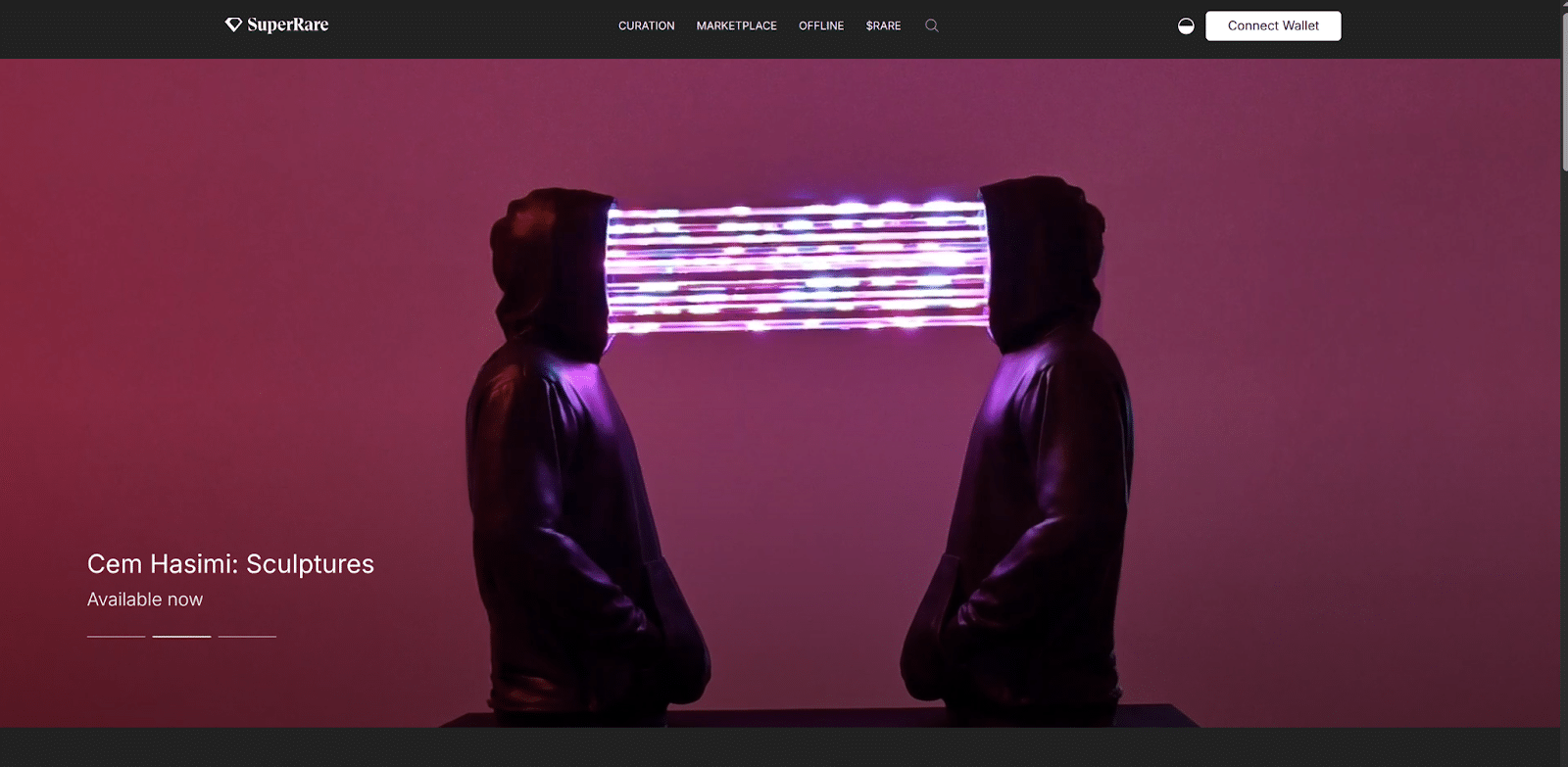
In a Timed Auction, you set a minimum price, and the highest bidder at the end of the timer wins. The minimum price creates a safety net, but the NFT might not sell if the market doesn’t see enough value to justify the price.
In a Dutch Auction, the price starts high, say 5 ETH, and slowly drops over time. The first person to accept the current price wins. At some point in the timeline, the price is right for someone out there. This is great for selling quickly. However, your NFT may not sell for the price you had hoped.
Accepting Offers (Instant Liquidity)
If you don’t want to wait, you can check if anyone has already placed a “Bid” or “Collection Offer” on your item.
Buyers often leave standing offers on NFTs, usually in WETH (Wrapped ETH, designed to work with dApps) on Ethereum or SOL on Solana. You can accept these offers instantly.
However, these are often the yard-sale buyers who want a $1 item for fifty cents, although some offers might be close to your listing price. Of note, the seller usually pays the gas fee for the transaction when accepting offers, so keep that in mind when weighing the offer.
Fees and Royalties
Let’s discuss the other potential costs associated with selling an NFT. You won’t receive 100% of the sale price.
- Gas Fees: You may need to pay a network gas fee if you’re selling an NFT from a collection for the first time. Additionally, sellers typically pay the gas fee when accepting offers.
- Marketplace Fee: The platform typically takes a cut of the final sale price. These fees usually range from 0.5% to 2.5% of the sale price. The cost can add up on higher-value sales.
- Creator Royalties: The original creator or project team often receives a percentage of every secondary sale. This royalty typically ranges from 2.5% to 10%. Notably, not all marketplaces enforce the creator royalties.
Selling an NFT is a lot like selling a car or a house in this respect. Unless you can find a buyer on your own, you’re paying someone to generate awareness and provide a secure platform for the transaction.
Conclusion: How to Buy NFTs Safely
Buying NFTs today is far more accessible than it was in the early days. However, success still depends on understanding the marketplaces and risks involved. Buyers now have more control and transparency than ever before due to clearer pricing data, better wallet integrations, and advanced platforms.
That said, NFTs remain a high-volatility asset class where value is shaped by community, utility, and long-term demand; not just visuals or hype. Whether you’re minting directly from a project, collecting digital art, or trading NFTs for profit, the smartest approach is to match the marketplace and buying method to your experience level, research projects carefully, and always account for fees and liquidity. By doing so, you can navigate the NFT ecosystem with confidence and make informed decisions that align with your goals rather than short-term market noise.
See Also: How to Buy Ethereum Name Service (ENS): Beginner’s Guide
FAQs
What are "gas fees" and why are they so expensive?

Gas fees are fees paid to the network validators for processing your NFT minting or purchase transactions. Validators ensure that transactions are valid and cannot be reversed. Costs vary: Ethereum gas fees are much higher than Solana’s, but fees on both networks can also fluctuate with network traffic.
Can I get scammed buying NFTs?
Yes, scams exist in the NFT space. The most common scam is a “Wallet Drainer,” a fake website designed to look like a popular project or marketplace but built around smart contracts that drain your wallet. However, rug pulls are another risk: the project builds hype to draw in buyers, then abandons it.
Do I own the copyright to the art I buy?
Usually, no. Often, there are limits to what you can do with the image, and you may not have the rights to reproduce it. Some collections (like Bored Ape Yacht Club or Pudgy Penguins) explicitly grant commercial rights to holders, allowing you to use your character on merchandise, branding, or products.
What happens if the image hosting goes down?
The NFT token lives on the blockchain forever, but the image file (the JPEG) is often stored elsewhere. Many well-established projects use IPFS (InterPlanetary File System) or Arweave to ensure perpetual storage. However, riskier projects store images on a centralized server. If they stop paying the hosting bill, your NFT could become a token with no image. There’s also the possibility that the image might be swapped for something else.
How can I see my NFT in my wallet?
Most crypto wallets are designed primarily for tokens, not images, so they may not automatically display every NFT you buy. Newer projects can be particularly troublesome for display purposes. Often, you can import the NFT manually using its contract address and ID, or you can view your NFTs on a portfolio site like OpenSea or Zerion, which acts as a gallery for your wallet.
References
- OpenSea Token Trading (opensea.io)
- (Ethereum Improvement Proposal) ERC-721: Non-Fungible Token Standard (ethereum.org)
- (Docs) ERC-721 Non-Fungible Token Standard (ethereum.org)
- Justin Bieber Blew $1.29M On A Bored Ape NFT (finance.yahoo.com)
- Magic Eden NFT Marketplace (magiceden.us)
- How to Write & Deploy an NFT (Part 1/3 of NFT Tutorial Series) (ethereum.org)
- SuperRare Curation (superrare.com)

Why you can trust 99Bitcoins
Established in 2013, 99Bitcoin’s team members have been crypto experts since Bitcoin’s Early days.
Weekly Research
100k+Monthly readers
Expert contributors
2000+Crypto Projects Reviewed