







In This Article
- Hashwallet Overview
- What Is Hashwallet and How Does It Work?
- Supported Cryptocurrencies
- Hashwallet User Experience and Customer Support
- Hashwallet Security
- Hashwallet vs. Similar Crypto Wallets
- Who Is Hashwallet Suitable For?
- How to Get Started With Hashwallet: Step-by-Step Guide
- Hashwallet Review: Conclusion
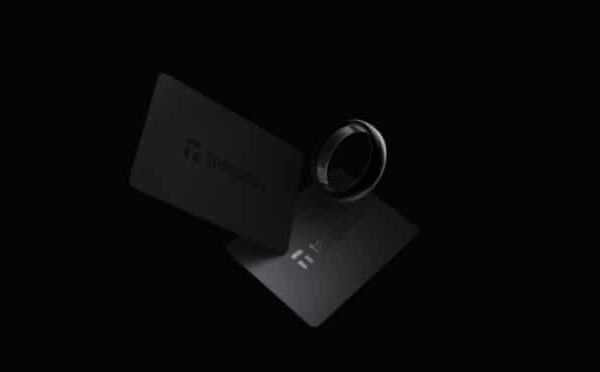
Hashwallet is a credit card-sized cold wallet created by the Spanish security firm eSignus. Private keys are created inside an EAL6+ certified chip and never leave the card. The device does not have a battery, port, or cable – instead, holders sign transactions by tapping the wallet against an NFC-equipped iPhone or Android phone. The Hashwallet All in One model costs €149 and includes anonymous recovery, multi-seed storage on a single card, and support for more than 11,000 assets, including Qubic.
As the crypto space continues its journey toward mass adoption, more holders are joining the Web3 community as newcomers, while veteran users keep building larger portfolios. Many of those users also worry about losing access to their funds through their own mistakes (such as losing a seed phrase, device loss or theft, forgetting a password, and so on), so demand for crypto wallets that address those worries is naturally increasing. However, most of those products are still designed with highly experienced Web3 natives in mind, rather than people who struggle with the demands of self-custody security – and this is where Hashwallet comes in.
Although Hashwallet’s card device looks simple, its advanced technical architecture is designed to protect users over the long term, and also protect the security system itself. That means one ordinary mistake is not enough to lose the user’s funds.
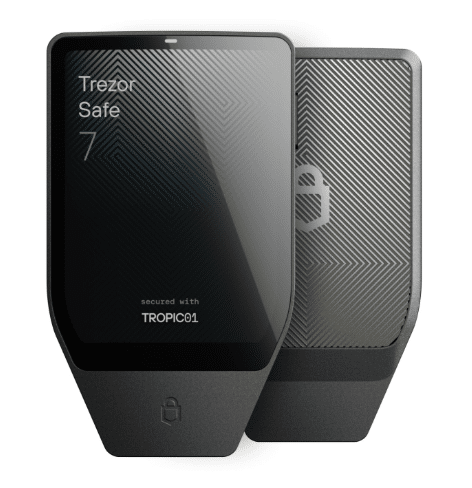
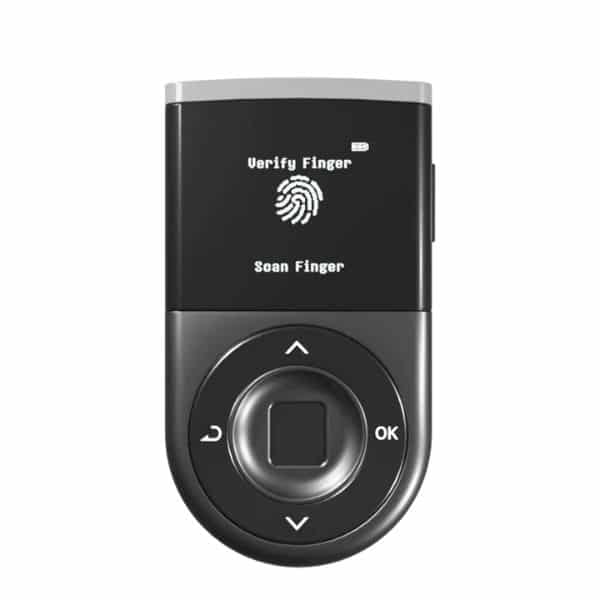
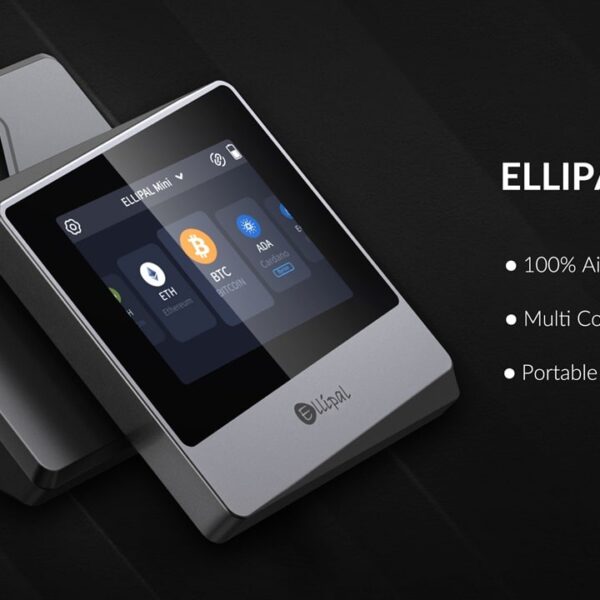
In this Hashwallet review, we’ll look at this wallet’s core features and extensive security measures, the range of cryptocurrencies it supports, how the card and its companion app work together, and more. We’ll also see how Hashwallet compares to other leading crypto wallets, such as Ledger, Trezor, and Tangem.
Our Hashwallet Review: Key Takeaways
- The wallet’s EAL6+ chip stores keys offline, and its firmware cannot be updated after manufacture, thus removing a common firmware attack path. New coins and networks can be added via the wallet’s dedicated smartphone app.
- One card device can hold multiple independent seeds, including seedless keys generated on-chip and imported BIP39 phrases.
- Lost-device recovery is handled by ordering a backup card via the Hashwallet app, with authentication via email and phone codes. No identity documents are required. The same backup-card path can be used if a written BIP39 phrase is lost.
- WalletConnect plus NFC tap-to-sign lets the same device talk to dApps without cables or a desktop companion.
Hashwallet Overview
Hashwallet is a self-custody hardware wallet the size of a credit card, so you can fit it in your actual wallet alongside other smart-card devices and traditional bank cards. The All in One unit measures 86 x 54 mm, carries an IP68 rating, and remains operational at temperatures between approximately -10°C and 55°C. Power comes from your phone’s NFC field, with no external battery required.
Keys are generated and used within the card’s chip, meaning that transaction signing happens directly on the device. However, a lost card cannot be used to spend your funds on its own, because app credentials are required to complete the key. The free Hashwallet app runs on iOS and Android and needs NFC to communicate with the card device. New coins and networks can be added through updates via the app, keeping the card’s firmware unchanged at all times.
| Product Name | Hashwallet |
| Form Factor | 86 x 54 mm NFC smart card, no battery |
| Security Chip | Common Criteria EAL6+ |
| Firmware | Permanent and frozen, never updated |
| Assets | 11,000+, Qubic included |
| Platforms | iOS and Android with NFC |
| Price | €149 (All in One device) |
| Recovery | Backup card can be ordered via app, no ID check needed |
| Durability | IP68, approx. -10°C to 55°C |
Pros
-
EAL6+ chip holds keys offline
-
Firmware cannot be rewritten
-
Multiple seeds can be stored on one card
-
Anonymous backup-card recovery
-
Inheritance transfer / estate management without sharing keys
-
NFC tap signing, no cables required
-
IP68-rated card that fits any regular wallet alongside bank cards
-
Security app protects transactions and blocks unsafe environments.
Cons
-
The card device has no screen; transactions are confirmed in the mobile app
-
Requires an NFC phone; no desktop option
What Is Hashwallet and How Does It Work?
Hashwallet is a self-custody hardware-based cold wallet that looks like a normal payment card, but is designed to serve as a personal cryptocurrency vault. Private keys are generated and held inside an EAL6+ certified secure chip and are not exposed to a phone, computer, or the internet. The card is battery-free and powered by NFC, measures 86 x 54 mm, is IP68-rated, and is designed to work across a wide temperature range. Users operate it through the Hashwallet app, which is available on both iOS and Android.
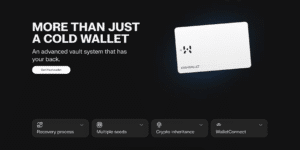
The wallet supports more than 11,000 cryptocurrencies and tokens, including major EVM-chain assets and Qubic. The standard All in One card is priced at €149. eSignus, which began work on the product around 2018 after earlier PKI research, has received two national cybersecurity awards in Spain for its recovery and security design.
Hashwallet’s main functions include contactless transaction signing, WalletConnect access to decentralized applications, multi-seed management on a single card, and inheritance planning that does not require sharing private keys. Users can generate seedless keys inside the chip or import BIP39 phrases.
The device’s firmware cannot be updated, which is a straightforward way to avoid common firmware attacks. Recovery is decentralized and does not require any KYC (Know Your Customer) procedures; instead, users can order a backup card via the mobile app. It carries one recovery element from manufacture, and a second is stored when the card is scanned. Neither is a private key, but both are processed together to restore it. eSignus cannot access user keys, including in response to legal requests.
To use Hashwallet in everyday life, the holder activates the card in the app, creates or imports seeds, then taps the card to an NFC-enabled phone to approve a transaction. Signing happens inside the chip. If the card is lost, app credentials and a newly ordered backup card allow the user to restore control without placing the underlying keys on a company server. In our view, Hashwallet’s card form factor, multi-key storage, and anonymous recovery set this product apart from traditional hardware wallets and other NFC card wallets.
Hashwallet Core Features
Hashwallet combines an NFC card, an EAL6+ chip, and a mobile app to store keys offline, sign transactions on tap, manage multiple wallets on one device, and recover access without a traditional seed phrase.
EAL6+ Chip and In-Chip Signing
Private keys are created and stored inside Hashwallet’s EAL6+ certified chip, which has no command to export those keys. Firmware on the card cannot be updated, and transaction signing happens inside the chip, so the key is not passed to the user’s phone. The app can halt activity if it detects a compromised device, and it is built to block overlay attacks that try to show one transaction while another is signed. Access to the card alone is not enough, as the app is required to complete the key.
Multi-Seed Storage on One Card
A single Hashwallet card can hold multiple independent keys, and users can also generate seedless keys inside the chip or import BIP39 phrases. Each key can produce multiple addresses through HD derivation, and seeds can be switched from the same app rather than carried as separate devices – so if one key is exposed, the others remain isolated. There is no stated cap on the number of wallets that can be created and stored on a single Hashwallet card. Holders can split funds by use across separate seeds, which keeps those activity trails isolated rather than exposing a single financial footprint.
Anonymous Backup-Card Recovery
Recovery does not rely on writing down a seed phrase or completing KYC procedures (such as providing a personal ID document). The user can order a backup card from the app, where the two recovery elements (which are not the private key) are processed together to recompose access inside the new card’s chip. Hashwallet’s Backup Center data alone cannot open a wallet, and eSignus is not able to access the user’s keys – even in the event of a legal request.
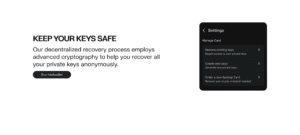
The recovery path is included with purchase, although there is an extra cost for the backup card itself if the original is lost or destroyed. If a written seed phrase is lost, the user can still order a backup card and recover access through the same process.
Inheritance Without Sharing Keys
Inheritance can be set up without handing over a seed phrase in advance. Instead, the holder can request an uninitialized backup card and leave the recovery details for an heir in their will, with instructions for later activation. The heir will then complete recovery with a verification step when access is meant to begin. This feature is intended for estate planning, not for day-to-day sharing of control.
NFC Card, WalletConnect, and Asset Coverage
The Hashwallet card is battery-free, IP68-rated, and sized like a normal payment card. Transactions are approved by tapping the device against an NFC-enabled phone. The app supports WalletConnect for dApps and more than 11,000 assets, including Qubic tokens and major EVM-chain coins. New assets are added through app updates rather than card firmware changes. Daily use is built around a one-tap-to-sign mechanism rather than involving a cable, PIN screen, or USB device. From the app, users can buy, send, receive, swap, and stake supported assets, and connect to dApps via WalletConnect.

Supported Cryptocurrencies
Hashwallet supports more than 11,000 cryptocurrencies and tokens, including Qubic and Kaspa. The list is clearly too extensive to cover in its entirety here, but it does include mainstream cryptocurrencies, Layer 1 coins, major altcoins, stablecoins, wrapped assets, and tokens that are available on major blockchain networks. New coins and chains can be added via app updates rather than requiring changes to the card’s firmware, so the same device can support additional assets as support expands. Users can keep those assets protected with separate keys on a single card, which is useful when holdings span multiple networks.
Popular networks and categories supported by Hashwallet include:
- Bitcoin and other UTXO coins: Bitcoin (BTC), Dogecoin (DOGE), Kaspa (KAS)
- Ethereum and EVM chains: Ethereum (ETH), BNB, Avalanche (AVAX), Polygon (POL), and tokens such as Uniswap (UNI) and Chainlink (LINK)
- Stablecoins: Tether (USDT), USDC
- Other large networks: Solana (SOL), XRP, TRON (TRX), and tokens supported on those networks
- Qubic ecosystem: Qubic and Qubic tokens
- Wrapped and staking assets: Wrapped Bitcoin, Lido Staked Ether
| Blockchain / Category | Asset Type | Examples |
| Bitcoin / Other UTXO Chains | Native / UTXO | Bitcoin, Dogecoin, Kaspa |
| Ethereum | Native / Tokens | ETH, Uniswap, Chainlink, Lido Staked Ether, associated tokens |
| BNB Chain, Polygon, Avalanche | EVM networks | BNB, POL, AVAX, associated tokens |
| Solana, XRP, TRON | Large non-EVM networks | SOL, XRP, TRX, associated tokens |
| Stablecoins | Dollar-pegged tokens | USDT, USDC |
| Qubic | Native and ecosystem tokens | Qubic, Qubic tokens |
Hashwallet User Experience and Customer Support
Hashwallet can only be operated through the Hashwallet app, which runs on iOS and Android phones equipped with NFC. There is no official Windows, Mac, or browser app for signing, so the card is essentially a wallet-in-pocket device rather than a desk accessory. Balances, sends, and WalletConnect are all handled in the app, so you only need to bring out the card to approve transactions. Access uses verification codes sent to the user’s email or phone, rather than a password that must be remembered for years.
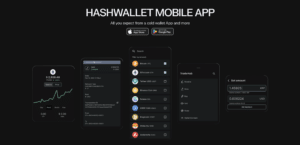
The Hashwallet interface is organized around seeds and wallets, so the user can switch between several keys without changing hardware. The app can also use your phone’s biometric features, and it will refuse to run on a rooted or jailbroken device. Help and support are handled through an in-app center, with additional resources including a public FAQ, contact email, and Telegram group. Backup cards can also be ordered directly from the app.
Hashwallet Security
Hashwallet stores private keys inside an EAL6+ chip on a battery-free card device. Keys are created on the chip and are not exported, and transactions are also signed on the chip. Firmware on the card cannot be updated, which removes a common path taken by malicious firmware attacks. A cryptographic element held in the Hashwallet app is required to complete the keys, so chip tampering or a stolen card is not enough on its own to remove funds from the wallet.
The management app is a fundamental part of Hashwallet’s security model, rather than a basic remote control tool. It can stop if it detects a rooted or jailbroken phone, an emulator, or an overlay attack. The wallet recovery process is split across a backup card and user-held credentials, and eSignus (the company behind Hashwallet) cannot read or surrender those keys, even under a legal request. Login is based on email and phone verification codes rather than a long-lived password.
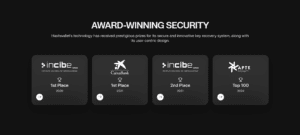
eSignus has won two national cybersecurity awards from Spain’s INCIBE for Hashwallet’s design: First prize in the 2020 Ciberemprende contest, and second prize in the 2021 Cybersecurity Ventures program.
- EAL6+ chip; keys never leave the card
- Non-updatable firmware
- In-chip transaction signing
- App blocks unsafe device environments
- No-KYC recovery that still requires a physical backup card
Hashwallet vs. Similar Crypto Wallets
| Point of Comparison | Hashwallet | Ledger / Trezor | Tangem |
| Signing | One-step contactless NFC with in-app confirmation | Multi-step confirmation on a screen, with connection via cable or Bluetooth | NFC tap on phone, confirm in-app |
| First-Use Time | Approx. six minutes | Longer button-and-cable flow on flagship units, need to write down seed phrase | App plus card pair, can take longer to set up |
| Recovery | Order a backup card anonymously via management app. Verification via email and phone codes; no ID document required | Paper seed, plus optional paid recovery products | Extra cards as copies of the same wallet |
| Recovery Cost | Recovery service included; pay for a replacement card | Seed backup is free, but optional recovery plans can carry a monthly fee | Extra cards can be purchased with the original set |
| Firmware | Frozen. Never updated on the card | Regular firmware updates | Frozen, cannot be updated |
| Seeds per Device | Multiple seeds, unlimited | Typically one master seed per device | All cards in a set share one wallet |
| Inheritance | Unused backup card and email/phone access enables an heir to gain access without sharing keys | Heirs can be given a backup phrase, which can be split with Trezor’s share system. Ledger Recover is ID-based if subscribed | Can give a spare card to an heir, which holds the wallet keys |
| On-Device Screen | None | Yes on flagship units | None on standard cards |
| Ports and Battery | None (smart-card device) | USB; battery on many Ledger units | None (smart-card device) |
Who Is Hashwallet Suitable For?
Hashwallet is an ideal fit for crypto users who want all the advantages of cold storage, but also worry about losing access through their own mistakes, such as forgotten passwords, a lost seed phrase, or a device that goes missing and ends up in a malicious actor’s hands. In our view, it is suitable for every type of crypto holder – but especially those who find self-custody security to be challenging. This is a common worry that affects Web3 newcomers and veteran investors alike, regardless of the size of their portfolios.
This wallet’s payment-card format, and the ability to sign transactions on an NFC-equipped iPhone or Android phone, make day-to-day use simple and straightforward. Hashwallet is also aimed at holders who carry multiple wallets and want those keys on a single NFC card, including Qubic users who want to access that network using the same device as their Bitcoin, Ethereum, and other major asset holdings. The seedless option will suit users who do not want a written recovery phrase, and the inheritance feature will be useful for holders planning to grant heirs access without handing over keys in advance.
On the other hand, Hashwallet is a weaker fit for users who prefer to sign on a desktop or laptop, or who want a screen on the device itself. Recovery also assumes the user can wait for a replacement card to arrive, with delivery typically quoted at 10–20 business days. That said, we feel the benefits of Hashwallet (particularly its ability to protect users against a wide range of everyday mistakes) outweigh the drawbacks, especially given the form factor, size, and nature of a smart-card device.
How to Get Started With Hashwallet: Step-by-Step Guide
Hashwallet is set up on an NFC phone with the official app – so you will need the physical card, an iOS or Android device with NFC turned on, and an email address for the account. There is no desktop setup path.
-
Order a Hashwallet All in One device from the official Hashwallet website. Delivery is usually quoted at 10 to 20 business days. Shipping is free worldwide.
Visit Hashwallet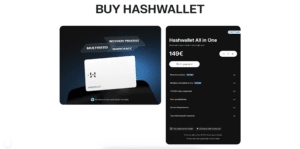
-
Install the Hashwallet app from the Apple App Store or Google Play.
-
Open the app, tap “Activate your card,” and enter your email and phone number.
-
Enable NFC, tap “Scan card,” and hold the card to the phone until the scan finishes.
-
Select “Generate keys” for a seedless wallet, or import an existing BIP39 phrase.
-
Name the seed, confirm, and scan the card again. Turn on biometric unlock if offered.
-
On the seed screen, tap the “+” button, pick an asset, and confirm with the card to create the first wallet.
-
Open that wallet, tap “Receive,” copy the address, and send funds in from elsewhere.
Hashwallet Review: Conclusion
Hashwallet is a strong option for self-custody crypto users who want simple, convenient cold storage, but do not want access to depend on remembering a password or guarding a paper seed phrase. The All in One card is small enough to easily fit next to traditional bank cards in a standard pocket wallet, and transactions are signed with a tap on an NFC phone. Keys are stored in an EAL6+ chip at all times; firmware cannot be rewritten; and a single device can hold multiple seeds, including a seedless key.
Newcomers and veteran holders alike can lose funds through everyday mistakes – but Hashwallet’s technical architecture, backup-card recovery, and inheritance transition path are built to protect users’ holdings over the long term. On the other hand, most hardware wallets still leave these concerns to a written phrase, which is easy to lose or destroy.
Overall, Hashwallet is best suited to mobile-first and security-focused holders who can sign with an NFC phone and hold assets across several networks, with a wide range of supported tokens and chains, including Qubic. For those users, Hashwallet’s powerful security measures, card form factor, tap-to-sign flow, and multi-seed design make this product an easy daily-carry vault and an ideal alternative to desk-bound devices.
Visit HashwalletReferences:
- Hashwallet Official Website (Hashwallet)
- Hot vs Cold Crypto Wallet: What’s the Difference? (Coinbase)
- NFC Guide: All You Need to Know About Near Field Communication (The Bottom Line)

Why you can trust 99Bitcoins
Established in 2013, 99Bitcoin’s team members have been crypto experts since Bitcoin’s Early days.
Weekly Research
100k+Monthly readers
Expert contributors
2000+Crypto Projects Reviewed