






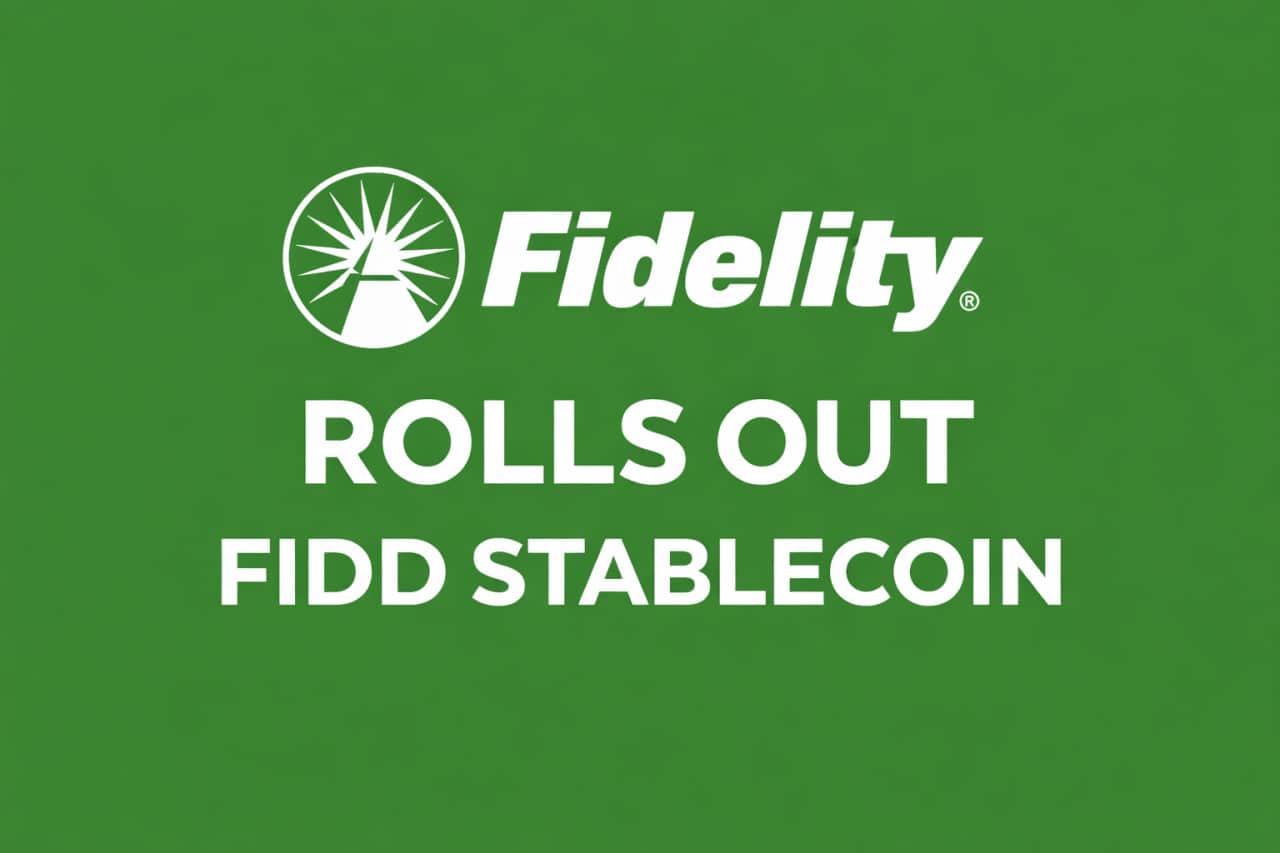
Stablecoins are suddenly in favor. This is how adoption tends to arrive. Fidelity just flipped the switch on its U.S. dollar stablecoin, FIDD, opening access to both everyday investors and large institutions. The move comes as stablecoins continue to grow as crypto’s cash layer, even as prices across major coins chop sideways. Big picture: Wall Street firms now want a direct role in how digital dollars move.
Fidelity manages trillions in traditional assets, so this is not a startup experiment. It fits a broader pattern of established finance stepping deeper into crypto infrastructure, not just token trading.
We are excited to introduce Fidelity Digital Dollar (FIDD), a new stablecoin issued by Fidelity Digital Assets, NA and pegged 1:1 to the U.S. dollar.
Learn more and get started with FIDD: https://t.co/VlsKPR2BFY pic.twitter.com/wnOnXCRO03
— Fidelity Digital Assets (@DigitalAssets) February 4, 2026
DISCOVER: Best New Cryptocurrencies to Invest in 2026
For beginners, this signals something simple but important. Crypto’s plumbing is getting built by names you already recognize.
What Exactly Is FIDD And How Does It Work?
FIDD is a stablecoin, meaning one token equals one U.S. dollar. Think of it like a digital casino chip that always cashes out at $1, rather than fluctuating in value like Bitcoin or Ethereum.
Fidelity issues FIDD on Ethereum, the largest smart contract network. That matters because Ethereum operates like a public financial highway, enabling apps, wallets, and exchanges to interact without special permissions.
INSIGHT: Stablecoins generated $5.2B in revenue in 2025, accounting for 41.9% of total protocol revenue. pic.twitter.com/fjJrAn9k7B
— CoinGecko (@coingecko) January 25, 2026
You can buy or redeem FIDD directly through Fidelity for $1. You can also move it to any Ethereum wallet or trade it on exchanges where it is listed. That flexibility makes it usable beyond Fidelity’s own walls.
Why Fidelity’s Timing Matters Right Now
This launch follows clearer U.S. rules for stablecoins, following the GENIUS Act’s establishment of federal guardrails. Clear rules lower the legal risk that kept big firms on the sidelines.
We are watching a trust shift. After years of crypto-native issuers like USDT and USDC, traditional finance is now getting in, much as major US stablecoins gained traction through scale and brand recognition.
🚨BREAKING: U.S. Treasury CONFIRMS GENIUS Act + Stablecoins Could Help FUND the Government 🇺🇸🔥
During testimony today, Scott Bessent (@SecScottBessent) said the GENIUS Act and the stablecoins created under it could become an "important tool for financing the U.S. government."… pic.twitter.com/DWqvcjj70K
— Diana (@InvestWithD) February 4, 2026
For regular users, this means more options for holding “digital cash” without constantly jumping between banks and exchanges.
DISCOVER: Top 20 Crypto to Buy in 2026
How This Fits The Bigger Stablecoin Trend
Globally, governments and firms are racing to define digital dollars, from central banks to private issuers. We see this in places like the institutional stablecoin adoption wave outside the U.S.
At the same time, nearly every major central bank is exploring its own digital currency, which adds pressure on private stablecoins to remain transparent and compliant.
RABOBANK: STABLECOINS ARE A GEOPOLITICAL WEAPON FOR THE US
Rabobank argues dollar stablecoins are becoming a powerful U.S. geopolitical weapon and a tool for what it calls “reverse perestroika.”
Here’s the core mechanism:
When a foreign firm wants to hold a dollar stablecoin,… pic.twitter.com/mnI0zXMuM3
— Bitcoin News (@BitcoinNewsCom) January 31, 2026
For crypto users, competition usually means better standards and clearer rules.
Fidelity’s FIDD does not make crypto risk-free, but it does make digital dollars feel more familiar. Expect more traditional firms to follow, turning stablecoins into everyday financial tools rather than niche crypto products.
DISCOVER: Top Solana Meme Coins to Buy in 2026
Follow 99Bitcoins on X For the Latest Market Updates and Subscribe on YouTube For Daily Expert Market Analysis

Why you can trust 99Bitcoins
Established in 2013, 99Bitcoin’s team members have been crypto experts since Bitcoin’s Early days.
Weekly Research
100k+Monthly readers
Expert contributors
2000+Crypto Projects Reviewed