







In This Article
Decentralized storage protocols are popularizing decentralized storage — but remain costlier than centralized cloud storage. Now, the Walrus protocol promises a low-cost solution to blockchain-based storage using its own Walrus (WAL) token to power transactions.
In this guide, we’ll learn how to buy Walrus coin and explore the ecosystem in more detail.
Key Takeaways
- Walrus Coin (WAL) is the native token of the Walrus Protocol, a decentralized data storage protocol on the Sui blockchain.
- You can buy Walrus easily on major exchanges like MEXC and Kraken after setting up an account and depositing funds.
- Walrus offers erasure coding, programmable storage, and flexible storage durations for cost-effective data management.
- WAL can be stored securely using non-custodial wallets such as Sui Wallet, Suiet Wallet, Phantom Wallet, or Ledger hardware wallets.
- WAL tokens can be staked for rewards, held as an investment, traded on exchanges, or used in decentralized apps.
How to Buy Walrus in 4 Easy Steps
Let’s walk through the process of purchasing Walrus tokens. Several cryptocurrency exchanges now list Walrus, giving you multiple options based on your location. For this guide, we’ll use MEXC, a widely used crypto exchange with a global presence. If you’re in the U.S., you can use Kraken. The process is similar.
Here’s a step-by-step guide to buying Walrus on MEXC.
1) Set Up Your MEXC Account
Begin by visiting the MEXC website and signing up for an account. You must provide basic information, such as your email address, and create a password. Complete the verification process to activate your account. MEXC typically does not require Know Your Customer (KYC) identity verification for most users, making the signup process quick and straightforward.
2) Fund Your MEXC Account
Once your account is active, deposit funds using your preferred method. MEXC supports a variety of deposit options, including both cryptocurrencies and fiat currencies through third-party providers. For instance, you can purchase USDT with your local currency and then use USDT to buy Walrus.
3) Locate the Walrus Trading Page
After depositing funds, go to the Walrus trading page on MEXC. You can find it by using the exchange’s search function to look up Walrus.
4) Purchase Walrus
On the Walrus trading page, enter the amount of Walrus you wish to buy and confirm the transaction. You can choose from various order types, such as market orders or limit orders. Market orders are executed immediately at the current USD price, while limit orders are filled only when the market reaches your specified price.
Once you’ve purchased Walrus, consider withdrawing your tokens to a self-custody wallet to maintain complete control over your assets. Later in this guide, we’ll explore some crypto wallets that support Walrus and discuss best practices for secure storage.
Buy Walrus on MEXCWalrus Protocol Key Features
Let’s go over Walrus Protocol’s core features:
- Launch:The Walrus Protocol is built on the Sui Network, a decentralized blockchain. The project’s mainnet (storage nodes) launched on March 27, 2025.
- Tokenomics: The WAL token has a total supply of 5 billion tokens, with tokenomics designed to ensure long-term sustainability. The circulating supply is 1.25 billion tokens.
- Presale: The protocol raised $140 million in a private sale led by prominent investors to support development and ecosystem growth.
- Staking: Users can stake WAL tokens to earn rewards, incentivizing users to hold the token.
- Use Case: The protocol offers decentralized data storage, featuring erasure coding for secure, scalable, and cost-effective data storage. Rather than immutable storage, owners choose how long to store data.
- Long term: The Walrus Protocol aims to become a leading decentralized data storage solution for Web3 applications, providing secure and scalable data storage and management.
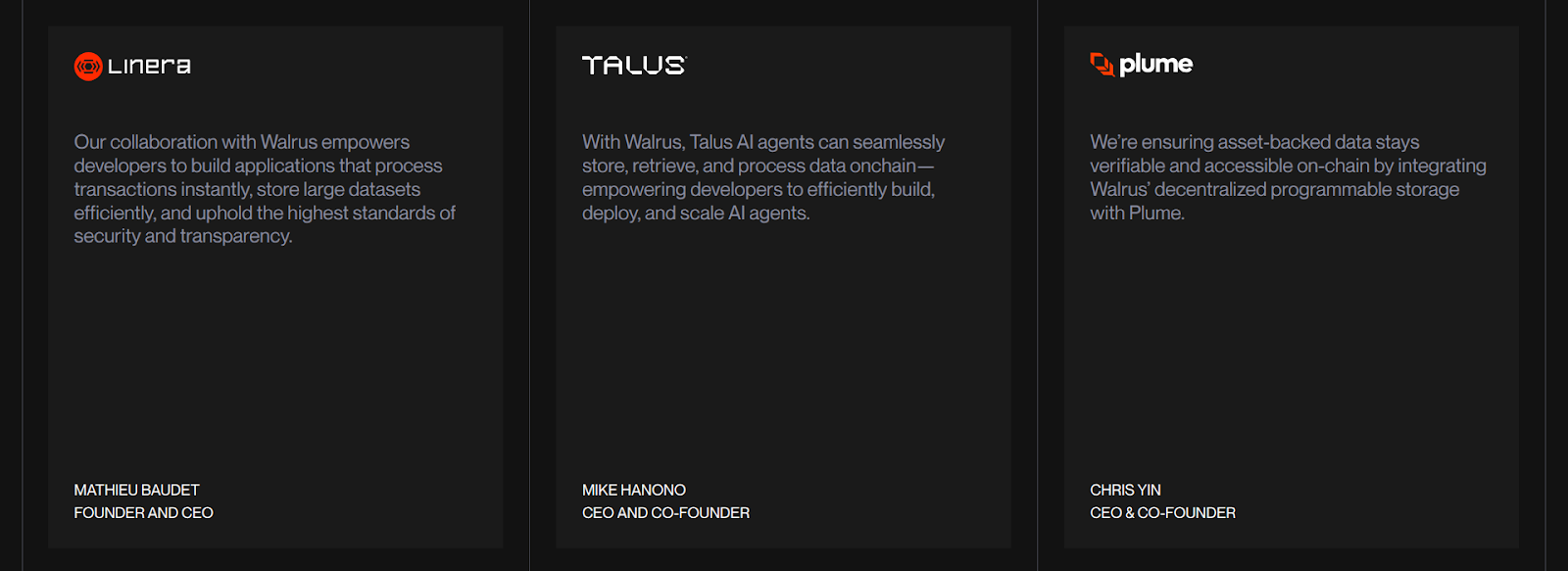
- Roadmap: The protocol has a detailed roadmap that includes expansion through key partnerships. Several notable projects have integrated Walrus, including Pudgy Penguins and Chainbase.
How to Buy Walrus Coin – Step-by-Step Instructions
Let’s learn how to buy Walrus Coin using a more detailed walkthrough. We’ll use MEXC, a global crypto exchange that offers a wide selection of cryptocurrencies.
Step 1: Create an Account on MEXC
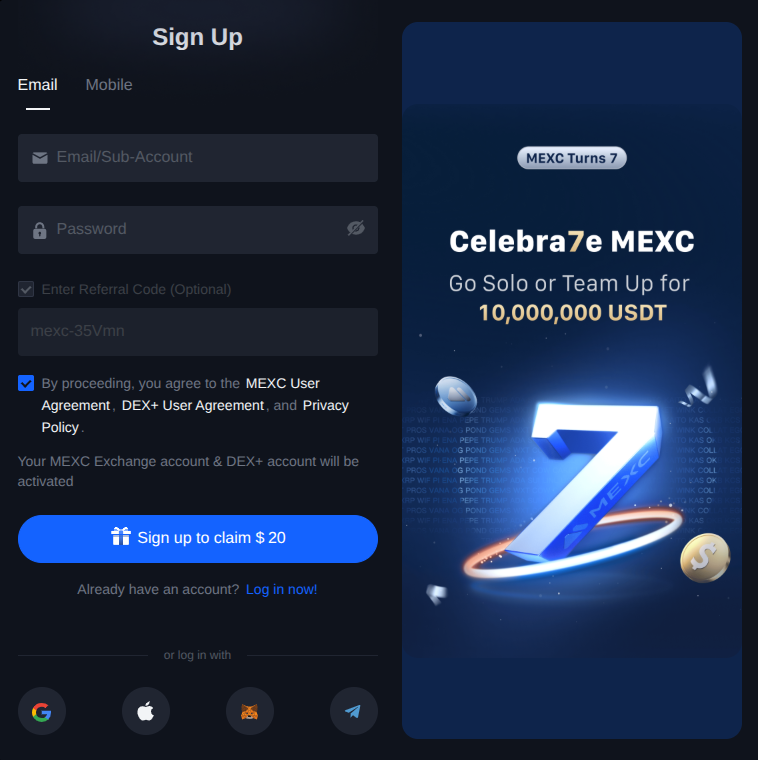
First, you need to create an account. Visit the MEXC website, sign up by providing basic information such as your email address or phone number, and create a strong password. MEXC offers login options via Google, Apple, Telegram, and crypto wallets. In most cases, you won’t need to complete identity verification to start trading.
Step 2: Fund Your MEXC Account
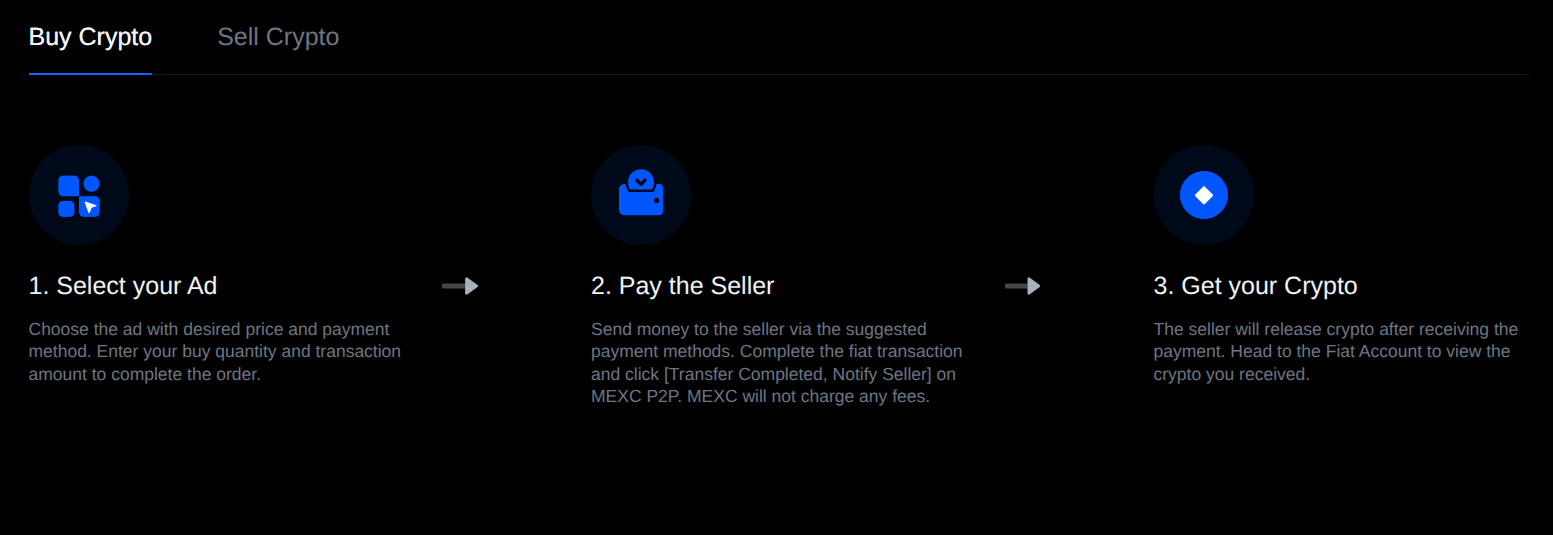
After setting up your account, deposit funds using your preferred method. MEXC supports a variety of deposit options, including both cryptocurrencies and fiat currencies, with availability depending on your region.
If you’re using a third-party provider to fund your account, buy USDT because MEXC offers a trading pair between USDT and Walrus.
Step 3: Access the Walrus Trading Page
Once your funds have been deposited, navigate to the Walrus trading page on MEXC. Use the exchange’s search function to find Walrus (WAL/USDT).
MEXC is an advanced trading platform that supports derivatives, spot trading, and decentralized exchange markets. But if you are simply wanting to purchase tokens that you can later transfer to a non-custodial wallet, select ‘Spot’ market.
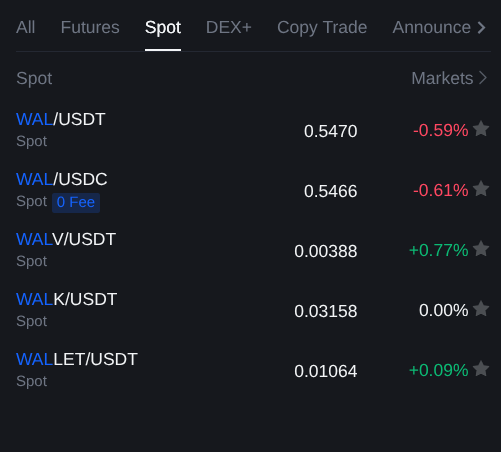
Step 4: Buy Walrus Tokens
On the Walrus trading page, specify the amount of Walrus you want to buy or the amount if USDT you want to spend. You can choose between different order types, such as market orders and limit orders, based on your trading strategy.
Market orders are executed immediately at the current market price, while limit orders allow you to set a specific purchase price and will only fill if the market reaches that price. If everything looks right, you can confirm the transaction.
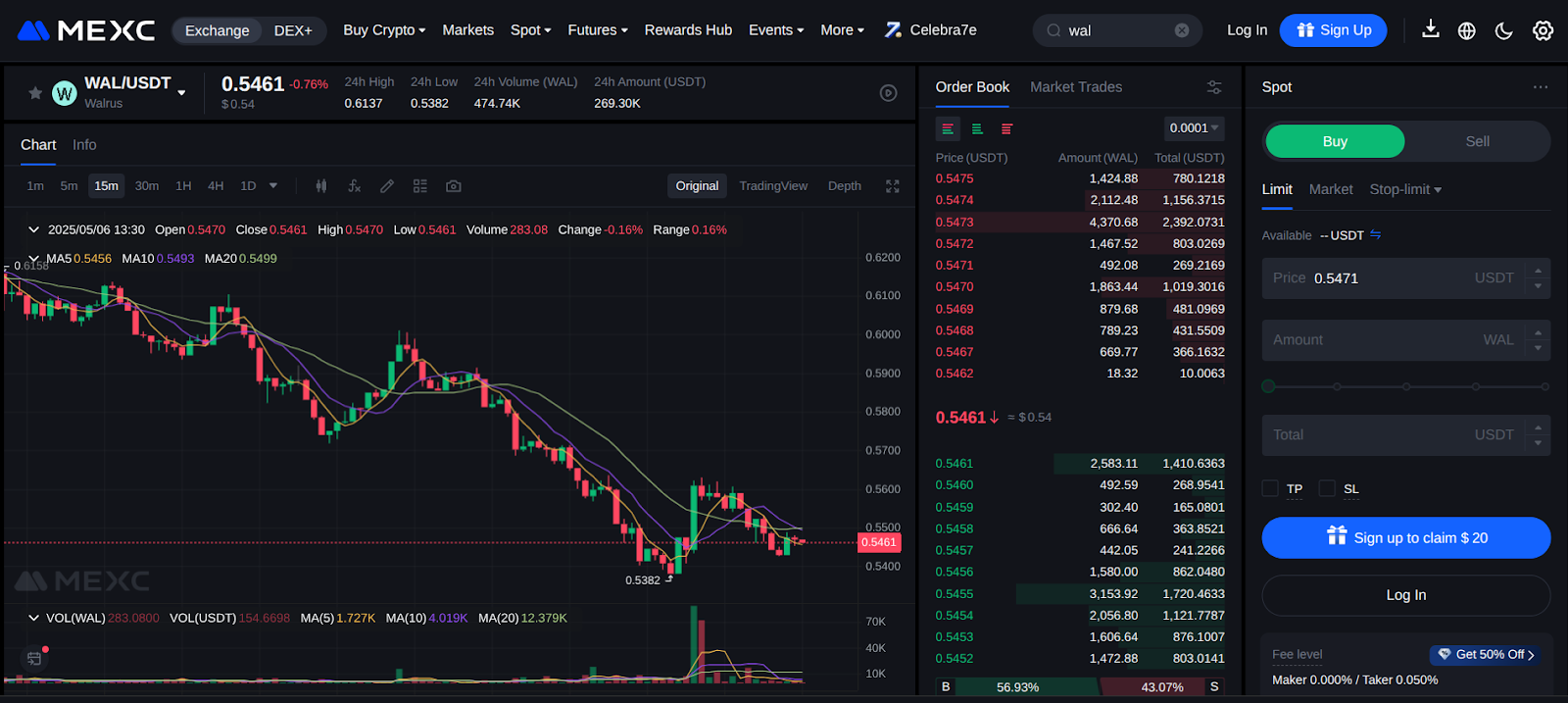
MEXC will deposit your tokens in a custodial wallet on the exchange. You might want to transfer your Walrus tokens to a non-custodial cryptocurrency wallet for added security or to use the tokens on the Sui blockchain. We’ll discuss wallets that support Walrus tokens later in this guide.
Buy Walrus on MEXCWhat is Walrus Coin (WAL)?
Walrus Coin (WAL) is the native token of the Walrus Protocol, a decentralized data storage solution. The network’s Mainnet launched in March 2025. Walrus has its own network of storage nodes, but depends on the Sui network for transactions and smart contract support. The token rewards storage providers for storing data on the network, ensuring data is accessible when needed.
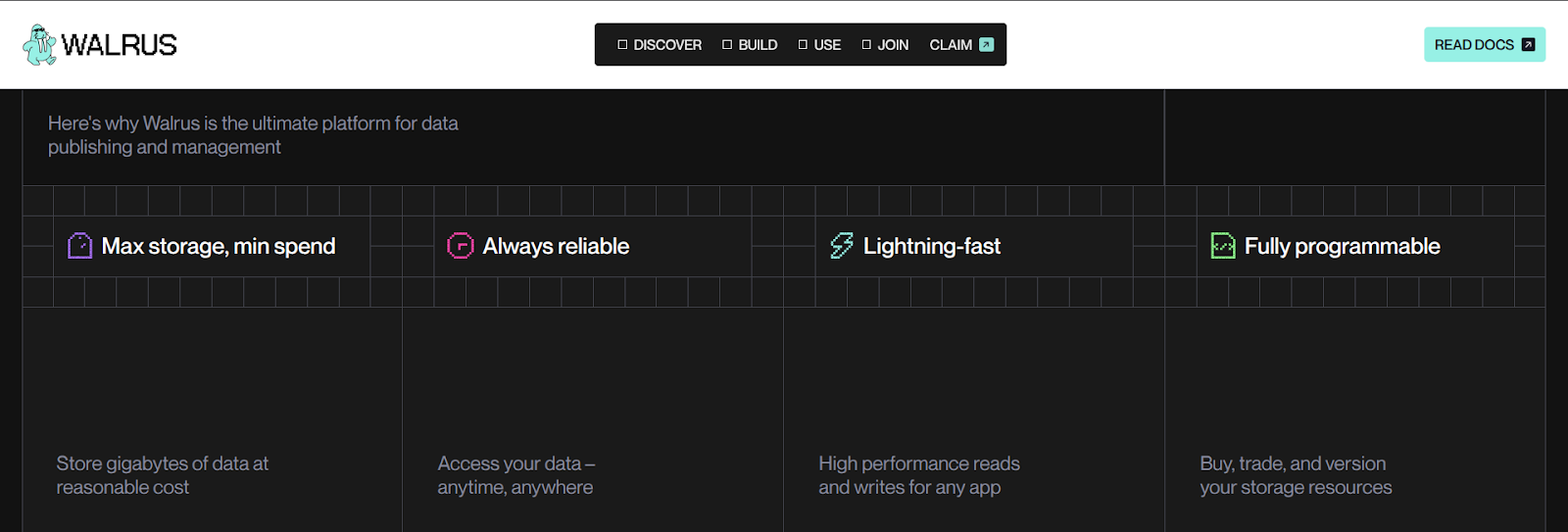
Key Features of the Project
The Walrus Protocol offers several key features that make it an attractive solution for Web3 applications, and differs from competing protocols like Arweave and Filecoin. For example, Arweave focuses on permanent storage, whereas Walrus maintains data as long as needed by the owner. Walrus also introduces erasure coding to boost storage efficiency and redundancy. By some estimates, erasure coding can lead to up to 80% lower costs compared to Filecoin and up to 99% lower than Arweave.
- Decentralized data storage with erasure coding increases efficiency. In simple terms, erasure coding is like making multiple copies of a document and storing them in different locations. If one copy is lost or damaged, the other copies can be used to recover the original document.
- On-chain data storage enables integration with decentralized applications (dApps). Walrus is well-suited to projects ranging from NFTs to blockchain data to artificial intelligence training sets.
- Flexible data storage duration allows owners to choose how long to store data.
- Integration with the Sui Network provides a fast, affordable, and scalable foundation for the protocol.
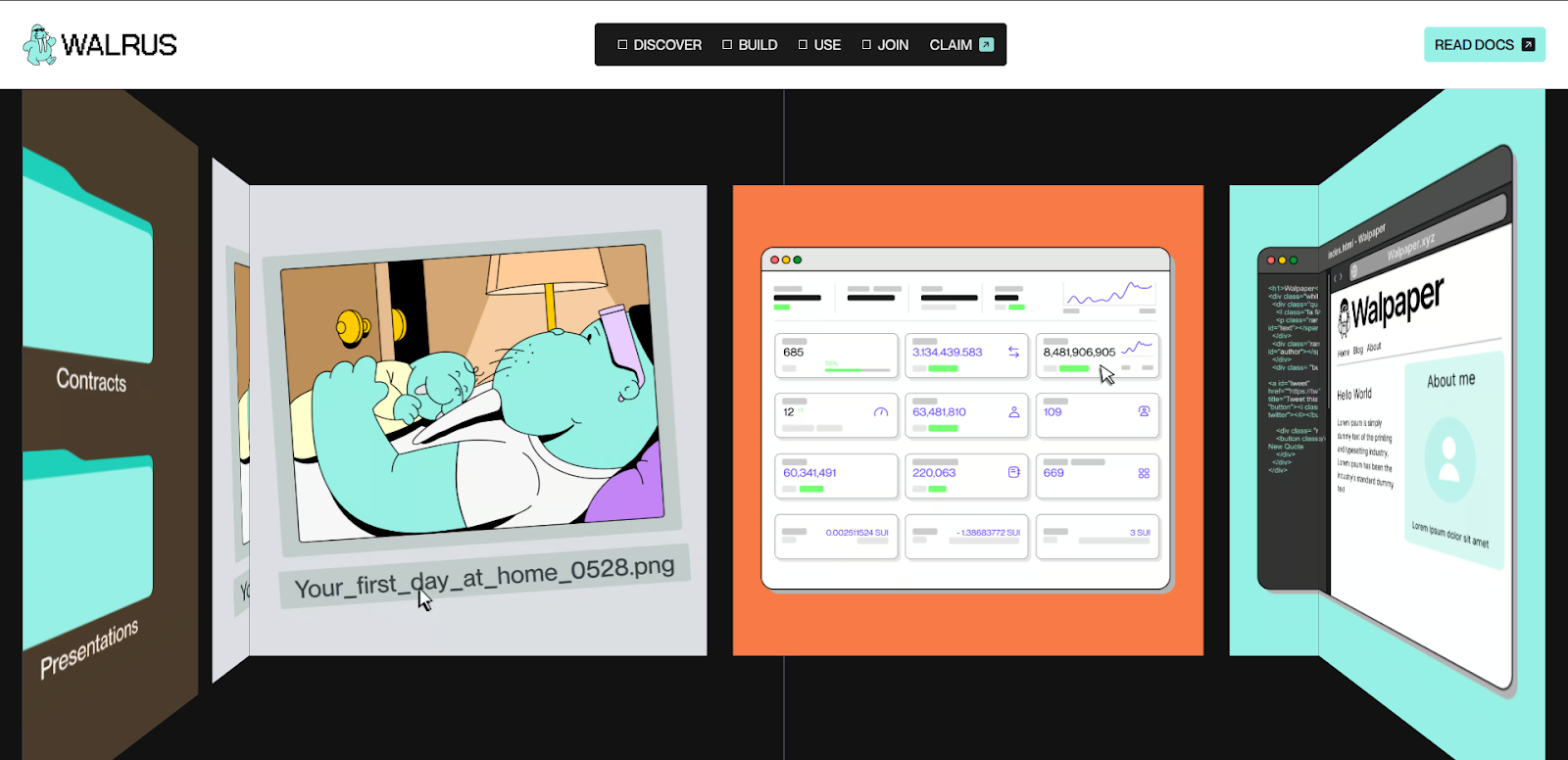
What Makes Walrus Interesting?
The Walrus Protocol is interesting due to its innovative approach to decentralized data storage. The protocol’s use of erasure coding and on-chain data storage enables secure, scalable, and cost-effective data storage, making it an attractive solution for Web3 applications. For example, the network can be used to store large data files or rich media content , such as videos or images. Other use cases include AI training sets. The network’s speed and low cost make it a compelling value in comparison to more established protocols.
Tokenomics
The WAL token has a total supply of 5 billion tokens and a circulating supply of 1.25 billion tokens. In some regards, the tokenomics mirror those of Arweave and Filecoin, with all of these protocols having a fixed maximum supply. However, Arweave no longer has an overhanging supply. Arweave’s entire supply is in circulation, whereas 75% of WAL will be released through token unlocks later.
Community
The Walrus Protocol boasts a growing community of developers and partners. However, the crypto community has also taken notice. The Walrus project’s X page has amassed over 540,000 followers in under a year. An active Discord channel provides updates and serves as a gathering place for users, developers, and the team itself.
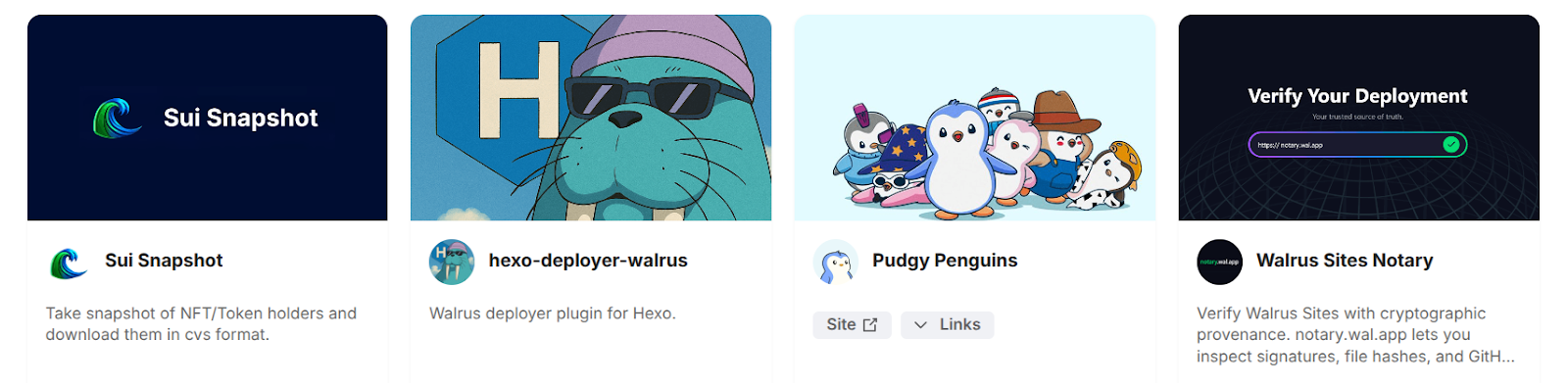
In addition to several notable projects, including Pudgy Penguins and Chainbase, more than 130 other projects have been built around the protocol. Use cases range from code projects to photo and video storage to blockchain data archives.
Why Buy Walrus Coin and Is it Worth it?
The Walrus protocol’s advanced programmability and lower costs make it an attractive alternative to cloud storage solutions like Filecoin and even some Web2 cloud storage providers. However, the protocol is still young, and long-term reliability remains unproven.
Let’s examine some of the factors that make Walrus worth considering and some caveats to weigh before making an investment.
Current Price and Market Performance
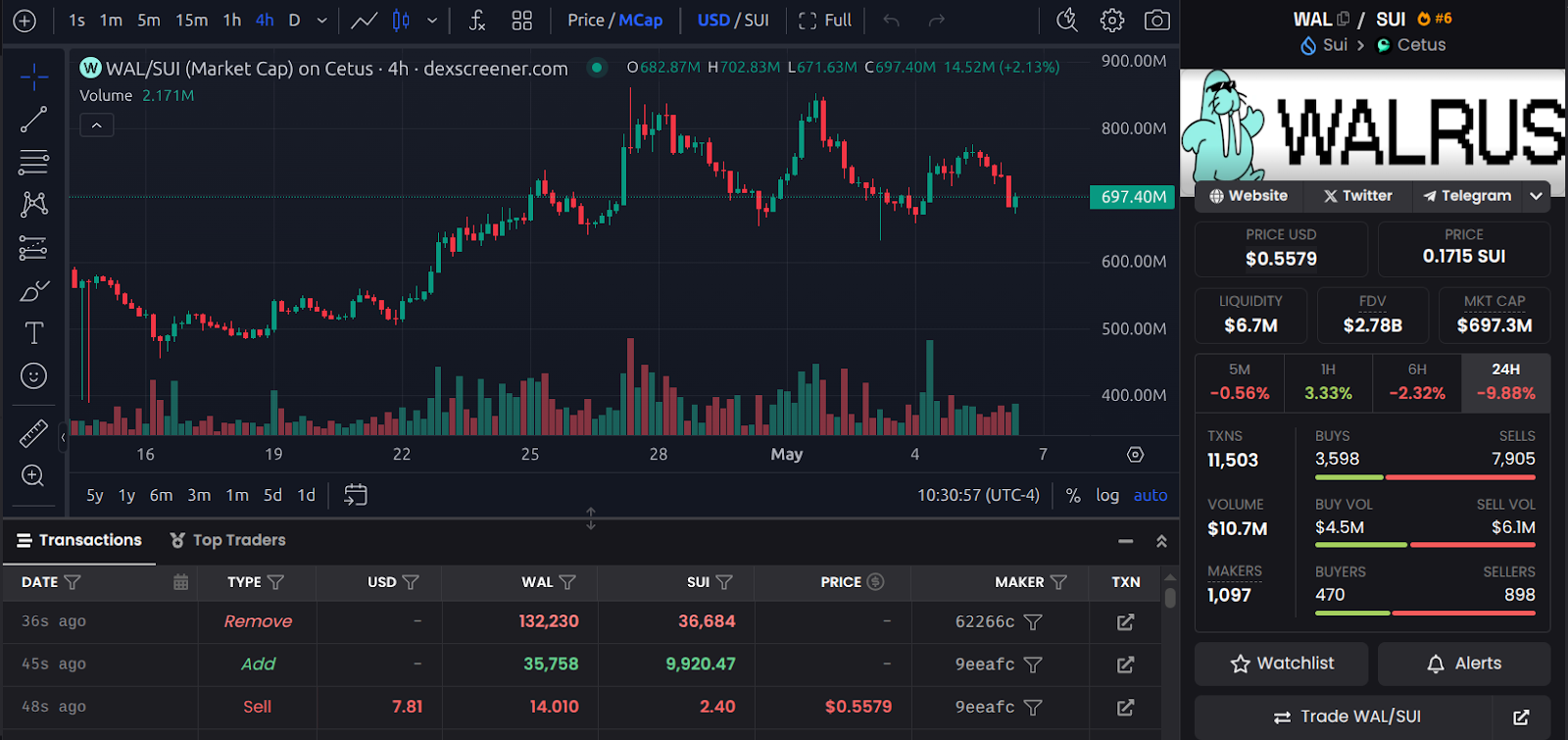
At a current price of about $0.61, WAL is close to its all-time highs of about $0.67. At launch, the token’s market cap approached the fully diluted market cap of Arweave, and Walrus’ FDV is now more than six times that of Arweave. In fairness, while both platforms target cloud storage, their approach to the market differs significantly. Walrus focuses on programmable storage while Arweave targets permanent storage use cases.
Fully Diluted Valuation (FDV) Comparison
Often, fully diluted valuation provides a helpful way to compare similar projects. The market capitalization (market cap) measures the total value of all circulating tokens. However, this can be misleading if a large number of tokens have not entered circulation or if the token is inflationary.
To put WAL’s market capitalization into perspective, we can compare its fully diluted valuation (FDV) to that of other decentralized storage solutions, such as Arweave (AR) and Filecoin (FIL).
| Token | Market Cap | Fully Diluted Valuation (FDV) | Circulating Supply | Max Supply | Est. % of Max Supply Not in Circulation |
| Filecoin (FIL) | $2,638,281,702 | $5,093,281,018 | 196,275,463 FIL | 2,000,000,000 FIL | ~90.2% |
| Walrus (WAL) | ~$733.98 M | ~$3.05 B | ~1.28 B WAL | 5,000,000,000 WAL | ~74.4% |
| Arweave (AR) | $471,007,891 | $474,732,640 | 65,500,370 AR | 66,000,000 AR | ~0.76% |
Arweave is a mature project, with nearly 100% of the maximum supply circulating. By comparison, only 25% of Walrus tokens are circulating. At some point, these tokens will come to market. Without increased demand, prices could fall.
Ultimately, the Walrus protocol plans to make the supply deflationary using two burning mechanisms. These include penalties for stake shifts and slashing for low-performing storage nodes. In both cases, some of the fees or penalties will be burned (sent to an unrecoverable address on the chain).
Potential Use Cases and Adoption
The Walrus protocol’s programmability eclipses that of Filecoin and gives users more flexibility in using their storage. Updated data can replace existing data, making storage more efficient than similar protocols.
Applications like NFT storage may require long-term accessibility, but other use cases can benefit from the ability to replace old data with new data.
However, Walrus faces adoption challenges as well. While many discussions center on the protocol’s potential use cases, the protocol remains largely a Sui-centric project.
The Sui chain’s total value locked (TVL) still lags well behind leading chains like Ethereum, Solana, Bitcoin, and several Ethereum Virtual Machine (EVM) chains. As of this writing, Sui ranks 9th in TVL, well behind the leading chains.
This limited market raises questions about long-term viability. Walrus likely needs to develop cross-chain tools to expand beyond the limited (but growing) Sui ecosystem.
The excitement surrounding the project gives reason for optimism, but the limited market and fully diluted value compared to much more established projects also suggest a cautious approach.
How to Store Walrus Tokens That You Buy?
When you buy Walrus coin through an exchange like MEXC, the exchange holds your tokens in a custodial wallet. This means the exchange has the wallet’s private keys that control the tokens on the blockchain. In this case, your access to your funds is tied to your account login. This creates risk and limits what you can do with your tokens.
- The exchange might limit access to your account.
- There is no guarantee that exchanges have enough tokens to cover everyone’s holdings.
- Exchanges are common targets for hacking attempts.
Additionally, when the exchange holds your tokens, you can’t use the tokens in on-chain applications like staking. Let’s discuss custodial versus non-custodial wallets briefly before we discuss options for storing your digital assets in a crypto wallet that you control.
Custodial Wallets vs Non-Custodial Wallets
The distinction between custodial and non-custodial wallets centers on who holds the wallet’s private keys.
- With a custodial wallet, a third-party service holds your private keys on your behalf. This means that you don’t have direct control over your private keys. Instead, you rely on the custodial service to secure your funds.
- On the other hand, a non-custodial wallet gives you complete control over your private keys. This means you are responsible for securing your funds and can always access your digital assets.
Cold Wallets vs Hot Wallets
Many exchanges store tokens in cold wallets, meaning the private keys are stored offline.
This type of wallet is less vulnerable to hacking and other online threats. However, you can also get a self-custody cold wallet for many cryptocurrencies, including Walrus. Hardware cold wallets refer to devices that store the keys offline, allowing you to connect temporarily to authorize transactions. For example, Ledger hardware wallets support the Sui blockchain and the Walrus token by extension.
A hot wallet, on the other hand, refers to a type of wallet connected to the internet. Hot wallets include apps or browser extensions that store your private keys and provide an interface to interact with the blockchain. While hot wallets offer more convenience, they can introduce more risk.
In the next section, we’ll discuss some hot and cold wallets and how they can be used together.
Best Walrus Coin Wallet
As discussed earlier, storing your Walrus tokens in a custodial wallet on an exchange can bring risks and limitations. To have full control over your tokens and to be able to use them in on-chain applications, such as staking, you’ll need to store them in a non-custodial wallet.
Key Features to Look for in a Wallet
Each crypto wallet supports specific blockchains, so Sui compatibility becomes essential. You’ll also want a wallet with a strong reputation for security. Let’s review some basic features to consider when choosing a wallet to store your Walrus tokens.
- Compatibility: Ensure that the wallet is compatible with the Sui blockchain. Walrus is a Sui token.
- Security: Look for wallets that have a strong reputation for security. Check for third-party audits that can confirm the wallet’s security.
- Hardware Wallet Support: If you expect to use a hardware wallet with a software wallet app, check for hardware wallet support.
- User Interface: A user-friendly interface makes it easy to manage your tokens and reduces the chance of costly errors.
- Additional Features: Some wallets may offer features like staking dApp integration with other decentralized applications.
Wallets that Support Walrus Coin
Several wallets support the Walrus token, including mobile apps, web apps, browser extensions, and hardware wallets.
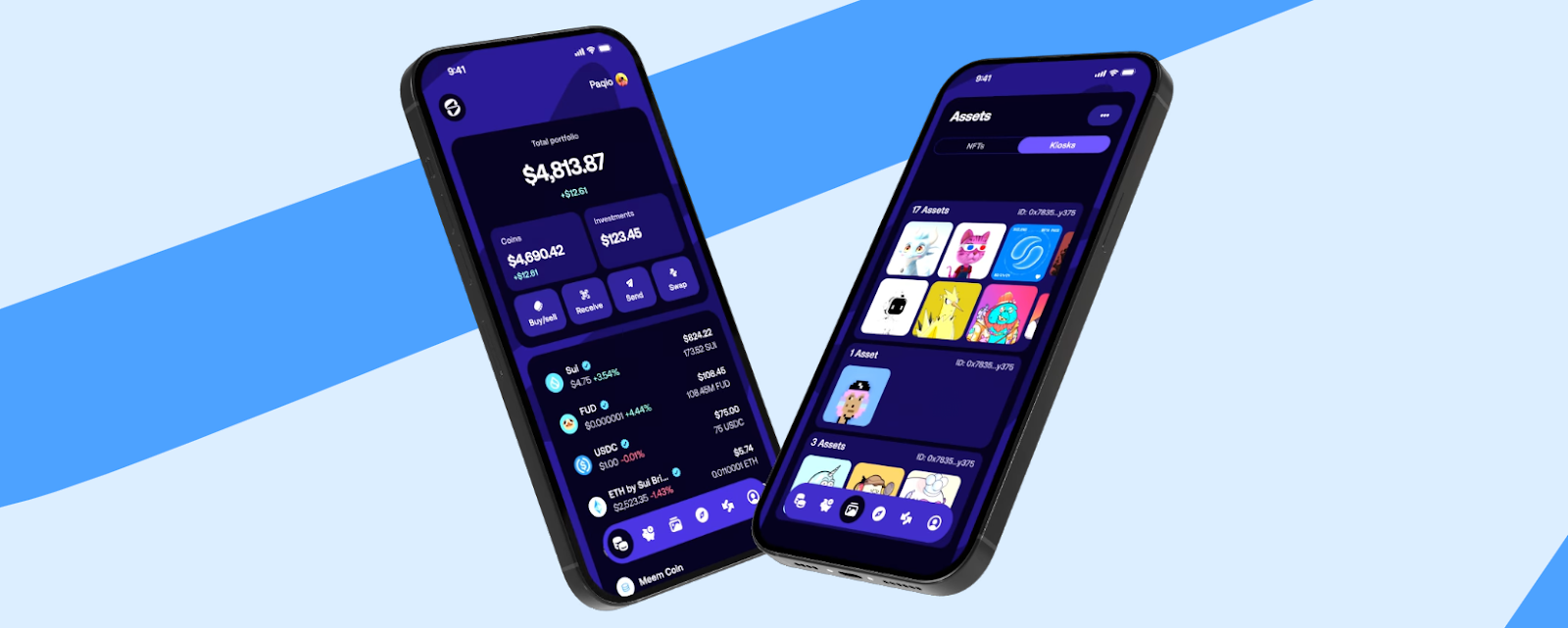
- Sui Wallet: The official wallet developed by Mysten Labs (the company that created the Sui network) provides a secure and user-friendly way to manage your Walrus tokens. Sui Wallet was recently rebranded to Slush Wallet (pictured below).
- Suiet Wallet: This popular browser extension wallet supports the Walrus token and provides a range of features centered on the Sui ecosystem.
- Phantom Wallet: The easy-to-use Phantom wallet supports several popular chains, including the Sui blockchain.
- Ledger Hardware Wallet: Some Ledger hardware wallets support Sui, although the Ledger Live companion app does not. To use a Ledger hardware wallet with Sui, you’ll need to pair it with a compatible wallet app like Sui Wallet or Phantom Wallet. Check Ledger’s website before purchasing a device. Some newer Ledger devices do not yet support Sui.
What to Do with Walrus Tokens You Buy?
Earlier, we learned how and where to buy Walrus Coin, but what can you do with the tokens once you own them? Many investors buy to hold or trade, but you can also stake your tokens to earn a yield or use your tokens in decentralized finance (DeFi) applications.
Staking
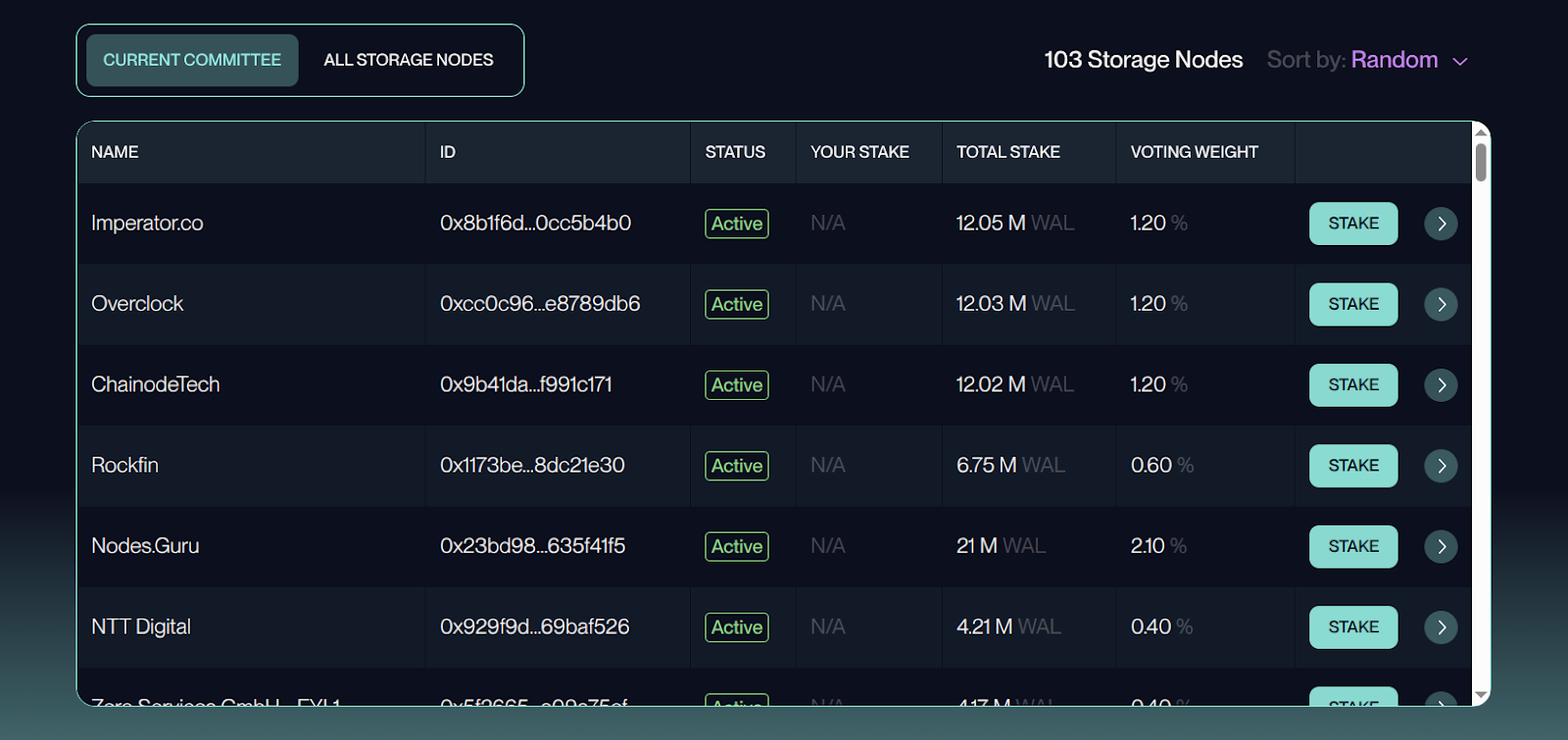
The Walrus protocol uses a delegated proof-of-stake (dPoS) validation mechanism to ensure access to stored data. Holders can stake tokens to any of 100+ storage nodes to earn a yield. As the network grows, staking yields are expected to increase.
Hold for Gains
While staking provides yields, it also comes with some risks. Slashing can reduce your holdings, and the staking smart contract could be vulnerable to exploits. While these risks may be low, simply holding your Walrus tokens is a safer option. This can be a good strategy if you believe in the long-term potential of the project.
Trading
You can also trade Walrus tokens on various cryptocurrency and decentralized exchanges. If you understand technical indicators well, you can trade in and out of Walrus, capitalizing on normal market volatility.
Liquidity Pools
Decentralized exchanges allow users to deposit tokens into a liquidity pool (LP), providing trading inventory for other traders. You can earn trading fees on each trade that uses your LP position.
Pay For Storage
The Walrus protocol uses the WAL token to pay for storage on the network.
Participate in Governance
As a WAL token holder, you can participate indirectly in governance decisions related to the Walrus protocol by staking the token. On the Walrus protocol, storage nodes vote on penalties and other protocol parameters based on their respective stakes.
Use in Decentralized Applications
If the Walrus token remains popular, you can expect to see it in decentralized finance applications such as lending markets.
Buy WAL Verdict – A Promising Investment?
We learned how to invest in Walrus Coin, but should you? Walrus Coin (WAL) presents an intriguing opportunity, especially for those interested in decentralized storage solutions. The Walrus Protocol offers several advantages compared to earlier protocols, including lower costs, enhanced programmability, and a focus on flexible data storage durations. These features make it a competitive alternative to established protocols like Filecoin and Arweave.
Reasons to Consider Investing in WAL
- Cost-Effectiveness: Walrus’ use of erasure coding can significantly reduce storage costs compared to competitors. Lower cost, combined with programmability, could help Walrus to gain market share quickly.
- Programmability: The protocol’s focus on programmable storage allows for more flexible and efficient data management. This can be particularly beneficial for applications that require frequent updates or dynamic data storage needs.
- Growing Ecosystem: The Walrus Protocol has already attracted several notable projects, including Pudgy Penguins and Chainbase. A growing ecosystem and increasing adoption could signal potential long-term value.
- Staking Rewards: Users can stake their WAL tokens to earn rewards, providing an additional incentive to hold and participate in the network.
Potential Risks and Challenges
- Market Volatility: Like all cryptocurrencies, WAL is subject to market volatility. Investors should be prepared for price fluctuations along their crypto journey, along with potential short-term losses. Daily price fluctuations of more than 10% aren’t uncommon.
- Competition: The decentralized storage market is competitive, with established players like Filecoin and Arweave leading the market.
- Regulatory Risks: Changes in regulations or laws governing cryptocurrencies can impact the value of WAL. Investors should stay informed about regulatory developments affecting the crypto market or specific sectors, such as tokens supporting staking.
- Dependency on Sui Network: Walrus is built on the Sui Network, and its success is partly dependent on the growth and stability of the Sui ecosystem. Relative to leading smart contract chains, liquidity and TVL on Sui remain limited.
Walrus Coin (WAL) is a promising opportunity for those bullish on decentralized and efficient storage solutions. The protocol’s innovative features, growing ecosystem, and potential for staking rewards make it an attractive investment.
However, investors should also weigh the risks, including market volatility, competition, and adoption rates of the Sui network. As a newer protocol, Walrus remains a speculative investment. If Walrus fits your investment strategy, consider making it part of a well-diversified portfolio.
How to Buy Walrus FAQs
Where can I buy or sell Walrus crypto coins?


You can buy Walrus (WAL) on centralized exchanges like MEXC and Kraken through various payment methods or on decentralized exchanges on the Sui network.
How to get Walrus token?
To get Walrus tokens, sign up on a supported exchange such as MEXC or Kraken. Complete the verification process and deposit funds into your account. Search for Walrus (WAL) on the exchange, place a buy order specifying the amount you want to purchase, and confirm the transaction. Always do your own research.
How much is the Walrus token today?
As of the latest data, the current price of Walrus (WAL) is around $0.616 USD. Keep in mind that cryptocurrency prices are volatile and can change rapidly. For the most accurate and up-to-date information, check reliable sources for real-time market data and price charts.
How does Walrus staking work?
Walrus staking involves delegating your WAL tokens to storage nodes to support the network and earn rewards. By staking, you help ensure data availability. In return, you receive staking rewards.
What is the total supply of Walrus?
The total supply of Walrus (WAL) tokens is capped at 5,000,000,000 WAL. This fixed maximum supply is important for understanding the token’s potential scarcity and impact on its value. With a set supply, an increase in demand can drive up the price of WAL if the network continues to grow and attract more users. However, about 25% of the maximum supply is in circulation.
References
- The native token for Walrus (walrus.xyz)
- Walrus (coingecko.com)
- Walrus Protocol (x.com)
- Walrus Discord (discord.com)
- Projects (walruscan.com)
- Arweave (coingecko.com)
- Sui Wallet (slush.app)
- WAL Staking Rewards (walrus.xyz)

Why you can trust 99Bitcoins
Established in 2013, 99Bitcoin’s team members have been crypto experts since Bitcoin’s Early days.
Weekly Research
100k+Monthly readers
Expert contributors
2000+Crypto Projects Reviewed